
Thai Bangkaew Dog
A Spitz-type Thai companion and watchdog with a profuse coat. Loyal and devoted to its owner, but alert, territorial and reserved with strangers.
Thai Bangkaew Dog scorecard
Overview
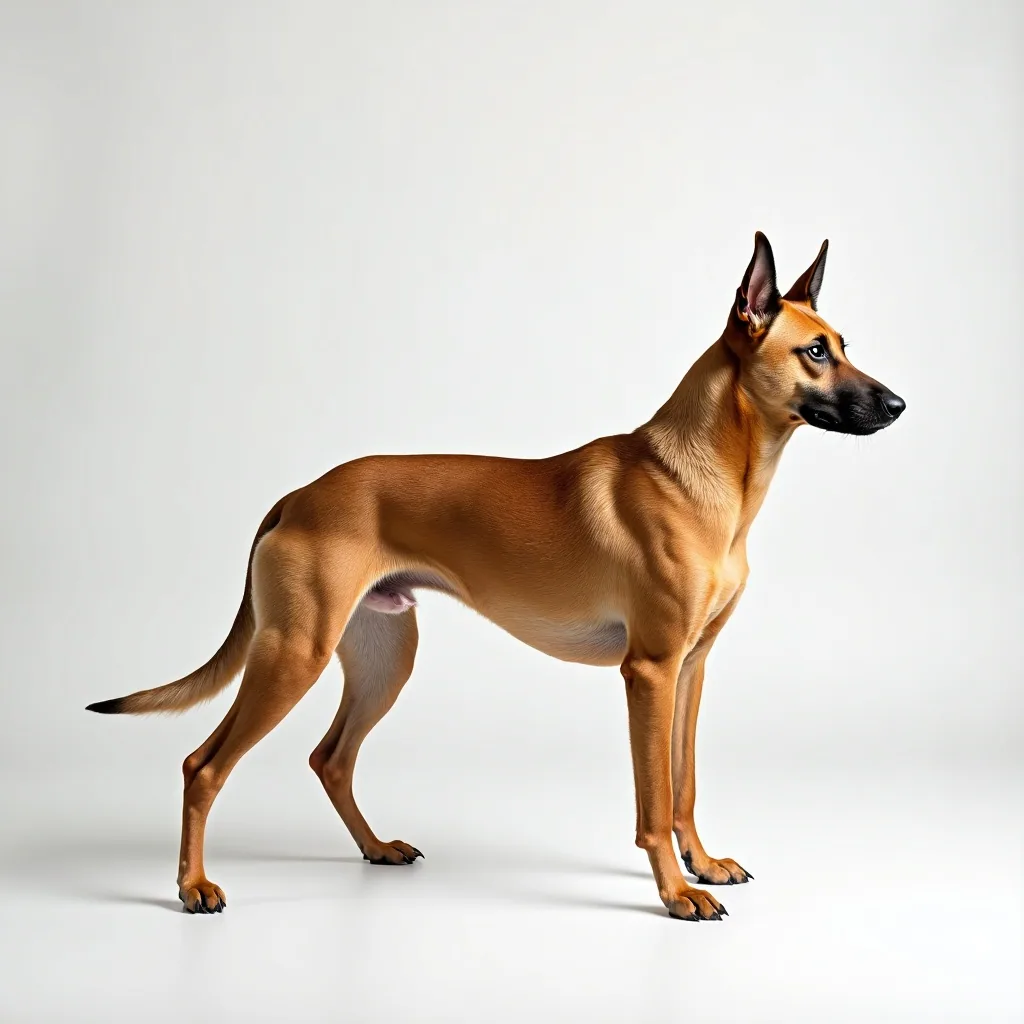
The Thai Bangkaew Dog is a medium-sized spitz-type breed from Thailand, traditionally kept as a loyal companion and alert watchdog. It has a compact, well-muscled body and a distinctive double coat with a profuse ruff around the neck and shoulders, seen in white with patches of various colours. The breed takes its name from the Bangkaew area of Thailand's Phitsanulok province.
Devoted and protective, the Thai Bangkaew bonds strongly with its owner and is naturally watchful, making it an effective guardian but reserved with strangers. It is recognised by the FCI but is not separately recognised by the UK Kennel Club and is rare in Britain, where breed-specific health data is limited. Its loyalty, alertness and independent streak suit committed owners who will socialise and train it thoroughly.
Good to know — a Thai Bangkaew Dog is best with a garden and better with some experience. Every dog is an individual, so meet a few and chat to a good breeder or rescue before deciding.
Save the Thai Bangkaew Dog guide
Thinking about a Thai Bangkaew Dog? Pop your email in and we’ll send this guide so you can come back to it any time — handy while you compare breeds.
Popular searches for the Thai Bangkaew Dog
History & origins
The Thai Bangkaew Dog originates from the Bangkaew district of Phitsanulok in central Thailand, where it developed as a regional companion and watchdog. Local tradition links the breed to dogs kept at a temple in the area, and over time a recognisable type was bred and stabilised by Thai enthusiasts.
The breed gained formal recognition in its homeland and is recognised by the FCI, helping to standardise and promote it internationally. It remains popular in Thailand but is uncommon elsewhere, and outside its native country it is kept mainly by enthusiasts, with relatively little documented health data compared with long-established Western breeds.
Temperament & family fit
Thai Bangkaew Dogs are loyal, affectionate and devoted to their owner and immediate family, often forming a particularly close bond with one person. They are intelligent and alert, with a strong natural watchdog instinct that makes them quick to notice and announce anything unusual.
With strangers they tend to be reserved and can be territorial, and their protective nature means they may be wary of unfamiliar people and animals. They have an independent streak typical of spitz breeds and need consistent leadership and thorough socialisation from an early age to ensure they grow into confident, well-mannered adults rather than over-suspicious guardians.
- Families with older, respectful children
- Owners ready for consistent training
- Homes with a secure garden
Training & intelligence
This is an intelligent breed capable of learning well, but its independent, sometimes strong-willed character means training calls for patience, consistency and motivating, reward-based methods. Building a cooperative relationship and earning the dog's respect works far better than heavy-handed correction.
Early, broad socialisation is especially important to temper the breed's natural wariness and protectiveness, exposing the puppy to many people, dogs and situations. Establishing clear, consistent rules and a reliable recall from the outset helps owners manage the dog's guarding instincts and ensures it remains controllable and confident in everyday life.
- Start socialisation & handling early
- Reward-based methods only — no harsh corrections
- Keep sessions short, calm and consistent
Exercise needs
A healthy adult Thai Bangkaew Dog typically needs around an hour a day (roughly 60–80 minutes), split across walks, play and a little training. A good sniffy walk, some play and a little training usually keeps them content. Puppies, seniors and dogs with health conditions need adjusted amounts — check with your vet.
Grooming & coat
The profuse double coat needs regular brushing, generally a few times a week, to keep it clean and tangle-free, with more frequent attention during the heavy seasonal moults when the dense undercoat is shed. Routine care of nails, ears and teeth should be maintained, and bathing carried out as needed. The coat is weather-resistant and otherwise fairly self-maintaining between brushings.
- Brush several times a week
- Bathe every few weeks or as needed
- Check ears, nails and teeth weekly
Feeding a Thai Bangkaew Dog
Feed a complete, balanced diet suited to the dog's age, size and activity level, given in measured meals and adjusted to keep the dog in lean, fit condition. Avoid overfeeding and excessive treats, monitor body condition regularly, and ensure fresh water is always available. As with any breed, sudden diet changes should be made gradually.
A medium breed
An adult Thai Bangkaew Dog typically weighs 16–20 kg, so a healthy Thai Bangkaew Dog eats a moderate amount compared with other breeds. Every feeding guide on a bag is written per kilo of body weight, not per breed — start there, then adjust to the dog in front of you.
Life stage
A medium breed is usually done growing at ~12 months, which is roughly when a puppy food has finished its job. With a typical lifespan of 10–13 years, there is a long adult stretch in the middle; switch to a senior food when your vet thinks it is worth it rather than on a birthday.
How much should a Thai Bangkaew Dog weigh?
Adult 16–20 kgfully grown at ~12 months
| Age | Stage | Typical weight | Of adult size |
|---|---|---|---|
| 8 weeks | Just home | 2.5–3.1 kg | 15% |
| 3 months | Young puppy | 4–5 kg | 25% |
| 6 months | Growing fast | 8–10 kg | 50% |
| ~12 months | Fully grown | 16–20 kg | 100% |
A guide, from the same rule of thumb our puppy growth predictor uses — each age is that share of the way to maturity for a medium breed. Puppies grow fastest early, so a real puppy usually sits a little above the middle rows. Weigh yours and ask your vet if the number worries you.
Complete dog foods that suit a Thai Bangkaew Dog
Complete foods from our range, matched to a Thai Bangkaew Dog's size band and what the breed typically needs. Stock levels and delivery dates are live on each product.

Burns Adult/Senior Weight Control Chicken and Oats
A low-fat weight control dry food for adult and senior dogs, oat-based
£35.99

Forthglade Cold Pressed Natural Turkey
Cold-pressed turkey kibble for dogs from 2 months, soft enough to mix with water for young pups
£45.99

Forthglade Cold Pressed Grain Free Salmon
Cold-pressed grain-free dry food for dogs, built on fresh and dried salmon
From£16.99

Forthglade Cold Pressed Grain Free Duck
Cold-pressed grain-free duck food with fruit and botanicals, in two bag sizes
From£16.99

Forthglade Cold Pressed Grain Free Chicken
Cold-pressed grain-free chicken food with fruit and botanicals, in three bag sizes
From£16.99

Forthglade Complete Meal Lightly Baked Turkey
A lightly baked complete dry food, 50% turkey, for adult dogs of any breed
From£12.49

Forthglade Cold Pressed Grain Free Turkey
Grain-free cold-pressed turkey kibble for dogs, gentle on sensitive stomachs
£69.69

Forthglade British Classics Chicken Family Lunch
Complete Forthglade wet dog food with 75% chicken in a 395G tray
£2.45

Harringtons Puppy Turkey & Rice
Complete turkey puppy food with 30% protein and feeding bands by adult weight
£6.49

Harringtons Just 6 Dry Dog Food Lamb
Grain-free lamb dry dog food in 2KG and 12KG sizes, with size-specific formulas
From£13.99

Burns Puppy Original Lamb & Rice
Complete Burns lamb and rice puppy food in a 2KG bag for up to 12 months
£14.99

Burns Puppy Junior Original Chicken Rice
A complete puppy and junior food with dried chicken 31% and controlled fat at 15%
From£14.99
Thai Bangkaew Dog health & costs
Before bringing a Thai Bangkaew Dog home it pays to budget for the whole picture — food, insurance, grooming and routine vet care all add up. The figures below are typical UK estimates for a healthy adult; your real costs vary with where you live, your dog's health and the cover you choose.
Food
£400–600 / year
Complete food sized to weight & life stage
Insurance
£25–45 / month
Lifetime cover — varies by age, breed & area
Grooming
£120–300 / year
Occasional pro + home brushing
Routine vet care
£200–450 / year
Vaccines, flea/worm, annual check
The Thai Bangkaew Dog is generally regarded as a hardy breed, with a typical lifespan of around 10 to 13 years. Because it is rare outside Thailand, formal breed-specific health data is limited, so prospective owners should be honest about the gaps and seek responsible breeders who prioritise health and temperament.
In the absence of extensive screening data, sensible general care applies: maintaining a healthy weight, regular skin and coat checks given the dense coat, good dental and ear care, parasite control and routine veterinary attention. As with many breeds, joint and eye health are reasonable areas to monitor, and any reputable breeder should be able to discuss the health of their lines.
Common health conditions to be aware of
- Hip dysplasia — abnormal hip development that can lead to arthritis; relevant to many medium and larger breeds though not well documented here.
- Skin and coat conditions — the dense double coat can predispose to hot spots or irritation if not kept clean and well groomed.
- Eye problems — general eye health should be monitored, as for most breeds, with any signs of discomfort checked by a vet.
- Obesity — excess weight strains joints and overall health and should be prevented through diet and exercise.
- Sparse breed-specific data — as a rare breed outside Thailand, owners should rely on responsible breeding and general health guidance.
These reflect typical, size- and coat-related risks for dogs like the Thai Bangkaew Dog; individual breeds carry their own predispositions. Always buy from health-tested parents and speak to your vet — this isn't a diagnosis.
Protect against surprise bills
A single emergency can run into thousands. Lifetime insurance spreads the risk.
Estimate insurance →How pet insurance works →Puppy & senior care
Bringing home a Thai Bangkaew Dog puppy
Puppies need controlled exercise (a rough guide is five minutes per month of age, twice a day) to protect growing joints, little-and-often meals of a complete puppy food, early socialisation, and a calm routine for toilet training and sleep. Book first vaccinations, microchipping and a vet check early.
New puppy checklist →Caring for a senior Thai Bangkaew Dog
As they age, watch weight, joints and teeth, switch to a senior diet if your vet advises, keep exercise gentle but regular, and consider orthopaedic bedding and ramps. Twice-yearly vet checks help catch issues early.
Orthopaedic beds & mobility →Pros & cons
The good bits
- Devoted, loyal one-family companion
- Alert and naturally protective watchdog
Things to consider
- Wary of strangers and can be territorial
- Independent streak and seasonal heavy shedding
Compare the Thai Bangkaew Dog
See how the Thai Bangkaew Dog measures up against similar breeds before you decide:
More breeds like the Thai Bangkaew Dog
Same breed group
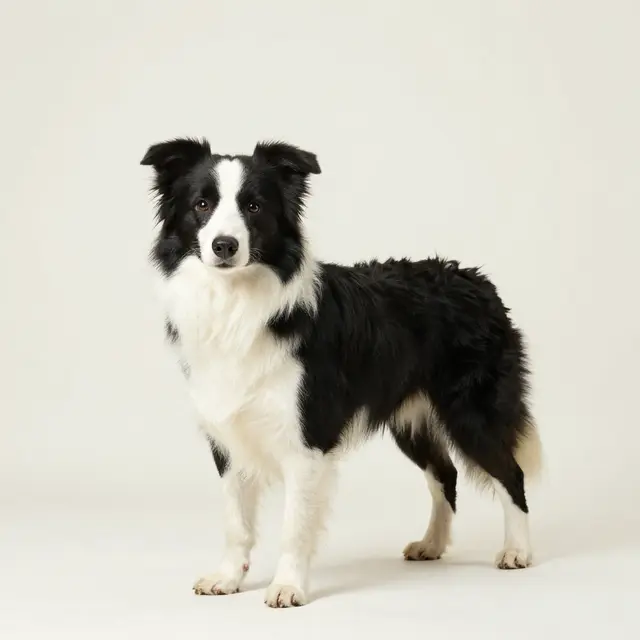
Border Collie
The ultimate working brain — astonishingly clever and trainable, but needs hours of exercise and a job to do.
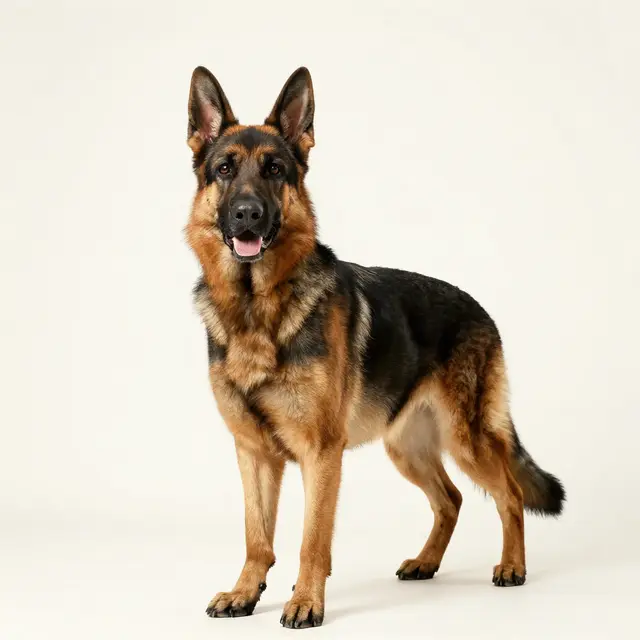
German Shepherd
A loyal, courageous and highly trainable working dog that needs experienced handling and plenty to do.
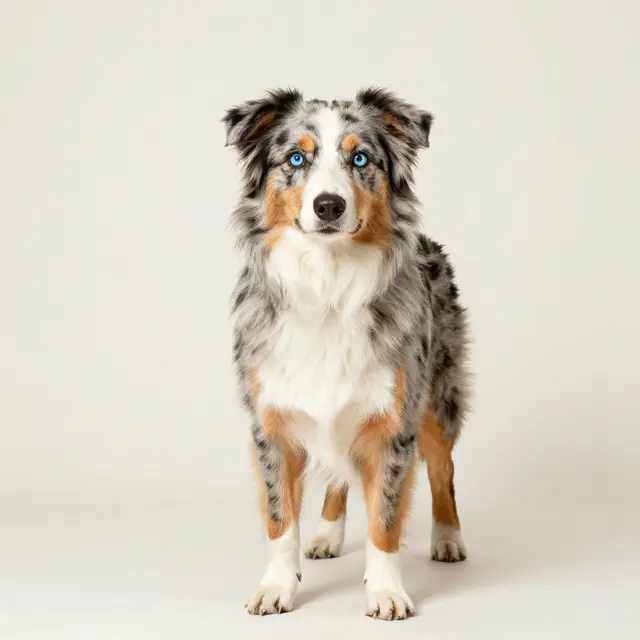
Australian Shepherd
A brilliant, energetic herding dog that excels at sport and work — but needs a busy, committed owner.
Shetland Sheepdog
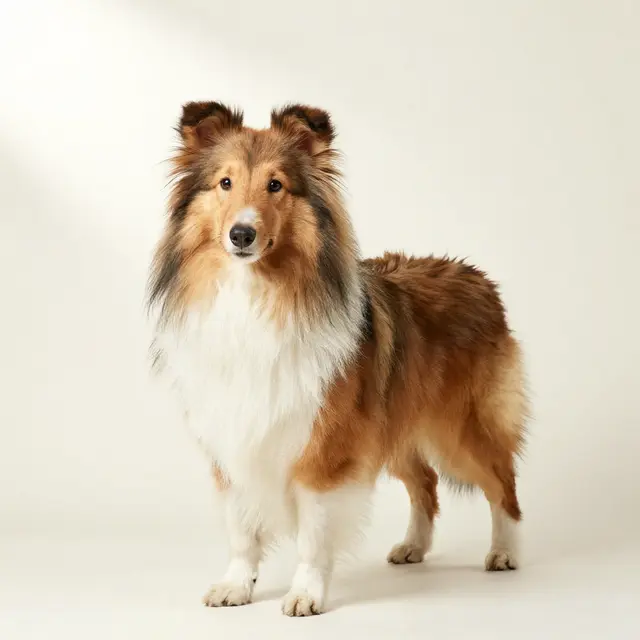
A small, brainy herding dog — the "Sheltie" is devoted, highly trainable and excels at agility and obedience.
Similar temperament
Karst Shepherd
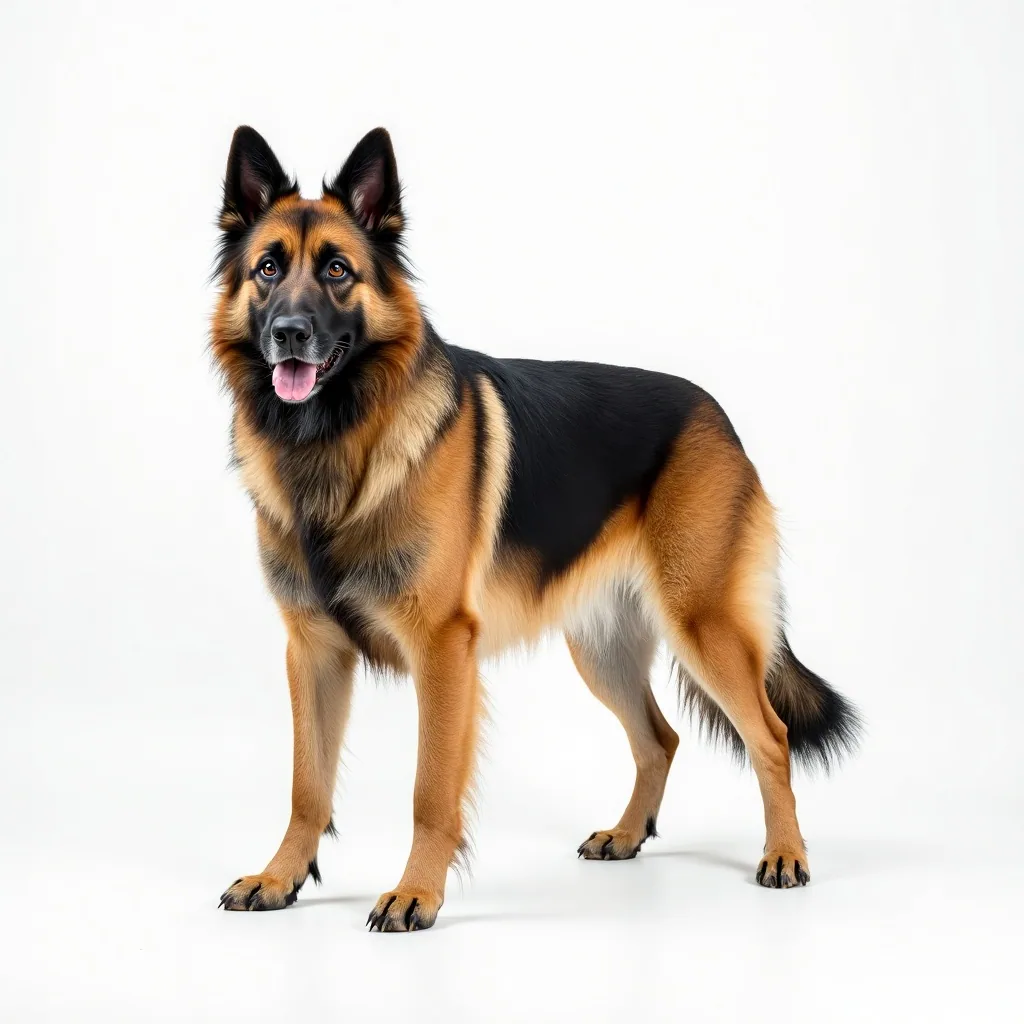
A Slovenian livestock guardian from the Karst plateau, devoted and watchful over its family and flock. Calm but protective and independent, needing space and an experienced owner.
Kintamani
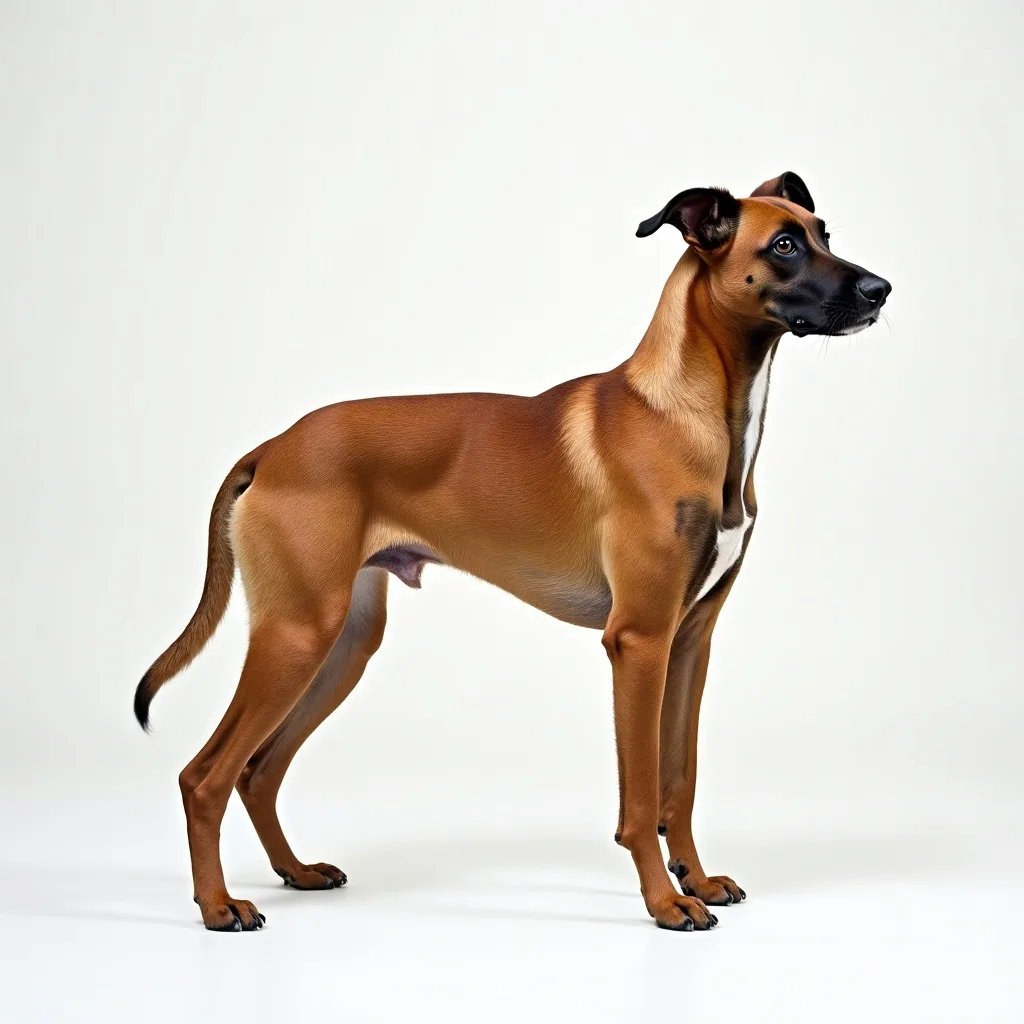
A spitz-type mountain dog from the Kintamani region of Bali, the only recognised Indonesian breed. Independent and territorial, alert and devoted to its family but wary of strangers.
Norwegian Lundehund
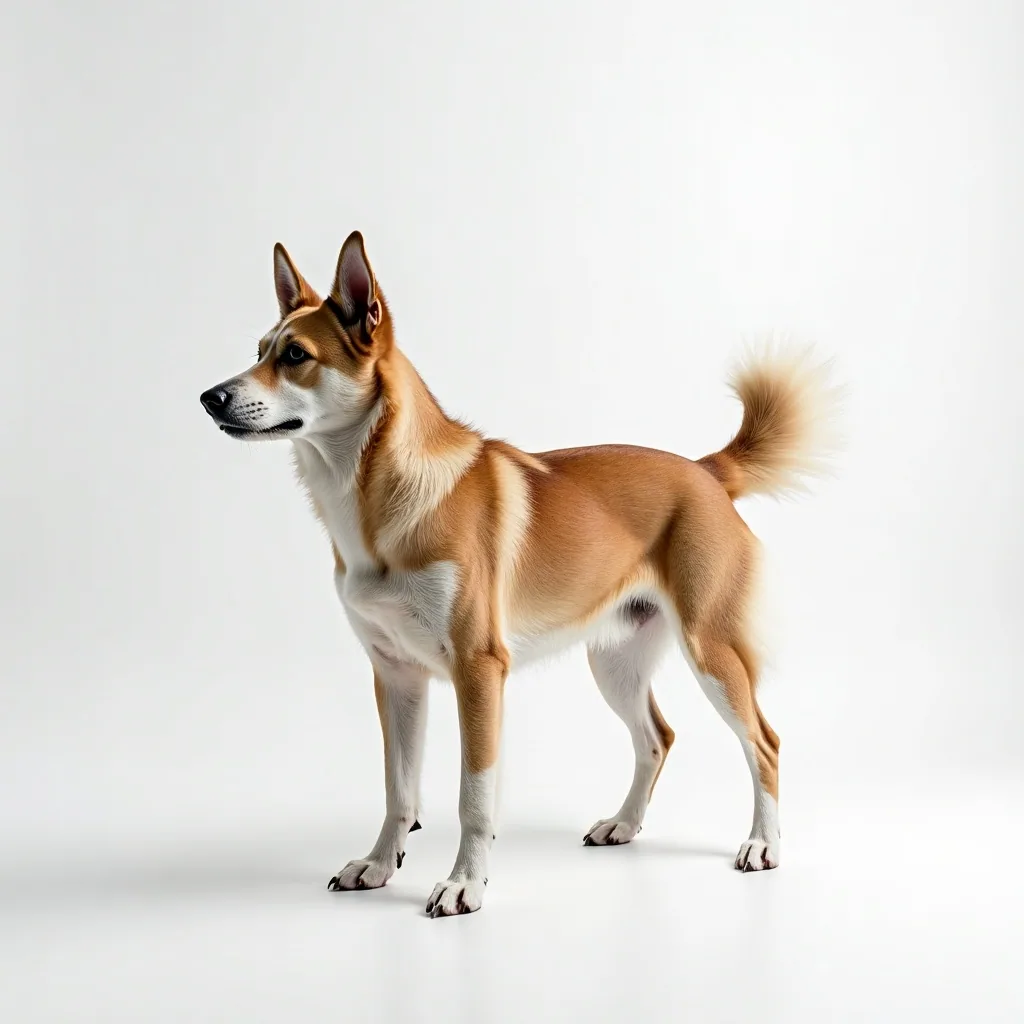
A unique Norwegian spitz bred to scale cliffs for puffins, with extra toes and remarkable flexibility. Agile and alert, but independent and prone to a digestive disorder.
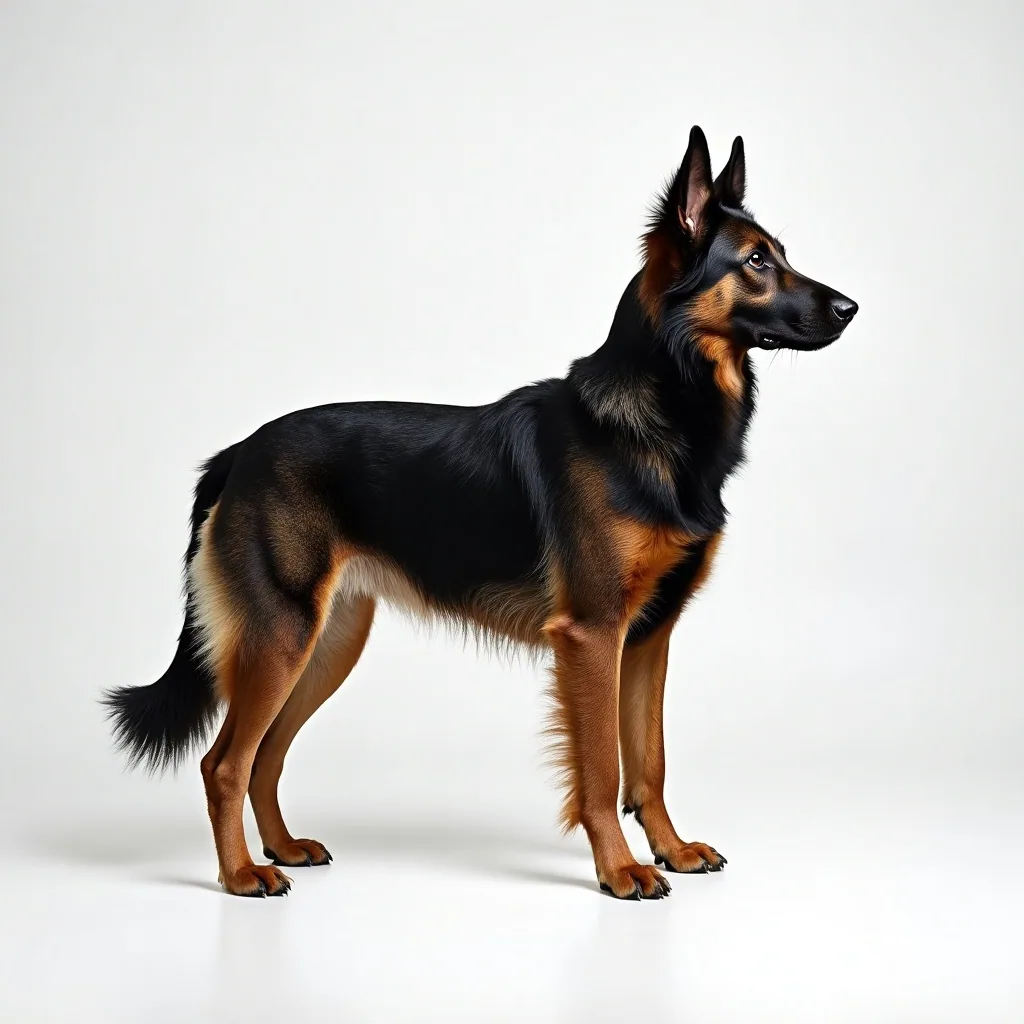
Romanian Raven Shepherd Dog
A Romanian herding and guarding breed, typically black-coated (the 'raven'), used to protect and drive livestock. Loyal and watchful, with a strong protective streak that needs experienced handling and socialisation.
Similar size, different type
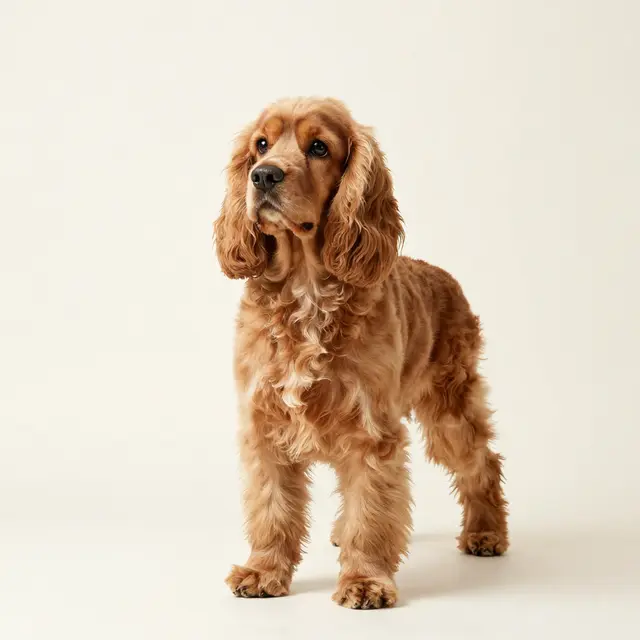
Cocker Spaniel
A merry, affectionate gundog that loves people and activity — happiest with a job and regular grooming.
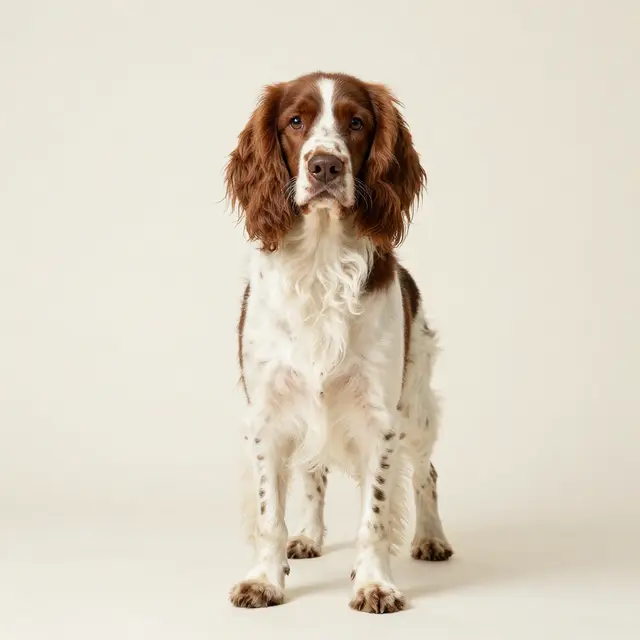
English Springer Spaniel
A tireless, enthusiastic working gundog that needs serious daily exercise and mental stimulation.
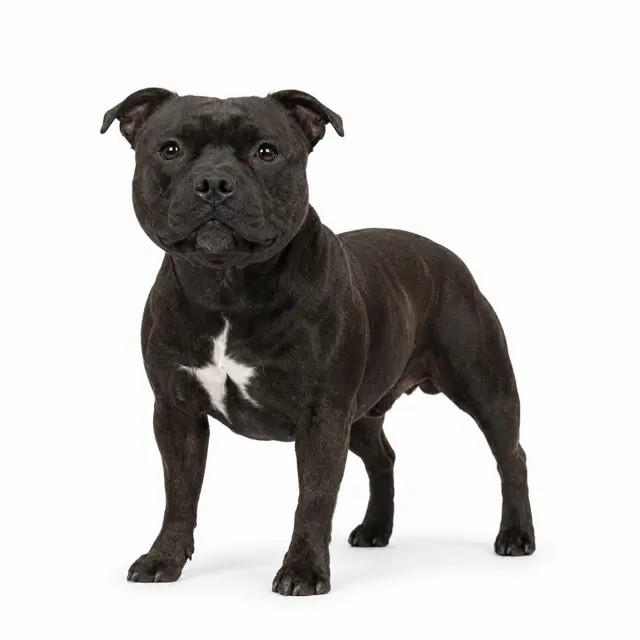
Staffordshire Bull Terrier
Affectionately known as the "nanny dog" — devoted, people-loving and famously gentle with children.
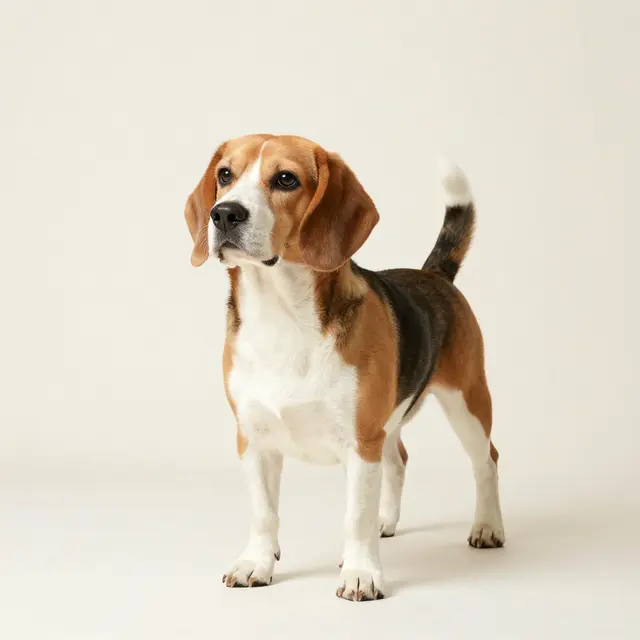
Beagle
A merry, pack-loving scent hound — sociable and great with kids, but ruled by its nose.
Is the Thai Bangkaew Dog your breed?
Create your pet profile and get personalised food, toy, insurance and health recommendations — tailored to your dog.
Frequently asked questions
What is the Thai Bangkaew Dog?
The Thai Bangkaew is a medium-sized spitz-type breed from Thailand, traditionally kept as a loyal companion and alert watchdog. It has a compact, muscular body and a distinctive double coat with a profuse ruff around the neck and shoulders, usually white with patches of various colours. It takes its name from the Bangkaew area of Thailand's Phitsanulok province.
How big do Thai Bangkaew Dogs get and how long do they live?
They are medium-sized, typically standing around 41 to 55 cm at the shoulder and weighing roughly 16 to 20 kg. Generally regarded as a hardy breed, the Thai Bangkaew has a typical lifespan of around 10 to 13 years. Because it is rare outside Thailand, formal breed-specific health data is limited, so prospective owners should seek responsible, health-focused breeders.
What is the Thai Bangkaew Dog's temperament like?
They are loyal, affectionate and devoted to their owner and immediate family, often bonding particularly closely with one person. Intelligent and alert, they have a strong natural watchdog instinct and are quick to announce anything unusual. With strangers they tend to be reserved and can be territorial, so consistent leadership and thorough early socialisation are important.
Are Thai Bangkaew Dogs good with strangers and other pets?
They tend to be reserved and territorial with strangers, and their protective nature means they may be wary of unfamiliar people and animals. Early, broad socialisation is especially important to temper this wariness and produce a confident, well-mannered adult rather than an over-suspicious guardian. Establishing clear rules and a reliable recall from the outset helps manage their guarding instincts.
How much grooming does a Thai Bangkaew Dog need?
The profuse double coat needs regular brushing, generally a few times a week, to keep it clean and tangle-free, with more frequent attention during the heavy seasonal moults when the dense undercoat is shed. Routine care of nails, ears and teeth should be maintained, and bathing carried out as needed. The weather-resistant coat is otherwise fairly self-maintaining between brushings.
How much exercise does a Thai Bangkaew Dog need?
The Thai Bangkaew is moderately active and needs regular daily exercise such as walks, play and the chance to explore, along with mental stimulation to occupy its intelligent mind. Access to a secure garden is helpful, but engagement matters more than space alone. A bored or under-exercised dog may become restless, noisy or destructive.
Are Thai Bangkaew Dogs easy to train?
They are intelligent and capable learners, but their independent, sometimes strong-willed spitz character means training calls for patience, consistency and motivating, reward-based methods. Building a cooperative relationship and earning the dog's respect works far better than heavy-handed correction. Early, broad socialisation and a reliable recall established from the outset are especially important given their guarding instincts.
Does the Thai Bangkaew Dog make a good family pet?
With the right owner, yes. It suits a committed owner or family able to provide consistent training, thorough socialisation, daily exercise and companionship, ideally with a secure garden. Its watchdog nature and wariness of strangers mean it benefits from early management and is less ideal for very busy, unpredictable households. With dedicated owners it becomes a loyal, alert and devoted companion.
Are Thai Bangkaew Dogs good with children?
Fine with sensible, older children. As a general guide, Thai Bangkaew Dogs tend to be fine with sensible, older children. Whatever the breed, always supervise dogs and young children and teach kids to interact gently.
How much exercise does a Thai Bangkaew Dog need?
As a healthy adult, a typical Thai Bangkaew Dog needs around an hour of exercise a day (60–80 minutes), split across walks plus play. A good sniffy walk plus some play and training usually keeps them happy. Puppies, seniors and dogs with health conditions need less — ask your vet.
Do Thai Bangkaew Dogs shed a lot?
High shedding. Coat upkeep is regular brushing — brush regularly to keep the coat in good condition.
Are Thai Bangkaew Dogs easy to train and good for first-time owners?
Better with some experience. Thai Bangkaew Dogs are best for owners ready to commit to consistent training and plenty of activity. Reward-based training and early socialisation help any dog.
Do Thai Bangkaew Dogs bark a lot?
Vocal / alert barker. They can be quite vocal, so early training and enough exercise and stimulation help keep barking in check.
Are Thai Bangkaew Dogs good with other dogs?
Generally fine with other dogs. Early, positive socialisation with other dogs from a young age makes a big difference.
Do Thai Bangkaew Dogs suit flats or smaller homes?
Best with a garden. A Thai Bangkaew Dog is happiest with access to a secure garden and regular outdoor exercise.
Sources
- Fédération Cynologique Internationale (FCI) — Breed Standard, Thai Bangkaew Dog: https://www.fci.be/en/nomenclature/
- Kennel Association of Thailand: https://www.thaikennelclub.com/
- The Kennel Club (UK) — general breed and ownership advice: https://www.thekennelclub.org.uk/
- PDSA — Dog welfare and health advice: https://www.pdsa.org.uk/
- Blue Cross — Pet advice: https://www.bluecross.org.uk/
Recommended for your Thai Bangkaew Dog
Matched to a Thai Bangkaew Dog's size and their typical need for help with shedding.

Large Self-Cleaning Slicker Brush for Mats and Tangles
A self-cleaning slicker brush with fine, bead-tipped wire pins that gently lift loose undercoat, mats and tangles from short or long-haired pets. A one-click button releases the collected fur for fuss-free cleaning. Cat-ear shaped design.
£18.99

Round-Tipped Deshedding Rake Comb
A double-sided undercoat rake with rounded stainless-steel blades that gently cut through mats and remove loose hair. The non-slip ergonomic handle makes deshedding dogs and cats quick and comfortable.
From£8.99

Groom Professional Curved Soft Slicker Brush
A professional-grade curved slicker brush with soft pins, designed to groom delicate and soft-coated pets without discomfort.
From£8.99

Bugalugs Double-Sided Dematting Rake for Dogs & Cats
Two tools in one: tackle stubborn mats with the 9-tooth side, then thin and de-shed with the 17-tooth side — ideal for long or double-coated pets.
£11.99

Microfibre Grooming & Tick-Removal Mitt
A soft microfibre mitt that wipes ticks, loose hair and dirt from your pet's coat as you stroke. Chemical-free and machine-washable in the included mesh bag, it doubles as a gentle grooming and clean-up glove.
£7.99

Omega-3 Fish Oil Coat Capsules for Dogs
Omega-3 deep-sea fish oil softgel capsules formulated for dogs, to support a healthy, glossy coat and skin and help reduce excess shedding. Each pack contains 60 x 1200mg capsules.
£10.99

3-in-1 Pet Grooming Brush with Interchangeable Heads
Grooming brush with swappable heads, pairing a soft silicone massage bristle with a fine de-shedding comb. Detangles, de-sheds and soothes the coat for both cats and dogs.
£7.99

Double-Sided Dematting Comb & Undercoat Rake
A two-sided grooming rake with rounded blades that gently cut through tough mats and tangles, then thin and deshed the coat. Ideal for long or thick-coated dogs and cats, with a comfortable non-slip handle.
£7.99
Suggestions based on breed traits — always check sizing and suitability for your individual dog.
Got a Thai Bangkaew Dog? Save them to a pet profile for tailored picks across the whole site.
Happier, healthier pets — in your inbox.
Breed care tips, seasonal advice and first access to new arrivals. No spam, unsubscribe anytime.
Every dog is an individual — temperament and needs vary. Please research thoroughly, meet dogs in person, and consider adopting from a rescue. This is general guidance, not a substitute for advice from your vet or a qualified trainer.