
Norwegian Lundehund
A unique Norwegian spitz bred to scale cliffs for puffins, with extra toes and remarkable flexibility. Agile and alert, but independent and prone to a digestive disorder.
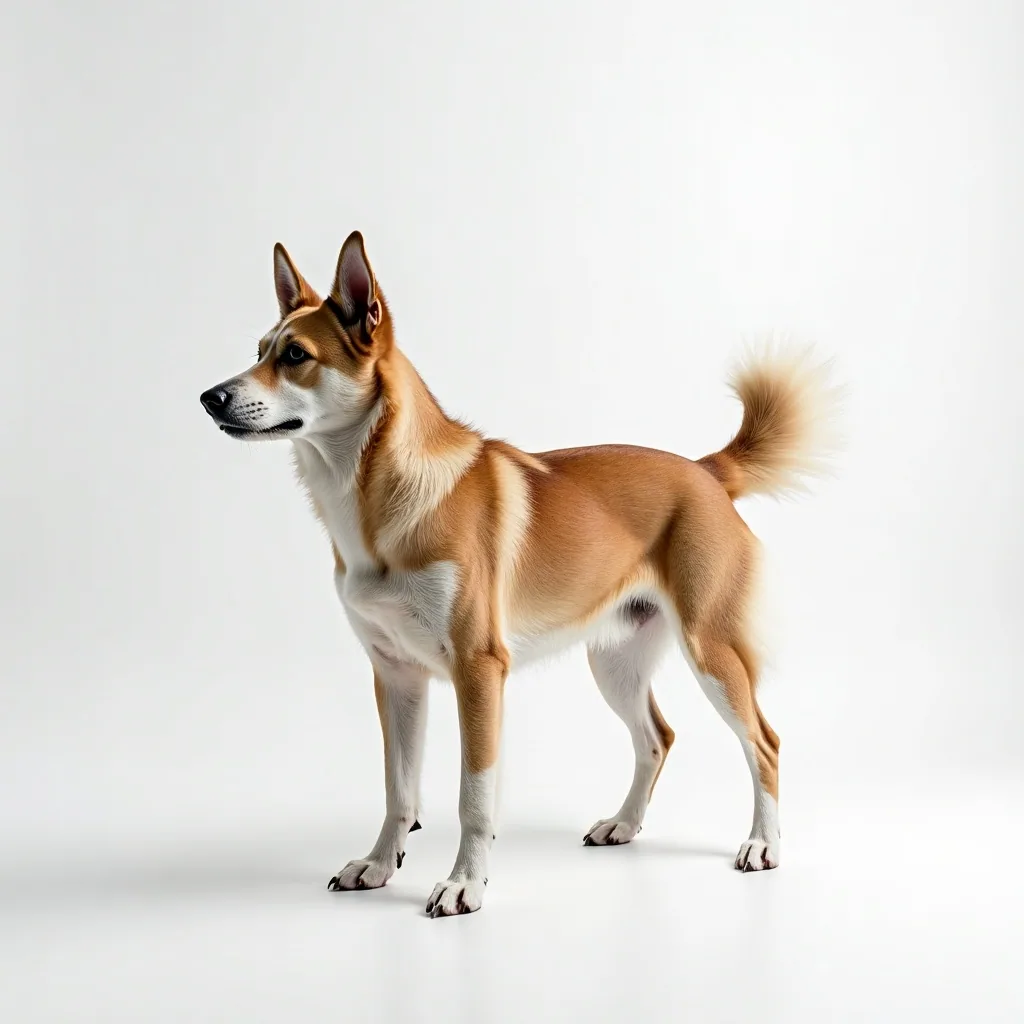
Norwegian Lundehund scorecard
Overview
The Norwegian Lundehund is a small, highly unusual Nordic spitz bred specifically to scale steep sea cliffs and retrieve puffins from their nesting crevices. Standing around 32 to 38 cm and weighing roughly 6 to 7 kg, it is celebrated for a set of remarkable physical adaptations, including extra functional toes (polydactyly), exceptional joint flexibility and ears that can fold to seal out debris. It is agile, alert and full of quirky character.
These same adaptations make the Lundehund unlike almost any other breed, but they come alongside genuine challenges. It is independent, sometimes difficult to housetrain, and is associated with a serious breed-specific digestive disorder. It is a fascinating, characterful companion best suited to patient owners who understand its special needs.
Good to know — a Norwegian Lundehund is best with a garden and better with some experience. Every dog is an individual, so meet a few and chat to a good breeder or rescue before deciding.
Save the Norwegian Lundehund guide
Thinking about a Norwegian Lundehund? Pop your email in and we’ll send this guide so you can come back to it any time — handy while you compare breeds.
Popular searches for the Norwegian Lundehund
History & origins
The Lundehund (the name means 'puffin dog') comes from remote islands off the coast of northern Norway, where for centuries it was used to climb cliffs and extract live puffins from their burrows, a practice that supported island communities. Its unique anatomy evolved for exactly this demanding work.
When puffin hunting declined and disease later struck, the breed came perilously close to extinction in the 20th century and was rebuilt from a very small number of surviving dogs, which left it with an extremely narrow genetic base. It is recognised by the Federation Cynologique Internationale under Norwegian patronage and is one of the rarest breeds in the world, with only a small number in the UK.
Temperament & family fit
The Norwegian Lundehund is typically alert, lively and inquisitive, with an engaging, sometimes mischievous personality. It can be affectionate with its family while remaining independent and self-directed, and it is often reserved or cautious with strangers, making it a watchful little dog that tends to bark.
Its independent nature means it does not always crave constant interaction in the way some companion breeds do, and it can be wary in new situations. Early, positive socialisation helps it become a more confident, settled companion. It is generally sociable with other dogs when properly introduced.
- Families with older, respectful children
- Owners ready for consistent training
- Homes with a secure garden
Training & intelligence
The Lundehund is intelligent but notably independent and can be challenging to train, with housetraining in particular often proving slow and requiring real patience and consistency. Positive, reward-based methods and a calm, patient approach work best; harsh handling will simply make a cautious dog more reluctant.
Because of its self-reliant temperament and quirks, it is not generally recommended as a first dog for inexperienced owners expecting quick, easy obedience. Owners who enjoy a clever, characterful dog and are willing to adapt their expectations will find it a rewarding companion.
- Start socialisation & handling early
- Reward-based methods only — no harsh corrections
- Keep sessions short, calm and consistent
Exercise needs
A healthy adult Norwegian Lundehund typically needs around an hour a day (roughly 60–80 minutes), split across walks, play and a little training. A good sniffy walk, some play and a little training usually keeps them content. Puppies, seniors and dogs with health conditions need adjusted amounts — check with your vet.
Grooming & coat
The dense double coat is fairly low-maintenance, needing brushing roughly once a week and more often during the seasonal moults to manage shedding and keep the coat healthy. The breed requires no trimming. Routine nail, ear and dental care complete a straightforward grooming routine.
- Brush several times a week
- Bathe every few weeks or as needed
- Check ears, nails and teeth weekly
Feeding a Norwegian Lundehund
Feeding the Lundehund requires special care because the breed is prone to a serious gastrointestinal disorder affecting protein absorption. Owners should work closely with their vet on an appropriate diet, often a highly digestible or therapeutic formulation, and monitor body condition, appetite and stool quality carefully. Affected dogs may need specific dietary management for life. Fresh water should always be available.
A small breed
An adult Norwegian Lundehund typically weighs 6–7 kg, so a healthy Norwegian Lundehund eats a modest amount compared with other breeds. Every feeding guide on a bag is written per kilo of body weight, not per breed — start there, then adjust to the dog in front of you.
Life stage
A small breed is usually done growing at 10–12 months, which is roughly when a puppy food has finished its job. With a typical lifespan of 12–14 years, there is a long adult stretch in the middle; switch to a senior food when your vet thinks it is worth it rather than on a birthday.
Small mouths, crowded teeth
Smaller breeds get dental disease more often than big ones, largely because the same number of teeth are packed into a shorter jaw. Kibble size is worth checking, and a dental chew counts towards the daily 10% of calories from treats.
How much should a Norwegian Lundehund weigh?
Adult 6–7 kgfully grown at 10–12 months
| Age | Stage | Typical weight | Of adult size |
|---|---|---|---|
| 8 weeks | Just home | 1–1.2 kg | 17% |
| 3 months | Young puppy | 1.6–1.9 kg | 27% |
| 6 months | Growing fast | 3.3–3.8 kg | 54% |
| 10–12 months | Fully grown | 6–7 kg | 100% |
A guide, from the same rule of thumb our puppy growth predictor uses — each age is that share of the way to maturity for a small breed. Puppies grow fastest early, so a real puppy usually sits a little above the middle rows. Weigh yours and ask your vet if the number worries you.
Complete dog foods that suit a Norwegian Lundehund
Complete foods from our range, matched to a Norwegian Lundehund's size band and what the breed typically needs. Stock levels and delivery dates are live on each product.


Pedigree Can in Jelly Puppy 6 Pack
Complete Pedigree puppy food in jelly with chicken, lamb and poultry recipes
£10.15

Forthglade Cold Pressed Natural Turkey
Cold-pressed turkey kibble for dogs from 2 months, soft enough to mix with water for young pups
£45.99

Forthglade Cold Pressed Grain Free Salmon
Cold-pressed grain-free dry food for dogs, built on fresh and dried salmon
From£16.99

Forthglade Cold Pressed Grain Free Duck
Cold-pressed grain-free duck food with fruit and botanicals, in two bag sizes
From£16.99

Forthglade Cold Pressed Grain Free Chicken
Cold-pressed grain-free chicken food with fruit and botanicals, in three bag sizes
From£16.99

Forthglade Complete Meal Lightly Baked Turkey
A lightly baked complete dry food, 50% turkey, for adult dogs of any breed
From£12.49

Forthglade Complete Meal Lightly Baked Chicken
A grain-free complete dry food for adult dogs, lightly baked and built on 50% chicken
From£12.49

Forthglade Cold Pressed Grain Free Turkey
Grain-free cold-pressed turkey kibble for dogs, gentle on sensitive stomachs
£69.69

Forthglade British Classics Chicken Family Lunch
Complete Forthglade wet dog food with 75% chicken in a 395G tray
£2.45

Harringtons Puppy Turkey & Rice
Complete turkey puppy food with 30% protein and feeding bands by adult weight
£6.49

Harringtons Just 6 Dry Dog Food Lamb
Grain-free lamb dry dog food in 2KG and 12KG sizes, with size-specific formulas
From£13.99
Norwegian Lundehund health & costs
Before bringing a Norwegian Lundehund home it pays to budget for the whole picture — food, insurance, grooming and routine vet care all add up. The figures below are typical UK estimates for a healthy adult; your real costs vary with where you live, your dog's health and the cover you choose.
Food
£250–400 / year
Complete food sized to weight & life stage
Insurance
£15–32 / month
Lifetime cover — varies by age, breed & area
Grooming
£120–300 / year
Occasional pro + home brushing
Routine vet care
£200–450 / year
Vaccines, flea/worm, annual check
The defining health concern of the breed is Lundehund gastrointestinal syndrome (a protein-losing enteropathy and related digestive disorder), which is widespread in the breed owing to its very limited genetic base and can be serious or life-limiting. Because of this, prospective owners should discuss the condition frankly with breeders and vets and be prepared for ongoing dietary and veterinary management.
The extremely narrow gene pool, resulting from the breed's near-extinction, underlies much of its vulnerability, and conservation breeding efforts (including outcrossing programmes) have been undertaken to improve health. Typical lifespan is around 12 to 14 years. Routine veterinary monitoring is especially important in this breed.
Common health conditions to be aware of
- Lundehund gastrointestinal syndrome (protein-losing enteropathy) — a serious breed-defining digestive disorder requiring lifelong management
- Reduced genetic diversity — the very small founding population underlies widespread health vulnerability
- Digestive sensitivity and malabsorption — many dogs need carefully managed, highly digestible diets
- Patellar luxation — slipping kneecap seen in small breeds
- Eye conditions — periodic eye examination is sensible given limited breed data
- Difficult housetraining — not a disease but a recognised practical challenge of the breed
These reflect typical, size- and coat-related risks for dogs like the Norwegian Lundehund; individual breeds carry their own predispositions. Always buy from health-tested parents and speak to your vet — this isn't a diagnosis.
Protect against surprise bills
A single emergency can run into thousands. Lifetime insurance spreads the risk.
Estimate insurance →How pet insurance works →Puppy & senior care
Bringing home a Norwegian Lundehund puppy
Puppies need controlled exercise (a rough guide is five minutes per month of age, twice a day) to protect growing joints, little-and-often meals of a complete puppy food, early socialisation, and a calm routine for toilet training and sleep. Book first vaccinations, microchipping and a vet check early.
New puppy checklist →Caring for a senior Norwegian Lundehund
As they age, watch weight, joints and teeth, switch to a senior diet if your vet advises, keep exercise gentle but regular, and consider orthopaedic bedding and ramps. Twice-yearly vet checks help catch issues early.
Orthopaedic beds & mobility →Pros & cons
The good bits
- Highly agile, quirky and characterful
- Compact and adaptable companion
Things to consider
- Prone to Lundehund gastrointestinal syndrome
- Independent and hard to housetrain
Compare the Norwegian Lundehund
See how the Norwegian Lundehund measures up against similar breeds before you decide:
More breeds like the Norwegian Lundehund
Same breed group
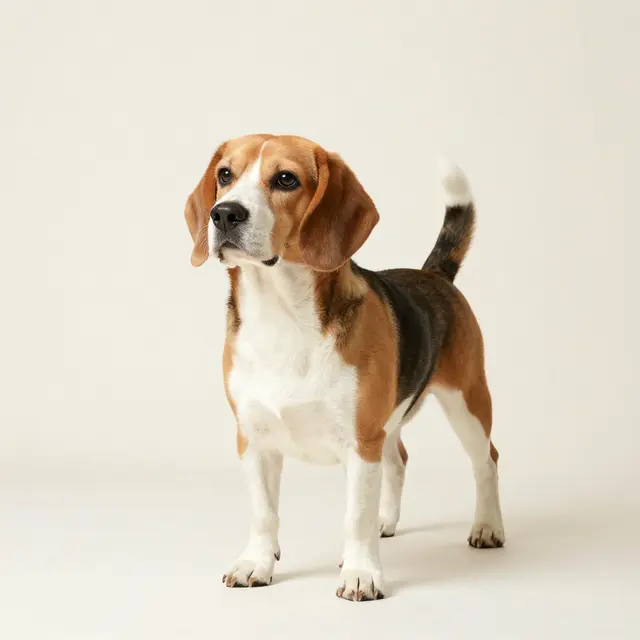
Beagle
A merry, pack-loving scent hound — sociable and great with kids, but ruled by its nose.
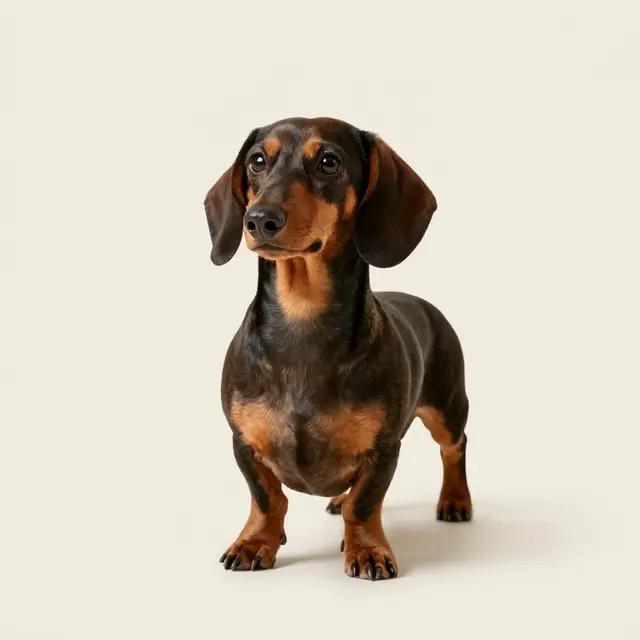
Dachshund
A bold, characterful "sausage dog" that suits smaller homes but needs careful handling of its long back.
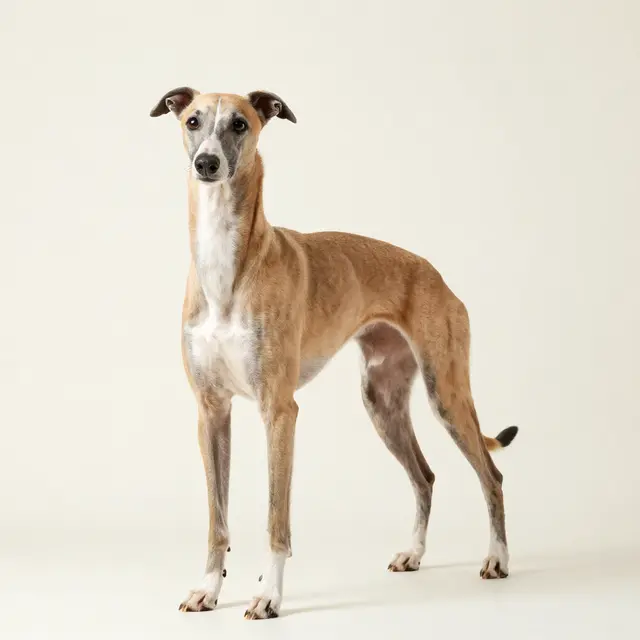
Whippet
A gentle, quiet "sofa sprinter" — happy to lounge at home between short bursts of explosive running.
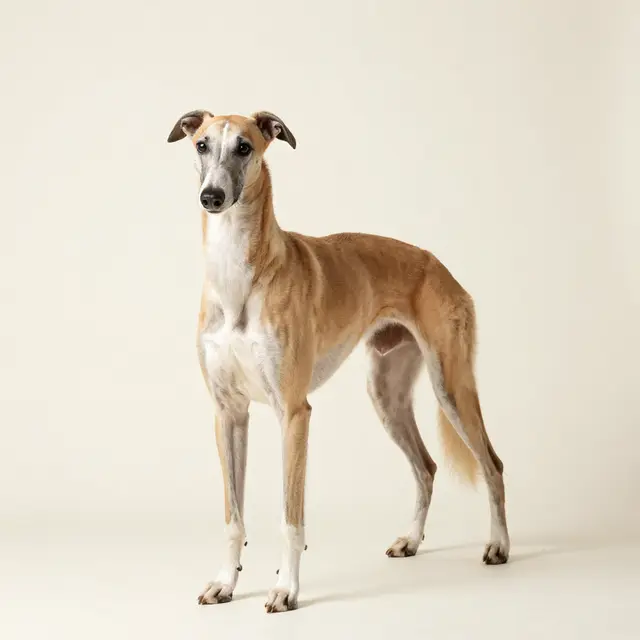
Greyhound
The ultimate couch potato — despite their racing reputation, retired greyhounds need surprisingly little exercise.
Similar temperament
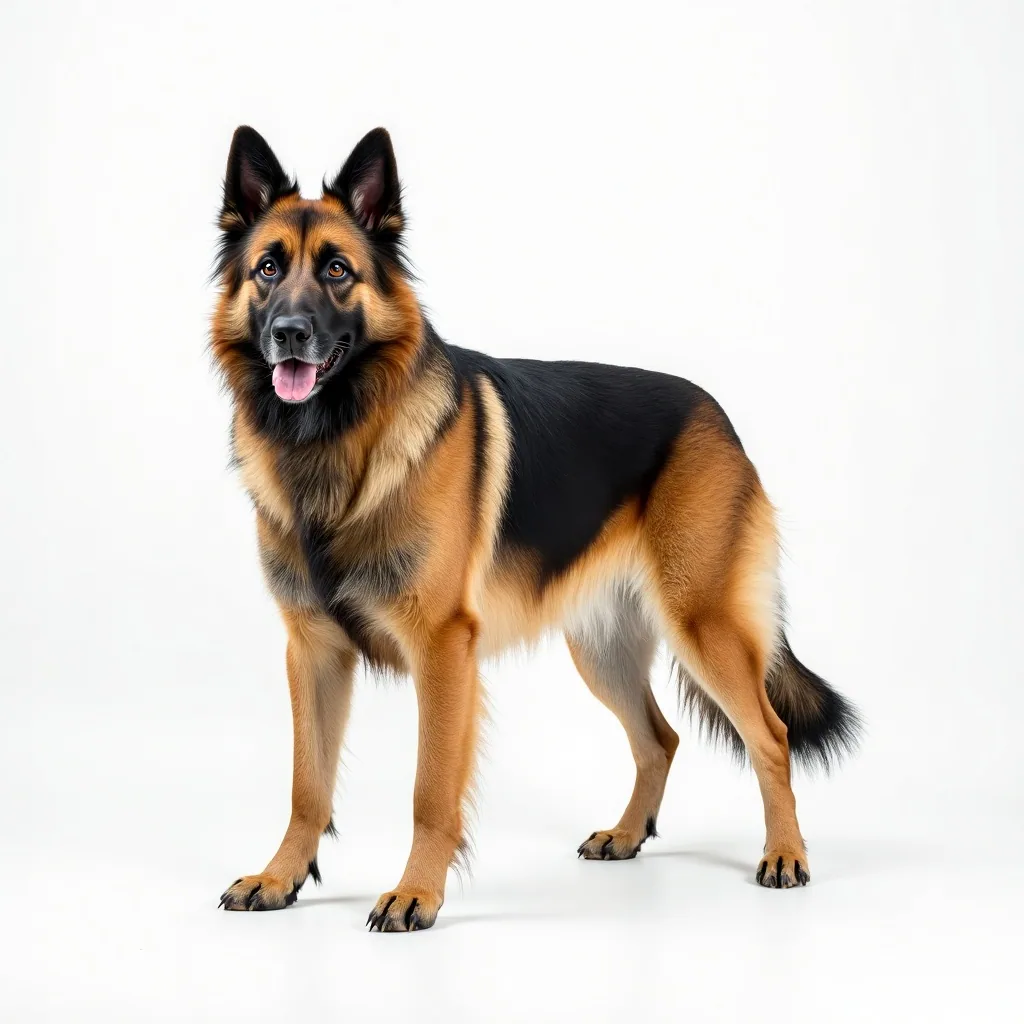
Karst Shepherd
A Slovenian livestock guardian from the Karst plateau, devoted and watchful over its family and flock. Calm but protective and independent, needing space and an experienced owner.
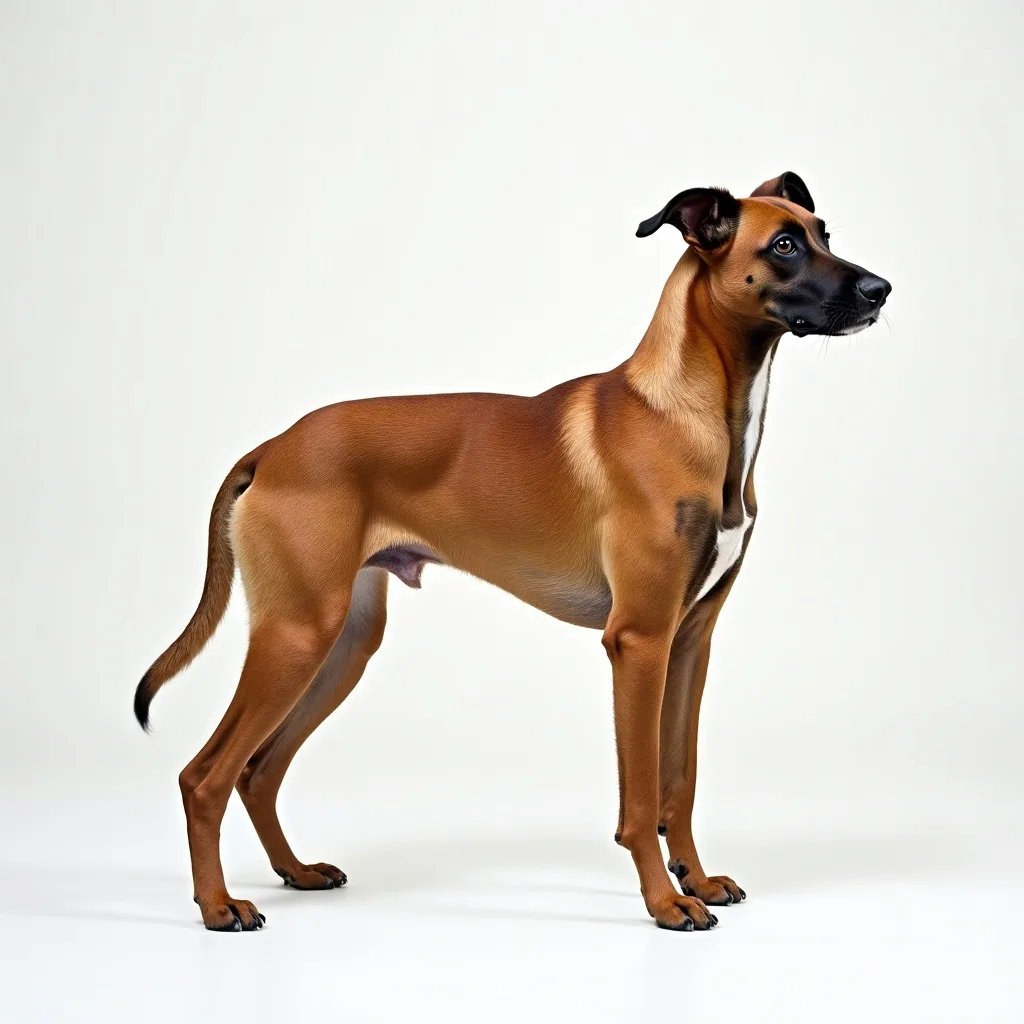
Kintamani
A spitz-type mountain dog from the Kintamani region of Bali, the only recognised Indonesian breed. Independent and territorial, alert and devoted to its family but wary of strangers.
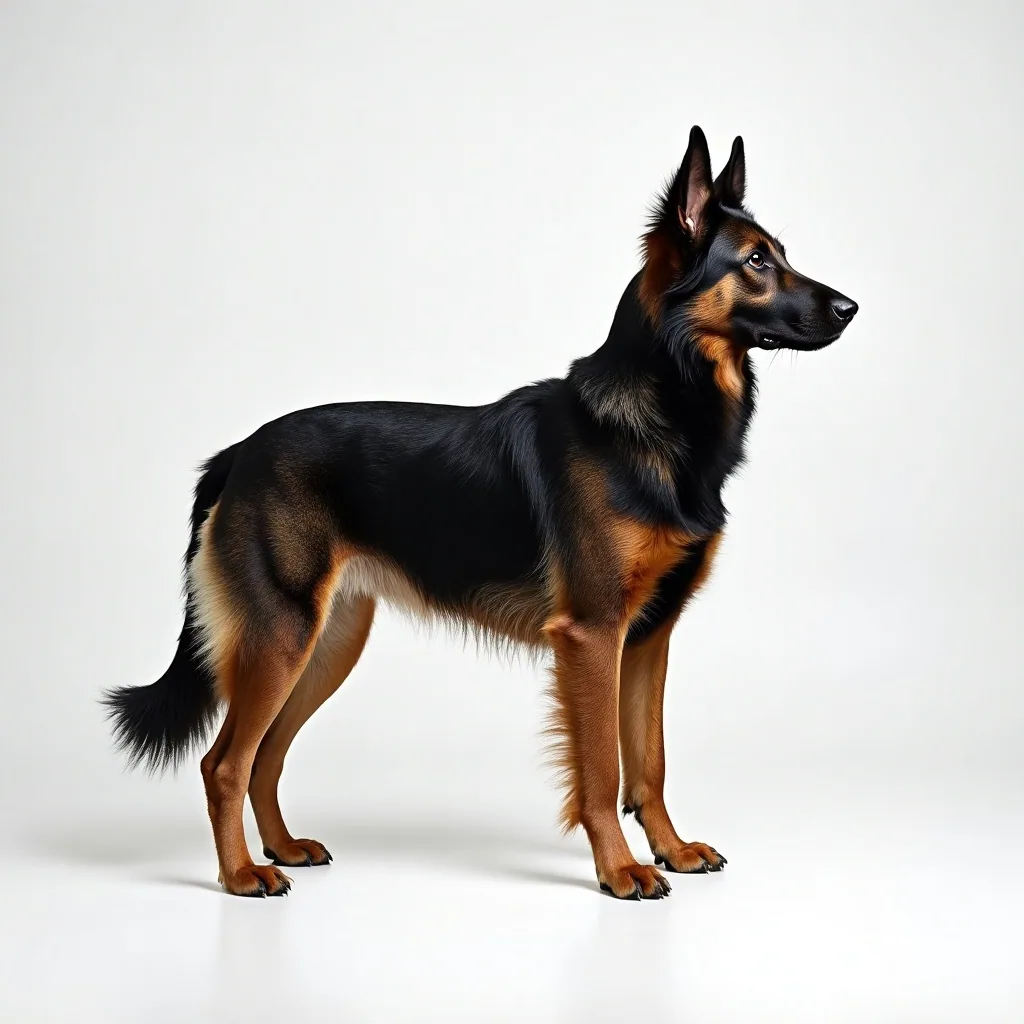
Romanian Raven Shepherd Dog
A Romanian herding and guarding breed, typically black-coated (the 'raven'), used to protect and drive livestock. Loyal and watchful, with a strong protective streak that needs experienced handling and socialisation.
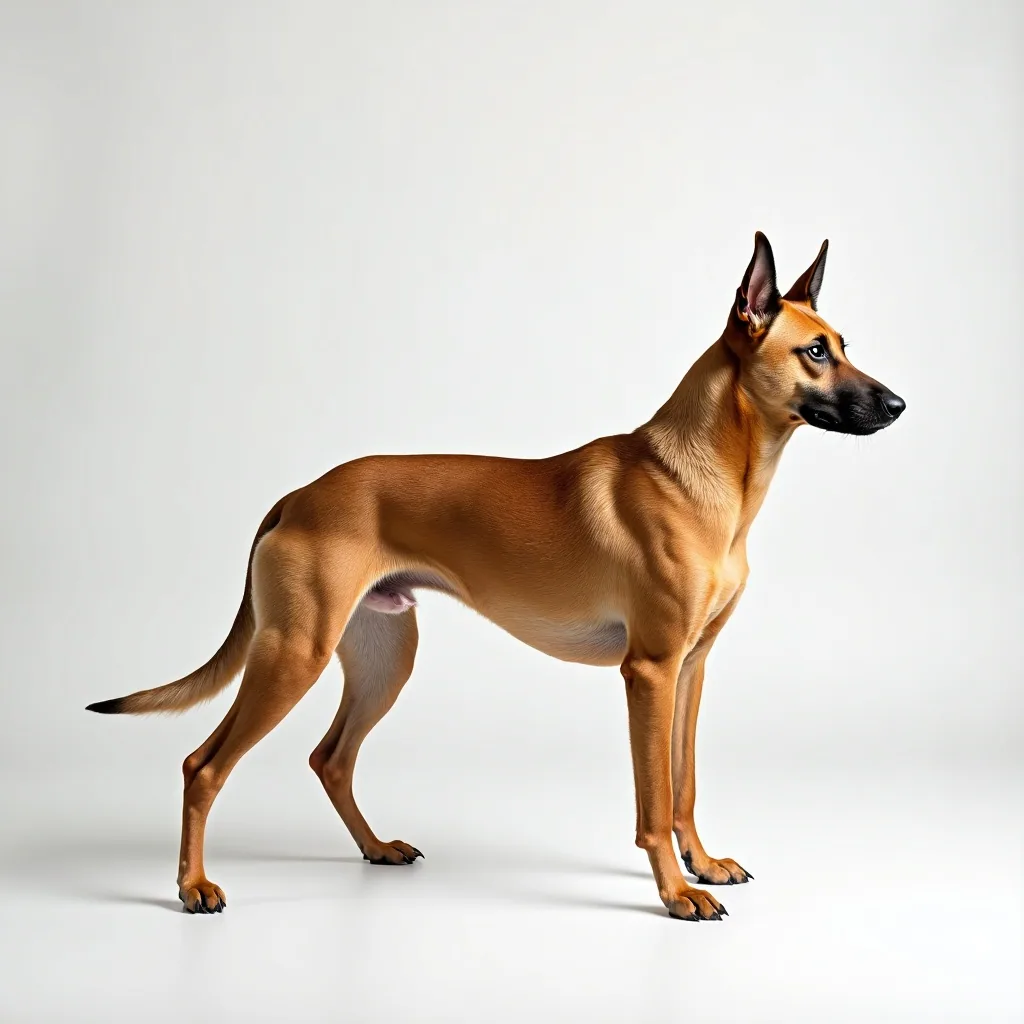
Thai Bangkaew Dog
A Spitz-type Thai companion and watchdog with a profuse coat. Loyal and devoted to its owner, but alert, territorial and reserved with strangers.
Similar size, different type
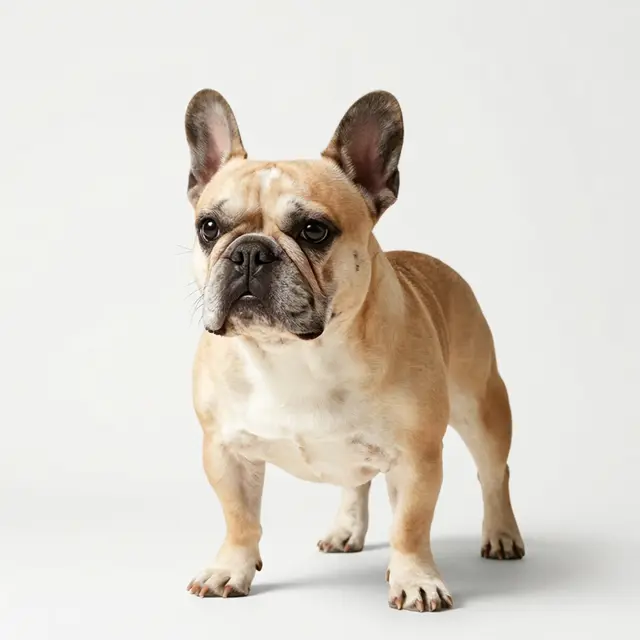
French Bulldog
A compact, easy-going companion that suits flats and modest exercise — but with serious health considerations.
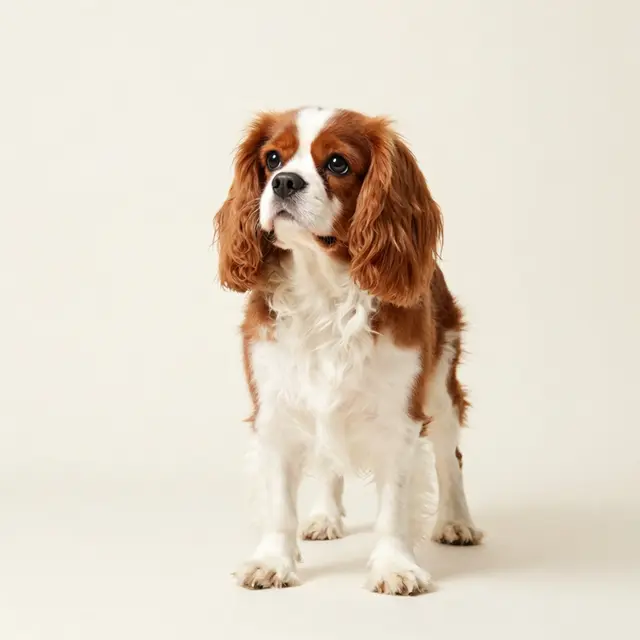
Cavalier King Charles Spaniel
A gentle, affectionate lap dog that’s wonderful with children and adapts happily to flat or house living.
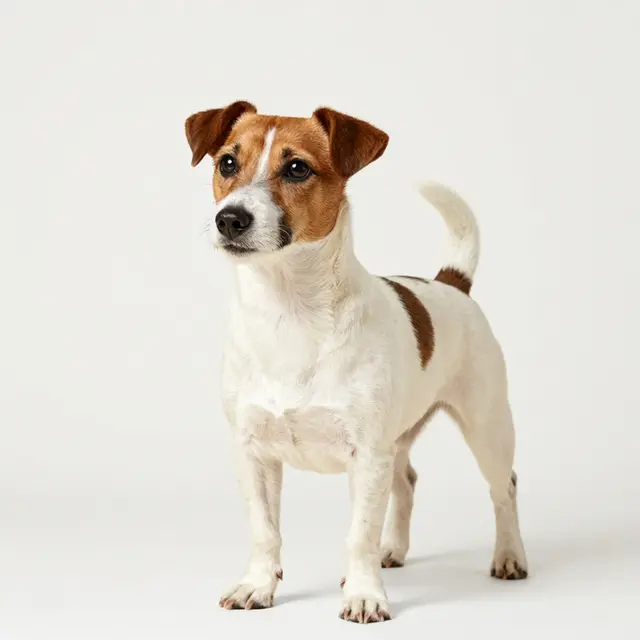
Jack Russell Terrier
A small dog with a huge personality — bold, clever and bursting with energy and prey drive.
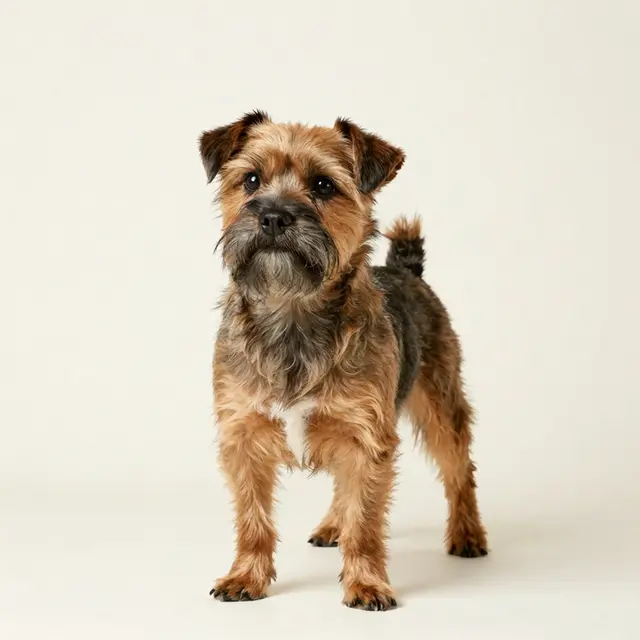
Border Terrier
A hardy, good-natured working terrier that’s friendlier with people and dogs than many of its terrier cousins.
Is the Norwegian Lundehund your breed?
Create your pet profile and get personalised food, toy, insurance and health recommendations — tailored to your dog.
Frequently asked questions
Why does the Norwegian Lundehund have extra toes?
The Lundehund was bred to scale steep sea cliffs and retrieve puffins from their nesting crevices, and its extra functional toes (polydactyly) are one of several remarkable adaptations for this work. It also has exceptional joint flexibility and ears that can fold to seal out debris. These traits make it agile on rock but unlike almost any other breed.
How big is a Norwegian Lundehund?
The Norwegian Lundehund is a small Nordic spitz, standing around 32 to 38 cm at the shoulder and weighing roughly 6 to 7 kg. It is light, agile and alert, with a dense double coat and the classic spitz outline. Its compact, flexible build reflects its origins scaling cliffs to reach puffin nesting sites.
What is the Norwegian Lundehund's temperament like?
The Lundehund is typically alert, lively and inquisitive, with an engaging, sometimes mischievous personality. It can be affectionate with its family while remaining independent and self-directed, and is often reserved or cautious with strangers, tending to bark. Early, positive socialisation helps it become a more confident, settled companion, and it is usually sociable with other dogs when introduced properly.
Are Norwegian Lundehunds hard to train?
Yes, they can be. The Lundehund is intelligent but notably independent, and housetraining in particular often proves slow, requiring real patience and consistency. Positive, reward-based methods and a calm approach work best, as harsh handling makes a cautious dog more reluctant. Because of its quirks, it is not generally recommended as a first dog for inexperienced owners.
What is Lundehund gastrointestinal syndrome?
It is the defining health concern of the breed: a protein-losing enteropathy and related digestive disorder affecting protein absorption, which is widespread owing to the breed's very limited genetic base and can be serious or life-limiting. Owners should discuss it frankly with breeders and vets, and affected dogs may need specific dietary and veterinary management for life.
How long do Norwegian Lundehunds live?
Typical lifespan is around 12 to 14 years. The breed's extremely narrow gene pool, resulting from its near-extinction, underlies much of its vulnerability, and conservation breeding efforts including outcrossing programmes have been undertaken to improve health. Routine veterinary monitoring is especially important in this breed, particularly regarding its digestive health and diet.
How much exercise does a Norwegian Lundehund need?
This is an active, agile breed that enjoys daily walks, exploration and play, with overall exercise needs that are moderate rather than extreme. Its extraordinary flexibility and natural climbing instincts mean it appreciates varied, interesting activity and the chance to investigate its surroundings. Puzzle games and scent activities suit its curious, inquisitive temperament particularly well.
Are Norwegian Lundehunds good with children?
Fine with sensible, older children. As a general guide, Norwegian Lundehunds tend to be fine with sensible, older children. Whatever the breed, always supervise dogs and young children and teach kids to interact gently.
How much exercise does a Norwegian Lundehund need?
As a healthy adult, a typical Norwegian Lundehund needs around an hour of exercise a day (60–80 minutes), split across walks plus play. A good sniffy walk plus some play and training usually keeps them happy. Puppies, seniors and dogs with health conditions need less — ask your vet.
Do Norwegian Lundehunds shed a lot?
Moderate shedding. Coat upkeep is regular brushing — brush regularly to keep the coat in good condition.
Are Norwegian Lundehunds easy to train and good for first-time owners?
Better with some experience. Norwegian Lundehunds are best for owners ready to commit to consistent training and plenty of activity. Reward-based training and early socialisation help any dog.
Do Norwegian Lundehunds bark a lot?
Vocal / alert barker. They can be quite vocal, so early training and enough exercise and stimulation help keep barking in check.
Are Norwegian Lundehunds good with other dogs?
Generally fine with other dogs. Early, positive socialisation with other dogs from a young age makes a big difference.
Do Norwegian Lundehunds suit flats or smaller homes?
Best with a garden. A Norwegian Lundehund is happiest with access to a secure garden and regular outdoor exercise.
Sources
- Federation Cynologique Internationale — Norwegian Lundehund standard: https://www.fci.be/en/nomenclature/NORWEGIAN-LUNDEHUND-265.html
- The Kennel Club — Choosing a breed and finding a puppy: https://www.thekennelclub.org.uk/getting-a-dog/
- PDSA — Dog health and diet advice: https://www.pdsa.org.uk/pet-help-and-advice/looking-after-your-pet/puppies-dogs
- Blue Cross — Choosing and caring for a dog: https://www.bluecross.org.uk/advice/dog
Recommended for your Norwegian Lundehund
Matched to a Norwegian Lundehund's size and their typical need for dental care.

Forthglade Grain Free Soft Bites Fresh Breath Treats 8pk
Chicken soft dog treats with parsley and peppermint oil for fresh breath
£2.45

NanoSanitas Advanced No-Brush Dental Gel for Dogs & Cats
A brush-free dental gel for dogs and cats, formulated with silver nanoparticles and papaya extract to help reduce plaque and freshen breath.
£14.99

Forthglade Natural Dental Sticks 5pk
Forthglade Natural Dental Sticks 5pk: complementary dog chew with dried potato — 170G
£3.00

Pet Dental Cleaning Wipes (50 Pack)
A tub of 50 textured finger wipes that lift plaque and freshen breath for dogs and cats without a toothbrush. Slip one over your finger and wipe teeth clean for easy daily dental care.
£9.99

Wooden Pet Deshedding Grooming Brush
An ergonomic wooden grooming brush with a fine-toothed edge that loosens and lifts away dead and shedding fur. The smooth contoured handle sits comfortably in the hand for quick, gentle daily de-shedding.
£14.99

Pet Oral Spray for Dogs & Cats
A 100ml pet oral spray for dogs and cats that helps promote fresh breath and cleaner teeth. Simply spray onto teeth and gums - no brushing needed for daily oral care.
£8.99

Bugalugs Double-Sided Dematting Rake for Dogs & Cats
Two tools in one: tackle stubborn mats with the 9-tooth side, then thin and de-shed with the 17-tooth side — ideal for long or double-coated pets.
£11.99

Canvas Shoe Rope Chew Toy for Dogs
A trainer-shaped chew toy in canvas with woven cotton rope laces, 18cm long, giving dogs something to tug, carry and gnaw while the fibres help clean their teeth.
£7.99
Suggestions based on breed traits — always check sizing and suitability for your individual dog.
Got a Norwegian Lundehund? Save them to a pet profile for tailored picks across the whole site.
Happier, healthier pets — in your inbox.
Breed care tips, seasonal advice and first access to new arrivals. No spam, unsubscribe anytime.
Every dog is an individual — temperament and needs vary. Please research thoroughly, meet dogs in person, and consider adopting from a rescue. This is general guidance, not a substitute for advice from your vet or a qualified trainer.