
Kintamani
A spitz-type mountain dog from the Kintamani region of Bali, the only recognised Indonesian breed. Independent and territorial, alert and devoted to its family but wary of strangers.
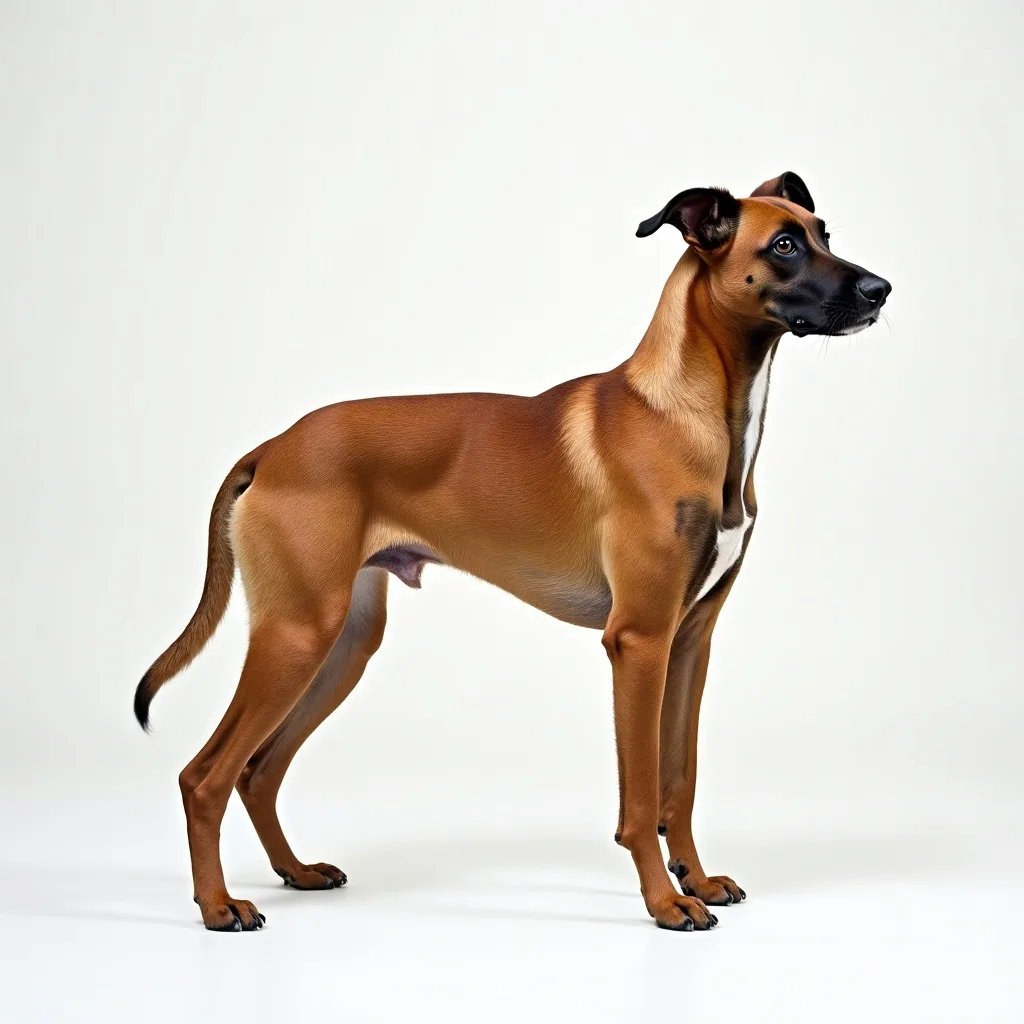
Kintamani scorecard
Overview
The Kintamani — sometimes called the Kintamani-Bali Dog — is a spitz-type mountain dog from the Kintamani highland region of Bali, Indonesia, and is widely regarded as the only formally recognised native Indonesian breed. Standing roughly 44–55 cm at the shoulder and weighing around 13–18 kg, it is a medium-sized dog with a plush coat, curled tail and the alert, foxlike expression characteristic of spitz breeds.
Developed from the free-ranging village dogs of Bali, the Kintamani has only relatively recently been formalised as a breed. It was accepted by the Fédération Cynologique Internationale on a provisional basis in 2019, but it is not separately recognised by the UK Kennel Club, and it remains rare outside its homeland. It is an independent, territorial and devoted dog that combines companionship with watchdog instincts.
Good to know — a Kintamani is best with a garden and better with some experience. Every dog is an individual, so meet a few and chat to a good breeder or rescue before deciding.
Save the Kintamani guide
Thinking about a Kintamani? Pop your email in and we’ll send this guide so you can come back to it any time — handy while you compare breeds.
Popular searches for the Kintamani
History & origins
The Kintamani descends from the indigenous free-roaming dogs of Bali, which have lived alongside Balinese communities for centuries. In the mountainous Kintamani region around the village of Sukawana, a more uniform spitz-type developed, and from the late twentieth century onwards local enthusiasts and authorities worked to standardise it as a distinct breed and a source of national pride.
Genetic studies have indicated that the Kintamani shares ancestry with both ancient Asian dog populations and the broader Balinese street-dog gene pool. The breed achieved provisional acceptance by the Fédération Cynologique Internationale in 2019. As an emerging and geographically concentrated breed, breed-specific health data are limited, and most owners are in Indonesia.
Temperament & family fit
The Kintamani is an alert, independent and territorial dog that is devoted and affectionate toward its own family while remaining wary of strangers. Its background as a semi-independent village and mountain dog has produced a self-reliant character with strong watchdog instincts, and it will readily announce intruders or unfamiliar activity.
Within the home it can be loyal and gentle with those it knows, but its reserved nature toward outsiders and its territorial streak mean early and consistent socialisation is important. It is generally a hardy, adaptable dog, but its independence means it is not as biddable as some companion breeds.
- Families with older, respectful children
- Owners ready for consistent training
- Homes with a secure garden
Training & intelligence
As an independent and intelligent breed, the Kintamani benefits from patient, consistent, reward-based training and clear, fair boundaries set from an early age. Its self-reliant nature means it may not be as eager to please as more biddable companion breeds, so training should be engaging and motivating rather than repetitive. Owners with some experience of independent or primitive-type dogs will find it easier going.
Thorough early socialisation is particularly important to temper the breed's territorial, stranger-wary tendencies and to ensure a confident, well-adjusted adult. Positive exposure to a range of people, animals and situations during puppyhood helps reduce excessive wariness and barking.
- Start socialisation & handling early
- Reward-based methods only — no harsh corrections
- Keep sessions short, calm and consistent
Exercise needs
A healthy adult Kintamani typically needs around an hour a day (roughly 60–80 minutes), split across walks, play and a little training. A good sniffy walk, some play and a little training usually keeps them content. Puppies, seniors and dogs with health conditions need adjusted amounts — check with your vet.
Grooming & coat
The Kintamani carries a moderate double coat that benefits from regular brushing, typically a couple of times a week, with more frequent attention during seasonal moults when the undercoat is shed. Routine care includes nail trimming, ear checks and dental care. The coat is generally weatherproof and does not require clipping, making grooming relatively straightforward compared with longer-coated breeds.
- Brush several times a week
- Bathe every few weeks or as needed
- Check ears, nails and teeth weekly
Feeding a Kintamani
A Kintamani should be fed a complete, balanced diet appropriate to its age, size and activity level, with portions measured to maintain a healthy body condition. As an active, medium-sized dog it needs adequate energy, but treats and overfeeding should be controlled to avoid excess weight. Fresh water should always be available and dietary changes introduced gradually.
A medium breed
An adult Kintamani typically weighs 13–18 kg, so a healthy Kintamani eats a moderate amount compared with other breeds. Every feeding guide on a bag is written per kilo of body weight, not per breed — start there, then adjust to the dog in front of you.
Life stage
A medium breed is usually done growing at ~12 months, which is roughly when a puppy food has finished its job. With a typical lifespan of 12–15 years, there is a long adult stretch in the middle; switch to a senior food when your vet thinks it is worth it rather than on a birthday.
How much should a Kintamani weigh?
Adult 13–18 kgfully grown at ~12 months
| Age | Stage | Typical weight | Of adult size |
|---|---|---|---|
| 8 weeks | Just home | 2–2.8 kg | 15% |
| 3 months | Young puppy | 3.3–4.5 kg | 25% |
| 6 months | Growing fast | 6.5–9 kg | 50% |
| ~12 months | Fully grown | 13–18 kg | 100% |
A guide, from the same rule of thumb our puppy growth predictor uses — each age is that share of the way to maturity for a medium breed. Puppies grow fastest early, so a real puppy usually sits a little above the middle rows. Weigh yours and ask your vet if the number worries you.
Complete dog foods that suit a Kintamani
Complete foods from our range, matched to a Kintamani's size band and what the breed typically needs. Stock levels and delivery dates are live on each product.

Forthglade Cold Pressed Natural Turkey
Cold-pressed turkey kibble for dogs from 2 months, soft enough to mix with water for young pups
£45.99

Forthglade Cold Pressed Grain Free Salmon
Cold-pressed grain-free dry food for dogs, built on fresh and dried salmon
From£16.99

Forthglade Cold Pressed Grain Free Duck
Cold-pressed grain-free duck food with fruit and botanicals, in two bag sizes
From£16.99

Forthglade Cold Pressed Grain Free Chicken
Cold-pressed grain-free chicken food with fruit and botanicals, in three bag sizes
From£16.99

Forthglade Complete Meal Lightly Baked Turkey
A lightly baked complete dry food, 50% turkey, for adult dogs of any breed
From£12.49

Forthglade Complete Meal Lightly Baked Chicken
A grain-free complete dry food for adult dogs, lightly baked and built on 50% chicken
From£12.49

Forthglade Cold Pressed Grain Free Turkey
Grain-free cold-pressed turkey kibble for dogs, gentle on sensitive stomachs
£69.69

Forthglade British Classics Chicken Family Lunch
Complete Forthglade wet dog food with 75% chicken in a 395G tray
£2.45

Harringtons Puppy Turkey & Rice
Complete turkey puppy food with 30% protein and feeding bands by adult weight
£6.49

Harringtons Just 6 Dry Dog Food Lamb
Grain-free lamb dry dog food in 2KG and 12KG sizes, with size-specific formulas
From£13.99

Burns Puppy Original Lamb & Rice
Complete Burns lamb and rice puppy food in a 2KG bag for up to 12 months
£14.99

Burns Puppy Junior Original Chicken Rice
A complete puppy and junior food with dried chicken 31% and controlled fat at 15%
From£14.99
Kintamani health & costs
Before bringing a Kintamani home it pays to budget for the whole picture — food, insurance, grooming and routine vet care all add up. The figures below are typical UK estimates for a healthy adult; your real costs vary with where you live, your dog's health and the cover you choose.
Food
£400–600 / year
Complete food sized to weight & life stage
Insurance
£25–45 / month
Lifetime cover — varies by age, breed & area
Grooming
£120–300 / year
Occasional pro + home brushing
Routine vet care
£200–450 / year
Vaccines, flea/worm, annual check
As a relatively recently formalised breed with a limited population, robust breed-specific health data for the Kintamani are sparse, and there are no established UK screening schemes for it. In general it is considered a hardy, healthy landrace-derived dog, reflecting its origins among free-ranging Balinese dogs adapted to a challenging environment.
Prospective owners should seek dogs from responsible breeders who prioritise temperament and general health and should follow standard preventive care — vaccination, parasite control, dental care and routine veterinary checks. As with any emerging breed, careful breeding for soundness and good early socialisation are the best safeguards of long-term health.
Common health conditions to be aware of
- Limited breed-specific data — as a recently formalised, geographically concentrated breed, comprehensive health information is sparse and no UK screening schemes are established.
- General hardiness — derived from free-ranging Balinese village dogs, it is generally considered a robust landrace-type breed.
- Hip dysplasia — a heritable joint malformation that can affect many medium and larger breeds; screening is advisable where possible.
- Skin and ear conditions — standard checks for parasites, ear infections and skin irritation are advised in any double-coated dog.
- Dental disease — routine dental care helps prevent plaque and gum disease, as in all breeds.
- Preventable infectious disease — full vaccination and parasite control are especially important given the breed's village-dog origins.
These reflect typical, size- and coat-related risks for dogs like the Kintamani; individual breeds carry their own predispositions. Always buy from health-tested parents and speak to your vet — this isn't a diagnosis.
Protect against surprise bills
A single emergency can run into thousands. Lifetime insurance spreads the risk.
Estimate insurance →How pet insurance works →Puppy & senior care
Bringing home a Kintamani puppy
Puppies need controlled exercise (a rough guide is five minutes per month of age, twice a day) to protect growing joints, little-and-often meals of a complete puppy food, early socialisation, and a calm routine for toilet training and sleep. Book first vaccinations, microchipping and a vet check early.
New puppy checklist →Caring for a senior Kintamani
As they age, watch weight, joints and teeth, switch to a senior diet if your vet advises, keep exercise gentle but regular, and consider orthopaedic bedding and ramps. Twice-yearly vet checks help catch issues early.
Orthopaedic beds & mobility →Pros & cons
The good bits
- Hardy, adaptable companion and watchdog
- Loyal and devoted to its household
Things to consider
- Independent and territorial, needs early socialisation
- Alert and inclined to bark at strangers
Compare the Kintamani
See how the Kintamani measures up against similar breeds before you decide:
More breeds like the Kintamani
Same breed group
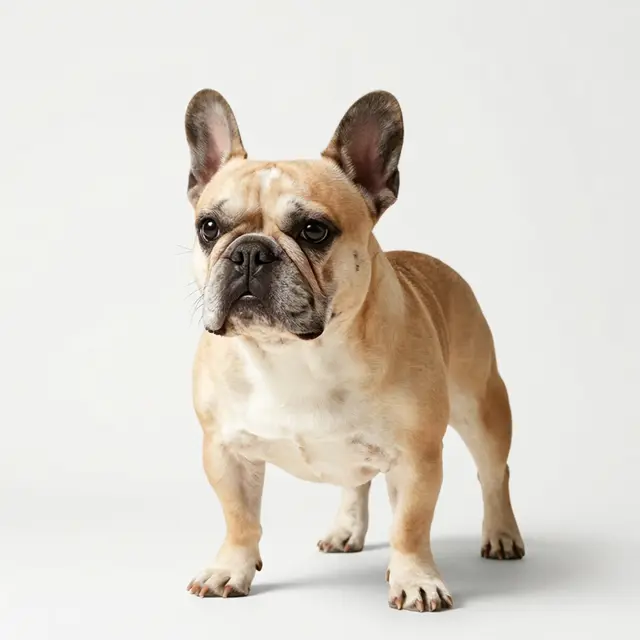
French Bulldog
A compact, easy-going companion that suits flats and modest exercise — but with serious health considerations.
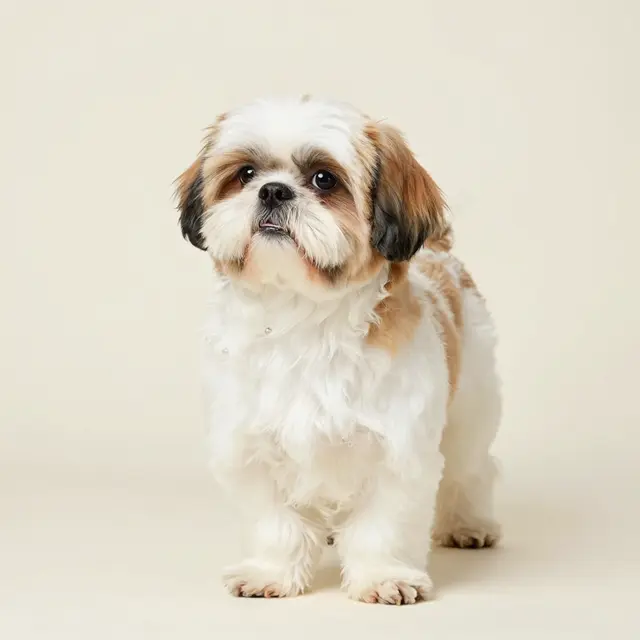
Shih Tzu
A friendly, low-energy companion bred purely for company — perfect for flats if you keep up the grooming.
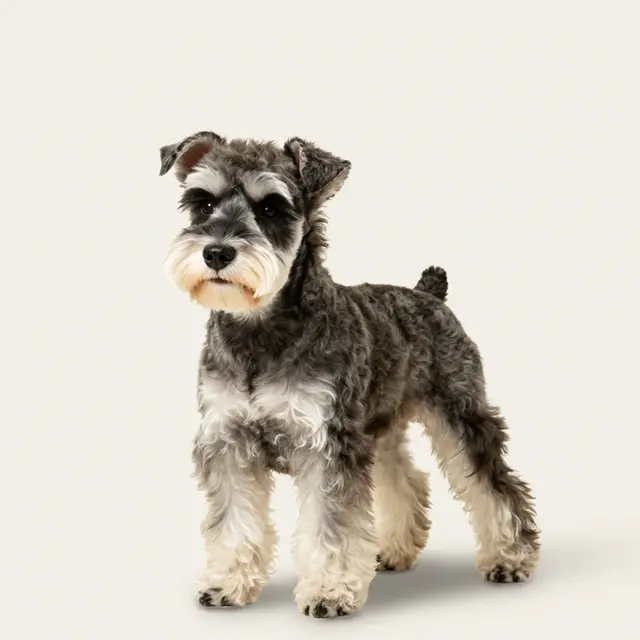
Miniature Schnauzer
A smart, spirited and low-shedding companion that adapts well to flats but likes to have its say.
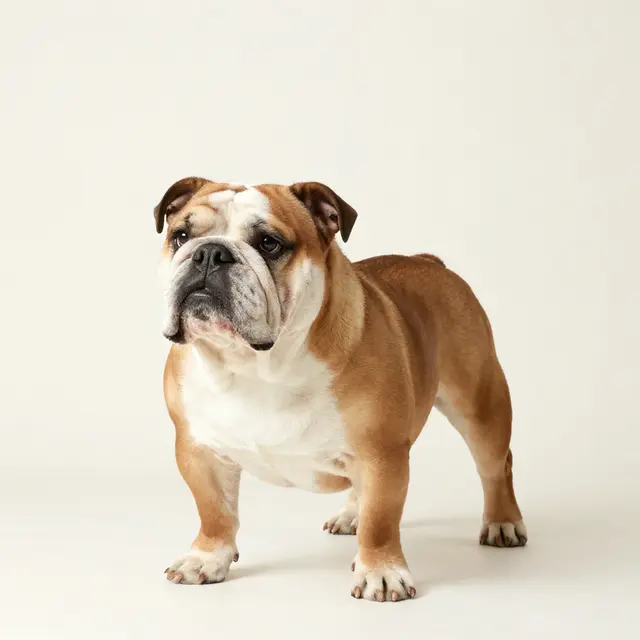
Bulldog
A placid, affectionate companion that’s happy with gentle walks — but burdened by serious health issues.
Similar temperament
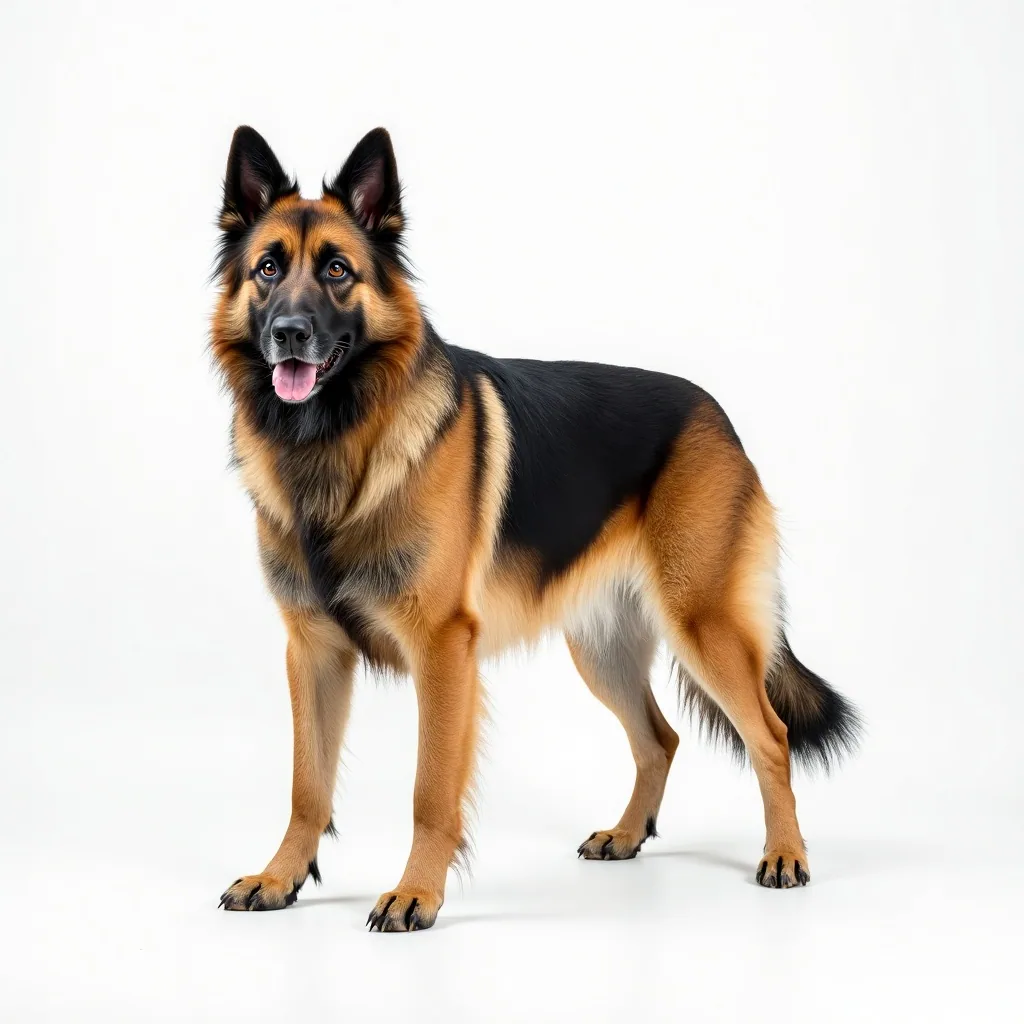
Karst Shepherd
A Slovenian livestock guardian from the Karst plateau, devoted and watchful over its family and flock. Calm but protective and independent, needing space and an experienced owner.
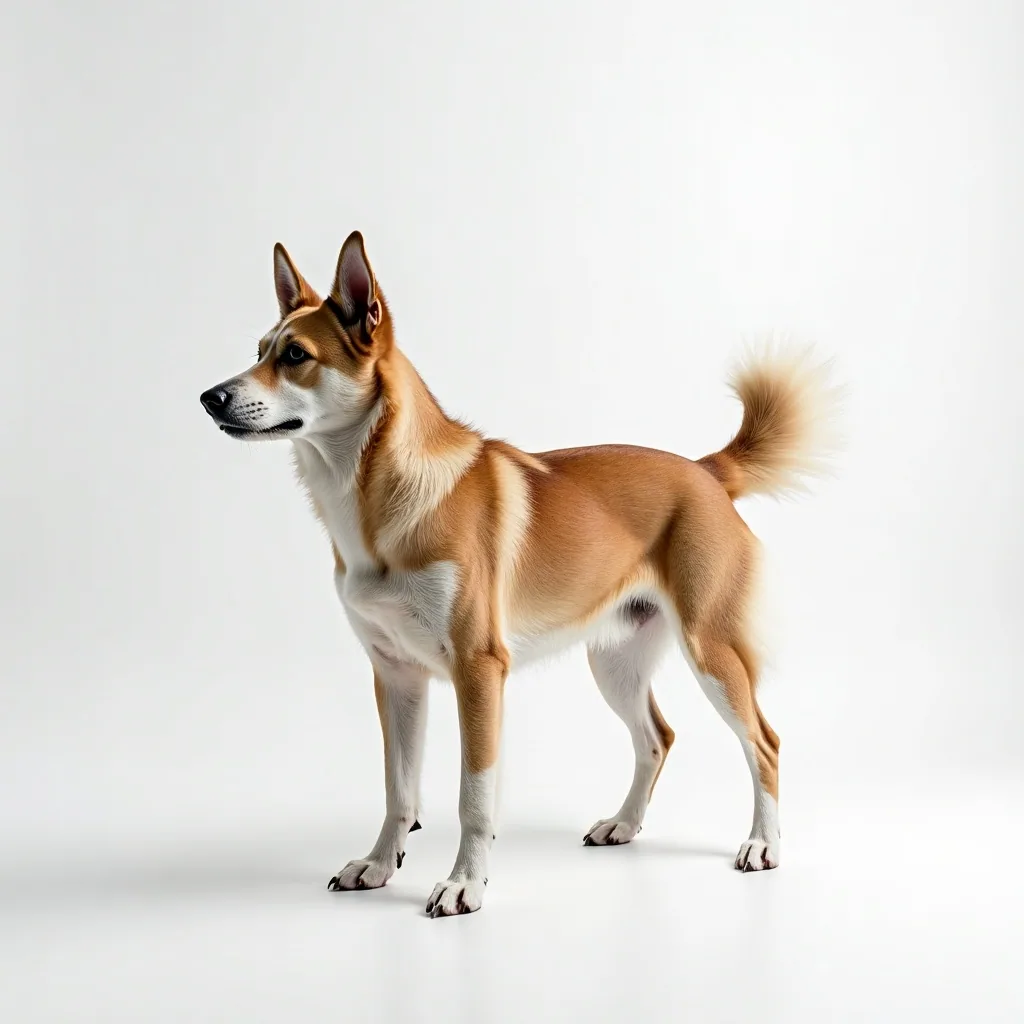
Norwegian Lundehund
A unique Norwegian spitz bred to scale cliffs for puffins, with extra toes and remarkable flexibility. Agile and alert, but independent and prone to a digestive disorder.
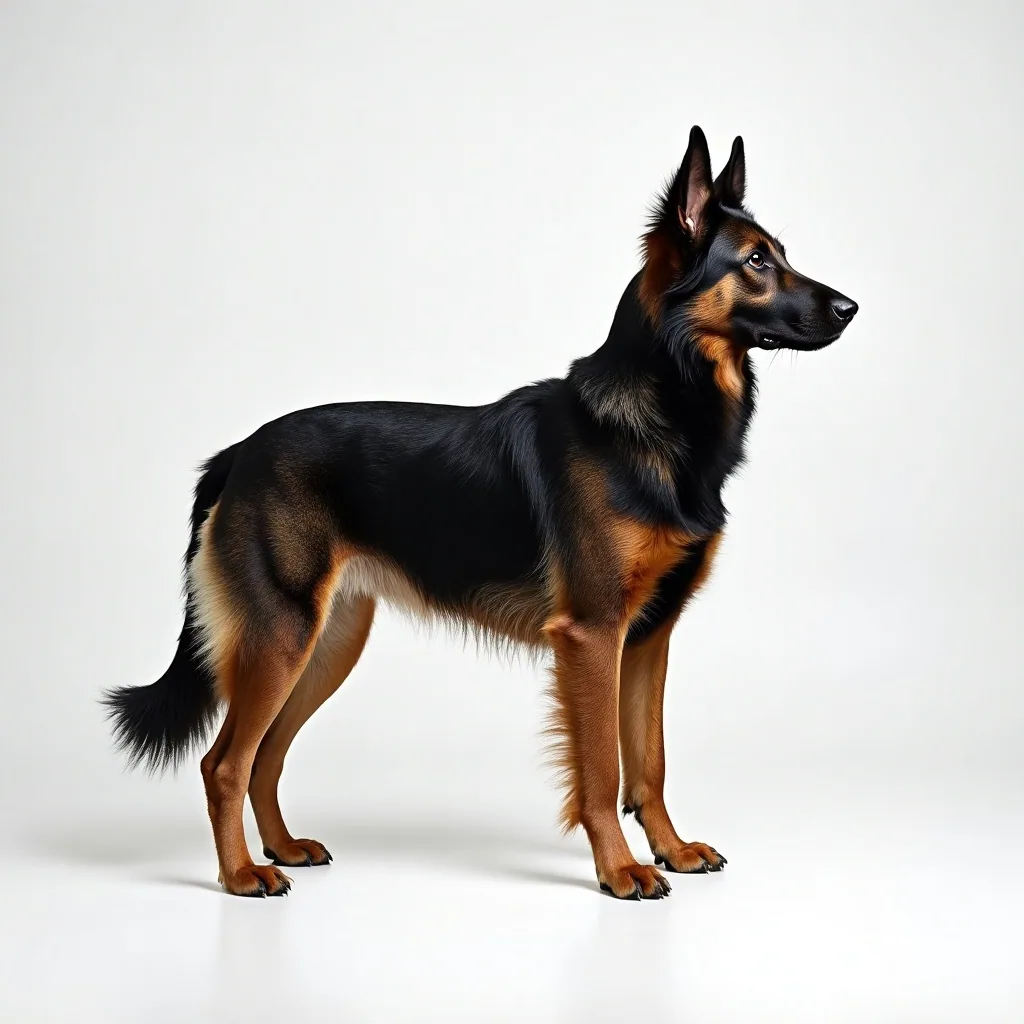
Romanian Raven Shepherd Dog
A Romanian herding and guarding breed, typically black-coated (the 'raven'), used to protect and drive livestock. Loyal and watchful, with a strong protective streak that needs experienced handling and socialisation.
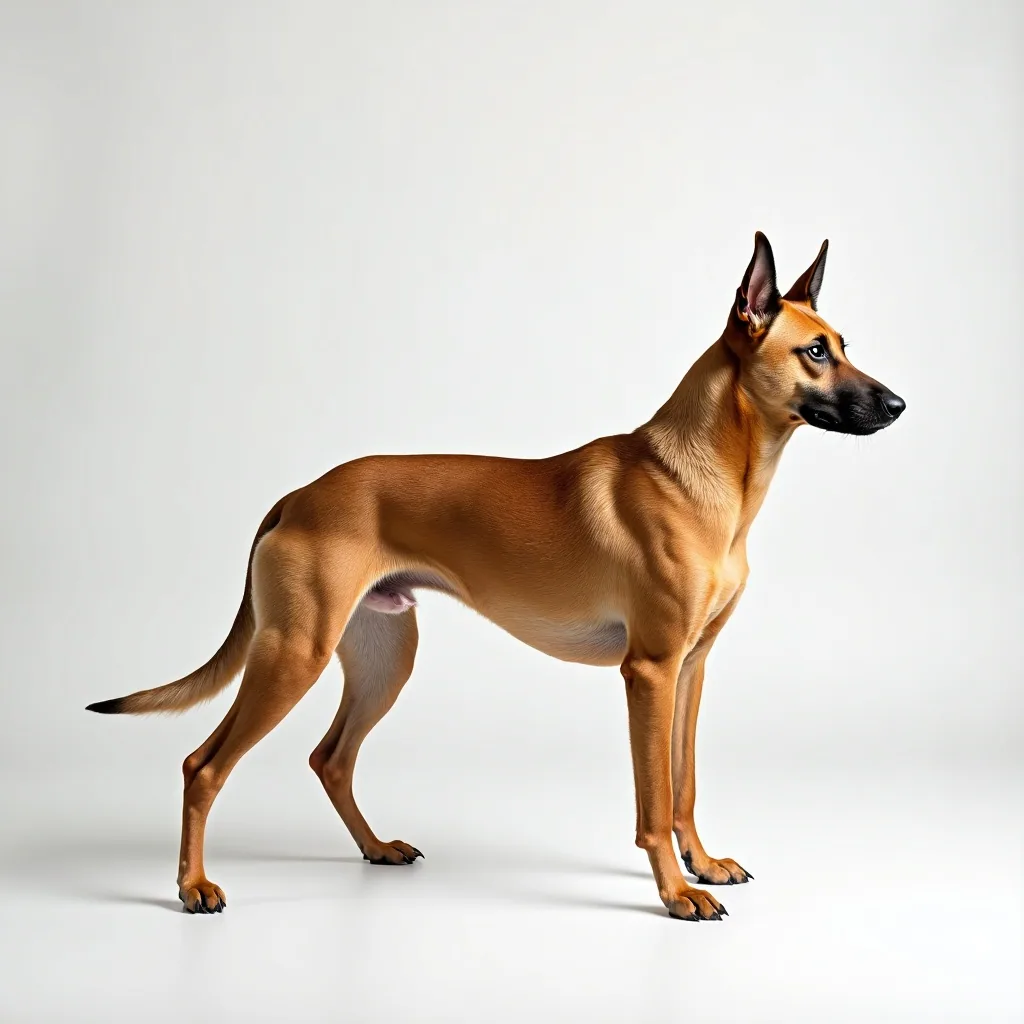
Thai Bangkaew Dog
A Spitz-type Thai companion and watchdog with a profuse coat. Loyal and devoted to its owner, but alert, territorial and reserved with strangers.
Similar size, different type
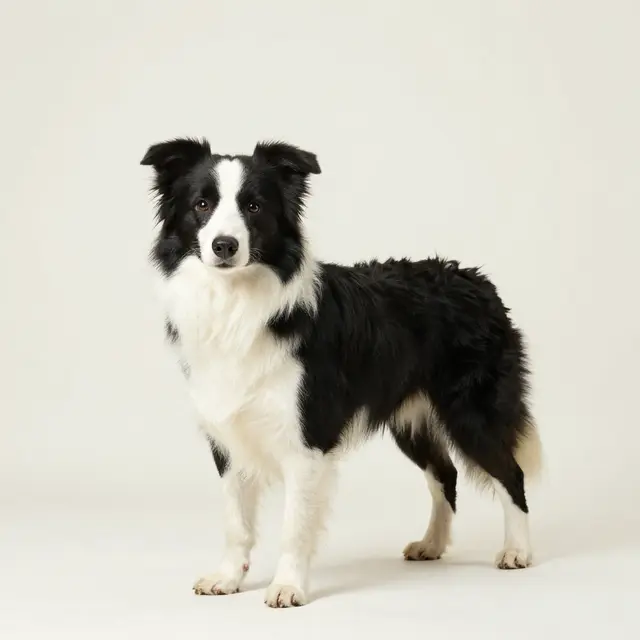
Border Collie
The ultimate working brain — astonishingly clever and trainable, but needs hours of exercise and a job to do.
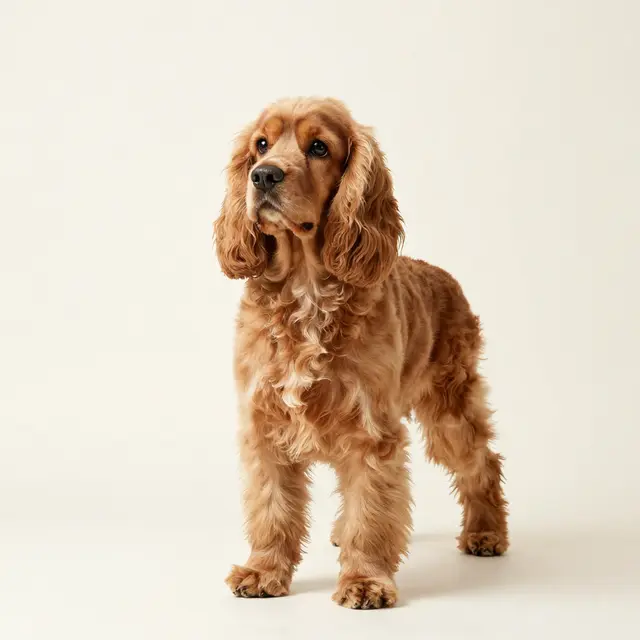
Cocker Spaniel
A merry, affectionate gundog that loves people and activity — happiest with a job and regular grooming.
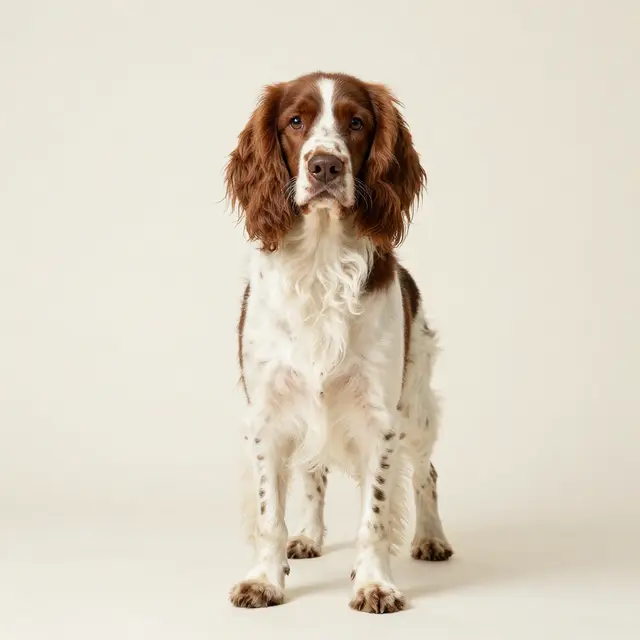
English Springer Spaniel
A tireless, enthusiastic working gundog that needs serious daily exercise and mental stimulation.
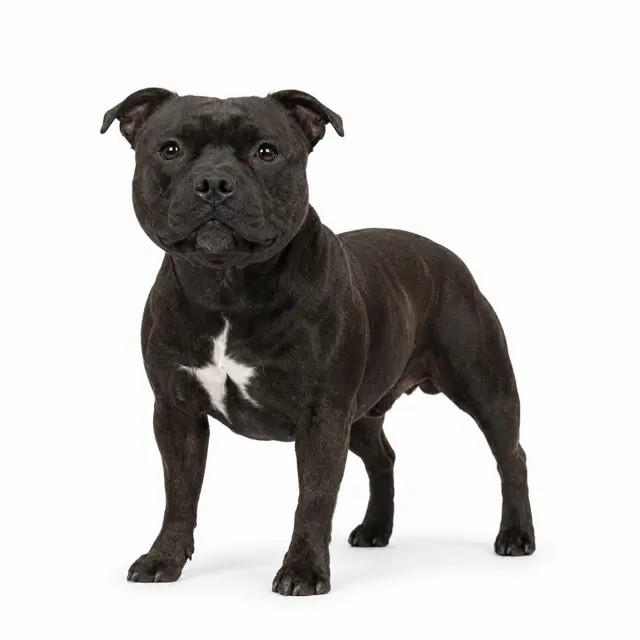
Staffordshire Bull Terrier
Affectionately known as the "nanny dog" — devoted, people-loving and famously gentle with children.
Is the Kintamani your breed?
Create your pet profile and get personalised food, toy, insurance and health recommendations — tailored to your dog.
Frequently asked questions
What is a Kintamani dog?
The Kintamani — sometimes called the Kintamani-Bali Dog — is a spitz-type mountain dog from the Kintamani highland region of Bali, Indonesia. It is widely regarded as the only formally recognised native Indonesian breed, developed from the free-ranging village dogs of Bali. It has a plush coat, curled tail and the alert, foxlike expression typical of spitz breeds.
How big is a Kintamani and how long does it live?
The Kintamani is a medium-sized dog, standing roughly 44–55 cm at the shoulder and weighing around 13–18 kg, with a typical lifespan of around 12–15 years. It is hardy and adaptable, reflecting its origins among free-ranging Balinese dogs adapted to a challenging mountain environment.
Is the Kintamani recognised as a breed?
It was accepted by the Fédération Cynologique Internationale on a provisional basis in 2019, but it is not separately recognised by the UK Kennel Club, and it remains rare outside Indonesia. As an emerging breed it is difficult to find in the UK, so prospective buyers should research provenance carefully.
What is the Kintamani's temperament like?
The Kintamani is an alert, independent and territorial dog that is devoted and affectionate toward its own family while remaining wary of strangers. Its background as a semi-independent village and mountain dog has produced a self-reliant character with strong watchdog instincts. Within the home it can be loyal and gentle with those it knows.
Is the Kintamani easy to train?
As an independent and intelligent breed, the Kintamani benefits from patient, consistent, reward-based training and clear, fair boundaries set early. Its self-reliant nature means it may not be as eager to please as more biddable companion breeds, so owners with experience of independent or primitive-type dogs will find it easier going. Thorough early socialisation is particularly important.
How much exercise and grooming does a Kintamani need?
It is an active, hardy dog that needs a good amount of daily exercise — walks, play and access to secure outdoor space — plus mental stimulation to prevent boredom. Its moderate double coat needs brushing a couple of times a week, with more during seasonal moults. The coat is generally weatherproof and does not require clipping, making grooming relatively straightforward.
Are there known health problems in the Kintamani?
As a recently formalised breed with a limited population, robust breed-specific health data are sparse and there are no established UK screening schemes for it. In general it is considered a hardy, healthy landrace-derived dog. Seek responsible breeders who prioritise temperament and soundness, and follow standard preventive care — vaccination, parasite control, dental care and routine checks.
Are Kintamanis good with children?
Fine with sensible, older children. As a general guide, Kintamanis tend to be fine with sensible, older children. Whatever the breed, always supervise dogs and young children and teach kids to interact gently.
How much exercise does a Kintamani need?
As a healthy adult, a typical Kintamani needs around an hour of exercise a day (60–80 minutes), split across walks plus play. A good sniffy walk plus some play and training usually keeps them happy. Puppies, seniors and dogs with health conditions need less — ask your vet.
Do Kintamanis shed a lot?
Moderate shedding. Coat upkeep is regular brushing — brush regularly to keep the coat in good condition.
Are Kintamanis easy to train and good for first-time owners?
Better with some experience. Kintamanis are best for owners ready to commit to consistent training and plenty of activity. Reward-based training and early socialisation help any dog.
Do Kintamanis bark a lot?
Vocal / alert barker. They can be quite vocal, so early training and enough exercise and stimulation help keep barking in check.
Are Kintamanis good with other dogs?
Generally fine with other dogs. Early, positive socialisation with other dogs from a young age makes a big difference.
Do Kintamanis suit flats or smaller homes?
Best with a garden. A Kintamani is happiest with access to a secure garden and regular outdoor exercise.
Sources
- Fédération Cynologique Internationale (FCI) — Kintamani-Bali Dog standard: https://www.fci.be/en/nomenclature/KINTAMANI-BALI-DOG-394.html
- The Kennel Club — Breed standards and groups (Kintamani is not separately UK Kennel Club recognised): https://www.thekennelclub.org.uk/breed-standards/
- PDSA — Dog breeds and choosing a dog: https://www.pdsa.org.uk/pet-help-and-advice/looking-after-your-pet/getting-a-dog
- Blue Cross — Choosing the right dog for you: https://www.bluecross.org.uk/advice/dog/thinking-of-getting-a-dog
Recommended for your Kintamani
Matched to a Kintamani's size.

Reusable Washable Puppy Training Pad
A quilted, machine-washable training pad that absorbs accidents and locks in moisture with a leak-resistant base. Reusable for puppy toilet training and senior dogs, in several bone and paw prints.
From£7.99

Dog Calming Ear Muffs For Fireworks & Thunder
A soft stretchy snood that wraps snugly over your dog's head and ears to muffle fireworks, thunder and loud noises. Helps nervous dogs feel calmer during storms, travel and grooming.
£11.99

Leucillin Antiseptic Skincare Spray for Cats & Dogs
A versatile, alcohol-free antiseptic spray that cleans, soothes, and helps protect your pet's skin from bacteria, viruses, and fungi.
From£16.49

Pressure-Activated Pet Cooling Mat
Press down, feel the cool — this pressure-activated mat absorbs body heat and stays up to 10°C cooler than the room, with no freezing required.
From£34.99

Ice-Silk Cooling Dog Bed with Bolster Edge
A breathable ice-silk cooling bed with a soft bolster edge and a cool-touch centre panel that helps your dog stay comfortable through warm weather. No need to freeze or refrigerate, it cools naturally on contact.
From£12.99

Dog Front-Limb Mobility Wheelchair
An adjustable two-wheel walker that supports dogs with front-limb weakness or injury. The lightweight frame and padded supports restore mobility, helping your dog stay active, exercise and enjoy walks with confidence.
From£176.99

Plush Foam Pet Stairs
Soft foam steps with a plush, washable cover that help senior, small or short-legged pets reach the sofa or bed safely. The lightweight, sturdy build reduces jumping strain on ageing joints.
From£21.99

Real-Time GPS Pet Tracker
A compact GPS tracker that clips to most collars for real-time location, geofence alerts and find-me sound.
£29.99
Suggestions based on breed traits — always check sizing and suitability for your individual dog.
Got a Kintamani? Save them to a pet profile for tailored picks across the whole site.
Happier, healthier pets — in your inbox.
Breed care tips, seasonal advice and first access to new arrivals. No spam, unsubscribe anytime.
Every dog is an individual — temperament and needs vary. Please research thoroughly, meet dogs in person, and consider adopting from a rescue. This is general guidance, not a substitute for advice from your vet or a qualified trainer.