
Smooth Fox Terrier
A bold, energetic English terrier bred to bolt foxes. Fearless, fun-loving and full of character, but feisty with other dogs, quick to dig and bark, and needing firm, consistent training.
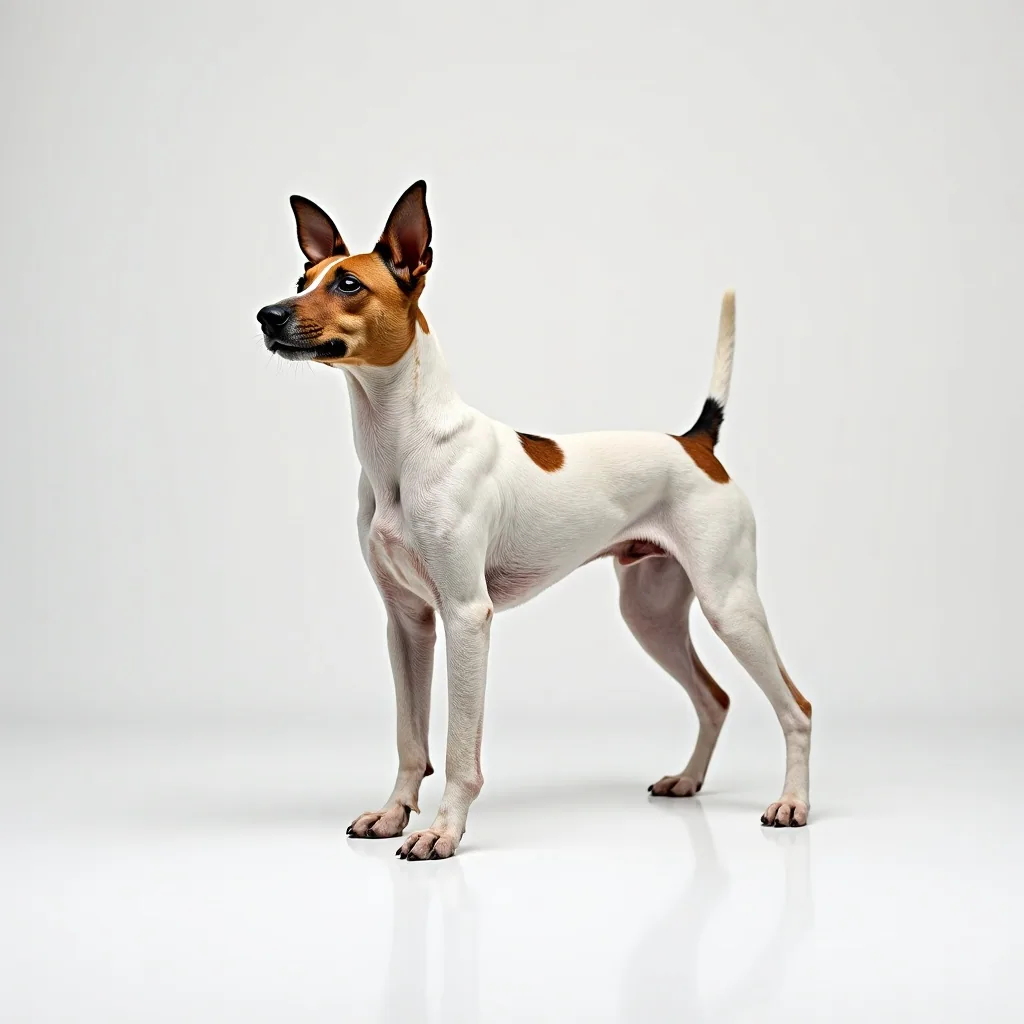
Smooth Fox Terrier scorecard
Overview
The Smooth Fox Terrier is a bold, energetic English terrier originally bred to bolt foxes from their earths during the hunt. Compact and athletic at around 36–39 cm and 7–9 kg, it is the short-coated counterpart of the Wire Fox Terrier, sharing the same fearless, fun-loving character in a sleek, easy-to-groom package.
Full of confidence and personality, the Smooth Fox Terrier is a lively, characterful companion that thrives on activity and engagement. It is also a true terrier — feisty, quick to bark, keen to dig and not always reliable with other dogs or small pets — so it rewards owners who appreciate its spirited nature and can provide firm, consistent training and plenty of exercise.
Good to know — a Smooth Fox Terrier is best with a garden and manageable for committed beginners. Every dog is an individual, so meet a few and chat to a good breeder or rescue before deciding.
Save the Smooth Fox Terrier guide
Thinking about a Smooth Fox Terrier? Pop your email in and we’ll send this guide so you can come back to it any time — handy while you compare breeds.
Popular searches for the Smooth Fox Terrier
History & origins
The Smooth Fox Terrier was developed in England in the eighteenth and nineteenth centuries as a working terrier for fox hunting, prized for its courage in going to ground. It was one of the earliest breeds recognised by The Kennel Club and became hugely popular in the Victorian and Edwardian eras both as a worker and as a smart, fashionable companion.
The Smooth and Wire Fox Terriers were long regarded as varieties of a single breed before being separated into distinct breeds. The Smooth is recognised by The Kennel Club in the Terrier Group and by the FCI in Group 3 (Terriers). Although less numerous today than in its heyday, it retains a devoted following.
Temperament & family fit
The Smooth Fox Terrier is bold, lively and brimming with character — an extrovert that loves to be involved in family life. It is affectionate and playful with its people and makes an entertaining, devoted companion, but it has the classic terrier traits of fearlessness, independence and a quick temper.
Its strong prey drive and feisty nature mean it can be scrappy with other dogs and is not to be trusted with small pets such as rabbits or rodents. It is also alert and vocal, making a good watchdog but a potential barker. Early socialisation and consistent boundaries help it become a well-mannered, sociable dog.
- Families with older, respectful children
- Owners ready for consistent training
- Homes with a secure garden
Training & intelligence
Intelligent and quick-witted, the Smooth Fox Terrier learns readily but has an independent, sometimes stubborn streak that calls for patient, consistent, reward-based training. It can become bored by repetitive drills, so keeping sessions short, varied and engaging works best. Early socialisation with people, dogs and everyday situations is particularly important given its bold, scrappy tendencies.
Recall and impulse control deserve special attention, since the breed's strong prey drive can override training once something catches its interest. Channelling its energy into terrier sports, fetch and scent or earthdog-style games provides a constructive outlet for its considerable drive.
- Start socialisation & handling early
- Reward-based methods only — no harsh corrections
- Channel energy into training games & enrichment
Exercise needs
A healthy adult Smooth Fox Terrier typically needs 90 minutes to 2 hours a day (roughly 90–120 minutes), split across walks, play and a little training. Higher-energy dogs also need their brains tired — sniffy walks, training games and puzzle feeding go a long way. Puppies, seniors and dogs with health conditions need adjusted amounts — check with your vet.
Grooming & coat
Grooming is simple. The short, hard, dense coat needs only a weekly brush to remove loose hair and keep it gleaming, with a slight increase during seasonal sheds. The breed is clean and low-odour. Routine care — nail trimming, ear checks and dental hygiene — completes a very manageable grooming routine, making the Smooth one of the easier terriers to maintain.
- Brush occasionally to remove loose hair
- Bathe every few weeks or as needed
- Check ears, nails and teeth weekly
Feeding a Smooth Fox Terrier
Feed a complete, balanced diet appropriate to the dog's age, size and activity level, divided into two meals a day. The breed's energetic nature helps keep it trim, but treats and overfeeding can lead to weight gain, so monitor body condition and adjust portions accordingly. Fresh water should always be available.
A small breed
An adult Smooth Fox Terrier typically weighs 7–9 kg, so a healthy Smooth Fox Terrier eats a modest amount compared with other breeds. Every feeding guide on a bag is written per kilo of body weight, not per breed — start there, then adjust to the dog in front of you.
Life stage
A small breed is usually done growing at 10–12 months, which is roughly when a puppy food has finished its job. With a typical lifespan of 12–15 years, there is a long adult stretch in the middle; switch to a senior food when your vet thinks it is worth it rather than on a birthday.
A high-energy dog eats like one
Smooth Fox Terriers sit at the top end for energy, and a dog working through an hour and a half of real exercise a day burns through the feeding guide faster than a dog on a short stroll. Feed to the dog's condition, not to the middle of the range on the bag.
Small mouths, crowded teeth
Smaller breeds get dental disease more often than big ones, largely because the same number of teeth are packed into a shorter jaw. Kibble size is worth checking, and a dental chew counts towards the daily 10% of calories from treats.
How much should a Smooth Fox Terrier weigh?
Adult 7–9 kgfully grown at 10–12 months
| Age | Stage | Typical weight | Of adult size |
|---|---|---|---|
| 8 weeks | Just home | 1.2–1.5 kg | 17% |
| 3 months | Young puppy | 1.9–2.4 kg | 27% |
| 6 months | Growing fast | 3.8–4.9 kg | 54% |
| 10–12 months | Fully grown | 7–9 kg | 100% |
A guide, from the same rule of thumb our puppy growth predictor uses — each age is that share of the way to maturity for a small breed. Puppies grow fastest early, so a real puppy usually sits a little above the middle rows. Weigh yours and ask your vet if the number worries you.
Complete dog foods that suit a Smooth Fox Terrier
Complete foods from our range, matched to a Smooth Fox Terrier's size band and what the breed typically needs. Stock levels and delivery dates are live on each product.


Pedigree Can in Jelly Puppy 6 Pack
Complete Pedigree puppy food in jelly with chicken, lamb and poultry recipes
£10.15

Forthglade Cold Pressed Natural Turkey
Cold-pressed turkey kibble for dogs from 2 months, soft enough to mix with water for young pups
£45.99

Forthglade Cold Pressed Grain Free Salmon
Cold-pressed grain-free dry food for dogs, built on fresh and dried salmon
From£16.99

Forthglade Cold Pressed Grain Free Duck
Cold-pressed grain-free duck food with fruit and botanicals, in two bag sizes
From£16.99

Forthglade Cold Pressed Grain Free Chicken
Cold-pressed grain-free chicken food with fruit and botanicals, in three bag sizes
From£16.99

Forthglade Complete Meal Lightly Baked Turkey
A lightly baked complete dry food, 50% turkey, for adult dogs of any breed
From£12.49

Forthglade Complete Meal Lightly Baked Chicken
A grain-free complete dry food for adult dogs, lightly baked and built on 50% chicken
From£12.49

Forthglade Cold Pressed Grain Free Turkey
Grain-free cold-pressed turkey kibble for dogs, gentle on sensitive stomachs
£69.69

Forthglade British Classics Chicken Family Lunch
Complete Forthglade wet dog food with 75% chicken in a 395G tray
£2.45

Harringtons Puppy Turkey & Rice
Complete turkey puppy food with 30% protein and feeding bands by adult weight
£6.49

Harringtons Just 6 Dry Dog Food Lamb
Grain-free lamb dry dog food in 2KG and 12KG sizes, with size-specific formulas
From£13.99
Smooth Fox Terrier health & costs
Before bringing a Smooth Fox Terrier home it pays to budget for the whole picture — food, insurance, grooming and routine vet care all add up. The figures below are typical UK estimates for a healthy adult; your real costs vary with where you live, your dog's health and the cover you choose.
Food
£250–400 / year
Complete food sized to weight & life stage
Insurance
£15–32 / month
Lifetime cover — varies by age, breed & area
Grooming
£0–60 / year
Mostly DIY at home
Routine vet care
£200–450 / year
Vaccines, flea/worm, annual check
The Smooth Fox Terrier is generally a hardy, healthy and long-lived breed, with a typical lifespan of around 12–15 years. As a relatively robust terrier it has fewer breed-defining health problems than many breeds, though a handful of inherited conditions are recognised and responsible breeders screen accordingly.
Reported concerns include a hereditary eye condition (lens luxation), patellar luxation (slipping kneecaps) and, less commonly, deafness, which can be congenital in some lines. Prospective owners should seek breeders who health-test their stock and be alert to these conditions. Routine preventive care — vaccination, parasite control and dental hygiene — supports the breed's generally long, active life.
Common health conditions to be aware of
- Primary lens luxation — an inherited eye condition in which the lens dislocates, potentially causing pain and blindness; DNA testing is available.
- Patellar luxation — slipping kneecaps that can cause lameness; assessment of breeding stock is advisable.
- Congenital deafness — reported in some lines, sometimes associated with coat colour; testing of puppies is sensible.
- Dental disease — common in small breeds; regular tooth-brushing and dental care are recommended.
- Skin allergies — some individuals are prone to skin sensitivities.
These reflect typical, size- and coat-related risks for dogs like the Smooth Fox Terrier; individual breeds carry their own predispositions. Always buy from health-tested parents and speak to your vet — this isn't a diagnosis.
Protect against surprise bills
A single emergency can run into thousands. Lifetime insurance spreads the risk.
Estimate insurance →How pet insurance works →Puppy & senior care
Bringing home a Smooth Fox Terrier puppy
Puppies need controlled exercise (a rough guide is five minutes per month of age, twice a day) to protect growing joints, little-and-often meals of a complete puppy food, early socialisation, and a calm routine for toilet training and sleep. Book first vaccinations, microchipping and a vet check early.
New puppy checklist →Caring for a senior Smooth Fox Terrier
As they age, watch weight, joints and teeth, switch to a senior diet if your vet advises, keep exercise gentle but regular, and consider orthopaedic bedding and ramps. Twice-yearly vet checks help catch issues early.
Orthopaedic beds & mobility →Pros & cons
The good bits
- Lively, characterful and easy to groom
- Hardy and long-lived
Things to consider
- High prey drive and can be dog-aggressive
- Vocal diggers that need plenty of exercise
Compare the Smooth Fox Terrier
See how the Smooth Fox Terrier measures up against similar breeds before you decide:
More breeds like the Smooth Fox Terrier
Same breed group
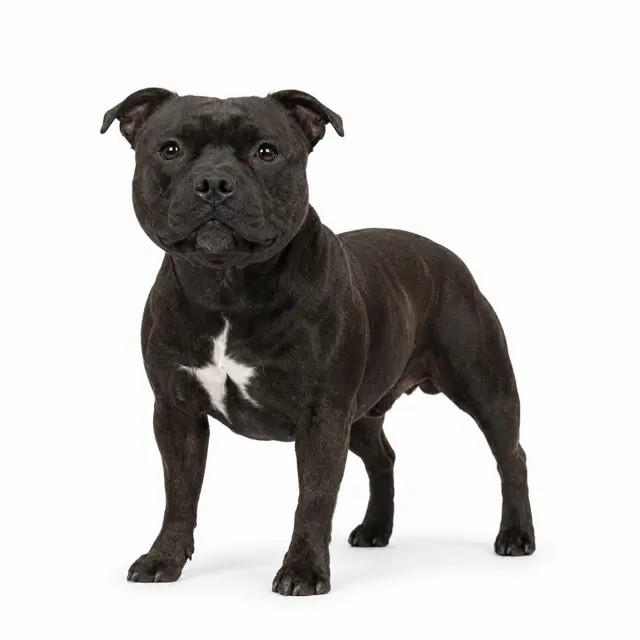
Staffordshire Bull Terrier
Affectionately known as the "nanny dog" — devoted, people-loving and famously gentle with children.
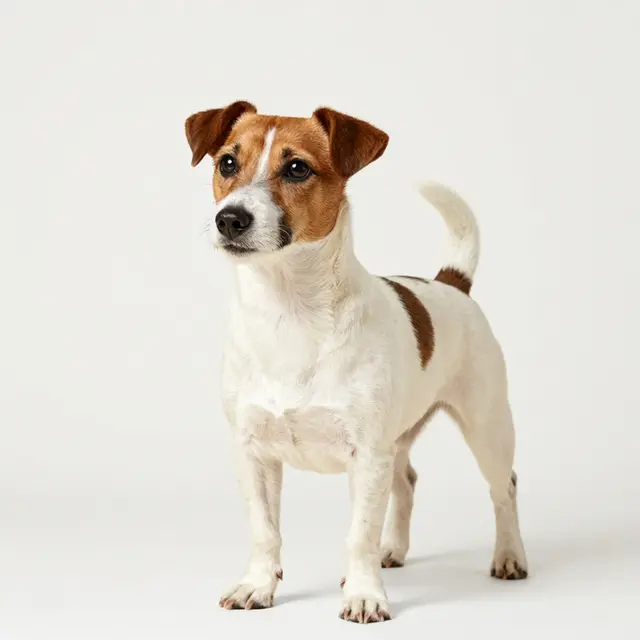
Jack Russell Terrier
A small dog with a huge personality — bold, clever and bursting with energy and prey drive.

Border Terrier
A hardy, good-natured working terrier that’s friendlier with people and dogs than many of its terrier cousins.
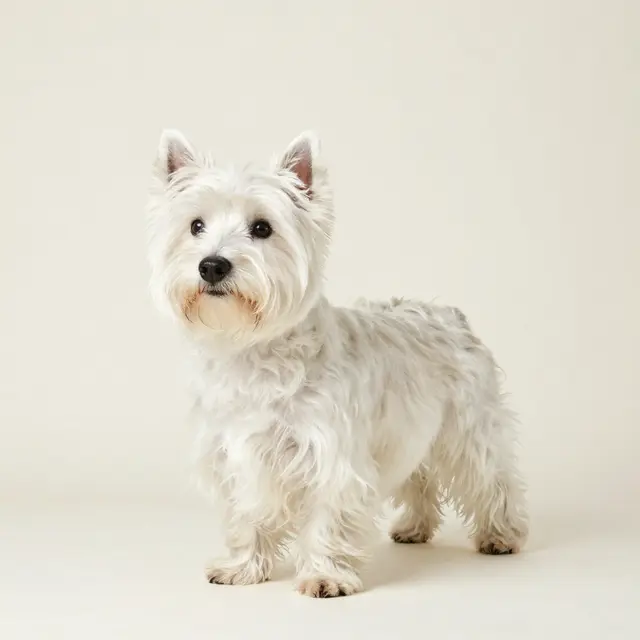
West Highland White Terrier
A confident, friendly little terrier — the "Westie" is hardy, characterful and adaptable to smaller homes.
Similar temperament

Cavajack
A lively Cavalier–Jack Russell cross combining the Cavalier's affection with terrier spirit. Playful and devoted, but can be feisty and vocal. Temperament varies a lot depending on which parent they take after.
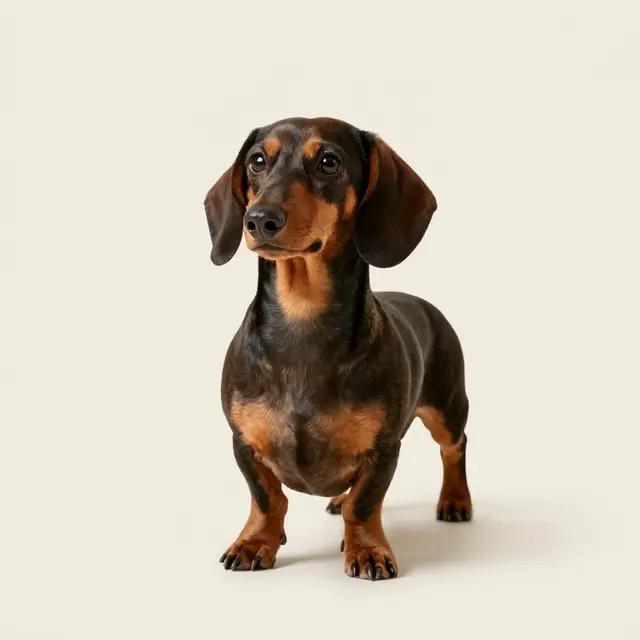
Dachshund
A bold, characterful "sausage dog" that suits smaller homes but needs careful handling of its long back.

Alpine Dachsbracke
A short-legged Austrian scenthound bred to track wounded game in the Alps. Sturdy, even-tempered and sociable, with a strong nose and a tendency to vocalise.
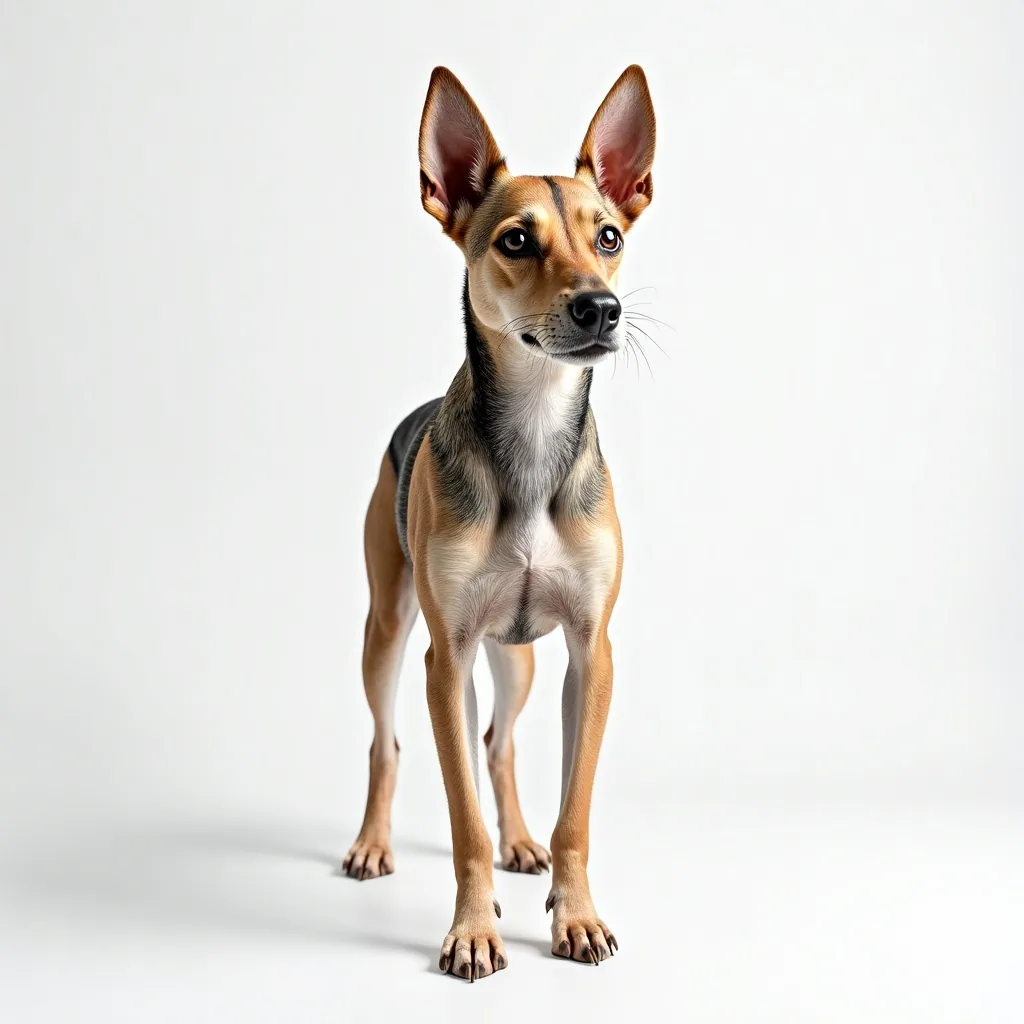
Andalusian Terrier
A small Spanish ratting terrier (Ratonero Bodeguero Andaluz). Lively, brave and quick, with strong working instincts and the typical terrier alertness and tenacity.
Similar size, different type
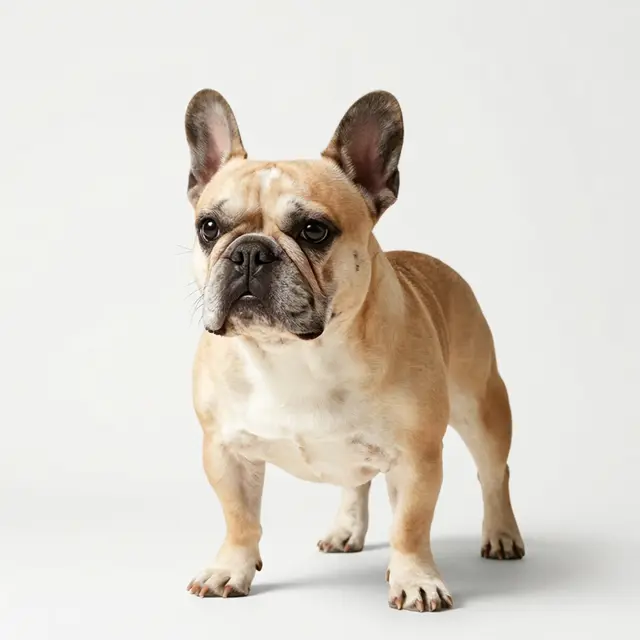
French Bulldog
A compact, easy-going companion that suits flats and modest exercise — but with serious health considerations.
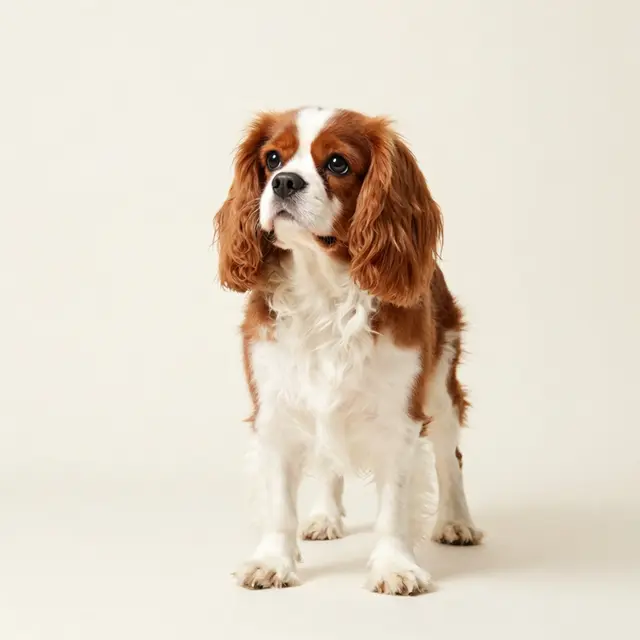
Cavalier King Charles Spaniel
A gentle, affectionate lap dog that’s wonderful with children and adapts happily to flat or house living.
Dachshund
A bold, characterful "sausage dog" that suits smaller homes but needs careful handling of its long back.
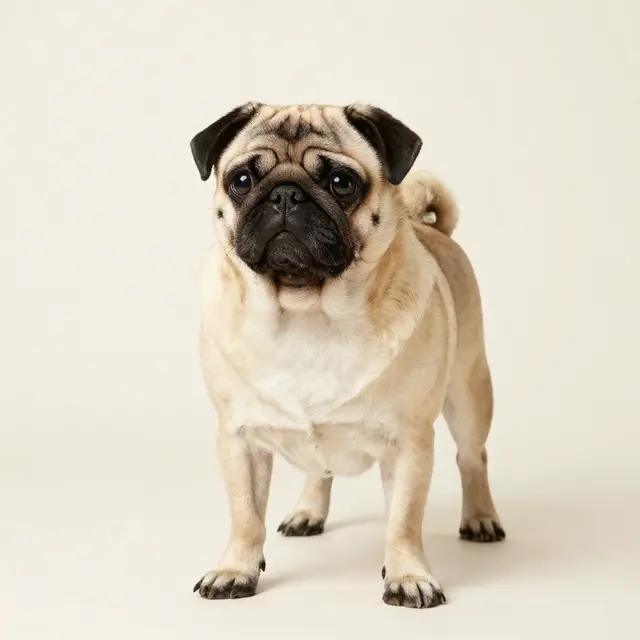
Pug
A charming, comical lap dog that’s content in a flat — but a flat face brings real health considerations.
Is the Smooth Fox Terrier your breed?
Create your pet profile and get personalised food, toy, insurance and health recommendations — tailored to your dog.
Frequently asked questions
What is the difference between a Smooth Fox Terrier and a Wire Fox Terrier?
They are closely related breeds sharing the same fearless, fun-loving character, differing chiefly in coat. The Smooth Fox Terrier has a short, hard, sleek coat that is very easy to groom, while the Wire Fox Terrier carries a harsh, wiry coat needing more upkeep. Both were originally bred to bolt foxes from their earths during the hunt.
What is the difference between a Smooth Fox Terrier and a Jack Russell?
Both are bold English terriers with strong prey drive, but they are distinct breeds. The Smooth Fox Terrier is a compact, athletic show and companion terrier of around 36–39 cm and 7–9 kg, bred to bolt foxes. Jack Russells trace to the same working roots but are typically smaller and were bred and kept primarily as working hunt terriers.
How big is a Smooth Fox Terrier?
It is a compact, athletic terrier standing around 36–39 cm at the shoulder and weighing roughly 7–9 kg. Despite its small size it is full of confidence, energy and personality, the short-coated counterpart of the Wire Fox Terrier.
What is the temperament of a Smooth Fox Terrier?
Bold, lively and brimming with character, it is an extrovert that loves to be involved in family life and is affectionate and playful with its people. It also has classic terrier traits: fearlessness, independence and a quick temper. It is alert and vocal, making a good watchdog but a potential barker, so early socialisation and consistent boundaries matter.
Are Smooth Fox Terriers good with other dogs and small pets?
Care is needed. Its strong prey drive and feisty nature mean it can be scrappy with other dogs and is not to be trusted with small pets such as rabbits or rodents. Early socialisation helps it become more sociable, but its instincts call for careful management and secure, well-fenced surroundings.
How much exercise and training does a Smooth Fox Terrier need?
This high-energy breed needs an hour or more of daily walks, play and interactive games, plus mental stimulation. It is an enthusiastic digger and escape artist, so fencing should be robust and dug in at the base. Intelligent but independent, it learns readily with short, varied, reward-based sessions, and reliable recall deserves special attention given its prey drive.
How much grooming does a Smooth Fox Terrier need?
Grooming is simple. The short, hard, dense coat needs only a weekly brush to remove loose hair, with a slight increase during seasonal sheds. The breed is clean and low-odour. Routine nail trimming, ear checks and dental hygiene complete a very manageable routine, making the Smooth one of the easier terriers to maintain.
What is the lifespan of a Smooth Fox Terrier and what health issues should I know about?
It is generally hardy, healthy and long-lived, with a typical lifespan of around 12–15 years and fewer breed-defining health problems than many breeds. Recognised concerns include a hereditary eye condition (lens luxation), patellar luxation and, less commonly, congenital deafness in some lines. Seek breeders who health-test their stock and keep up routine preventive care.
Are Smooth Fox Terriers good with children?
Fine with sensible, older children. As a general guide, Smooth Fox Terriers tend to be fine with sensible, older children. Whatever the breed, always supervise dogs and young children and teach kids to interact gently.
How much exercise does a Smooth Fox Terrier need?
As a healthy adult, a typical Smooth Fox Terrier needs 90 minutes to 2 hours of exercise a day (90–120 minutes), split across walks plus play. Higher-energy dogs also need mental stimulation — sniffing, training games and puzzle feeders — to stay settled. Puppies, seniors and dogs with health conditions need less — ask your vet.
Do Smooth Fox Terriers shed a lot?
Moderate shedding. Coat upkeep is easy-care — a quick brush now and then is usually enough.
Are Smooth Fox Terriers easy to train and good for first-time owners?
Manageable for committed beginners. Smooth Fox Terriers are best for owners ready to commit to consistent training and plenty of activity. Reward-based training and early socialisation help any dog.
Do Smooth Fox Terriers bark a lot?
Vocal / alert barker. They can be quite vocal, so early training and enough exercise and stimulation help keep barking in check.
Are Smooth Fox Terriers good with other dogs?
Can be selective with other dogs. Early, positive socialisation with other dogs from a young age makes a big difference.
Do Smooth Fox Terriers suit flats or smaller homes?
Best with a garden. A Smooth Fox Terrier is happiest with access to a secure garden and regular outdoor exercise.
Sources
- The Kennel Club (UK) — Fox Terrier (Smooth) breed information: https://www.thekennelclub.org.uk/breed-standards/
- Fédération Cynologique Internationale (FCI) — Fox Terrier Smooth, Standard No. 12: https://www.fci.be/en/nomenclature/FOX-TERRIER-SMOOTH-12.html
- PDSA — Dog health and care advice: https://www.pdsa.org.uk/pet-help-and-advice/looking-after-your-pet/dogs
- Blue Cross — Dog advice: https://www.bluecross.org.uk/advice/dog
Recommended for your Smooth Fox Terrier
Matched to a Smooth Fox Terrier's size and their typical need for enrichment & mental stimulation, dental care.

Pooch & Mutt Long-Lasting Fish Hide Chews
A single-ingredient cod skin chew for dogs from 6 months, 83.8% protein, grain free
£4.99

Happy Pet Ropeball
A rubber ball on a rope for retrieval training or general tug and fetch play
From£7.99

TPR Foam Bite-Resistant Ring Dog Toy
A tough TPR foam ring toy with a textured grip surface that floats and bounces, ideal for fetch and tug. Measuring around 185mm across, it is bite-resistant and gentle on teeth for energetic outdoor play.
£7.99

Squeaky Crinkle Duck Dog Toy
A soft plush duck dog toy with crinkle and squeak sounds to keep dogs engaged. Made from durable fabric for small, medium and large dogs, it is great for fetch, teething and interactive play.
£9.99

Interactive Rolling Dog Ball with Bird-Call Sounds
A motorised self-rolling dog ball that wobbles and rolls to keep your dog chasing and engaged. It plays bird-call sounds to spark interest, has rope tails for tugging and a simple external power switch. Great for boredom relief.
£13.99

Plush Strawberry Snuffle Mat
An interactive foraging mat with removable plush strawberries that hide treats and kibble. Encourages natural snuffling and slows feeding, providing mental enrichment for dogs, rabbits and guinea pigs alike.
From£13.99

Tarhong Concentric Circle Slow Feeder Bowl for Dogs & Cats
A stylish slow-feeder bowl that encourages healthier, calmer mealtimes — available in blue, grey, or white.
£14.99

Self-Moving Interactive Dog Ball
A rechargeable self-moving ball that rolls and changes direction to keep dogs engaged. Ultra-quiet (around 35dB) for indoor and apartment use, helping ease boredom and separation anxiety.
£20.99
Suggestions based on breed traits — always check sizing and suitability for your individual dog.
Got a Smooth Fox Terrier? Save them to a pet profile for tailored picks across the whole site.
Happier, healthier pets — in your inbox.
Breed care tips, seasonal advice and first access to new arrivals. No spam, unsubscribe anytime.
Every dog is an individual — temperament and needs vary. Please research thoroughly, meet dogs in person, and consider adopting from a rescue. This is general guidance, not a substitute for advice from your vet or a qualified trainer.