
Great Dane
The 'Apollo of dogs', developed in Germany to hunt boar and later kept as a noble companion, the Great Dane is a true gentle giant — calm, affectionate and good-natured. It suits homes with space that can manage giant-breed feeding and costs, provide a soft supportive bed, and go in aware of the sadly short lifespan that comes with the size.
Great Dane scorecard
Overview
Few dogs make a first impression quite like the Great Dane. Standing at least 71 cm at the shoulder and often considerably taller, this is one of the largest breeds in the world, and a Dane on its hind legs can look a fully grown adult in the eye. Yet the abiding theme of the breed is gentleness. The Great Dane is widely nicknamed the "gentle giant" or "Apollo of dogs", and for good reason: beneath the imposing frame is a calm, affectionate and deeply people-oriented companion that wants nothing more than to be close to its family. Many Danes are convinced they are lapdogs and will happily attempt to prove it.
The Great Dane is recognised by The Kennel Club in the Working group. The breed combines size with elegance — a Dane should be powerful and muscular but never coarse or clumsy, moving with a long, easy stride. Coat colours include fawn, brindle, blue, black and the distinctive harlequin (white with irregular black patches). For all their majesty, prospective owners must go in with eyes open: this is a giant breed with a sadly short lifespan, real space and cost implications, and specific health vulnerabilities. A Great Dane is a wonderful family dog for the right home, but it is a serious, and large, commitment.
Good to know — a Great Dane needs plenty of space and manageable for committed beginners. Every dog is an individual, so meet a few and chat to a good breeder or rescue before deciding.
Save the Great Dane guide
Thinking about a Great Dane? Pop your email in and we’ll send this guide so you can come back to it any time — handy while you compare breeds.
Popular searches for the Great Dane
History & origins
The Great Dane's name is a historical quirk — the breed was developed in Germany, not Denmark, and is known in its homeland as the Deutsche Dogge (German Mastiff). It descends from large mastiff- and boarhound-type dogs used in Europe from at least the medieval period for hunting wild boar and as estate guardians, with greyhound-type ancestry contributing the breed's relative elegance and speed. By the 19th century German breeders had refined these working dogs towards the more uniform, stately animal we recognise today, and the breed was formally standardised in Germany in the late 1800s.
As boar hunting declined, the Great Dane transitioned into the role of a noble companion and guard dog, prized by the European aristocracy. The breed became established in Britain during the Victorian era and remains a recognised Kennel Club breed. Today the Great Dane is kept almost exclusively as a family companion and an impressive, if gentle, deterrent.
Temperament & family fit
The defining trait of a well-bred Great Dane is its steady, affectionate temperament. Danes are typically friendly, patient and eager to be involved in family life, and they often form intensely close bonds with their owners — sometimes to the point of separation-related distress if left alone too long. Properly socialised Danes are generally good-natured with children and with other dogs, though their sheer size means supervision around small children and toddlers is essential, as an exuberant tail-wag or a misjudged turn can easily knock someone over.
Despite their guardian heritage, modern Great Danes are not usually aggressive; their presence alone is deterrent enough. They tend to be relatively quiet and are not excessive barkers. Early, positive socialisation is still important to produce a confident adult that is calm around strangers, traffic and other animals. A nervous or under-socialised giant breed is far harder to manage than a nervous small dog, so the groundwork done in puppyhood pays lasting dividends.
- Families with children of all ages
- Owners ready for consistent training
- Active homes with plenty of space
Training & intelligence
Great Danes are intelligent and willing to please, which makes them reasonably trainable, but their size makes early training non-negotiable rather than optional. A behaviour that is merely annoying in a terrier — jumping up, pulling on the lead, leaning — becomes genuinely difficult to manage in a 70 kg dog. Lead manners, a reliable recall and calm greetings should be taught while the puppy is still light enough to redirect easily, ideally from the day it comes home.
Reward-based, gentle methods suit the breed well; Danes can be sensitive and do not respond well to harsh handling. Keep sessions positive and consistent, and enrol in a good puppy class for structured socialisation. Because giant-breed puppies grow rapidly, owners should also take care not to over-exercise a young, growing dog (see exercise), while still investing heavily in obedience foundations.
- Start socialisation & handling early
- Reward-based methods only — no harsh corrections
- Keep sessions short, calm and consistent
Exercise needs
A healthy adult Great Dane typically needs around an hour a day (roughly 60–80 minutes), split across walks, play and a little training. A good sniffy walk, some play and a little training usually keeps them content. Puppies, seniors and dogs with health conditions need adjusted amounts — check with your vet.
Grooming & coat
Grooming a Great Dane is mercifully simple. The short, smooth, dense coat needs only a weekly brush with a rubber grooming mitt or bristle brush to remove loose hair and keep it gleaming; they are moderate shedders rather than heavy ones. Bathing is needed only occasionally. As with all dogs, routine care should include regular nail trimming, dental care and ear checks. Owners should also keep an eye on the elbows, hocks and other pressure points, as the breed's weight can cause callouses and pressure sores on hard flooring — providing a large, well-padded bed helps protect these areas.
- Brush occasionally to remove loose hair
- Bathe every few weeks or as needed
- Check ears, nails and teeth weekly
Feeding a Great Dane
Feeding a giant breed correctly is one of the most important things an owner can do, and it begins in puppyhood. Great Dane puppies should be fed a diet formulated for large- or giant-breed growth, which controls calorie, calcium and phosphorus levels to support steady rather than rapid growth — over-feeding and forcing fast growth is linked to developmental skeletal problems. Adults need a good-quality, appropriately portioned diet, and keeping the dog lean is vital to protect the joints. Because the breed is highly prone to life-threatening bloat (gastric dilatation-volvulus), owners are commonly advised to feed measured meals divided into two or more portions a day rather than one large meal, and to avoid vigorous exercise immediately before and after eating. Discuss a feeding plan with your vet.
A giant breed
An adult Great Dane typically weighs 54–90 kg, so a healthy Great Dane eats a lot, and the sack size matters as much as the recipe compared with other breeds. Every feeding guide on a bag is written per kilo of body weight, not per breed — start there, then adjust to the dog in front of you.
Life stage
A giant breed is usually done growing at 18–24 months, which is roughly when a puppy food has finished its job. With a typical lifespan of 8–10 years, there is a long adult stretch in the middle; switch to a senior food when your vet thinks it is worth it rather than on a birthday.
Joint support is worth looking for
Their size and frame put more load through the joints than a smaller dog carries, so a food with joint support on the label is worth reading for — and keeping them lean does more for their joints than any supplement.
Weight matters more than usual here
A long back or a heavy frame makes every extra kilo count twice. Weigh portions rather than eyeballing a scoop, and reduce the food rather than the walks if the waist starts to disappear.
How much should a Great Dane weigh?
Adult 54–90 kgfully grown at 18–24 months
| Age | Stage | Typical weight | Of adult size |
|---|---|---|---|
| 8 weeks | Just home | 4.7–7.9 kg | 9% |
| 3 months | Young puppy | 7.7–12.9 kg | 14% |
| 6 months | Growing fast | 15.4–25.7 kg | 29% |
| 12 months | Adolescent | 30.9–51.4 kg | 57% |
| 18–24 months | Fully grown | 54–90 kg | 100% |
A guide, from the same rule of thumb our puppy growth predictor uses — each age is that share of the way to maturity for a giant breed. Puppies grow fastest early, so a real puppy usually sits a little above the middle rows. Weigh yours and ask your vet if the number worries you.
Complete dog foods that suit a Great Dane
Complete foods from our range, matched to a Great Dane's size band and what the breed typically needs. Stock levels and delivery dates are live on each product.


Field & Trial Skinner S Field Trial Light Senior
A lower-fat dry food for older, overweight or less active dogs, including working breeds
From£9.85

Autarky Complete Grain Free Adult Turkey
Grain-free complete dry food for adult dogs, with turkey and a marine-algae joint care package
£12.79

Autarky Grain Free Tasty White Fish & Potato Complete
Grain-free dry dog food built around white fish meal rather than poultry
£12.99

Lily's Kitchen Lily S Kitchen Dog Lovely Lamb
Complete lamb-led dry dog food offered in two practical bag sizes
From£25.15


Burns Adult Large/Giant Breed Chicken and Brown Rice
Complete large-breed dry dog food with 23% chicken and brown rice
£59.99

Burgess Greyhound and Lurcher Chicken
Complete adult dry food formulated for the specific build of greyhounds and lurchers
£35.35


Naturo Senior Rice Poultry Variety 6pk
Six 400g trays across three recipes for senior dogs, with glucosamine and chondroitin
£10.29

Naturo Senior Dog Turkey with Rice and Vegetables 7pk
Turkey at 65% in a senior wet tray, with brown rice, vegetables and added joint support
£11.99

Vitalin Adult Dog Pork with Apple
Complete dry food for adult dogs of any age, led by pork, with citrus extract for dental support
From£11.99
Great Dane health & costs
Before bringing a Great Dane home it pays to budget for the whole picture — food, insurance, grooming and routine vet care all add up. The figures below are typical UK estimates for a healthy adult; your real costs vary with where you live, your dog's health and the cover you choose.
Food
£850–1,200 / year
Complete food sized to weight & life stage
Insurance
£45–85 / month
Lifetime cover — varies by age, breed & area
Grooming
£0–60 / year
Mostly DIY at home
Routine vet care
£200–450 / year
Vaccines, flea/worm, annual check
The single most important health fact about the Great Dane is its short lifespan. As one of the giant breeds, the Dane typically lives only around 8–10 years, and large studies of UK dogs consistently place giant breeds among those with the shortest life expectancies. Prospective owners must be emotionally and practically prepared for this, and for the higher veterinary and food costs that come with a very large dog.
The breed's most urgent health concern is gastric dilatation-volvulus (GDV, or bloat), in which the stomach fills with gas and can twist — a sudden, life-threatening emergency that is far more common in deep-chested giant breeds. Every Dane owner should learn to recognise the signs (a swollen, hard abdomen, unproductive retching, restlessness and distress) and treat them as an immediate emergency. Some owners discuss preventive gastropexy surgery with their vet. Beyond bloat, the breed is predisposed to a number of orthopaedic and cardiac conditions, so buying from a health-tested line and registering with a vet familiar with giant breeds is strongly advised.
Common health conditions to be aware of
- Gastric dilatation-volvulus (bloat) — a sudden, life-threatening twisting of the stomach that is much more common in deep-chested giant breeds; requires immediate emergency veterinary treatment.
- Dilated cardiomyopathy (DCM) — a heart-muscle disease the breed is predisposed to, which can cause heart failure; screening of breeding dogs is recommended.
- Hip and elbow dysplasia — developmental joint disorders common in large and giant breeds; reputable breeders should hip/elbow score their stock.
- Wobbler syndrome (cervical spondylomyelopathy) — a condition affecting the neck vertebrae and spinal cord that can cause an unsteady gait, seen in giant breeds.
- Osteosarcoma (bone cancer) — an aggressive bone tumour to which large and giant breeds, including the Dane, are predisposed.
- Entropion and other eye conditions — inward-rolling eyelids that can irritate the eye and may require corrective surgery.
These reflect typical, size- and coat-related risks for dogs like the Great Dane; individual breeds carry their own predispositions. Always buy from health-tested parents and speak to your vet — this isn't a diagnosis.
Protect against surprise bills
A single emergency can run into thousands. Lifetime insurance spreads the risk.
Estimate insurance →How pet insurance works →Puppy & senior care
Bringing home a Great Dane puppy
Puppies need controlled exercise (a rough guide is five minutes per month of age, twice a day) to protect growing joints, little-and-often meals of a complete puppy food, early socialisation, and a calm routine for toilet training and sleep. Book first vaccinations, microchipping and a vet check early.
New puppy checklist →Caring for a senior Great Dane
As they age, watch weight, joints and teeth, switch to a senior diet if your vet advises, keep exercise gentle but regular, and consider orthopaedic bedding and ramps. Twice-yearly vet checks help catch issues early — larger breeds age sooner, so start senior care from around 6–7 years.
Orthopaedic beds & mobility →Pros & cons
The good bits
- Calm, friendly and good with families
- Lower energy than its size suggests; easy-care coat
Things to consider
- Needs a lot of space, a big food budget and a sturdy home
- Prone to bloat and joint issues; sadly short-lived
Great Dane health & care guides
In-depth, vet-sensible guides written for Great Dane owners:
Compare the Great Dane
See how the Great Dane measures up against similar breeds before you decide:
More breeds like the Great Dane
Same breed group
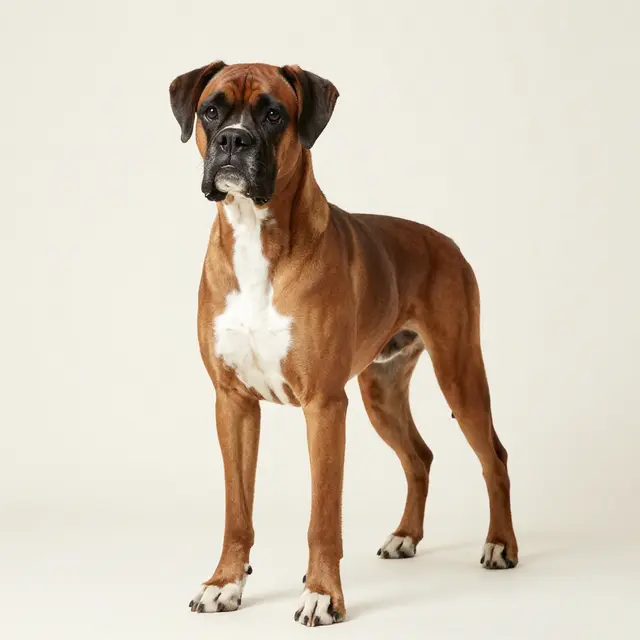
Boxer
A bouncy, playful and devoted family dog that stays puppy-like for years — and needs the exercise to match.
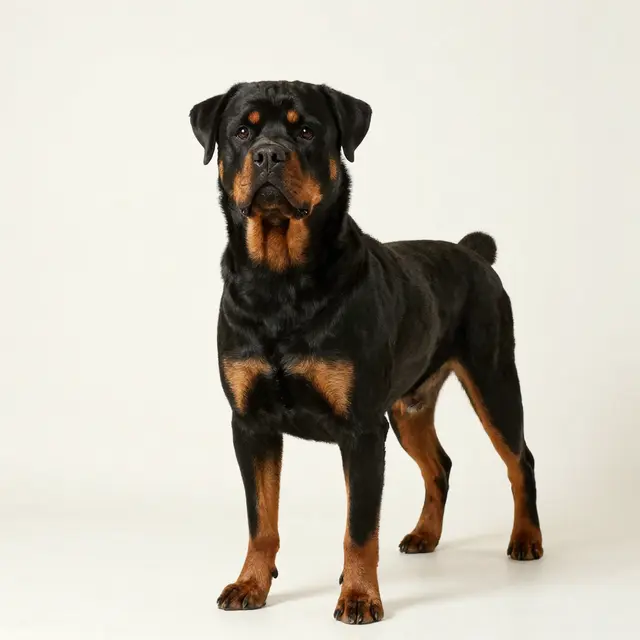
Rottweiler
A powerful, confident guardian that’s calm and devoted in the right hands — but needs an experienced owner.
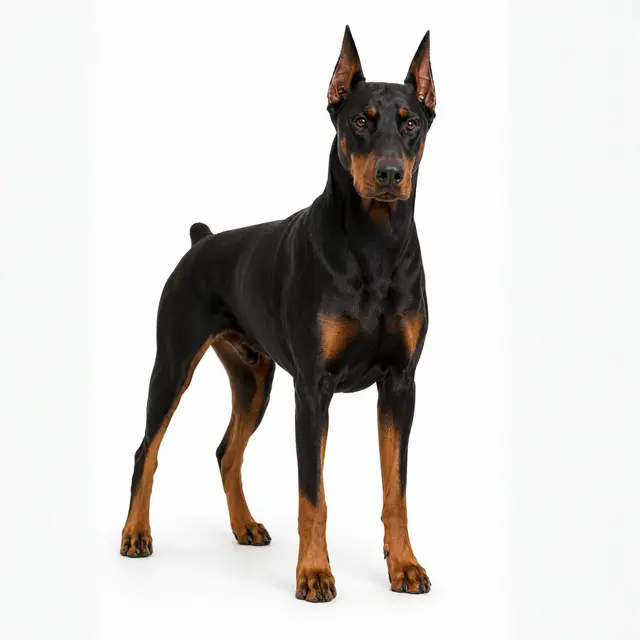
Dobermann
A sleek, athletic and intensely loyal guardian — highly trainable, but a serious commitment for active owners.
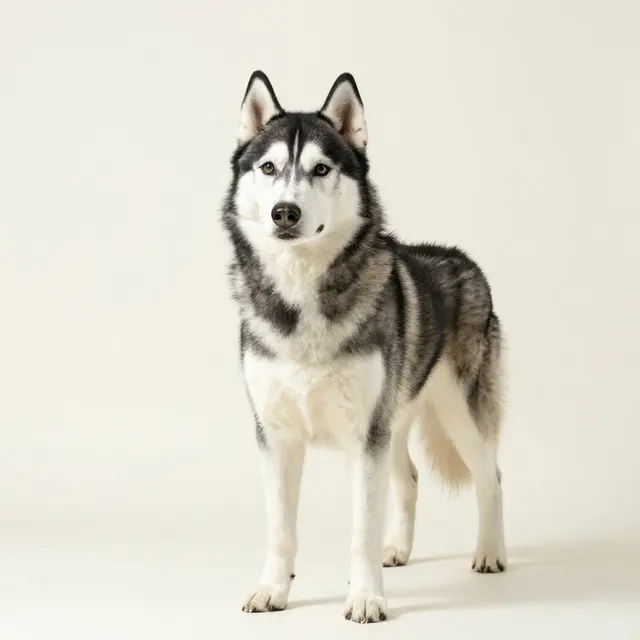
Siberian Husky
A stunning, independent sled dog built for endurance — beautiful, but a real handful for the unprepared.
Similar temperament
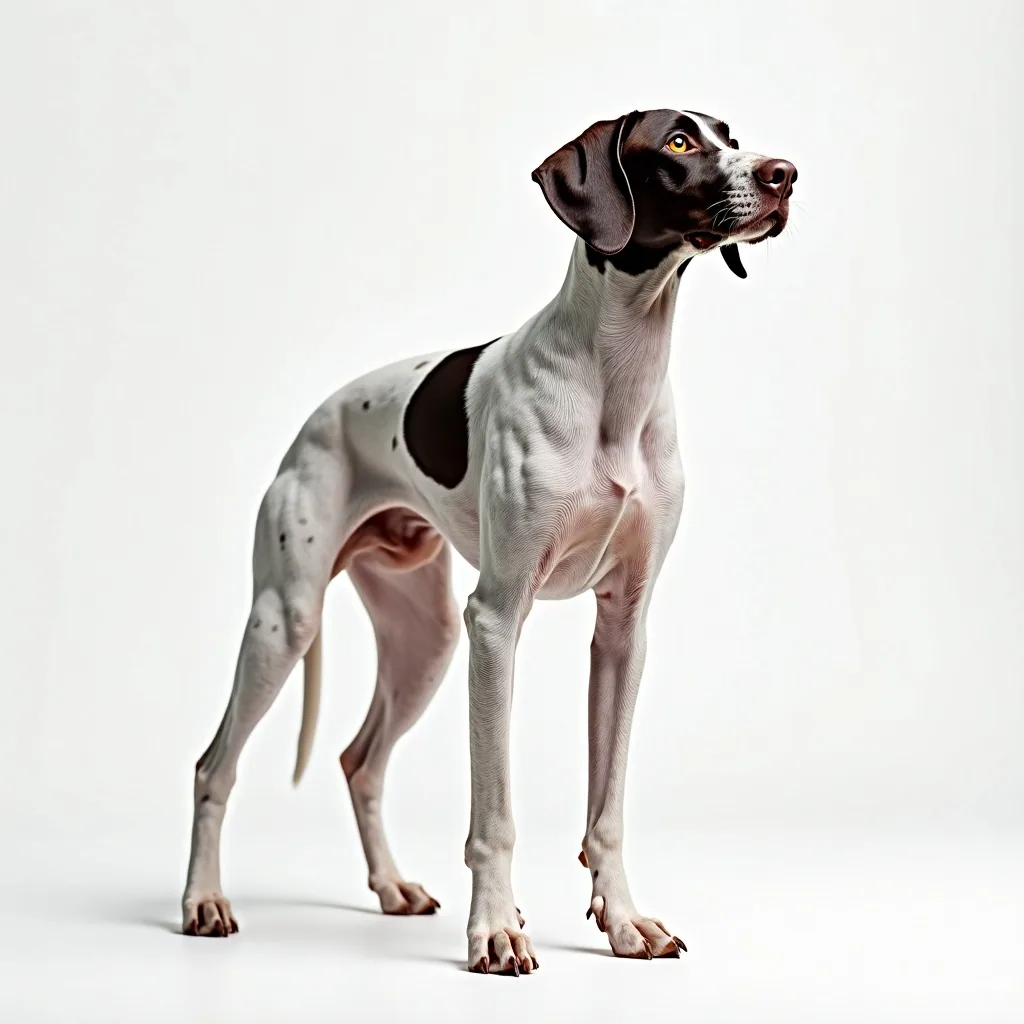
Ariège Pointer
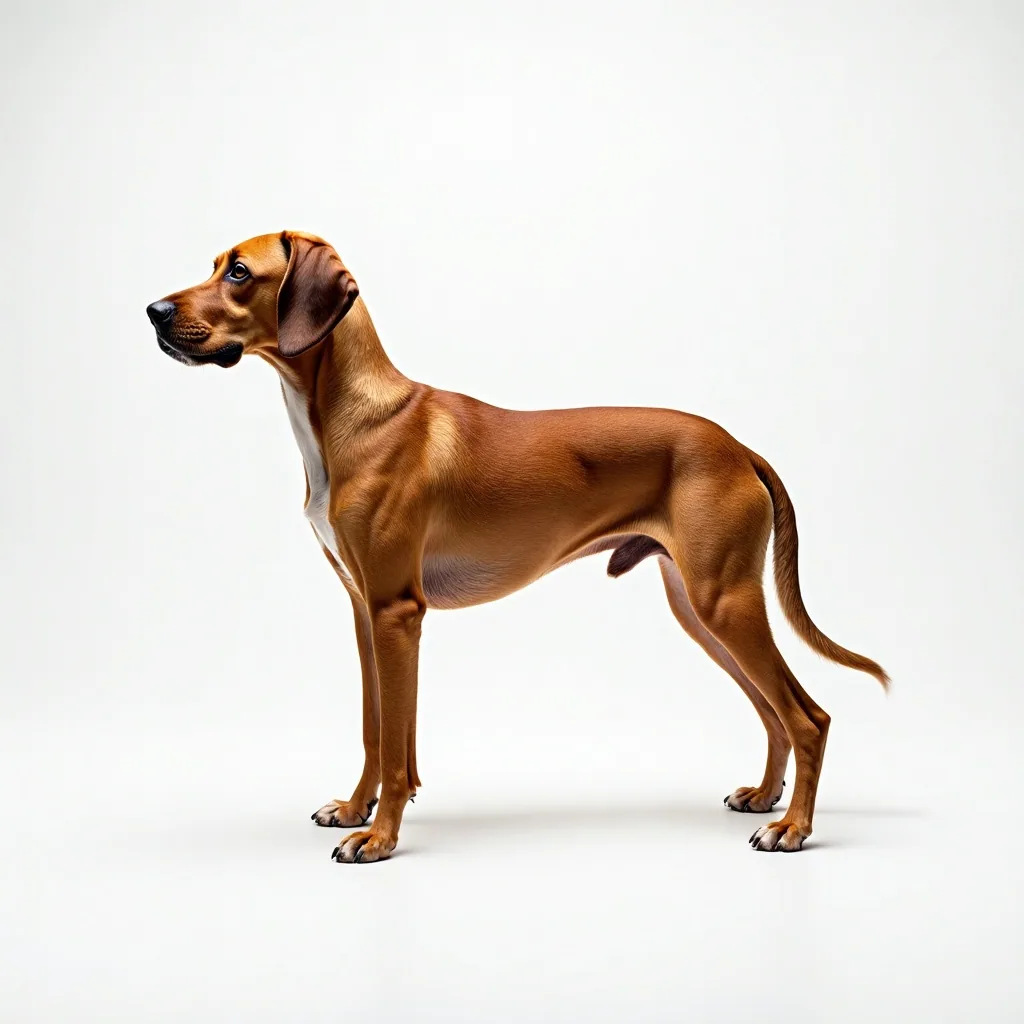
A French pointing gundog (Braque de l'Ariège) bred to work in hot southern terrain. Gentle and affectionate at home, but needs space and plenty of exercise.
Bracco Italiano
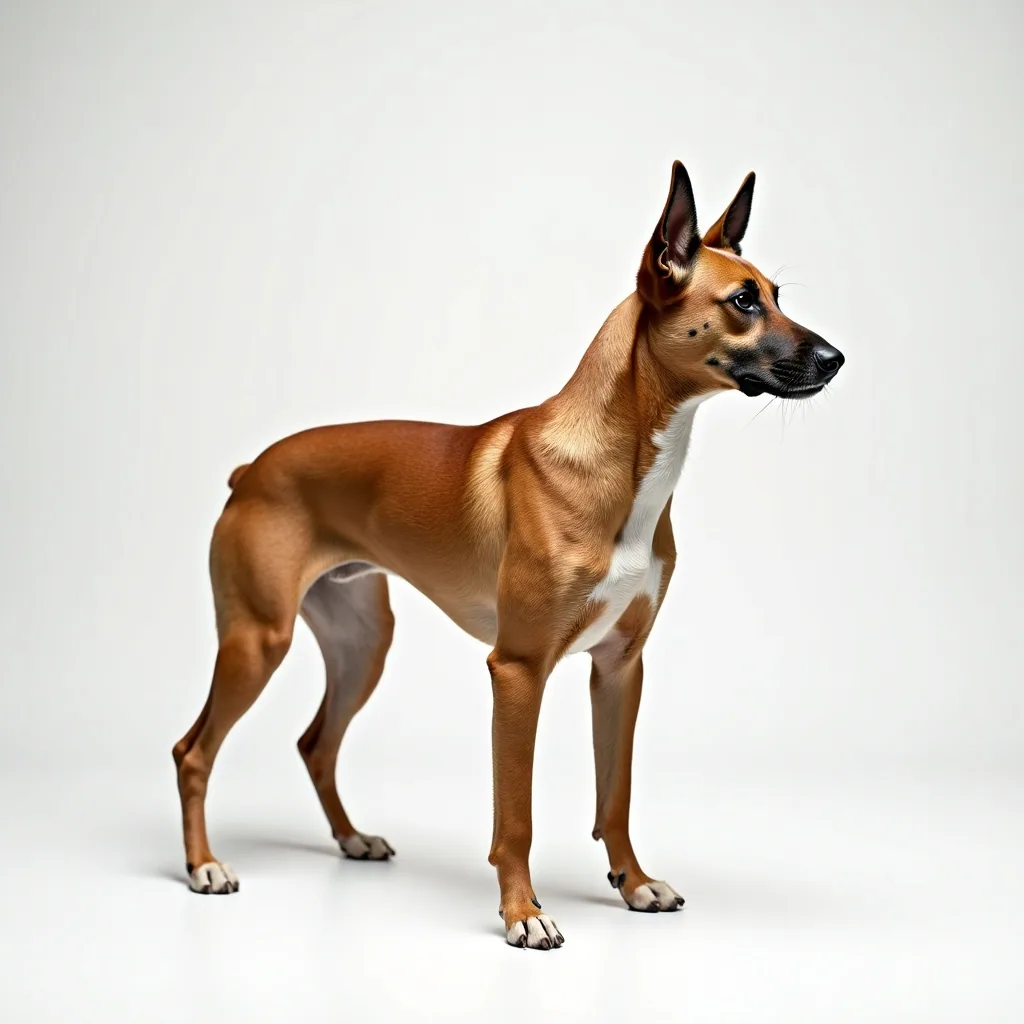
An ancient Italian pointing gundog with a noble, houndy look. Gentle, affectionate and sociable, making a good family gundog, but it needs plenty of exercise and can be sensitive and a little stubborn in training.
Braque d'Auvergne
A French pointing gundog with a striking black-and-white ticked coat. Gentle, affectionate and biddable, making a friendly family companion and worker that needs plenty of exercise and a job to do.
Braque du Bourbonnais
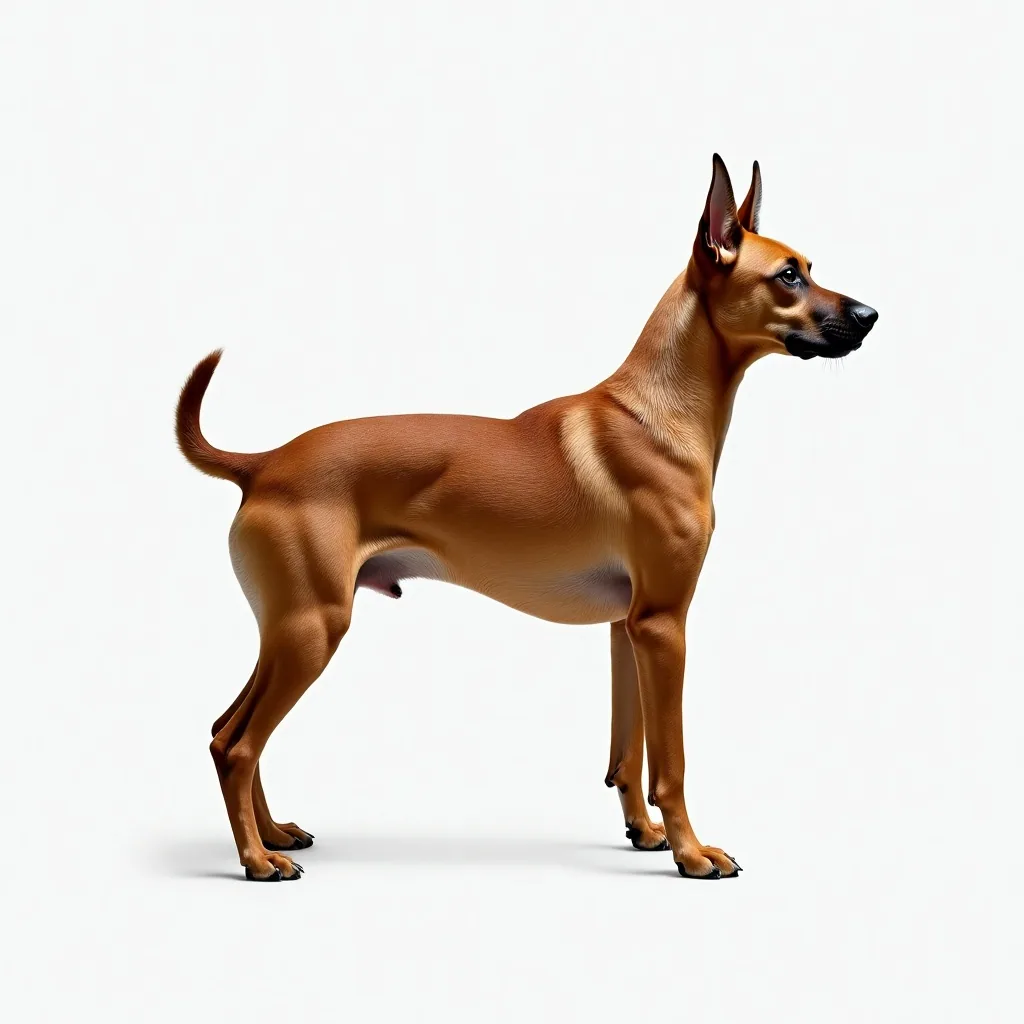
A versatile French pointing gundog, often born with a naturally short tail and a fawn or liver ticked coat. Affectionate, biddable and eager to please, making a friendly companion and worker that needs ample exercise.
Similar size, different type
Irish Wolfhound
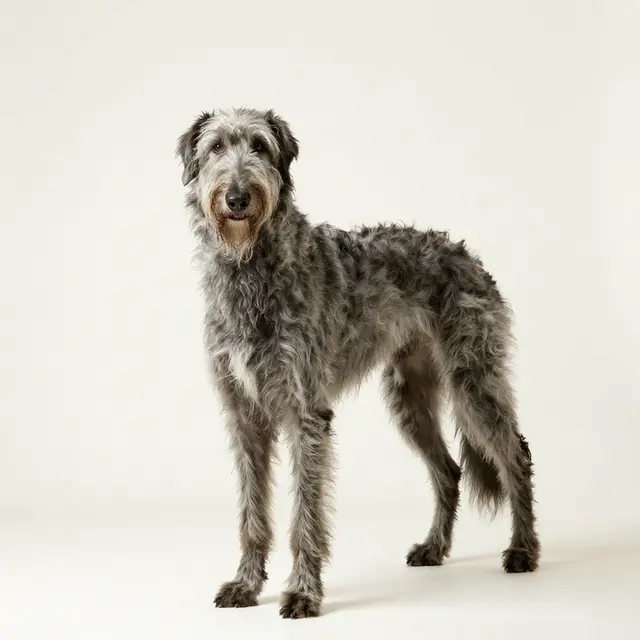
The tallest of all breeds — a gentle, calm and good-natured sighthound that is, sadly, one of the shortest-lived.
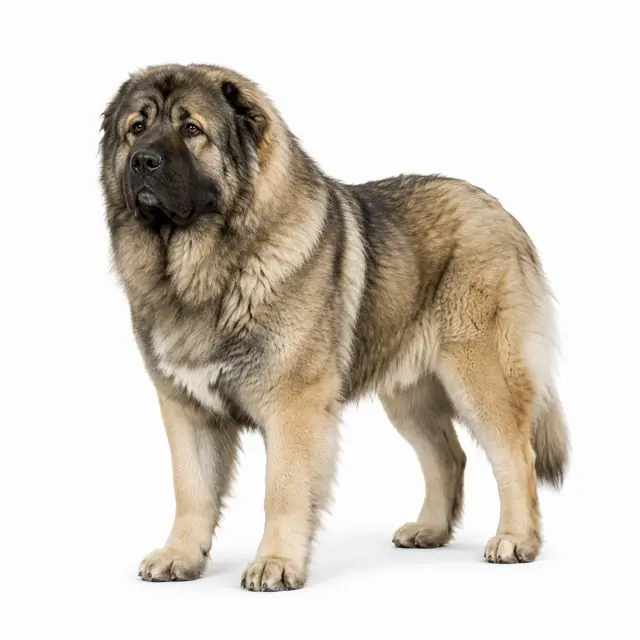
Caucasian Shepherd
An enormous livestock-guardian breed — fiercely protective and devoted, but strictly for very experienced owners.
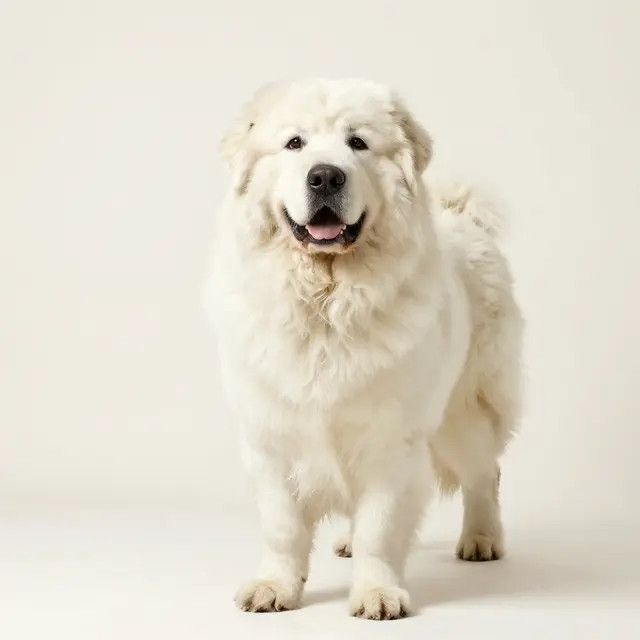
Pyrenean Mountain Dog
The majestic Great Pyrenees — a calm, devoted family guardian, independent and prone to night-time barking.
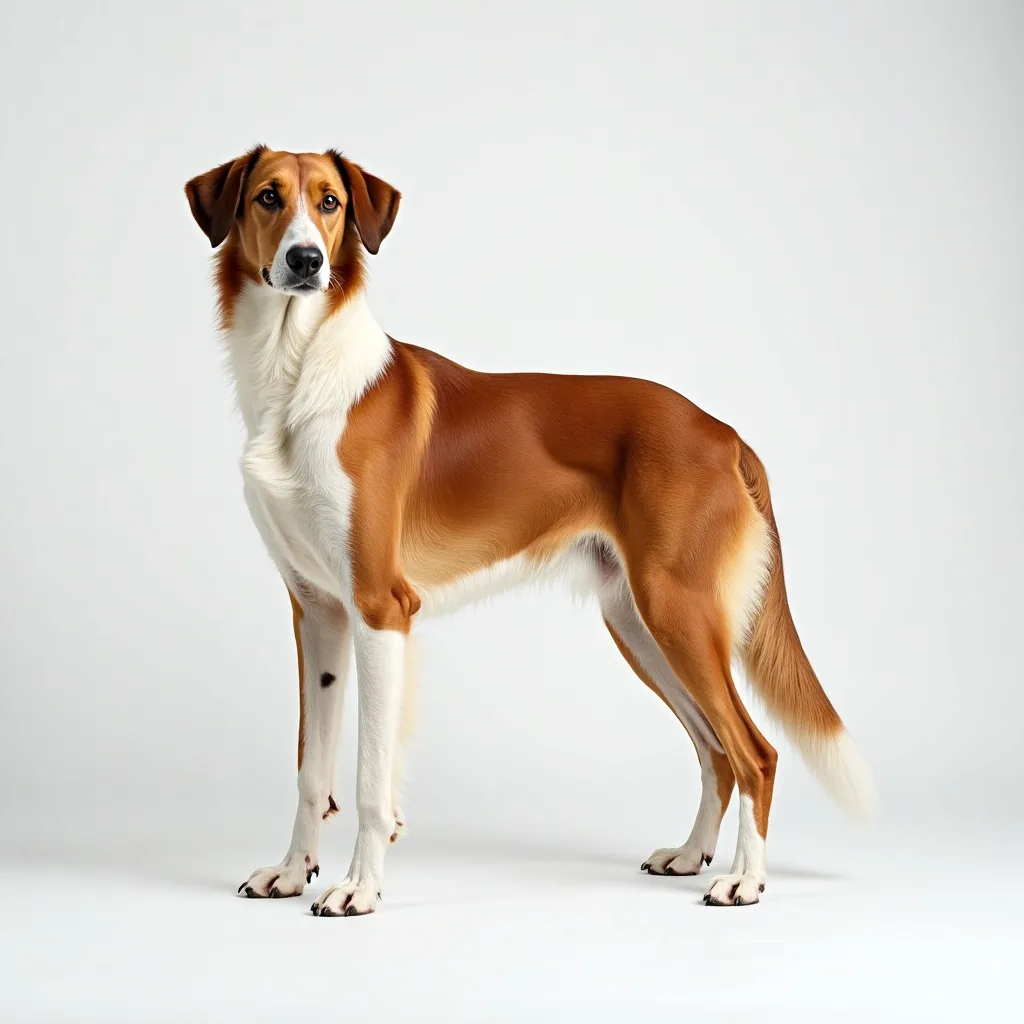
Borzoi
A tall, elegant Russian sighthound bred to course wolves. Gentle and quiet indoors but aloof and independent, with a very strong prey drive and the need for safe space to run.
Is the Great Dane your breed?
Create your pet profile and get personalised food, toy, insurance and health recommendations — tailored to your dog.
Frequently asked questions
How long do Great Danes live?
Great Danes are a giant breed, and giant breeds are sadly short-lived: most live only around 7 to 10 years, and many studies put the average closer to 7 or 8. Their huge size puts strain on the heart, joints and other organs, and they are prone to several serious conditions. Good breeding from health-tested parents, keeping your dog at a lean weight, careful feeding to reduce bloat risk, and regular veterinary care all help, but it is important to go in with honest expectations about a giant breed's lifespan.
Are Great Danes good family dogs?
Yes — well-bred, well-socialised Great Danes are famously gentle, affectionate and patient, which is why they are nicknamed 'gentle giants'. They tend to be calm indoors and devoted to their people, and many are good with children. The cautions are practical: they are enormous, so they can accidentally knock over a small child or toddler, they need early training and socialisation while still manageable in size, and they have a short lifespan and serious health needs. They suit families with the space, time and budget for a giant dog.
How big do Great Danes get?
Great Danes are one of the tallest dog breeds in the world. Males typically stand around 76cm (30 inches) or more at the shoulder and females around 71cm (28 inches), with weights commonly around 54–90kg depending on sex and individual. Standing on their hind legs they can be taller than an adult person. They are slow to mature, often not fully grown until around 18 months to two years, and that slow growth is exactly why careful, joint-safe exercise and correct feeding matter so much in puppyhood.
How much does a Great Dane cost?
A well-bred, health-tested Great Dane puppy from a Kennel Club Assured Breeder in the UK usually costs several hundred to over a thousand pounds. The far bigger cost is keeping one: as a giant breed they eat a great deal, need large beds, harnesses and crates, and insurance and medication are dearer because doses are sized to body weight. Add a higher risk of serious conditions such as bloat and heart disease, and the lifetime cost of a Great Dane is among the highest of any breed.
What health problems are Great Danes prone to?
Great Danes are predisposed to several serious conditions. The most urgent is bloat or gastric dilatation-volvulus (GDV), where the stomach swells and can twist — a life-threatening emergency. They are also prone to dilated cardiomyopathy (a heart-muscle disease), hip and elbow dysplasia, Wobbler syndrome (a neck/spinal cord condition) and bone cancer (osteosarcoma). Many breeders choose a preventive surgery called gastropexy to reduce GDV risk. Buying from health-tested parents and knowing the warning signs is essential.
Do Great Danes suffer from bloat?
Yes — bloat, properly called gastric dilatation-volvulus (GDV), is one of the most serious risks for the breed. Large, deep-chested dogs like Great Danes are especially prone to it. The stomach fills with gas and can twist on itself, cutting off blood supply; without emergency surgery it is rapidly fatal. Warning signs include a swollen, hard tummy, unproductive retching, restlessness, drooling and distress. Feeding smaller meals, avoiding vigorous exercise right after eating, and discussing preventive gastropexy with your vet all help reduce the risk.
How much exercise does a Great Dane need?
Adult Great Danes are surprisingly moderate — they enjoy a couple of good daily walks and time to stretch their legs, but they are not high-octane dogs and are often happy lounging at home. Puppies are the opposite of what you might expect: because giant breeds grow slowly, over-exercising a Great Dane puppy can damage developing joints. Keep puppy exercise gentle and limited, avoid stairs, jumping and long forced walks while they are growing, and build up activity gradually as they mature towards 18–24 months.
Are Great Danes easy to train?
Great Danes are intelligent, eager to please and generally responsive to kind, consistent training, which makes them quite trainable. The key is starting early: a Great Dane puppy grows into an enormous, powerful adult, so good manners, lead skills and recall must be taught while they are still small enough to manage. Reward-based methods work best, and early socialisation with people, dogs and everyday situations is vital. A well-trained gentle giant is a joy; an untrained one is simply too big to handle safely.
Is a Great Dane right for a first-time owner?
A Great Dane can suit a committed first-time owner, but it is a big ask. The sheer size means training and socialisation cannot be left to chance, the running costs are high, and the short lifespan and serious health profile can be emotionally and financially demanding. If you have done your research, have the space and budget, and are prepared to put in early training while the dog is still manageable, a gentle giant can be wonderful. If you are unsure, speak to breed clubs and rescues and meet some adult Danes first.
Do I have to microchip my Great Dane?
Yes. In the UK it is a legal requirement for all dogs to be microchipped and registered on an approved database by eight weeks of age, and your contact details must be kept up to date. Dogs must also wear a collar and tag with the owner's name and address in public. A responsible breeder will have already microchipped the puppy before you collect it, so always check the chip is registered and transfer the details into your name when you take your Great Dane home.
Are Great Danes good with children?
Good with children. As a general guide, Great Danes tend to be patient and tolerant. Whatever the breed, always supervise dogs and young children and teach kids to interact gently.
How much exercise does a Great Dane need?
As a healthy adult, a typical Great Dane needs around an hour of exercise a day (60–80 minutes), split across walks plus play. A good sniffy walk plus some play and training usually keeps them happy. Puppies, seniors and dogs with health conditions need less — ask your vet.
Do Great Danes shed a lot?
Moderate shedding. Coat upkeep is wash-and-go — a quick brush now and then is usually enough.
Are Great Danes easy to train and good for first-time owners?
Manageable for committed beginners. Great Danes are best for owners ready to commit to consistent training and plenty of activity. Reward-based training and early socialisation help any dog.
Do Great Danes bark a lot?
Quiet. They are usually fairly easy-going about barking, though any dog will bark if bored or under-exercised.
Are Great Danes good with other dogs?
Sociable with other dogs. Early, positive socialisation with other dogs from a young age makes a big difference.
Do Great Danes suit flats or smaller homes?
Needs plenty of space. A Great Dane really needs plenty of space and a lot of daily activity — not ideal for a small flat.
Sources
- The Kennel Club — Great Dane breed information: https://www.thekennelclub.org.uk/breeds/great-dane/
- PDSA — Great Dane / giant breed care and bloat (GDV) advice: https://www.pdsa.org.uk/pet-help-and-advice/looking-after-your-pet/puppies-dogs/large-dogs/great-dane
- Royal Veterinary College (RVC) VetCompass — research on canine lifespan and breed health: https://www.rvc.ac.uk/vetcompass
- Blue Cross — bloat (gastric dilatation-volvulus) in dogs: https://www.bluecross.org.uk/advice/dog/health-and-injuries/bloat-in-dogs
- Fédération Cynologique Internationale (FCI) — Deutsche Dogge (Great Dane) breed standard: https://www.fci.be/en/nomenclature/GREAT-DANE-235.html
Recommended for your Great Dane
Matched to a Great Dane's size and their typical need for no-pull walking kit, a cosy bed, joint & mobility support.

Reflective Two-Tone Dog Harness and Lead Set
A bright two-tone step-in dog harness with a matching lead. Adjustable straps and quick-release buckles give a snug fit, while reflective trim keeps your dog visible on darker walks.
£7.99

L-Shaped Bolster Sofa Dog Bed
A supportive L-shaped sofa bed with a raised bolster back and side for your dog to rest their head. The thick padded base cushions joints, and the soft rose-velvet cover is removable and washable for easy care.
From£44.99

Plush Bee Cat Harness and Lead Set
A soft plush cat harness with a 3D bee charm and a matching lead, adjustable at neck and chest, made for kittens, cats and very small dogs on gentle outings.
£7.99

Corduroy Dog Harness with Bow
A soft corduroy step-in dog harness with breathable mesh lining and gold-tone alloy buckles. The adjustable fit and pretty bow detail make walks comfortable and stylish for small and medium dogs.
From£7.99


Orthopaedic Memory Foam Dog Sofa Bed
An orthopaedic memory-foam dog bed with supportive bolster sides for head and neck resting. The egg-crate foam core cushions joints and distributes weight, ideal for older or larger dogs needing extra support.
From£39.99

Bugalugs Hemp Oil for Dogs & Cats – 50ml
A natural, UK-made hemp seed oil supplement rich in Omega-3, -6, and -9 to support calmness, joint mobility, and a healthy, glossy coat.
£13.99
Suggestions based on breed traits — always check sizing and suitability for your individual dog.
Got a Great Dane? Save them to a pet profile for tailored picks across the whole site.
Happier, healthier pets — in your inbox.
Breed care tips, seasonal advice and first access to new arrivals. No spam, unsubscribe anytime.
Every dog is an individual — temperament and needs vary. Please research thoroughly, meet dogs in person, and consider adopting from a rescue. This is general guidance, not a substitute for advice from your vet or a qualified trainer.