
How Big Do Great Danes Get? Size & Growth
How big Great Danes really get — typical heights and weights, their slow giant-breed growth, and the joint-safe exercise that protects a growing Dane puppy.
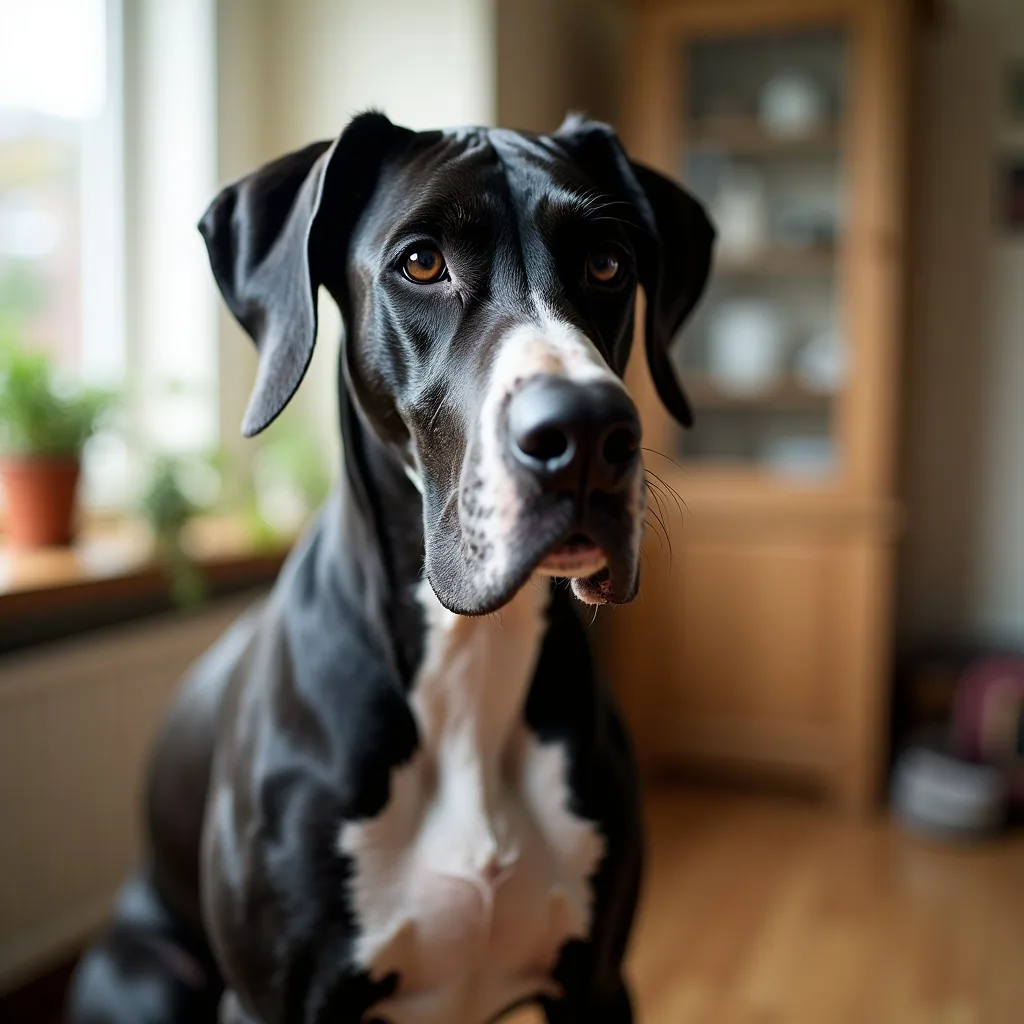
The quick answer
Great Danes are one of the tallest dog breeds in the world. Males typically stand around 76cm (30 inches) or more at the shoulder and females around 71cm (28 inches), with weights commonly around 54–90kg depending on sex and individual. Standing on their hind legs they can be taller than an adult person.
Great Danes are among the tallest dogs on earth, and their size is the first thing anyone notices. But how big do Great Danes actually get, how long do they take to reach it, and — crucially — how do you protect a giant-breed puppy while it grows? Here is a clear, honest guide to Great Dane size and growth.
How big is a typical Great Dane?
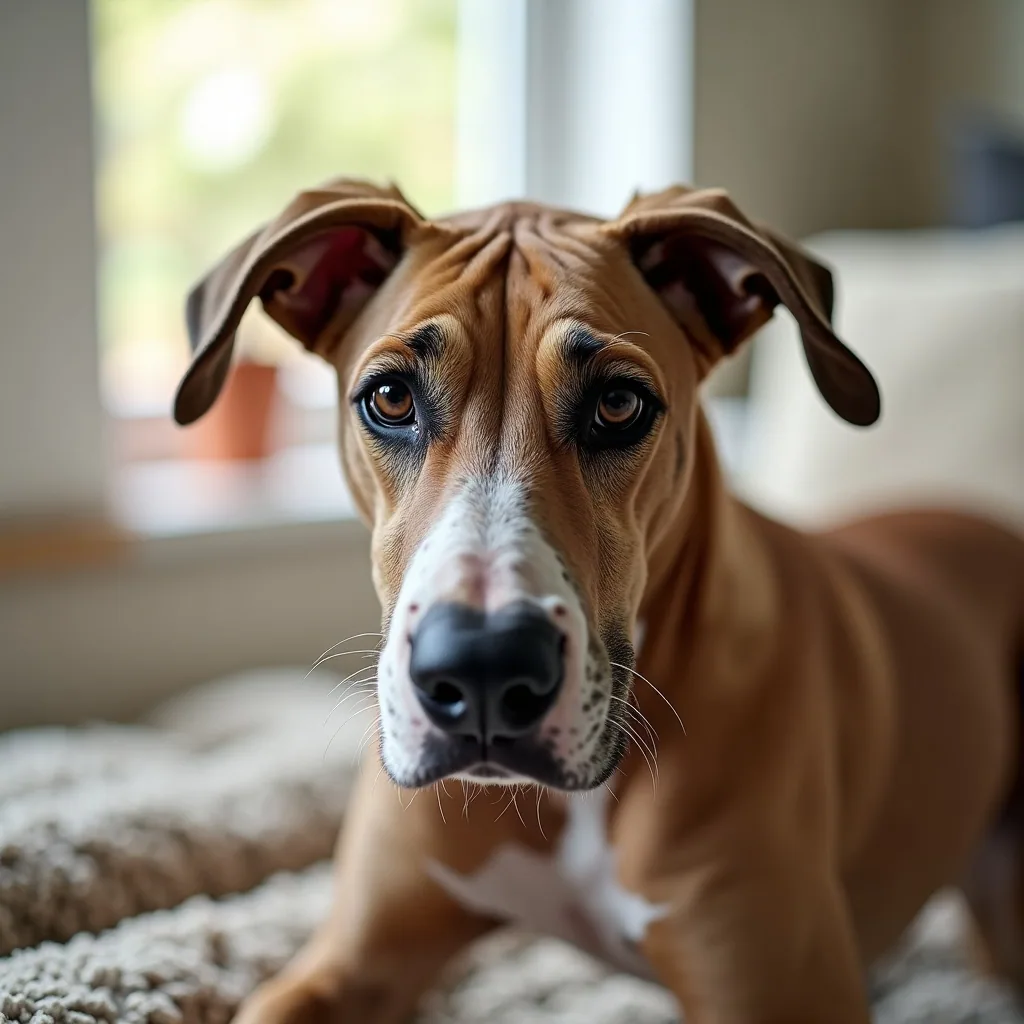
Great Danes are a giant breed and one of the tallest of all dogs. Adult males typically stand around 76cm (30 inches) or more at the shoulder, while females stand around 71cm (28 inches), with many individuals taller still. Weights commonly fall around 54–90kg depending on sex, build and individual. To put that in perspective, standing on their hind legs a Great Dane can be taller than an adult person, and a big male can outweigh many of the adults walking him. They are tall and rangy rather than bulky, but make no mistake — this is one of the largest breeds you can own.
Height, build and presence
Much of the Great Dane's impact comes from height and elegance. They have a long, powerful, well-proportioned body, a deep chest, a long neck and a noble, chiselled head. Unlike some giant breeds that are heavy and stocky, the Dane is built more like an athlete scaled up — graceful as well as huge. That deep chest, incidentally, is part of why the breed is so prone to bloat, which we cover in our health problems guide. Their sheer height also has everyday consequences: counters, tables and worktops are all within easy reach, so a Dane learns quickly where the food is.
They grow slowly — and that matters
One of the most important things to understand about the breed is how slowly Great Danes mature. A Dane puppy puts on an astonishing amount of size in its first year, but the skeleton keeps developing for far longer, and most are not fully grown until around 18 months to two years of age. During this long growth phase the bones, joints and growth plates are still forming and are vulnerable to damage. This slow, prolonged growth is exactly why feeding and exercise must be handled so carefully in a giant-breed puppy — get it wrong and you can cause lasting joint problems.
Joint-safe exercise for a growing puppy
It is tempting to think a fast-growing giant puppy needs lots of exercise, but the opposite is true. Over-exercising a Great Dane puppy can damage developing joints and growth plates, contributing to problems later in life. While they are growing, keep exercise gentle, low-impact and limited: short, calm walks, free play on soft ground at their own pace, and plenty of rest. Avoid forced or long walks, repetitive ball-chasing, jumping in and out of cars, and especially stairs, which put repeated strain on young joints. Build activity up gradually as the dog matures towards 18–24 months. Once fully grown, adult Danes are moderate exercisers, and you can plan their walks with our dog walking calculator.
Feeding a giant-breed puppy
Growth and diet go hand in hand. Giant-breed puppies should be fed a diet formulated for large or giant breeds and grown steadily, not rapidly — pushing a puppy to grow as fast or as big as possible with excess food or unbalanced supplements can harm joint development. The aim is a lean, evenly growing puppy, never a chubby one. Get your portions checked with our pet calorie calculator, and always follow your vet's advice on feeding a giant-breed youngster, including calcium and energy levels, which matter more in big breeds than small ones. A slow feeder is also wise given the breed's bloat risk.
Equipment for a giant dog
A dog this size needs kit to match. Look for an extra-large, supportive orthopaedic bed that protects the joints, a strong, well-fitted harness that spreads pressure across the chest, and sturdy leads rated for a powerful dog. Getting equipment correctly sized keeps a Great Dane comfortable and safe, and protects both your dog and your furniture.
The bottom line
Great Danes are one of the tallest breeds in the world — males around 76cm or more at the shoulder, often heavier than the person holding the lead — and they take 18 months to two years to finish growing. That slow, prolonged growth is the headline: protect the joints with gentle, limited puppy exercise and careful large-breed feeding, and you give your Dane the best chance of a sound, comfortable adulthood. For more, see our guides on temperament and family life and lifespan and health.
*This is general guidance. If you are unsure about your puppy's growth, feeding or exercise, ask your vet, who can assess your individual dog.*
Sources
- The Kennel Club — Great Dane breed standard and size (thekennelclub.org.uk).
- PDSA — puppy growth, feeding and exercise (pdsa.org.uk).
- Blue Cross — exercising puppies and large breeds (bluecross.org.uk).
- RSPCA — dog health and welfare (rspca.org.uk).
Common questions
How big do Great Danes get?
Great Danes are one of the tallest dog breeds in the world. Males typically stand around 76cm (30 inches) or more at the shoulder and females around 71cm (28 inches), with weights commonly around 54–90kg depending on sex and individual. Standing on their hind legs they can be taller than an adult person. They are slow to mature, often not fully grown until around 18 months to two years, and that slow growth is exactly why careful, joint-safe exercise and correct feeding matter so much in puppyhood.
When is a Great Dane fully grown?
Great Danes are slow to mature for their size. A puppy gains an enormous amount of height in its first year, but the skeleton keeps developing for far longer, and most are not fully grown until around 18 months to two years of age. During this long growth phase the bones, joints and growth plates are still forming and are vulnerable to damage, which is why gentle, limited exercise and careful large-breed feeding are so important until your Dane has finished growing.
How much exercise should a Great Dane puppy get?
Far less than you might expect. Because giant breeds grow slowly, over-exercising a Great Dane puppy can damage developing joints and growth plates. While they are growing, keep exercise gentle, low-impact and limited — short calm walks and free play at their own pace, plenty of rest, and avoid forced long walks, repetitive ball-chasing, jumping in and out of cars and especially stairs. Build activity up gradually as the dog matures towards 18–24 months, after which adults are moderate exercisers.
About the author
Matt Garnett — founder, Giddy Pets
Matt started Giddy Pets to make getting pets the good stuff simpler and fairer. Everything in these guides comes from real life with pets and a lot of trial and error — it's practical guidance, not veterinary advice. If a guide gets something wrong, tell him directly.
Free tools & more guides
Read next
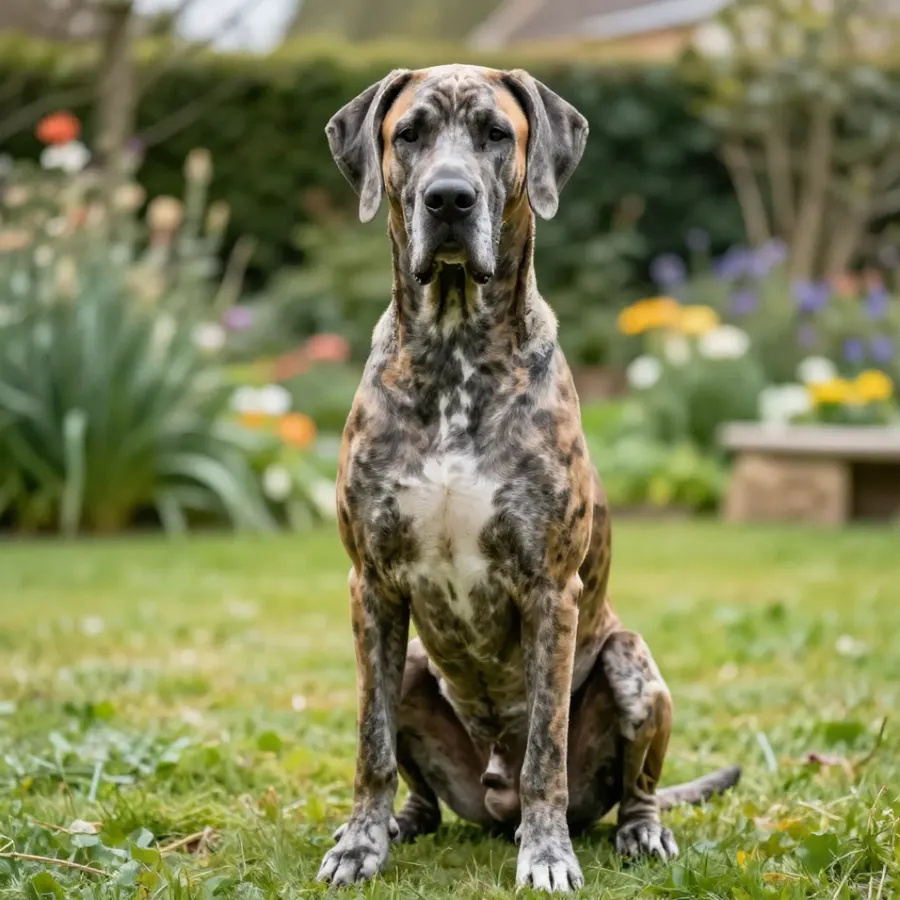
Are Great Danes Good Family Dogs?
What Great Danes are really like to live with — their gentle-giant temperament, how they are with children, the practical cautions of a huge dog, and the families they suit best.
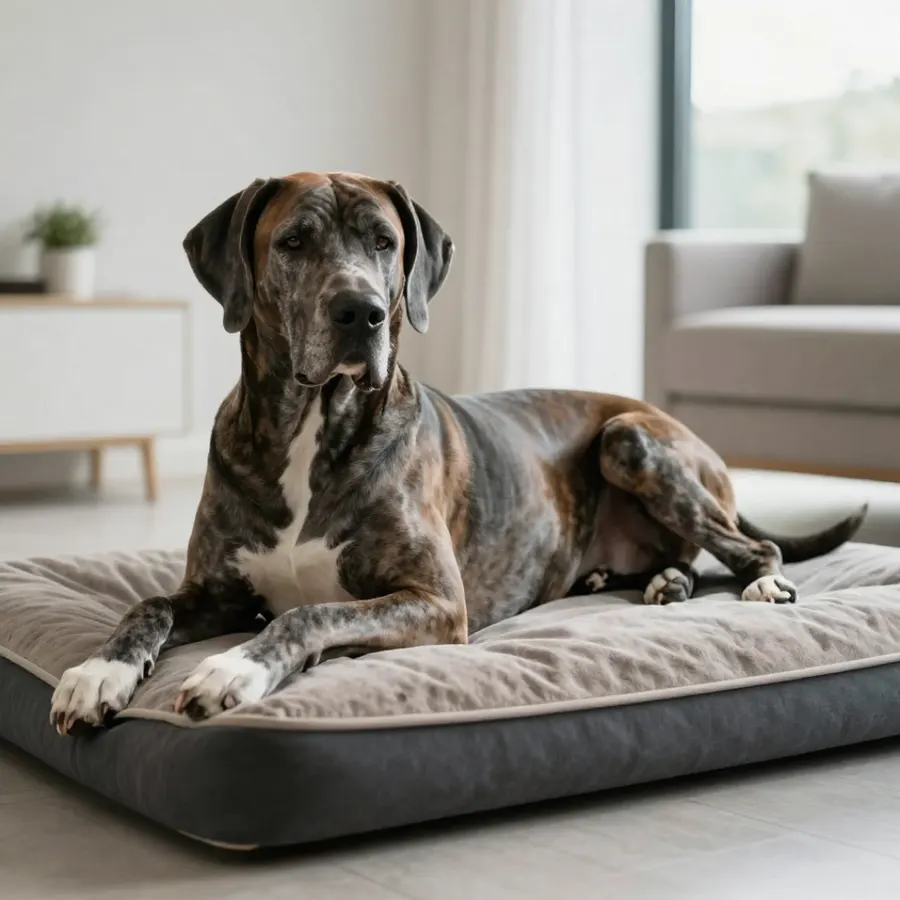
Great Dane Health Problems: An Honest Guide
An honest, factual guide to the serious conditions Great Danes face — bloat (GDV) and gastropexy, dilated cardiomyopathy, hip and elbow dysplasia, Wobbler syndrome and bone cancer.
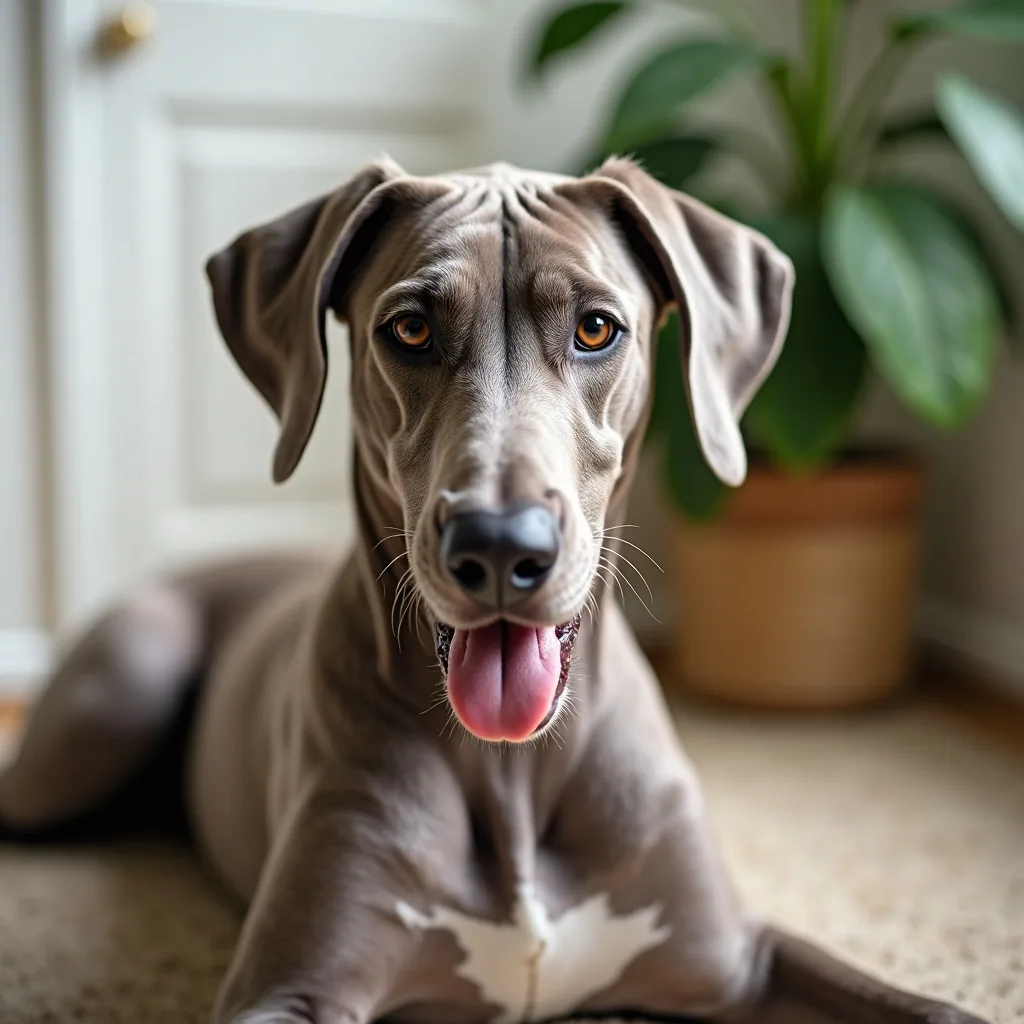
How Long Do Great Danes Live? Lifespan & Health
An honest look at the Great Dane's short lifespan, why giant breeds live fewer years, the serious conditions they face, and how to help yours live as long and well as possible.
How Much Does a Great Dane Cost? Buying & Lifetime Costs
What a Great Dane really costs — the price of a health-tested puppy, and the high lifetime running costs of feeding, equipping, insuring and treating a giant breed.