
Are Great Danes Good Family Dogs?
What Great Danes are really like to live with — their gentle-giant temperament, how they are with children, the practical cautions of a huge dog, and the families they suit best.
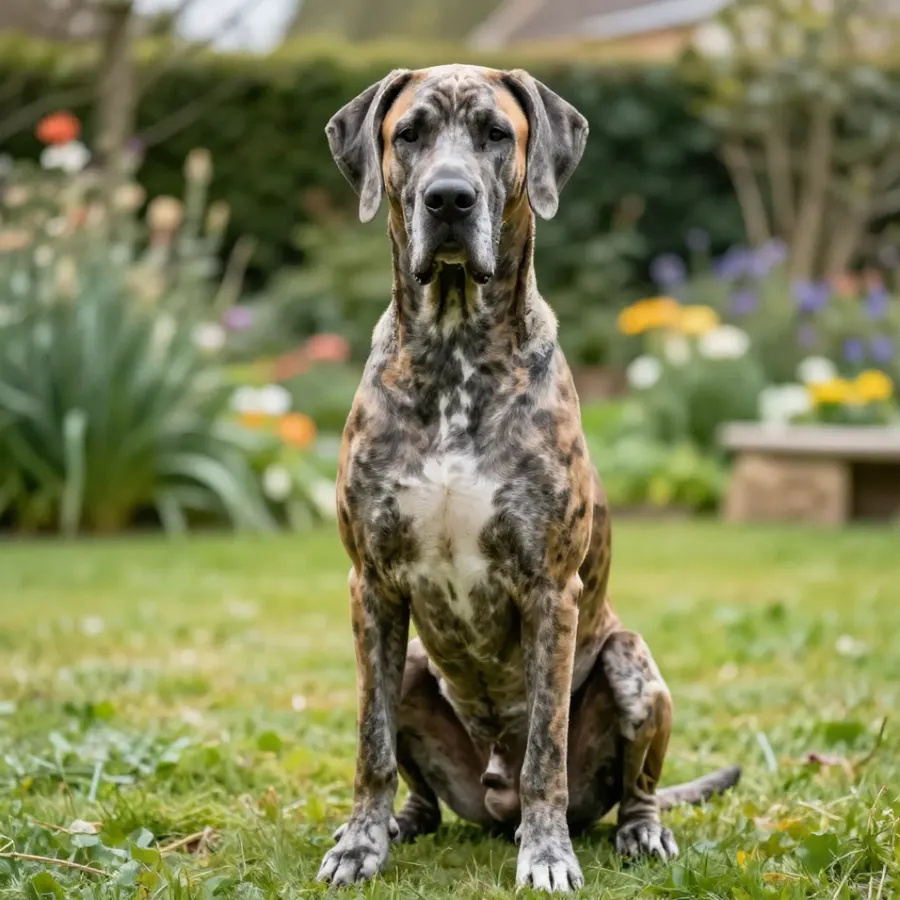
The quick answer
Yes — well-bred, well-socialised Great Danes are famously gentle, affectionate and patient, which is why they are nicknamed 'gentle giants'. They tend to be calm indoors and devoted to their people, and many are good with children.
Few dogs make a first impression quite like a Great Dane. They are enormous, elegant and unmistakable — and yet the breed's nickname, the 'gentle giant', captures exactly why so many families fall for them. But are Great Danes actually good family dogs, and would one suit your home? Here is an honest look at the breed's temperament, how they tend to be with children, the very real practical cautions of living with such a large dog, and the households they fit best.
The gentle-giant temperament
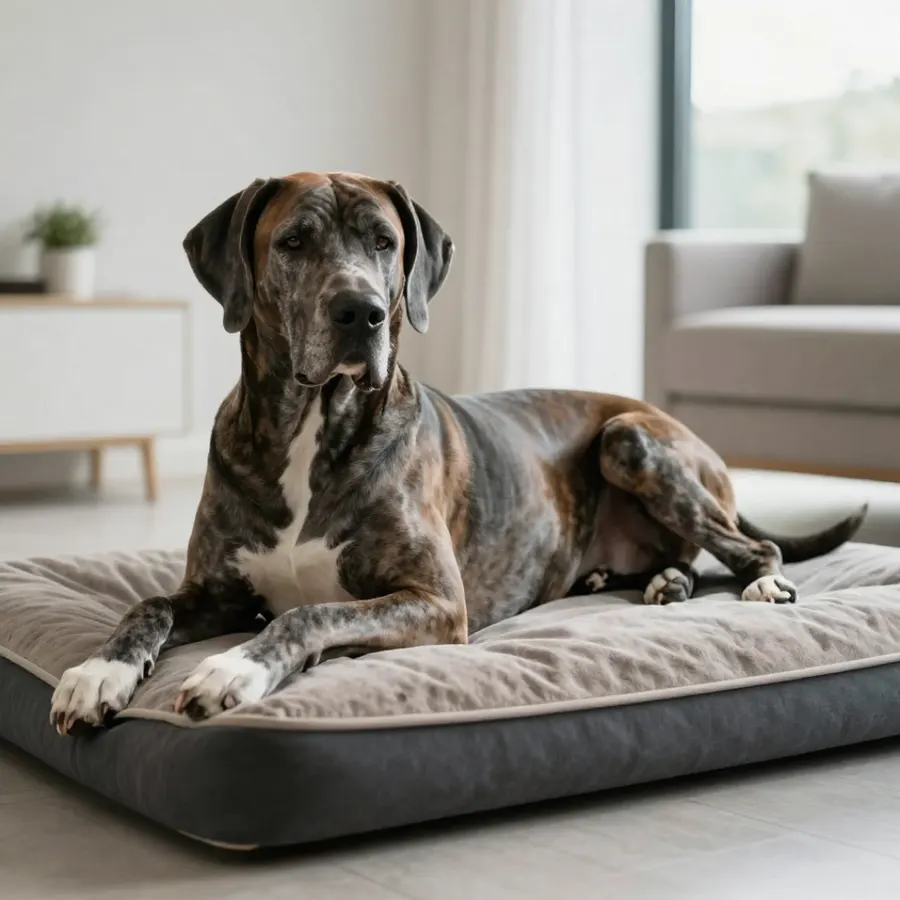
Well-bred, well-socialised Great Danes are known for being affectionate, friendly, gentle and patient. Despite their imposing size, they are typically calm and easy-going indoors, often content to sprawl on a sofa or follow their people quietly from room to room. They tend to be deeply devoted to their families and thrive on being included in everyday life rather than left alone in a yard. Many are sweet-natured and tolerant, which is a big part of their enduring appeal. Temperament is never guaranteed by breed alone, though — early socialisation and kind, consistent training are what turn a giant puppy into a reliable, well-mannered adult.
Are Great Danes good with children?
Generally, yes — many Great Danes are wonderful with children, being patient and gentle by nature. But their size brings a practical caution that every family must take seriously: a Great Dane is so large and powerful that it can accidentally knock over a toddler or small child simply by turning around or wagging an enthusiastic tail. This is rarely about temperament and almost always about physics. Interactions between any dog and young children should always be supervised, children should be taught to be calm and respectful around the dog, and the dog should have a quiet space to retreat to. With sensible management, a gentle Dane can be a much-loved family companion.
Early training is non-negotiable
With most breeds, training is important; with a Great Dane it is essential. A Dane puppy grows into a dog that may weigh more than the person walking it, so good manners, lead skills and recall must be taught while the dog is still small enough to manage. Reward-based, positive methods work best — Danes are intelligent and eager to please, which makes them quite trainable, but they are too big to manhandle if things go wrong. Start training and socialisation early, expose your puppy calmly to people, other dogs and everyday situations, and you will be rewarded with a dog you can take anywhere.
Living with a very large dog
The everyday realities of a giant breed are easy to underestimate. A Great Dane needs room to move, a large supportive bed of its own, and equipment scaled to its size — a strong harness, a sturdy lead and a properly sized bed are all worth investing in. They take up space, shed, can drool, and reach food left on counters without trying. They also need access to a secure garden. None of this is a dealbreaker, but it is a lifestyle, and being honest about it before you commit is part of being a responsible owner.
Exercise: calmer than you might expect
Adult Great Danes are surprisingly moderate exercisers — a couple of good daily walks and the chance to stretch their legs usually suit them well, and many are happy lounging at home in between. Puppies are the important exception: because giant breeds grow slowly, over-exercising a young Dane can damage developing joints. Keep puppy activity gentle and limited, avoid stairs, jumping and long forced walks while they grow, and build up gradually. Our size and growth guide explains joint-safe puppy exercise in more detail, and you can plan adult walks with our dog walking calculator.
The honest cautions
Alongside their many virtues, prospective families should weigh three honest truths. First, Great Danes are short-lived — most reach only around 7 to 10 years. Second, they have a serious health profile, including bloat and heart disease. And third, they are expensive to keep. These are covered fully in our lifespan and health guide and cost guide. A loving home that goes in with eyes open will cope far better than one that is taken by surprise.
Who do Great Danes suit?
- Families with space, time and budget for a giant dog.
- Owners committed to early training and socialisation while the puppy is manageable.
- Households that are around — Danes are people-focused and dislike long isolation.
- People prepared for a short, intense bond and the breed's health needs.
They are less ideal for very small homes, families out all day, or anyone unprepared for the size, cost and heartache of a giant breed.
The verdict
For the right family, Great Danes make superb companions: gentle, affectionate, calm and devoted. They ask for training, space, budget and an open-eyed acceptance of their size and health in return — and they repay it with some of the sweetest companionship in the dog world.
*This is general guidance. Every dog is an individual, so meet the parents and puppies, and speak to breed clubs and your vet before committing.*
Sources
- The Kennel Club — Great Dane breed information and temperament (thekennelclub.org.uk).
- Blue Cross — choosing a dog and dogs with children (bluecross.org.uk).
- PDSA — dog behaviour and socialisation (pdsa.org.uk).
- RSPCA — dog welfare and responsible ownership (rspca.org.uk).
Common questions
Are Great Danes good family dogs?
Yes — well-bred, well-socialised Great Danes are famously gentle, affectionate and patient, which is why they are nicknamed 'gentle giants'. They tend to be calm indoors and devoted to their people, and many are good with children. The cautions are practical: they are enormous, so they can accidentally knock over a small child or toddler, they need early training and socialisation while still manageable in size, and they have a short lifespan and serious health needs. They suit families with the space, time and budget for a giant dog.
Are Great Danes good with children?
Many Great Danes are wonderful with children, being patient and gentle by nature. The main caution is their size: a Dane is so large and powerful that it can accidentally knock over a toddler simply by turning or wagging its tail, which is about physics rather than temperament. Always supervise interactions between dogs and young children, teach children to be calm and respectful, and give the dog a quiet space to retreat to. With sensible management, a gentle Dane can be a much-loved family companion.
Are Great Danes easy to train?
Great Danes are intelligent, eager to please and generally responsive to kind, consistent training, which makes them quite trainable. The key is starting early: a Great Dane puppy grows into an enormous, powerful adult, so good manners, lead skills and recall must be taught while they are still small enough to manage. Reward-based methods work best, and early socialisation with people, dogs and everyday situations is vital. A well-trained gentle giant is a joy; an untrained one is simply too big to handle safely.
About the author
Matt Garnett — founder, Giddy Pets
Matt started Giddy Pets to make getting pets the good stuff simpler and fairer. Everything in these guides comes from real life with pets and a lot of trial and error — it's practical guidance, not veterinary advice. If a guide gets something wrong, tell him directly.
Free tools & more guides
Read next
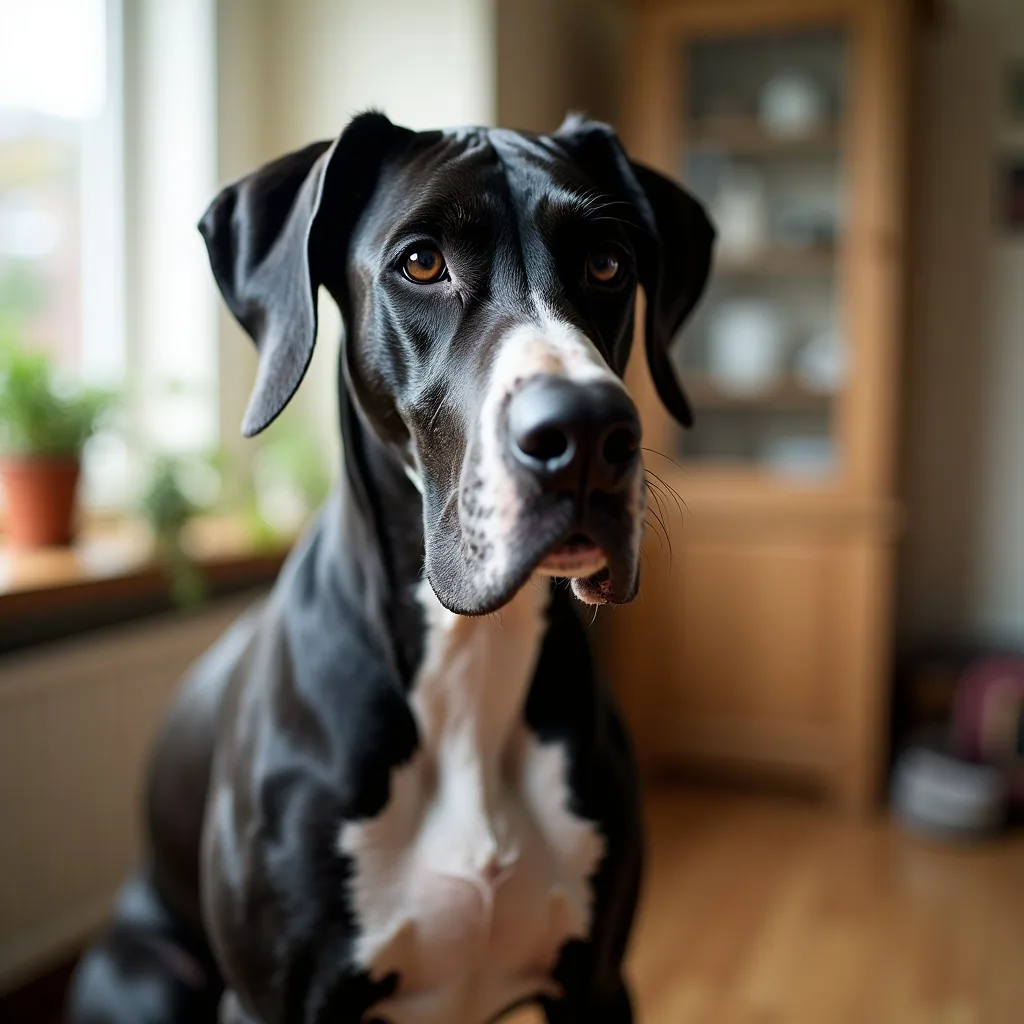
How Big Do Great Danes Get? Size & Growth
How big Great Danes really get — typical heights and weights, their slow giant-breed growth, and the joint-safe exercise that protects a growing Dane puppy.
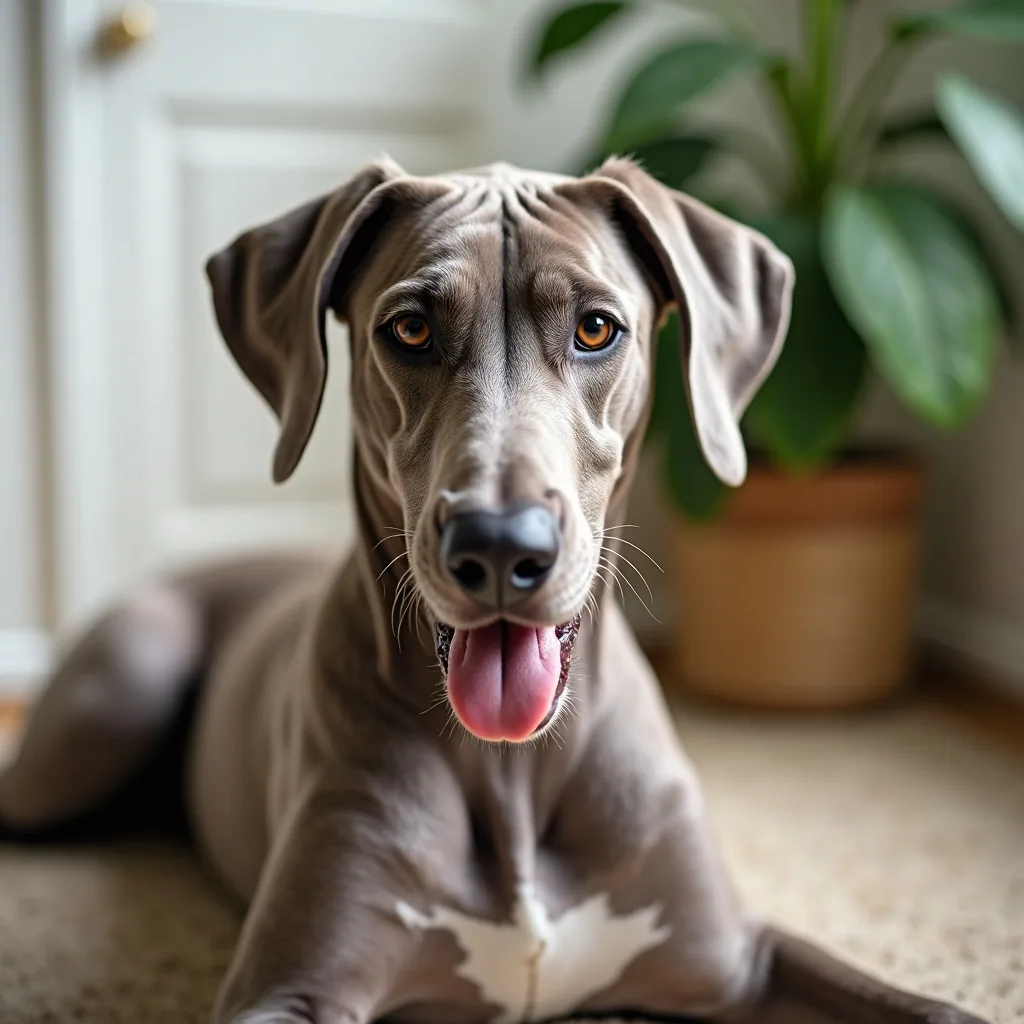
How Long Do Great Danes Live? Lifespan & Health
An honest look at the Great Dane's short lifespan, why giant breeds live fewer years, the serious conditions they face, and how to help yours live as long and well as possible.
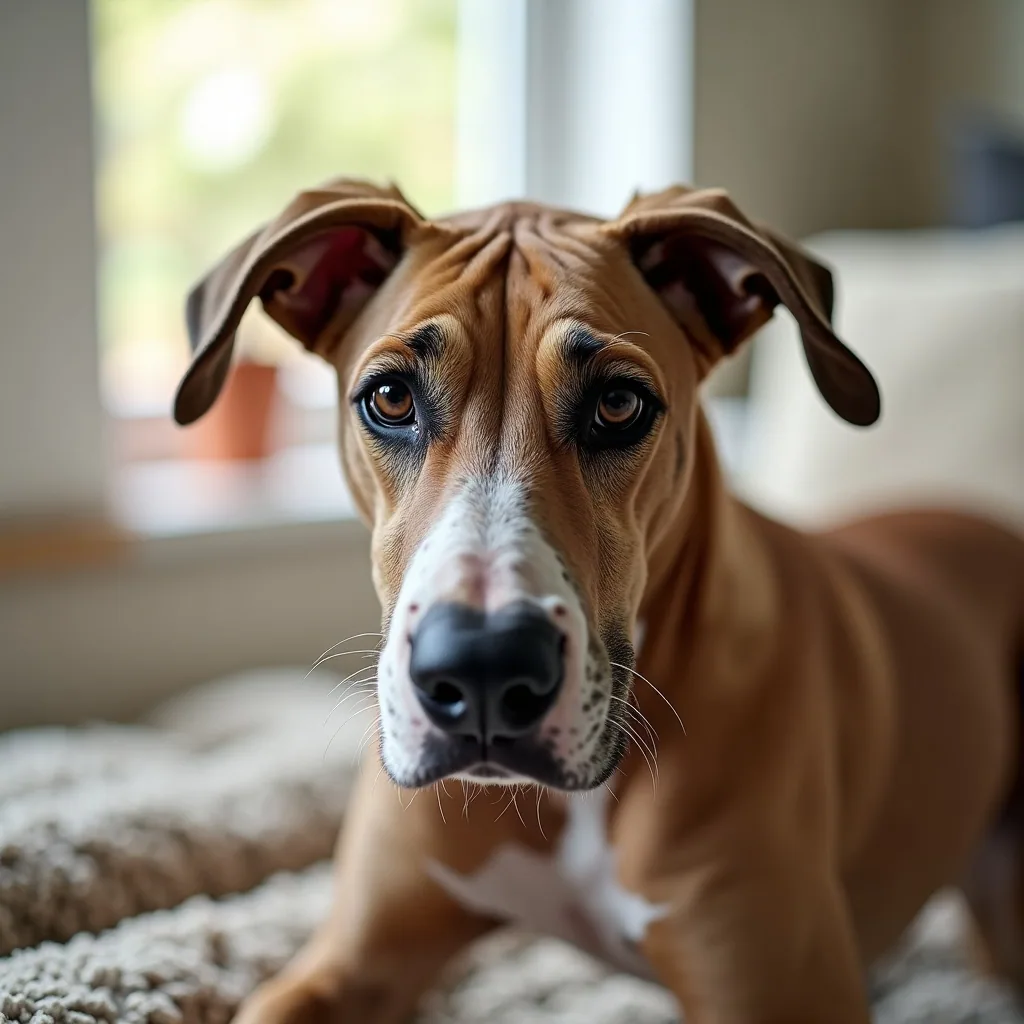
How Much Does a Great Dane Cost? Buying & Lifetime Costs
What a Great Dane really costs — the price of a health-tested puppy, and the high lifetime running costs of feeding, equipping, insuring and treating a giant breed.
Great Dane Health Problems: An Honest Guide
An honest, factual guide to the serious conditions Great Danes face — bloat (GDV) and gastropexy, dilated cardiomyopathy, hip and elbow dysplasia, Wobbler syndrome and bone cancer.