
Siberian Husky
Bred by the Chukchi people of Siberia to pull light loads over vast distances, the Husky is a friendly, energetic Arctic breed built for endurance. Sociable and good-natured but famously independent, with a strong urge to run. It suits very active owners with secure gardens who'll provide huge amounts of exercise — and accept the shedding, howling and poor off-lead recall.
Siberian Husky scorecard
Overview
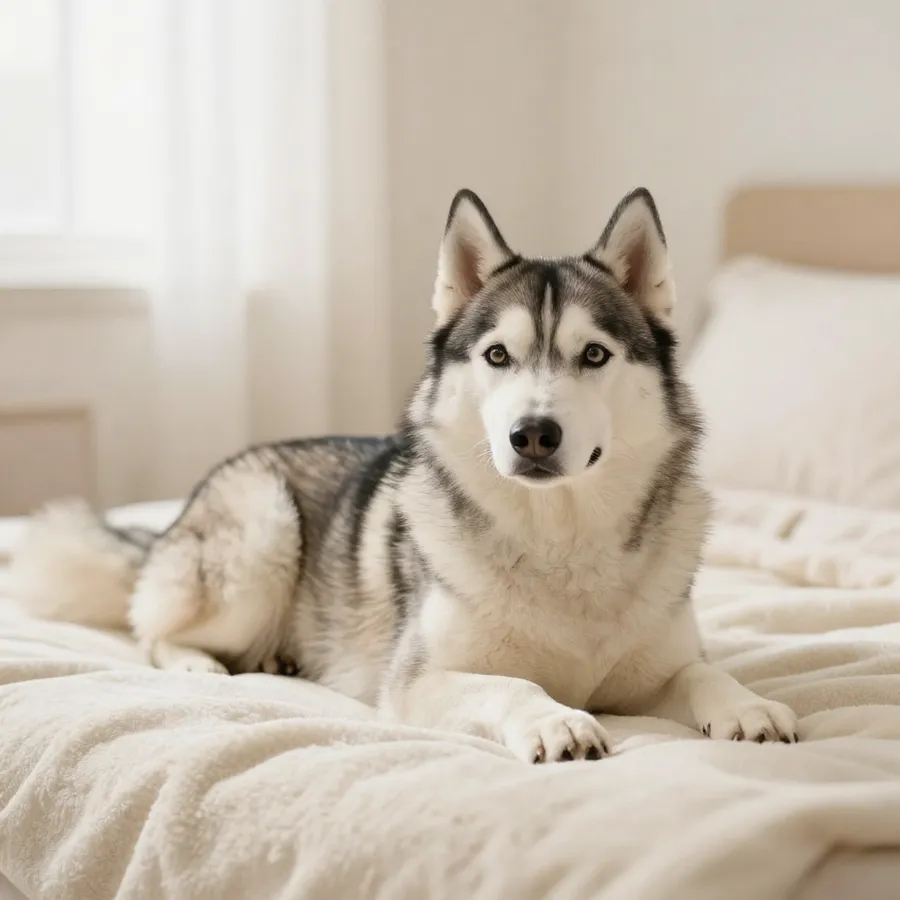
The Siberian Husky is a medium-sized working sled dog famed for its striking looks, boundless stamina and free-spirited character. Typically standing around 51–60 cm at the shoulder and weighing roughly 16–27 kg, the Husky is compact, light-footed and built for endurance, with a dense double coat, erect triangular ears and an expressive face that is sometimes marked by piercing blue, brown or even differently coloured eyes. The Kennel Club registers the breed in the Working group, and its athletic beauty has made it one of the most recognisable dogs in the world.
That beauty, however, comes with a serious caveat: the Husky is one of the most demanding pets a household can take on. Bred to run for hours across the Arctic, it has enormous exercise needs, a powerful instinct to roam and a famous talent for escaping. It is friendly, sociable and rarely aggressive, but it is also independent and notoriously difficult to train in the conventional sense. The Husky is best suited to active, experienced owners who can provide secure containment, plenty of exercise and realistic expectations about its independent nature.
Good to know — a Siberian Husky needs plenty of space and best for experienced owners. Every dog is an individual, so meet a few and chat to a good breeder or rescue before deciding.
Save the Siberian Husky guide
Thinking about a Siberian Husky? Pop your email in and we’ll send this guide so you can come back to it any time — handy while you compare breeds.
Popular searches for the Siberian Husky
History & origins
The Siberian Husky descends from the sled dogs developed over thousands of years by the Chukchi people of north-eastern Siberia, who relied on them to pull light loads across vast distances in extreme cold. These dogs were bred for endurance, efficiency and a co-operative, sociable temperament that allowed them to live and work closely with people and in large teams. Their value lay in covering long distances on minimal food while withstanding brutal Arctic conditions.
The breed was brought to Alaska in the early twentieth century, where it quickly gained fame in sled-dog racing. Huskies played a celebrated role in the 1925 serum run to Nome, when relay teams carried life-saving diphtheria antitoxin across hundreds of miles of frozen terrain — a feat commemorated by the famous lead dog Balto. The breed was recognised by kennel clubs in the following decades and spread internationally as both a working and a companion dog. It is recognised today by The Kennel Club and the FCI, which classifies it among the Nordic sledge dogs.
Temperament & family fit
The Siberian Husky is friendly, outgoing and remarkably non-aggressive, a legacy of being bred to work in large, co-operative teams. It tends to be sociable with people, including strangers, which makes it a poor guard dog, and it is often good with other dogs. This gentle, gregarious nature is one of the breed's great charms, and well-socialised Huskies are typically affectionate, playful and even-tempered companions.
The flip side is a strong sense of independence. The Husky was bred to make its own decisions on the trail, and that self-reliant streak shows in everyday life: it can be aloof about commands, easily bored and quick to wander. It also retains a high prey drive, so caution is needed around cats and small animals, and reliable off-lead recall is very difficult to achieve. Huskies are vocal — they howl and "talk" more than they bark — and can become destructive or noisy if left alone or under-stimulated. They generally do well with children but, as with any dog, interactions should be supervised.
- Families with older, respectful children
- Owners ready for consistent training
- Active homes with plenty of space
Training & intelligence
Training a Husky requires patience, consistency and a sense of humour. The breed is intelligent but independent, and unlike eager-to-please working breeds it will often weigh up whether obeying is worthwhile. Short, varied, reward-based sessions that keep things interesting work far better than repetition, and harsh methods are counterproductive with this sensitive, strong-willed dog. Early socialisation and basic training from puppyhood help enormously, but owners should accept that the Husky is rarely a reliable off-lead dog.
The single most important practical point is containment. Huskies are determined escape artists who can climb, dig under and jump fences, and a loose Husky with its prey drive engaged can travel a long way fast. Secure, high fencing with dig-proofing is essential, and most owners keep their Husky on a lead or long line in unenclosed areas. Channelling the breed's energy into sledding, canicross, bikejoring or other harness sports satisfies both its body and its working instincts.
- Start socialisation & handling early
- Reward-based methods only — no harsh corrections
- Channel energy into training games & enrichment
Exercise needs
A healthy adult Siberian Husky typically needs 2 hours or more, plus a job to do a day (roughly 120–180 minutes), split across walks, play and a little training. Higher-energy dogs also need their brains tired — sniffy walks, training games and puzzle feeding go a long way. Puppies, seniors and dogs with health conditions need adjusted amounts — check with your vet.
Grooming & coat
The Siberian Husky has a thick, self-cleaning double coat that needs regular brushing — at least weekly — to manage loose hair and keep it healthy. Twice a year the breed "blows" its coat, shedding the dense undercoat in dramatic fashion over a few weeks, during which daily brushing is needed to keep on top of the loose fur. Prospective owners should be prepared for substantial seasonal shedding around the home. The coat should not normally be clipped, as it insulates against both cold and heat. Otherwise, routine nail trimming, dental care and ear checks keep the Husky in good order.
- Brush several times a week
- Bathe every few weeks or as needed
- Check ears, nails and teeth weekly
Feeding a Siberian Husky
Feed a Siberian Husky a complete, balanced diet suited to its life stage and activity level. Huskies are famously efficient metabolisers — a trait inherited from ancestors that worked hard on little food — and many are surprisingly light eaters who maintain condition on relatively modest portions, so it is important to feed to the individual dog and monitor body condition rather than overfeeding. Working or sledding Huskies in heavy training will need more. Provide constant access to fresh water, keep treats modest, and consult your vet about appropriate feeding, especially for growing puppies and very active adults.
A medium breed
An adult Siberian Husky typically weighs 16–27 kg, so a healthy Siberian Husky eats a moderate amount compared with other breeds. Every feeding guide on a bag is written per kilo of body weight, not per breed — start there, then adjust to the dog in front of you.
Life stage
A medium breed is usually done growing at ~12 months, which is roughly when a puppy food has finished its job. With a typical lifespan of 12–14 years, there is a long adult stretch in the middle; switch to a senior food when your vet thinks it is worth it rather than on a birthday.
A high-energy dog eats like one
Siberian Huskys sit at the top end for energy, and a dog working through a couple of hours of real exercise a day burns through the feeding guide faster than a dog on a short stroll. Feed to the dog's condition, not to the middle of the range on the bag.
How much should a Siberian Husky weigh?
Adult 16–27 kgfully grown at ~12 months
| Age | Stage | Typical weight | Of adult size |
|---|---|---|---|
| 8 weeks | Just home | 2.5–4.2 kg | 15% |
| 3 months | Young puppy | 4–6.8 kg | 25% |
| 6 months | Growing fast | 8–13.5 kg | 50% |
| ~12 months | Fully grown | 16–27 kg | 100% |
A guide, from the same rule of thumb our puppy growth predictor uses — each age is that share of the way to maturity for a medium breed. Puppies grow fastest early, so a real puppy usually sits a little above the middle rows. Weigh yours and ask your vet if the number worries you.
Complete dog foods that suit a Siberian Husky
Complete foods from our range, matched to a Siberian Husky's size band and what the breed typically needs. Stock levels and delivery dates are live on each product.

Burns Adult/Senior Weight Control Chicken and Oats
A low-fat weight control dry food for adult and senior dogs, oat-based
£35.99

Simpsons Dog Sensitive Lamb Potato
A grain-free lamb and potato dry food for dogs with sensitive skin or digestion
From£17.05

Forthglade Cold Pressed Natural Turkey
Cold-pressed turkey kibble for dogs from 2 months, soft enough to mix with water for young pups
£45.99

Forthglade Cold Pressed Grain Free Salmon
Cold-pressed grain-free dry food for dogs, built on fresh and dried salmon
From£16.99

Forthglade Cold Pressed Grain Free Duck
Cold-pressed grain-free duck food with fruit and botanicals, in two bag sizes
From£16.99

Forthglade Cold Pressed Grain Free Chicken
Cold-pressed grain-free chicken food with fruit and botanicals, in three bag sizes
From£16.99

Forthglade Complete Meal Lightly Baked Turkey
A lightly baked complete dry food, 50% turkey, for adult dogs of any breed
From£12.49

Forthglade Cold Pressed Grain Free Turkey
Grain-free cold-pressed turkey kibble for dogs, gentle on sensitive stomachs
£69.69

Forthglade British Classics Chicken Family Lunch
Complete Forthglade wet dog food with 75% chicken in a 395G tray
£2.45

Harringtons Puppy Turkey & Rice
Complete turkey puppy food with 30% protein and feeding bands by adult weight
£6.49

Harringtons Just 6 Dry Dog Food Lamb
Grain-free lamb dry dog food in 2KG and 12KG sizes, with size-specific formulas
From£13.99

Burns Puppy Original Lamb & Rice
Complete Burns lamb and rice puppy food in a 2KG bag for up to 12 months
£14.99
Siberian Husky health & costs
Before bringing a Siberian Husky home it pays to budget for the whole picture — food, insurance, grooming and routine vet care all add up. The figures below are typical UK estimates for a healthy adult; your real costs vary with where you live, your dog's health and the cover you choose.
Food
£400–600 / year
Complete food sized to weight & life stage
Insurance
£25–45 / month
Lifetime cover — varies by age, breed & area
Grooming
£120–300 / year
Occasional pro + home brushing
Routine vet care
£200–450 / year
Vaccines, flea/worm, annual check
The Siberian Husky is, on the whole, a hardy and relatively healthy breed with a typical lifespan of around 12–14 years, reflecting its origins as a robust working dog. Nonetheless there are some breed-associated conditions, and responsible breeders screen their stock and choose breeding pairs carefully. The breed is particularly noted for several inherited eye disorders, and eye testing of breeding dogs is recommended.
Conditions seen in the breed include juvenile cataracts, corneal dystrophy and progressive retinal atrophy among the eye conditions, as well as hip dysplasia. Owners should also be mindful of the practical health risks tied to the Husky's lifestyle: its escape tendencies and high prey drive raise the chance of road accidents and injuries, and its thick coat makes it vulnerable to overheating in hot weather. Buying from a health-testing breeder, keeping vaccinations and parasite control current, maintaining a healthy weight and registering with a vet all support a long and active life.
Common health conditions to be aware of
- Juvenile cataracts — clouding of the lens that can appear in young Huskies and may affect vision; breeding dogs should be eye-tested.
- Progressive retinal atrophy (PRA) — a group of inherited diseases causing gradual degeneration of the retina and eventual sight loss.
- Corneal dystrophy — an inherited condition causing cloudy deposits in the cornea, recognised in the breed.
- Hip dysplasia — abnormal hip-joint development that can cause pain and arthritis; responsible breeders hip-score their dogs.
- Heat intolerance — the dense double coat means Huskies can overheat in warm weather and need careful management in summer.
- Hypothyroidism — an underactive thyroid that can cause lethargy, weight gain and coat problems, usually managed with daily medication.
These reflect typical, size- and coat-related risks for dogs like the Siberian Husky; individual breeds carry their own predispositions. Always buy from health-tested parents and speak to your vet — this isn't a diagnosis.
Protect against surprise bills
A single emergency can run into thousands. Lifetime insurance spreads the risk.
Estimate insurance →How pet insurance works →Puppy & senior care
Bringing home a Siberian Husky puppy
Puppies need controlled exercise (a rough guide is five minutes per month of age, twice a day) to protect growing joints, little-and-often meals of a complete puppy food, early socialisation, and a calm routine for toilet training and sleep. Book first vaccinations, microchipping and a vet check early.
New puppy checklist →Caring for a senior Siberian Husky
As they age, watch weight, joints and teeth, switch to a senior diet if your vet advises, keep exercise gentle but regular, and consider orthopaedic bedding and ramps. Twice-yearly vet checks help catch issues early.
Orthopaedic beds & mobility →Pros & cons
The good bits
- Friendly, sociable and full of stamina
- Strikingly handsome and good with other dogs
Things to consider
- Very high exercise needs, strong prey drive and a talent for escaping
- Independent and hard to train; sheds enormously ("blows" its coat)
Siberian Husky health & care guides
In-depth, vet-sensible guides written for Siberian Husky owners:
Compare the Siberian Husky
See how the Siberian Husky measures up against similar breeds before you decide:
More breeds like the Siberian Husky
Same breed group
Boxer
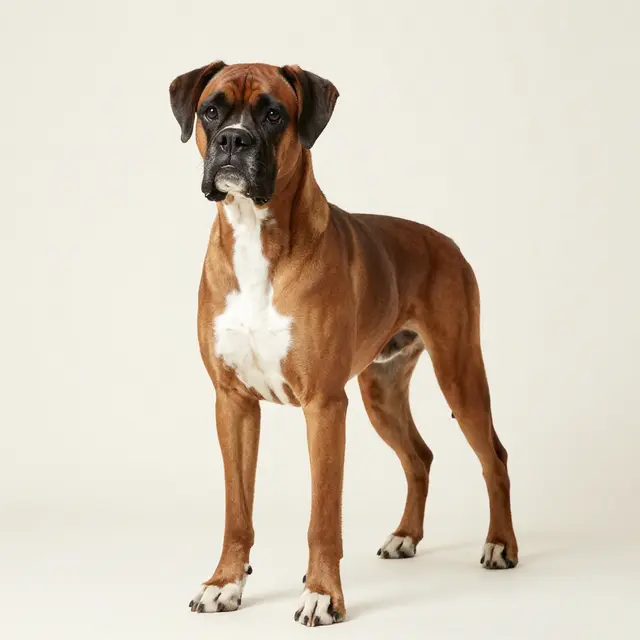
A bouncy, playful and devoted family dog that stays puppy-like for years — and needs the exercise to match.
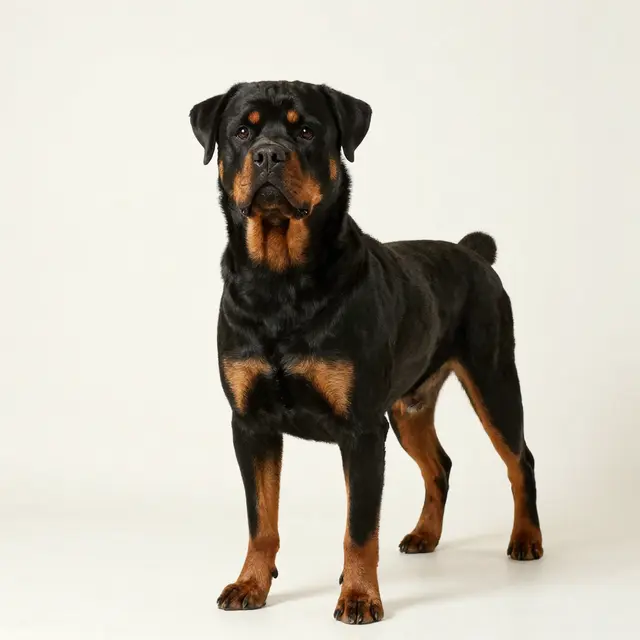
Rottweiler
A powerful, confident guardian that’s calm and devoted in the right hands — but needs an experienced owner.
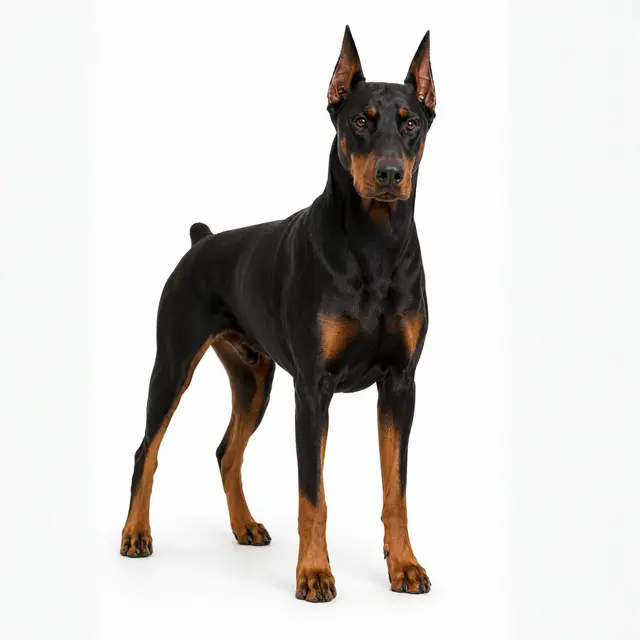
Dobermann
A sleek, athletic and intensely loyal guardian — highly trainable, but a serious commitment for active owners.
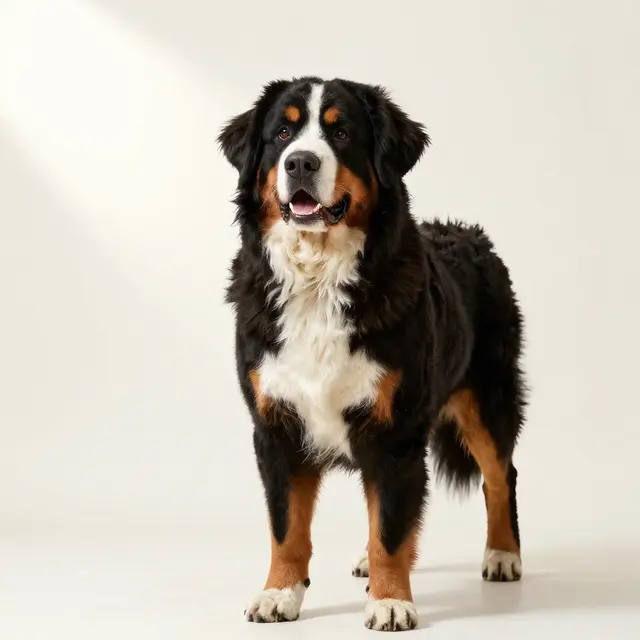
Bernese Mountain Dog
A gentle giant — calm, affectionate and wonderful with families, if you have the space and a big heart.
Similar temperament
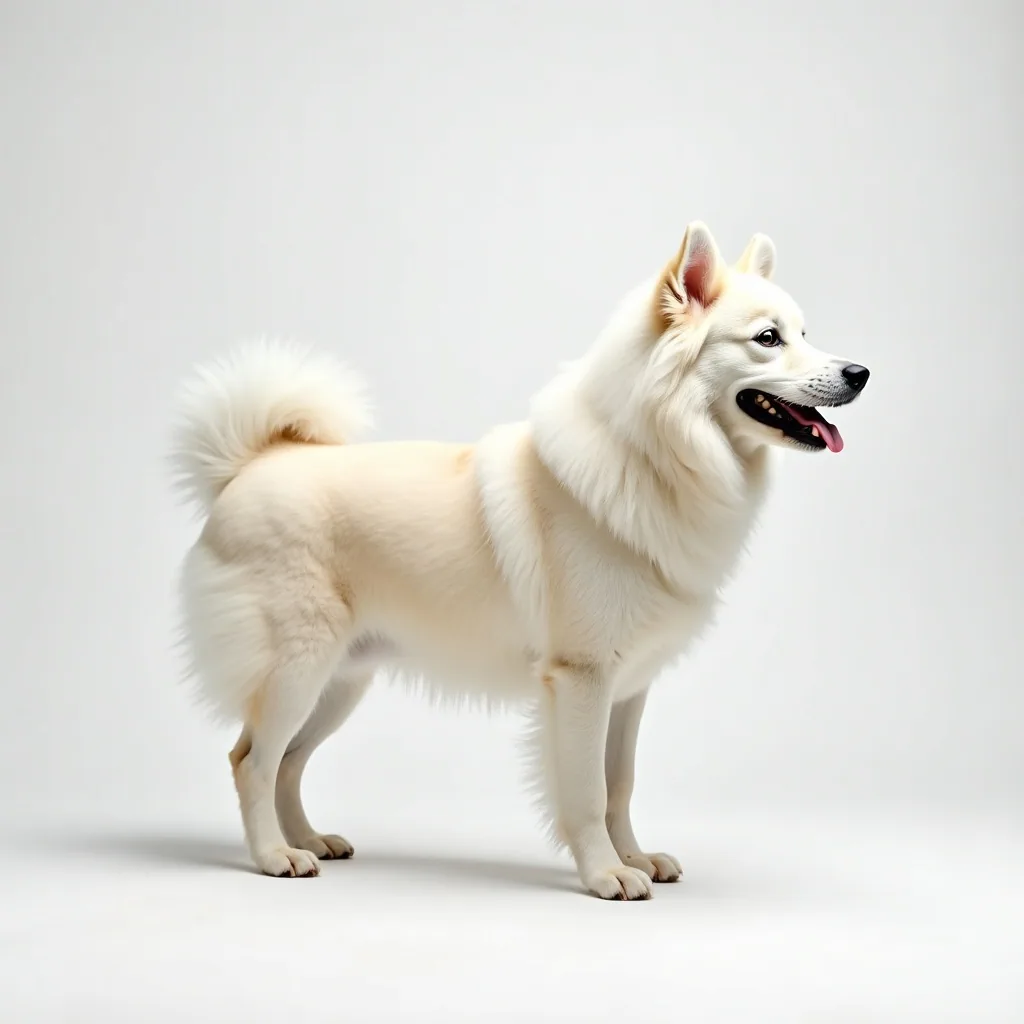
Canadian Eskimo Dog
A powerful Arctic sled and hunting dog (Qimmiq) bred for hauling and stamina. Hardy and loyal, but intensely energetic, pack-driven and unsuited to inexperienced or sedentary owners.
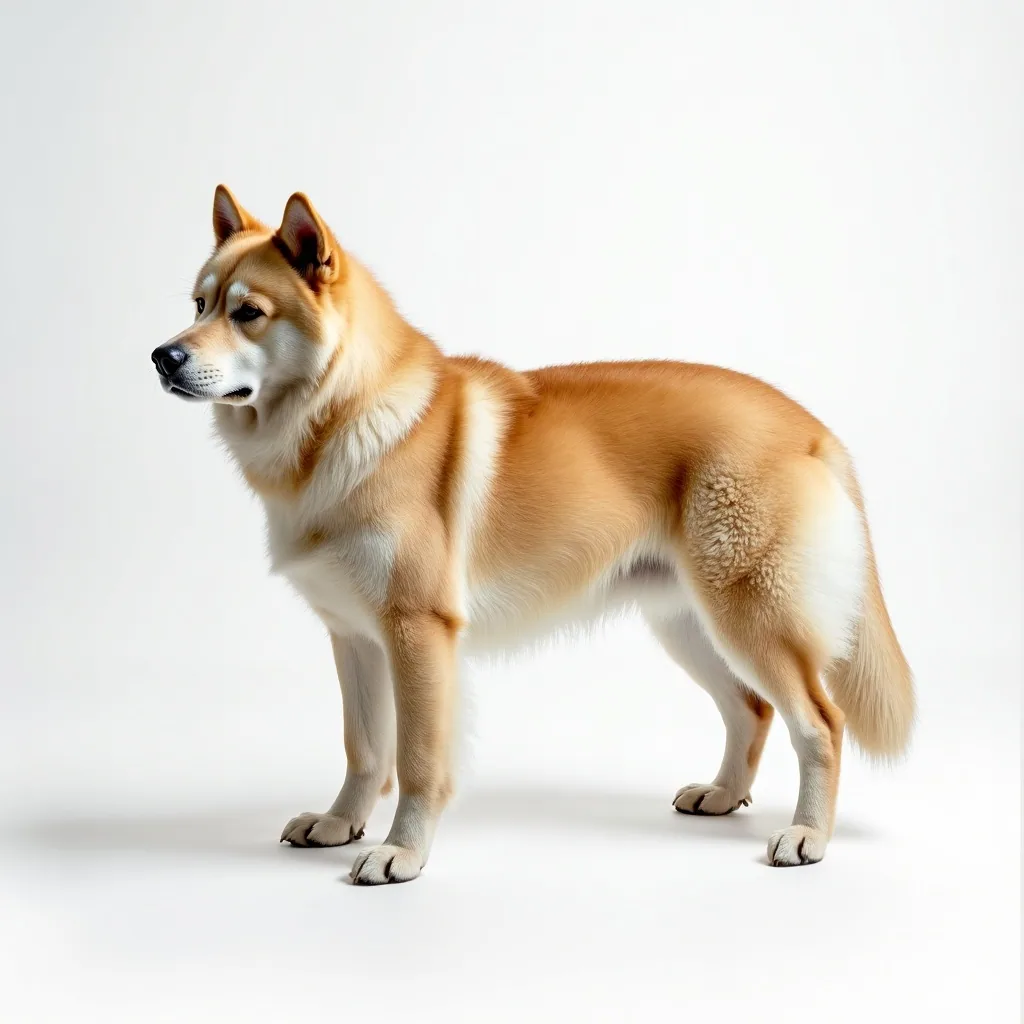
Greenland Dog
An ancient Arctic sled dog of immense stamina and a powerful pack instinct. Bold, hardy and energetic, but independent, vocal and unsuited to inexperienced owners.
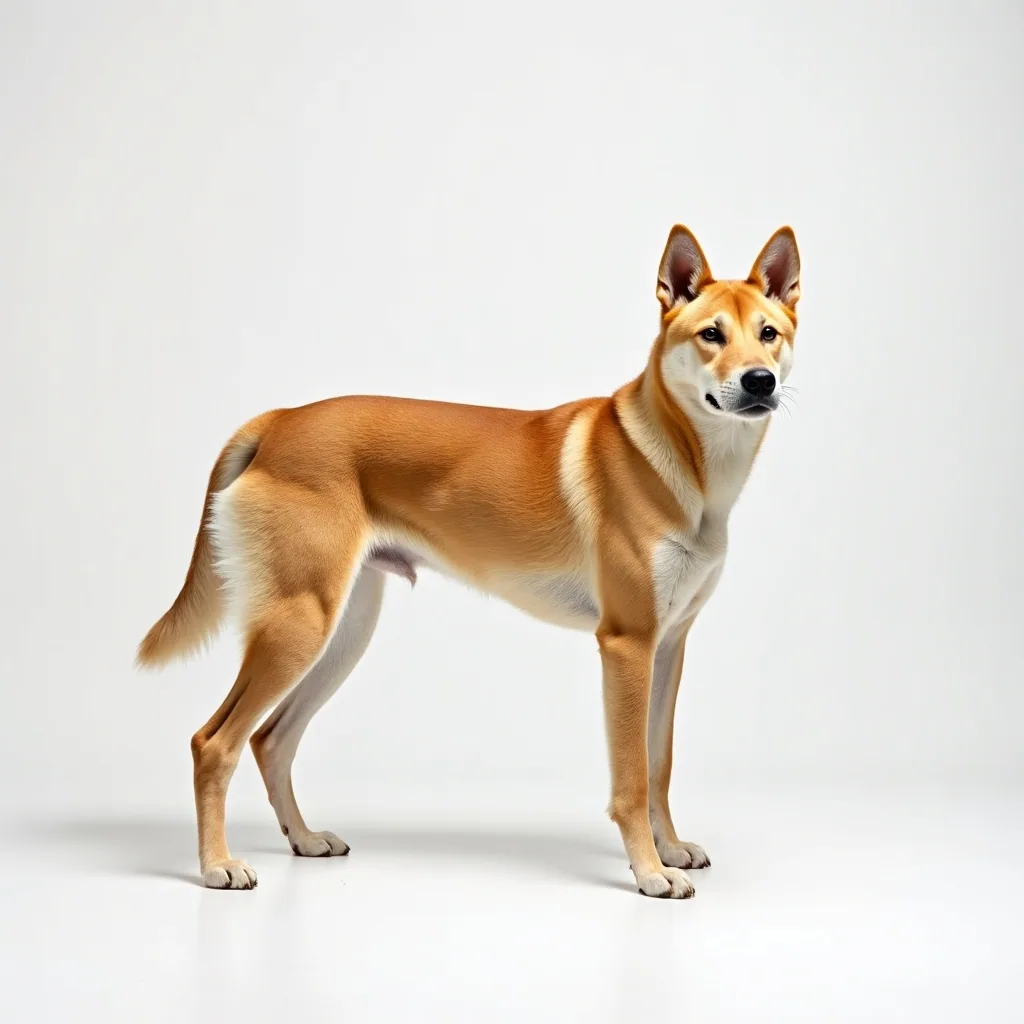
Korean Jindo
A spitz-type Korean hunting dog renowned for fierce loyalty to one owner. Bold, clean and intelligent, but strongly independent, high in prey drive and aloof with strangers.
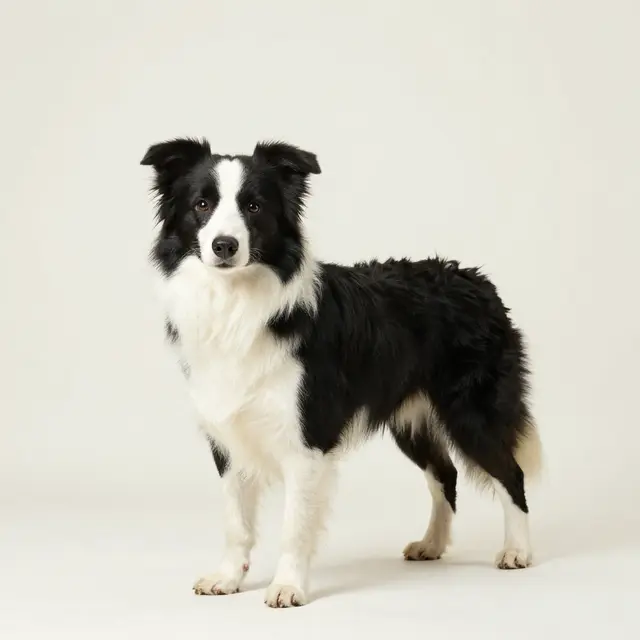
Border Collie
The ultimate working brain — astonishingly clever and trainable, but needs hours of exercise and a job to do.
Similar size, different type
Border Collie
The ultimate working brain — astonishingly clever and trainable, but needs hours of exercise and a job to do.
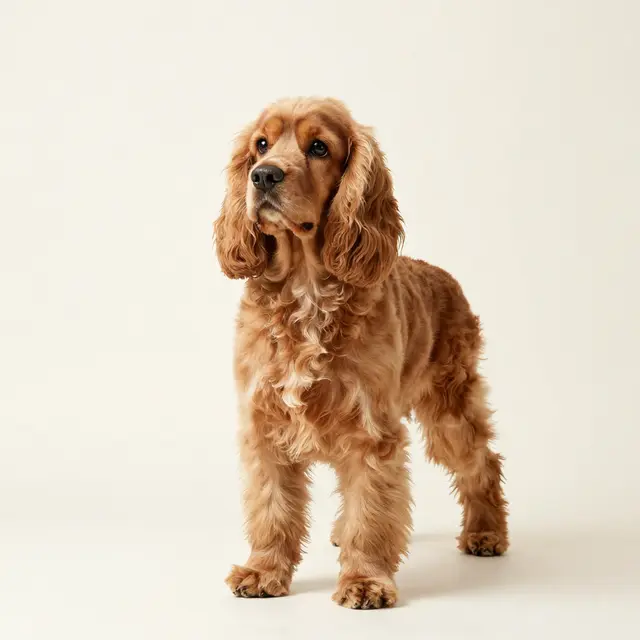
Cocker Spaniel
A merry, affectionate gundog that loves people and activity — happiest with a job and regular grooming.
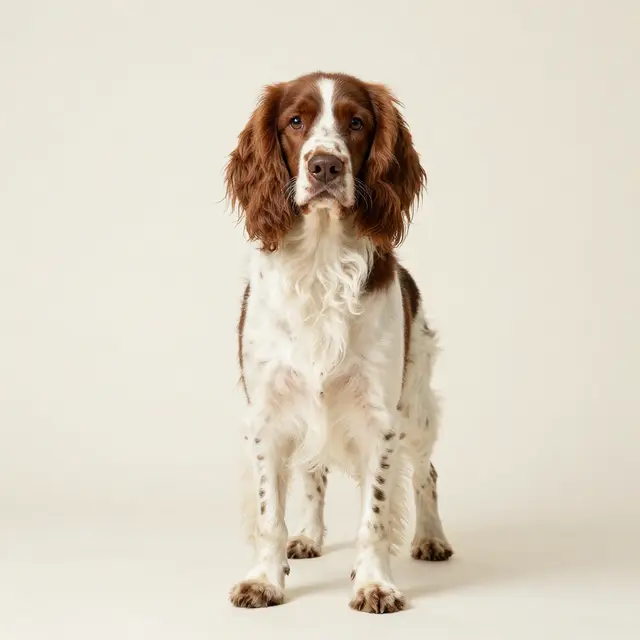
English Springer Spaniel
A tireless, enthusiastic working gundog that needs serious daily exercise and mental stimulation.
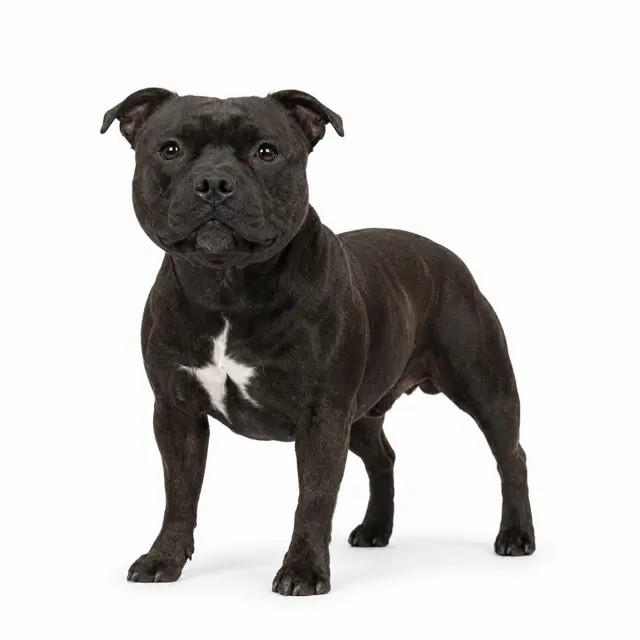
Staffordshire Bull Terrier
Affectionately known as the "nanny dog" — devoted, people-loving and famously gentle with children.
Is the Siberian Husky your breed?
Create your pet profile and get personalised food, toy, insurance and health recommendations — tailored to your dog.
Frequently asked questions
Are Siberian Huskies good family dogs?
They can be wonderful family dogs in the right home, but they are not an easy or beginner breed. Huskies are friendly, sociable and generally good with children, but they need huge amounts of exercise, are notorious escape artists with a strong prey drive, shed heavily and do not make natural guard dogs. They suit active, experienced households with secure gardens and plenty of time. For families that cannot meet those needs, a Husky can become frustrated and difficult, which is one reason the breed has a high UK rehoming rate.
How much exercise does a Husky need?
A great deal. Siberian Huskies were bred to pull sleds over long distances, so they typically need a minimum of around two hours of exercise a day, often more, split across the day. Just as important is mental stimulation through training, scentwork and puzzle toys. Because of their strong prey drive and unreliable recall, most Huskies cannot be let off-lead safely in open spaces, so much of that exercise must be on-lead, on a long line, or in a fully secure area.
Do Huskies shed a lot?
Yes. Huskies have a thick double coat and shed all year round, with two heavy seasonal moults — often called the coat 'blow' — usually in spring and autumn, when they lose huge amounts of undercoat over a few weeks. Regular brushing, increasing to daily during a blow, keeps loose hair under control and the coat healthy. You should never shave a Husky's double coat: it protects against both cold and heat and may not regrow correctly, so deshedding rather than clipping is the right approach.
Can you let a Husky off the lead?
For most Huskies, no — at least not in open or unsecured spaces. The breed has a powerful prey drive and an independent streak that makes recall notoriously unreliable, and a Husky that takes off can run a very long way at speed. Many experienced owners only ever exercise their Husky on-lead, on a long training line, or inside fully fenced areas such as secure dog fields. Even with good training, off-lead freedom carries real risk, so it should never be assumed for the breed.
How much does a Siberian Husky cost?
A well-bred, health-tested Siberian Husky puppy from a Kennel Club Assured Breeder in the UK usually costs several hundred to over a thousand pounds, depending on lines and breeder. The bigger figure is lifetime cost: food, insurance, grooming kit, secure fencing, training, and veterinary care for a large, active breed add up substantially across a 12–14 year life. Adopting an adult from a Siberian Husky rescue is often cheaper and helps a breed with a high rehoming rate.
How long do Siberian Huskies live?
Siberian Huskies typically live to around 12–14 years, which is good for a medium-to-large dog. Genetics set the range, but keeping your dog lean, well exercised, up to date with veterinary care and choosing a puppy from health-tested parents all help. The breed can be prone to certain inherited eye conditions and to hip dysplasia, so eye testing and hip scoring of breeding dogs, plus routine checks, support a long and healthy life.
Are Huskies good guard dogs?
No. Despite their wolf-like appearance, Siberian Huskies are typically friendly and sociable with people, including strangers, which makes them poor guard or watchdogs. They may bark or 'talk', but they rarely show the wariness or protectiveness of a true guarding breed. If you want a companion that greets visitors warmly rather than deterring them, that suits the Husky temperament — but do not choose the breed expecting it to protect your home.
Do Huskies cope well in hot weather?
Huskies are built for cold climates and can be sensitive to heat, so UK summers need care. Their double coat insulates against heat as well as cold, which is one reason you should never shave it. Avoid exercise in the warmest part of the day, provide constant shade and fresh water, watch closely for signs of heatstroke, and consider cooling mats or paddling on hot days. Never leave any dog in a hot car or conservatory, even briefly.
Why do so many Huskies end up in rescue?
Huskies are frequently bought on looks without understanding the breed's demands, and many are surrendered when owners cannot cope. Their enormous exercise needs, escape-artist tendencies, strong prey drive, heavy shedding and unsuitability as a first dog mean a large number end up in Siberian Husky rescue and general rescue centres each year. Researching the breed honestly, and considering adopting an adult, helps reduce the problem rather than adding to it.
Is a Siberian Husky a good first dog?
Generally no. Most breed experts and rescues advise that Siberian Huskies are not suited to first-time owners. They are intelligent and independent but challenging to train, need extensive exercise and secure containment, cannot usually be trusted off-lead, and shed heavily. Without experience and the right setup, owners can quickly become overwhelmed. If you are set on the breed as a first dog, get hands-on help from a Husky-experienced trainer and rescue, and be honest about your time and facilities.
Are Siberian Huskys good with children?
Fine with sensible, older children. As a general guide, Siberian Huskys tend to be fine with sensible, older children. Whatever the breed, always supervise dogs and young children and teach kids to interact gently.
How much exercise does a Siberian Husky need?
As a healthy adult, a typical Siberian Husky needs 2 hours or more, plus a job to do of exercise a day (120–180 minutes), split across walks plus play. Higher-energy dogs also need mental stimulation — sniffing, training games and puzzle feeders — to stay settled. Puppies, seniors and dogs with health conditions need less — ask your vet.
Do Siberian Huskys shed a lot?
Heavy shedding. Coat upkeep is regular brushing — brush regularly to keep the coat in good condition.
Are Siberian Huskys easy to train and good for first-time owners?
Best for experienced owners. Siberian Huskys are best for owners ready to commit to consistent training and plenty of activity. Reward-based training and early socialisation help any dog.
Do Siberian Huskys bark a lot?
Quiet. They are usually fairly easy-going about barking, though any dog will bark if bored or under-exercised.
Are Siberian Huskys good with other dogs?
Sociable with other dogs. Early, positive socialisation with other dogs from a young age makes a big difference.
Do Siberian Huskys suit flats or smaller homes?
Needs plenty of space. A Siberian Husky really needs plenty of space and a lot of daily activity — not ideal for a small flat.
Sources
- The Kennel Club — Siberian Husky breed information: https://www.thekennelclub.org.uk/breeds/siberian-husky/
- RVC VetCompass Programme — companion dog health research, Royal Veterinary College: https://www.rvc.ac.uk/vetcompass
- PDSA — dog breeds and health advice: https://www.pdsa.org.uk/pet-help-and-advice/looking-after-your-pet/puppies-dogs
- Blue Cross — dog care and breed advice: https://www.bluecross.org.uk/advice/dog
- Fédération Cynologique Internationale (FCI) — Siberian Husky breed standard (Standard No. 270): https://www.fci.be/en/nomenclature/SIBERIAN-HUSKY-270.html
Recommended for your Siberian Husky
Matched to a Siberian Husky's size and their typical need for help with shedding, enrichment & mental stimulation, no-pull walking kit.

Rechargeable Pet Grooming Clipper Kit
A cordless rechargeable pet clipper with an LED battery display, supplied with six guide combs, a styling comb, oil and a cleaning brush. Quiet and easy to handle for trimming and tidying your pet's coat at home.
£26.99

Self-Moving Chew-Resistant Dog Ball
A USB-C rechargeable ball that moves on its own to keep dogs busy and active. Tough E-TPU construction stands up to chewing during supervised play, and the splash-resistant build suits indoor or outdoor use.
£15.99

Faux-Leather Dog Harness & Lead Set
A smart faux-leather harness and matching lead set with gold-tone hardware and quick-release buckles. The padded, adjustable harness spreads pressure comfortably for stylish, secure walks. Suits small dogs and cats.
From£13.99

Padded Vest-Style Dog Harness
A padded vest harness that spreads pressure across the chest for no-choke walks.
From£14.99

Large Self-Cleaning Slicker Brush for Mats and Tangles
A self-cleaning slicker brush with fine, bead-tipped wire pins that gently lift loose undercoat, mats and tangles from short or long-haired pets. A one-click button releases the collected fur for fuss-free cleaning. Cat-ear shaped design.
£18.99

Plush Strawberry Snuffle Mat
An interactive foraging mat with removable plush strawberries that hide treats and kibble. Encourages natural snuffling and slows feeding, providing mental enrichment for dogs, rabbits and guinea pigs alike.
From£13.99

Round-Tipped Deshedding Rake Comb
A double-sided undercoat rake with rounded stainless-steel blades that gently cut through mats and remove loose hair. The non-slip ergonomic handle makes deshedding dogs and cats quick and comfortable.
From£8.99

Chase Buddy Boredom Busting Dog Toy
A sturdy chase toy for dogs left alone for short spells, redirecting the energy that turns into barking, pacing and chewed skirting boards into active play.
£23.99
Suggestions based on breed traits — always check sizing and suitability for your individual dog.
Got a Siberian Husky? Save them to a pet profile for tailored picks across the whole site.
Happier, healthier pets — in your inbox.
Breed care tips, seasonal advice and first access to new arrivals. No spam, unsubscribe anytime.
Every dog is an individual — temperament and needs vary. Please research thoroughly, meet dogs in person, and consider adopting from a rescue. This is general guidance, not a substitute for advice from your vet or a qualified trainer.