
Siberian Husky Health & Temperament
Siberian Husky health and temperament — inherited eye conditions, hip dysplasia, heat sensitivity, prey drive and escape behaviour, and the high rehoming rate.
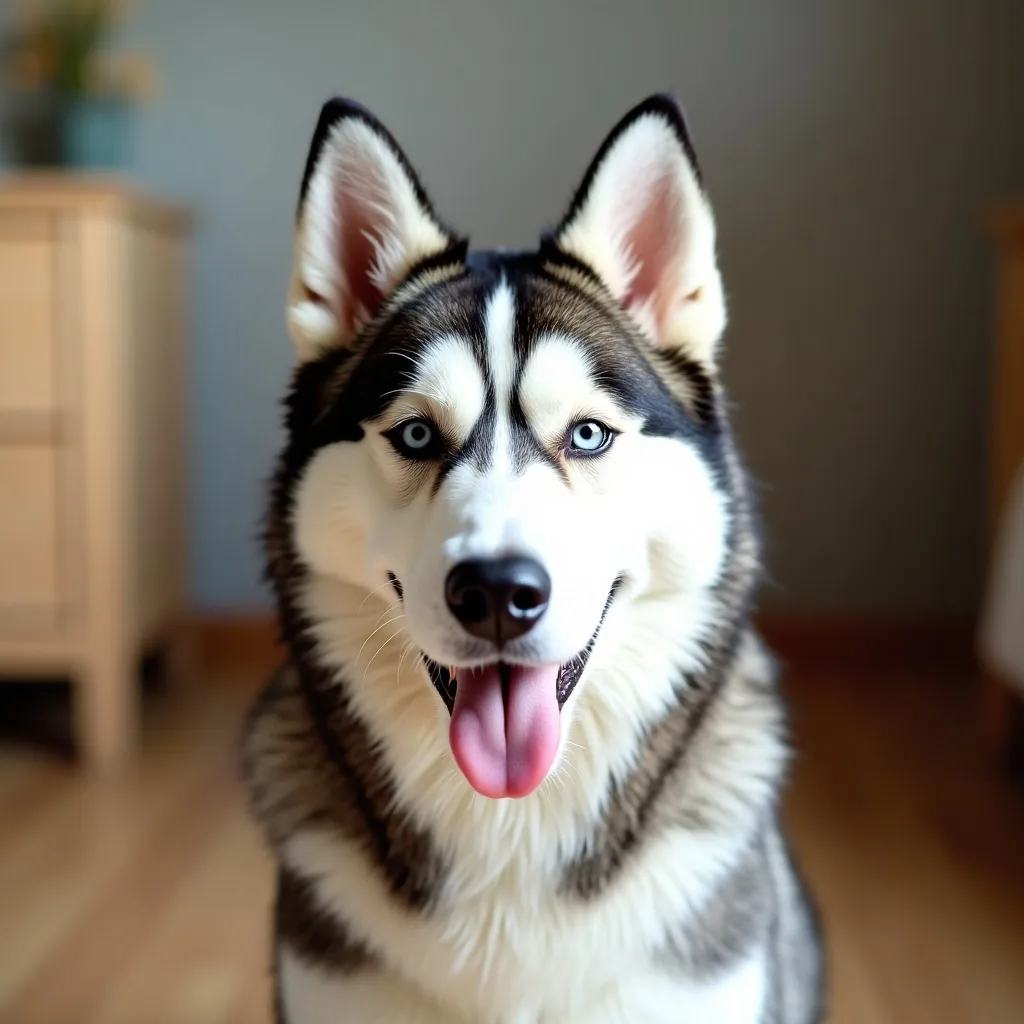
The quick answer
Siberian Huskies are particularly associated with inherited eye conditions, including cataracts, progressive retinal atrophy (PRA) and corneal dystrophy, which is why responsible breeders eye-test their dogs. They can also be affected by hip dysplasia, so breeding dogs should be hip-scored. As a cold-climate breed they are sensitive to heat and at greater risk of heatstroke in warm weather.
The Siberian Husky is a striking, athletic and characterful breed, but understanding its health and temperament is essential before taking one on. Many of the breed's most common difficulties stem directly from its working heritage and its physical make-up — and a clear-eyed look at both helps you decide whether a Husky is right for you and how to keep one well. Here is an honest guide to Siberian Husky health and temperament.
How long do Siberian Huskies live?
Siberian Huskies typically live to around 12–14 years, which is good longevity for a medium-to-large dog. As always, genetics set the range while everyday care — weight, exercise, diet and routine veterinary attention — strongly influences where an individual dog lands. Choosing a puppy from health-tested parents and keeping your dog lean and fit both help yours reach the longer end. You can get a rough sense of lifespan with our pet life expectancy tool.
Inherited eye conditions
The Siberian Husky is particularly associated with several inherited eye conditions, which is why responsible breeders eye-test their breeding dogs. The main ones to be aware of are:
- Cataracts — clouding of the lens that can impair vision and, in some cases, lead to blindness if untreated. Hereditary cataracts can appear in young dogs.
- Progressive retinal atrophy (PRA) — a group of degenerative diseases of the retina that gradually reduce vision and can ultimately cause blindness. PRA is inherited and there is no cure, so screening of breeding dogs is important.
- Corneal dystrophy — a condition affecting the cornea (the clear front of the eye), which can cause a cloudy or hazy appearance and, in some cases, affect vision.
If you notice cloudiness, redness, a change in the appearance of your Husky's eyes, or any sign that vision is affected, see your vet promptly. Buying from a breeder who eye-tests reduces the risk considerably.
Hip dysplasia
Like many active breeds, Siberian Huskies can be affected by hip dysplasia, where the hip joint develops abnormally and can lead to discomfort, lameness and arthritis over time. Responsible breeders hip-score their breeding dogs to reduce the risk. As an owner, keeping your dog lean, providing appropriate (not excessive) exercise during growth, and seeking veterinary advice if you notice stiffness, limping or reluctance to exercise all help protect the joints.
Heat sensitivity
Huskies were developed for cold climates, and their thick double coat makes them sensitive to heat. In warm weather they are at greater risk of overheating and heatstroke, so UK summers need genuine care: exercise in the cool of the day, provide constant shade and fresh water, never leave a dog in a hot car or conservatory, and watch for signs of heatstroke such as excessive panting, drooling, weakness or collapse — a veterinary emergency. A cooling mat or cooling product helps on hot days. Remember, too, that you must never shave the double coat to cool a Husky, as it insulates against heat as well as cold (see our grooming guide).
The Husky temperament
Siberian Huskies are friendly, sociable, energetic and independent. They generally love human company, are typically good with people and other dogs, and are rarely aggressive — which also means they make poor guard dogs. They are intelligent but strong-willed, and their independence can make training a challenge for inexperienced owners.
Two temperament traits define life with the breed:
- Strong prey drive. Bred to be hardy and resourceful, many Huskies have a powerful instinct to chase, which is why they often cannot be trusted with cats and small animals and why recall is unreliable.
- Escape artistry. Huskies are renowned for digging under, climbing over and slipping through fences and gates. Secure, high, dig-proof containment is essential, and gardens must be checked regularly.
These are not flaws so much as breed characteristics, but they have major practical implications for how a Husky must be managed.
Behaviour, training and enrichment
A bored or under-exercised Husky is far more likely to develop problem behaviours such as digging, chewing, howling and escaping. Meeting the breed's substantial exercise and mental-stimulation needs is therefore as much a health-and-welfare issue as a behavioural one. Positive, consistent, patient training from puppyhood, plenty of enrichment such as puzzle toys, and a well-fitted harness for safe on-lead control all help. For challenging behaviour, seek a qualified, reward-based behaviourist. Our exercise guide explains the breed's needs in detail.
The honest issue of rehoming
It is important to be honest about the breed's high rehoming rate. Huskies are very often acquired on the strength of their looks, without owners understanding the exercise, containment, grooming and management they demand. When the reality proves too much, large numbers are surrendered to Siberian Husky rescue organisations and general rescue centres across the UK every year. This is a welfare problem driven by mismatched expectations rather than by the dogs themselves. Researching the breed thoroughly before committing, and considering adopting an adult from rescue, both help reduce it.
Keeping a Husky healthy
- Buy from health-tested parents — eye-tested and hip-scored (see our cost and buying guide).
- Keep your dog lean and well exercised.
- Stay on top of vaccinations, parasite control and dental care.
- Take heat seriously in summer and never shave the coat.
- Insure early and see your vet regularly, with senior checks as your dog ages.
- Meet exercise and enrichment needs to protect behaviour and welfare.
Find local and emergency clinics through our vet finder.
*This is general guidance, not a substitute for advice from your vet or a qualified behaviourist, who can assess your individual dog.*
Sources
- The Kennel Club — Siberian Husky breed information and health testing.
- PDSA — Siberian Husky health, heat and care guidance.
- Blue Cross — dog health, behaviour and rehoming.
- RSPCA — dog welfare, behaviour and heatstroke advice.
- RVC VetCompass — UK dog health and longevity research.
Common questions
What health problems are Siberian Huskies prone to?
Siberian Huskies are particularly associated with inherited eye conditions, including cataracts, progressive retinal atrophy (PRA) and corneal dystrophy, which is why responsible breeders eye-test their dogs. They can also be affected by hip dysplasia, so breeding dogs should be hip-scored. As a cold-climate breed they are sensitive to heat and at greater risk of heatstroke in warm weather. Choosing a puppy from health-tested parents and keeping your dog lean and well cared for reduces the risks.
Why do so many Huskies end up in rescue?
Huskies are frequently bought on looks without understanding the breed's demands, and many are surrendered when owners cannot cope. Their enormous exercise needs, escape-artist tendencies, strong prey drive, heavy shedding and unsuitability as a first dog mean a large number end up in Siberian Husky rescue and general rescue centres each year. Researching the breed honestly, and considering adopting an adult, helps reduce the problem rather than adding to it.
Do Huskies cope well in hot weather?
Huskies are built for cold climates and can be sensitive to heat, so UK summers need care. Their double coat insulates against heat as well as cold, which is one reason you should never shave it. Avoid exercise in the warmest part of the day, provide constant shade and fresh water, watch closely for signs of heatstroke, and consider cooling mats on hot days. Never leave any dog in a hot car or conservatory, even briefly, as heatstroke is a veterinary emergency.
About the author
Matt Garnett — founder, Giddy Pets
Matt started Giddy Pets to make getting pets the good stuff simpler and fairer. Everything in these guides comes from real life with pets and a lot of trial and error — it's practical guidance, not veterinary advice. If a guide gets something wrong, tell him directly.
Free tools & more guides
Read next
Are Siberian Huskies Good Family Dogs?
An honest look at whether Siberian Huskies make good family dogs — rewarding and affectionate, but demanding, escape-prone and absolutely not for everyone.
How Much Exercise Does a Husky Need?
How much exercise a Siberian Husky really needs — the very high physical and mental demands, why off-lead is risky, and how to meet them safely.
How Much Does a Siberian Husky Cost? Buying & Lifetime Costs
What a Siberian Husky really costs — the price of a health-tested puppy, the substantial lifetime running costs, and why adoption is worth considering.
Husky Shedding & Grooming (Coat Blow)
How to manage Husky shedding and the twice-yearly coat blow — why you must never shave a double coat, and how to brush, bathe and care for it.