
How Much Exercise Does a Husky Need?
How much exercise a Siberian Husky really needs — the very high physical and mental demands, why off-lead is risky, and how to meet them safely.
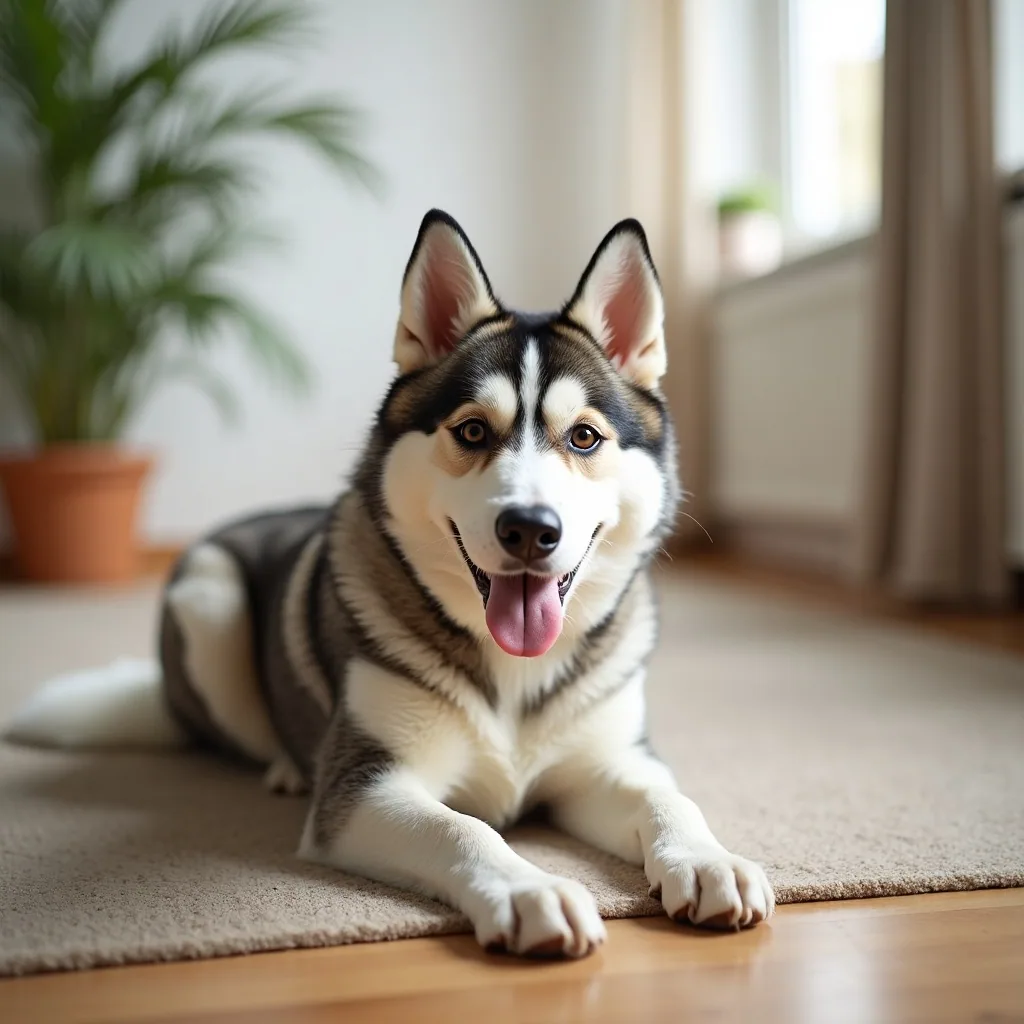
The quick answer
A great deal. Siberian Huskies were bred to pull sleds over long distances, so they typically need a minimum of around two hours of exercise a day, often more, split across the day. Just as important is mental stimulation through training, scentwork and puzzle toys.
If there is one thing every prospective Husky owner must understand, it is the breed's appetite for exercise. Siberian Huskies were bred to run — to pull light sled loads across vast distances in punishing conditions, day after day. That working heritage did not vanish when the breed became a popular companion dog. Underestimate a Husky's exercise needs and you will end up with a frustrated, destructive, escape-prone dog. Meet them, and you will have a happy, balanced companion. Here is an honest look at how much exercise a Husky really needs and how to provide it safely.
How much exercise does a Husky need?
As a guide, a healthy adult Siberian Husky typically needs a minimum of around two hours of exercise a day, and often more. This is at the higher end of dog exercise requirements and reflects the breed's stamina and drive. Crucially, that time is best split across the day rather than crammed into one outing, and it should combine brisk, sustained activity with variety — walking, jogging, hiking, and breed-appropriate pursuits.
A tired Husky is a well-behaved Husky. A bored, under-exercised one will often dig, chew, escape, howl and find its own entertainment, usually at the expense of your home and garden.
Physical and mental exercise both matter
It is a mistake to think of Husky exercise purely in miles. The breed is intelligent and easily bored, so mental stimulation is just as important as physical effort. Without it, even a physically tired Husky can be restless.
Build in:
- Training sessions — short, positive and frequent, to engage that clever, independent mind.
- Scentwork and nosework games — letting a dog use its nose is genuinely tiring.
- Puzzle feeders and enrichment toys — see our puzzle and enrichment range and slow feeders to make mealtimes work the brain.
- Variety in routes and activities to keep walks interesting.
A combination of body and brain work produces a far calmer, more contented dog than distance alone. Our dog walking calculator can help you plan and track activity.
Why you usually cannot let a Husky off-lead
This is one of the hardest truths for new Husky owners to accept. The breed has a powerful prey drive and a strongly independent nature, which together make recall notoriously unreliable. A Husky that spots something to chase, or simply decides to run, can cover a great deal of ground at speed and may not come back. Sadly, dogs lost or hit by traffic after bolting are a real risk with the breed.
As a result, most experienced Husky owners never let their dog off-lead in open or unsecured spaces. Instead they rely on:
- On-lead walking with a well-fitted, escape-resistant harness, which is kinder than a collar for a dog that may pull.
- Long training lines in suitable open areas, giving freedom without full release.
- Secure dog fields — fully fenced private spaces, increasingly available to hire across the UK, where a Husky can run safely off-lead.
This is not pessimism; it is the realistic, responsible approach the breed demands.
Channeling the urge to pull
Because Huskies were bred to pull, many genuinely enjoy harness activities such as canicross (running with a dog attached to you via a waist belt and bungee line), bikejoring or scootering, where the pulling instinct becomes a healthy outlet rather than a nuisance on the lead. Done with proper equipment and guidance, these activities can transform exercise for both dog and owner. Always use purpose-made gear and build up gradually, and seek advice if you are new to the sport.
Exercising a Husky safely in UK weather
Huskies are built for the cold, so hot weather needs real caution. Their double coat insulates against heat as well as cold, but they can still overheat. In warmer months, exercise in the cool of early morning or evening, avoid the midday sun, carry water, and watch for signs of heatstroke such as heavy panting, drooling and lethargy. A cooling mat or cooling product helps on hot days. Conversely, Huskies relish cold, crisp weather and often come alive in winter.
Exercise and life stage
Puppies should not be over-exercised while their joints develop — follow your vet's and breeder's guidance on appropriate amounts for a growing dog, and avoid forced or repetitive high-impact activity until they mature. Older Huskies may slow down and need their routine adjusted, but most remain active well into their senior years. Always tailor exercise to the individual dog's age, health and fitness.
The bottom line
Siberian Huskies are one of the most exercise-hungry breeds you can own. Plan for a minimum of around two hours a day, combine physical effort with mental stimulation, and accept that for safety reasons much of that exercise will be on-lead, on a long line, or in secure spaces. If that fits your life, a Husky will thrive. If it does not, the breed will struggle — and so will you. For the wider picture, see our guides on whether Huskies suit family life and health and temperament.
*This is general guidance. Ask your vet about the right amount and type of exercise for your individual dog, especially for puppies, seniors or dogs with health conditions.*
Sources
- The Kennel Club — Siberian Husky breed information and exercise needs.
- PDSA — Siberian Husky care and exercise guidance.
- Blue Cross — dog exercise and behaviour advice.
- RSPCA — dog exercise, enrichment and welfare needs.
Common questions
How much exercise does a Husky need?
A great deal. Siberian Huskies were bred to pull sleds over long distances, so they typically need a minimum of around two hours of exercise a day, often more, split across the day. Just as important is mental stimulation through training, scentwork and puzzle toys. Because of their strong prey drive and unreliable recall, most Huskies cannot be let off-lead safely in open spaces, so much of that exercise must be on-lead, on a long line, or in a fully secure area.
Can you let a Husky off the lead?
For most Huskies, no — at least not in open or unsecured spaces. The breed has a powerful prey drive and an independent streak that makes recall notoriously unreliable, and a Husky that takes off can run a very long way at speed. Many experienced owners only ever exercise their Husky on-lead, on a long training line, or inside fully fenced areas such as secure dog fields. Even with good training, off-lead freedom carries real risk, so it should never be assumed for the breed.
Do Huskies cope well in hot weather?
Huskies are built for cold climates and can be sensitive to heat, so UK summers need care. Their double coat insulates against heat as well as cold, which is one reason you should never shave it. Avoid exercise in the warmest part of the day, provide constant shade and fresh water, watch closely for signs of heatstroke, and consider cooling mats or paddling on hot days. Never leave any dog in a hot car or conservatory, even briefly.
About the author
Matt Garnett — founder, Giddy Pets
Matt started Giddy Pets to make getting pets the good stuff simpler and fairer. Everything in these guides comes from real life with pets and a lot of trial and error — it's practical guidance, not veterinary advice. If a guide gets something wrong, tell him directly.
Free tools & more guides
Read next
Are Siberian Huskies Good Family Dogs?
An honest look at whether Siberian Huskies make good family dogs — rewarding and affectionate, but demanding, escape-prone and absolutely not for everyone.
Siberian Husky Health & Temperament
Siberian Husky health and temperament — inherited eye conditions, hip dysplasia, heat sensitivity, prey drive and escape behaviour, and the high rehoming rate.
Husky Shedding & Grooming (Coat Blow)
How to manage Husky shedding and the twice-yearly coat blow — why you must never shave a double coat, and how to brush, bathe and care for it.
How Much Does a Siberian Husky Cost? Buying & Lifetime Costs
What a Siberian Husky really costs — the price of a health-tested puppy, the substantial lifetime running costs, and why adoption is worth considering.