
Are Siberian Huskies Good Family Dogs?
An honest look at whether Siberian Huskies make good family dogs — rewarding and affectionate, but demanding, escape-prone and absolutely not for everyone.
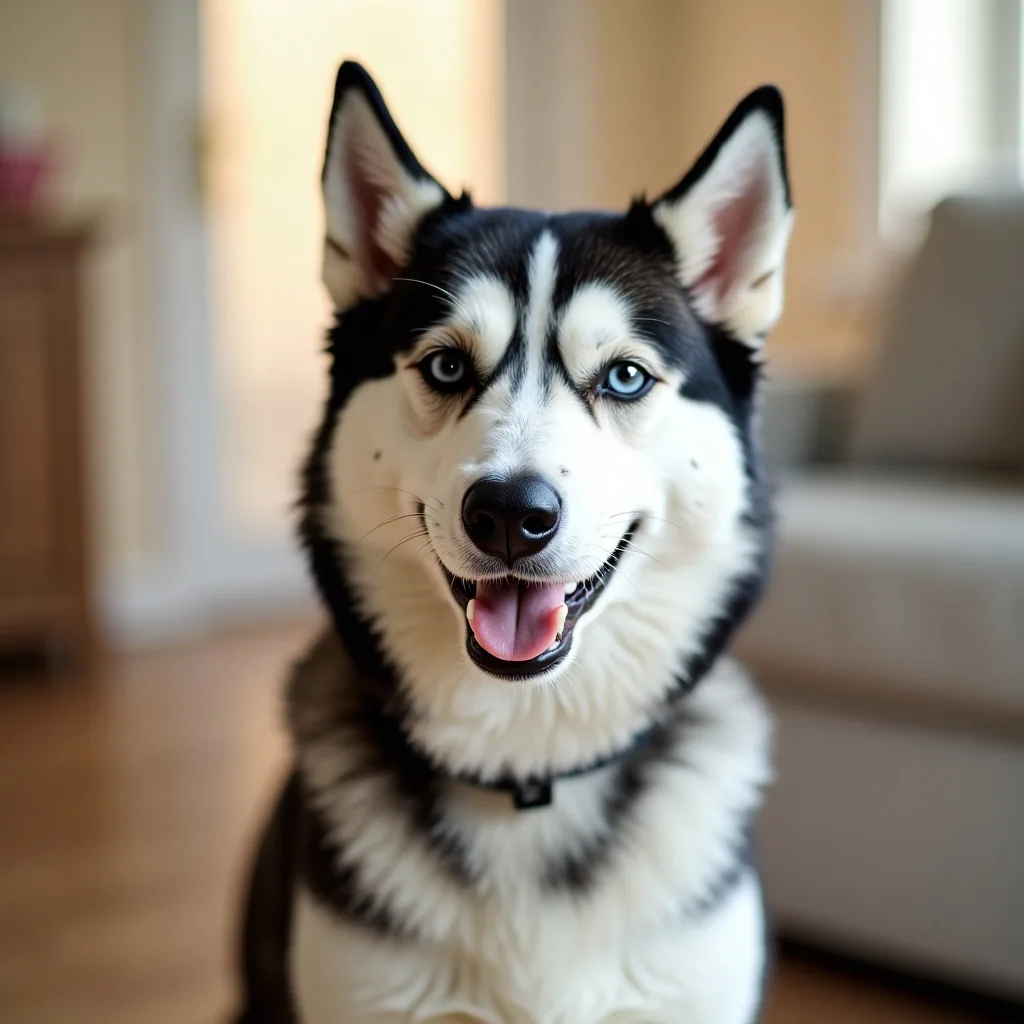
The quick answer
They can be wonderful family dogs in the right home, but they are not an easy or beginner breed. Huskies are friendly, sociable and generally good with children, but they need huge amounts of exercise, are notorious escape artists with a strong prey drive, shed heavily and do not make natural guard dogs.
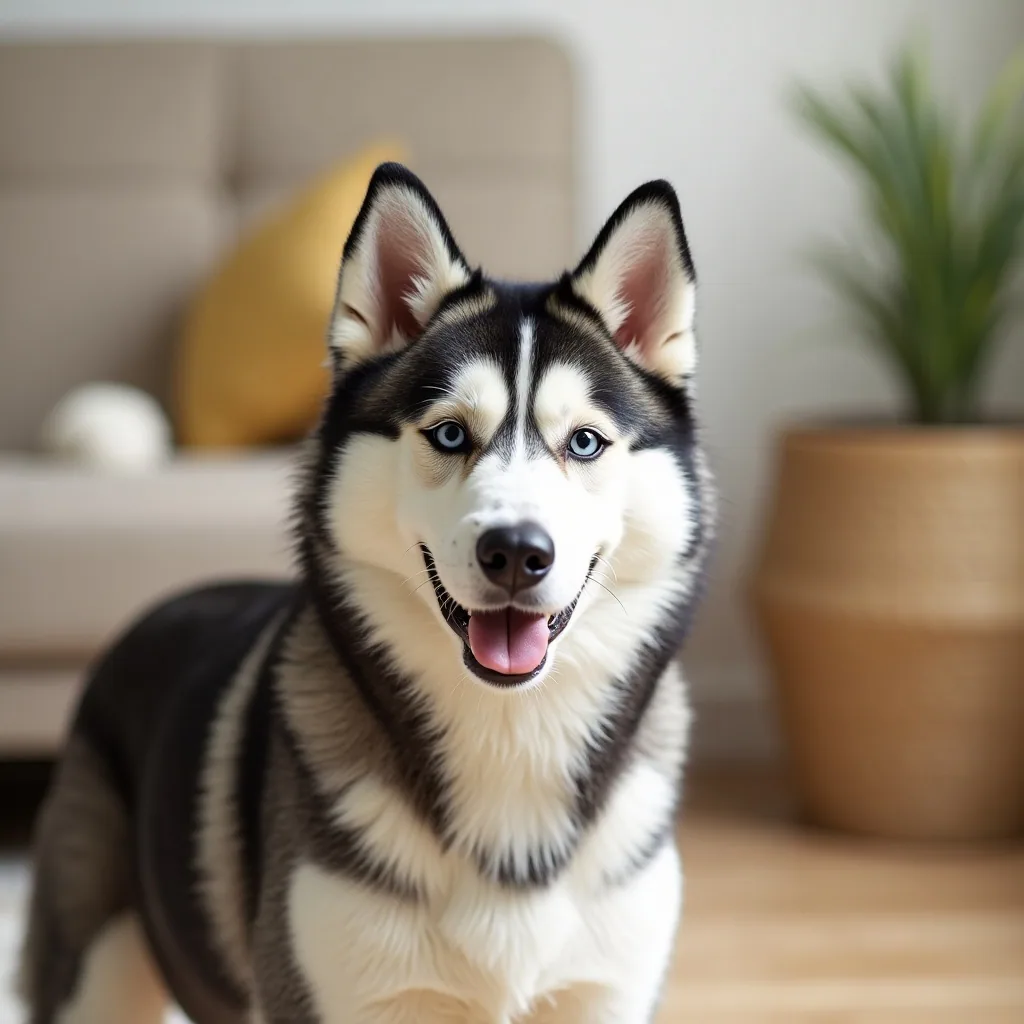
Few dogs turn heads like a Siberian Husky. With their striking markings, pale eyes and wolf-like good looks, it is easy to fall for the breed on appearance alone. But the most important question to ask before bringing one home is not whether Huskies are beautiful — they are — but whether they genuinely suit family life. The honest answer is that Siberian Huskies can be wonderful family companions in the right home, and a real struggle in the wrong one. Here is a frank look at what living with the breed actually involves.
The Husky temperament
Siberian Huskies were developed by the Chukchi people of north-eastern Asia as endurance sled dogs, bred to pull light loads over long distances in harsh conditions and to live closely alongside people. That heritage shaped a dog that is friendly, sociable, energetic and remarkably people-oriented. Most Huskies love human company and are generally good-natured with children and other dogs, which is a big part of their appeal as a family pet.
They are also independent, intelligent and mischievous. The same self-reliance that helped them survive on the trail can make them stubborn and selectively deaf at home. Huskies are not aggressive guarding dogs — quite the opposite, they tend to greet strangers warmly — but they are escape artists and free spirits who need a great deal from their owners.
The honest demands
Before deciding a Husky is right for your family, weigh up the realities the breed is known for:
- Enormous exercise needs. Huskies typically need a minimum of around two hours of exercise a day, often more, plus mental stimulation. Under-exercised Huskies become frustrated and destructive. See our exercise guide for what this really looks like.
- Escape artistry. Huskies are famous for digging under, climbing over and slipping through fences. A secure, high garden boundary is non-negotiable.
- Strong prey drive and poor recall. Most Huskies cannot be let off-lead safely in open spaces because they will chase and run. A well-fitted harness and a long training line are essentials.
- Heavy shedding. The double coat sheds year-round and 'blows' heavily twice a year — read our shedding and grooming guide.
- Not a natural guard dog. If you want protection, this is not your breed.
Are Huskies good with children?
Generally, yes — Huskies are typically tolerant, playful and affectionate with children, and many thrive in busy family homes. As with any dog, success depends on supervision and teaching children to interact gently and respect the dog's space. A boisterous, powerful, under-exercised Husky can accidentally knock over a small child, so the breed suits families who can meet its exercise needs and supervise interactions, rather than households hoping for a calm, low-maintenance pet. Every dog is an individual, so always introduce dogs and children carefully and never leave young children unsupervised with any dog.
Are Huskies good with other pets?
Huskies usually enjoy the company of other dogs, which reflects their pack-working origins, and many live happily in multi-dog homes. Cats, rabbits and other small animals are a different matter: the breed's strong prey drive means many Huskies see small furries as something to chase. Some Huskies can learn to live with a cat, especially if raised together, but it can never be assumed, and introductions must be slow, careful and managed for life.
Why the high rehoming rate matters
It is impossible to discuss Huskies honestly without mentioning how many end up in rescue. The breed is frequently bought on impulse, on looks, without owners understanding the exercise, containment and grooming it demands. When the reality bites, a great many Huskies are surrendered to Siberian Husky rescue organisations and general rescue centres across the UK. This is not a reflection on the dogs — it is a mismatch between expectation and reality. Reading honestly before you buy, and seriously considering adopting an adult from a breed rescue, both help.
Who do Siberian Huskies suit?
- Active, experienced households who can commit to hours of daily exercise come rain or shine.
- Homes with secure, high, dig-proof gardens.
- People happy to manage on-lead exercise and the breed's unreliable recall.
- Families prepared for heavy shedding and regular grooming.
- Owners who want a sociable companion, not a guard dog.
They are a poor fit for first-time owners, people out at work all day, anyone wanting a low-exercise or low-shedding dog, or households hoping for an off-lead, recall-reliable pet.
The honest verdict
For the right family, a Siberian Husky is a joyful, characterful, affectionate companion that rewards effort generously. For the wrong one, it is a frustrated, destructive escape artist that quickly becomes too much. The breed is not bad — it is demanding and honest about what it needs. If your household genuinely matches that, a Husky can be brilliant. If not, a different breed will make everyone happier. Use our pet life expectancy tool and read our health and temperament guide before you decide.
*This is general guidance, not a substitute for advice from a vet or qualified behaviourist who can assess your individual circumstances.*
Sources
- The Kennel Club — Siberian Husky breed information and finding a puppy.
- PDSA — Siberian Husky breed guide and care needs.
- Blue Cross — choosing the right dog and Husky behaviour.
- RSPCA — getting a dog and responsible ownership.
Common questions
Are Siberian Huskies good family dogs?
They can be wonderful family dogs in the right home, but they are not an easy or beginner breed. Huskies are friendly, sociable and generally good with children, but they need huge amounts of exercise, are notorious escape artists with a strong prey drive, shed heavily and do not make natural guard dogs. They suit active, experienced households with secure gardens and plenty of time. For families that cannot meet those needs, a Husky can become frustrated and difficult, which is one reason the breed has a high UK rehoming rate.
Are Huskies good with children?
Generally yes — Huskies are typically tolerant, playful and affectionate with children, and many thrive in busy family homes. Success depends on supervision and teaching children to interact gently and respect the dog's space. A powerful, under-exercised Husky can accidentally knock over a small child, so the breed suits families who can meet its exercise needs. Every dog is an individual, so always introduce dogs and children carefully and never leave young children unsupervised with any dog.
Are Huskies good guard dogs?
No. Despite their wolf-like appearance, Siberian Huskies are typically friendly and sociable with people, including strangers, which makes them poor guard or watchdogs. They may bark or 'talk', but they rarely show the wariness or protectiveness of a true guarding breed. If you want a companion that greets visitors warmly rather than deterring them, that suits the Husky temperament — but do not choose the breed expecting it to protect your home.
About the author
Matt Garnett — founder, Giddy Pets
Matt started Giddy Pets to make getting pets the good stuff simpler and fairer. Everything in these guides comes from real life with pets and a lot of trial and error — it's practical guidance, not veterinary advice. If a guide gets something wrong, tell him directly.
Free tools & more guides
Read next
How Much Exercise Does a Husky Need?
How much exercise a Siberian Husky really needs — the very high physical and mental demands, why off-lead is risky, and how to meet them safely.
Siberian Husky Health & Temperament
Siberian Husky health and temperament — inherited eye conditions, hip dysplasia, heat sensitivity, prey drive and escape behaviour, and the high rehoming rate.
Husky Shedding & Grooming (Coat Blow)
How to manage Husky shedding and the twice-yearly coat blow — why you must never shave a double coat, and how to brush, bathe and care for it.
How Much Does a Siberian Husky Cost? Buying & Lifetime Costs
What a Siberian Husky really costs — the price of a health-tested puppy, the substantial lifetime running costs, and why adoption is worth considering.