
English Mastiff
One of the most ancient and massive of all breeds, the English Mastiff was bred as a guardian and war dog, yet is calm, gentle and devoted at heart. A quiet, low-energy giant indoors. It suits homes with space who'll train such a powerful dog early, manage drooling, and accept the costs and short lifespan that come with the size.

English Mastiff scorecard
Overview
The English Mastiff, known in the UK simply as the Mastiff, is one of the largest and heaviest of all dog breeds. Males commonly stand around 70–91cm at the shoulder and can weigh anywhere from roughly 55kg to well over 90kg, with a massive head, broad muzzle and powerful, deep-bodied frame. Despite this imposing size, the breed's defining quality is its calm, gentle and devoted temperament — at home it is typically quiet, dignified and low in energy.
The Mastiff is an ancient guardian-type breed, historically valued for its courage and protective instincts as well as its loyalty. In a modern home it is affectionate and deeply attached to its family, often described as a gentle giant. However, its enormous size brings serious practical considerations: significant food and equipment costs, the need for early training while the dog is still manageable, a tendency to drool, and a sadly short lifespan typical of giant breeds, usually around 8–10 years. It is a breed for owners who can accommodate and afford a very large, strong dog.
Good to know — a English Mastiff needs plenty of space and better with some experience. Every dog is an individual, so meet a few and chat to a good breeder or rescue before deciding.
Save the English Mastiff guide
Thinking about a English Mastiff? Pop your email in and we’ll send this guide so you can come back to it any time — handy while you compare breeds.
Popular searches for the English Mastiff
History & origins
The Mastiff is among the oldest of the large guarding breeds, with mastiff-type dogs depicted in ancient civilisations and a long association with Britain as estate guardians, war dogs and protectors of property and livestock. Large molosser-type dogs of this kind were used for guarding and, historically, for blood sports before such practices were banned. The breed as recognised today was refined in England, and English bloodlines became foundational to the modern Mastiff worldwide.
The breed's numbers fell dramatically during the World Wars, when feeding such large dogs became extremely difficult, and the population had to be rebuilt afterwards, partly with the help of overseas bloodlines descended from British stock. The Mastiff is recognised by the Kennel Club in the Working group and by the FCI, and remains a relatively uncommon but well-loved breed in the UK.
Temperament & family fit
The Mastiff is renowned for its calm, steady and good-natured temperament. With its family it is affectionate, gentle and loyal, and it is generally tolerant and patient, including with children, though its sheer size and weight mean interactions with small children must always be supervised to avoid accidental knocks. Indoors it is typically quiet and undemanding, content to be near its people.
The breed retains natural guarding instincts and is usually watchful and reserved with strangers rather than outwardly aggressive. A well-bred, well-socialised Mastiff should be confident and self-assured rather than nervous or sharp. Because of its size and protective heritage, early and thorough socialisation is essential to produce a stable, well-mannered adult that is comfortable with people, dogs and everyday situations.
- Families with children of all ages
- Owners ready for consistent training
- Active homes with plenty of space
Training & intelligence
Training a Mastiff is less about teaching complex tasks and more about producing a calm, biddable giant that can be safely managed. This is critically important: a fully grown Mastiff is far too large and strong to control by force, so good manners, lead walking and basic obedience must be established while the dog is still a puppy. Reward-based, patient and consistent methods suit the breed, which is sensitive and responds poorly to harsh handling.
Early socialisation should expose the puppy positively to a wide range of people, dogs and experiences, helping its natural guarding instincts develop into appropriate watchfulness rather than wariness. Mastiffs can be a little stubborn and are not as eager to perform as some working breeds, so training should be kept short, positive and consistent. Establishing calm, controlled behaviour around the home and in public is the priority.
- Start socialisation & handling early
- Reward-based methods only — no harsh corrections
- Keep sessions short, calm and consistent
Exercise needs
A healthy adult English Mastiff typically needs around 30 minutes (gentle, broken into shorter walks) a day (roughly 30–45 minutes), split across walks, play and a little training. A good sniffy walk, some play and a little training usually keeps them content. Puppies, seniors and dogs with health conditions need adjusted amounts — check with your vet.
Grooming & coat
Grooming needs are low. The Mastiff has a short, close coat that requires only regular brushing to remove loose hair and keep it in good condition, though it does shed. Particular attention should be paid to cleaning the facial wrinkles and folds to prevent skin irritation, and to wiping away drool. Routine ear cleaning, nail trimming and dental care complete the grooming routine. Owners should also keep an eye on the eyes, as the breed's loose facial skin can predispose it to certain eye conditions.
- Brush occasionally to remove loose hair
- Bathe every few weeks or as needed
- Check ears, nails and teeth weekly
Feeding a English Mastiff
Feeding a giant breed is a major commitment and a significant cost. Mastiffs should be fed a complete, good-quality diet appropriate to their life stage, with particular care during puppyhood: large- and giant-breed puppies need controlled growth and a suitably balanced diet to support healthy bone and joint development, so a food formulated for large-breed growth is recommended. Keeping the dog lean is very important, as excess weight places extra strain on the joints and heart. Because of their size and deep chest, dividing the daily ration into more than one meal and avoiding vigorous activity around mealtimes is advisable to reduce bloat risk. Fresh water should always be available.
A giant breed
An adult English Mastiff typically weighs 55–90 kg, so a healthy English Mastiff eats a lot, and the sack size matters as much as the recipe compared with other breeds. Every feeding guide on a bag is written per kilo of body weight, not per breed — start there, then adjust to the dog in front of you.
Life stage
A giant breed is usually done growing at 18–24 months, which is roughly when a puppy food has finished its job. With a typical lifespan of 8–10 years, there is a long adult stretch in the middle; switch to a senior food when your vet thinks it is worth it rather than on a birthday.
Joint support is worth looking for
Their size and frame put more load through the joints than a smaller dog carries, so a food with joint support on the label is worth reading for — and keeping them lean does more for their joints than any supplement.
Weight matters more than usual here
A long back or a heavy frame makes every extra kilo count twice. Weigh portions rather than eyeballing a scoop, and reduce the food rather than the walks if the waist starts to disappear.
A shallow, wide bowl suits a flat face
A flat-faced dog cannot reach into a deep bowl without pressing its nose into the sides, which is uncomfortable and makes it gulp air. A shallow bowl, and food that does not have to be chased around it, is the easier arrangement.
How much should a English Mastiff weigh?
Adult 55–90 kgfully grown at 18–24 months
| Age | Stage | Typical weight | Of adult size |
|---|---|---|---|
| 8 weeks | Just home | 4.8–7.9 kg | 9% |
| 3 months | Young puppy | 7.9–12.9 kg | 14% |
| 6 months | Growing fast | 15.7–25.7 kg | 29% |
| 12 months | Adolescent | 31.4–51.4 kg | 57% |
| 18–24 months | Fully grown | 55–90 kg | 100% |
A guide, from the same rule of thumb our puppy growth predictor uses — each age is that share of the way to maturity for a giant breed. Puppies grow fastest early, so a real puppy usually sits a little above the middle rows. Weigh yours and ask your vet if the number worries you.
Complete dog foods that suit a English Mastiff
Complete foods from our range, matched to a English Mastiff's size band and what the breed typically needs. Stock levels and delivery dates are live on each product.


Field & Trial Skinner S Field Trial Light Senior
A lower-fat dry food for older, overweight or less active dogs, including working breeds
From£9.85

Autarky Complete Grain Free Adult Turkey
Grain-free complete dry food for adult dogs, with turkey and a marine-algae joint care package
£12.79

Autarky Grain Free Tasty White Fish & Potato Complete
Grain-free dry dog food built around white fish meal rather than poultry
£12.99

Lily's Kitchen Lily S Kitchen Dog Lovely Lamb
Complete lamb-led dry dog food offered in two practical bag sizes
From£25.15


Burns Adult Large/Giant Breed Chicken and Brown Rice
Complete large-breed dry dog food with 23% chicken and brown rice
£59.99

Burgess Greyhound and Lurcher Chicken
Complete adult dry food formulated for the specific build of greyhounds and lurchers
£35.35


Naturo Senior Rice Poultry Variety 6pk
Six 400g trays across three recipes for senior dogs, with glucosamine and chondroitin
£10.29

Naturo Senior Dog Turkey with Rice and Vegetables 7pk
Turkey at 65% in a senior wet tray, with brown rice, vegetables and added joint support
£11.99

Vitalin Adult Dog Pork with Apple
Complete dry food for adult dogs of any age, led by pork, with citrus extract for dental support
From£11.99
English Mastiff health & costs
Before bringing a English Mastiff home it pays to budget for the whole picture — food, insurance, grooming and routine vet care all add up. The figures below are typical UK estimates for a healthy adult; your real costs vary with where you live, your dog's health and the cover you choose.
Food
£850–1,200 / year
Complete food sized to weight & life stage
Insurance
£45–85 / month
Lifetime cover — varies by age, breed & area
Grooming
£0–60 / year
Mostly DIY at home
Routine vet care
£200–450 / year
Vaccines, flea/worm, annual check
Like most giant breeds, the Mastiff has a relatively short lifespan, typically around 8–10 years, and is prone to a number of size-related health problems. Responsible breeders screen breeding stock for inherited conditions, particularly hip and elbow dysplasia and certain eye disorders, and buyers should always ask to see relevant health-test results for the parents under Kennel Club and breed-club schemes.
The breed's deep chest puts it at risk of gastric dilatation-volvulus (bloat), a life-threatening emergency that owners should learn to recognise. Its weight predisposes it to joint disease, and giant breeds carry an above-average risk of certain heart conditions and cancers. Careful weight management, sensible exercise especially during growth, good preventive veterinary care and prompt attention to any signs of bloat all help protect a Mastiff's health. Insurance is strongly advisable given the potential cost of treating a dog of this size.
Common health conditions to be aware of
- Hip and elbow dysplasia — developmental joint conditions common in giant breeds; breeding stock should be screened under the BVA/KC schemes.
- Gastric dilatation-volvulus (bloat) — a life-threatening twisting of the stomach to which deep-chested breeds are prone; requires emergency treatment.
- Dilated cardiomyopathy and other heart conditions — giant breeds carry an increased risk of heart disease.
- Cruciate ligament disease and arthritis — the breed's weight places significant strain on joints.
- Eye conditions such as entropion, ectropion and progressive retinal atrophy — the loose facial skin and inherited eye disease can both cause problems.
- Cancers including osteosarcoma — large and giant breeds have an above-average risk of certain cancers.
These reflect typical, size- and coat-related risks for dogs like the English Mastiff; individual breeds carry their own predispositions. Always buy from health-tested parents and speak to your vet — this isn't a diagnosis.
Protect against surprise bills
A single emergency can run into thousands. Lifetime insurance spreads the risk.
Estimate insurance →How pet insurance works →Puppy & senior care
Bringing home a English Mastiff puppy
Puppies need controlled exercise (a rough guide is five minutes per month of age, twice a day) to protect growing joints, little-and-often meals of a complete puppy food, early socialisation, and a calm routine for toilet training and sleep. Book first vaccinations, microchipping and a vet check early.
New puppy checklist →Caring for a senior English Mastiff
As they age, watch weight, joints and teeth, switch to a senior diet if your vet advises, keep exercise gentle but regular, and consider orthopaedic bedding and ramps. Twice-yearly vet checks help catch issues early — larger breeds age sooner, so start senior care from around 6–7 years.
Orthopaedic beds & mobility →Pros & cons
The good bits
- Calm, gentle and devoted
- A quiet, low-energy giant at home
Things to consider
- Enormous size, drooling and a short giant-breed lifespan
- Strength means early training is essential
English Mastiff health & care guides
In-depth, vet-sensible guides written for English Mastiff owners:
Compare the English Mastiff
See how the English Mastiff measures up against similar breeds before you decide:
More breeds like the English Mastiff
Same breed group
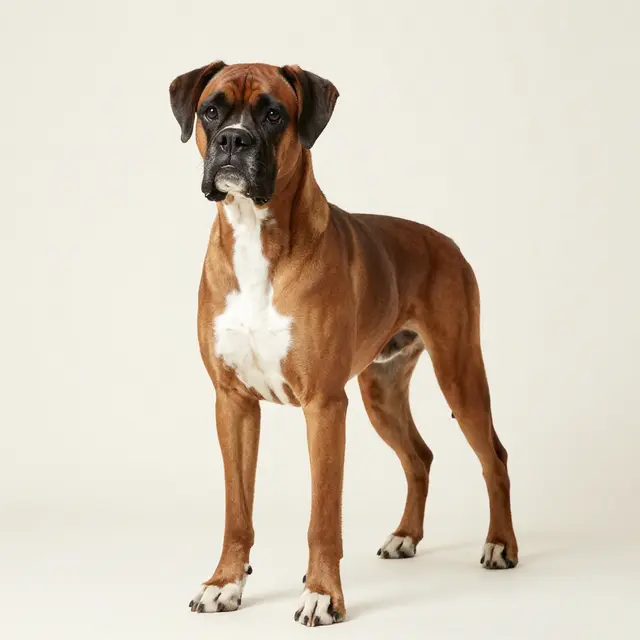
Boxer
A bouncy, playful and devoted family dog that stays puppy-like for years — and needs the exercise to match.
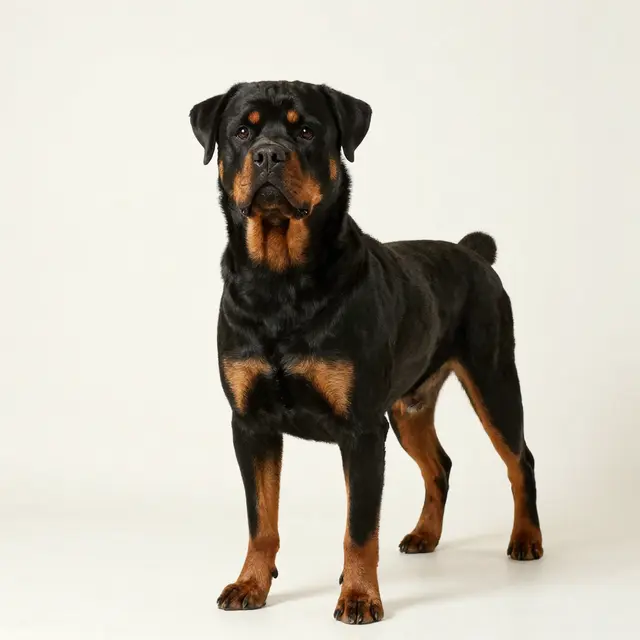
Rottweiler
A powerful, confident guardian that’s calm and devoted in the right hands — but needs an experienced owner.
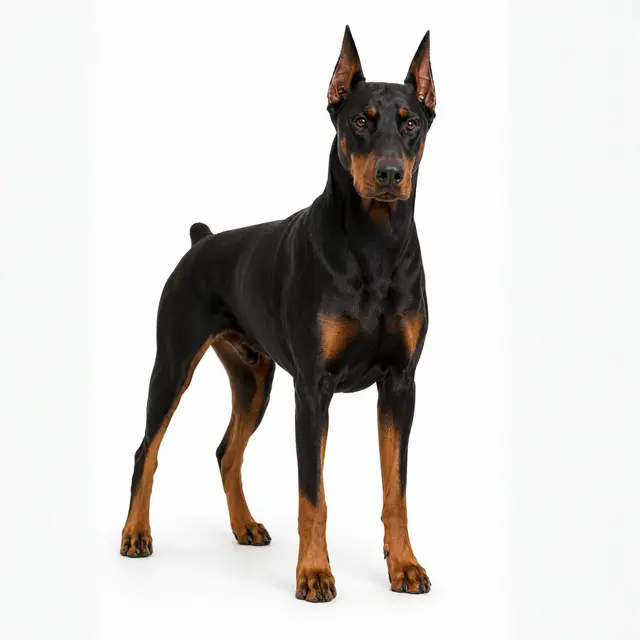
Dobermann
A sleek, athletic and intensely loyal guardian — highly trainable, but a serious commitment for active owners.
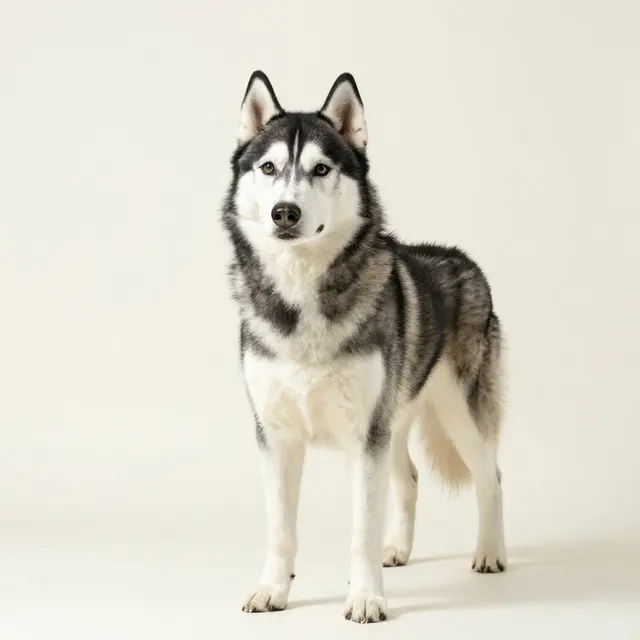
Siberian Husky
A stunning, independent sled dog built for endurance — beautiful, but a real handful for the unprepared.
Similar temperament
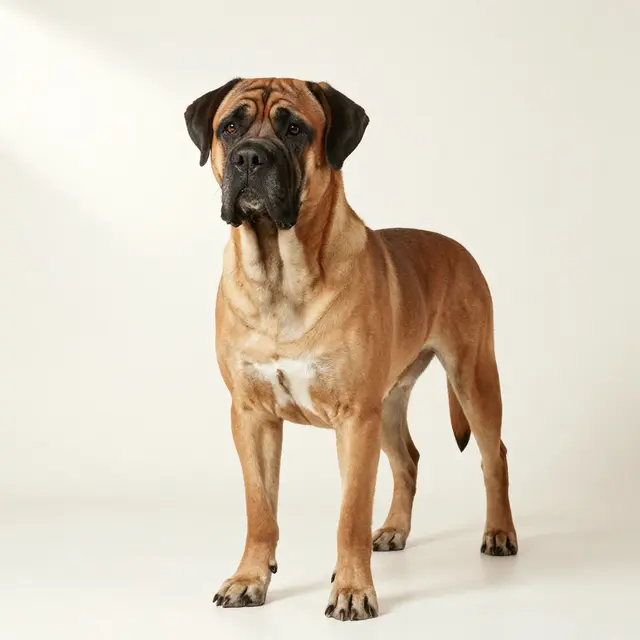
Bullmastiff
A powerful but surprisingly calm guardian — gentle and devoted with its family, naturally protective without being aggressive.
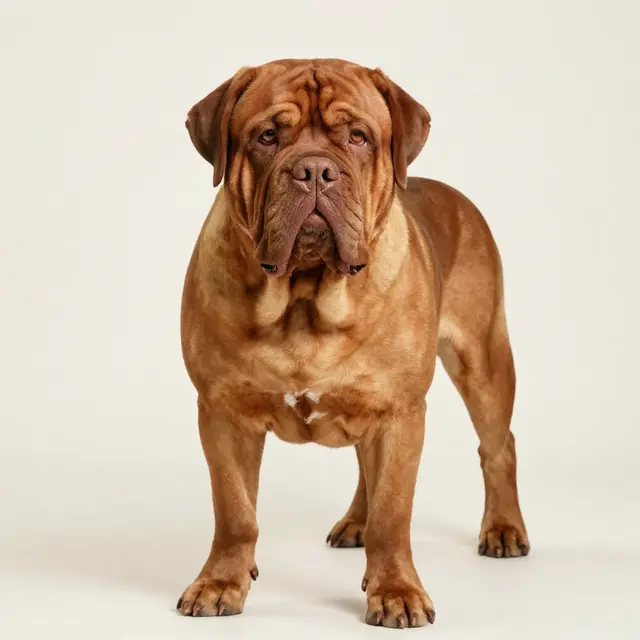
Dogue de Bordeaux
The French mastiff — powerful, calm and devoted, with a famously soulful wrinkled face and a short lifespan.
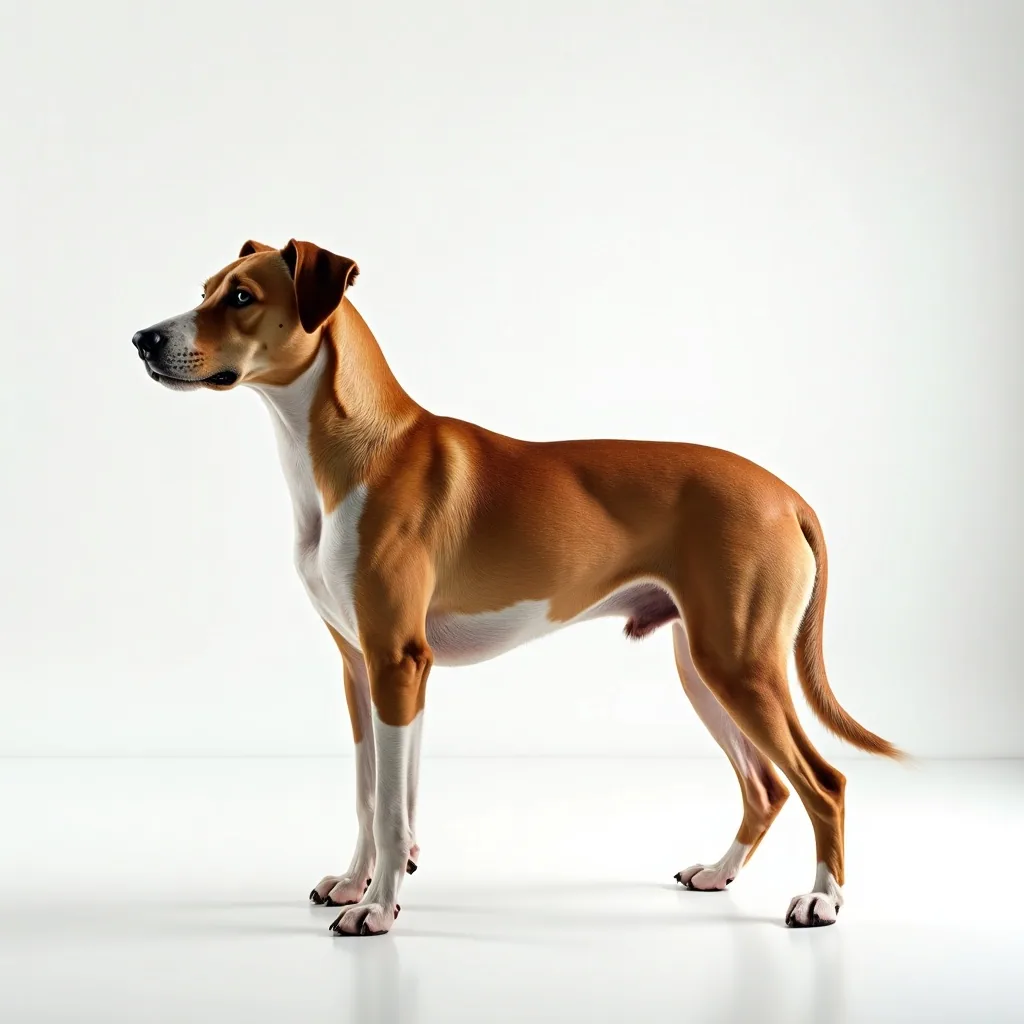
Broholmer
A large, calm Danish mastiff-type guarding dog. Good-natured and steady with its family, watchful with strangers, and surprisingly low-key indoors for its size.
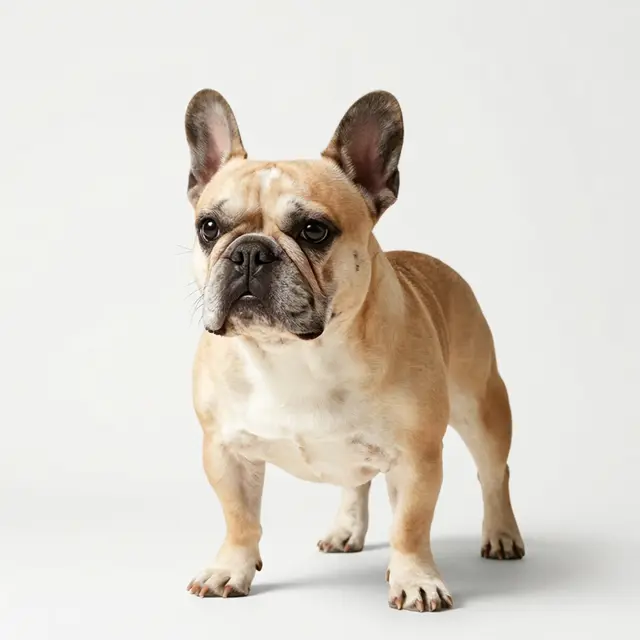
French Bulldog
A compact, easy-going companion that suits flats and modest exercise — but with serious health considerations.
Similar size, different type
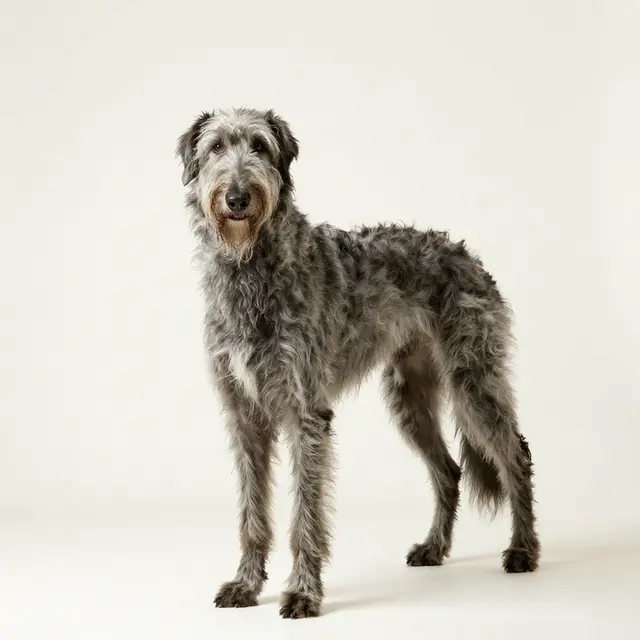
Irish Wolfhound
The tallest of all breeds — a gentle, calm and good-natured sighthound that is, sadly, one of the shortest-lived.
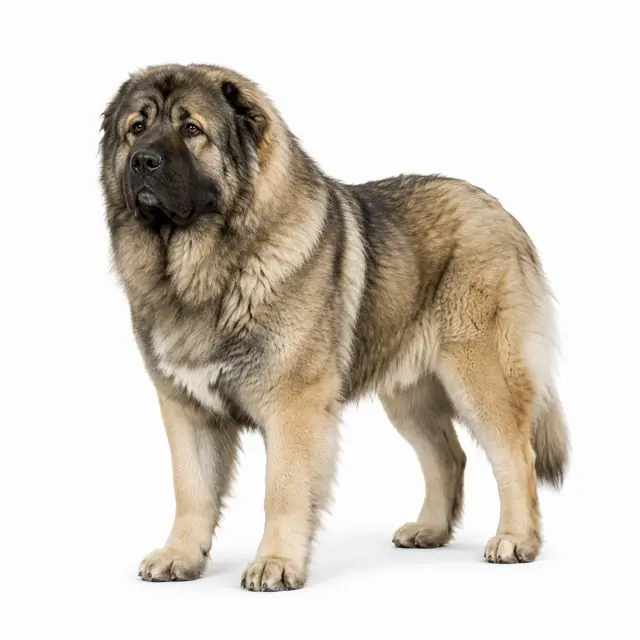
Caucasian Shepherd
An enormous livestock-guardian breed — fiercely protective and devoted, but strictly for very experienced owners.
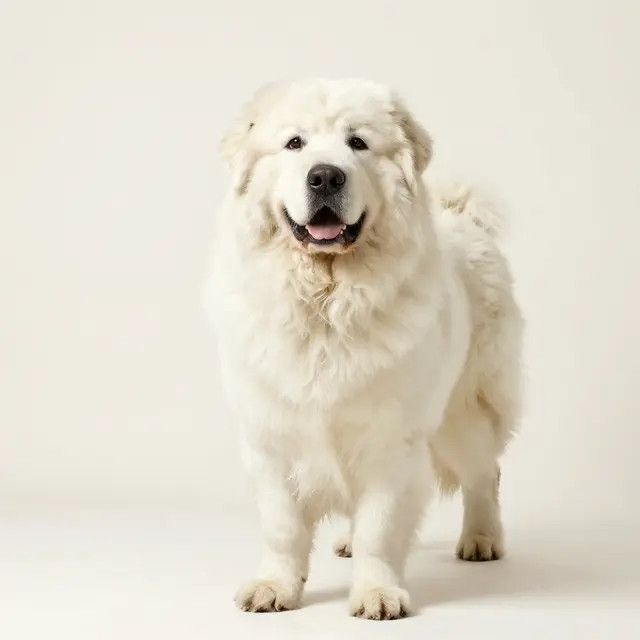
Pyrenean Mountain Dog
The majestic Great Pyrenees — a calm, devoted family guardian, independent and prone to night-time barking.
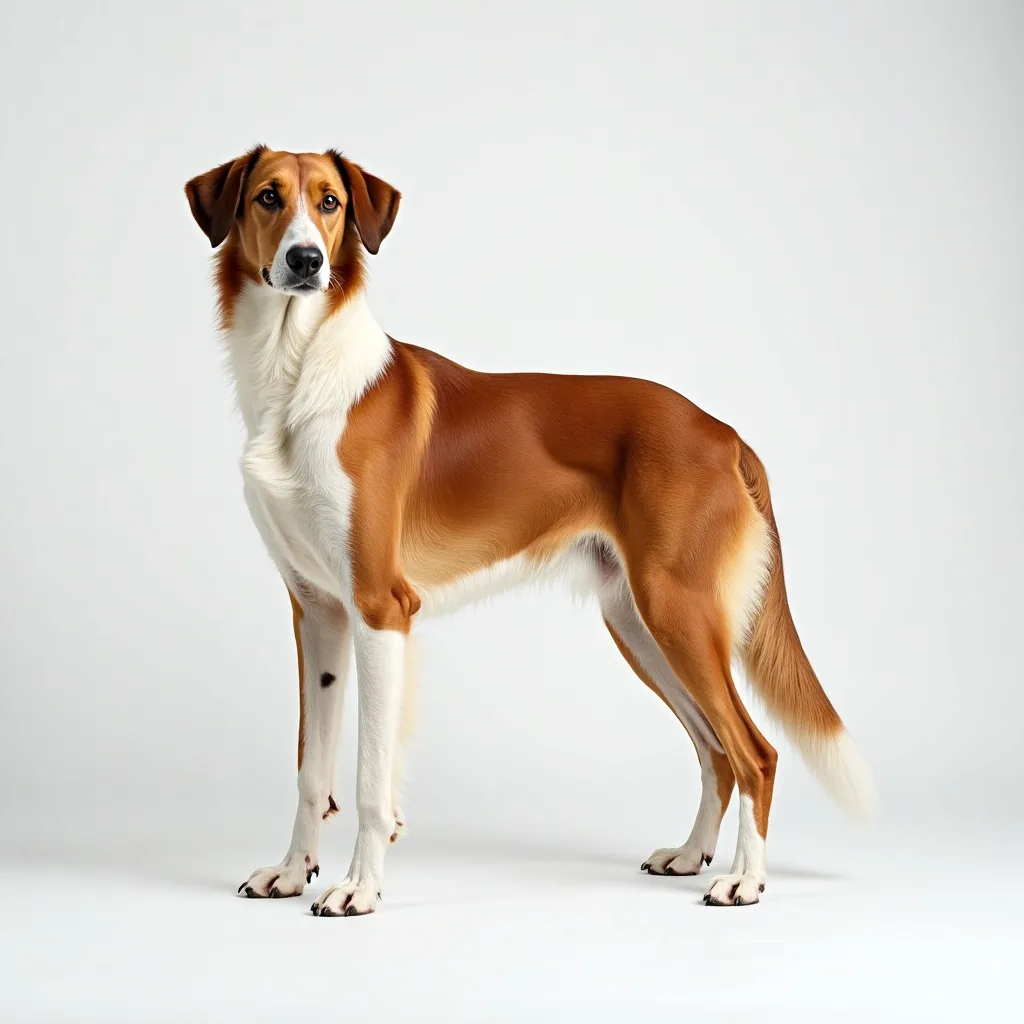
Borzoi
A tall, elegant Russian sighthound bred to course wolves. Gentle and quiet indoors but aloof and independent, with a very strong prey drive and the need for safe space to run.
Is the English Mastiff your breed?
Create your pet profile and get personalised food, toy, insurance and health recommendations — tailored to your dog.
Frequently asked questions
How long do English Mastiffs live?
English Mastiffs typically live to around 7–10 years. As one of the heaviest giant breeds, their lifespan is naturally shorter than smaller dogs — this is the honest trade-off of a giant breed. Buying from health-tested parents, keeping your dog lean, managing bloat and joint risks, and staying on top of vet care all help yours reach the upper end of that range.
What health problems are English Mastiffs prone to?
English Mastiffs are prone to hip and elbow dysplasia, bloat (GDV — a life-threatening emergency in deep-chested breeds), heart conditions such as cardiomyopathy and subaortic stenosis, several cancers, cruciate ligament injuries, and eye conditions like entropion, ectropion and cherry eye. Their heavy head can bring some heat and breathing sensitivity. Health-testing breeders and prompt vet attention reduce the impact of these issues.
Are English Mastiffs good family dogs?
Yes — English Mastiffs are famously gentle giants: calm, devoted and naturally protective of their family. They're typically patient and good-natured with children they're raised with. But their sheer size means even a friendly nudge can knock a toddler over, so supervision is essential. They also drool and need space. Early socialisation helps this guardian breed grow into a steady, confident adult.
How big do English Mastiffs get?
English Mastiffs are one of the heaviest dog breeds in the world. Males commonly weigh around 68–90kg and stand roughly 76cm or more at the shoulder; females are a little smaller but still very large, often 54–77kg. They're massive, powerfully built dogs, so calm training, careful socialisation and a lean body condition all matter enormously for a dog of this size.
Do English Mastiffs drool a lot?
Yes — drooling is a normal part of life with an English Mastiff. Their loose lips and heavy jowls mean they slobber, especially after drinking, eating or when excited or hot. Keeping a 'drool towel' to hand is a Mastiff owner rite of passage. It's not a health problem, but if drooling suddenly increases or smells unusual, have your vet check for mouth or dental issues.
How much exercise does an English Mastiff need?
English Mastiffs need moderate, not excessive, exercise — typically a couple of gentle walks a day for a healthy adult. They're a calm, fairly low-energy breed and overexercising, especially in growing puppies, can damage developing joints. Controlled, steady activity keeps them fit and lean without straining a giant frame. Avoid strenuous exercise in heat, as the heavy head makes them prone to overheating.
Are English Mastiffs prone to bloat?
Yes. As a large, deep-chested breed, the English Mastiff is at real risk of bloat (GDV), a sudden emergency where the stomach fills with gas and can twist. Learn the signs — a swollen hard belly, unproductive retching, restlessness and distress — and treat it as a 999-for-dogs emergency. Feeding measured meals, using a slow feeder and keeping things calm around mealtimes all help reduce the risk.
At what age is an English Mastiff a senior?
As a giant breed, an English Mastiff is generally considered senior from around five to six years old — earlier than most dogs. It's a sensible point to move to twice-yearly vet checks, watch closely for joint, heart and lump changes, keep your dog lean, and adapt exercise and bedding to support a very large, ageing body and protect those hard-working joints.
Do English Mastiffs overheat easily?
They can. The English Mastiff's heavy head and bulk mean some dogs have a degree of heat and breathing sensitivity, and their size makes shedding heat harder than for a lean dog. Avoid exercise in the heat of the day, always provide shade and fresh water, never leave a Mastiff in a warm car, and watch for heavy panting, distress or collapse — heatstroke is an emergency.
How can I help my English Mastiff live longer?
Keep them lean — extra weight is hard on giant joints and the heart. Feed measured meals to reduce bloat risk, raise puppies with controlled, gentle growth, and exercise moderately rather than excessively. Stay alert to lumps, breathing changes, lethargy or stiffness and seek prompt vet attention. Choose a puppy from health-tested parents, and move to twice-yearly check-ups as your dog ages.
Are English Mastiffs good with children?
Good with children. As a general guide, English Mastiffs tend to be patient and tolerant. Whatever the breed, always supervise dogs and young children and teach kids to interact gently.
How much exercise does an English Mastiff need?
As a healthy adult, a typical English Mastiff needs around 30 minutes (gentle, broken into shorter walks) of exercise a day (30–45 minutes), split across walks plus play. A good sniffy walk plus some play and training usually keeps them happy. Puppies, seniors and dogs with health conditions need less — ask your vet.
Do English Mastiffs shed a lot?
Moderate shedding. Coat upkeep is wash-and-go — a quick brush now and then is usually enough.
Are English Mastiffs easy to train and good for first-time owners?
Better with some experience. English Mastiffs are best for owners ready to commit to consistent training and plenty of activity. Reward-based training and early socialisation help any dog.
Do English Mastiffs bark a lot?
Quiet. They are usually fairly easy-going about barking, though any dog will bark if bored or under-exercised.
Are English Mastiffs good with other dogs?
Generally fine with other dogs. Early, positive socialisation with other dogs from a young age makes a big difference.
Do English Mastiffs suit flats or smaller homes?
Needs plenty of space. A English Mastiff really needs plenty of space and a lot of daily activity — not ideal for a small flat.
Sources
- The Kennel Club (UK) — Mastiff breed information: https://www.thekennelclub.org.uk/breeds/mastiff/
- Fédération Cynologique Internationale (FCI) — Mastiff (English Mastiff) breed standard: https://www.fci.be/en/nomenclature/MASTIFF-264.html
- PDSA — dog care and health advice, including bloat: https://www.pdsa.org.uk/pet-help-and-advice
- Blue Cross — dog breed and care advice: https://www.bluecross.org.uk/advice/dog
Recommended for your English Mastiff
Matched to a English Mastiff's size and their typical need for no-pull walking kit, a cosy bed, joint & mobility support.

Reflective Two-Tone Dog Harness and Lead Set
A bright two-tone step-in dog harness with a matching lead. Adjustable straps and quick-release buckles give a snug fit, while reflective trim keeps your dog visible on darker walks.
£7.99

L-Shaped Bolster Sofa Dog Bed
A supportive L-shaped sofa bed with a raised bolster back and side for your dog to rest their head. The thick padded base cushions joints, and the soft rose-velvet cover is removable and washable for easy care.
From£44.99

Ice-Silk Sofa Cover Pet Protector
A cool, smooth ice-silk sofa cover with a frilled, scalloped trim that shields your couch from pet hair, scratches and spills. Breathable for summer, it keeps furniture looking fresh while giving pets a soft spot to lounge.
From£11.99

Oval Bolstered Nest Pet Bed
A deep oval nest bed with high ribbed-plush bolster walls that cradle pets for a sense of security. The soft cushioned base offers a warm, supportive spot to curl up and sleep.
From£28.99

Plush Bee Cat Harness and Lead Set
A soft plush cat harness with a 3D bee charm and a matching lead, adjustable at neck and chest, made for kittens, cats and very small dogs on gentle outings.
£7.99

Corduroy Dog Harness with Bow
A soft corduroy step-in dog harness with breathable mesh lining and gold-tone alloy buckles. The adjustable fit and pretty bow detail make walks comfortable and stylish for small and medium dogs.
From£7.99


Orthopaedic Memory Foam Dog Sofa Bed
An orthopaedic memory-foam dog bed with supportive bolster sides for head and neck resting. The egg-crate foam core cushions joints and distributes weight, ideal for older or larger dogs needing extra support.
From£39.99
Suggestions based on breed traits — always check sizing and suitability for your individual dog.
Got a English Mastiff? Save them to a pet profile for tailored picks across the whole site.
Happier, healthier pets — in your inbox.
Breed care tips, seasonal advice and first access to new arrivals. No spam, unsubscribe anytime.
Every dog is an individual — temperament and needs vary. Please research thoroughly, meet dogs in person, and consider adopting from a rescue. This is general guidance, not a substitute for advice from your vet or a qualified trainer.