
English Mastiff Exercise, Growth & Care
English Mastiffs need controlled puppy growth and moderate, not excessive, exercise. How to protect giant joints, manage heat sensitivity, and care for a gentle giant.
The quick answer
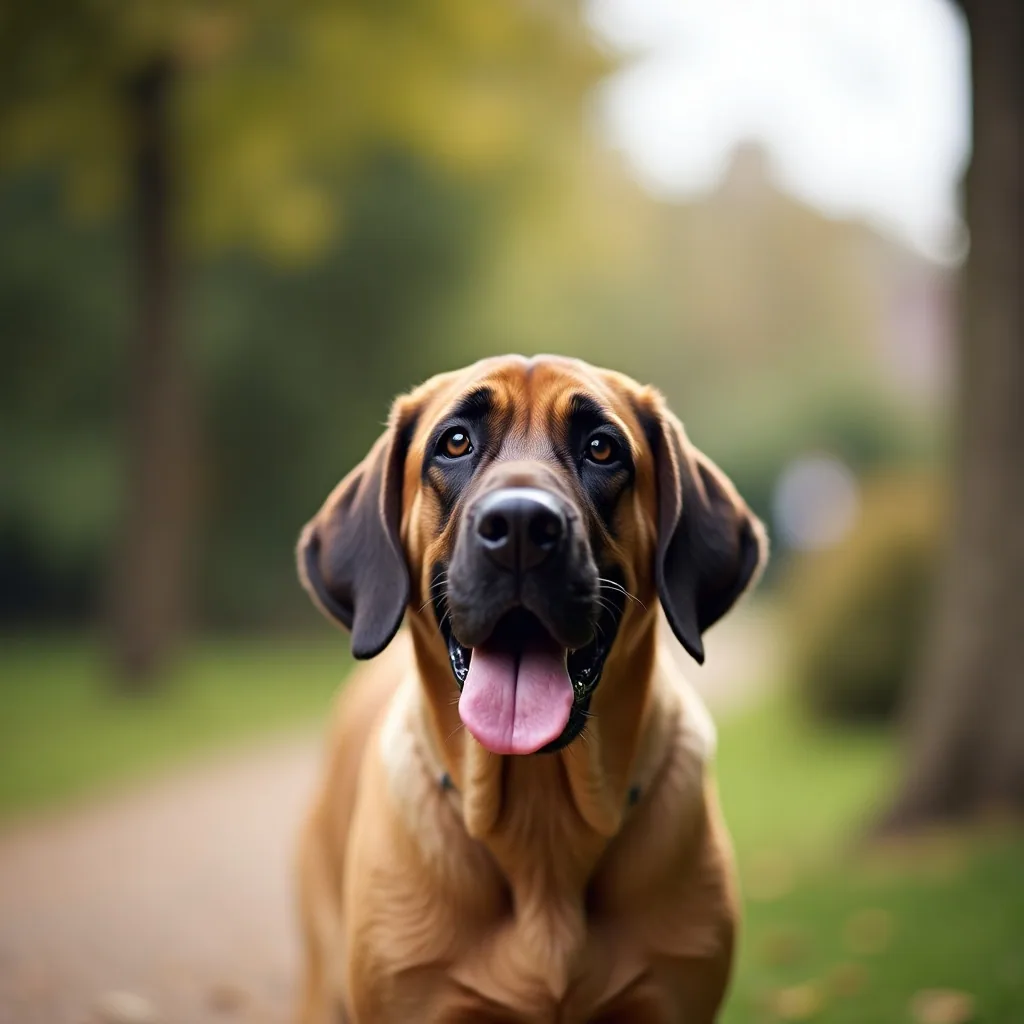
English Mastiffs need moderate, not excessive, exercise — typically a couple of gentle walks a day for a healthy adult. They're a calm, fairly low-energy breed and overexercising, especially in growing puppies, can damage developing joints. Controlled, steady activity keeps them fit and lean without straining a giant frame.
Caring for an English Mastiff is, in many ways, about restraint — protecting growing joints, exercising moderately rather than hard, and managing the realities of a giant, heavy-headed dog. Get the early years right and you set your Mastiff up for the healthiest, most comfortable life their giant frame allows. Here's how to handle exercise, growth and everyday care.
Controlled growth in puppyhood
The single most important thing you can do for a Mastiff puppy is to let them grow slowly and steadily. Giant-breed puppies grow at an astonishing rate, and their bones, joints and growth plates are vulnerable while developing. Pushing too much exercise, allowing them to become overweight, or feeding to force fast growth all increase the risk of joint problems like hip and elbow dysplasia later in life.
Keep puppy exercise gentle and limited — short, calm outings rather than long hikes or repetitive games. Avoid jumping, stairs and rough play while the joints are developing, and don't let a heavy puppy leap on and off furniture. Feed a diet formulated for large- or giant-breed growth, ask your vet about the right amount, and keep your puppy lean. A slightly underweight giant puppy is far safer than a chubby one.
Moderate exercise for adults
Contrary to what their size suggests, adult English Mastiffs are a calm, fairly low-energy breed and need moderate, not excessive, exercise — typically a couple of gentle walks a day for a healthy adult. They're not built for marathon running or intense agility; their job is to be a steady, mellow companion. Overexercising can strain the joints and heart of such a heavy dog, so steady, regular activity that keeps them fit and lean is the goal, rather than high-intensity exertion.
A well-fitted, comfortable harness helps you walk a powerful dog without strain on the neck, and gives you better, kinder control on the lead.
Managing heat and breathing
The Mastiff's heavy head and bulk mean some dogs have a degree of heat and breathing sensitivity, and their sheer size makes shedding heat harder than for a lean dog. Take real care in warm weather:
- Walk in the cool of early morning or evening, never in the midday heat.
- Always provide shade and fresh water.
- Never leave a Mastiff in a warm car, even briefly.
- Watch for heavy panting, distress, drooling more than usual, or collapse — heatstroke is an emergency and giant dogs are especially vulnerable.
Weight, joints and comfort
Keeping your Mastiff lean throughout life is one of the kindest things you can do — every extra kilo is a burden on giant joints and the heart. Feed measured meals, watch the treats, and ask your vet to check body condition at each visit. A large, supportive bed that distributes their weight and cushions the joints makes a real difference, especially as they age, since giant breeds become senior early — often by five or six.
Feeding and bloat care
Because the Mastiff is a deep-chested breed at risk of bloat (GDV), how you feed matters. Offer measured meals rather than one huge daily feed, use a slow feeder if your dog gulps, and keep things calm around mealtimes. Know the signs of bloat — a swollen, hard belly, unproductive retching, restlessness and distress — and treat it as a 999-for-dogs emergency.
Everyday grooming and care
Mastiffs have a short, easy coat that needs only weekly brushing, but the wrinkles and jowls benefit from regular wiping to keep them clean and dry, and you'll be managing drool daily. Check the eyes for signs of entropion, ectropion or cherry eye, keep nails trimmed, and stay on top of dental and ear care. Regular gentle handling from puppyhood makes all of this far easier with a dog this size.
Building good habits early
The themes of Mastiff care — restraint, routine and prevention — all start in puppyhood. A young Mastiff who learns to settle calmly, to be handled all over, to walk politely on a harness and to wait quietly at mealtimes becomes a far easier giant to live with. Keep training sessions short, kind and reward-based, and weave handling into everyday life so that nail trims, ear checks and wrinkle-cleaning are simply normal. Investing this time while your dog is small pays off enormously once they reach their full, formidable size.
*This is general guidance, not a substitute for advice from your vet, who can assess your individual dog.*
Sources
- RVC VetCompass — UK dog health and joint-disease research (rvc.ac.uk/vetcompass).
- UK Kennel Club & BVA — breed care, exercise and hip/elbow screening guidance (thekennelclub.org.uk).
- PDSA — puppy growth, exercise and breed care (pdsa.org.uk).
- Blue Cross — dog exercise and heat-safety advice (bluecross.org.uk).
Common questions
How much exercise does an English Mastiff need?
English Mastiffs need moderate, not excessive, exercise — typically a couple of gentle walks a day for a healthy adult. They're a calm, fairly low-energy breed and overexercising, especially in growing puppies, can damage developing joints. Controlled, steady activity keeps them fit and lean without straining a giant frame. Avoid strenuous exercise in heat, as the heavy head makes them prone to overheating.
How should I exercise an English Mastiff puppy?
Keep it gentle and limited. Giant-breed puppies have vulnerable, developing joints, so avoid long walks, jumping, stairs and rough play. Short, calm outings, a giant-breed growth diet, and keeping your puppy lean all protect the joints and reduce the risk of hip and elbow dysplasia later. Let a Mastiff puppy grow slowly and steadily — never push fast growth or hard exercise.
Do English Mastiffs overheat easily?
They can. The Mastiff's heavy head and bulk mean some dogs have heat and breathing sensitivity, and their size makes shedding heat harder. Walk in the cool of the day, always provide shade and fresh water, never leave a Mastiff in a warm car, and watch for heavy panting, distress or collapse — heatstroke is an emergency, and giant dogs are especially vulnerable.
About the author
Matt Garnett — founder, Giddy Pets
Matt started Giddy Pets to make getting pets the good stuff simpler and fairer. Everything in these guides comes from real life with pets and a lot of trial and error — it's practical guidance, not veterinary advice. If a guide gets something wrong, tell him directly.
Free tools & more guides
Read next
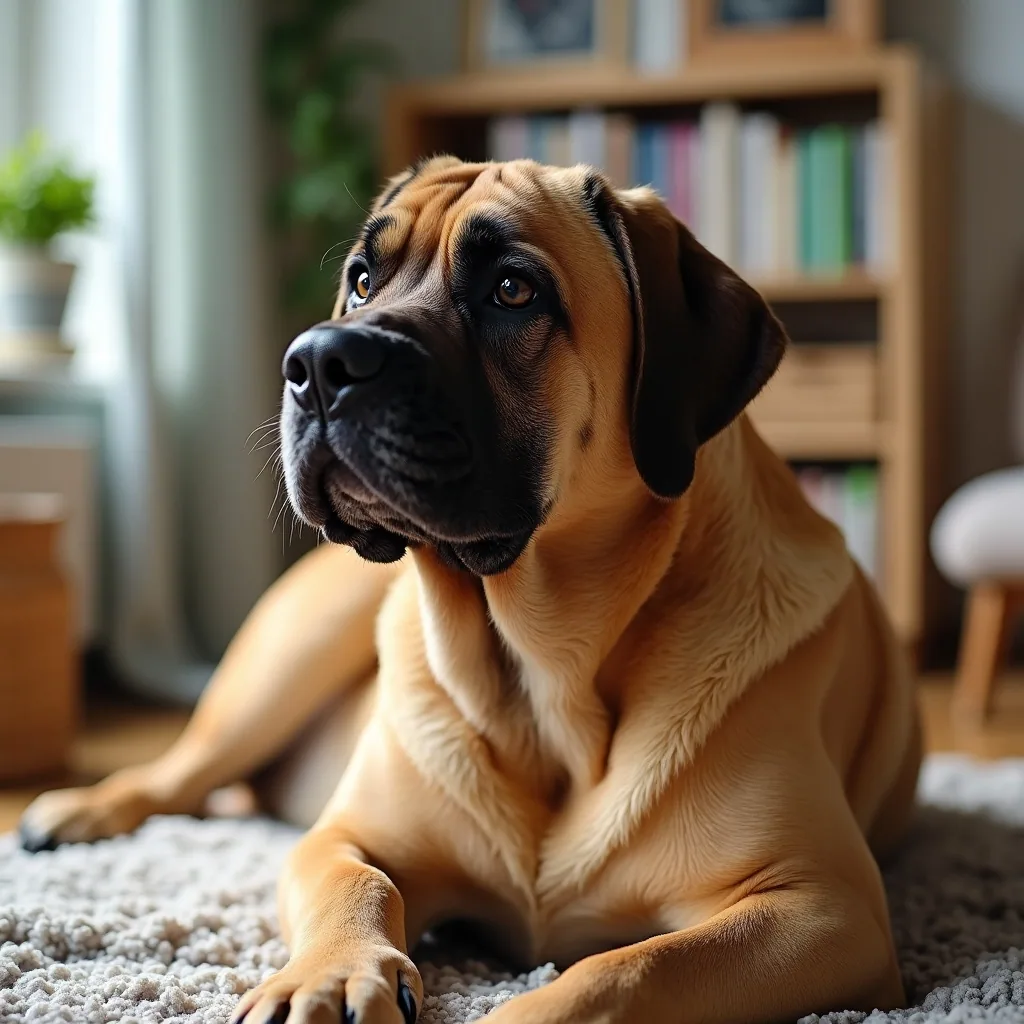
How Much Does an English Mastiff Cost to Keep in the UK?
English Mastiffs are a giant breed with giant costs. A realistic UK guide to food, insurance, vet care, equipment and the lifetime price of a gentle giant.

How Long Do English Mastiffs Live? Lifespan & Health
English Mastiffs live around 7–10 years. The giant-breed lifespan, plus the bloat, heart, joint and cancer issues this gentle giant is prone to — and how to help yours stay well.
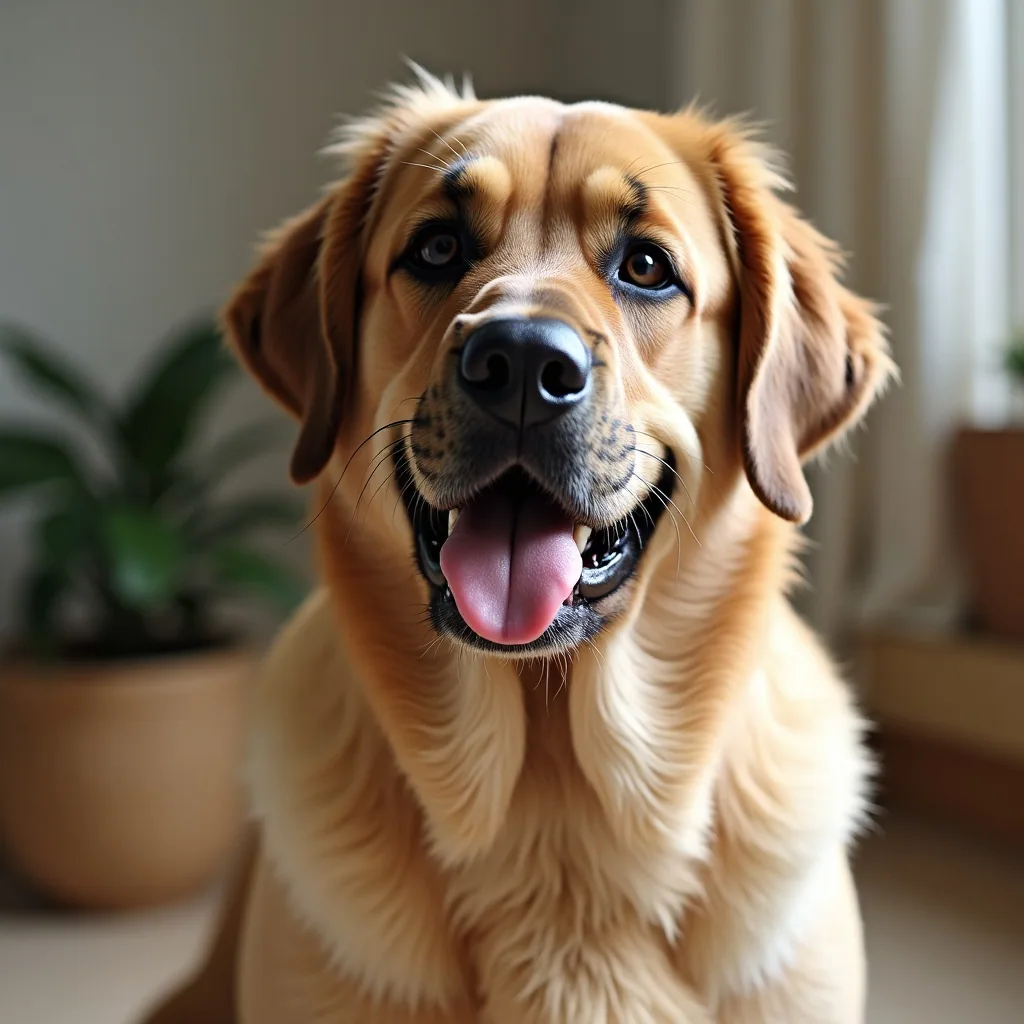
Are English Mastiffs Good Family Dogs? Temperament & Fit
English Mastiffs are famously gentle giants — calm, devoted and protective. The temperament, the size and drool realities, and how socialisation shapes a steady family dog.
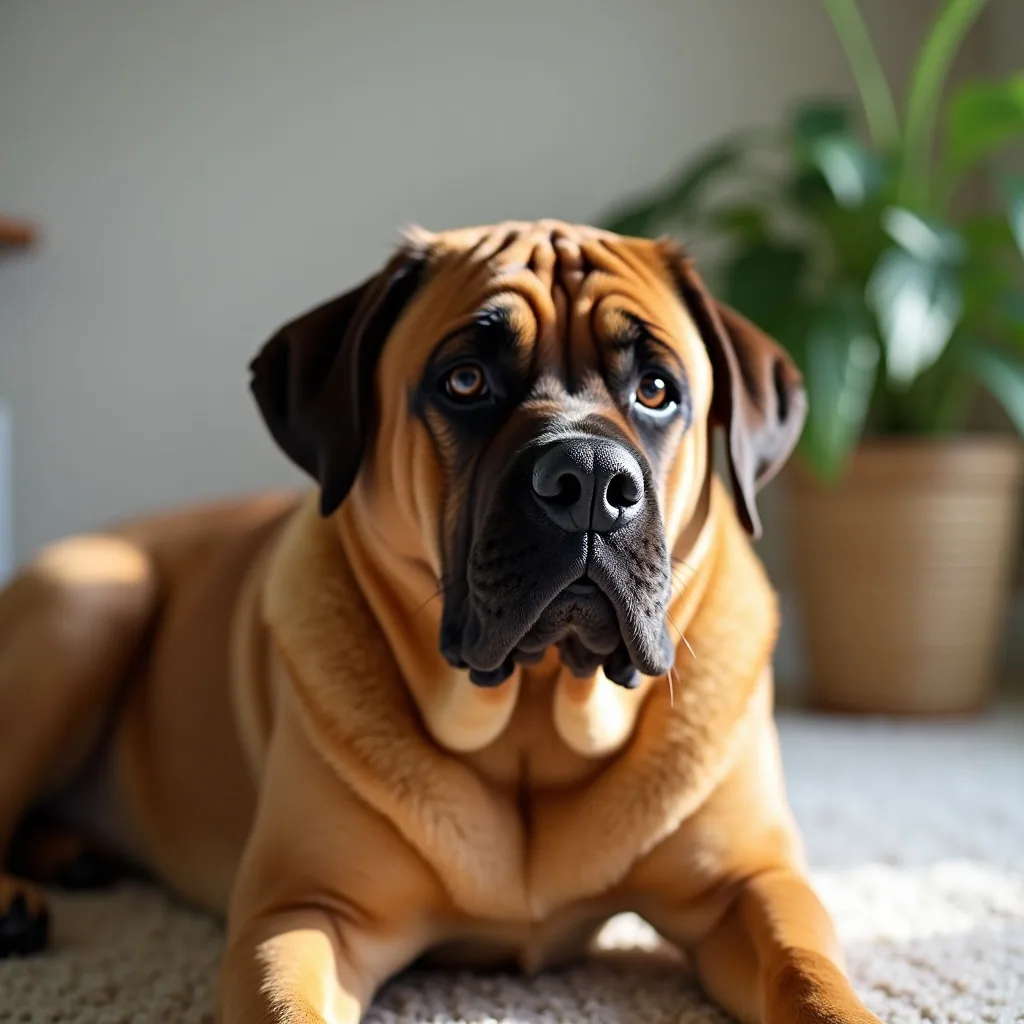
Bullmastiff Exercise & Care: Heat, Drool and Daily Needs
How much exercise a Bullmastiff needs, why heat is a real risk for this shortened-muzzle breed, managing the drool, and the daily care a giant dog needs.