
Are English Mastiffs Good Family Dogs? Temperament & Fit
English Mastiffs are famously gentle giants — calm, devoted and protective. The temperament, the size and drool realities, and how socialisation shapes a steady family dog.
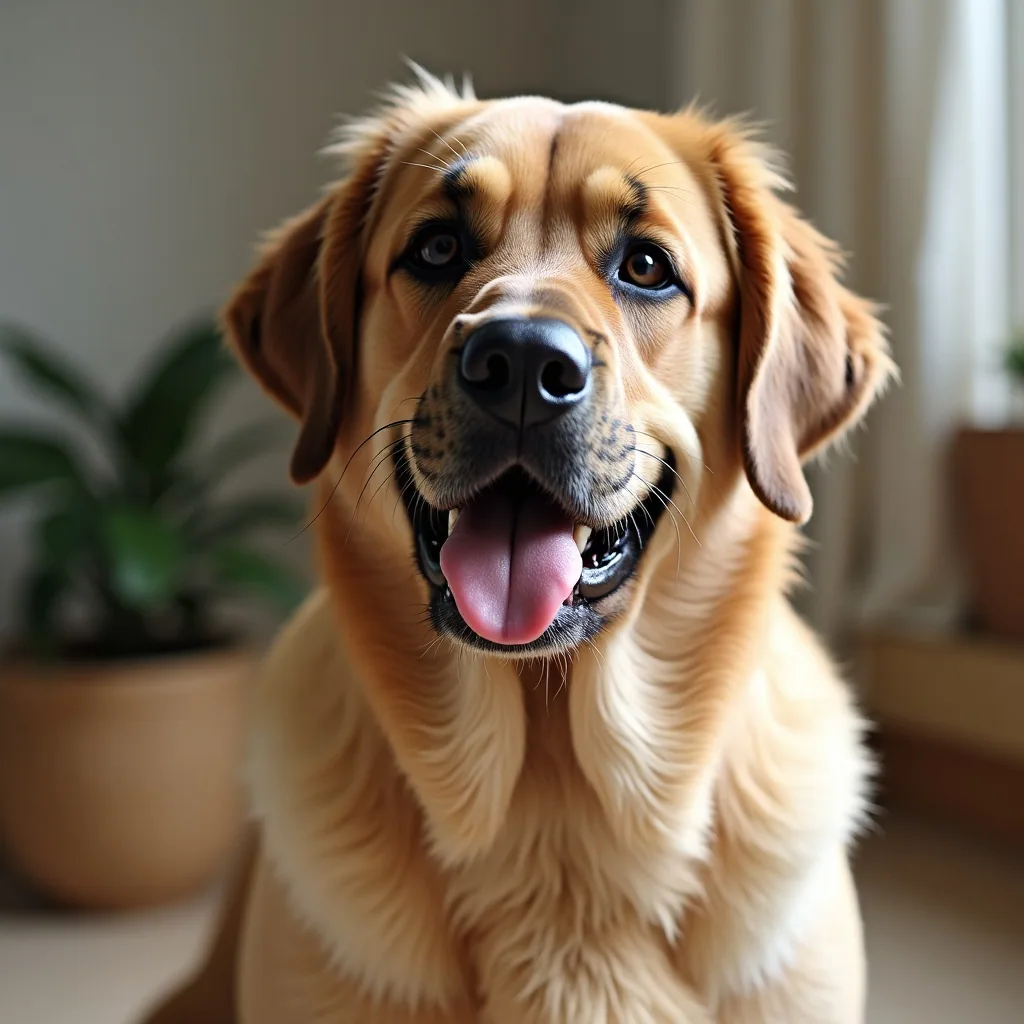
The quick answer
Yes — English Mastiffs are famously gentle giants: calm, devoted and naturally protective of their family. They're typically patient and good-natured with children they're raised with. But their sheer size means even a friendly nudge can knock a toddler over, so supervision is essential.
The English Mastiff has a reputation as the ultimate gentle giant: a calm, devoted, naturally protective dog wrapped in an enormous, slobbery package. But are they a good fit for family life? For the right home, very much so — provided you understand the realities of living with one of the world's heaviest breeds. Here's an honest look at the Mastiff temperament and family fit.
The gentle-giant temperament
English Mastiffs are, at heart, calm, steady and deeply devoted dogs. They form strong bonds with their family and are typically good-natured and patient with the children they're raised with. They have a natural guarding instinct — a Mastiff's mere presence is a deterrent — but a well-bred, well-socialised Mastiff is mellow rather than aggressive, confident rather than nervous. They're not a high-energy or excitable breed; they're happiest as a quiet, affectionate companion who likes to be near their people.
The size reality
There's no getting around it: this is a giant breed, and size shapes daily life. A Mastiff can weigh as much as an adult human, so even a friendly nudge or a wagging tail can knock over a toddler or an elderly relative. They need space — a small flat is not a fair home for a dog this large. Supervision around small children is essential, not because Mastiffs are unkind, but because their sheer bulk demands it. Teaching children to respect the dog's space, and never to climb or lean on them, keeps everyone safe.
The drool (and other realities)
Mastiffs drool — there's no polite way around it. Loose lips and heavy jowls mean slobber, especially after drinking, eating, or when hot or excited. A 'drool towel' draped over the shoulder is a genuine Mastiff-owner rite of passage, and you'll find slobber on walls, trousers and the occasional unsuspecting guest. They can also be prone to flatulence, and they're not the cheapest breed to feed or insure. None of this is a deal-breaker for devoted owners — but it's better known before you commit.
Socialisation matters
Because Mastiffs are so large and so protective, early, thorough socialisation is essential. A confident, well-socialised Mastiff takes new people, dogs, sights and sounds in their calm stride; an under-socialised one can become wary or unsure, which is a problem in a dog this powerful. Introduce your puppy positively to a wide variety of experiences during their early months, and continue gentle exposure throughout their life. Reward-based training works best — Mastiffs are sensitive, intelligent dogs who respond poorly to harsh handling.
Are they good with other pets?
Many English Mastiffs live happily alongside other dogs and even cats, especially when raised with them. Their calm temperament tends to help. As always, early socialisation, careful introductions and supervision are key, and their size means play with smaller animals should be watched. Every dog is an individual, so judge your own dog rather than relying on breed generalisations.
Who suits an English Mastiff?
Mastiffs suit families and owners who:
- Have the space indoors and out for a giant dog.
- Are prepared for drool, size and the costs of a big breed.
- Want a calm, devoted companion rather than a sporty, high-energy dog.
- Will commit to early socialisation and reward-based training.
- Can supervise sensibly around small children and pets.
For the right home, the English Mastiff is one of the most affectionate, loyal and characterful companions you could ask for — a true gentle giant who'll devote themselves entirely to their family. A comfortable, supportive bed and some sturdy toys help a calm Mastiff settle happily into family life.
A breed for the prepared
The families who thrive with a Mastiff are the ones who do their homework first. They understand that this is a long-term commitment to a dog who will be enormous, who will slobber, who will cost real money to feed and insure, and who will need patient, kind training. In return they get a steady, dignified, deeply loving companion — a dog who is content to lie at your feet, who watches over the household quietly, and whose gentle nature with the family is the very heart of the breed's appeal. If that picture suits your home, few dogs reward devotion as fully as an English Mastiff.
*This is general guidance, not a substitute for advice from your vet or a qualified behaviourist, who can assess your individual dog.*
Sources
- RVC VetCompass — UK dog health and behaviour research (rvc.ac.uk/vetcompass).
- UK Kennel Club & BVA — breed temperament and ownership guidance (thekennelclub.org.uk).
- PDSA — dog behaviour and breed care (pdsa.org.uk).
- Blue Cross — dog behaviour and family suitability (bluecross.org.uk).
Common questions
Are English Mastiffs good family dogs?
Yes — English Mastiffs are famously gentle giants: calm, devoted and naturally protective of their family. They're typically patient and good-natured with children they're raised with. But their sheer size means even a friendly nudge can knock a toddler over, so supervision is essential. They also drool and need space. Early socialisation helps this guardian breed grow into a steady, confident adult.
Do English Mastiffs drool a lot?
Yes — drooling is a normal part of life with an English Mastiff. Their loose lips and heavy jowls mean they slobber, especially after drinking, eating or when excited or hot. Keeping a 'drool towel' to hand is a Mastiff owner rite of passage. It's not a health problem, but if drooling suddenly increases or smells unusual, have your vet check for mouth or dental issues.
Are English Mastiffs good with children?
English Mastiffs are typically patient and good-natured with children they're raised with, and many are wonderfully gentle. But their giant size means even a friendly nudge can knock a small child over, so close supervision is essential. Teach children to respect the dog's space and never to climb on them, and socialise your Mastiff well from puppyhood for a calm, steady family dog.
About the author
Matt Garnett — founder, Giddy Pets
Matt started Giddy Pets to make getting pets the good stuff simpler and fairer. Everything in these guides comes from real life with pets and a lot of trial and error — it's practical guidance, not veterinary advice. If a guide gets something wrong, tell him directly.
Free tools & more guides
Read next

How Long Do English Mastiffs Live? Lifespan & Health
English Mastiffs live around 7–10 years. The giant-breed lifespan, plus the bloat, heart, joint and cancer issues this gentle giant is prone to — and how to help yours stay well.

English Mastiff Exercise, Growth & Care
English Mastiffs need controlled puppy growth and moderate, not excessive, exercise. How to protect giant joints, manage heat sensitivity, and care for a gentle giant.
How Much Does an English Mastiff Cost to Keep in the UK?
English Mastiffs are a giant breed with giant costs. A realistic UK guide to food, insurance, vet care, equipment and the lifetime price of a gentle giant.

Are Bullmastiffs Good Family Dogs? Temperament & Training
Bullmastiffs are calm, devoted family guardians. Their gentle-giant temperament, why early socialisation matters, and the UK legal facts — not banned.