
Chiweenie
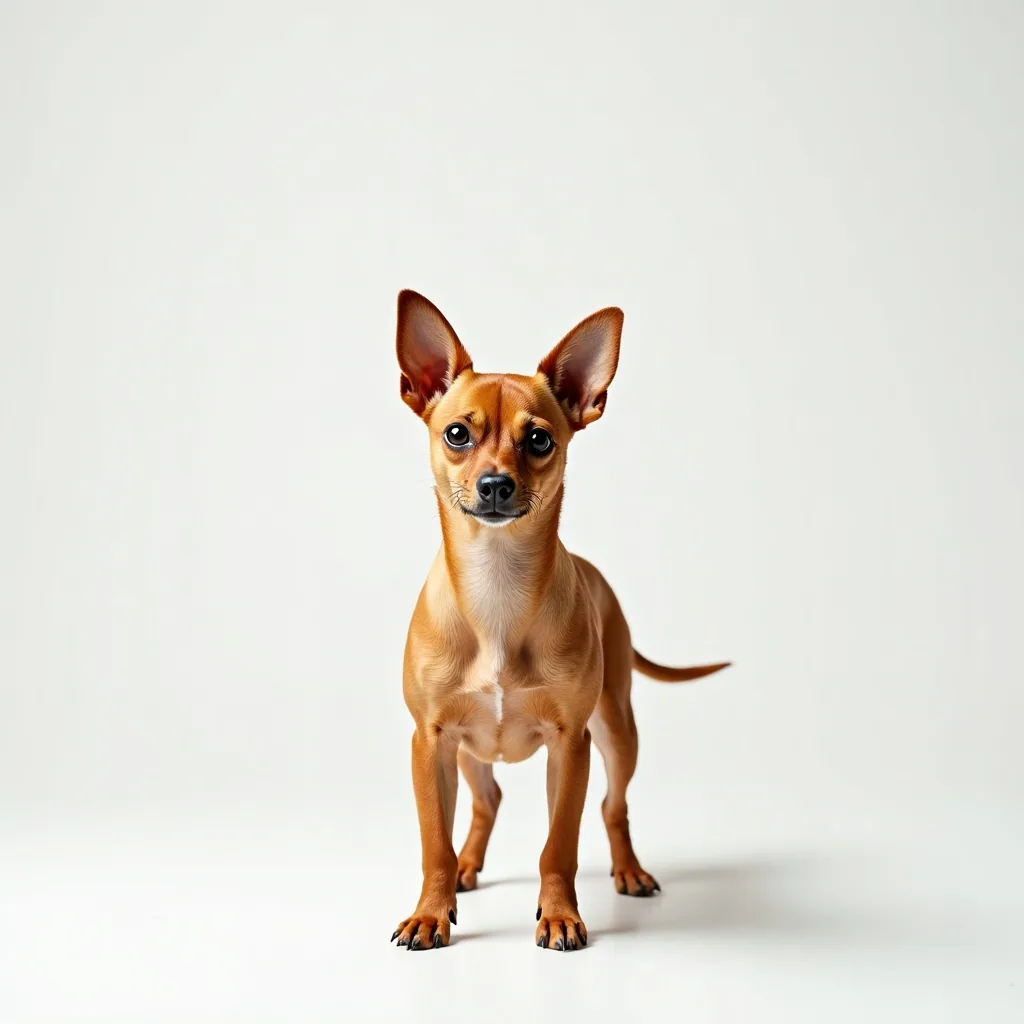
A tiny, bold Chihuahua–Dachshund cross that is devoted to its owner and makes a lively companion. Can be vocal and stubborn, and may inherit the Dachshund's long-backed build. Coat and shape vary depending on which parent they take after.
Chiweenie scorecard
Overview
The Chiweenie is a small designer crossbreed produced by mating a Chihuahua with a Dachshund. It is a tiny, characterful companion dog that often combines the Chihuahua's bold, devoted personality with the Dachshund's long body and lively temperament. Typical adults stand around 15-25 cm at the shoulder and weigh roughly 3-6 kg, making them true lapdogs well suited to flats and smaller homes.
As with all such crosses, the Chiweenie is not recognised by The Kennel Club or the FCI, has no breed standard and no registry, and varies widely between individuals. A Chiweenie can favour either parent in body length, coat, ear shape and temperament, so it is best understood as a blend of the well-documented Chihuahua and Dachshund rather than a fixed, predictable breed.
Good to know — a Chiweenie is flat-friendly and manageable for committed beginners. Every dog is an individual, so meet a few and chat to a good breeder or rescue before deciding.
Save the Chiweenie guide
Thinking about a Chiweenie? Pop your email in and we’ll send this guide so you can come back to it any time — handy while you compare breeds.
Popular searches for the Chiweenie
History & origins
The Chiweenie is a modern designer cross with no long documented history, popularised as part of the small-companion crossbreed trend. Its background is understood through its parents. The Chihuahua is a tiny breed of Mexican origin, the smallest recognised breed, kept as a devoted companion and placed by The Kennel Club in the Toy group. The Dachshund is a German breed developed to hunt badgers and other burrow-dwelling animals, with its distinctive long body and short legs designed for going to ground; it sits in the Kennel Club Hound group.
The Chiweenie therefore blends a tiny companion lineage with a determined working-hound lineage. The Dachshund's long-backed conformation is an important inheritance to be aware of, as it carries specific spinal health implications discussed below.
Temperament & family fit
Chiweenies are typically lively, affectionate, alert and devoted to their owners, often forming a very close bond with one or two people. The Chihuahua contributes boldness, loyalty and a big personality in a tiny frame, while the Dachshund adds curiosity, playfulness and a determined, sometimes stubborn streak. Many are confident, spirited little dogs that are far braver than their size suggests.
That boldness can tip into wariness or yappiness with strangers, and both parents can be vocal, so a Chiweenie may bark at noises and visitors. They can also be stubborn and, if over-indulged, demanding or snappy, particularly around young children who handle them roughly. Early socialisation and consistent boundaries help. Because temperament varies with the individual and the dominant parent, meeting the puppy and its parents is the best guide.
- Families with older, respectful children
- Owners ready for consistent training
- Flats or houses with daily exercise
Training & intelligence
Chiweenies are intelligent but can be strong-willed and a little stubborn, inheriting independence from both parents, so patient, consistent, reward-based training works best. Short, positive sessions with treats and praise suit their attention span, and early socialisation to people, dogs and everyday situations is important for a small dog that can otherwise become wary or reactive.
House-training can be slower in toy breeds, so a consistent routine and frequent opportunities help. It is also worth addressing barking early, teaching quiet and settle behaviours rather than letting alarm-barking become habitual. Owners should avoid "babying" the dog in ways that encourage demanding or guarding behaviour, and should handle the dog gently and teach children to do the same.
- Start socialisation & handling early
- Reward-based methods only — no harsh corrections
- Keep sessions short, calm and consistent
Exercise needs
A healthy adult Chiweenie typically needs around an hour a day (roughly 60–80 minutes), split across walks, play and a little training. A good sniffy walk, some play and a little training usually keeps them content. Puppies, seniors and dogs with health conditions need adjusted amounts — check with your vet.
Grooming & coat
Coat type varies in Chiweenies because both parents come in different coat varieties; many are short-haired and easy to brush, while some are longer-coated and need more frequent grooming. None are reliably non-shedding. Weekly brushing suits most, with more for longer coats. Routine care includes regular nail trimming, ear checks and cleaning, and consistent dental care, as small breeds are prone to dental disease. Long-coated dogs may need occasional tidying around the ears and feet.
- Brush occasionally to remove loose hair
- Bathe every few weeks or as needed
- Check ears, nails and teeth weekly
Feeding a Chiweenie
A Chiweenie should be fed a complete, quality diet formulated for small or toy breeds and portioned to its weight, age and activity. Because they are so small, even slight overfeeding causes weight gain quickly, and excess weight is especially harmful in a long-backed dog because it adds strain to the spine. Treats should be limited and counted within daily calories, scraps avoided, body condition monitored with your vet, fresh water always available and diet changes made gradually. Small, regular meals suit tiny breeds.
A toy breed
An adult Chiweenie typically weighs 3–6 kg, so a healthy Chiweenie eats a small amount — often under 100g of dry food a day compared with other breeds. Every feeding guide on a bag is written per kilo of body weight, not per breed — start there, then adjust to the dog in front of you.
Life stage
A toy breed is usually done growing at 10–12 months, which is roughly when a puppy food has finished its job. With a typical lifespan of 12–16 years, there is a long adult stretch in the middle; switch to a senior food when your vet thinks it is worth it rather than on a birthday.
Joint support is worth looking for
Their size and frame put more load through the joints than a smaller dog carries, so a food with joint support on the label is worth reading for — and keeping them lean does more for their joints than any supplement.
Weight matters more than usual here
A long back or a heavy frame makes every extra kilo count twice. Weigh portions rather than eyeballing a scoop, and reduce the food rather than the walks if the waist starts to disappear.
Small mouths, crowded teeth
Smaller breeds get dental disease more often than big ones, largely because the same number of teeth are packed into a shorter jaw. Kibble size is worth checking, and a dental chew counts towards the daily 10% of calories from treats.
How much should a Chiweenie weigh?
Adult 3–6 kgfully grown at 10–12 months
| Age | Stage | Typical weight | Of adult size |
|---|---|---|---|
| 8 weeks | Just home | 0.5–1.1 kg | 18% |
| 3 months | Young puppy | 0.9–1.8 kg | 30% |
| 6 months | Growing fast | 1.8–3.5 kg | 59% |
| 10–12 months | Fully grown | 3–6 kg | 100% |
A guide, from the same rule of thumb our puppy growth predictor uses — each age is that share of the way to maturity for a toy breed. Puppies grow fastest early, so a real puppy usually sits a little above the middle rows. Weigh yours and ask your vet if the number worries you.
Complete dog foods that suit a Chiweenie
Complete foods from our range, matched to a Chiweenie's size band and what the breed typically needs. Stock levels and delivery dates are live on each product.


Pedigree Can in Jelly Puppy 6 Pack
Complete Pedigree puppy food in jelly with chicken, lamb and poultry recipes
£10.15

Field & Trial Skinner S Field Trial Light Senior
A lower-fat dry food for older, overweight or less active dogs, including working breeds
From£9.85

Autarky Complete Grain Free Adult Turkey
Grain-free complete dry food for adult dogs, with turkey and a marine-algae joint care package
£12.79

Autarky Grain Free Tasty White Fish & Potato Complete
Grain-free dry dog food built around white fish meal rather than poultry
£12.99

Lily's Kitchen Lily S Kitchen Dog Lovely Lamb
Complete lamb-led dry dog food offered in two practical bag sizes
From£25.15

Burgess Greyhound and Lurcher Chicken
Complete adult dry food formulated for the specific build of greyhounds and lurchers
£35.35

Naturo Senior Rice Poultry Variety 6pk
Six 400g trays across three recipes for senior dogs, with glucosamine and chondroitin
£10.29

Naturo Senior Dog Turkey with Rice and Vegetables 7pk
Turkey at 65% in a senior wet tray, with brown rice, vegetables and added joint support
£11.99

Vitalin Adult Dog Farmhouse Chicken
Complete dry dog food for adult and senior dogs, chicken and vegetable based
From£11.99

Vitalin Adult Dog Small Breed Chicken with Thyme & Root Veg
A chicken kibble for small adult and senior dogs, with citrus extract for dental support
£13.99
Chiweenie health & costs
Before bringing a Chiweenie home it pays to budget for the whole picture — food, insurance, grooming and routine vet care all add up. The figures below are typical UK estimates for a healthy adult; your real costs vary with where you live, your dog's health and the cover you choose.
Food
£200–300 / year
Complete food sized to weight & life stage
Insurance
£12–28 / month
Lifetime cover — varies by age, breed & area
Grooming
£0–60 / year
Mostly DIY at home
Routine vet care
£200–450 / year
Vaccines, flea/worm, annual check
As a crossbreed, the Chiweenie can inherit conditions from either parent, so its risks are best read as the combined risks of the Chihuahua and the Dachshund. The single most important inheritance to understand is the Dachshund's long-backed conformation, which predisposes to intervertebral disc disease (IVDD), a painful and potentially serious spinal condition; any Chiweenie with a long back should be protected from jumping and kept lean to reduce the risk.
From the Chihuahua side come typical toy-breed concerns: dental disease, patella luxation, tracheal issues, heart conditions such as mitral valve disease, and, in some lines, hydrocephalus and a soft spot (molera) on the skull. Both parents can be prone to obesity if overfed. Lifespan is commonly cited at around 12-16 years, in line with these long-lived small parents. Regular veterinary checks, weight control, dental care and back protection are the key safeguards.
Common health conditions to be aware of
- Intervertebral disc disease (IVDD) - the Dachshund's long back predisposes to disc problems that can cause pain, weakness or paralysis; avoid jumping, keep the dog lean and seek urgent veterinary care for back pain or wobbliness
- Dental disease - crowded teeth in small mouths make plaque, tartar and gum disease common; daily tooth-brushing and vet dental checks are advised
- Patella luxation - a slipping kneecap from the small-breed side can cause a skipping gait or lameness and sometimes needs surgery
- Heart disease - small breeds, particularly the Chihuahua line, can develop mitral valve disease and heart murmurs that need monitoring
- Tracheal collapse - weakening of the windpipe can cause a honking cough; a harness rather than a neck collar is recommended
- Obesity - excess weight is easy to gain in tiny breeds and is especially harmful to a long spine; portion control and exercise are essential
These reflect typical, size- and coat-related risks for dogs like the Chiweenie; individual breeds carry their own predispositions. Always buy from health-tested parents and speak to your vet — this isn't a diagnosis.
Protect against surprise bills
A single emergency can run into thousands. Lifetime insurance spreads the risk.
Estimate insurance →How pet insurance works →Puppy & senior care
Bringing home a Chiweenie puppy
Puppies need controlled exercise (a rough guide is five minutes per month of age, twice a day) to protect growing joints, little-and-often meals of a complete puppy food, early socialisation, and a calm routine for toilet training and sleep. Book first vaccinations, microchipping and a vet check early.
New puppy checklist →Caring for a senior Chiweenie
As they age, watch weight, joints and teeth, switch to a senior diet if your vet advises, keep exercise gentle but regular, and consider orthopaedic bedding and ramps. Twice-yearly vet checks help catch issues early.
Orthopaedic beds & mobility →Pros & cons
The good bits
- Devoted, characterful little companion
- Compact and apartment-friendly
Things to consider
- Tends to bark and can be wary of strangers
- May inherit Dachshund back problems; not ideal with young kids
Compare the Chiweenie
See how the Chiweenie measures up against similar breeds before you decide:
More breeds like the Chiweenie
Same breed group
Cockapoo
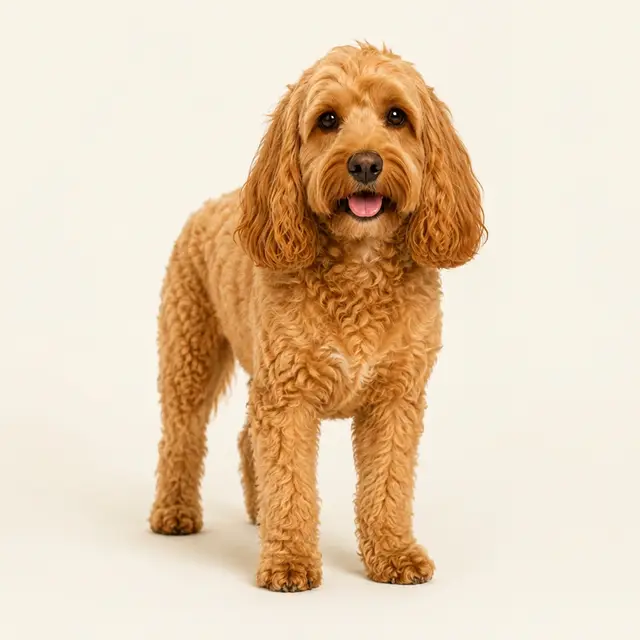
A hugely popular Cocker × Poodle crossbreed — friendly, lower-shedding and great with families.
Labradoodle
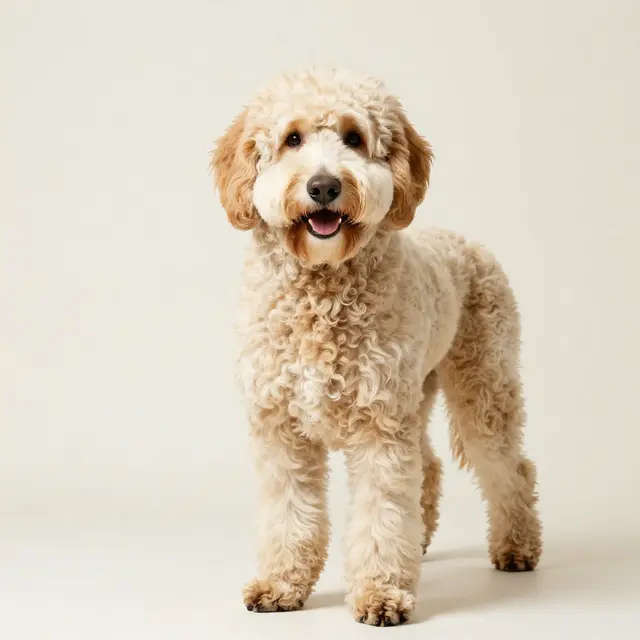
A friendly Labrador × Poodle crossbreed — sociable, often lower-shedding, and a popular family choice.

Cavapoo
One of the UK’s most popular crossbreeds (Cavalier × Poodle) — affectionate, adaptable and usually low-shedding.
Cavapoochon
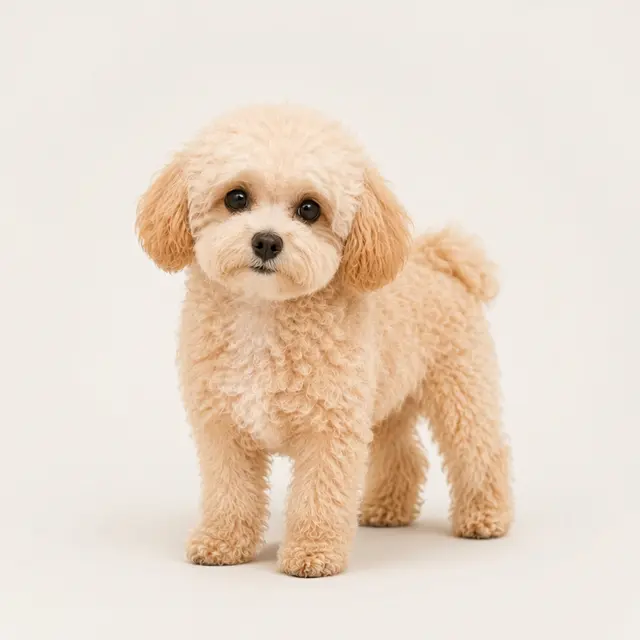
A small triple-cross (Cavalier × Bichon × Poodle) — friendly, low-shedding and well suited to family and flat life.
Similar temperament
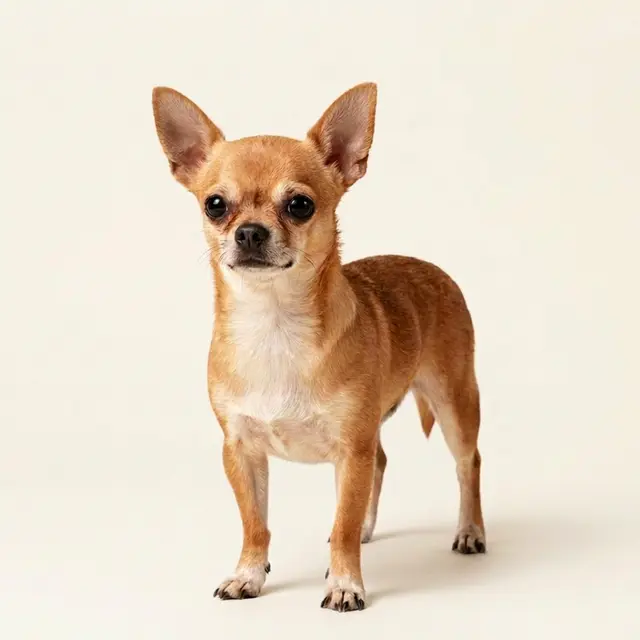
Chihuahua
The world’s smallest breed — devoted, sassy and perfect for flats, but not the easiest with young children.
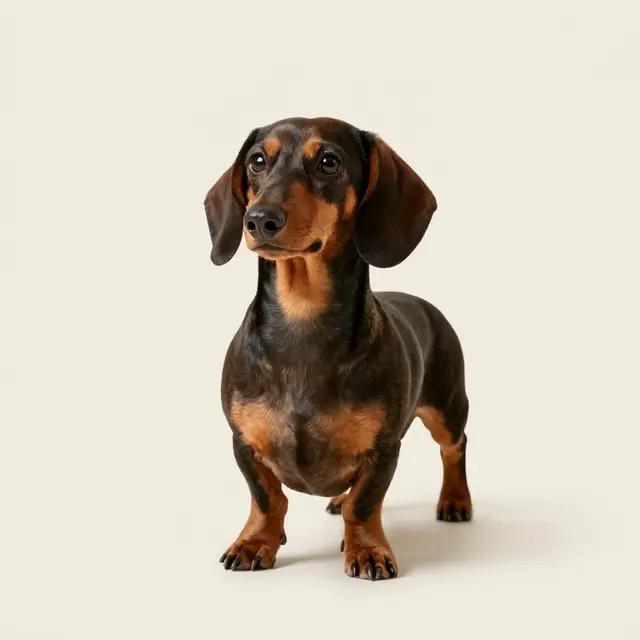
Dachshund
A bold, characterful "sausage dog" that suits smaller homes but needs careful handling of its long back.
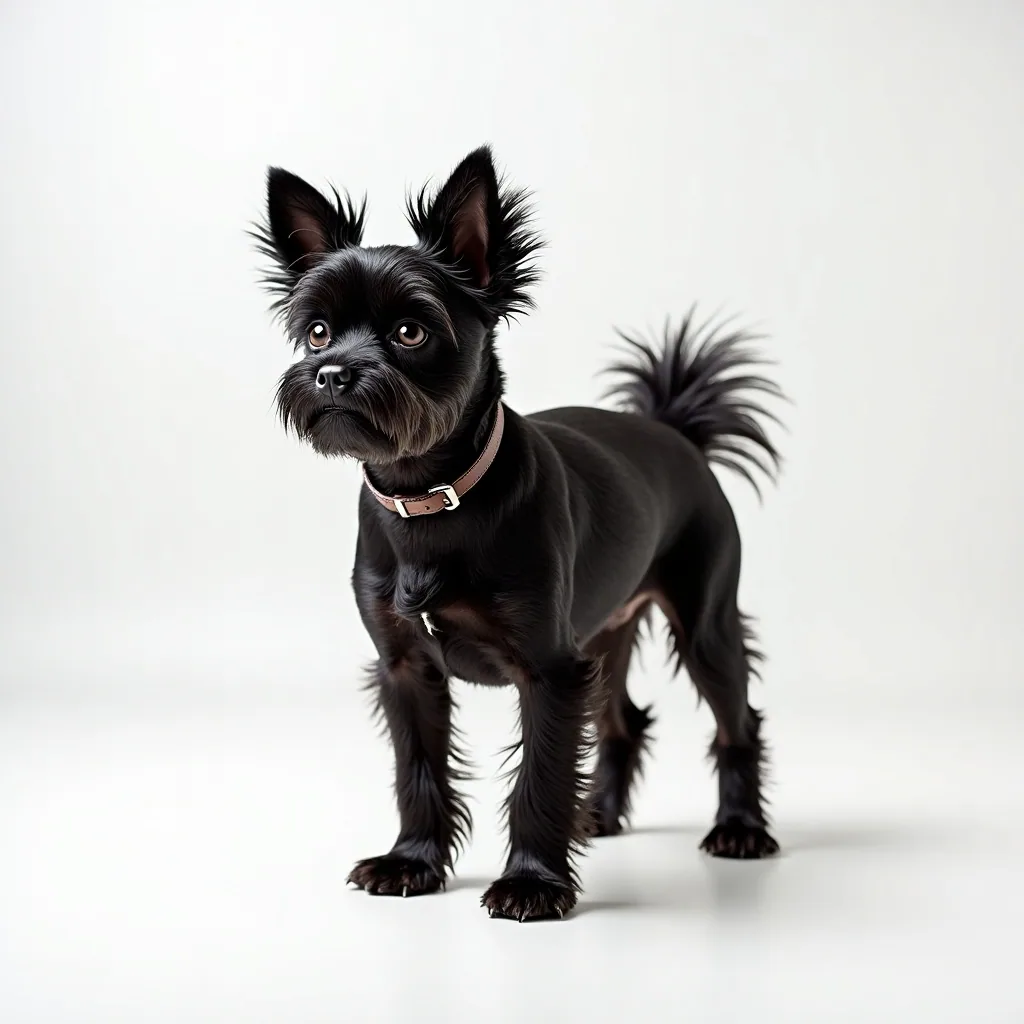
Affenpinscher
A tiny, monkey-faced terrier-type toy dog with a big personality. Lively and amusing, but bold and stubborn, so needs patient, consistent training.

Chorkie
A tiny, bold Chihuahua–Yorkshire Terrier cross with a big personality. Devoted to its owner but can be feisty, vocal and wary of strangers. Coat and temperament vary depending on which parent they take after.
Similar size, different type
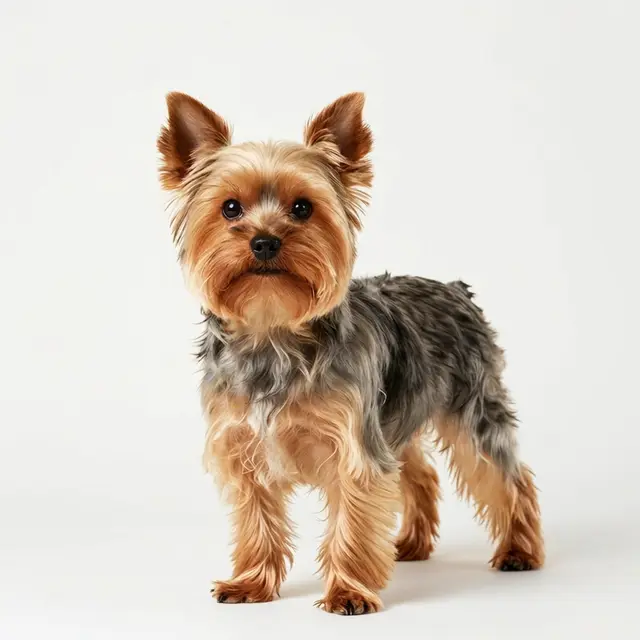
Yorkshire Terrier
A tiny, feisty toy terrier with a big personality — ideal for flats but delicate around small children.
Chihuahua
The world’s smallest breed — devoted, sassy and perfect for flats, but not the easiest with young children.
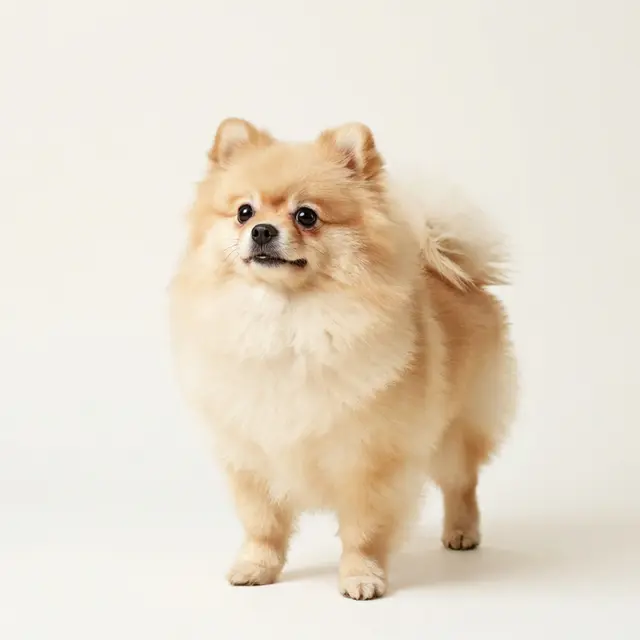
Pomeranian
A lively, fox-faced toy dog with a luxurious coat — bold and fun, but tiny and quite vocal.
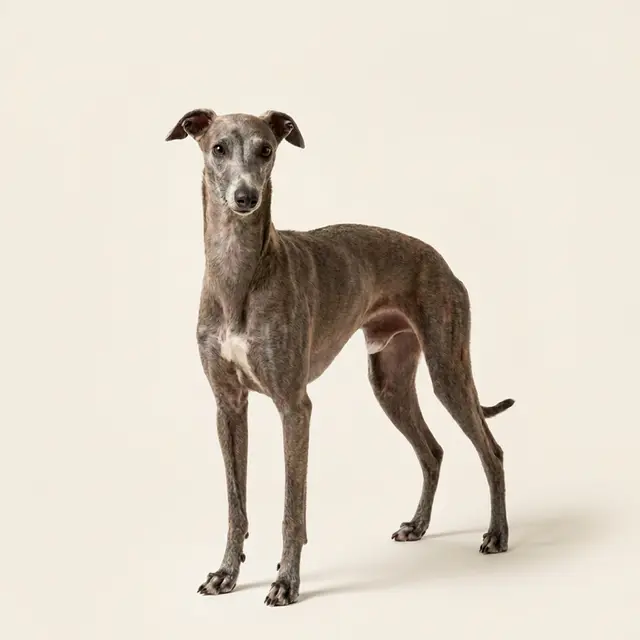
Italian Greyhound
A tiny, elegant sighthound — affectionate, clean and quiet, but delicate and sensitive.
Is the Chiweenie your breed?
Create your pet profile and get personalised food, toy, insurance and health recommendations — tailored to your dog.
Frequently asked questions
What breed is a Chiweenie?
A Chiweenie is a small designer crossbreed produced by mating a Chihuahua with a Dachshund. It's a tiny, characterful companion dog that often blends the Chihuahua's bold, devoted personality with the Dachshund's long body and lively nature. It is not a recognised breed, has no standard or registry, and varies widely between individuals.
How big is a full grown Chiweenie?
A fully grown Chiweenie is a true lapdog, typically standing around 15–25 cm at the shoulder and weighing roughly 3–6 kg. As an unstandardised cross, exact size varies depending on whether the dog favours its Chihuahua or Dachshund parent in body length and build.
What health problems do Chiweenies have?
The most important concern is the Dachshund's long-backed conformation, which predisposes to intervertebral disc disease (IVDD), a painful spinal condition. From the Chihuahua side come dental disease, patella luxation, tracheal issues, heart conditions such as mitral valve disease, and sometimes hydrocephalus. Keep them lean, protect the back, and maintain regular veterinary and dental care.
Do Chiweenies come in long-haired varieties?
Yes. Coat type varies because both parents come in different coat varieties. Many Chiweenies are short-haired and easy to brush, while some are longer-coated and need more frequent grooming. None are reliably non-shedding. Long-coated dogs may need occasional tidying around the ears and feet, plus weekly brushing for most.
How long do Chiweenies live?
Lifespan is commonly cited at around 12–16 years, in line with their long-lived Chihuahua and Dachshund parents. Regular veterinary checks, weight control, good dental care and protecting the back from injury all help give a Chiweenie the best chance of a long, healthy life.
Are Chiweenies good with children and other pets?
They can be, but care is needed. Chiweenies are bold and devoted but small and fragile, so supervision is essential around very young children and larger dogs to prevent accidental injury. Early socialisation and consistent boundaries help. They bond closely with one or two people and can be wary or yappy with strangers.
Do Chiweenies bark a lot?
They can. Both the Chihuahua and Dachshund can be vocal, so a Chiweenie may bark at noises and visitors and can become yappy if alarm-barking is allowed to become a habit. Teaching quiet and settle behaviours early, plus good socialisation, helps manage barking in this alert little dog.
How much exercise does a Chiweenie need?
Chiweenies are energetic for their size and benefit from a couple of short walks plus play at home, with around 30 minutes of combined activity a reasonable baseline. Mental stimulation matters too. If the dog has a long Dachshund-type back, discourage repeated jumping on and off furniture and support the body when lifting.
Are Chiweenies good with children?
Best with older, calm children. As a general guide, Chiweenies tend to be better suited to homes with older children or no young children. Whatever the breed, always supervise dogs and young children and teach kids to interact gently.
How much exercise does a Chiweenie need?
As a healthy adult, a typical Chiweenie needs around an hour of exercise a day (60–80 minutes), split across walks plus play. A good sniffy walk plus some play and training usually keeps them happy. Puppies, seniors and dogs with health conditions need less — ask your vet.
Do Chiweenies shed a lot?
Moderate shedding. Coat upkeep is easy-care — a quick brush now and then is usually enough.
Are Chiweenies easy to train and good for first-time owners?
Manageable for committed beginners. Chiweenies are best for owners ready to commit to consistent training and plenty of activity. Reward-based training and early socialisation help any dog.
Do Chiweenies bark a lot?
Vocal / alert barker. They can be quite vocal, so early training and enough exercise and stimulation help keep barking in check.
Are Chiweenies good with other dogs?
Generally fine with other dogs. Early, positive socialisation with other dogs from a young age makes a big difference.
Do Chiweenies suit flats or smaller homes?
Flat-friendly. A Chiweenie can adapt to flat living as long as it gets its daily exercise and company.
Sources
- The Kennel Club (UK) - breed information for the Chihuahua and Dachshund, and Dachshund IVDD health guidance (https://www.thekennelclub.org.uk/breeds/)
- PDSA - small-breed care, dental disease and weight advice (https://www.pdsa.org.uk/pet-help-and-advice)
- Royal Veterinary College (RVC) VetCompass - research on Dachshund IVDD and small-breed health (https://www.rvc.ac.uk/vetcompass)
- Dachshund Breed Council UK - guidance on IVDD and back care (https://www.dachshundhealth.org.uk)
- Blue Cross - advice on choosing a dog and crossbreeds (https://www.bluecross.org.uk/advice)
Recommended for your Chiweenie
Matched to a Chiweenie's size and their typical need for dental care, ramps & easy access, joint & mobility support.


Bugalugs Hemp Oil for Dogs & Cats – 50ml
A natural, UK-made hemp seed oil supplement rich in Omega-3, -6, and -9 to support calmness, joint mobility, and a healthy, glossy coat.
£13.99

L-Shaped Bolster Sofa Dog Bed
A supportive L-shaped sofa bed with a raised bolster back and side for your dog to rest their head. The thick padded base cushions joints, and the soft rose-velvet cover is removable and washable for easy care.
From£44.99

Non-Slip Grip Dog Socks
Knitted dog socks with a generous rubber grip print across the sole to stop slipping on hard floors and protect paws. An adjustable hook-and-loop strap keeps each sock securely in place.
£7.99

Dog Recovery Boot for Injured Paws
A protective paw boot that shields healing wounds, torn pads, bleeding toes and damaged nails. Soft yet durable with adjustable straps, it keeps the injury clean and lets your dog walk in comfort.
From£10.99

Inflatable Pet Recovery Collar
A soft inflatable recovery collar that stops pets nibbling or scratching wounds after surgery, a comfortable alternative to a rigid cone. Padded ring with adjustable snap closure lets your pet eat, drink and sleep with ease.
From£12.99

NanoSanitas Advanced No-Brush Dental Gel for Dogs & Cats
A brush-free dental gel for dogs and cats, formulated with silver nanoparticles and papaya extract to help reduce plaque and freshen breath.
£14.99
Suggestions based on breed traits — always check sizing and suitability for your individual dog.
Got a Chiweenie? Save them to a pet profile for tailored picks across the whole site.
Happier, healthier pets — in your inbox.
Breed care tips, seasonal advice and first access to new arrivals. No spam, unsubscribe anytime.
Every dog is an individual — temperament and needs vary. Please research thoroughly, meet dogs in person, and consider adopting from a rescue. This is general guidance, not a substitute for advice from your vet or a qualified trainer.