
Italian Greyhound
A miniature sighthound kept as a companion since antiquity and adored in Renaissance courts, the Italian Greyhound is elegant, affectionate and clean. Delicate and sensitive, it loves warmth and closeness. It suits gentle, indoor-leaning homes who'll guard its fine bones from injury, keep it cosy, and accept that house-training can take patience.
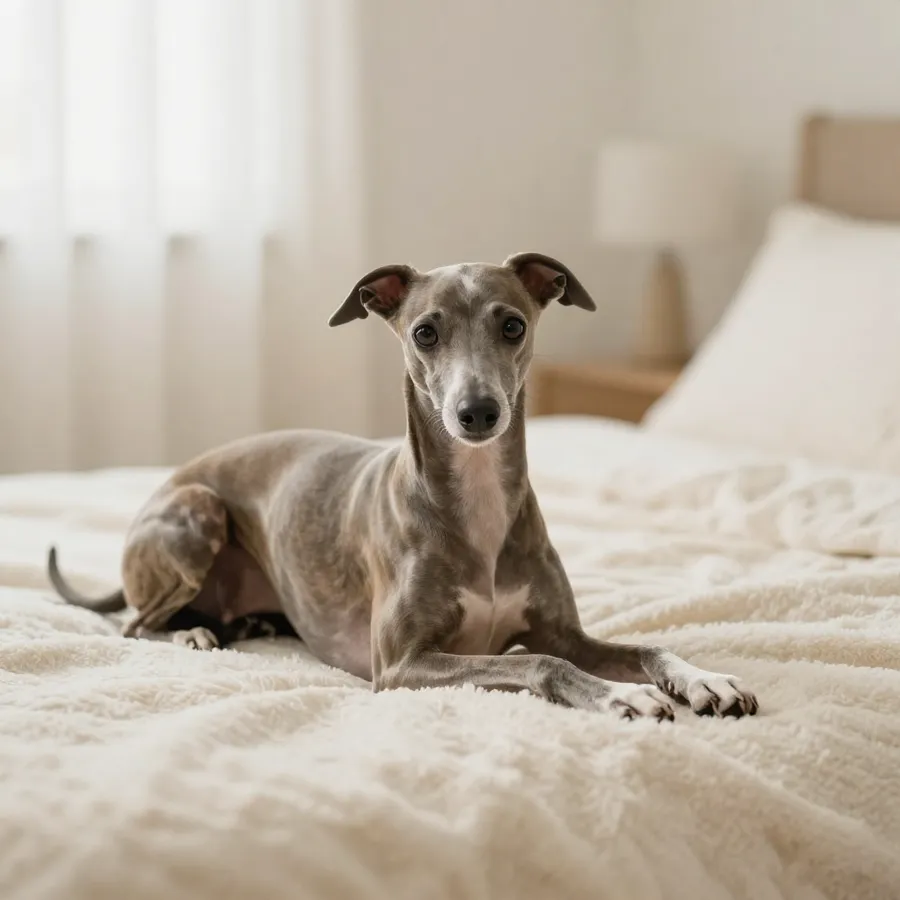
Italian Greyhound scorecard
Overview
The Italian Greyhound is the smallest of the sighthounds — a miniature, elegant version of the larger Greyhound, standing only around 33 to 38 cm at the shoulder and typically weighing 3.5 to 5 kg. Fine-boned, deep-chested and built for speed, the breed combines the graceful outline of a racing hound with the size and devotion of a true companion dog. The UK Kennel Club places the Italian Greyhound in the Toy Group, reflecting its role as a lap dog rather than a working hunter, though the sighthound instincts beneath the delicate frame remain very much intact.
Affectionate, clean and remarkably quiet at home, the Italian Greyhound has become a popular choice for people wanting a low-shedding, lap-sized companion with a gentle nature. It is, however, a sensitive and physically delicate breed: the slender legs are prone to injury, the short single coat offers little protection from cold or wet British weather, and house-training can take patience. With a typical lifespan of around 14 to 15 years, an Italian Greyhound is a long-term commitment that suits an owner happy to indulge a dog that wants to be close at all times.
Good to know — a Italian Greyhound is flat-friendly and manageable for committed beginners. Every dog is an individual, so meet a few and chat to a good breeder or rescue before deciding.
Save the Italian Greyhound guide
Thinking about a Italian Greyhound? Pop your email in and we’ll send this guide so you can come back to it any time — handy while you compare breeds.
Popular searches for the Italian Greyhound
History & origins
The Italian Greyhound is an ancient type, with small greyhound-like dogs depicted in art and artefacts from the Mediterranean and Middle East going back thousands of years. The breed as we recognise it today became firmly associated with Italy during the Renaissance, when miniature sighthounds were prized companions among the nobility and frequently appeared in portraits by Italian and northern European masters.
The dogs were popular at royal and aristocratic courts across Europe, and several British monarchs and notable figures kept them. The breed was developed almost entirely as a companion and ornamental dog rather than a hunter, which explains its toy size and devoted, people-focused temperament. The Kennel Club recognises the Italian Greyhound within its Toy Group, and the breed continues to be bred primarily for companionship in the UK today.
Temperament & family fit
Italian Greyhounds are affectionate, gentle and deeply attached to their people. They thrive on close company and often choose one favourite person, following them from room to room and seeking out warm laps and blankets. Indoors they are typically calm, clean and quiet, with a low tendency to bark, which makes them well suited to flats and smaller homes provided their exercise and warmth needs are met.
Beneath the soft, sensitive exterior is still a sighthound, and the breed retains a notable instinct to chase fast-moving things. Many Italian Greyhounds can be shy or reserved with strangers and easily startled by sudden noise or rough handling, so early, gentle socialisation matters. They can be excellent with considerate older children but are generally less suited to homes with very young or boisterous children, as their fine legs are easily injured during rough or unpredictable play.
- Families with older, respectful children
- Owners ready for consistent training
- Flats or houses with daily exercise
Training & intelligence
Italian Greyhounds are intelligent and willing to please, but they are also sensitive souls who respond very poorly to harsh corrections. Positive, reward-based training using food, praise and play gets far better results than any pressure, and short, upbeat sessions suit their attention span best. Building confidence through gentle exposure to new people, places and sounds during puppyhood helps prevent the timidity the breed can otherwise show.
House-training is widely regarded as one of the breed's challenges, partly because small dogs have small bladders and partly because they dislike going out in cold or wet conditions. Patience, a consistent routine and indoor toileting options in bad weather all help. Because of the strong chase instinct, reliable recall can be difficult, so a secure garden and caution around traffic and open spaces are sensible precautions.
- Start socialisation & handling early
- Reward-based methods only — no harsh corrections
- Keep sessions short, calm and consistent
Exercise needs
A healthy adult Italian Greyhound typically needs around an hour a day (roughly 60–80 minutes), split across walks, play and a little training. A good sniffy walk, some play and a little training usually keeps them content. Puppies, seniors and dogs with health conditions need adjusted amounts — check with your vet.
Grooming & coat
Grooming an Italian Greyhound is refreshingly simple. The coat is short, fine and single-layered, sheds very little, and needs no more than an occasional wipe with a soft cloth or grooming mitt to keep it sleek. Bathing is rarely needed. The breed's main routine care is dental: small toy breeds are prone to dental disease, so regular tooth-brushing and veterinary dental checks are important. Nails should be kept trimmed, and because the coat offers so little insulation, owners should focus less on grooming and more on keeping the dog warm and protected in poor weather.
- Brush occasionally to remove loose hair
- Bathe every few weeks or as needed
- Check ears, nails and teeth weekly
Feeding a Italian Greyhound
Italian Greyhounds should be fed a complete, good-quality dog food appropriate to their age, size and activity level, divided into measured daily portions to suit a small, lean-framed dog. The breed is naturally slim and athletic, and a visible waist with easily felt ribs is the correct, healthy outline — owners should resist the urge to round them out. Because they are toy-sized, even small amounts of extra food or treats can have an outsized effect, so treats should be accounted for within the daily ration. Fresh water should always be available, and any sudden change of diet should be made gradually.
A toy breed
An adult Italian Greyhound typically weighs 3.5–5kg, so a healthy Italian Greyhound eats a small amount — often under 100g of dry food a day compared with other breeds. Every feeding guide on a bag is written per kilo of body weight, not per breed — start there, then adjust to the dog in front of you.
Life stage
A toy breed is usually done growing at 10–12 months, which is roughly when a puppy food has finished its job. With a typical lifespan of 14–15 years, there is a long adult stretch in the middle; switch to a senior food when your vet thinks it is worth it rather than on a birthday.
Small mouths, crowded teeth
Smaller breeds get dental disease more often than big ones, largely because the same number of teeth are packed into a shorter jaw. Kibble size is worth checking, and a dental chew counts towards the daily 10% of calories from treats.
How much should a Italian Greyhound weigh?
Adult 3.5–5kgfully grown at 10–12 months
| Age | Stage | Typical weight | Of adult size |
|---|---|---|---|
| 8 weeks | Just home | 0.6–0.9 kg | 18% |
| 3 months | Young puppy | 1–1.5 kg | 30% |
| 6 months | Growing fast | 2.1–3 kg | 59% |
| 10–12 months | Fully grown | 3.5–5 kg | 100% |
A guide, from the same rule of thumb our puppy growth predictor uses — each age is that share of the way to maturity for a toy breed. Puppies grow fastest early, so a real puppy usually sits a little above the middle rows. Weigh yours and ask your vet if the number worries you.
Complete dog foods that suit a Italian Greyhound
Complete foods from our range, matched to a Italian Greyhound's size band and what the breed typically needs. Stock levels and delivery dates are live on each product.


Pedigree Can in Jelly Puppy 6 Pack
Complete Pedigree puppy food in jelly with chicken, lamb and poultry recipes
£10.15

Forthglade Cold Pressed Natural Turkey
Cold-pressed turkey kibble for dogs from 2 months, soft enough to mix with water for young pups
£45.99

Forthglade Cold Pressed Grain Free Chicken
Cold-pressed grain-free chicken food with fruit and botanicals, in three bag sizes
From£16.99

Forthglade Complete Meal Lightly Baked Chicken
A grain-free complete dry food for adult dogs, lightly baked and built on 50% chicken
From£12.49

Forthglade Cold Pressed Small Dog Turkey
Cold-pressed grain-free dry food for small dogs and puppies, built on turkey
£16.99

Forthglade Complete Meal Lightly Baked Lamb
A lightly baked complete dry food, 50% lamb, for adult dogs of any breed
From£12.49

Forthglade Cold Pressed Grain Free Turkey
Grain-free cold-pressed turkey kibble for dogs, gentle on sensitive stomachs
£69.69

Forthglade British Classics Chicken Family Lunch
Complete Forthglade wet dog food with 75% chicken in a 395G tray
£2.45

Harringtons Puppy Turkey & Rice
Complete turkey puppy food with 30% protein and feeding bands by adult weight
£6.49

Harringtons Adult Dog Turkey Veg
Complete dry food for adult dogs with turkey, chicken and salmon oil, 21% protein
From£3.39

Harringtons Just 6 Dry Dog Food Lamb
Grain-free lamb dry dog food in 2KG and 12KG sizes, with size-specific formulas
From£13.99
Italian Greyhound health & costs
Before bringing a Italian Greyhound home it pays to budget for the whole picture — food, insurance, grooming and routine vet care all add up. The figures below are typical UK estimates for a healthy adult; your real costs vary with where you live, your dog's health and the cover you choose.
Food
£200–300 / year
Complete food sized to weight & life stage
Insurance
£12–28 / month
Lifetime cover — varies by age, breed & area
Grooming
£0–60 / year
Mostly DIY at home
Routine vet care
£200–450 / year
Vaccines, flea/worm, annual check
The Italian Greyhound is generally a long-lived breed, with many dogs reaching their mid-teens, but its build brings some specific concerns. The most well-known is the risk of fractures: the slender legs, particularly the lower foreleg bones, can break during jumping, falls or rough play, especially in young dogs, so households should manage furniture heights and supervise play accordingly.
As a toy breed, dental disease is common and benefits from a preventive routine of tooth-brushing and professional dental care. Prospective owners should buy only from breeders who health-test their stock and follow Kennel Club guidance, and should register with a vet for regular preventive check-ups. The short single coat also means these dogs feel the cold acutely, so protection from harsh weather is part of responsible ownership rather than a health condition in itself.
Common health conditions to be aware of
- Leg fractures — the fine lower leg bones are prone to breaking from jumps, falls or rough play, particularly in young, growing dogs
- Dental disease — common in toy breeds; regular tooth-brushing and veterinary dental care help prevent it
- Patellar luxation — slipping kneecaps can occur in small breeds and may cause intermittent lameness
- Progressive retinal atrophy (PRA) — an inherited eye condition that can lead to vision loss; responsible breeders screen for it
- Sensitivity to cold — the thin single coat offers little insulation, so the breed can become chilled in cold, wet weather
These reflect typical, size- and coat-related risks for dogs like the Italian Greyhound; individual breeds carry their own predispositions. Always buy from health-tested parents and speak to your vet — this isn't a diagnosis.
Protect against surprise bills
A single emergency can run into thousands. Lifetime insurance spreads the risk.
Estimate insurance →How pet insurance works →Puppy & senior care
Bringing home a Italian Greyhound puppy
Puppies need controlled exercise (a rough guide is five minutes per month of age, twice a day) to protect growing joints, little-and-often meals of a complete puppy food, early socialisation, and a calm routine for toilet training and sleep. Book first vaccinations, microchipping and a vet check early.
New puppy checklist →Caring for a senior Italian Greyhound
As they age, watch weight, joints and teeth, switch to a senior diet if your vet advises, keep exercise gentle but regular, and consider orthopaedic bedding and ramps. Twice-yearly vet checks help catch issues early.
Orthopaedic beds & mobility →Pros & cons
The good bits
- Affectionate, clean and very low-shedding
- Elegant, lap-sized and quiet at home
Things to consider
- Delicate, fine-boned and prone to injury
- Feels the cold and can be tricky to house-train
Italian Greyhound health & care guides
In-depth, vet-sensible guides written for Italian Greyhound owners:
Compare the Italian Greyhound
See how the Italian Greyhound measures up against similar breeds before you decide:
More breeds like the Italian Greyhound
Same breed group
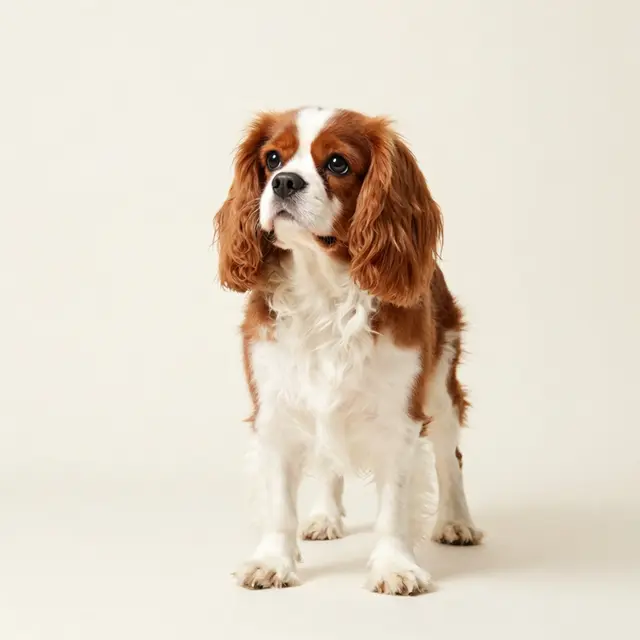
Cavalier King Charles Spaniel
A gentle, affectionate lap dog that’s wonderful with children and adapts happily to flat or house living.
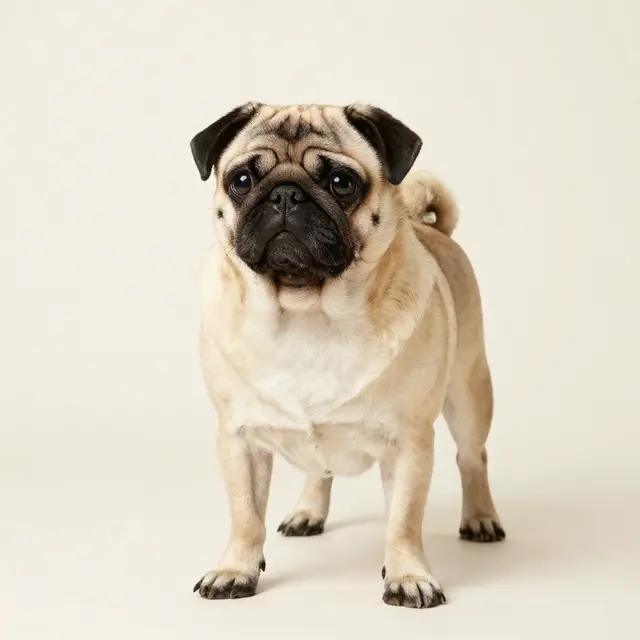
Pug
A charming, comical lap dog that’s content in a flat — but a flat face brings real health considerations.
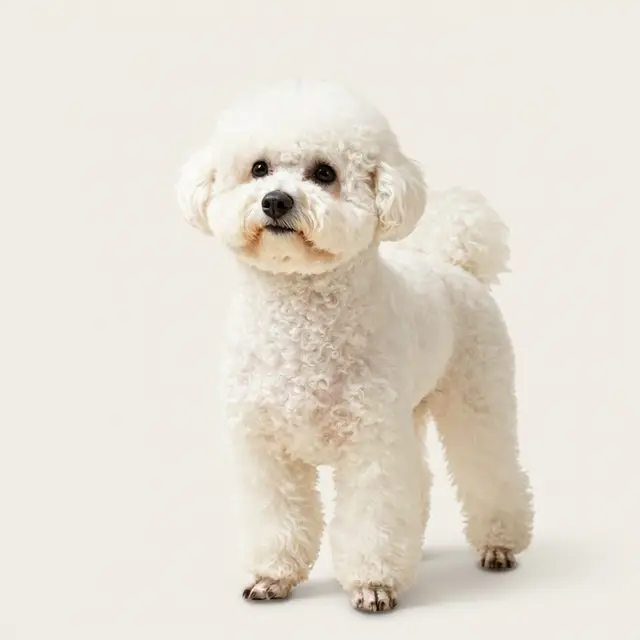
Bichon Frise
A cheerful, low-shedding companion that’s a popular choice for allergy-conscious, flat-dwelling owners.
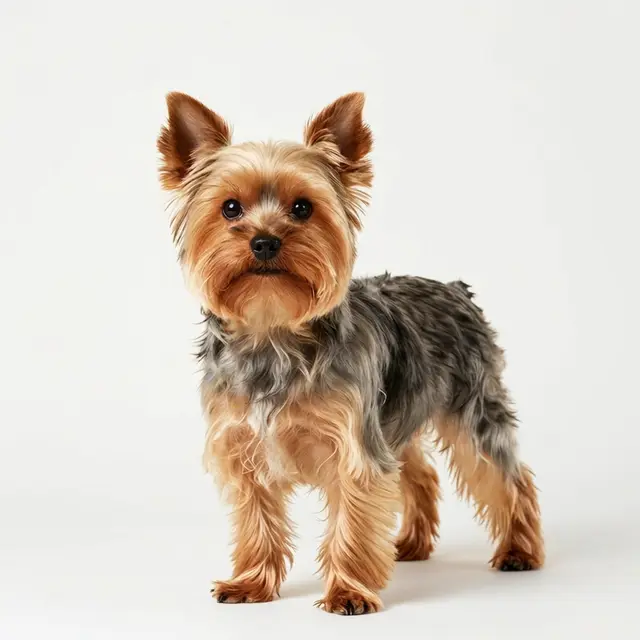
Yorkshire Terrier
A tiny, feisty toy terrier with a big personality — ideal for flats but delicate around small children.
Similar temperament
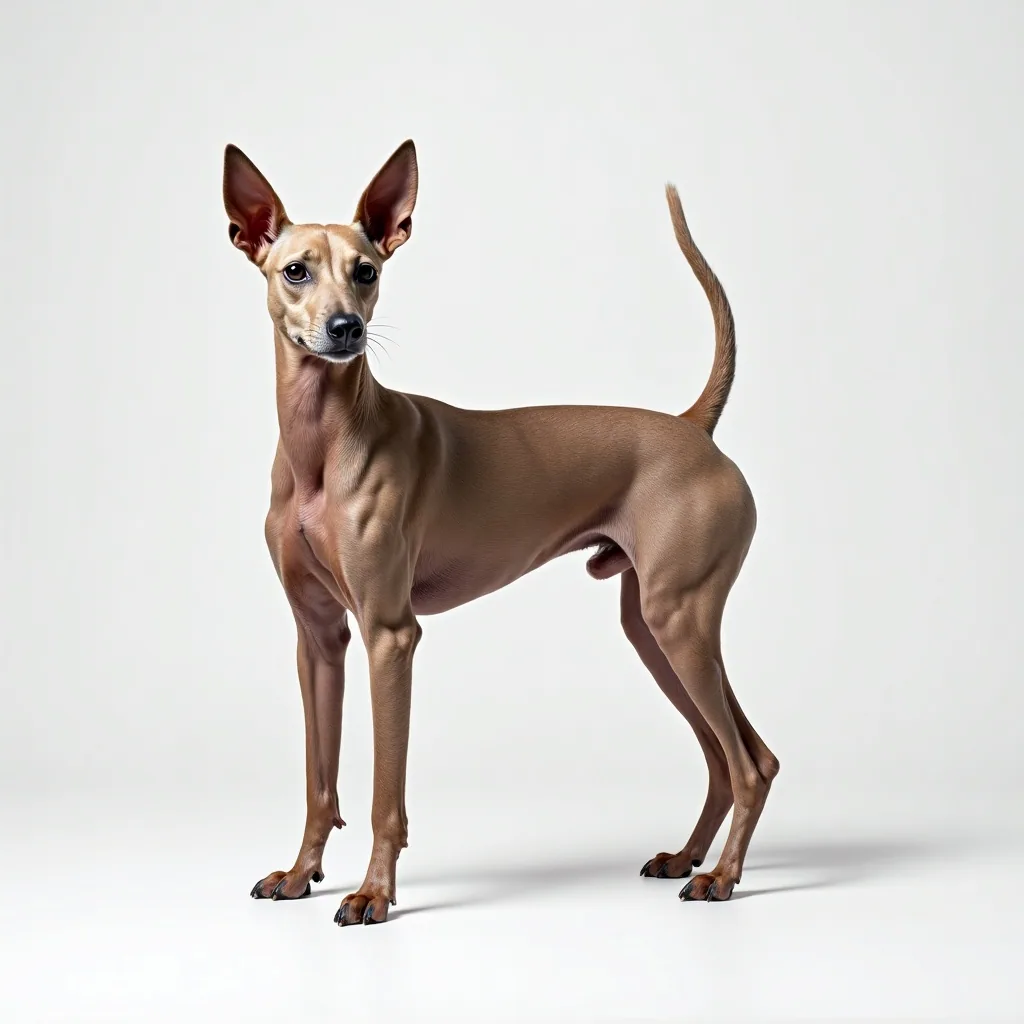
Xoloitzcuintle
An ancient Mexican hairless breed (the Xolo) found in toy, miniature and standard sizes. Calm, loyal and alert, but reserved with strangers and needs skin care.
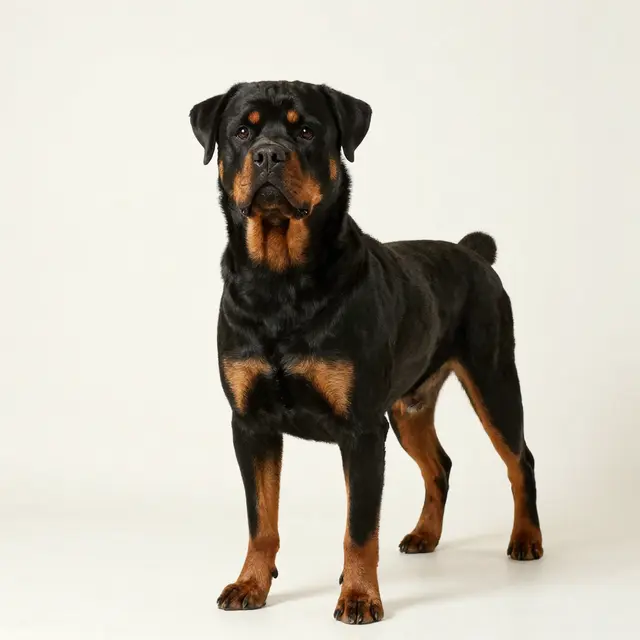
Rottweiler
A powerful, confident guardian that’s calm and devoted in the right hands — but needs an experienced owner.
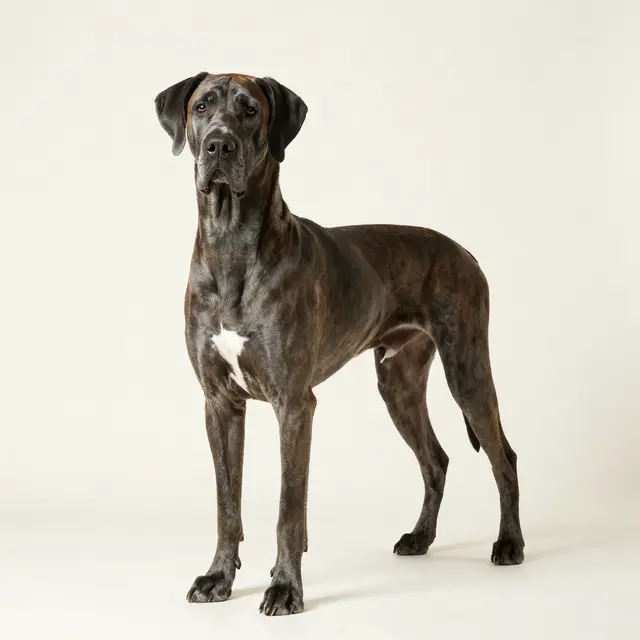
Great Dane
A truly enormous yet gentle and affectionate "gentle giant" — surprisingly calm for its size.
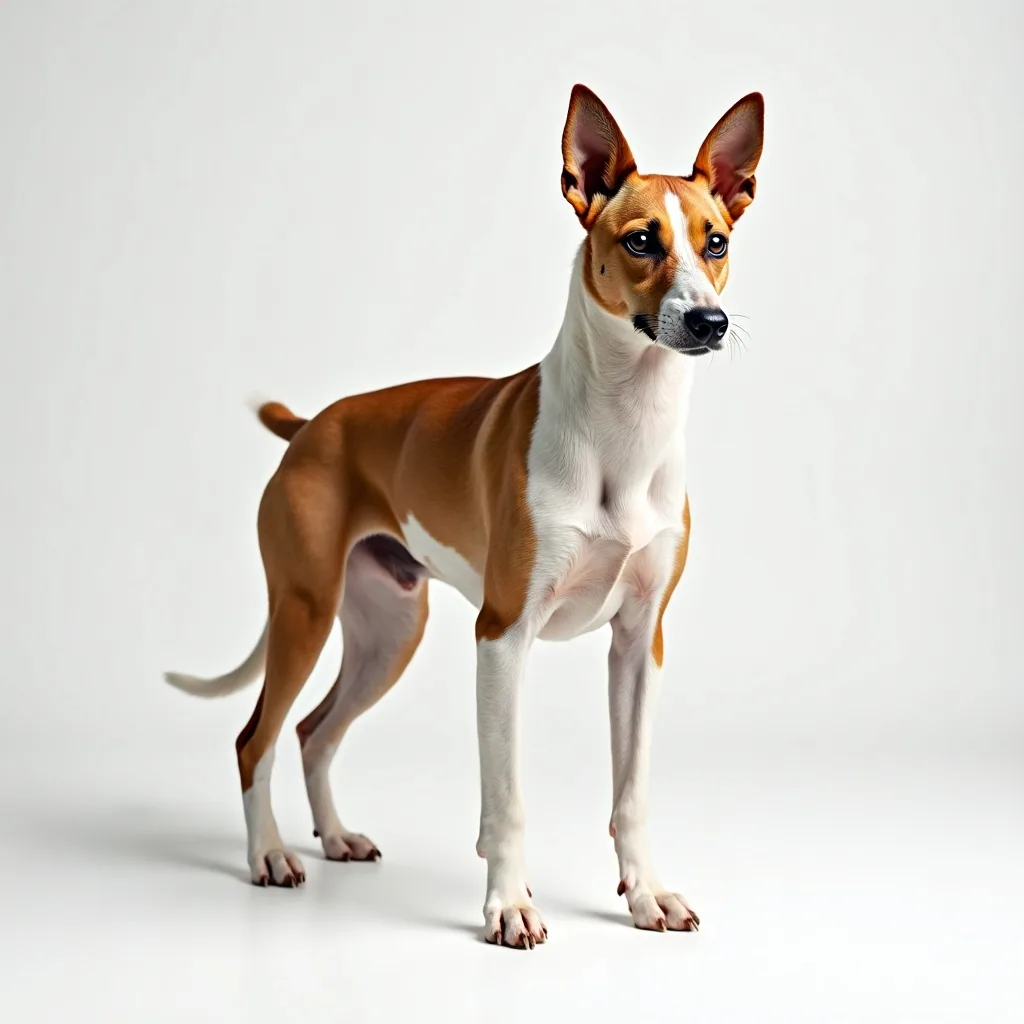
Azawakh
A lean, elegant West African sighthound bred to guard and hunt across the Sahel. Deeply loyal to its own people but aloof and reserved with strangers, with a strong chase instinct and a sensitive nature.
Similar size, different type
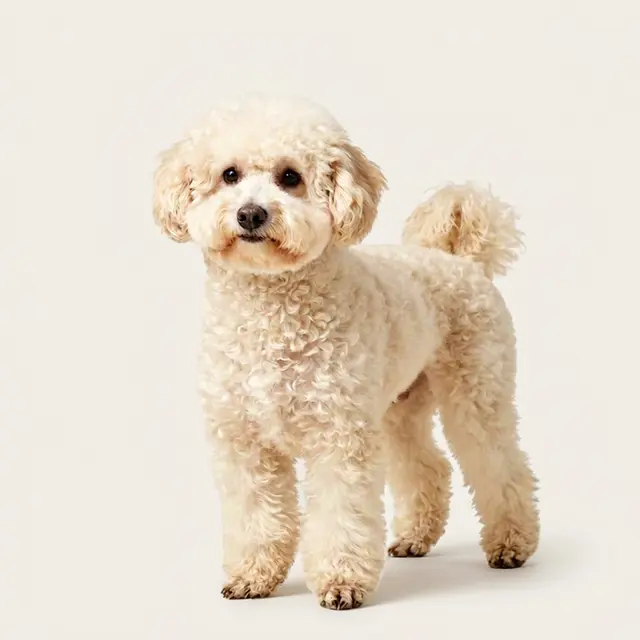
Maltipoo
A Maltese × Poodle cross — affectionate, playful and usually low-shedding, a popular lap-sized companion.
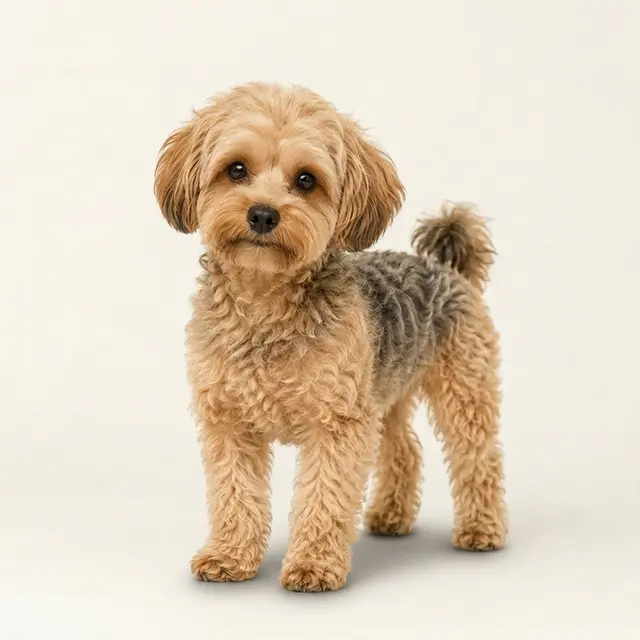
Yorkipoo
A Yorkie × Poodle cross — tiny, lively and usually low-shedding, well suited to flats and smaller homes.
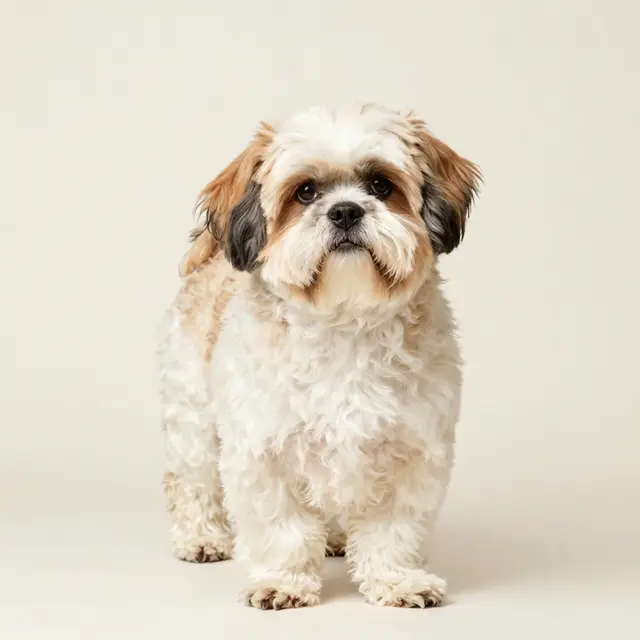
Shih-Poo
A Shih Tzu × Poodle cross — gentle, affectionate and usually low-shedding, a relaxed companion for flat life.
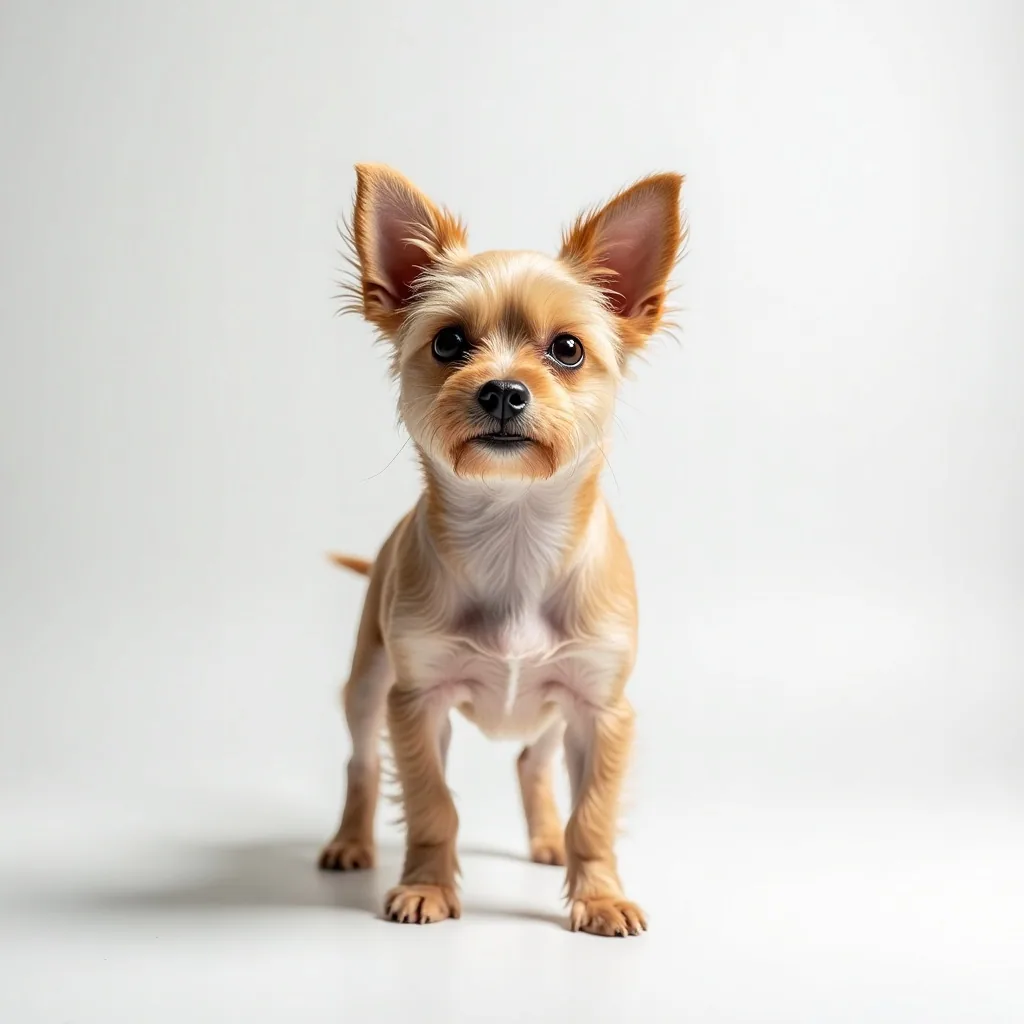
Chorkie
A tiny, bold Chihuahua–Yorkshire Terrier cross with a big personality. Devoted to its owner but can be feisty, vocal and wary of strangers. Coat and temperament vary depending on which parent they take after.
Is the Italian Greyhound your breed?
Create your pet profile and get personalised food, toy, insurance and health recommendations — tailored to your dog.
Frequently asked questions
How long do Italian Greyhounds live?
Italian Greyhounds are long-lived for a dog, typically reaching around 12–15 years. As a small, lean breed they often enjoy a good span, but keeping yours at a healthy weight, protecting those delicate legs, staying on top of dental care and seeking prompt vet attention for any problems all help yours reach the upper end of that range.
Why do Italian Greyhounds break their legs so easily?
Italian Greyhounds have very fine, delicate leg bones, so fractures are a genuine breed risk — especially in young dogs leaping on and off furniture or landing awkwardly. Supervise carefully around stairs and sofas, discourage big jumps, and consider ramps or steps. Any sudden lameness, holding up a leg or yelping needs same-day veterinary attention.
Do Italian Greyhounds have dental problems?
Yes — dental disease is one of the breed's most significant health issues. Their small mouths and fine teeth are prone to plaque, tartar, gum disease and early tooth loss. Proactive dental care matters: daily tooth-brushing with dog toothpaste from an early age, vet-recommended dental products and regular check-ups all help protect your dog's teeth and overall health.
Do Italian Greyhounds feel the cold?
Very much so. With a thin coat, fine skin and very little body fat, Italian Greyhounds chill quickly and genuinely need help staying warm. A well-fitted coat or jumper for walks in cold, wet weather, cosy bedding indoors and a warm spot to curl up are essentials rather than luxuries for this delicate breed.
Are Italian Greyhounds good family dogs?
Italian Greyhounds are affectionate, devoted companions who bond closely with their people and love comfort and company. They can be sensitive and timid, and their fragile legs make them better suited to calm homes than to households with boisterous, very young children. With gentle, careful handling and sensible supervision they make loving, loyal family pets.
Are Italian Greyhounds easy to house-train?
House-training can take real patience with Italian Greyhounds — they're sensitive, dislike going out in cold or wet weather, and have small bladders. Consistency, a calm routine, frequent opportunities and plenty of gentle praise are key. Many owners use indoor toileting options for bad-weather days. Avoid telling-off, which tends to make a sensitive dog more anxious and slower to learn.
How big do Italian Greyhounds get?
Italian Greyhounds are a true toy-sized sighthound. They typically stand around 32–38cm at the shoulder and weigh roughly 3.5–5kg — fine-boned, slender and elegant. Their small size and delicate build mean gentle handling, careful supervision around furniture and stairs, and protection from knocks and rough play all matter for keeping them safe.
Are Italian Greyhounds sensitive to anaesthetics?
As a sighthound with very low body fat, Italian Greyhounds can be more sensitive to anaesthetics and some medicines than many breeds. This isn't a reason to avoid necessary procedures — including dental treatment — but it's worth discussing with your vet, who will tailor anaesthetic protocols and monitoring appropriately for a lean, fine-boned sighthound.
What eye problems do Italian Greyhounds get?
Italian Greyhounds are predisposed to certain eye conditions, including progressive retinal atrophy (PRA), which gradually affects sight, and vitreous degeneration. Responsible breeders eye-test their dogs. Any cloudiness, redness, bumping into things or change in vision should be checked by your vet promptly so problems are caught and managed as early as possible.
How can I help my Italian Greyhound live a long, healthy life?
Protect those fragile legs by supervising around furniture and stairs, keep on top of dental care with daily brushing, keep your dog warm with coats and cosy bedding, and stay alert to lameness, eye changes and dental trouble. Add a healthy weight, gentle exercise, routine vet checks and a puppy from health-tested parents for the best foundation.
Are Italian Greyhounds good with children?
Best with older, calm children. As a general guide, Italian Greyhounds tend to be better suited to homes with older children or no young children. Whatever the breed, always supervise dogs and young children and teach kids to interact gently.
How much exercise does an Italian Greyhound need?
As a healthy adult, a typical Italian Greyhound needs around an hour of exercise a day (60–80 minutes), split across walks plus play. A good sniffy walk plus some play and training usually keeps them happy. Puppies, seniors and dogs with health conditions need less — ask your vet.
Do Italian Greyhounds shed a lot?
Minimal shedding. Coat upkeep is wash-and-go — a quick brush now and then is usually enough.
Are Italian Greyhounds easy to train and good for first-time owners?
Manageable for committed beginners. Italian Greyhounds are best for owners ready to commit to consistent training and plenty of activity. Reward-based training and early socialisation help any dog.
Do Italian Greyhounds bark a lot?
Quiet. They are usually fairly easy-going about barking, though any dog will bark if bored or under-exercised.
Are Italian Greyhounds good with other dogs?
Generally fine with other dogs. Early, positive socialisation with other dogs from a young age makes a big difference.
Do Italian Greyhounds suit flats or smaller homes?
Flat-friendly. A Italian Greyhound can adapt to flat living as long as it gets its daily exercise and company.
Sources
- The Kennel Club — Italian Greyhound breed information: https://www.thekennelclub.org.uk/breeds/italian-greyhound/
- PDSA — Dog breeds and choosing a dog: https://www.pdsa.org.uk/pet-help-and-advice/looking-after-your-pet/getting-a-dog
- Blue Cross — Dog advice and breed guidance: https://www.bluecross.org.uk/advice/dog
- Royal Veterinary College (RVC) VetCompass — companion animal health research: https://www.rvc.ac.uk/vetcompass
- Fédération Cynologique Internationale (FCI) — Italian Greyhound (Piccolo Levriero Italiano) breed standard: https://www.fci.de/en/nomenclature/ITALIAN-SIGHTHOUND-200.html
Recommended for your Italian Greyhound
Matched to a Italian Greyhound's size and their typical need for dental care, a warm coat.

Striped Hooded Dog Dungarees Outfit
A two-piece dog outfit with a striped hooded top and bear-pocket dungaree overalls.
From£7.99

Calming Ear-Cover Snood for Dogs
An adjustable ear-cover snood in thickened fabric that helps calm dogs through thunder and fireworks.
£12.99

Calming Anxiety Vest with Hood for Dogs
A stretchy calming vest with an attached hood that covers the ears, applying gentle pressure to settle anxious dogs during fireworks, thunderstorms, travel and vet visits.
From£13.99

Forthglade Grain Free Soft Bites Fresh Breath Treats 8pk
Chicken soft dog treats with parsley and peppermint oil for fresh breath
£2.45

NanoSanitas Advanced No-Brush Dental Gel for Dogs & Cats
A brush-free dental gel for dogs and cats, formulated with silver nanoparticles and papaya extract to help reduce plaque and freshen breath.
£14.99

Forthglade Natural Dental Sticks 5pk
Forthglade Natural Dental Sticks 5pk: complementary dog chew with dried potato — 170G
£3.00

Pet Dental Cleaning Wipes (50 Pack)
A tub of 50 textured finger wipes that lift plaque and freshen breath for dogs and cats without a toothbrush. Slip one over your finger and wipe teeth clean for easy daily dental care.
£9.99

Wooden Pet Deshedding Grooming Brush
An ergonomic wooden grooming brush with a fine-toothed edge that loosens and lifts away dead and shedding fur. The smooth contoured handle sits comfortably in the hand for quick, gentle daily de-shedding.
£14.99
Suggestions based on breed traits — always check sizing and suitability for your individual dog.
Got a Italian Greyhound? Save them to a pet profile for tailored picks across the whole site.
Happier, healthier pets — in your inbox.
Breed care tips, seasonal advice and first access to new arrivals. No spam, unsubscribe anytime.
Every dog is an individual — temperament and needs vary. Please research thoroughly, meet dogs in person, and consider adopting from a rescue. This is general guidance, not a substitute for advice from your vet or a qualified trainer.