
Italian Greyhound Care: Dental, Warmth & House-Training
An Italian Greyhound care guide covering proactive dental care, keeping a thin-coated dog warm with coats, and the patience needed to house-train this breed.
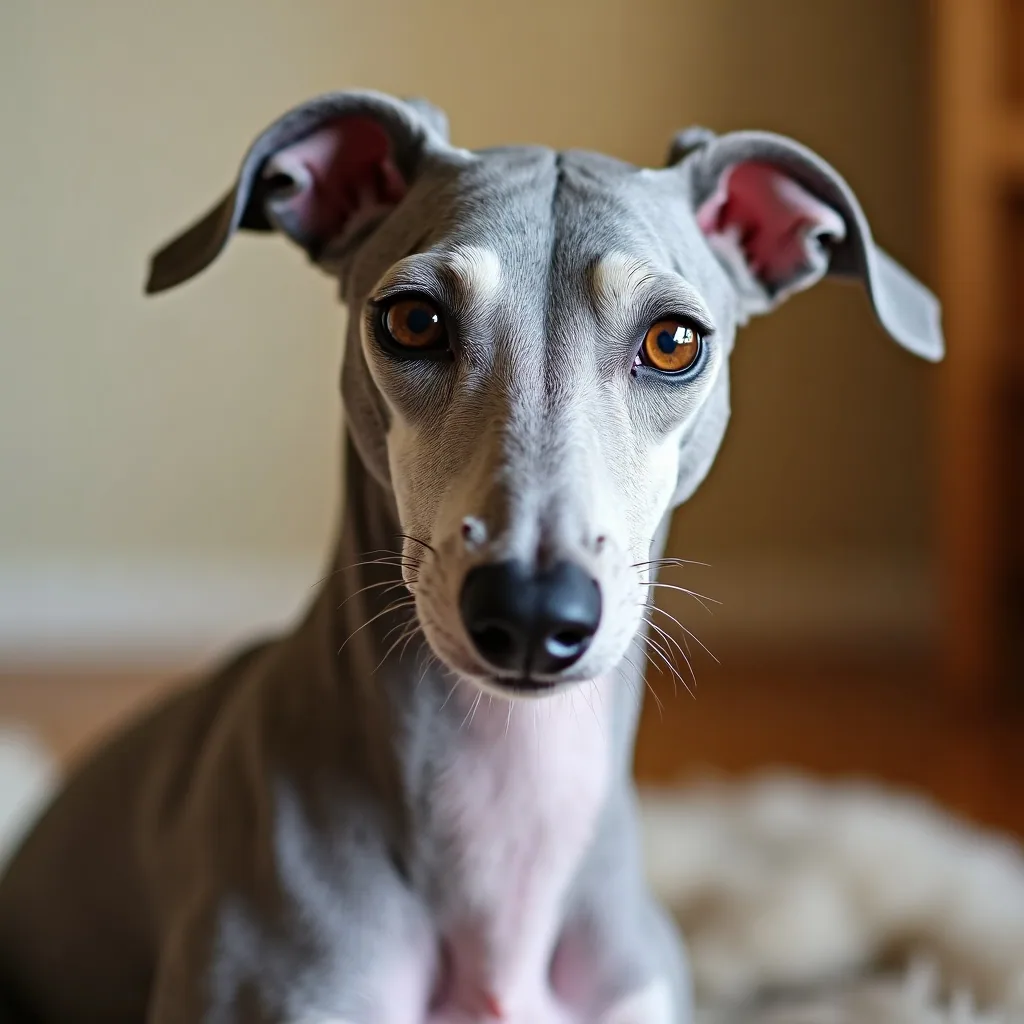
The quick answer
Brush your Italian Greyhound's teeth daily with dog toothpaste, introduced gently from puppyhood, and back this up with vet-recommended dental products and regular check-ups. Dental disease is a major breed issue, so proactive care matters. Watch for bad breath, red gums or reluctance to eat, and see your vet if you spot them.
Caring for an Italian Greyhound is largely about three things: looking after those small, vulnerable teeth, keeping a thin-coated, low-fat dog warm, and approaching house-training with patience and kindness. Get these right, alongside protecting their fragile legs, and you'll have a happy, healthy little companion. Here's a practical care guide for the breed.
Proactive dental care
Dental disease is one of the Italian Greyhound's most significant health issues, so dental care isn't optional — it's central to keeping your dog well. Their small mouths and fine teeth are prone to plaque, tartar, gum disease and early tooth loss, all of which are painful and can affect overall health.
The single best thing you can do is brush your dog's teeth daily with dog toothpaste (never human toothpaste, which is toxic to dogs). Introduce it gently and gradually, ideally from puppyhood, building up to a quick daily routine your dog accepts. Support this with vet-recommended dental products and regular dental check-ups so problems are caught early.
Because Italian Greyhounds are also more sensitive to anaesthetics as a sighthound, keeping teeth healthy day-to-day helps reduce how often professional dental cleaning under anaesthetic is needed. Watch for bad breath, red or bleeding gums, reluctance to eat or pawing at the mouth, and see your vet if you spot them.
Keeping them warm
With a thin coat, fine skin and very little body fat, Italian Greyhounds feel the cold acutely — keeping them warm is a genuine welfare need, not a fashion statement. In cold, wet or windy weather they need a well-fitted coat or jumper for walks, and many shiver and become reluctant to toilet outdoors when they're cold.
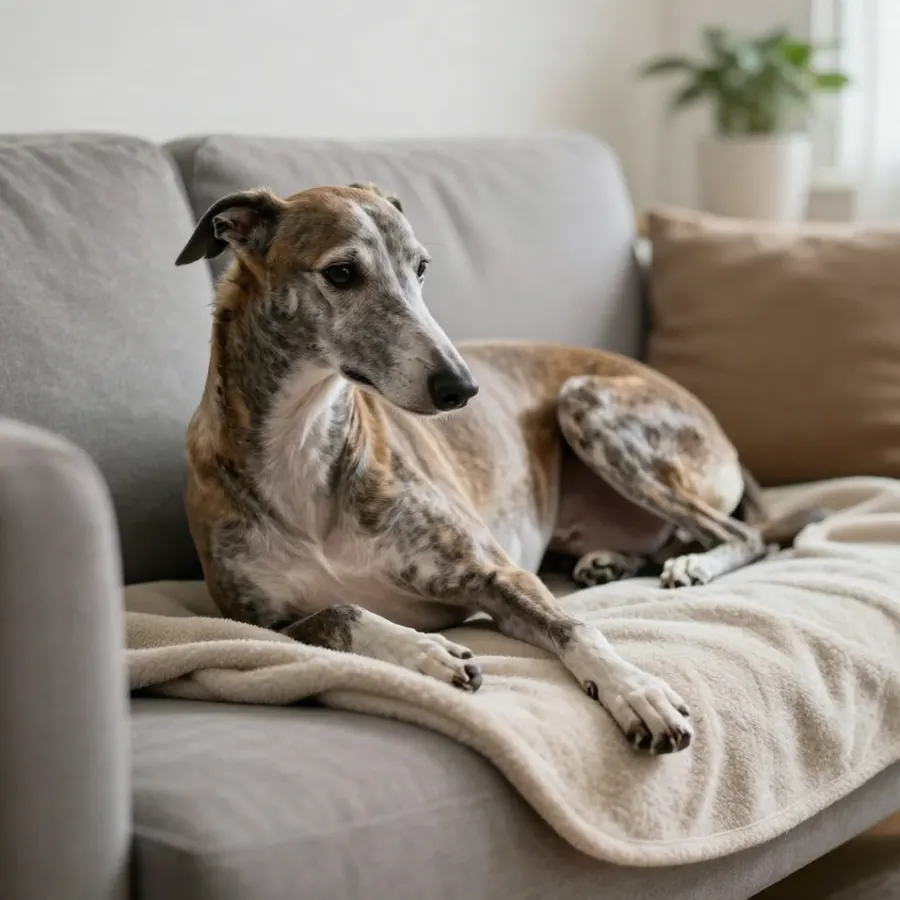
Indoors, provide cosy, draught-free bedding and a warm spot to curl up — Italian Greyhounds famously love to burrow under blankets. A soft, supportive bed in a snug, warm part of the home, perhaps with a blanket to nest in, keeps them comfortable. In winter, take the chill seriously: short, well-wrapped walks and plenty of warmth indoors suit them far better than long spells out in the cold.
House-training with patience
House-training an Italian Greyhound can test your patience, and it helps to know that going in. Several breed traits combine to make it slower: they're sensitive, they genuinely dislike going out in cold or wet weather, and they have small bladders.
The keys are consistency and kindness. Take your dog out frequently — after waking, eating, playing and napping — go out with them, and praise warmly the moment they toilet outside. Keep a calm, predictable routine. On cold or wet days, a coat can make stepping outside far more appealing, and many owners use indoor toileting options (such as puppy pads or an indoor tray) for the worst weather and overnight.
Crucially, never tell your dog off for accidents. Italian Greyhounds are sensitive, and punishment tends to make them anxious and more likely to hide away to toilet, slowing progress. Clean accidents thoroughly with an enzymatic cleaner to remove the scent, and stay patient — most get there with consistent, positive training.
Exercise and handling
Despite being sighthounds, Italian Greyhounds don't need huge amounts of exercise — daily walks plus a chance to stretch their legs and a good zoom in a safe, enclosed space suit them well. A secure harness is kinder than a collar on a slim neck and helps prevent slipping free, as these slender dogs can back out of poorly fitted collars. Throughout, handle your dog gently, prevent big jumps off furniture, and supervise around stairs to protect those delicate legs.
With young dogs especially, keep play and exercise low-impact while bones are still developing, and avoid encouraging leaps from height. A securely fenced garden or paddock is ideal for safe off-lead running, since the sighthound chase instinct means recall can be unreliable around wildlife. After cold or wet walks, dry your dog off and warm them up promptly.
Coat, skin and nails
The short, fine coat is wonderfully low-maintenance — an occasional wipe-over or soft brush keeps it gleaming, and baths are needed only rarely. Their thin skin can be prone to nicks and is sensitive to cold, so handle gently. Keep nails trimmed, as overlong claws affect how these light-boned dogs stand and move, and check ears and skin during your regular grooming and cuddle sessions so anything unusual is spotted early.
A simple care routine
- Daily: tooth-brushing, gentle handling, a coat for cold-weather toilet trips and walks.
- Regularly: dental and general vet check-ups, nail trims, warm cosy bedding refreshed.
- Always: prevent furniture jumps, keep them warm, and stay calm and positive with house-training.
*This is general guidance, not a substitute for advice from your vet, who can assess your individual dog.*
Sources
- RVC VetCompass — UK dog health research (rvc.ac.uk/vetcompass).
- UK Kennel Club & BVA — breed care and health information (thekennelclub.org.uk).
- PDSA — dental care, house-training and breed care (pdsa.org.uk).
- Blue Cross — dog care and training (bluecross.org.uk).
Common questions
How do I look after an Italian Greyhound's teeth?
Brush your Italian Greyhound's teeth daily with dog toothpaste, introduced gently from puppyhood, and back this up with vet-recommended dental products and regular check-ups. Dental disease is a major breed issue, so proactive care matters. Watch for bad breath, red gums or reluctance to eat, and see your vet if you spot them.
Do Italian Greyhounds need to wear coats?
Yes. With a thin coat and very little body fat, Italian Greyhounds feel the cold acutely, so a well-fitted coat or jumper for walks in cold, wet or windy weather is a genuine welfare need. Indoors, provide cosy, draught-free bedding and a warm spot to burrow into and curl up.
Why is house-training an Italian Greyhound so hard?
Italian Greyhounds are sensitive, dislike going out in cold or wet weather and have small bladders, so house-training takes patience. Use a consistent routine, frequent trips outside, warm coats for bad weather and plenty of praise. Never tell your dog off for accidents, as punishment makes a sensitive dog anxious and slower to learn.
About the author
Matt Garnett — founder, Giddy Pets
Matt started Giddy Pets to make getting pets the good stuff simpler and fairer. Everything in these guides comes from real life with pets and a lot of trial and error — it's practical guidance, not veterinary advice. If a guide gets something wrong, tell him directly.
Free tools & more guides
Read next
Cost of Owning an Italian Greyhound in the UK
What an Italian Greyhound really costs in the UK — purchase price, food, insurance, dental care, coats and lifetime spend for this delicate sighthound.
How Long Do Italian Greyhounds Live? Lifespan & Health
Italian Greyhounds live around 12–15 years. The fragile legs, dental disease and eye conditions this delicate sighthound is prone to, and how to help yours.
Are Italian Greyhounds Good Family Dogs? Temperament Guide
Italian Greyhounds are affectionate, sensitive companions. How they fit with children, their fragile legs, furniture-jumping and need for warmth.
Greyhound Health & Care
How to care for a Greyhound — thin skin and lacerations, sensitivity to cold and anaesthetic, bloat, dental care, easy grooming, and why they need coats.