
Xoloitzcuintle
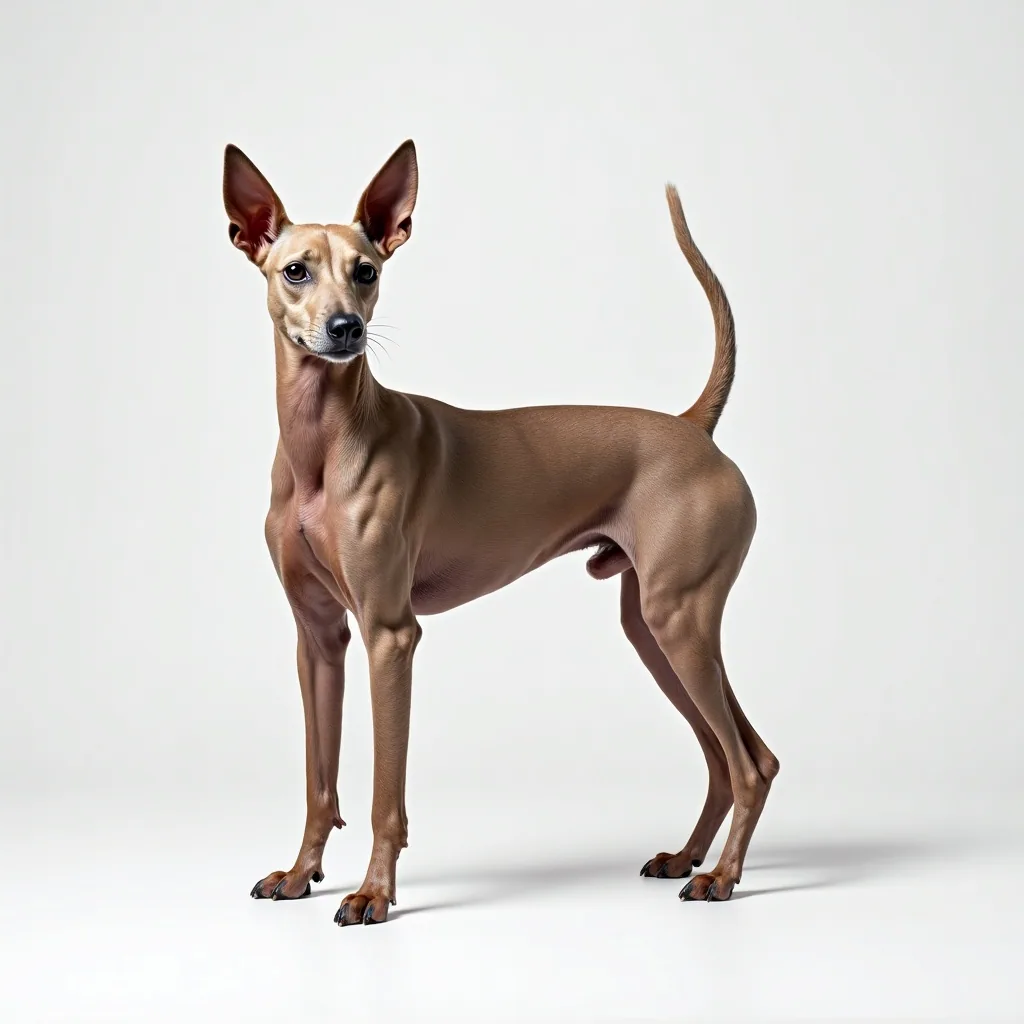
An ancient Mexican hairless breed (the Xolo) found in toy, miniature and standard sizes. Calm, loyal and alert, but reserved with strangers and needs skin care.
Xoloitzcuintle scorecard
Overview
The Xoloitzcuintle (pronounced roughly "show-low-eats-QUEENT-lee"), commonly shortened to Xolo and also known as the Mexican Hairless Dog, is an ancient breed from Mexico that comes in two coat types, hairless and coated, and in three sizes: toy, miniature and standard. Across these sizes it ranges from around 25 to 60 cm at the shoulder and roughly 4 to 25 kg, making it one of the more variable breeds in terms of dimensions.
The Xolo is a calm, alert and devoted companion with a dignified, slightly reserved manner. The hairless variety sheds virtually nothing but has bare skin that needs protection from sun and cold and careful skincare. In the UK the breed is recognised by the Kennel Club within the Utility Group. Long-lived and low-maintenance in some respects but specialised in its care needs, it suits owners who appreciate an unusual, sensitive and loyal dog.
Good to know — a Xoloitzcuintle is best with a garden and manageable for committed beginners. Every dog is an individual, so meet a few and chat to a good breeder or rescue before deciding.
Save the Xoloitzcuintle guide
Thinking about a Xoloitzcuintle? Pop your email in and we’ll send this guide so you can come back to it any time — handy while you compare breeds.
Popular searches for the Xoloitzcuintle
History & origins
The Xoloitzcuintle is one of the oldest dog breeds in the Americas, with a history in Mexico stretching back thousands of years. It was deeply embedded in the culture of ancient Mesoamerican peoples, who valued the dogs and gave them spiritual significance; the breed's name is linked to the Aztec god Xolotl and the Nahuatl word for dog, itzcuintli. Archaeological and artistic evidence attests to the long presence of hairless dogs in the region.
The breed survived into the modern era and was formally recognised and championed in Mexico, where it is regarded as a national treasure. The FCI recognises the Xoloitzcuintle under Mexican patronage, and the Kennel Club in the UK lists it in the Utility Group. Despite its ancient lineage, it remains relatively uncommon outside its homeland, prized as much for its history as for its qualities as a companion.
Temperament & family fit
The Xolo is typically calm, loyal and alert, forming strong bonds with its family while remaining reserved, sometimes aloof, with strangers. It is an attentive, watchful dog that makes a good alarm dog without being indiscriminately noisy. With its own household it is affectionate and devoted, often choosing a favourite person, and it tends to be sensitive to its owner's moods.
Well-socialised Xolos can be good companions in a family setting and can get along with children and other dogs, though their reserved nature and sensitivity mean early, positive socialisation is important to build confidence. They are not generally a boisterous or pushy breed, but their alertness and attachment mean they appreciate being included in family life rather than left to their own devices. Their wariness of strangers is a normal breed trait rather than a fault.
- Families with older, respectful children
- Owners ready for consistent training
- Homes with a secure garden
Training & intelligence
The Xolo is intelligent and capable of learning well, but its sensitive, sometimes independent nature means it responds best to gentle, reward-based training and patient handling. Harsh methods are counterproductive and can make a sensitive dog anxious or withdrawn. Building trust and keeping sessions positive yields a cooperative, attentive companion.
Early socialisation is particularly valuable for this reserved breed, helping it become comfortable and confident around unfamiliar people, dogs and situations. Consistency and calm leadership suit it well. Because it is alert and watchful, teaching it when to settle and rewarding calm behaviour can help prevent over-watchfulness from becoming a habit.
- Start socialisation & handling early
- Reward-based methods only — no harsh corrections
- Keep sessions short, calm and consistent
Exercise needs
A healthy adult Xoloitzcuintle typically needs around an hour a day (roughly 60–80 minutes), split across walks, play and a little training. A good sniffy walk, some play and a little training usually keeps them content. Puppies, seniors and dogs with health conditions need adjusted amounts — check with your vet.
Grooming & coat
Grooming needs differ markedly between the two coat types. The hairless Xolo sheds virtually nothing and has no coat to brush, but its bare skin requires careful attention: regular gentle cleaning, protection from sunburn with appropriate measures in hot, bright weather, and warmth in cold conditions, since it has no coat for insulation. The coated variety has a short, close coat that needs only routine, occasional brushing. For both types, ears, nails and teeth should be cared for as part of a normal routine.
- Brush occasionally to remove loose hair
- Bathe every few weeks or as needed
- Check ears, nails and teeth weekly
Feeding a Xoloitzcuintle
Feed a good-quality complete diet appropriate to the dog's size and age, taking particular care to match portions to the wide size range within the breed, from a small toy to a standard-sized dog. Divide the daily ration into suitable meals and adjust to keep the dog in lean condition. As with any breed, treats should be accounted for in the daily total, and fresh water should always be available. Monitoring body condition is the most reliable guide to correct feeding.
A medium breed
An adult Xoloitzcuintle typically weighs 4–25 kg, so a healthy Xoloitzcuintle eats a moderate amount compared with other breeds. Every feeding guide on a bag is written per kilo of body weight, not per breed — start there, then adjust to the dog in front of you.
Life stage
A medium breed is usually done growing at ~12 months, which is roughly when a puppy food has finished its job. With a typical lifespan of 13–18 years, there is a long adult stretch in the middle; switch to a senior food when your vet thinks it is worth it rather than on a birthday.
How much should a Xoloitzcuintle weigh?
Adult 4–25 kgfully grown at ~12 months
| Age | Stage | Typical weight | Of adult size |
|---|---|---|---|
| 8 weeks | Just home | 0.6–3.8 kg | 15% |
| 3 months | Young puppy | 1–6.3 kg | 25% |
| 6 months | Growing fast | 2–12.5 kg | 50% |
| ~12 months | Fully grown | 4–25 kg | 100% |
A guide, from the same rule of thumb our puppy growth predictor uses — each age is that share of the way to maturity for a medium breed. Puppies grow fastest early, so a real puppy usually sits a little above the middle rows. Weigh yours and ask your vet if the number worries you.
Complete dog foods that suit a Xoloitzcuintle
Complete foods from our range, matched to a Xoloitzcuintle's size band and what the breed typically needs. Stock levels and delivery dates are live on each product.

Forthglade Cold Pressed Natural Turkey
Cold-pressed turkey kibble for dogs from 2 months, soft enough to mix with water for young pups
£45.99

Forthglade Cold Pressed Grain Free Salmon
Cold-pressed grain-free dry food for dogs, built on fresh and dried salmon
From£16.99

Forthglade Cold Pressed Grain Free Duck
Cold-pressed grain-free duck food with fruit and botanicals, in two bag sizes
From£16.99

Forthglade Cold Pressed Grain Free Chicken
Cold-pressed grain-free chicken food with fruit and botanicals, in three bag sizes
From£16.99

Forthglade Complete Meal Lightly Baked Turkey
A lightly baked complete dry food, 50% turkey, for adult dogs of any breed
From£12.49

Forthglade Complete Meal Lightly Baked Chicken
A grain-free complete dry food for adult dogs, lightly baked and built on 50% chicken
From£12.49

Forthglade Cold Pressed Grain Free Turkey
Grain-free cold-pressed turkey kibble for dogs, gentle on sensitive stomachs
£69.69

Forthglade British Classics Chicken Family Lunch
Complete Forthglade wet dog food with 75% chicken in a 395G tray
£2.45

Harringtons Puppy Turkey & Rice
Complete turkey puppy food with 30% protein and feeding bands by adult weight
£6.49

Harringtons Just 6 Dry Dog Food Lamb
Grain-free lamb dry dog food in 2KG and 12KG sizes, with size-specific formulas
From£13.99

Burns Puppy Original Lamb & Rice
Complete Burns lamb and rice puppy food in a 2KG bag for up to 12 months
£14.99

Burns Puppy Junior Original Chicken Rice
A complete puppy and junior food with dried chicken 31% and controlled fat at 15%
From£14.99
Xoloitzcuintle health & costs
Before bringing a Xoloitzcuintle home it pays to budget for the whole picture — food, insurance, grooming and routine vet care all add up. The figures below are typical UK estimates for a healthy adult; your real costs vary with where you live, your dog's health and the cover you choose.
Food
£400–600 / year
Complete food sized to weight & life stage
Insurance
£25–45 / month
Lifetime cover — varies by age, breed & area
Grooming
£0–60 / year
Mostly DIY at home
Routine vet care
£200–450 / year
Vaccines, flea/worm, annual check
The Xoloitzcuintle is generally regarded as a healthy, hardy and notably long-lived breed, with a typical lifespan often quoted at around 13–18 years. Its ancient, natural origins are associated with relatively robust health overall. The most distinctive health considerations relate to the hairless variety's skin, which needs protection from sunburn and from cold and benefits from regular care to keep it in good condition.
Dental considerations are also relevant, as the gene associated with hairlessness in the breed is linked with differences in dentition, and hairless dogs may have missing or irregular teeth. Prospective owners should choose breeders who prioritise health and temperament and who can advise on the particular care the hairless variety requires. Routine veterinary care, parasite control, dental care and sensible weight management support a long, healthy life.
Common health conditions to be aware of
- Skin problems — the hairless variety's bare skin is prone to sunburn, dryness and irritation and needs sun protection and regular care.
- Dental abnormalities — the hairlessness gene is linked with irregular or missing teeth, so dental health should be monitored.
- Sensitivity to temperature extremes — lacking a coat, hairless Xolos need protection from both strong sun and cold.
- Patellar luxation — slipping of the kneecap, seen in some smaller dogs, which can cause intermittent lameness.
- General skin sensitivity to grooming products — gentle, suitable products help avoid irritation of the bare skin.
- Allergies and skin reactions — owners should watch for signs of skin irritation, particularly in the hairless variety.
These reflect typical, size- and coat-related risks for dogs like the Xoloitzcuintle; individual breeds carry their own predispositions. Always buy from health-tested parents and speak to your vet — this isn't a diagnosis.
Protect against surprise bills
A single emergency can run into thousands. Lifetime insurance spreads the risk.
Estimate insurance →How pet insurance works →Puppy & senior care
Bringing home a Xoloitzcuintle puppy
Puppies need controlled exercise (a rough guide is five minutes per month of age, twice a day) to protect growing joints, little-and-often meals of a complete puppy food, early socialisation, and a calm routine for toilet training and sleep. Book first vaccinations, microchipping and a vet check early.
New puppy checklist →Caring for a senior Xoloitzcuintle
As they age, watch weight, joints and teeth, switch to a senior diet if your vet advises, keep exercise gentle but regular, and consider orthopaedic bedding and ramps. Twice-yearly vet checks help catch issues early.
Orthopaedic beds & mobility →Pros & cons
The good bits
- Calm, devoted and long-lived companion
- Hairless variety sheds virtually nothing
Things to consider
- Bare skin needs sun and cold protection
- Reserved with strangers and sensitive by nature
Compare the Xoloitzcuintle
See how the Xoloitzcuintle measures up against similar breeds before you decide:
More breeds like the Xoloitzcuintle
Same breed group
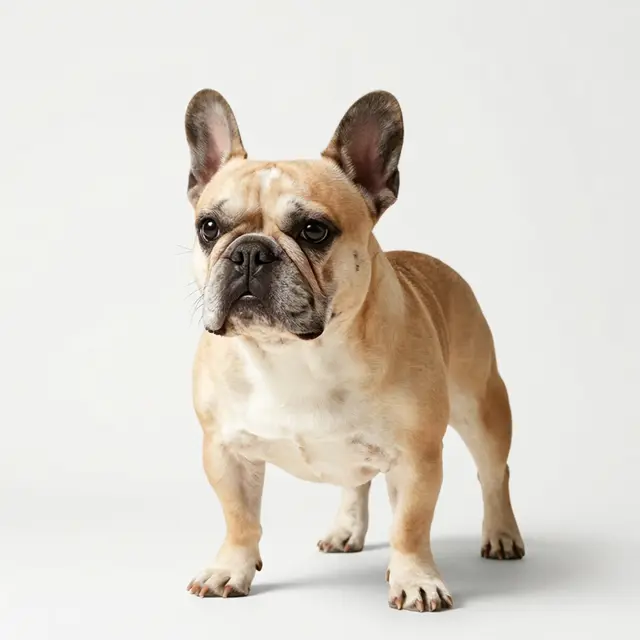
French Bulldog
A compact, easy-going companion that suits flats and modest exercise — but with serious health considerations.

Shih Tzu
A friendly, low-energy companion bred purely for company — perfect for flats if you keep up the grooming.
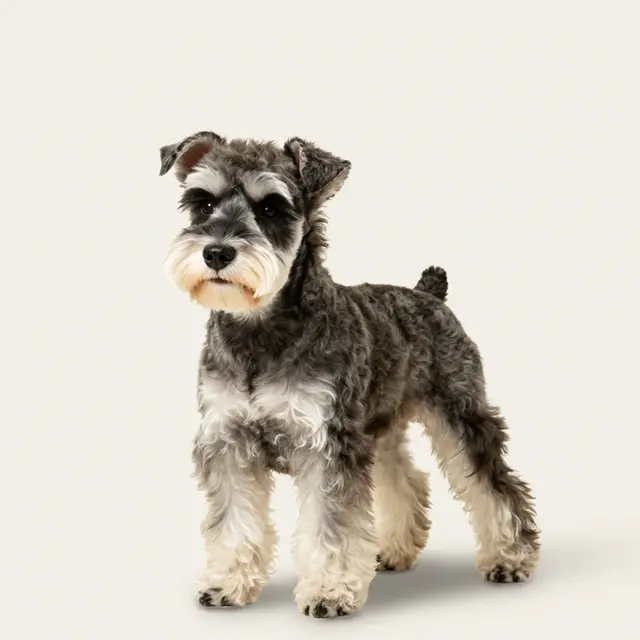
Miniature Schnauzer
A smart, spirited and low-shedding companion that adapts well to flats but likes to have its say.

Bulldog
A placid, affectionate companion that’s happy with gentle walks — but burdened by serious health issues.
Similar temperament
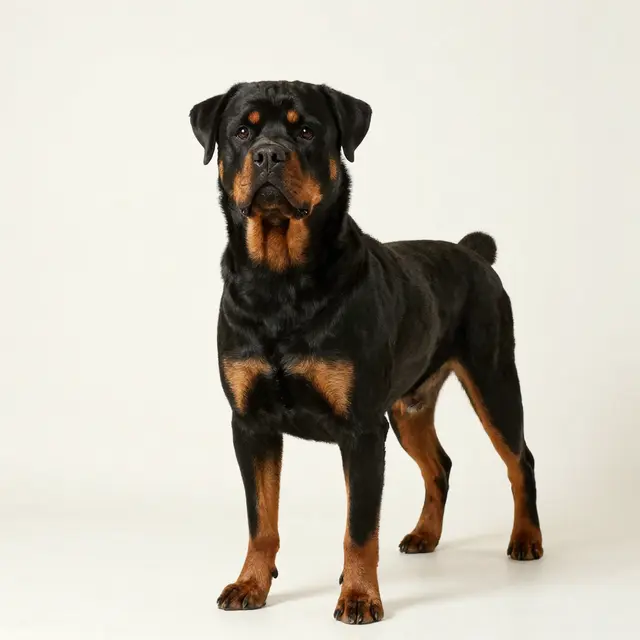
Rottweiler
A powerful, confident guardian that’s calm and devoted in the right hands — but needs an experienced owner.
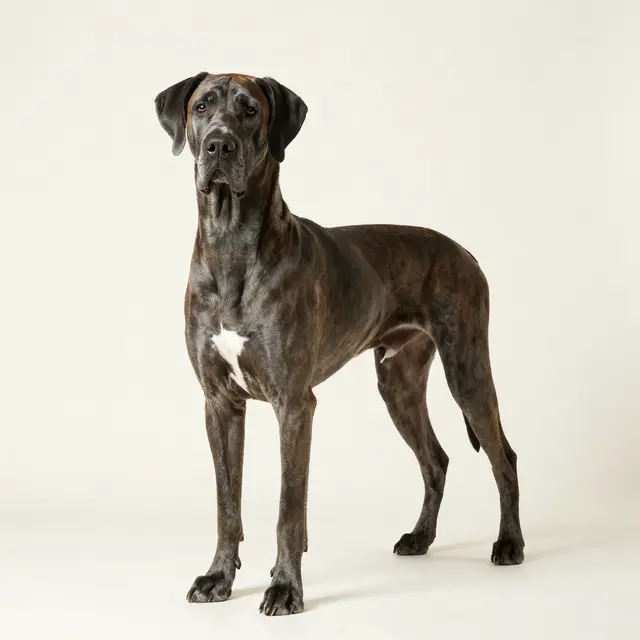
Great Dane
A truly enormous yet gentle and affectionate "gentle giant" — surprisingly calm for its size.
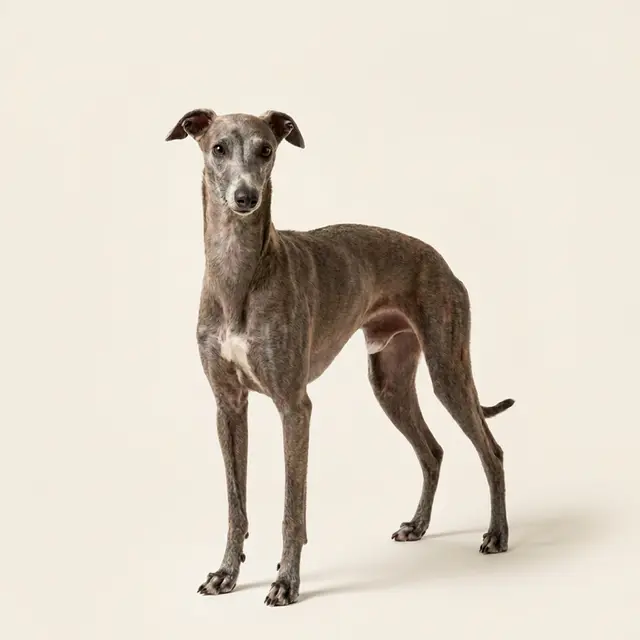
Italian Greyhound
A tiny, elegant sighthound — affectionate, clean and quiet, but delicate and sensitive.

Campeiro Bulldog
A robust Brazilian working bulldog historically used to handle cattle in slaughteryards. Brave, loyal and tenacious, with strong guarding instincts and a need for firm handling.
Similar size, different type
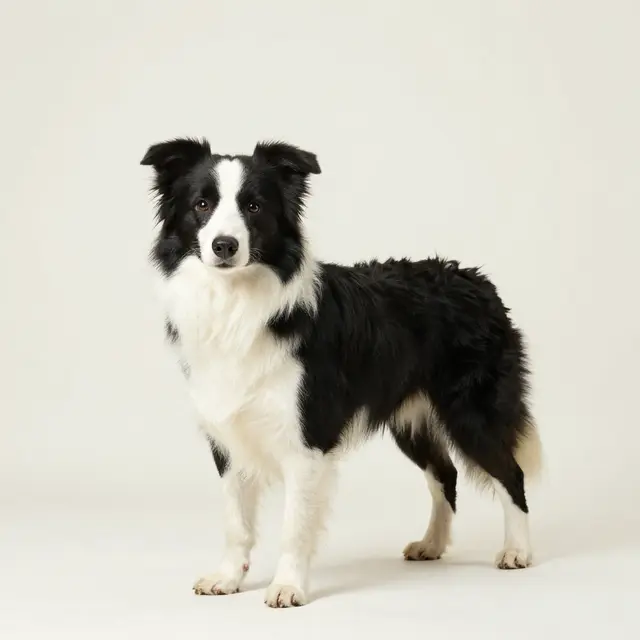
Border Collie
The ultimate working brain — astonishingly clever and trainable, but needs hours of exercise and a job to do.
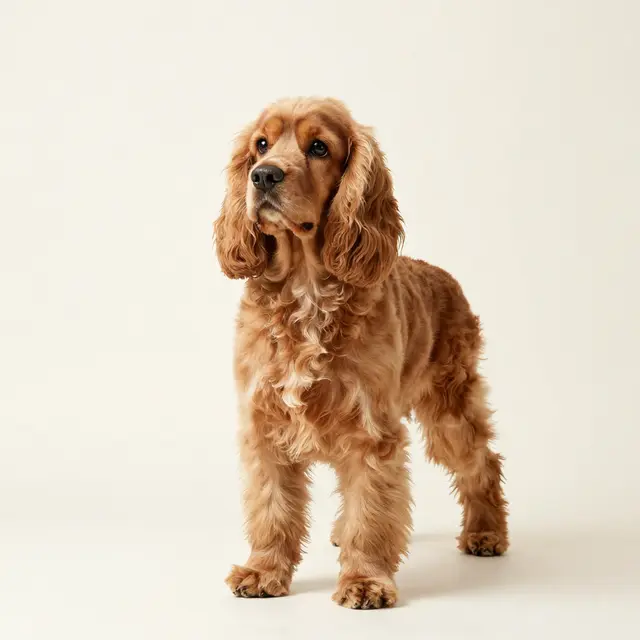
Cocker Spaniel
A merry, affectionate gundog that loves people and activity — happiest with a job and regular grooming.
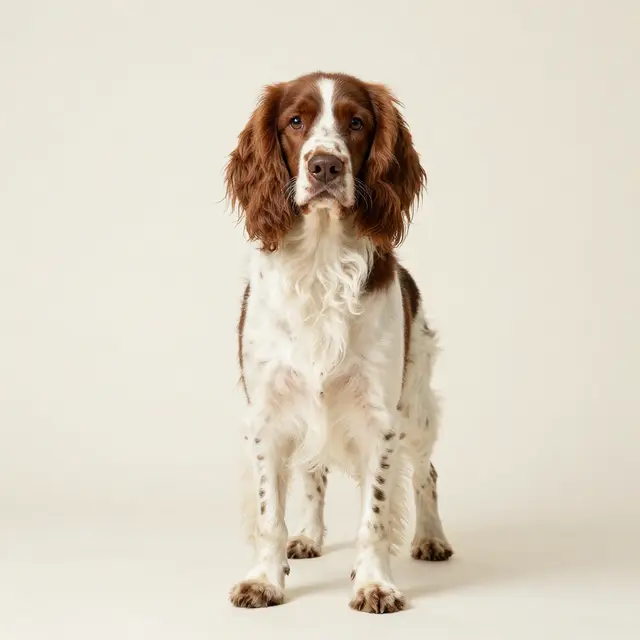
English Springer Spaniel
A tireless, enthusiastic working gundog that needs serious daily exercise and mental stimulation.
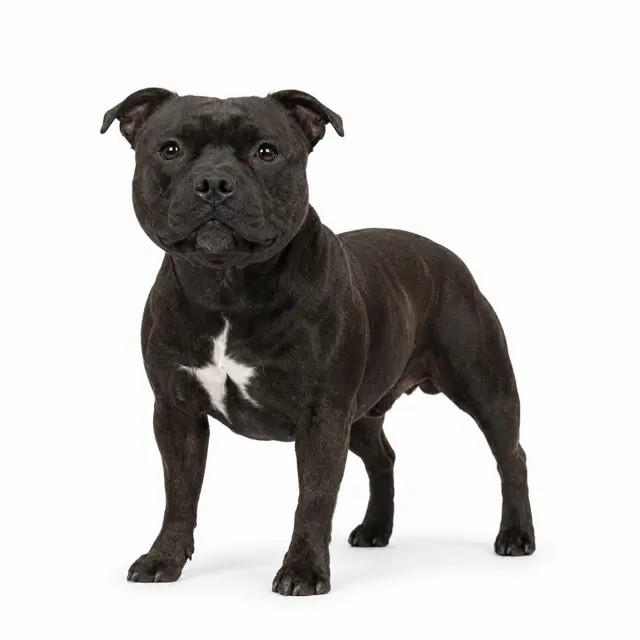
Staffordshire Bull Terrier
Affectionately known as the "nanny dog" — devoted, people-loving and famously gentle with children.
Is the Xoloitzcuintle your breed?
Create your pet profile and get personalised food, toy, insurance and health recommendations — tailored to your dog.
Frequently asked questions
How do you pronounce Xoloitzcuintle?
It is pronounced roughly "show-low-eats-QUEENT-lee". The name is commonly shortened to Xolo, and the breed is also known as the Mexican Hairless Dog. It is an ancient breed from Mexico, recognised by the Kennel Club in the Utility Group.
Are all Xoloitzcuintles hairless?
No. The breed comes in two coat types: hairless and coated. The hairless variety sheds virtually nothing but has bare skin that needs protection from sun and cold and careful skincare. The coated variety has a short, close coat needing only routine, occasional brushing. Both types come in three sizes — toy, miniature and standard.
What sizes does the Xolo come in?
The Xolo comes in three sizes — toy, miniature and standard — making it one of the more variable breeds in terms of dimensions. Across these sizes it ranges from around 25 to 60 cm at the shoulder and roughly 4 to 25 kg, so owners can choose a much smaller or considerably larger dog depending on the variety.
What is the Xolo's temperament like?
Typically calm, loyal and alert, the Xolo forms strong bonds with its family while remaining reserved, sometimes aloof, with strangers. It is attentive and watchful, making a good alarm dog without being indiscriminately noisy, and often chooses a favourite person. Its wariness of strangers is a normal breed trait, and early, positive socialisation helps build confidence.
How do you care for a hairless Xolo's skin?
The bare skin needs regular gentle cleaning, protection from sunburn with appropriate measures in hot, bright weather, and warmth in the cold, since the dog has no coat for insulation. Outdoor time should be managed according to the weather. With sensible skincare the hairless Xolo is otherwise low-maintenance, as it has no coat to brush and sheds virtually nothing.
How long do Xoloitzcuintles live?
The Xolo is generally regarded as a healthy, hardy and notably long-lived breed, with a typical lifespan often quoted at around 13–18 years. Its ancient, natural origins are associated with relatively robust health overall, though the hairless variety's skin needs ongoing protection and care.
Do hairless Xolos have dental problems?
Dental differences are common in the hairless variety. The gene associated with hairlessness is linked with differences in dentition, so hairless dogs may have missing or irregular teeth. This is a recognised breed characteristic rather than a disease. Routine dental care, a good diet and choosing a breeder who can advise on the hairless variety's needs all help.
How much exercise does a Xolo need?
The Xolo has moderate, adaptable exercise needs and is generally happy with daily walks and play suited to its size and age. It enjoys activity and mental engagement but is not relentlessly high-energy, making it manageable for a range of households. A secure garden is useful, with the caveat that the hairless variety must be protected from strong sun and cold.
Are Xoloitzcuintles good with children?
Fine with sensible, older children. As a general guide, Xoloitzcuintles tend to be fine with sensible, older children. Whatever the breed, always supervise dogs and young children and teach kids to interact gently.
How much exercise does a Xoloitzcuintle need?
As a healthy adult, a typical Xoloitzcuintle needs around an hour of exercise a day (60–80 minutes), split across walks plus play. A good sniffy walk plus some play and training usually keeps them happy. Puppies, seniors and dogs with health conditions need less — ask your vet.
Do Xoloitzcuintles shed a lot?
Minimal shedding. Coat upkeep is wash-and-go — a quick brush now and then is usually enough.
Are Xoloitzcuintles easy to train and good for first-time owners?
Manageable for committed beginners. Xoloitzcuintles are best for owners ready to commit to consistent training and plenty of activity. Reward-based training and early socialisation help any dog.
Do Xoloitzcuintles bark a lot?
Quiet. They are usually fairly easy-going about barking, though any dog will bark if bored or under-exercised.
Are Xoloitzcuintles good with other dogs?
Generally fine with other dogs. Early, positive socialisation with other dogs from a young age makes a big difference.
Do Xoloitzcuintles suit flats or smaller homes?
Best with a garden. A Xoloitzcuintle is happiest with access to a secure garden and regular outdoor exercise.
Sources
- The Kennel Club — Mexican Hairless (Xoloitzcuintle) breed information: https://www.thekennelclub.org.uk/breed-standards/utility/mexican-hairless/
- Fédération Cynologique Internationale (FCI) — Xoloitzcuintle breed standard: https://www.fci.be/en/nomenclature/XOLOITZCUINTLE-234.html
- PDSA — Dog health and care advice: https://www.pdsa.org.uk/pet-help-and-advice/looking-after-your-pet/dogs
Recommended for your Xoloitzcuintle
Matched to a Xoloitzcuintle's size and their typical need for a warm coat.

Striped Hooded Dog Dungarees Outfit
A two-piece dog outfit with a striped hooded top and bear-pocket dungaree overalls.
From£7.99

Calming Ear-Cover Snood for Dogs
An adjustable ear-cover snood in thickened fabric that helps calm dogs through thunder and fireworks.
£12.99

Calming Anxiety Vest with Hood for Dogs
A stretchy calming vest with an attached hood that covers the ears, applying gentle pressure to settle anxious dogs during fireworks, thunderstorms, travel and vet visits.
From£13.99

Tartan Sherpa Fleece Pet Mat
A reversible tartan sherpa fleece mat handmade in the UK — hypoallergenic, non-slip, machine washable, and sized to fit standard crates.
From£17.99

Padded Winter Dog Coat with Built-In Harness
A padded zip-up winter coat with a built-in harness ring, so your dog stays warm and ready to clip on.
From£8.99

Teddy Bear Hooded Fleece Pet Cape
A snuggly fleece cape with a teddy-bear hood to keep small pets warm.
From£13.99

Dog Ear Snood & Neck Warmer
A stretchy ear snood that warms the neck, settles noise nerves and protects long ears at mealtimes.
£7.99

Waterproof Anti-Slip Dog Socks
Rubber-dipped knit dog socks with adjustable straps that grip smooth floors and shield paws from cold and wet ground. The waterproof coated soles keep feet dry while the soft cuffs stay comfortably in place.
£7.99
Suggestions based on breed traits — always check sizing and suitability for your individual dog.
Got a Xoloitzcuintle? Save them to a pet profile for tailored picks across the whole site.
Happier, healthier pets — in your inbox.
Breed care tips, seasonal advice and first access to new arrivals. No spam, unsubscribe anytime.
Every dog is an individual — temperament and needs vary. Please research thoroughly, meet dogs in person, and consider adopting from a rescue. This is general guidance, not a substitute for advice from your vet or a qualified trainer.