Cost of Owning an Italian Greyhound in the UK
What an Italian Greyhound really costs in the UK — purchase price, food, insurance, dental care, coats and lifetime spend for this delicate sighthound.

The quick answer
A well-bred Italian Greyhound puppy from a responsible, health-testing breeder typically costs somewhere in the region of £1,500–£3,000, sometimes more depending on bloodlines and location. Be wary of unusually cheap puppies. Rehoming through a breed rescue is a lower-cost alternative, usually with a modest adoption fee.
Italian Greyhounds are small dogs, which keeps some costs down — they eat little and don't need much equipment — but their delicate health, particularly dental disease and fracture risk, means insurance and vet bills deserve careful budgeting. Here's a realistic look at what owning an Italian Greyhound costs in the UK, from purchase price to lifetime spend.
Upfront cost of an Italian Greyhound puppy
Italian Greyhounds are relatively uncommon in the UK, and a well-bred puppy from a responsible, health-testing breeder typically costs somewhere in the region of £1,500–£3,000, sometimes more, depending on bloodlines, breeder and location. Be wary of unusually cheap puppies, which often come from less careful breeding and can bring higher health costs later. Rehoming an Italian Greyhound through a breed-specific rescue or rehoming charity is a lower-cost, rewarding alternative, usually involving a modest adoption fee.
Whatever the route, factor in one-off setup costs: a coat or two (essential for this breed, not optional), a soft supportive bed, a secure harness, bowls, a crate or pen, toys, and initial vaccinations, microchipping, flea and worm treatment and neutering if not already done. Setup commonly runs to a few hundred pounds.
Monthly running costs
The good news for a small breed is that day-to-day costs are modest. Typical monthly spending includes:
- Food: as a tiny dog, an Italian Greyhound eats very little, so a good-quality complete food costs only a modest amount each month.
- Insurance: worth budgeting carefully. Lifetime cover for a fragile breed prone to fractures and dental disease is a sensible investment and premiums vary with age, postcode and cover level.
- Preventive care: flea, tick and worm treatments, spread across the year.
- Coats and warmth: an upfront and occasional cost as your dog grows or wears items out.
- Insurance excess and the unexpected: always budget a buffer.
Across food, insurance, preventive treatments and sundries, many owners find an Italian Greyhound costs a relatively manageable amount each month — but the figure depends heavily on insurance and on the dental and fracture costs below.
It's also worth setting aside a small monthly amount into a savings pot for vet bills, even if you're insured, so that excesses, exclusions and the inevitable extras are covered without stress. Building this habit early makes the larger, less predictable costs of the breed far easier to absorb.
The dental and fracture factor
Two breed-specific issues make the biggest difference to lifetime cost. First, dental disease is a major issue in the breed, and professional dental treatment under anaesthetic is a real expense. Brushing daily and keeping up with check-ups reduces how often this is needed — making at-home dental care one of the best-value habits you can build.
Second, leg fractures are a genuine risk, especially in young dogs jumping off furniture. A broken leg can mean X-rays, surgery and aftercare costing hundreds to well over a thousand pounds. Good insurance and good prevention — ramps, supervision, discouraging big jumps — both protect your finances here.
Don't forget the variable costs
Over a 12–15 year life, also budget for:
- Annual vet checks, vaccinations and dental reviews.
- Routine and emergency vet care, especially the dental and fracture risks above.
- Boarding or pet-sitting when you travel.
- Replacement coats, beds and equipment over the years.
- Senior care as your dog ages, with closer monitoring and possibly extra treatment.
Lifetime cost in perspective
Added up across a 12–15 year life, the bulk of what you'll spend on an Italian Greyhound sits in three places: the initial purchase or adoption, the steady drip of insurance and preventive care, and the occasional larger vet bill — most often dental or fracture-related. Day-to-day food and equipment costs stay modest throughout, which is part of the breed's appeal for owners wanting a small, characterful companion without a giant-breed grocery bill.
Is an Italian Greyhound expensive to keep?
Day to day, an Italian Greyhound is one of the more affordable dogs to feed and equip — they're small, eat little and need modest kit. The costs that really matter are the upfront purchase price, lifetime insurance, and the breed's dental and fracture risks. Budget honestly for these, build in daily dental care and careful prevention of furniture jumps, and an Italian Greyhound is a manageable and deeply rewarding companion to own.
*This is general guidance, not a substitute for advice from your vet, who can assess your individual dog. Costs are indicative and vary by location and supplier.*
Sources
- RVC VetCompass — UK dog health research (rvc.ac.uk/vetcompass).
- UK Kennel Club & BVA — breed and ownership information (thekennelclub.org.uk).
- PDSA — cost of owning a dog and breed care (pdsa.org.uk).
- Blue Cross — dog care and rehoming (bluecross.org.uk).
Common questions
How much does an Italian Greyhound puppy cost in the UK?
A well-bred Italian Greyhound puppy from a responsible, health-testing breeder typically costs somewhere in the region of £1,500–£3,000, sometimes more depending on bloodlines and location. Be wary of unusually cheap puppies. Rehoming through a breed rescue is a lower-cost alternative, usually with a modest adoption fee.
Are Italian Greyhounds expensive to keep?
Day to day they're affordable — they're tiny, eat little and need modest kit. The costs that matter most are the upfront purchase price, lifetime insurance, and the breed's dental disease and leg-fracture risks. Budget honestly for these and build in daily dental care and careful prevention of furniture jumps.
What unexpected vet costs should Italian Greyhound owners budget for?
The two big ones are dental treatment, as dental disease is a major breed issue often needing professional cleaning under anaesthetic, and leg fractures, which can mean X-rays and surgery costing hundreds to over a thousand pounds. Good insurance plus prevention — daily brushing, ramps and supervision — protect both your dog and your finances.
About the author
Matt Garnett — founder, Giddy Pets
Matt started Giddy Pets to make getting pets the good stuff simpler and fairer. Everything in these guides comes from real life with pets and a lot of trial and error — it's practical guidance, not veterinary advice. If a guide gets something wrong, tell him directly.
Free tools & more guides
Read next
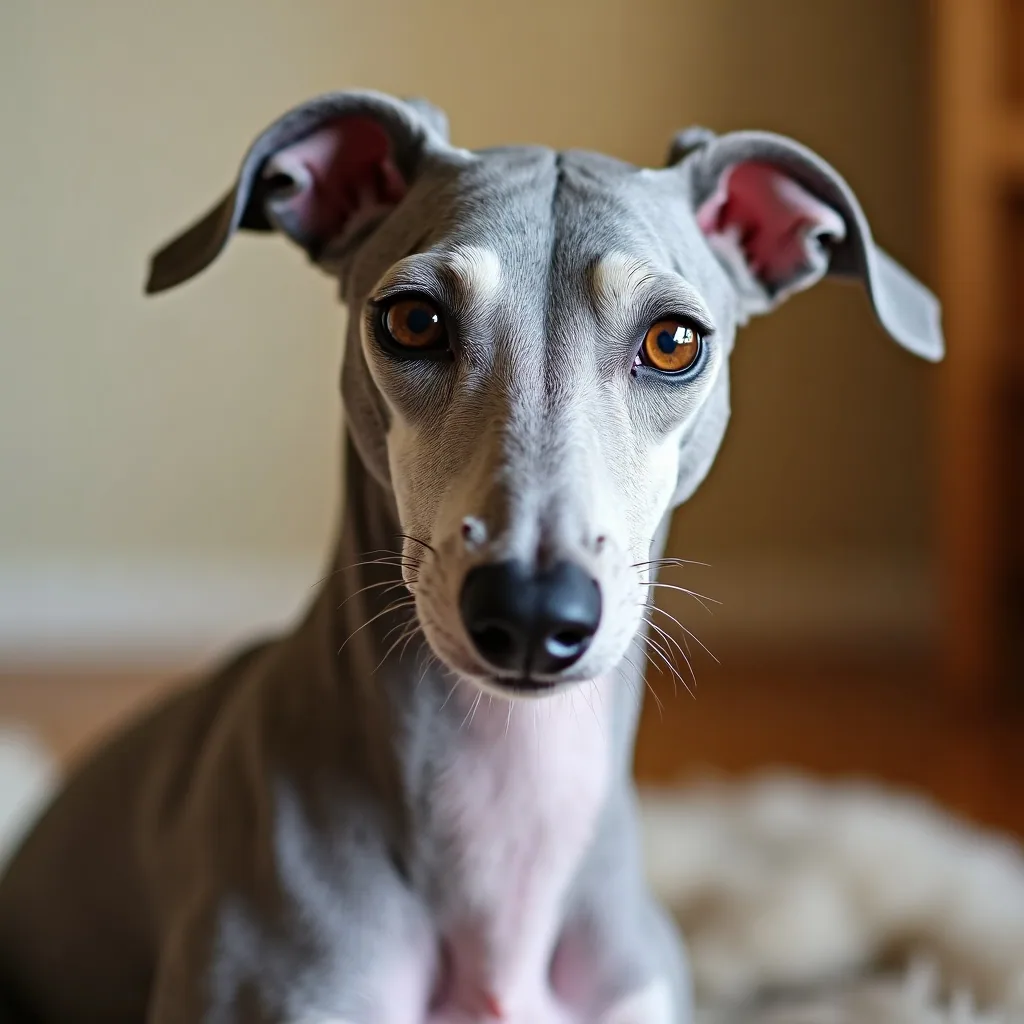
Italian Greyhound Care: Dental, Warmth & House-Training
An Italian Greyhound care guide covering proactive dental care, keeping a thin-coated dog warm with coats, and the patience needed to house-train this breed.

How Long Do Italian Greyhounds Live? Lifespan & Health
Italian Greyhounds live around 12–15 years. The fragile legs, dental disease and eye conditions this delicate sighthound is prone to, and how to help yours.
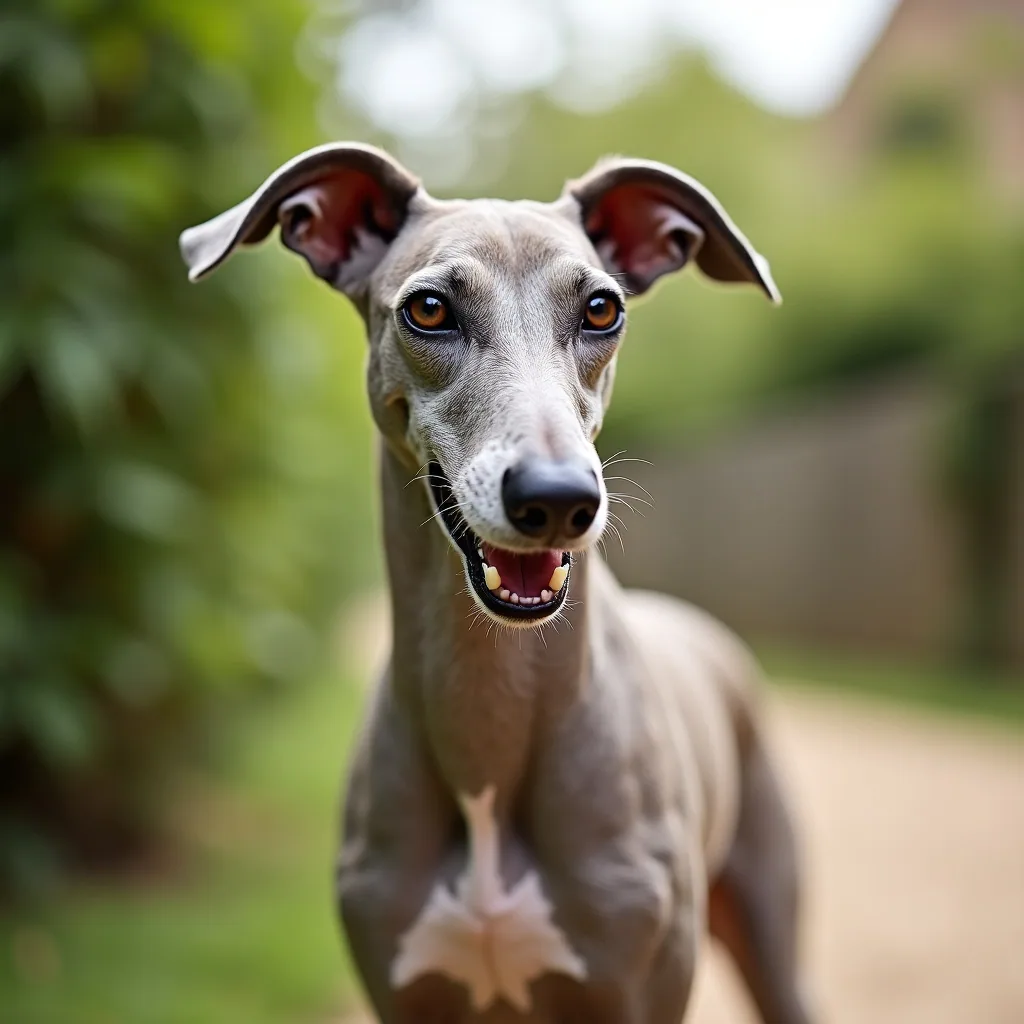
Are Italian Greyhounds Good Family Dogs? Temperament Guide
Italian Greyhounds are affectionate, sensitive companions. How they fit with children, their fragile legs, furniture-jumping and need for warmth.