
How Long Do Italian Greyhounds Live? Lifespan & Health
Italian Greyhounds live around 12–15 years. The fragile legs, dental disease and eye conditions this delicate sighthound is prone to, and how to help yours.

The quick answer
Italian Greyhounds are long-lived for a dog, typically reaching around 12–15 years. As a small, lean breed they often enjoy a good span, but keeping yours at a healthy weight, protecting those delicate legs, staying on top of dental care and seeking prompt vet attention for any problems all help yours reach the upper end of that range.
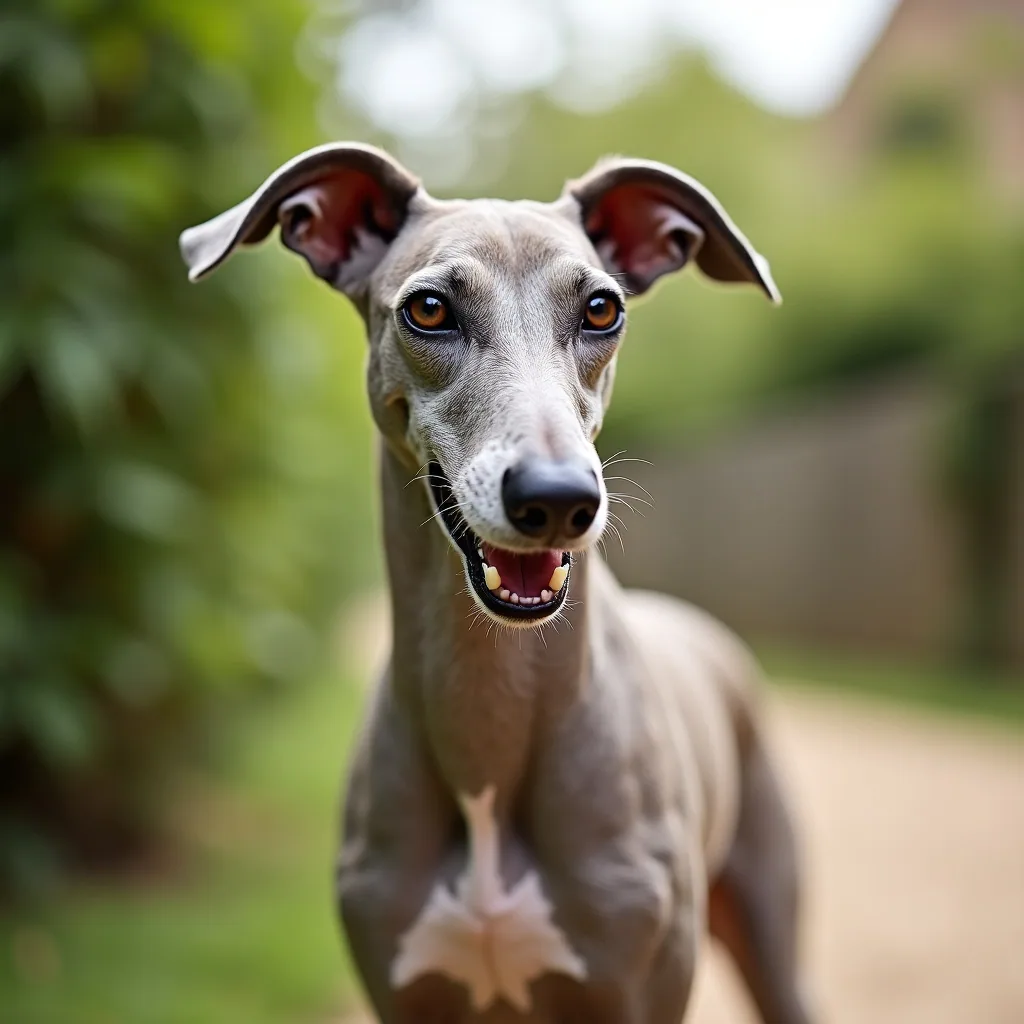
The Italian Greyhound is the smallest of the sighthounds — an elegant, fine-boned companion with a thin coat, a gentle nature and a deep attachment to its people. They're generally long-lived little dogs, but their delicate build brings some very specific health considerations, from fragile legs to dental disease. Here's how long Italian Greyhounds live, what to watch for, and how to help yours stay well.
How long do Italian Greyhounds live?
Italian Greyhounds are long-lived for a dog, typically reaching around 12–15 years. As a small, lean breed they often enjoy a good lifespan, but careful breeding, weight management, protecting those delicate legs, proactive dental care and prompt attention to any problems all influence both how long and how well your dog lives. A well-cared-for Italian Greyhound is a long-term companion.
Fragile legs and fractures
This is the issue every Italian Greyhound owner must understand. The breed has very fine, delicate leg bones, and leg and limb fractures are a genuine, well-known risk — particularly in young dogs who leap on and off the sofa, land awkwardly, or are dropped or trodden on. A bad jump from furniture is a classic cause of a broken leg in this breed.
Prevention is largely about management: supervise closely around furniture and stairs, discourage big jumps, consider ramps or steps up to favourite spots, and handle your dog gently and securely. Be especially careful with puppies and around very young children. Any sudden lameness, holding up a leg, swelling or yelping should be treated as a same-day veterinary matter.
Dental disease
Alongside fragile legs, dental disease is one of the breed's most significant health issues. Italian Greyhounds have small mouths and fine teeth, and they're prone to plaque, tartar, gum disease and early tooth loss. Left unmanaged, dental disease is painful and can affect overall health.
Proactive dental care genuinely matters in this breed. Daily tooth-brushing with dog toothpaste, started gently from an early age, is the gold standard, supported by vet-recommended dental products and regular check-ups. Because the breed is also more sensitive to anaesthetics, keeping teeth healthy day-to-day helps reduce how often professional dental work under anaesthetic is needed.
Patellar luxation and eyes
Italian Greyhounds are predisposed to patellar luxation (slipping kneecaps), which can cause an intermittent skipping lameness and may need veterinary management. They're also prone to certain eye conditions, including progressive retinal atrophy (PRA), which gradually affects sight, and vitreous degeneration. Responsible breeders eye-test their dogs, and any cloudiness, redness or change in vision should be checked promptly.
Anaesthetic sensitivity and the cold
As a sighthound with very little body fat, the Italian Greyhound can be more sensitive to anaesthetics and some medicines than many breeds — worth discussing with your vet, who will tailor protocols appropriately. That same lean build, combined with a thin coat, also means they feel the cold acutely and need coats, jumpers and warm bedding (more on that in our care guide).
What Italian Greyhounds are like to live with
Italian Greyhounds are affectionate, sensitive and devoted, bonding closely with their owners and adoring comfort and warmth. They can be timid and don't cope well with rough handling or chaos, so they thrive in calm, gentle homes. Their fragility makes careful supervision essential, but in the right household they're loving, elegant companions.
Helping your Italian Greyhound live well
- Protect the legs — supervise around furniture and stairs, discourage big jumps, use ramps or steps.
- Prioritise dental care — daily brushing and regular check-ups.
- Keep them warm — coats for walks, cosy bedding indoors.
- Keep them lean — easier on legs and joints and better for overall health.
- See your vet regularly, moving to twice-yearly checks as your dog ages.
When to see your vet
Book a check if you notice sudden lameness or a held-up leg (urgent), bad breath, sore or bleeding gums, a skipping hind-leg gait, cloudy eyes or bumping into things, or any loss of appetite or energy. Italian Greyhounds are sensitive and can hide discomfort, so taking subtle changes seriously is well worthwhile in this delicate breed.
*This is general guidance, not a substitute for advice from your vet, who can assess your individual dog.*
Sources
- RVC VetCompass — UK dog health and longevity research (rvc.ac.uk/vetcompass).
- UK Kennel Club & BVA — breed health and eye screening schemes (thekennelclub.org.uk).
- PDSA — dog health and breed care (pdsa.org.uk).
- Blue Cross — dog health (bluecross.org.uk).
Common questions
How long do Italian Greyhounds live?
Italian Greyhounds are long-lived for a dog, typically reaching around 12–15 years. As a small, lean breed they often enjoy a good span, but keeping yours at a healthy weight, protecting those delicate legs, staying on top of dental care and seeking prompt vet attention for any problems all help yours reach the upper end of that range.
Why do Italian Greyhounds break their legs so easily?
Italian Greyhounds have very fine, delicate leg bones, so fractures are a genuine breed risk — especially in young dogs leaping on and off furniture or landing awkwardly. Supervise carefully around stairs and sofas, discourage big jumps, and consider ramps or steps. Any sudden lameness, holding up a leg or yelping needs same-day veterinary attention.
Do Italian Greyhounds have dental problems?
Yes — dental disease is one of the breed's most significant health issues. Their small mouths and fine teeth are prone to plaque, tartar, gum disease and early tooth loss. Proactive dental care matters: daily tooth-brushing with dog toothpaste from an early age, vet-recommended dental products and regular check-ups all help protect your dog's teeth and overall health.
About the author
Matt Garnett — founder, Giddy Pets
Matt started Giddy Pets to make getting pets the good stuff simpler and fairer. Everything in these guides comes from real life with pets and a lot of trial and error — it's practical guidance, not veterinary advice. If a guide gets something wrong, tell him directly.
Free tools & more guides
Read next
Are Italian Greyhounds Good Family Dogs? Temperament Guide
Italian Greyhounds are affectionate, sensitive companions. How they fit with children, their fragile legs, furniture-jumping and need for warmth.

Italian Greyhound Care: Dental, Warmth & House-Training
An Italian Greyhound care guide covering proactive dental care, keeping a thin-coated dog warm with coats, and the patience needed to house-train this breed.

Cost of Owning an Italian Greyhound in the UK
What an Italian Greyhound really costs in the UK — purchase price, food, insurance, dental care, coats and lifetime spend for this delicate sighthound.

How Long Do Greyhounds Live? Lifespan & Health
How long Greyhounds live, the breed's generally good health, the conditions to watch for such as bloat and cold sensitivity, and how to help yours age well.