
Affenpinscher
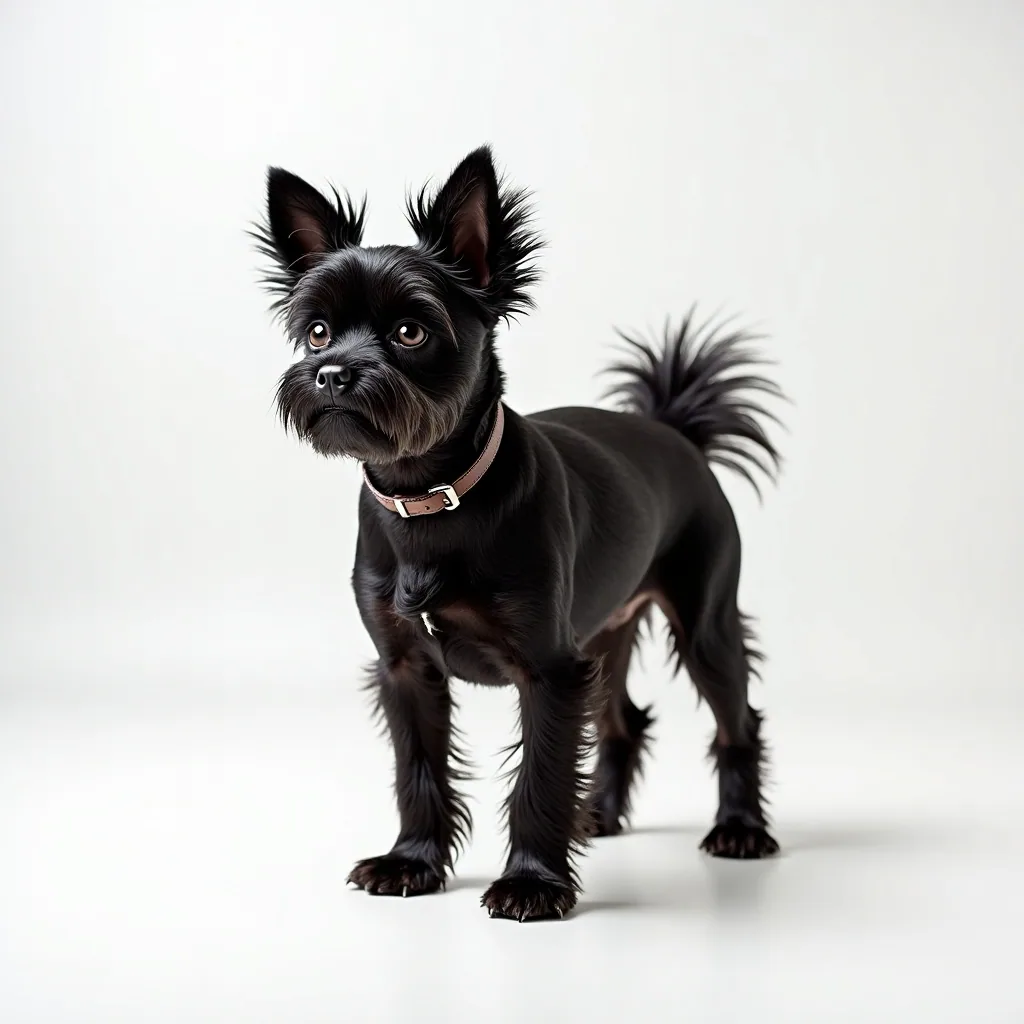
A tiny, monkey-faced terrier-type toy dog with a big personality. Lively and amusing, but bold and stubborn, so needs patient, consistent training.
Affenpinscher scorecard
Overview
The Affenpinscher is a small, sturdy toy dog of German origin, instantly recognisable by its shaggy, monkey-like face — its name comes from the German 'Affe', meaning monkey or ape. Standing around 25–30 cm at the shoulder and weighing roughly 4–6 kg, it is a compact dog with a dense, wiry, rough coat, usually black, and a bold, almost comical expression. Despite its small size it carries itself with the confidence and self-importance of a much larger dog, and it is recognised by the Kennel Club within the Toy Group.
Originally a working ratter rather than a lapdog, the Affenpinscher retains a terrier-like character: alert, busy, fearless and full of personality. Owners often describe it as amusing and mischievous, and it makes a characterful companion for those who appreciate a big attitude in a small frame. It is a relatively rare breed in the UK, with comparatively few puppies registered each year, so prospective owners may need patience to find a well-bred litter from a responsible breeder.
Good to know — a Affenpinscher is flat-friendly and manageable for committed beginners. Every dog is an individual, so meet a few and chat to a good breeder or rescue before deciding.
Save the Affenpinscher guide
Thinking about a Affenpinscher? Pop your email in and we’ll send this guide so you can come back to it any time — handy while you compare breeds.
Popular searches for the Affenpinscher
History & origins
The Affenpinscher is an old type, with rough-coated little dogs of similar appearance depicted in European art for several centuries. The breed as we know it developed in Germany, where small wiry dogs were valued for keeping rats and mice down in homes, stables, shops and stables. These working ratters were the ancestors of several small German breeds, and the Affenpinscher is considered one of the older European toy breeds, sometimes cited as an influence on other monkey-faced dogs such as the Griffon Bruxellois.
Over time the Affenpinscher transitioned from a practical vermin-catcher to a companion dog, with breeders refining its appearance while preserving its bold temperament. It is recognised internationally, including by the Fédération Cynologique Internationale and the UK Kennel Club, which places it in the Toy Group. It has never been a numerous breed, and today it is kept primarily as a companion, valued for its distinctive looks and lively character rather than any working role.
Temperament & family fit
The Affenpinscher is confident, curious and full of character. It tends to be loyal and affectionate with its own family, often forming close bonds, while remaining alert and watchful — traits that make it a surprisingly effective little watchdog despite its size. Many are described as game and fearless, showing little awareness of how small they actually are, and they can be quite territorial and vocal, which means barking can need managing.
This is a breed with a strong terrier-like streak: independent, sometimes stubborn, and not naturally inclined to do as it is told simply to please. Affenpinschers are generally lively and entertaining companions for adults and older, sensible children, but they are not always the most patient choice around very young children, partly because of their size and partly because they may not tolerate rough or unpredictable handling. Early socialisation helps produce a more relaxed, less reactive adult, and being introduced calmly to other dogs, people and everyday situations is important.
- Families with older, respectful children
- Owners ready for consistent training
- Flats or houses with daily exercise
Training & intelligence
Affenpinschers are intelligent and capable of learning, but their independent, occasionally stubborn nature means training requires patience and consistency. They respond best to short, varied, reward-based sessions that keep them engaged; they can switch off quickly if drilled or bored, and harsh methods tend to make them more resistant rather than more cooperative. Keeping training fun and motivating, using food and play, generally gets the best from them.
Housetraining can take time with small breeds, so consistency and a reliable routine help. Because the breed can be vocal and territorial, it is worth working from early on to manage barking and to build positive associations with visitors and other dogs. Socialisation classes for a confident small dog, and ongoing mental stimulation through games and tricks, suit the breed's busy, intelligent mind well.
- Start socialisation & handling early
- Reward-based methods only — no harsh corrections
- Keep sessions short, calm and consistent
Exercise needs
A healthy adult Affenpinscher typically needs around an hour a day (roughly 60–80 minutes), split across walks, play and a little training. A good sniffy walk, some play and a little training usually keeps them content. Puppies, seniors and dogs with health conditions need adjusted amounts — check with your vet.
Grooming & coat
The Affenpinscher has a dense, rough, wiry coat that is relatively low-shedding but does need regular care. Brushing a couple of times a week helps prevent tangles, and the harsh coat is traditionally maintained by tidying and hand-stripping or trimming to keep its characteristic shaggy outline, particularly around the face. The facial furnishings around the eyes and muzzle should be kept clean. Routine care should also include checking and cleaning ears, keeping nails trimmed, and regular tooth-brushing, as small breeds are particularly prone to dental disease.
- Brush several times a week
- Bathe every few weeks or as needed
- Check ears, nails and teeth weekly
Feeding a Affenpinscher
Feed a complete, good-quality food formulated for small or toy breeds, following the feeding guide for the dog's weight and adjusting to maintain a healthy body condition. Toy dogs need only small quantities, so it is easy to over-feed; measure portions carefully and account for treats, which add up quickly in a dog of this size. Splitting the daily ration into two meals helps, and very small puppies may need more frequent feeding. Monitor your dog's weight and body condition regularly, as obesity places extra strain on joints and overall health even in a tiny dog.
A toy breed
An adult Affenpinscher typically weighs 4–6 kg, so a healthy Affenpinscher eats a small amount — often under 100g of dry food a day compared with other breeds. Every feeding guide on a bag is written per kilo of body weight, not per breed — start there, then adjust to the dog in front of you.
Life stage
A toy breed is usually done growing at 10–12 months, which is roughly when a puppy food has finished its job. With a typical lifespan of 12–14 years, there is a long adult stretch in the middle; switch to a senior food when your vet thinks it is worth it rather than on a birthday.
Small mouths, crowded teeth
Smaller breeds get dental disease more often than big ones, largely because the same number of teeth are packed into a shorter jaw. Kibble size is worth checking, and a dental chew counts towards the daily 10% of calories from treats.
A shallow, wide bowl suits a flat face
A flat-faced dog cannot reach into a deep bowl without pressing its nose into the sides, which is uncomfortable and makes it gulp air. A shallow bowl, and food that does not have to be chased around it, is the easier arrangement.
How much should a Affenpinscher weigh?
Adult 4–6 kgfully grown at 10–12 months
| Age | Stage | Typical weight | Of adult size |
|---|---|---|---|
| 8 weeks | Just home | 0.7–1.1 kg | 18% |
| 3 months | Young puppy | 1.2–1.8 kg | 30% |
| 6 months | Growing fast | 2.4–3.5 kg | 59% |
| 10–12 months | Fully grown | 4–6 kg | 100% |
A guide, from the same rule of thumb our puppy growth predictor uses — each age is that share of the way to maturity for a toy breed. Puppies grow fastest early, so a real puppy usually sits a little above the middle rows. Weigh yours and ask your vet if the number worries you.
Complete dog foods that suit a Affenpinscher
Complete foods from our range, matched to a Affenpinscher's size band and what the breed typically needs. Stock levels and delivery dates are live on each product.


Pedigree Can in Jelly Puppy 6 Pack
Complete Pedigree puppy food in jelly with chicken, lamb and poultry recipes
£10.15

Forthglade Cold Pressed Natural Turkey
Cold-pressed turkey kibble for dogs from 2 months, soft enough to mix with water for young pups
£45.99

Forthglade Cold Pressed Grain Free Chicken
Cold-pressed grain-free chicken food with fruit and botanicals, in three bag sizes
From£16.99

Forthglade Complete Meal Lightly Baked Chicken
A grain-free complete dry food for adult dogs, lightly baked and built on 50% chicken
From£12.49

Forthglade Cold Pressed Small Dog Turkey
Cold-pressed grain-free dry food for small dogs and puppies, built on turkey
£16.99

Forthglade Complete Meal Lightly Baked Lamb
A lightly baked complete dry food, 50% lamb, for adult dogs of any breed
From£12.49

Forthglade Cold Pressed Grain Free Turkey
Grain-free cold-pressed turkey kibble for dogs, gentle on sensitive stomachs
£69.69

Forthglade British Classics Chicken Family Lunch
Complete Forthglade wet dog food with 75% chicken in a 395G tray
£2.45

Harringtons Puppy Turkey & Rice
Complete turkey puppy food with 30% protein and feeding bands by adult weight
£6.49

Harringtons Adult Dog Turkey Veg
Complete dry food for adult dogs with turkey, chicken and salmon oil, 21% protein
From£3.39

Harringtons Just 6 Dry Dog Food Lamb
Grain-free lamb dry dog food in 2KG and 12KG sizes, with size-specific formulas
From£13.99
Affenpinscher health & costs
Before bringing a Affenpinscher home it pays to budget for the whole picture — food, insurance, grooming and routine vet care all add up. The figures below are typical UK estimates for a healthy adult; your real costs vary with where you live, your dog's health and the cover you choose.
Food
£200–300 / year
Complete food sized to weight & life stage
Insurance
£12–28 / month
Lifetime cover — varies by age, breed & area
Grooming
£120–300 / year
Occasional pro + home brushing
Routine vet care
£200–450 / year
Vaccines, flea/worm, annual check
The Affenpinscher is generally a hardy little dog with a typical lifespan in the region of 12–14 years, and many live healthy lives with good care. As with all breeds, however, there are health issues to be aware of, and buying from a breeder who health-tests and selects for sound temperament and conformation reduces the risk of problems. Being a small breed, it is prone to some of the issues common to toy dogs, including dental disease and patellar (kneecap) problems.
Responsible preventive care makes a real difference: routine vaccination, parasite control, weight management and, importantly, regular dental care, since small breeds accumulate tartar and dental disease readily. Because the Affenpinscher has a short muzzle and a somewhat flat face, owners should be alert to any signs of breathing difficulty, eye problems or overheating, and choose breeders who prioritise clear airways and healthy faces. As a relatively uncommon breed, talking to breed clubs and experienced owners is a good way to understand the issues seen in current bloodlines.
Common health conditions to be aware of
- Patellar luxation — slipping kneecaps, common in toy breeds, which can cause intermittent lameness and sometimes needs surgery.
- Dental disease — small mouths predispose to crowding and periodontal disease; regular tooth-brushing and dental checks are important.
- Legg-Calvé-Perthes disease — degeneration of the hip joint seen in some small breeds, causing pain and lameness in young dogs.
- Eye conditions — including issues affecting the cornea and tear film, partly related to the short face and prominent eyes.
- Brachycephalic-related issues — the shortened muzzle can, in some individuals, contribute to breathing or overheating problems.
- Patent ductus arteriosus and other congenital concerns — reported in the breed; reputable breeders screen breeding stock.
These reflect typical, size- and coat-related risks for dogs like the Affenpinscher; individual breeds carry their own predispositions. Always buy from health-tested parents and speak to your vet — this isn't a diagnosis.
Protect against surprise bills
A single emergency can run into thousands. Lifetime insurance spreads the risk.
Estimate insurance →How pet insurance works →Puppy & senior care
Bringing home a Affenpinscher puppy
Puppies need controlled exercise (a rough guide is five minutes per month of age, twice a day) to protect growing joints, little-and-often meals of a complete puppy food, early socialisation, and a calm routine for toilet training and sleep. Book first vaccinations, microchipping and a vet check early.
New puppy checklist →Caring for a senior Affenpinscher
As they age, watch weight, joints and teeth, switch to a senior diet if your vet advises, keep exercise gentle but regular, and consider orthopaedic bedding and ramps. Twice-yearly vet checks help catch issues early.
Orthopaedic beds & mobility →Pros & cons
The good bits
- Big character in a small, apartment-friendly package
- Low shedding wiry coat
Things to consider
- Stubborn and can be tricky to train
- Not the most patient around very young children
Compare the Affenpinscher
See how the Affenpinscher measures up against similar breeds before you decide:
More breeds like the Affenpinscher
Same breed group
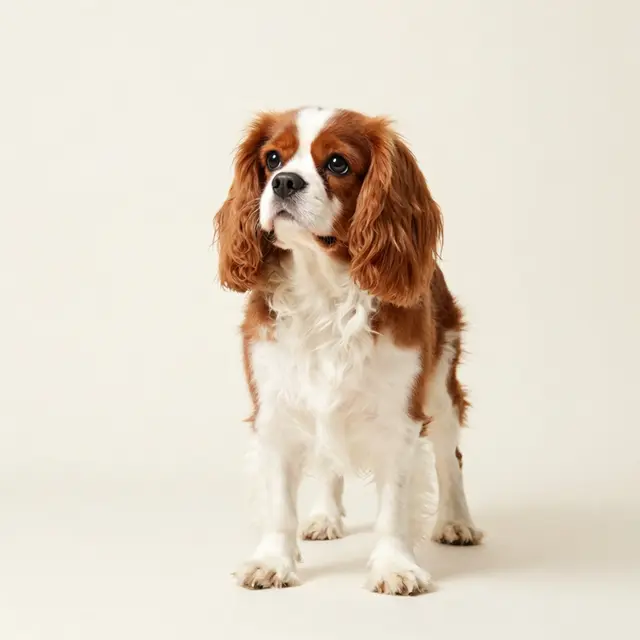
Cavalier King Charles Spaniel
A gentle, affectionate lap dog that’s wonderful with children and adapts happily to flat or house living.
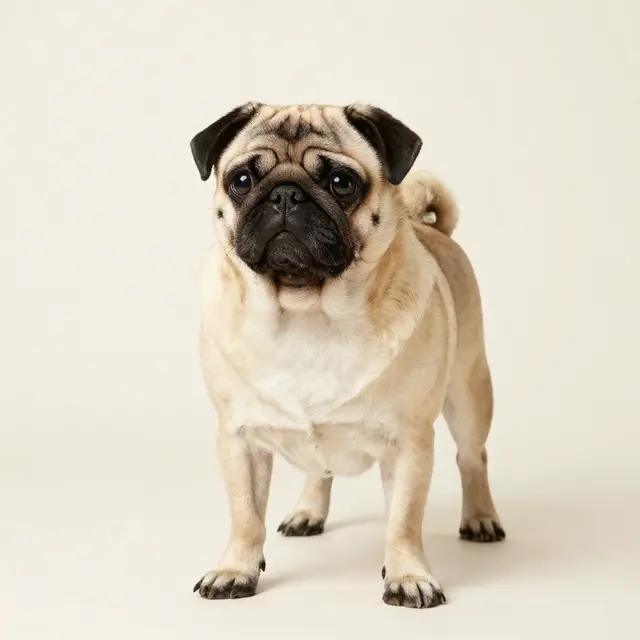
Pug
A charming, comical lap dog that’s content in a flat — but a flat face brings real health considerations.
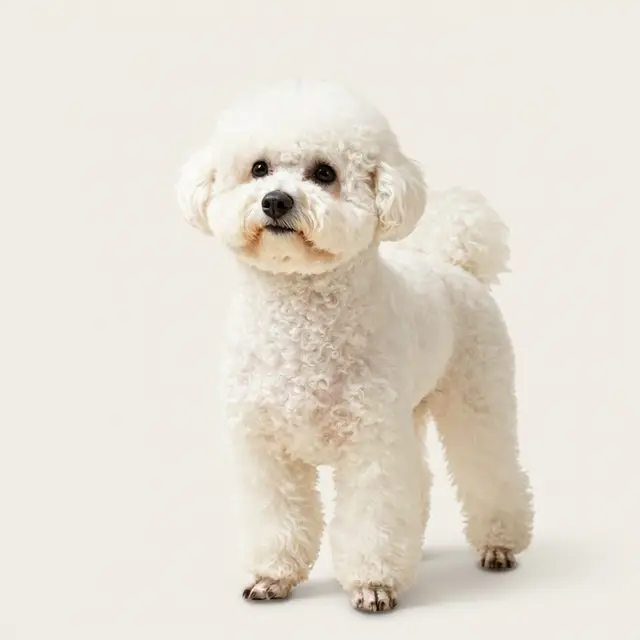
Bichon Frise
A cheerful, low-shedding companion that’s a popular choice for allergy-conscious, flat-dwelling owners.
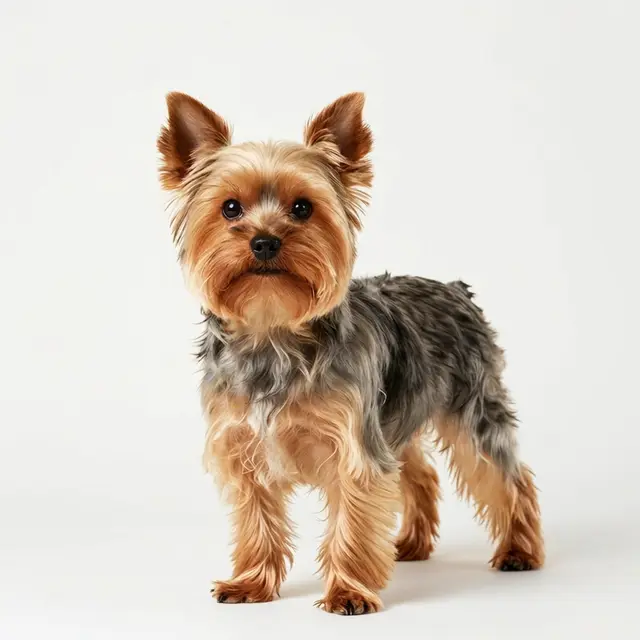
Yorkshire Terrier
A tiny, feisty toy terrier with a big personality — ideal for flats but delicate around small children.
Similar temperament
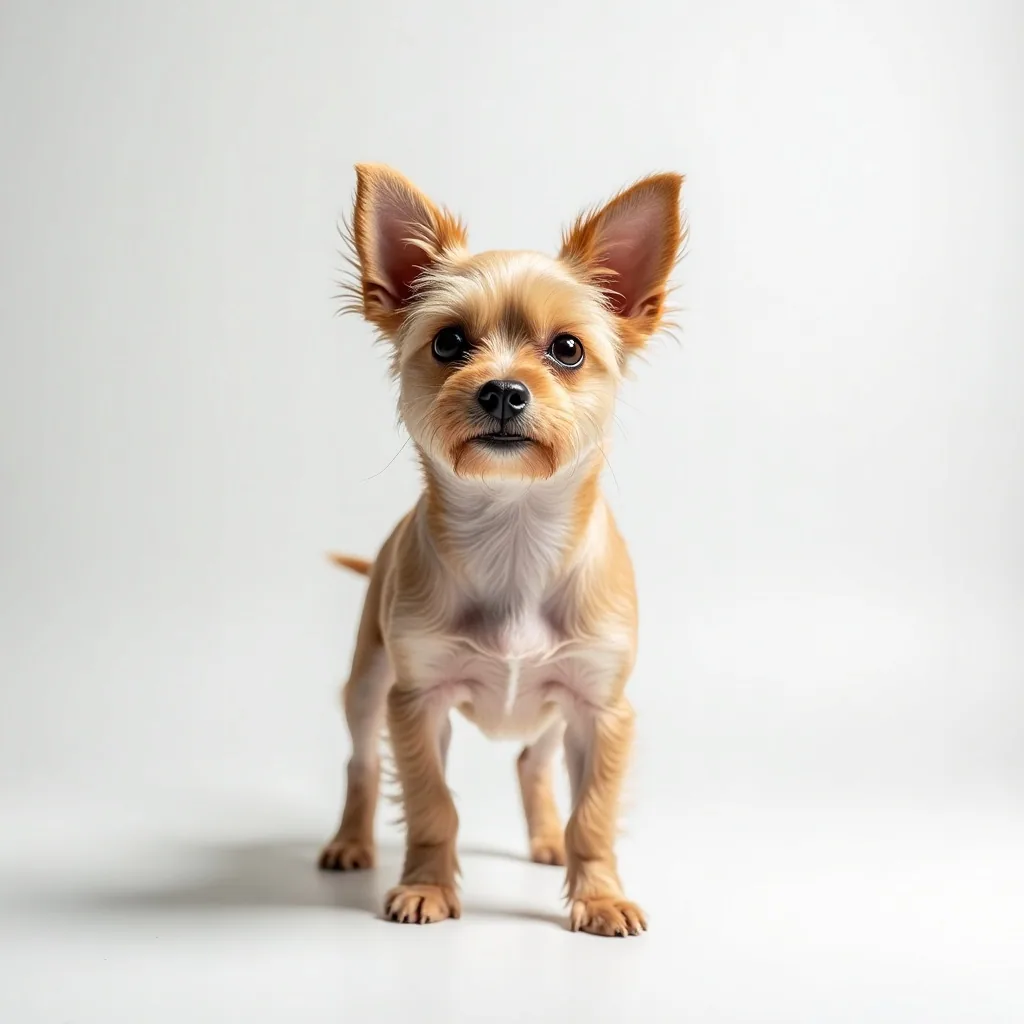
Chorkie
A tiny, bold Chihuahua–Yorkshire Terrier cross with a big personality. Devoted to its owner but can be feisty, vocal and wary of strangers. Coat and temperament vary depending on which parent they take after.
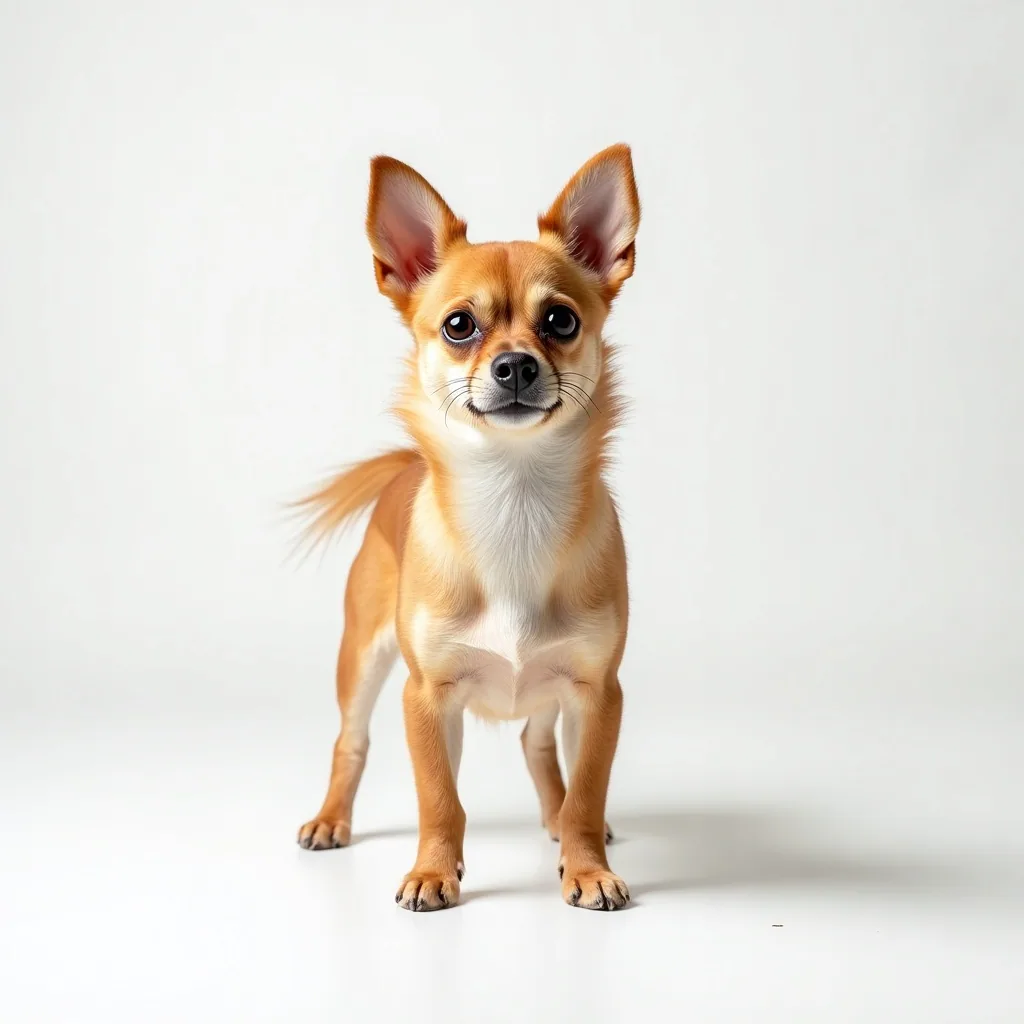
Pomchi
A tiny, bold cross of two spirited toy breeds. Devoted to its owner and full of character, but alert, vocal and delicate, so best suited to calm homes without very young children.
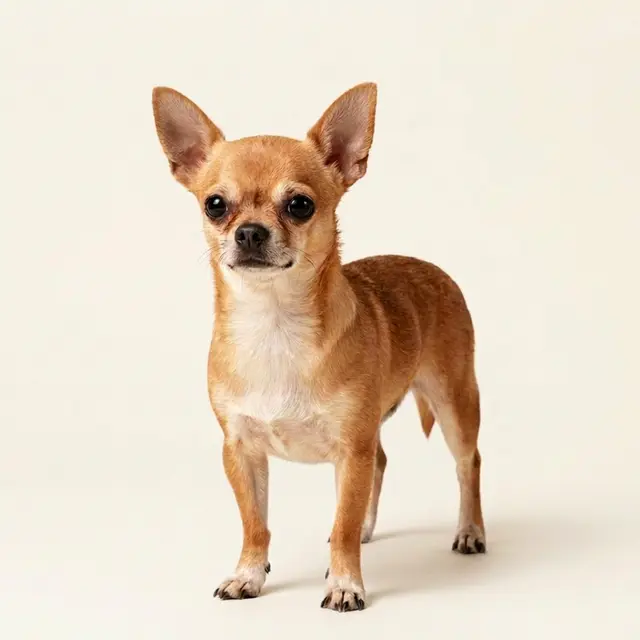
Chihuahua
The world’s smallest breed — devoted, sassy and perfect for flats, but not the easiest with young children.
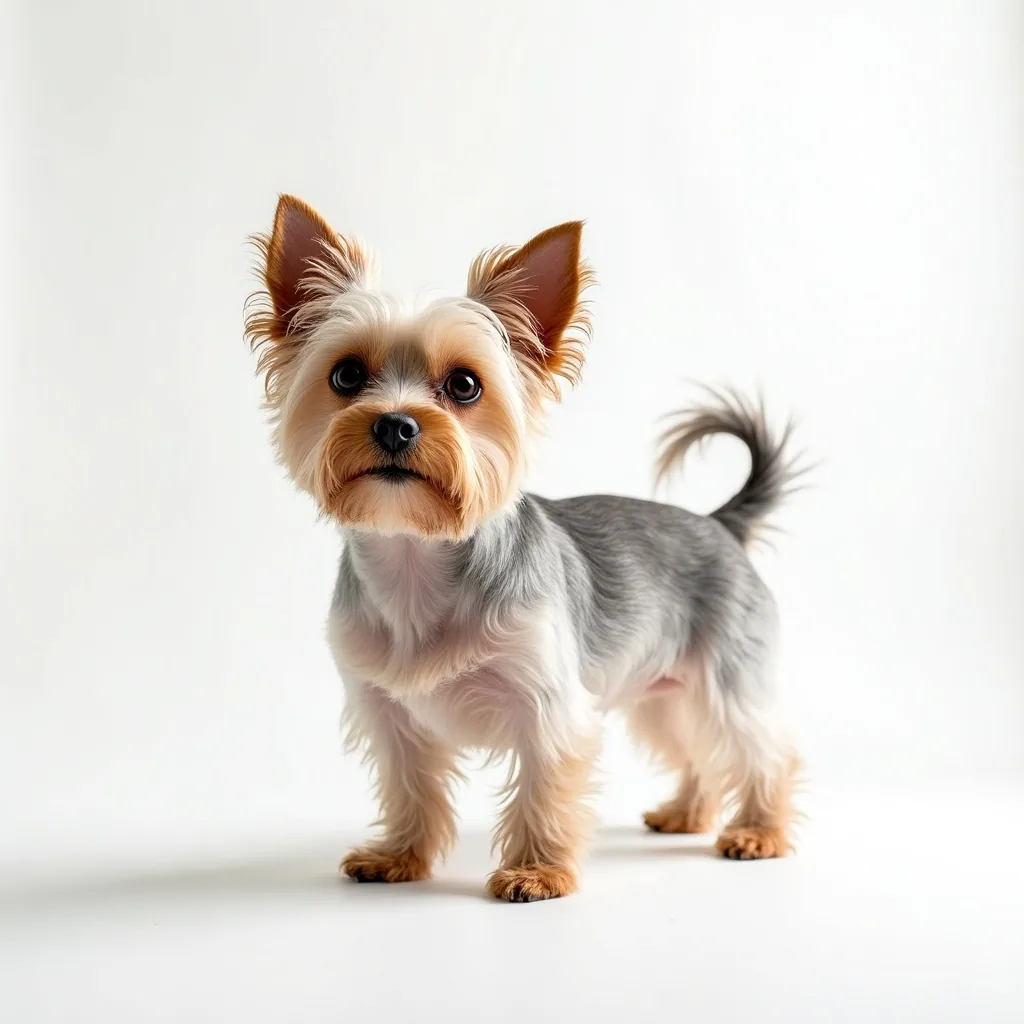
Morkie
A tiny, affectionate Maltese–Yorkshire Terrier cross with a long, low-shedding coat. Playful and devoted, but can be vocal and bold for its size. Coat and temperament vary depending on which parent they take after.
Similar size, different type
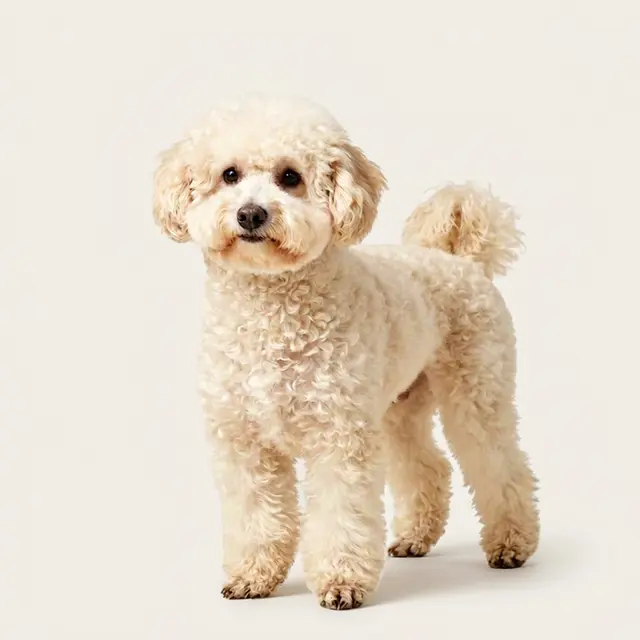
Maltipoo
A Maltese × Poodle cross — affectionate, playful and usually low-shedding, a popular lap-sized companion.
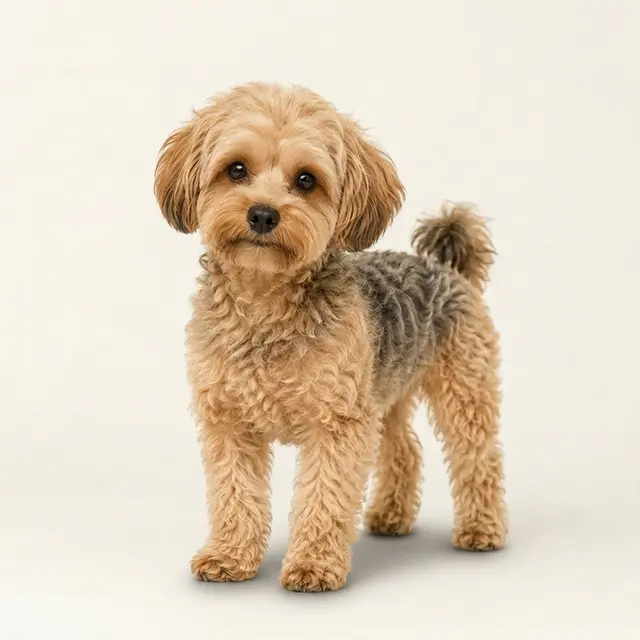
Yorkipoo
A Yorkie × Poodle cross — tiny, lively and usually low-shedding, well suited to flats and smaller homes.
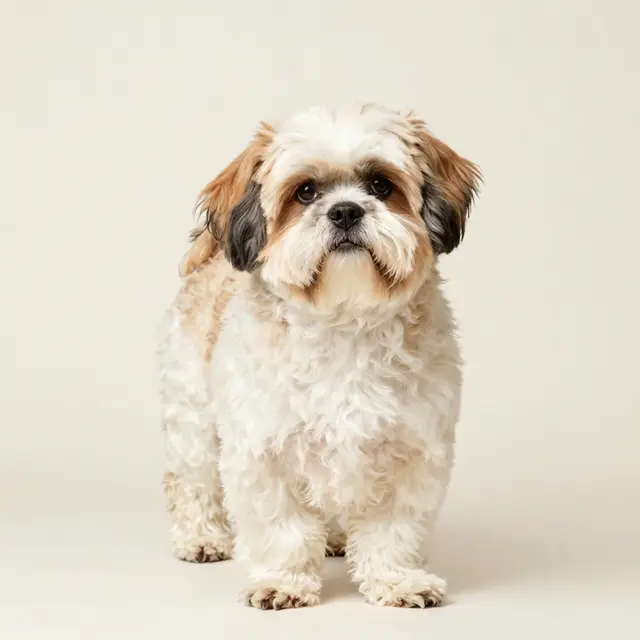
Shih-Poo
A Shih Tzu × Poodle cross — gentle, affectionate and usually low-shedding, a relaxed companion for flat life.
Chorkie
A tiny, bold Chihuahua–Yorkshire Terrier cross with a big personality. Devoted to its owner but can be feisty, vocal and wary of strangers. Coat and temperament vary depending on which parent they take after.
Is the Affenpinscher your breed?
Create your pet profile and get personalised food, toy, insurance and health recommendations — tailored to your dog.
Frequently asked questions
Why is the Affenpinscher called the monkey dog?
Its name comes from the German word 'Affe', meaning monkey or ape, a nod to its shaggy, monkey-like face and bold, comical expression. This small German toy breed has a dense, wiry, usually black coat and carries itself with the confidence of a much larger dog, which only adds to its characterful, mischievous appeal.
How big does an Affenpinscher get?
The Affenpinscher is a small toy breed, standing around 25–30 cm at the shoulder and weighing roughly 4–6 kg. Despite its compact, sturdy frame it is bold and self-assured, often behaving as though it were far larger. It is recognised by the Kennel Club within the Toy Group.
What is the temperament of an Affenpinscher?
Affenpinschers are confident, curious and full of character — loyal and affectionate with their family while staying alert and watchful, which makes them surprisingly effective little watchdogs. They have a strong terrier-like streak: independent, sometimes stubborn and quite territorial, so barking can need managing. Early socialisation helps produce a more relaxed, less reactive adult.
Are Affenpinschers easy to train?
They are intelligent and capable of learning, but their independent, occasionally stubborn nature means training takes patience and consistency. They respond best to short, varied, reward-based sessions using food and play, and they switch off quickly if drilled or bored. Harsh methods tend to make them more resistant, so keeping training fun gets the best results.
Are Affenpinschers good with children?
Affenpinschers are lively, entertaining companions for adults and older, sensible children, but they are not always the most patient choice around very young children. This is partly due to their small, easily injured frame and partly because they may not tolerate rough or unpredictable handling. Calm households and gentle, supervised interaction suit them best.
Do Affenpinschers shed much and how much grooming do they need?
The dense, rough, wiry coat is relatively low-shedding but does need regular care. Brushing a couple of times a week prevents tangles, and the harsh coat is traditionally maintained by tidying, hand-stripping or trimming to keep its shaggy outline, especially around the face. Keep facial furnishings clean and stay on top of ears, nails and tooth-brushing.
How much exercise does an Affenpinscher need?
Although small, the Affenpinscher is active and energetic and should not be treated as a purely sedentary lapdog. A couple of short to moderate walks a day plus play and mental enrichment will keep it fit and content. Its size means it adapts well to flats and smaller homes, provided it gets out regularly.
What health problems do Affenpinschers have?
Affenpinschers are generally hardy, typically living around 12–14 years, but as a small breed they can be prone to dental disease and patellar (kneecap) problems. Their shorter muzzle means owners should watch for any breathing difficulty, eye problems or overheating. Buy from a breeder who health-tests, prioritise regular dental care, and keep your dog at a healthy weight.
Are Affenpinschers good with children?
Best with older, calm children. As a general guide, Affenpinschers tend to be better suited to homes with older children or no young children. Whatever the breed, always supervise dogs and young children and teach kids to interact gently.
How much exercise does an Affenpinscher need?
As a healthy adult, a typical Affenpinscher needs around an hour of exercise a day (60–80 minutes), split across walks plus play. A good sniffy walk plus some play and training usually keeps them happy. Puppies, seniors and dogs with health conditions need less — ask your vet.
Do Affenpinschers shed a lot?
Low shedding. Coat upkeep is regular brushing — brush regularly to keep the coat in good condition.
Are Affenpinschers easy to train and good for first-time owners?
Manageable for committed beginners. Affenpinschers are best for owners ready to commit to consistent training and plenty of activity. Reward-based training and early socialisation help any dog.
Do Affenpinschers bark a lot?
Vocal / alert barker. They can be quite vocal, so early training and enough exercise and stimulation help keep barking in check.
Are Affenpinschers good with other dogs?
Generally fine with other dogs. Early, positive socialisation with other dogs from a young age makes a big difference.
Do Affenpinschers suit flats or smaller homes?
Flat-friendly. A Affenpinscher can adapt to flat living as long as it gets its daily exercise and company.
Sources
- The Kennel Club — Affenpinscher breed information (Toy Group): https://www.thekennelclub.org.uk/breed-standards/
- PDSA — small and toy breed care and dental health advice: https://www.pdsa.org.uk/pet-help-and-advice
- Blue Cross — choosing and caring for a dog: https://www.bluecross.org.uk/advice
- RSPCA — flat-faced (brachycephalic) dog welfare guidance: https://www.rspca.org.uk/adviceandwelfare/pets/dogs/health
- Fédération Cynologique Internationale (FCI) — Affenpinscher breed standard: https://www.fci.be/en/nomenclature/
Recommended for your Affenpinscher
Matched to a Affenpinscher's size and their typical need for dental care, cooling for hot days.

Smart Choice Cooling Ice Cream Dog Toy
A TPR cooling toy that can be filled with water and frozen, for hot-weather chewing
£3.99

Pressure-Activated Pet Cooling Mat
Press down, feel the cool — this pressure-activated mat absorbs body heat and stays up to 10°C cooler than the room, with no freezing required.
From£34.99

Ice-Silk Cooling Dog Bed with Bolster Edge
A breathable ice-silk cooling bed with a soft bolster edge and a cool-touch centre panel that helps your dog stay comfortable through warm weather. No need to freeze or refrigerate, it cools naturally on contact.
From£12.99

Ice-Silk Cooling Pad for Pets
A breathable, anti-slip ice-silk cooling mat that keeps cats and dogs comfortable on hot days, no freezing required. It rolls up neatly for travel and the cool-touch surface helps reduce overheating at home or in the car.
From£8.99

Ice-Silk Sofa Cover Pet Protector
A cool, smooth ice-silk sofa cover with a frilled, scalloped trim that shields your couch from pet hair, scratches and spills. Breathable for summer, it keeps furniture looking fresh while giving pets a soft spot to lounge.
From£11.99

Reflective Dog Cooling Vest
A lightweight cooling vest that helps keep your dog comfortable on hot-weather walks. Soak it, wring it out and fit it over the back; the breathable fabric and reflective trim aid temperature control and visibility.
From£17.99

Breathable Pet Cooling Mat
A breathable cooling mat that draws heat away to keep dogs and cats comfortable on hot days.
From£11.99

Evaporative Cooling Vest for Dogs
A mesh evaporative cooling vest that helps keep your dog comfortable in hot weather. Soak, wring and fit it for breathable, lasting cool, with an adjustable buckle strap and a top D-ring for lead attachment.
From£11.99
Suggestions based on breed traits — always check sizing and suitability for your individual dog.
Got a Affenpinscher? Save them to a pet profile for tailored picks across the whole site.
Happier, healthier pets — in your inbox.
Breed care tips, seasonal advice and first access to new arrivals. No spam, unsubscribe anytime.
Every dog is an individual — temperament and needs vary. Please research thoroughly, meet dogs in person, and consider adopting from a rescue. This is general guidance, not a substitute for advice from your vet or a qualified trainer.