
Morkie
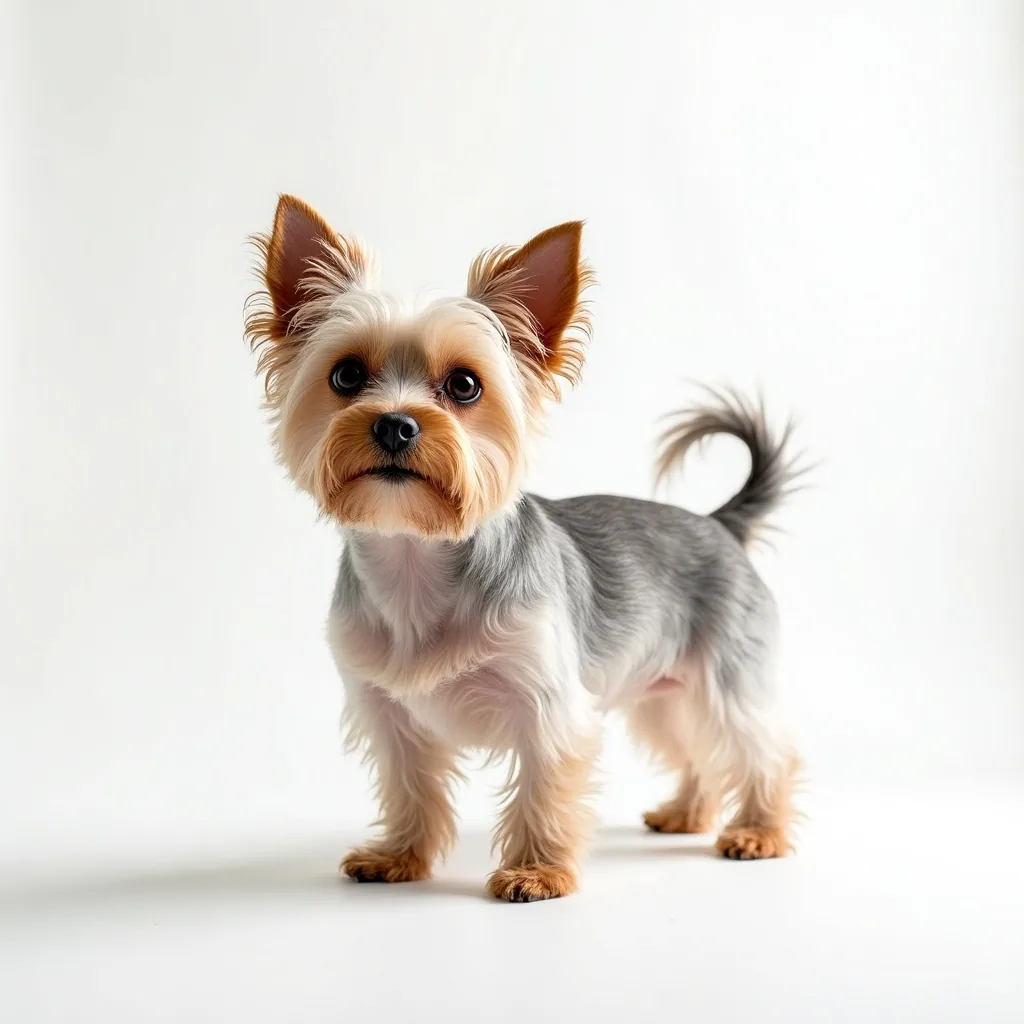
A tiny, affectionate Maltese–Yorkshire Terrier cross with a long, low-shedding coat. Playful and devoted, but can be vocal and bold for its size. Coat and temperament vary depending on which parent they take after.
Morkie scorecard
Overview
The Morkie is a small designer crossbreed produced by mating a Maltese with a Yorkshire Terrier. It is one of the most popular toy-sized "hybrid" companion dogs, prized for its tiny frame, big personality and a soft, often non-shedding-looking coat. Typical adults stand roughly 15-23 cm at the shoulder and weigh around 2-5 kg, putting them firmly in the lapdog category and making them a natural fit for flats and smaller homes.
It is important to be honest about what a Morkie is. It is a first-generation (or later-generation) cross, not a breed recognised by The Kennel Club or the FCI. There is no breed standard and no formal registry, so appearance, size, coat type and temperament can vary considerably from one puppy to the next, even within the same litter. Anyone buying a Morkie is really buying a blend of two well-documented parent breeds, and the most reliable way to understand the dog you will get is to understand the Maltese and the Yorkshire Terrier behind it.
Good to know — a Morkie is flat-friendly and manageable for committed beginners. Every dog is an individual, so meet a few and chat to a good breeder or rescue before deciding.
Save the Morkie guide
Thinking about a Morkie? Pop your email in and we’ll send this guide so you can come back to it any time — handy while you compare breeds.
Popular searches for the Morkie
History & origins
The Morkie has no long history of its own. Like the Cockapoo and other "poo" and toy crosses, it emerged from the late-twentieth and early-twenty-first-century fashion for deliberately crossing two pedigree companion breeds, and there is no documented origin date, founder or foundation programme. What can be stated factually is the history of its parents. The Maltese is an ancient Mediterranean toy breed, long kept as a companion lapdog and recognised today by The Kennel Club in the Toy group. The Yorkshire Terrier was developed in nineteenth-century northern England, where small terriers were used to control rats in mills and mines before becoming a fashionable Victorian companion; it too sits in the Kennel Club Toy group.
Because the Morkie is a cross of these two, it inherits a companion-dog Maltese lineage and a working-terrier-turned-lapdog Yorkshire lineage. That terrier ancestry is worth remembering: a Morkie may show more boldness, alertness and tenacity than its tiny size suggests.
Temperament & family fit
Morkies are typically affectionate, lively, playful and intensely people-focused. Both parent breeds were bred as close companions, so the cross is usually devoted to its family, enjoys lap time and thrives on human company. Many are confident and outgoing for their size, with the terrier side often showing as boldness, curiosity and a willingness to "tell off" much larger dogs.
That same closeness has a flip side. Toy companion breeds, including both the Maltese and the Yorkshire Terrier, are prone to separation-related behaviour and can be vocal, so a Morkie may bark at sounds, visitors and the doorbell and may struggle if left alone for long periods. Small dogs are also easily "babied", which can encourage demanding or snappy behaviour if boundaries are not set. Because temperament varies by individual and by which parent a puppy takes after, prospective owners should meet the puppy with its mother and look for a confident, sociable temperament rather than relying on the crossbreed label.
- Families with older, respectful children
- Owners ready for consistent training
- Flats or houses with daily exercise
Training & intelligence
Morkies are intelligent and food-motivated, which makes them very trainable with patient, reward-based methods. Short, upbeat sessions using treats and praise suit their attention span far better than repetition or any harsh handling. Early, positive socialisation to people, other dogs, traffic, handling and everyday noises is especially important for a small, potentially wary toy dog.
Two areas deserve extra attention. House-training can be slower in toy breeds, partly because their tiny bladders need very frequent opportunities and partly because accidents are easy to overlook; a consistent routine and generous rewards help enormously. Excitable or alarm barking is also common, so it pays to teach calm, settle and quiet behaviours early rather than waiting for the habit to set in. As with any small dog, owners should resist letting cute behaviour excuse jumping, nipping or guarding.
- Start socialisation & handling early
- Reward-based methods only — no harsh corrections
- Keep sessions short, calm and consistent
Exercise needs
A healthy adult Morkie typically needs around an hour a day (roughly 60–80 minutes), split across walks, play and a little training. A good sniffy walk, some play and a little training usually keeps them content. Puppies, seniors and dogs with health conditions need adjusted amounts — check with your vet.
Grooming & coat
Morkies are often marketed as low-shedding, but "hypoallergenic" and "non-shedding" are marketing claims, never guarantees, and coat type varies depending on which parent the dog favours. Both the Maltese and the Yorkshire Terrier have fine, long, hair-like coats that grow continuously, so most Morkies need regular brushing (ideally several times a week or daily) to prevent matting, plus periodic professional grooming or clipping. Routine care should also include eye cleaning, as tear staining is common in light-coated toy dogs, along with regular nail trimming, ear checks and dental care.
- Brush several times a week
- Bathe every few weeks or as needed
- Check ears, nails and teeth weekly
Feeding a Morkie
A Morkie should be fed a complete, good-quality diet formulated for small or toy breeds and portioned to its weight, age and activity level, following the manufacturer's guidance and your vet's advice. Because they are so small, even a little overfeeding or a few too many treats can quickly lead to weight gain, so treats should be accounted for within daily calories. Toy breeds can be prone to dental disease and, in very young puppies, to low blood sugar, so small regular meals and good dental care matter. Fresh water should always be available, and any diet change should be made gradually.
A toy breed
An adult Morkie typically weighs 2–5 kg, so a healthy Morkie eats a small amount — often under 100g of dry food a day compared with other breeds. Every feeding guide on a bag is written per kilo of body weight, not per breed — start there, then adjust to the dog in front of you.
Life stage
A toy breed is usually done growing at 10–12 months, which is roughly when a puppy food has finished its job. With a typical lifespan of 10–15 years, there is a long adult stretch in the middle; switch to a senior food when your vet thinks it is worth it rather than on a birthday.
Small mouths, crowded teeth
Smaller breeds get dental disease more often than big ones, largely because the same number of teeth are packed into a shorter jaw. Kibble size is worth checking, and a dental chew counts towards the daily 10% of calories from treats.
How much should a Morkie weigh?
Adult 2–5 kgfully grown at 10–12 months
| Age | Stage | Typical weight | Of adult size |
|---|---|---|---|
| 8 weeks | Just home | 0.4–0.9 kg | 18% |
| 3 months | Young puppy | 0.6–1.5 kg | 30% |
| 6 months | Growing fast | 1.2–3 kg | 59% |
| 10–12 months | Fully grown | 2–5 kg | 100% |
A guide, from the same rule of thumb our puppy growth predictor uses — each age is that share of the way to maturity for a toy breed. Puppies grow fastest early, so a real puppy usually sits a little above the middle rows. Weigh yours and ask your vet if the number worries you.
Complete dog foods that suit a Morkie
Complete foods from our range, matched to a Morkie's size band and what the breed typically needs. Stock levels and delivery dates are live on each product.


Pedigree Can in Jelly Puppy 6 Pack
Complete Pedigree puppy food in jelly with chicken, lamb and poultry recipes
£10.15

Forthglade Cold Pressed Natural Turkey
Cold-pressed turkey kibble for dogs from 2 months, soft enough to mix with water for young pups
£45.99

Forthglade Cold Pressed Grain Free Chicken
Cold-pressed grain-free chicken food with fruit and botanicals, in three bag sizes
From£16.99

Forthglade Complete Meal Lightly Baked Chicken
A grain-free complete dry food for adult dogs, lightly baked and built on 50% chicken
From£12.49

Forthglade Cold Pressed Small Dog Turkey
Cold-pressed grain-free dry food for small dogs and puppies, built on turkey
£16.99

Forthglade Complete Meal Lightly Baked Lamb
A lightly baked complete dry food, 50% lamb, for adult dogs of any breed
From£12.49

Forthglade Cold Pressed Grain Free Turkey
Grain-free cold-pressed turkey kibble for dogs, gentle on sensitive stomachs
£69.69

Forthglade British Classics Chicken Family Lunch
Complete Forthglade wet dog food with 75% chicken in a 395G tray
£2.45

Harringtons Puppy Turkey & Rice
Complete turkey puppy food with 30% protein and feeding bands by adult weight
£6.49

Harringtons Adult Dog Turkey Veg
Complete dry food for adult dogs with turkey, chicken and salmon oil, 21% protein
From£3.39

Harringtons Just 6 Dry Dog Food Lamb
Grain-free lamb dry dog food in 2KG and 12KG sizes, with size-specific formulas
From£13.99
Morkie health & costs
Before bringing a Morkie home it pays to budget for the whole picture — food, insurance, grooming and routine vet care all add up. The figures below are typical UK estimates for a healthy adult; your real costs vary with where you live, your dog's health and the cover you choose.
Food
£200–300 / year
Complete food sized to weight & life stage
Insurance
£12–28 / month
Lifetime cover — varies by age, breed & area
Grooming
£400–700 / year
Regular professional grooming
Routine vet care
£200–450 / year
Vaccines, flea/worm, annual check
As a crossbreed, the Morkie can inherit the health conditions of either parent, so its health profile is best understood as the combined risks of the Maltese and the Yorkshire Terrier rather than a clean slate. Crossbreeding may broaden the gene pool, but it does not eliminate inherited disease, and responsible breeders should still health-test the parents where relevant. Buyers should ask to see the health history of both parent dogs.
Toy breeds in general, including both parents, are predisposed to dental disease, luxating patella (slipping kneecap), tracheal collapse and eye problems, while the Yorkshire Terrier line also carries a recognised risk of portosystemic (liver) shunts. Lifespan for the cross is commonly cited at around 10-15 years, broadly in line with its small parent breeds, though individual longevity depends on genetics, care and luck. Regular veterinary check-ups, weight control, dental care and prompt attention to any breathing, mobility or eye changes are the best safeguards.
Common health conditions to be aware of
- Dental disease - overcrowded teeth in small mouths make plaque, tartar and gum disease common; daily tooth-brushing and vet dental checks are strongly advised
- Luxating patella - the kneecap can slip out of position causing intermittent lameness or a skipping gait; severe cases may need surgery
- Tracheal collapse - weakening of the windpipe can cause a honking cough, especially in toy breeds; a harness rather than a neck collar is recommended
- Portosystemic (liver) shunt - a blood-vessel abnormality seen in the Yorkshire Terrier line that can affect growth and cause neurological signs; may require surgery
- Eye conditions and tear staining - long facial hair, blocked tear ducts and inherited eye problems are common in light-coated toy dogs
- Hypoglycaemia in puppies - very small toy puppies can suffer dangerous drops in blood sugar, so frequent feeding and prompt vet care for lethargy are important
These reflect typical, size- and coat-related risks for dogs like the Morkie; individual breeds carry their own predispositions. Always buy from health-tested parents and speak to your vet — this isn't a diagnosis.
Protect against surprise bills
A single emergency can run into thousands. Lifetime insurance spreads the risk.
Estimate insurance →How pet insurance works →Puppy & senior care
Bringing home a Morkie puppy
Puppies need controlled exercise (a rough guide is five minutes per month of age, twice a day) to protect growing joints, little-and-often meals of a complete puppy food, early socialisation, and a calm routine for toilet training and sleep. Book first vaccinations, microchipping and a vet check early.
New puppy checklist →Caring for a senior Morkie
As they age, watch weight, joints and teeth, switch to a senior diet if your vet advises, keep exercise gentle but regular, and consider orthopaedic bedding and ramps. Twice-yearly vet checks help catch issues early.
Orthopaedic beds & mobility →Pros & cons
The good bits
- Affectionate, playful and low-shedding
- Compact and apartment-friendly
Things to consider
- Long coat needs regular grooming
- Tends to bark and can be delicate around young children
Compare the Morkie
See how the Morkie measures up against similar breeds before you decide:
More breeds like the Morkie
Same breed group
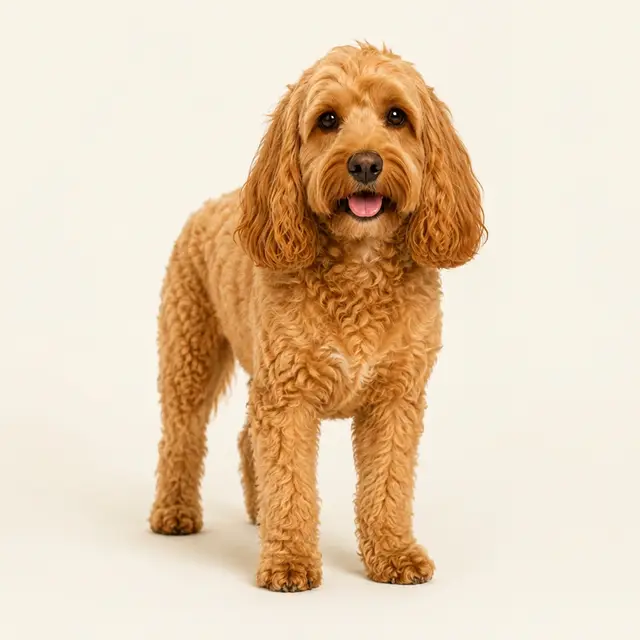
Cockapoo
A hugely popular Cocker × Poodle crossbreed — friendly, lower-shedding and great with families.
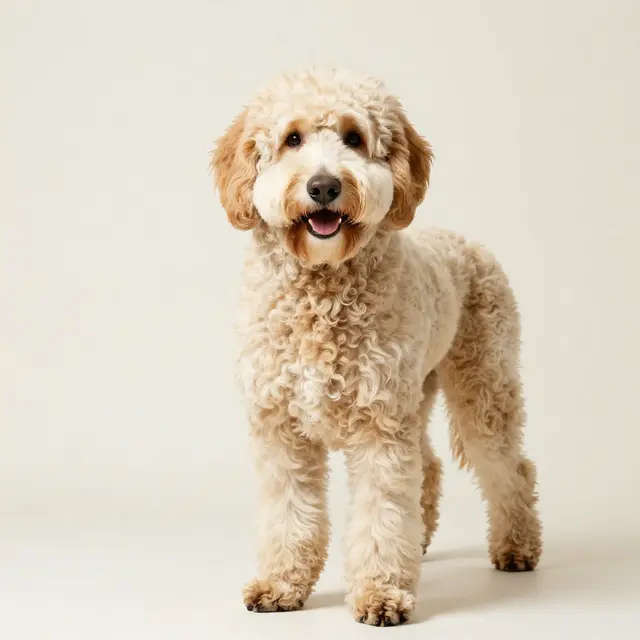
Labradoodle
A friendly Labrador × Poodle crossbreed — sociable, often lower-shedding, and a popular family choice.
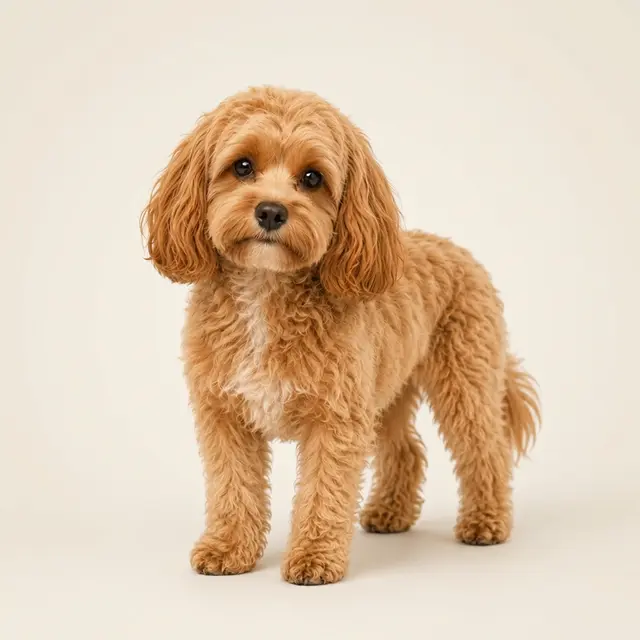
Cavapoo
One of the UK’s most popular crossbreeds (Cavalier × Poodle) — affectionate, adaptable and usually low-shedding.
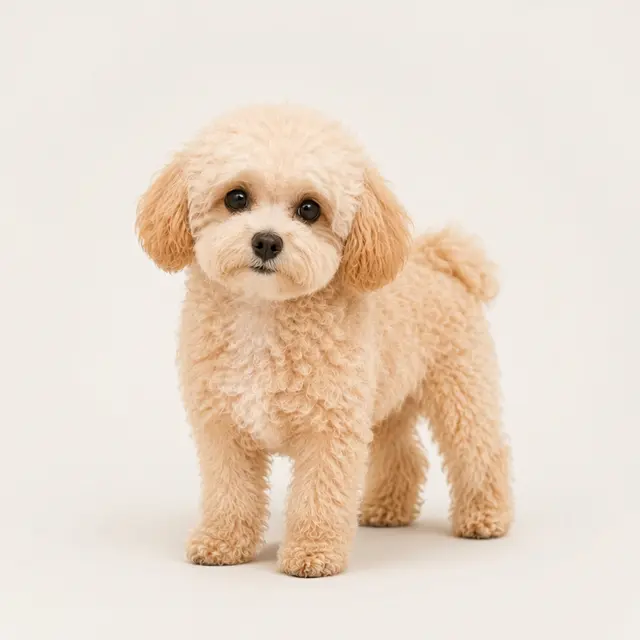
Cavapoochon
A small triple-cross (Cavalier × Bichon × Poodle) — friendly, low-shedding and well suited to family and flat life.
Similar temperament
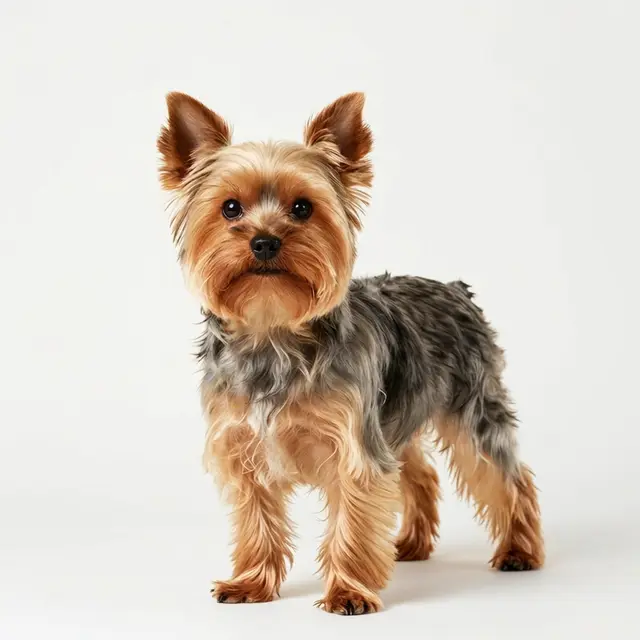
Yorkshire Terrier
A tiny, feisty toy terrier with a big personality — ideal for flats but delicate around small children.
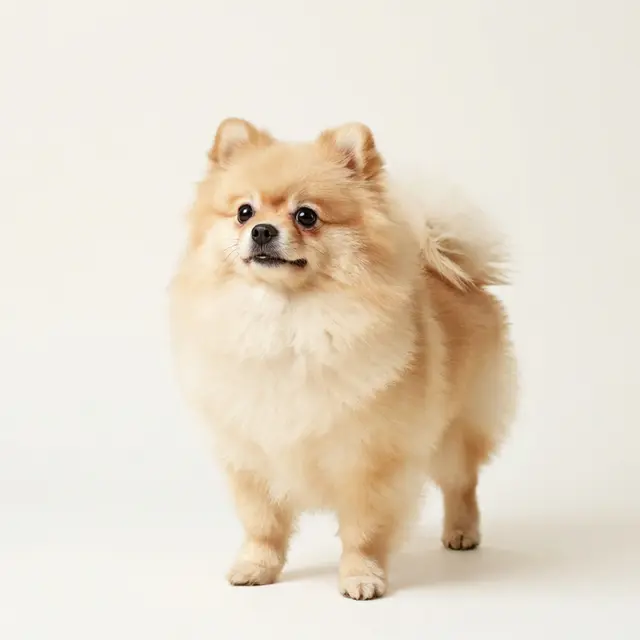
Pomeranian
A lively, fox-faced toy dog with a luxurious coat — bold and fun, but tiny and quite vocal.
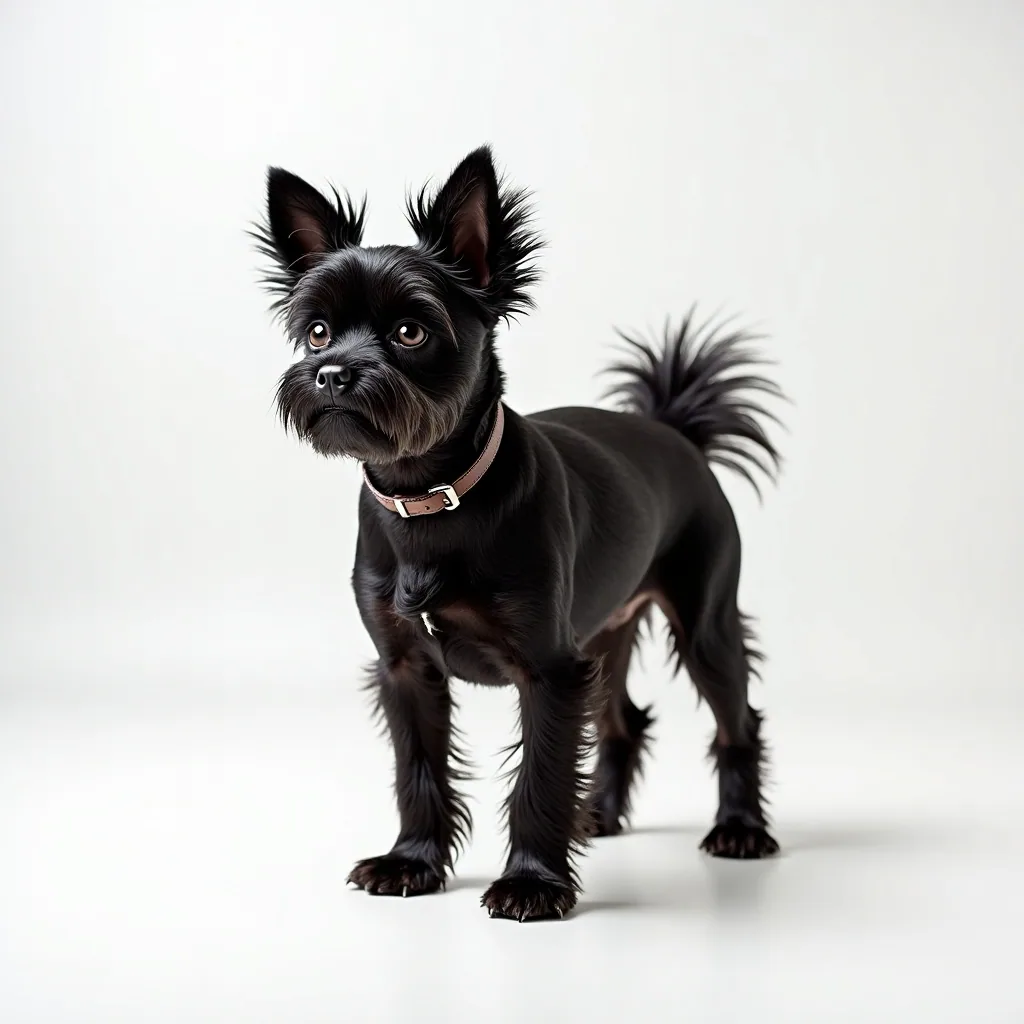
Affenpinscher
A tiny, monkey-faced terrier-type toy dog with a big personality. Lively and amusing, but bold and stubborn, so needs patient, consistent training.
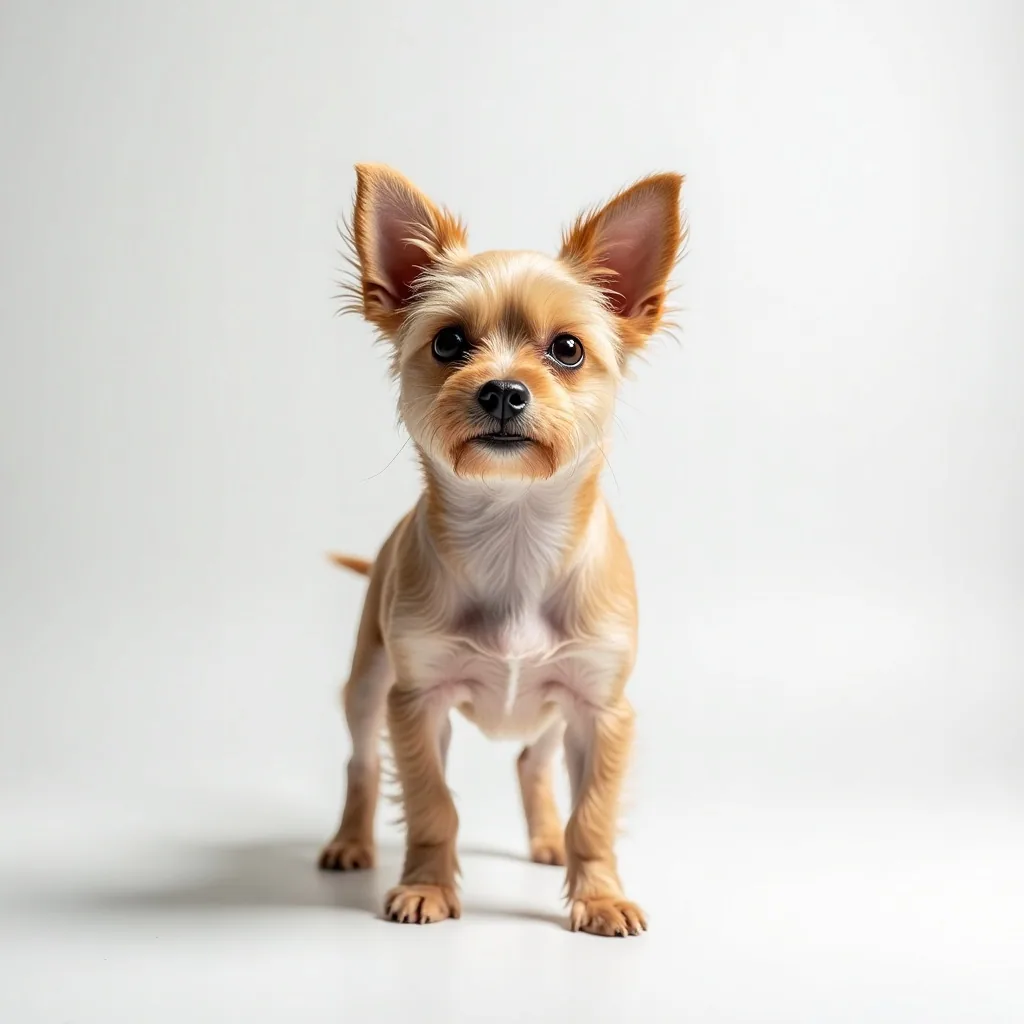
Chorkie
A tiny, bold Chihuahua–Yorkshire Terrier cross with a big personality. Devoted to its owner but can be feisty, vocal and wary of strangers. Coat and temperament vary depending on which parent they take after.
Similar size, different type
Yorkshire Terrier
A tiny, feisty toy terrier with a big personality — ideal for flats but delicate around small children.
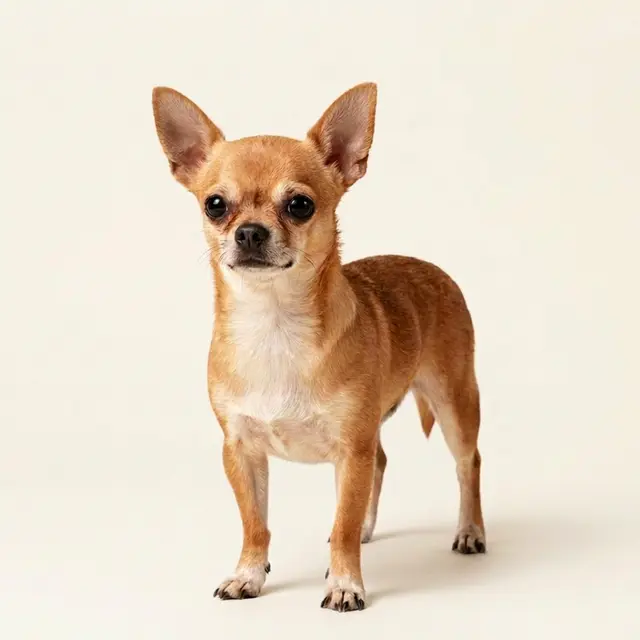
Chihuahua
The world’s smallest breed — devoted, sassy and perfect for flats, but not the easiest with young children.
Pomeranian
A lively, fox-faced toy dog with a luxurious coat — bold and fun, but tiny and quite vocal.
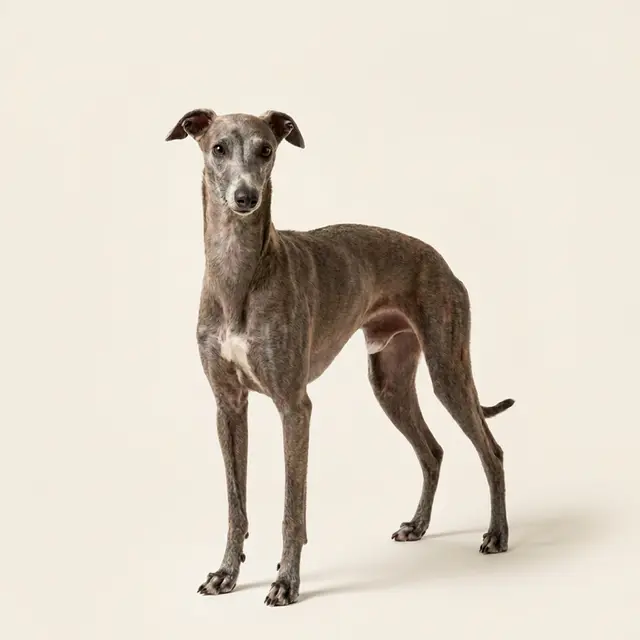
Italian Greyhound
A tiny, elegant sighthound — affectionate, clean and quiet, but delicate and sensitive.
Is the Morkie your breed?
Create your pet profile and get personalised food, toy, insurance and health recommendations — tailored to your dog.
Frequently asked questions
What is a Morkie?
A Morkie is a small designer crossbreed produced by mating a Maltese with a Yorkshire Terrier. One of the most popular toy-sized companion crosses, it is prized for its tiny frame, big personality and soft coat. It is a first- or later-generation cross, not a breed recognised by The Kennel Club or FCI, so there is no breed standard.
How big does a Morkie get when fully grown?
Adult Morkies typically stand roughly 15–23 cm at the shoulder and weigh around 2–5 kg, putting them firmly in the lapdog category. Because there is no breed standard, appearance, size and coat type can vary considerably from one puppy to the next, even within the same litter, depending on which parent the dog takes after.
What is the life expectancy of a Morkie?
Lifespan for the Morkie is commonly cited at around 10–15 years, broadly in line with its small parent breeds. Individual longevity depends on genetics, care and luck. Regular veterinary check-ups, weight control, good dental care and prompt attention to any breathing, mobility or eye changes are the best safeguards.
Do Morkies shed, and are they hypoallergenic?
Morkies are often marketed as low-shedding, but "hypoallergenic" and "non-shedding" are marketing claims, never guarantees, and coat type varies with which parent the dog favours. Both parents have fine, long, hair-like coats that grow continuously, so most Morkies need regular brushing, ideally several times a week or daily, plus periodic professional grooming.
What is a Morkie's temperament like?
Morkies are typically affectionate, lively, playful and intensely people-focused, often confident and outgoing for their size. The terrier side can show as boldness and curiosity. The flip side is they can be vocal and prone to separation-related behaviour, so they may bark at sounds and visitors and struggle if left alone for long.
Are Morkies easy to train?
Morkies are intelligent and food-motivated, making them trainable with patient, reward-based methods and short, upbeat sessions. Early socialisation is important for a small, potentially wary toy dog. House-training can be slower in toy breeds, and alarm barking is common, so it pays to teach calm, settle and quiet behaviours early.
What health problems can Morkies inherit?
A Morkie's health is best understood as the combined risks of the Maltese and Yorkshire Terrier. Toy breeds are predisposed to dental disease, luxating patella, tracheal collapse and eye problems, while the Yorkshire Terrier line also carries a recognised risk of portosystemic liver shunts. Crossbreeding does not eliminate inherited disease, so ask to see both parents' health history.
How much exercise does a Morkie need?
Despite their size, Morkies are energetic and benefit from daily activity, usually one or two short walks plus play and enrichment, with around 30 minutes of combined walking and play a sensible baseline. Mental stimulation through scent games and puzzle feeders is as valuable as physical exercise. Take care in hot or cold weather given their small size.
Are Morkies good with children?
Best with older, calm children. As a general guide, Morkies tend to be better suited to homes with older children or no young children. Whatever the breed, always supervise dogs and young children and teach kids to interact gently.
How much exercise does a Morkie need?
As a healthy adult, a typical Morkie needs around an hour of exercise a day (60–80 minutes), split across walks plus play. A good sniffy walk plus some play and training usually keeps them happy. Puppies, seniors and dogs with health conditions need less — ask your vet.
Do Morkies shed a lot?
Low shedding. Coat upkeep is high upkeep — plan on frequent brushing and regular trips to a groomer.
Are Morkies easy to train and good for first-time owners?
Manageable for committed beginners. Morkies are best for owners ready to commit to consistent training and plenty of activity. Reward-based training and early socialisation help any dog.
Do Morkies bark a lot?
Vocal / alert barker. They can be quite vocal, so early training and enough exercise and stimulation help keep barking in check.
Are Morkies good with other dogs?
Generally fine with other dogs. Early, positive socialisation with other dogs from a young age makes a big difference.
Do Morkies suit flats or smaller homes?
Flat-friendly. A Morkie can adapt to flat living as long as it gets its daily exercise and company.
Sources
- The Kennel Club (UK) - breed information for the Maltese and Yorkshire Terrier (https://www.thekennelclub.org.uk/breeds/)
- PDSA - small and toy dog care, dental disease and weight advice (https://www.pdsa.org.uk/pet-help-and-advice)
- Blue Cross - advice on choosing a dog and crossbreeds (https://www.bluecross.org.uk/advice)
- RSPCA - dog welfare and responsible ownership guidance (https://www.rspca.org.uk/adviceandwelfare/pets/dogs)
- Royal Veterinary College (RVC) VetCompass - research on small-breed health including dental disease and patella luxation (https://www.rvc.ac.uk/vetcompass)
Recommended for your Morkie
Matched to a Morkie's size and their typical need for regular coat care, dental care.

Wooden Pet Deshedding Grooming Brush
An ergonomic wooden grooming brush with a fine-toothed edge that loosens and lifts away dead and shedding fur. The smooth contoured handle sits comfortably in the hand for quick, gentle daily de-shedding.
£14.99

Pet Oral Spray for Dogs & Cats
A 100ml pet oral spray for dogs and cats that helps promote fresh breath and cleaner teeth. Simply spray onto teeth and gums - no brushing needed for daily oral care.
£8.99

Bugalugs Double-Sided Dematting Rake for Dogs & Cats
Two tools in one: tackle stubborn mats with the 9-tooth side, then thin and de-shed with the 17-tooth side — ideal for long or double-coated pets.
£11.99

Kenchii Scorpion 8-Inch 24-Tooth Chunker & Blender Scissors
Performance chunker and blending scissors from Kenchii's Scorpion range — Japanese alloy stainless steel with specially designed blades for daily professional use.
£104.49

Warm Stretch Snood for Dogs, Ear and Neck Cover, S, M and L
A stretch snood that gathers long ears back against the head and out of food bowls, puddles and brambles, knitted in a soft cationic-spandex blend in purple or blue.
£10.99

Electric Pet Grooming Clipper
A quiet, rechargeable electric clipper for trimming dogs, cats, rabbits and other pets at home. Low-noise and low-vibration with an adjustable blade for tidy, stress-free grooming around the body and paws.
From£11.99

Turkey Tail Mushroom & Probiotic Powder
A bacon-flavoured turkey tail mushroom and probiotic powder you sprinkle over food. Made to support immunity, energy and gut health, with scoop guidance for every weight from small to large pets.
£13.99

Flea & Tick Repellent Collar for Dogs & Cats
An adjustable 70cm repellent collar, water-resistant and trimmed to fit either a cat or a dog, giving day-to-day deterrence against fleas and ticks with no drops to apply.
£7.99
Suggestions based on breed traits — always check sizing and suitability for your individual dog.
Got a Morkie? Save them to a pet profile for tailored picks across the whole site.
Happier, healthier pets — in your inbox.
Breed care tips, seasonal advice and first access to new arrivals. No spam, unsubscribe anytime.
Every dog is an individual — temperament and needs vary. Please research thoroughly, meet dogs in person, and consider adopting from a rescue. This is general guidance, not a substitute for advice from your vet or a qualified trainer.