
Canaan Dog
An ancient pariah-type herding and guarding dog from the Middle East. Alert, intelligent and devoted to its family, but naturally aloof with strangers and prone to barking.
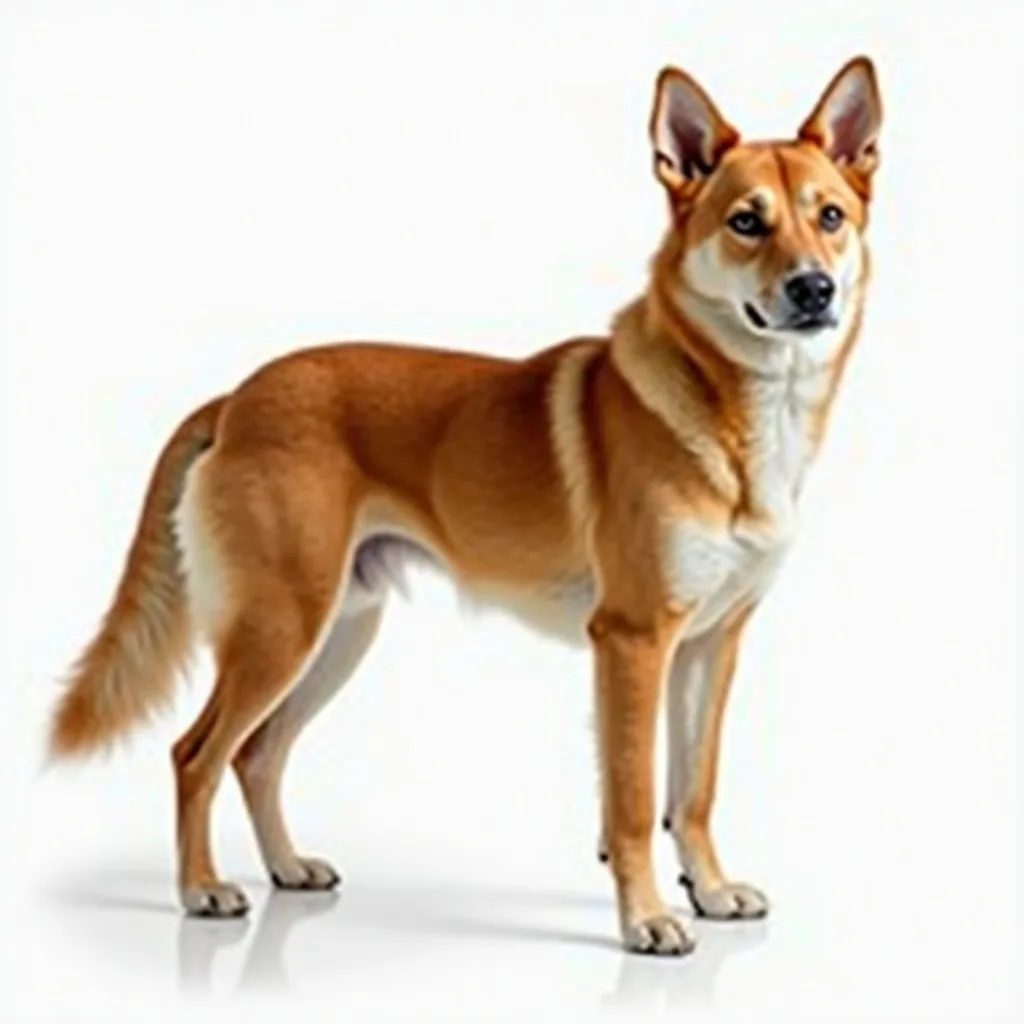
Canaan Dog scorecard
Overview
The Canaan Dog is an ancient pariah-type breed from the Middle East, regarded as Israel's national dog. A medium-sized animal of around 48–60 cm and 18–25 kg, it has a natural, balanced, square build, a weatherproof double coat and the alert, square-set look of a dog shaped by survival rather than by fashion.
Descended from free-living desert dogs and later developed as a herding and guarding breed, the Canaan is intelligent, hardy and intensely devoted to its family while remaining aloof with strangers. It is a healthy, adaptable breed but a vocal and independent one, best suited to owners who appreciate its watchful, primitive nature. It is recognised by The Kennel Club in the UK, though it remains uncommon.
Good to know — a Canaan Dog is best with a garden and better with some experience. Every dog is an individual, so meet a few and chat to a good breeder or rescue before deciding.
Save the Canaan Dog guide
Thinking about a Canaan Dog? Pop your email in and we’ll send this guide so you can come back to it any time — handy while you compare breeds.
Popular searches for the Canaan Dog
History & origins
The Canaan Dog traces back thousands of years to the semi-wild pariah dogs of the region that is now Israel and its surrounds. In the twentieth century, dogs were captured from the desert and selectively bred to create a reliable working breed for herding and guarding, and the resulting Canaan Dog became established and internationally recognised.
It is recognised by the FCI, by The Kennel Club in the UK and by other major registries. Its relatively recent development from a naturally selected wild population is often credited with its robust health and lack of exaggeration.
Temperament & family fit
The Canaan is alert, intelligent and strongly devoted to its own family, with whom it can be affectionate and playful. It retains the wariness of its pariah ancestry, however, and is naturally aloof and reserved with strangers, making it an excellent, vigilant watchdog. It is quick to notice and announce anything unusual.
This is a thinking, self-reliant breed with strong survival instincts, including a tendency to bark and a watchful suspicion of the unfamiliar. It can be territorial and is often reserved with strange dogs. Early, generous socialisation is essential to keep its caution within reasonable bounds and to produce a confident, balanced adult.
- Families with older, respectful children
- Owners ready for consistent training
- Homes with a secure garden
Training & intelligence
Highly intelligent and capable, the Canaan learns quickly but has the independent, problem-solving mind of a primitive breed; it is not blindly obedient and can grow bored with repetition. Short, varied, reward-based sessions work best, keeping the dog engaged and willing. Building a strong, trusting relationship is the key to cooperation.
Socialisation from an early age is the single most important task, helping to temper the breed's natural aloofness and vocal alertness. Owners should also work proactively on managing barking and on reliable recall, given the dog's strong instincts and independent streak.
- Start socialisation & handling early
- Reward-based methods only — no harsh corrections
- Channel energy into training games & enrichment
Exercise needs
A healthy adult Canaan Dog typically needs 90 minutes to 2 hours a day (roughly 90–120 minutes), split across walks, play and a little training. Higher-energy dogs also need their brains tired — sniffy walks, training games and puzzle feeding go a long way. Puppies, seniors and dogs with health conditions need adjusted amounts — check with your vet.
Grooming & coat
Grooming needs are modest. The double coat is largely self-cleaning and needs only weekly brushing for most of the year, increasing during seasonal moults when the undercoat sheds more heavily. Routine nail, ear and dental care complete a low-maintenance regime. The breed's natural, weatherproof coat reflects its desert origins and needs little intervention.
- Brush occasionally to remove loose hair
- Bathe every few weeks or as needed
- Check ears, nails and teeth weekly
Feeding a Canaan Dog
Feed a complete, quality diet appropriate to the dog's age and activity level, divided into two meals a day. The Canaan is an efficient, hardy breed that does not require excessive feeding; keep it lean and fit, and adjust portions to maintain a healthy body condition. Fresh water should always be available.
A medium breed
An adult Canaan Dog typically weighs 18–25 kg, so a healthy Canaan Dog eats a moderate amount compared with other breeds. Every feeding guide on a bag is written per kilo of body weight, not per breed — start there, then adjust to the dog in front of you.
Life stage
A medium breed is usually done growing at ~12 months, which is roughly when a puppy food has finished its job. With a typical lifespan of 12–15 years, there is a long adult stretch in the middle; switch to a senior food when your vet thinks it is worth it rather than on a birthday.
A high-energy dog eats like one
Canaan Dogs sit at the top end for energy, and a dog working through an hour and a half of real exercise a day burns through the feeding guide faster than a dog on a short stroll. Feed to the dog's condition, not to the middle of the range on the bag.
How much should a Canaan Dog weigh?
Adult 18–25 kgfully grown at ~12 months
| Age | Stage | Typical weight | Of adult size |
|---|---|---|---|
| 8 weeks | Just home | 2.8–3.8 kg | 15% |
| 3 months | Young puppy | 4.5–6.3 kg | 25% |
| 6 months | Growing fast | 9–12.5 kg | 50% |
| ~12 months | Fully grown | 18–25 kg | 100% |
A guide, from the same rule of thumb our puppy growth predictor uses — each age is that share of the way to maturity for a medium breed. Puppies grow fastest early, so a real puppy usually sits a little above the middle rows. Weigh yours and ask your vet if the number worries you.
Complete dog foods that suit a Canaan Dog
Complete foods from our range, matched to a Canaan Dog's size band and what the breed typically needs. Stock levels and delivery dates are live on each product.

Simpsons Dog Sensitive Lamb Potato
A grain-free lamb and potato dry food for dogs with sensitive skin or digestion
From£17.05

Forthglade Cold Pressed Natural Turkey
Cold-pressed turkey kibble for dogs from 2 months, soft enough to mix with water for young pups
£45.99

Forthglade Cold Pressed Grain Free Salmon
Cold-pressed grain-free dry food for dogs, built on fresh and dried salmon
From£16.99

Forthglade Cold Pressed Grain Free Duck
Cold-pressed grain-free duck food with fruit and botanicals, in two bag sizes
From£16.99

Forthglade Cold Pressed Grain Free Chicken
Cold-pressed grain-free chicken food with fruit and botanicals, in three bag sizes
From£16.99

Forthglade Complete Meal Lightly Baked Turkey
A lightly baked complete dry food, 50% turkey, for adult dogs of any breed
From£12.49

Forthglade Complete Meal Lightly Baked Chicken
A grain-free complete dry food for adult dogs, lightly baked and built on 50% chicken
From£12.49

Forthglade Cold Pressed Grain Free Turkey
Grain-free cold-pressed turkey kibble for dogs, gentle on sensitive stomachs
£69.69

Forthglade British Classics Chicken Family Lunch
Complete Forthglade wet dog food with 75% chicken in a 395G tray
£2.45

Harringtons Puppy Turkey & Rice
Complete turkey puppy food with 30% protein and feeding bands by adult weight
£6.49

Harringtons Just 6 Dry Dog Food Lamb
Grain-free lamb dry dog food in 2KG and 12KG sizes, with size-specific formulas
From£13.99

Burns Puppy Original Lamb & Rice
Complete Burns lamb and rice puppy food in a 2KG bag for up to 12 months
£14.99
Canaan Dog health & costs
Before bringing a Canaan Dog home it pays to budget for the whole picture — food, insurance, grooming and routine vet care all add up. The figures below are typical UK estimates for a healthy adult; your real costs vary with where you live, your dog's health and the cover you choose.
Food
£400–600 / year
Complete food sized to weight & life stage
Insurance
£25–45 / month
Lifetime cover — varies by age, breed & area
Grooming
£0–60 / year
Mostly DIY at home
Routine vet care
£200–450 / year
Vaccines, flea/worm, annual check
The Canaan Dog is widely considered one of the healthiest pure breeds, a legacy of its development from a naturally selected wild population. With a typical lifespan of around 12–15 years, it is notably long-lived for a medium-sized dog, and serious inherited disease is comparatively uncommon.
No breed is entirely free of risk, however, and the usual prudent checks apply. Hip and elbow status and eye health are sensible things to ask breeders about, and as with any breed, choosing a responsible breeder who health-tests their stock is the best safeguard.
Common health conditions to be aware of
- Hip dysplasia — relatively uncommon in this breed but worth checking; ask about hip scores on the parents.
- Elbow dysplasia — a developmental joint condition; elbow screening of breeding stock is sensible.
- Hereditary eye conditions — including progressive retinal atrophy; eye testing of breeding dogs is advisable.
- Hypothyroidism — an underactive thyroid that can occur across many breeds, managed with daily medication.
- Patellar luxation — occasional kneecap instability seen in some medium-sized dogs.
These reflect typical, size- and coat-related risks for dogs like the Canaan Dog; individual breeds carry their own predispositions. Always buy from health-tested parents and speak to your vet — this isn't a diagnosis.
Protect against surprise bills
A single emergency can run into thousands. Lifetime insurance spreads the risk.
Estimate insurance →How pet insurance works →Puppy & senior care
Bringing home a Canaan Dog puppy
Puppies need controlled exercise (a rough guide is five minutes per month of age, twice a day) to protect growing joints, little-and-often meals of a complete puppy food, early socialisation, and a calm routine for toilet training and sleep. Book first vaccinations, microchipping and a vet check early.
New puppy checklist →Caring for a senior Canaan Dog
As they age, watch weight, joints and teeth, switch to a senior diet if your vet advises, keep exercise gentle but regular, and consider orthopaedic bedding and ramps. Twice-yearly vet checks help catch issues early.
Orthopaedic beds & mobility →Pros & cons
The good bits
- Hardy, healthy and adaptable
- Alert, loyal watchdog
Things to consider
- Aloof and wary, needs strong socialisation
- Vocal and independent-minded
Compare the Canaan Dog
See how the Canaan Dog measures up against similar breeds before you decide:
More breeds like the Canaan Dog
Same breed group
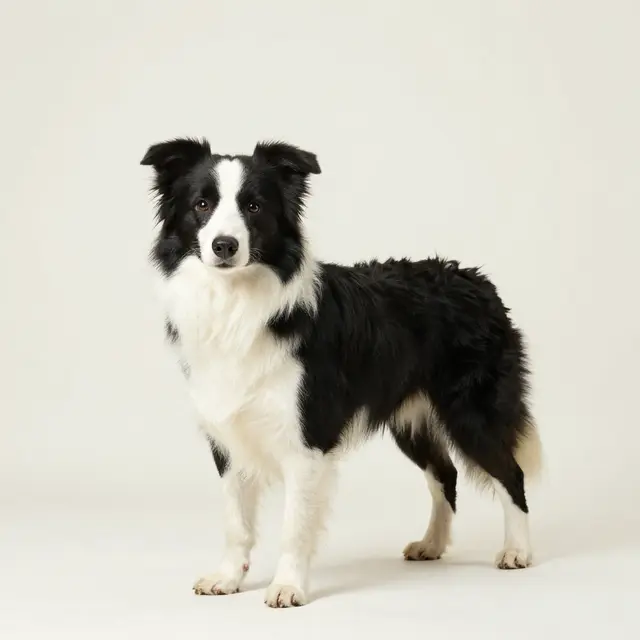
Border Collie
The ultimate working brain — astonishingly clever and trainable, but needs hours of exercise and a job to do.
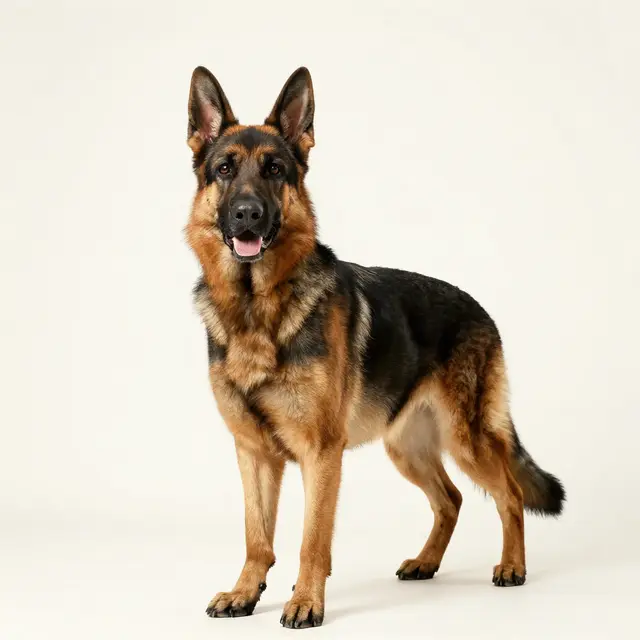
German Shepherd
A loyal, courageous and highly trainable working dog that needs experienced handling and plenty to do.
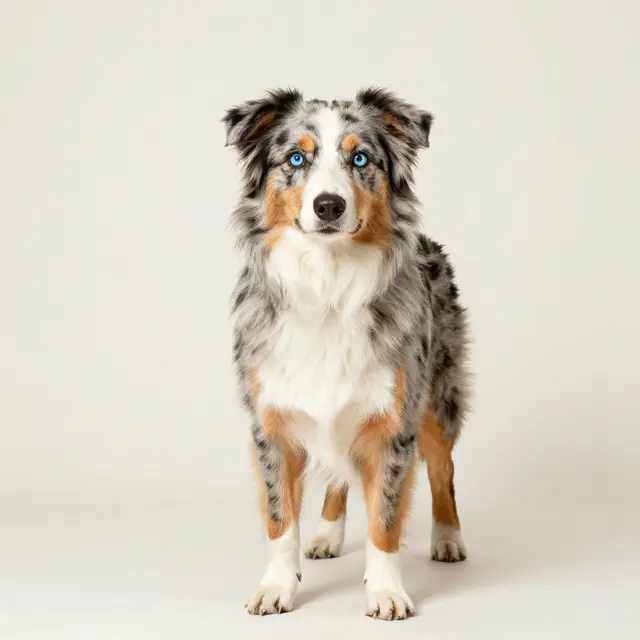
Australian Shepherd
A brilliant, energetic herding dog that excels at sport and work — but needs a busy, committed owner.
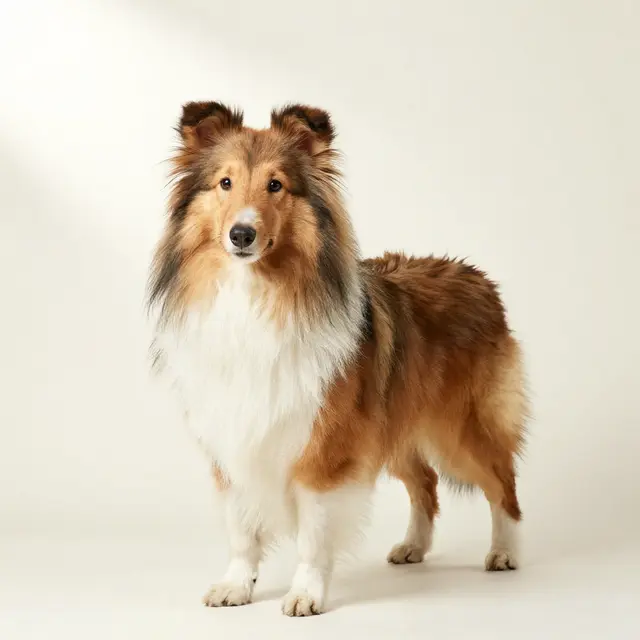
Shetland Sheepdog
A small, brainy herding dog — the "Sheltie" is devoted, highly trainable and excels at agility and obedience.
Similar temperament
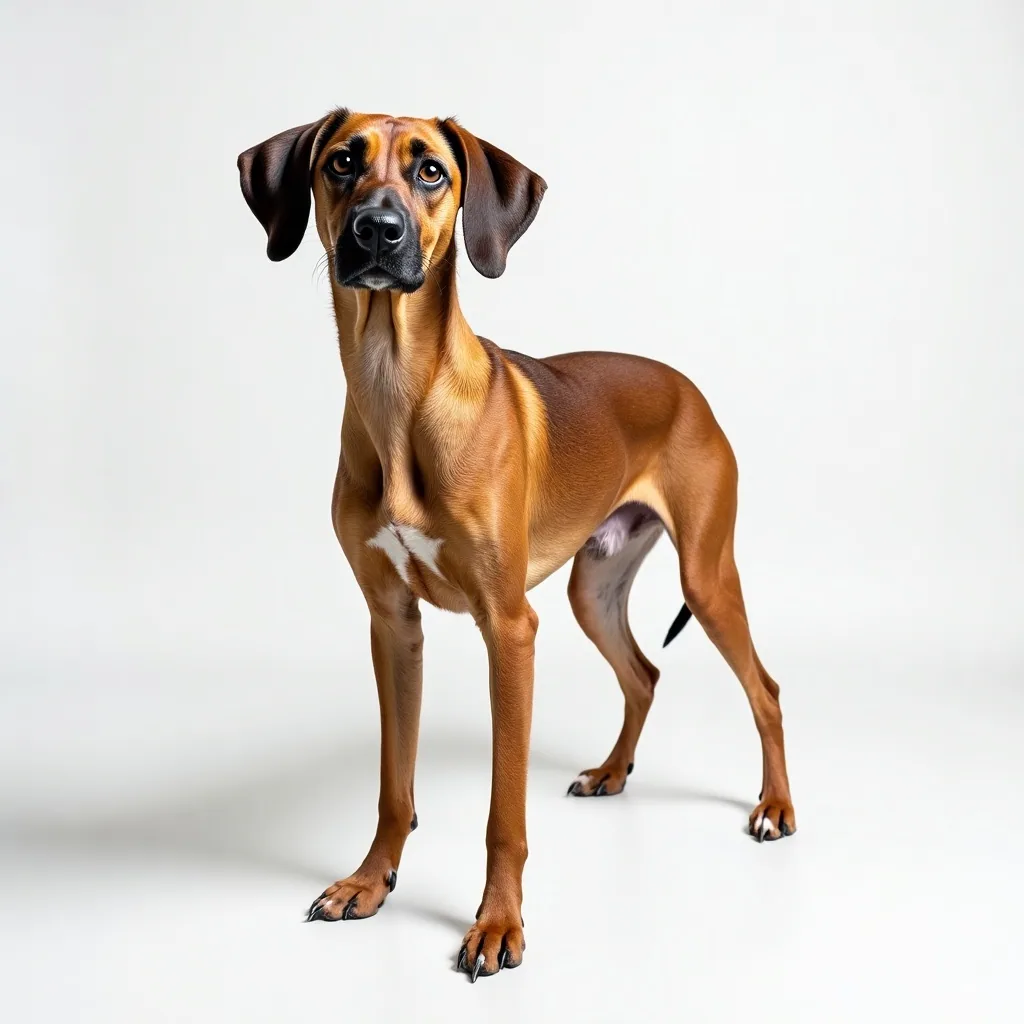
Barak hound
A rugged Balkan scenthound (the Bosnian Coarse-haired Hound) bred to track game over harsh terrain. Hardy, even-tempered and sociable, but a dedicated worker driven by scent with a strong hound voice.
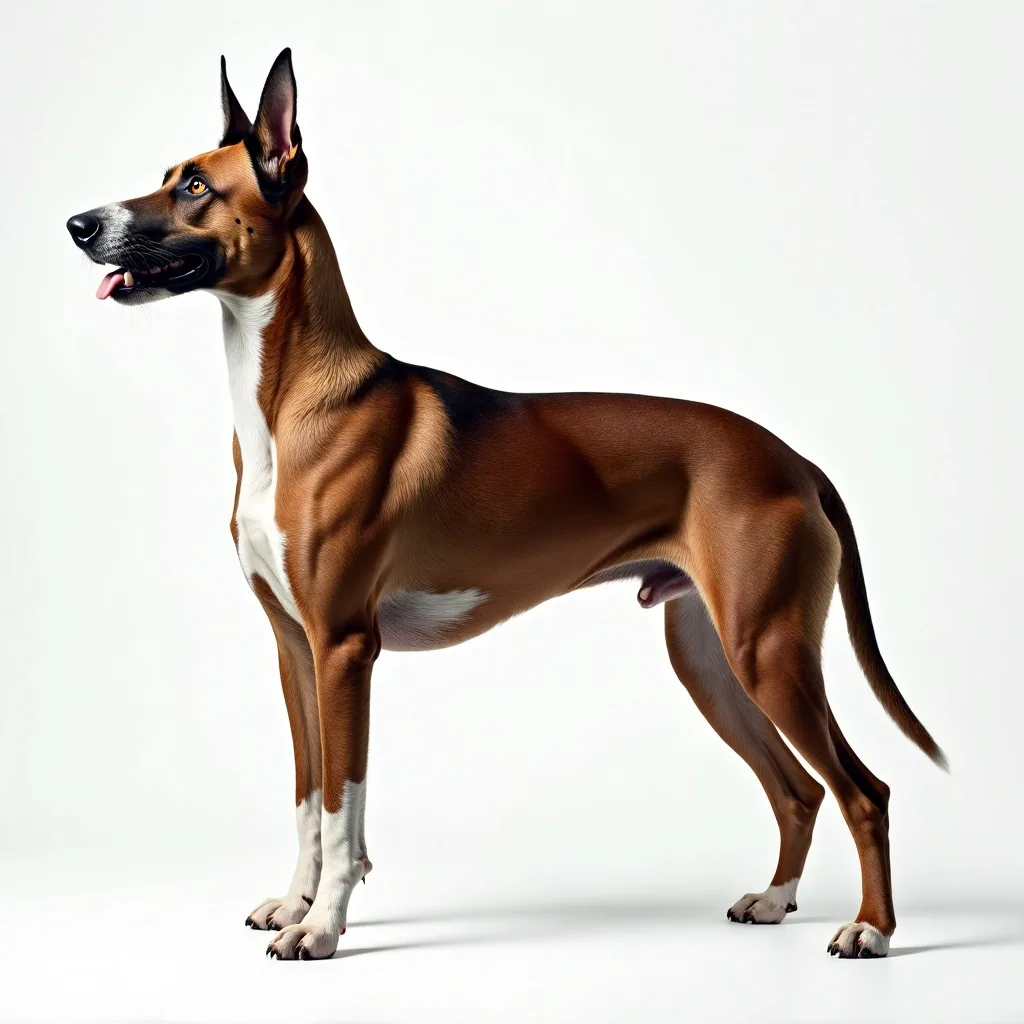
Segugio dell'Appennino
An Italian Apennine scenthound bred to hunt hare and wild boar over rough terrain. Hardy, pack-friendly and tireless, with a strong nose and an instinct to follow scent over recall.
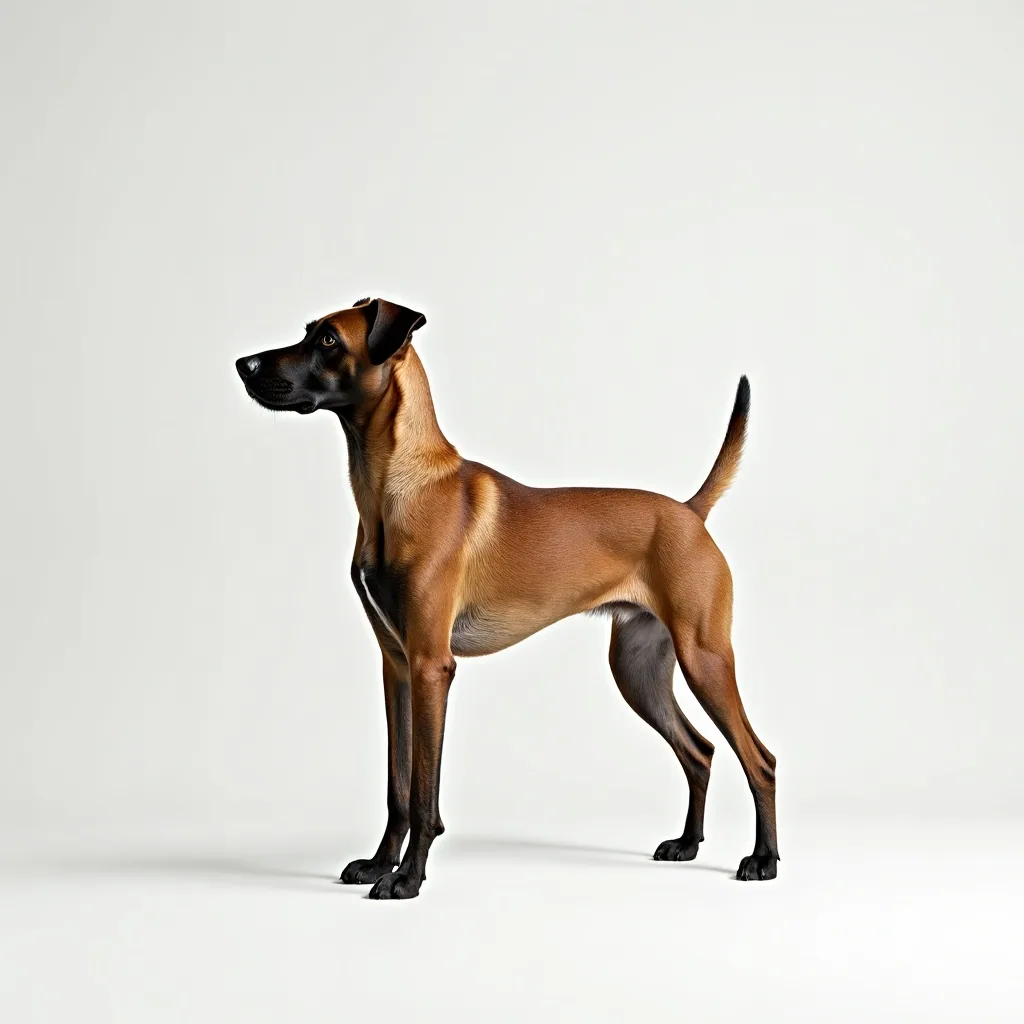
Segugio Italiano a Pelo Forte
The wire-haired variety of the classic Italian hare hound. An elegant, square-built scenthound that is gentle and affectionate at home but tireless and single-minded once on a trail.
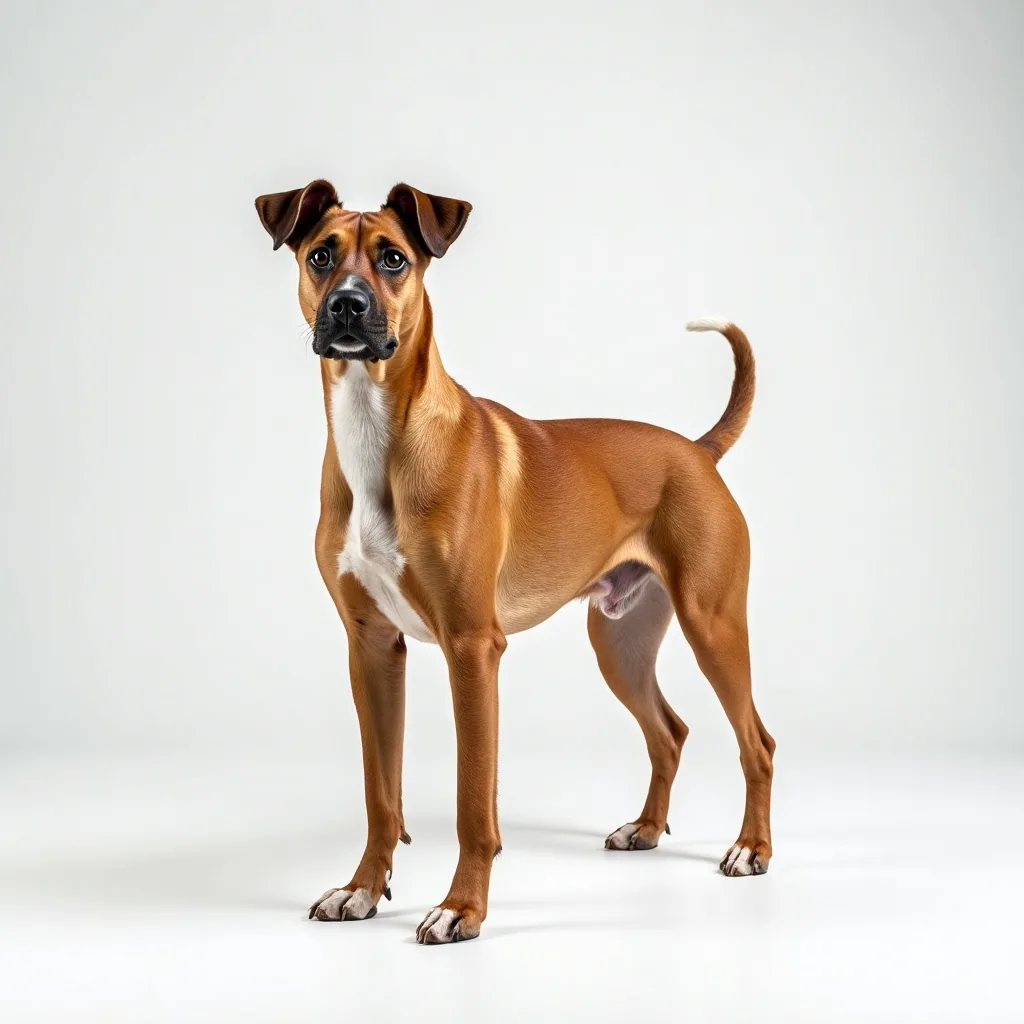
Segugio Italiano a Pelo Raso
The smooth-coated Italian hare hound, an ancient and athletic scenthound. Sweet-natured and devoted with its family, but built to follow a scent for hours and easily distracted by game.
Similar size, different type
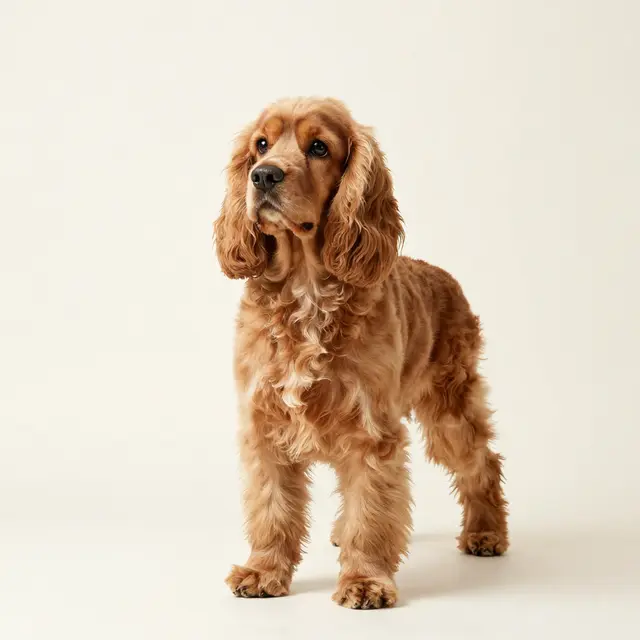
Cocker Spaniel
A merry, affectionate gundog that loves people and activity — happiest with a job and regular grooming.
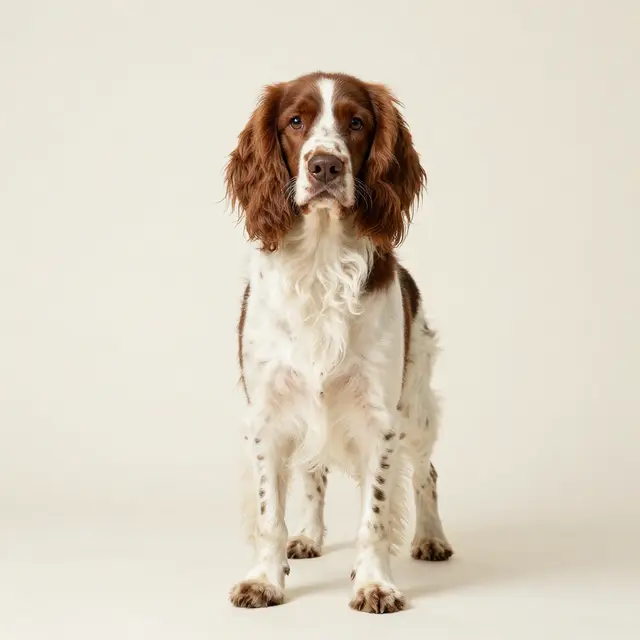
English Springer Spaniel
A tireless, enthusiastic working gundog that needs serious daily exercise and mental stimulation.
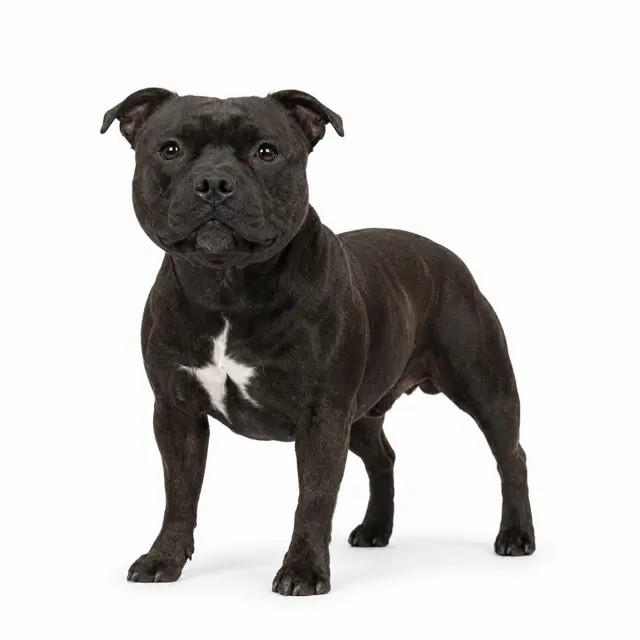
Staffordshire Bull Terrier
Affectionately known as the "nanny dog" — devoted, people-loving and famously gentle with children.
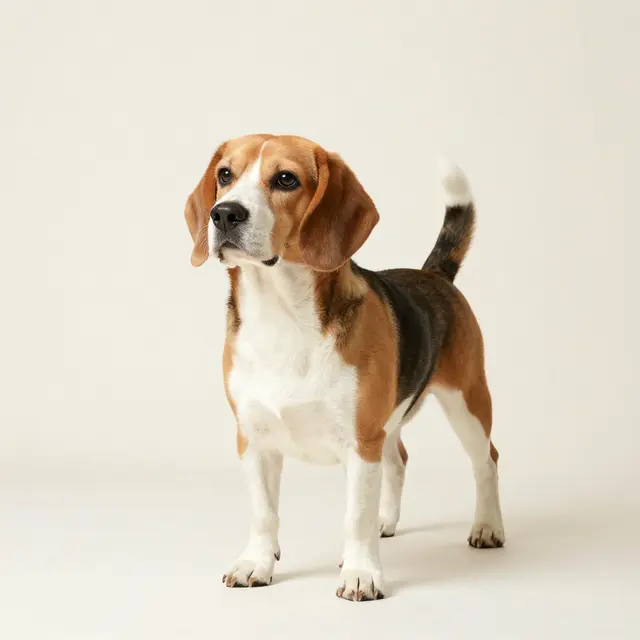
Beagle
A merry, pack-loving scent hound — sociable and great with kids, but ruled by its nose.
Is the Canaan Dog your breed?
Create your pet profile and get personalised food, toy, insurance and health recommendations — tailored to your dog.
Frequently asked questions
What is the Canaan Dog?
The Canaan Dog is an ancient pariah-type breed from the Middle East, regarded as Israel's national dog. Descended from free-living desert dogs and later developed for herding and guarding, it is a natural, balanced, medium-sized animal with a weatherproof double coat and an alert, square-set look shaped by survival rather than fashion.
How big is a Canaan Dog?
It is a medium-sized breed, standing around 48–60 cm at the shoulder and weighing roughly 18–25 kg, with a square, balanced build. It is recognised by The Kennel Club in the UK, though it remains uncommon.
What is the Canaan Dog's temperament like?
The Canaan is alert, intelligent and strongly devoted to its own family, with whom it can be affectionate and playful, while remaining naturally aloof and reserved with strangers. It is an excellent, vigilant watchdog, quick to notice and announce anything unusual, and can be territorial and reserved with strange dogs.
Are Canaan Dogs easy to train?
They are highly intelligent and learn quickly, but have the independent, problem-solving mind of a primitive breed and can grow bored with repetition. Short, varied, reward-based sessions work best. Early, generous socialisation is the single most important task, alongside proactive work on managing barking and building reliable recall.
Do Canaan Dogs bark a lot?
They can be vocal. As an alert, primitive watchdog the Canaan is quick to bark at anything unusual, a trait that can need active management, particularly in close-set housing. Good socialisation, mental stimulation and proactive training to manage barking all help keep it within reasonable bounds.
How much grooming does a Canaan Dog need?
Very little. The double coat is largely self-cleaning and needs only weekly brushing for most of the year, increasing during seasonal moults when the undercoat sheds more heavily. Routine nail, ear and dental care complete a low-maintenance regime suited to its desert origins.
Are Canaan Dogs healthy?
The Canaan is widely considered one of the healthiest pure breeds, a legacy of its development from a naturally selected wild population, and serious inherited disease is comparatively uncommon. No breed is risk-free, so it is still sensible to ask breeders about hip and elbow status and eye health and to choose a breeder who health-tests.
How long do Canaan Dogs live?
With a typical lifespan of around 12–15 years, the Canaan is notably long-lived for a medium-sized dog. Keeping it lean and fit, providing plenty of exercise and mental stimulation, and maintaining routine preventive care all support its naturally hardy constitution.
Are Canaan Dogs good with children?
Fine with sensible, older children. As a general guide, Canaan Dogs tend to be fine with sensible, older children. Whatever the breed, always supervise dogs and young children and teach kids to interact gently.
How much exercise does a Canaan Dog need?
As a healthy adult, a typical Canaan Dog needs 90 minutes to 2 hours of exercise a day (90–120 minutes), split across walks plus play. Higher-energy dogs also need mental stimulation — sniffing, training games and puzzle feeders — to stay settled. Puppies, seniors and dogs with health conditions need less — ask your vet.
Do Canaan Dogs shed a lot?
Moderate shedding. Coat upkeep is easy-care — a quick brush now and then is usually enough.
Are Canaan Dogs easy to train and good for first-time owners?
Better with some experience. Canaan Dogs are best for owners ready to commit to consistent training and plenty of activity. Reward-based training and early socialisation help any dog.
Do Canaan Dogs bark a lot?
Vocal / alert barker. They can be quite vocal, so early training and enough exercise and stimulation help keep barking in check.
Are Canaan Dogs good with other dogs?
Generally fine with other dogs. Early, positive socialisation with other dogs from a young age makes a big difference.
Do Canaan Dogs suit flats or smaller homes?
Best with a garden. A Canaan Dog is happiest with access to a secure garden and regular outdoor exercise.
Sources
- The Kennel Club (UK) — Canaan Dog breed information, https://www.thekennelclub.org.uk/breeds-a-to-z/
- Fédération Cynologique Internationale (FCI) — Canaan Dog breed standard, https://www.fci.be/en/nomenclature/
- PDSA — Choosing and caring for your dog, https://www.pdsa.org.uk/pet-help-and-advice
- Blue Cross — Dog health and behaviour advice, https://www.bluecross.org.uk/advice
Recommended for your Canaan Dog
Matched to a Canaan Dog's size and their typical need for enrichment & mental stimulation.

Self-Moving Chew-Resistant Dog Ball
A USB-C rechargeable ball that moves on its own to keep dogs busy and active. Tough E-TPU construction stands up to chewing during supervised play, and the splash-resistant build suits indoor or outdoor use.
£15.99

Plush Strawberry Snuffle Mat
An interactive foraging mat with removable plush strawberries that hide treats and kibble. Encourages natural snuffling and slows feeding, providing mental enrichment for dogs, rabbits and guinea pigs alike.
From£13.99

Chase Buddy Boredom Busting Dog Toy
A sturdy chase toy for dogs left alone for short spells, redirecting the energy that turns into barking, pacing and chewed skirting boards into active play.
£23.99

Plush Snuffle Foraging Mat
A roll-up plush snuffle mat with cute animal designs. Hide treats in the folds and let your pet sniff and forage to find them - a rewarding enrichment game that beats boredom and slows feeding.
£13.99

Tarhong Concentric Circle Slow Feeder Bowl for Dogs & Cats
A stylish slow-feeder bowl that encourages healthier, calmer mealtimes — available in blue, grey, or white.
£14.99

Self-Moving Interactive Dog Ball
A rechargeable self-moving ball that rolls and changes direction to keep dogs engaged. Ultra-quiet (around 35dB) for indoor and apartment use, helping ease boredom and separation anxiety.
£20.99

Duck Treat-Dispensing Puzzle Toy
A duck-shaped puzzle toy that dispenses treats when your pet presses the paddle.
£36.99

Spherical Slow Feeder Licking Bowl
A spherical non-slip slow feeder that paces fast eaters and turns mealtimes into a calming licking ritual. The ridged surface slows gulping, aiding digestion and easing boredom for dogs and cats alike.
From£13.99
Suggestions based on breed traits — always check sizing and suitability for your individual dog.
Got a Canaan Dog? Save them to a pet profile for tailored picks across the whole site.
Happier, healthier pets — in your inbox.
Breed care tips, seasonal advice and first access to new arrivals. No spam, unsubscribe anytime.
Every dog is an individual — temperament and needs vary. Please research thoroughly, meet dogs in person, and consider adopting from a rescue. This is general guidance, not a substitute for advice from your vet or a qualified trainer.