






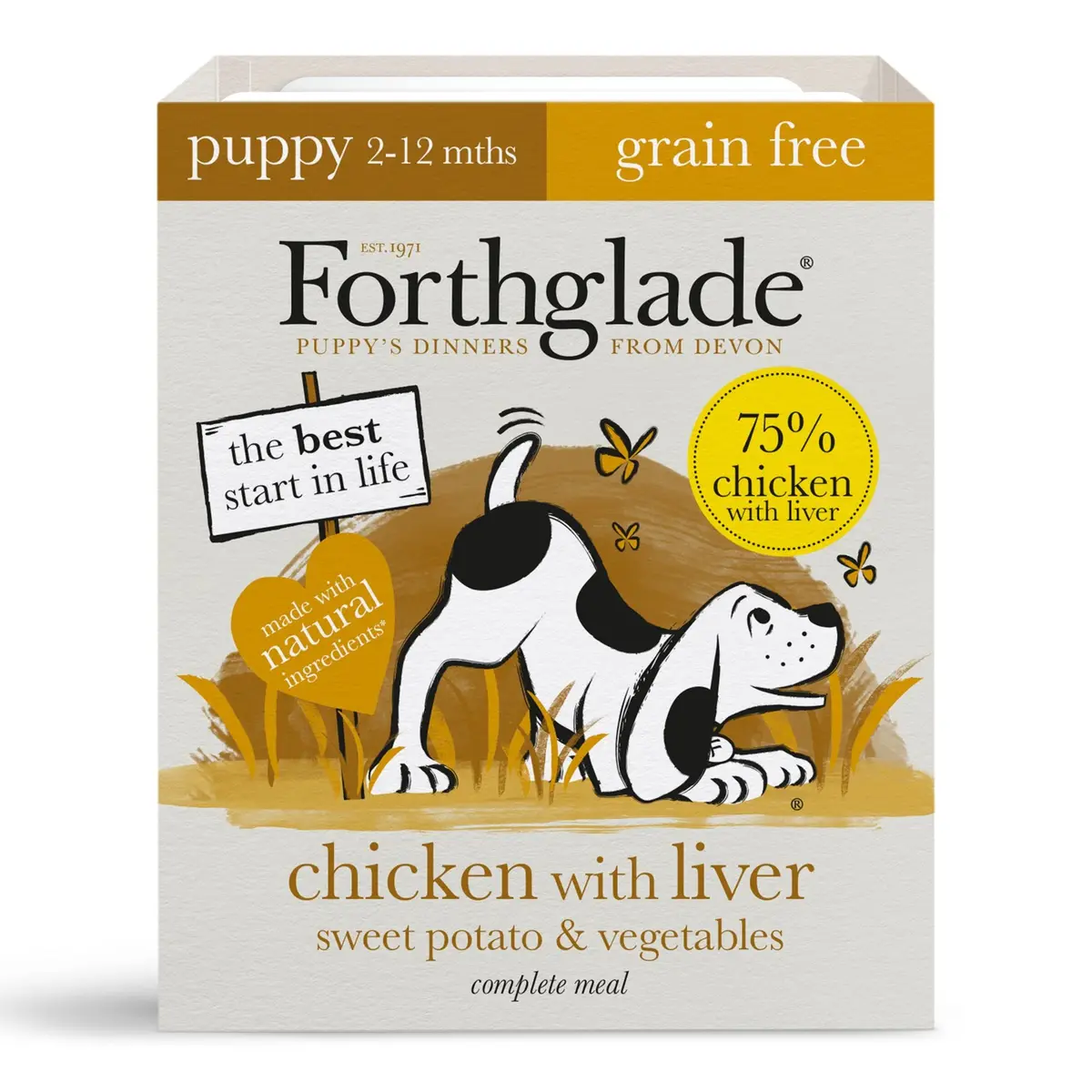
Forthglade Complete Puppy Chicken with Liver Grain Free — 18 x 395g Trays
- Material
- natural ingredients
- Brand
- Forthglade
£35.89
Free UK delivery over £39 · Tracked & fast · Happy pets, happy homes
Find a vet near youFood & treats
Big welcomes for small paws.
A puppy is not a small dog. They are building bone and muscle on a schedule, which is why puppy food is richer, and why a large-breed puppy needs a recipe designed to make them grow slowly rather than fast.
 Everything for their first few weeks.
Find their favourites
Choose a section to narrow the range.
£35.89
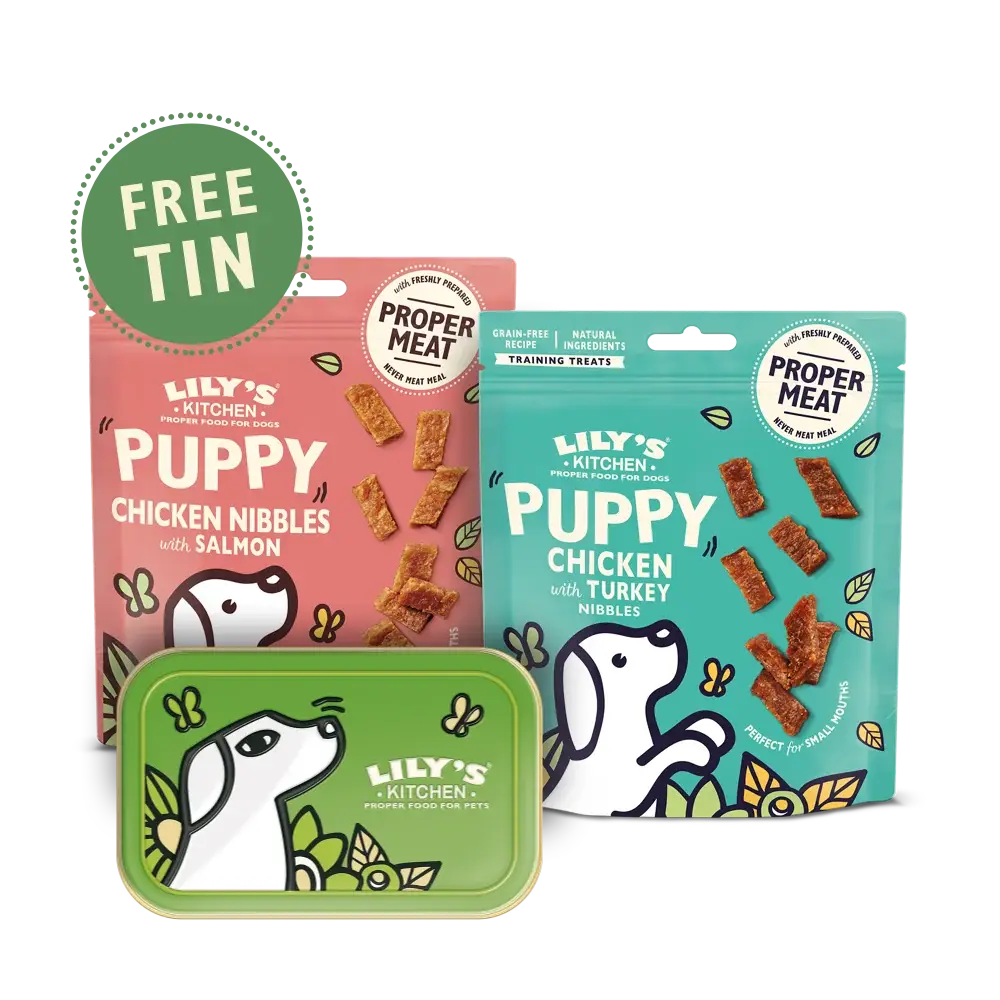
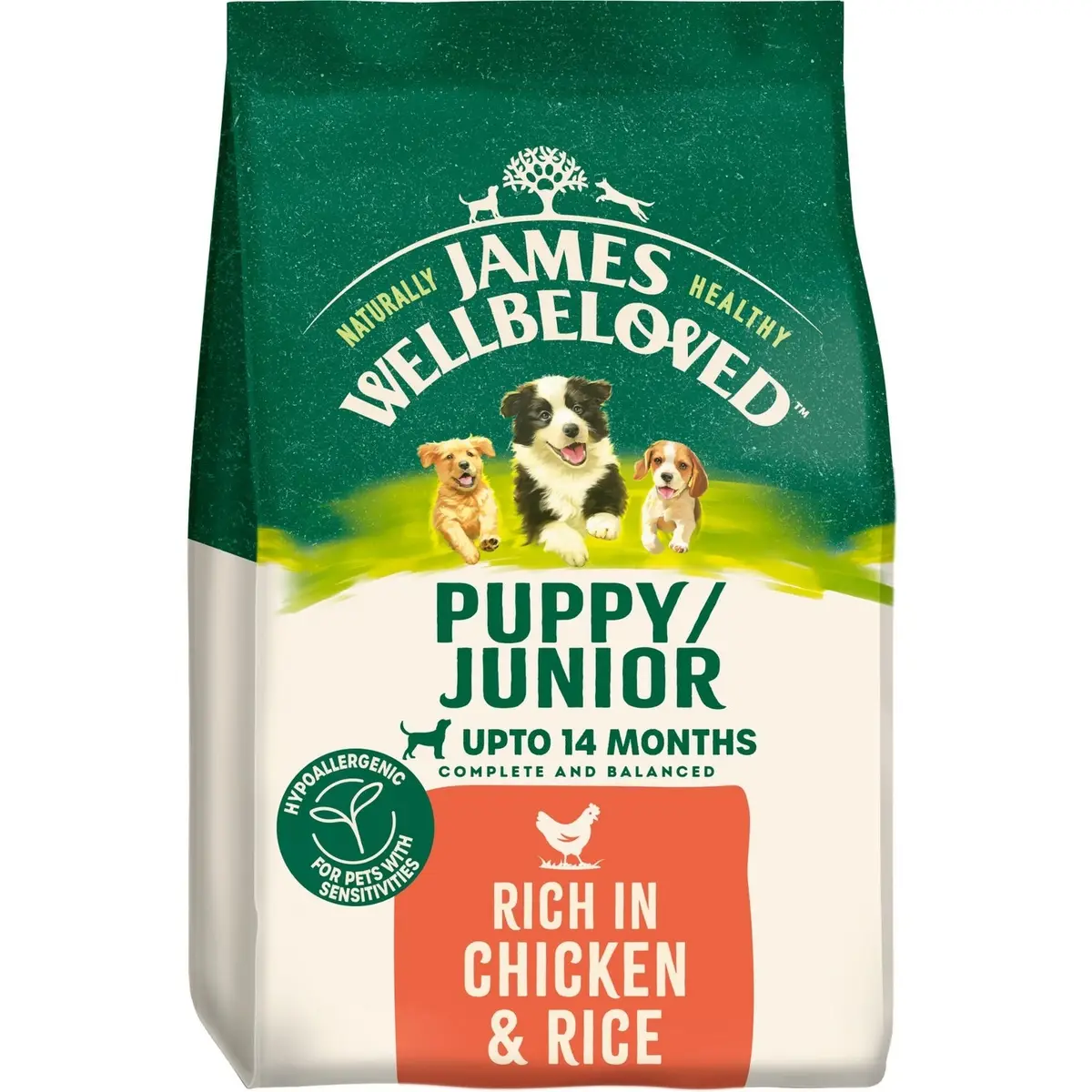
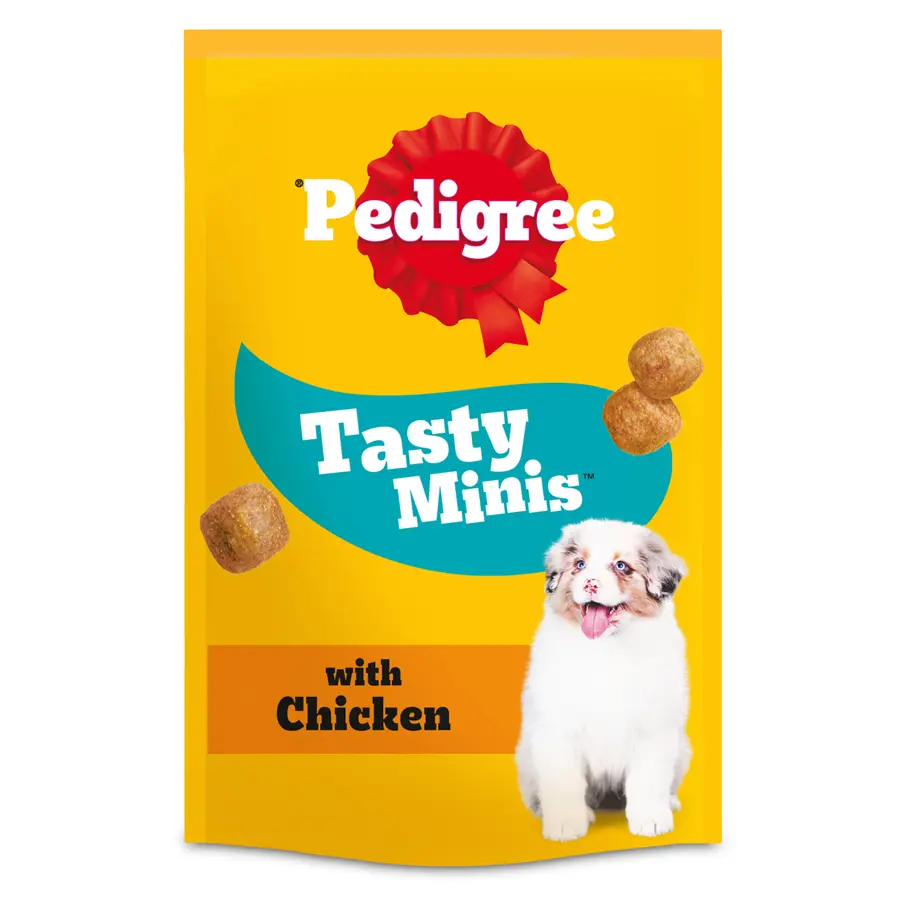
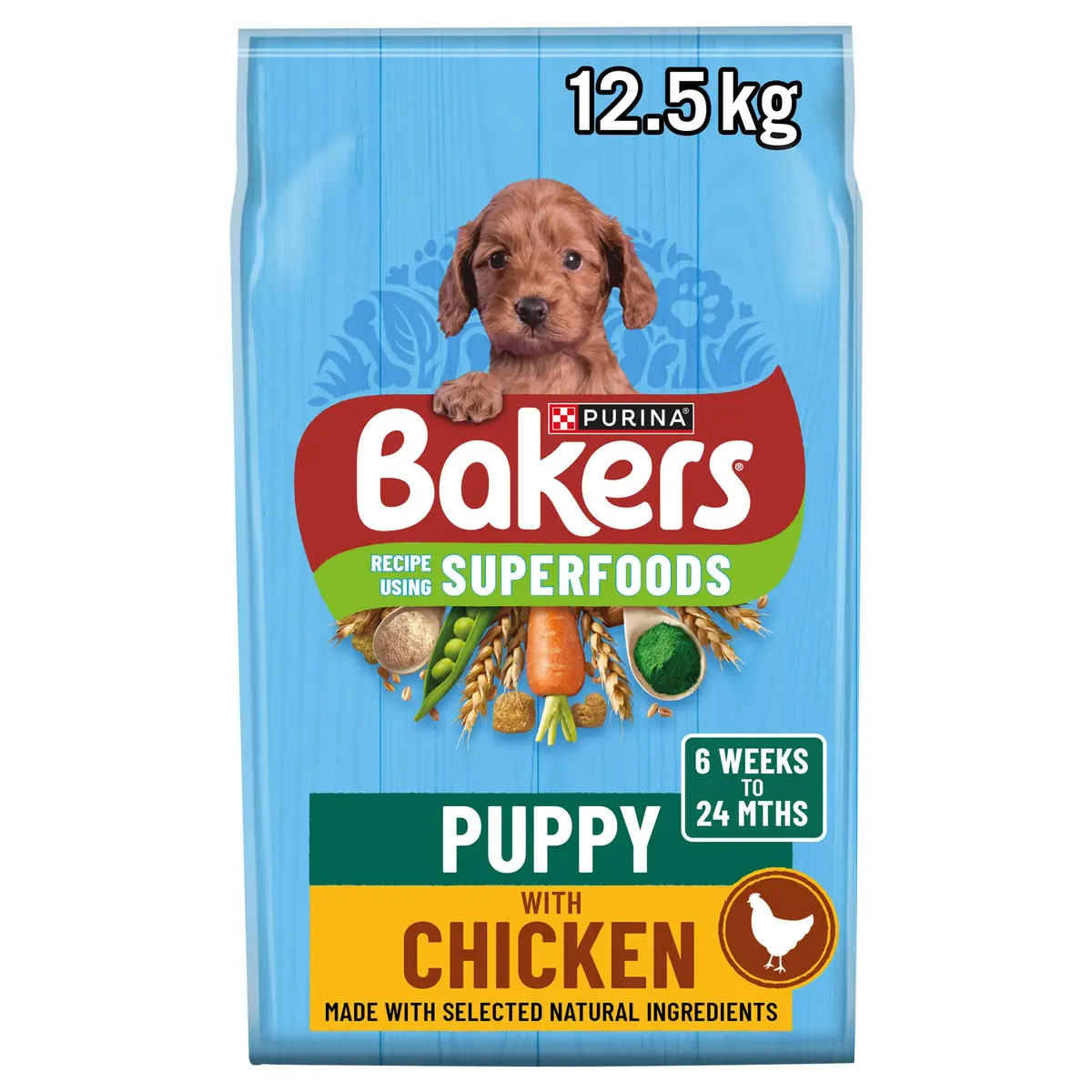
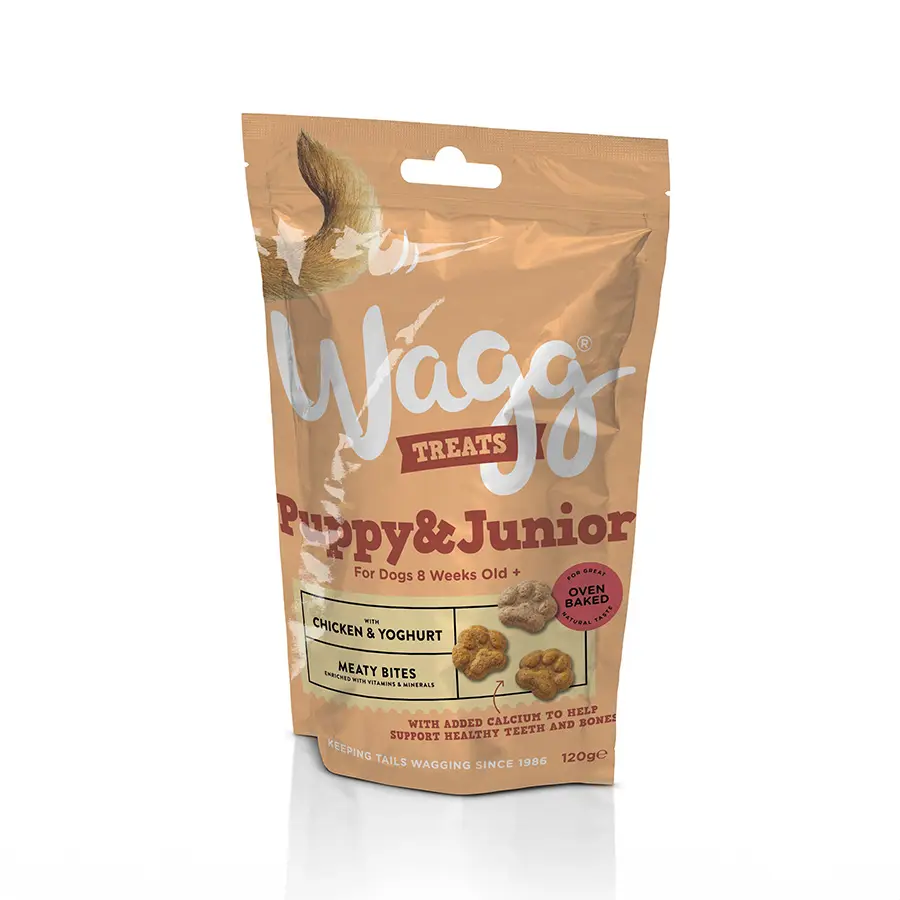
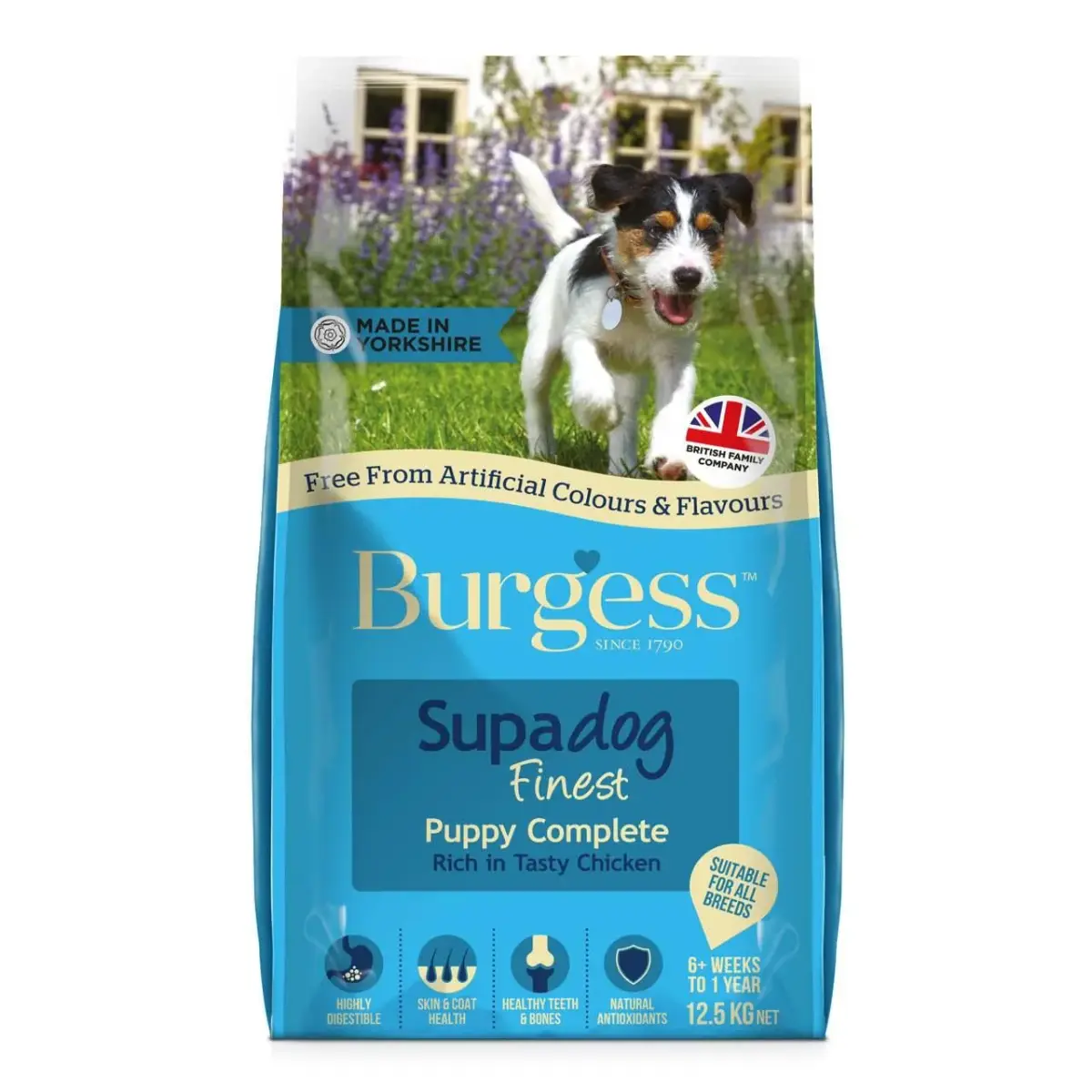
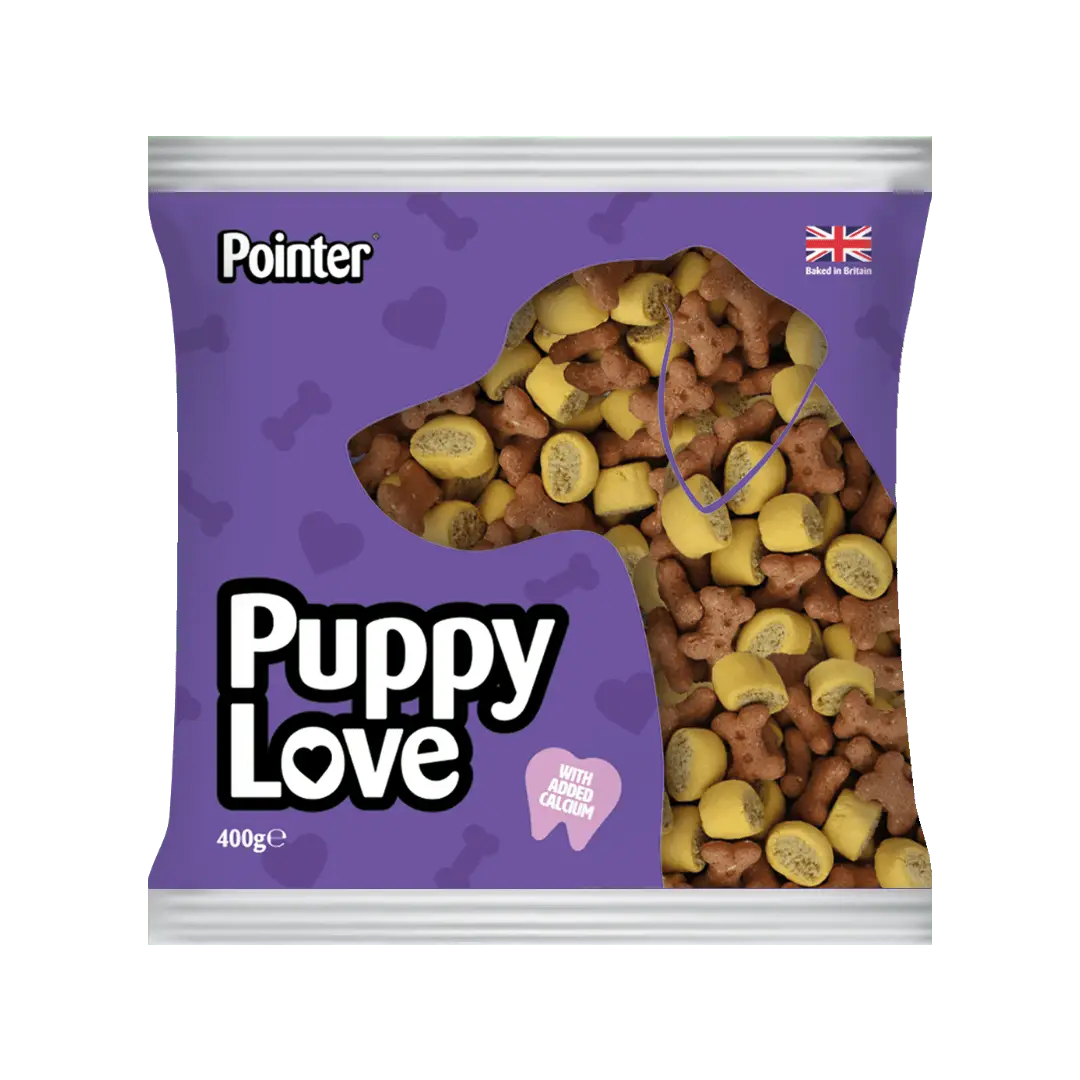
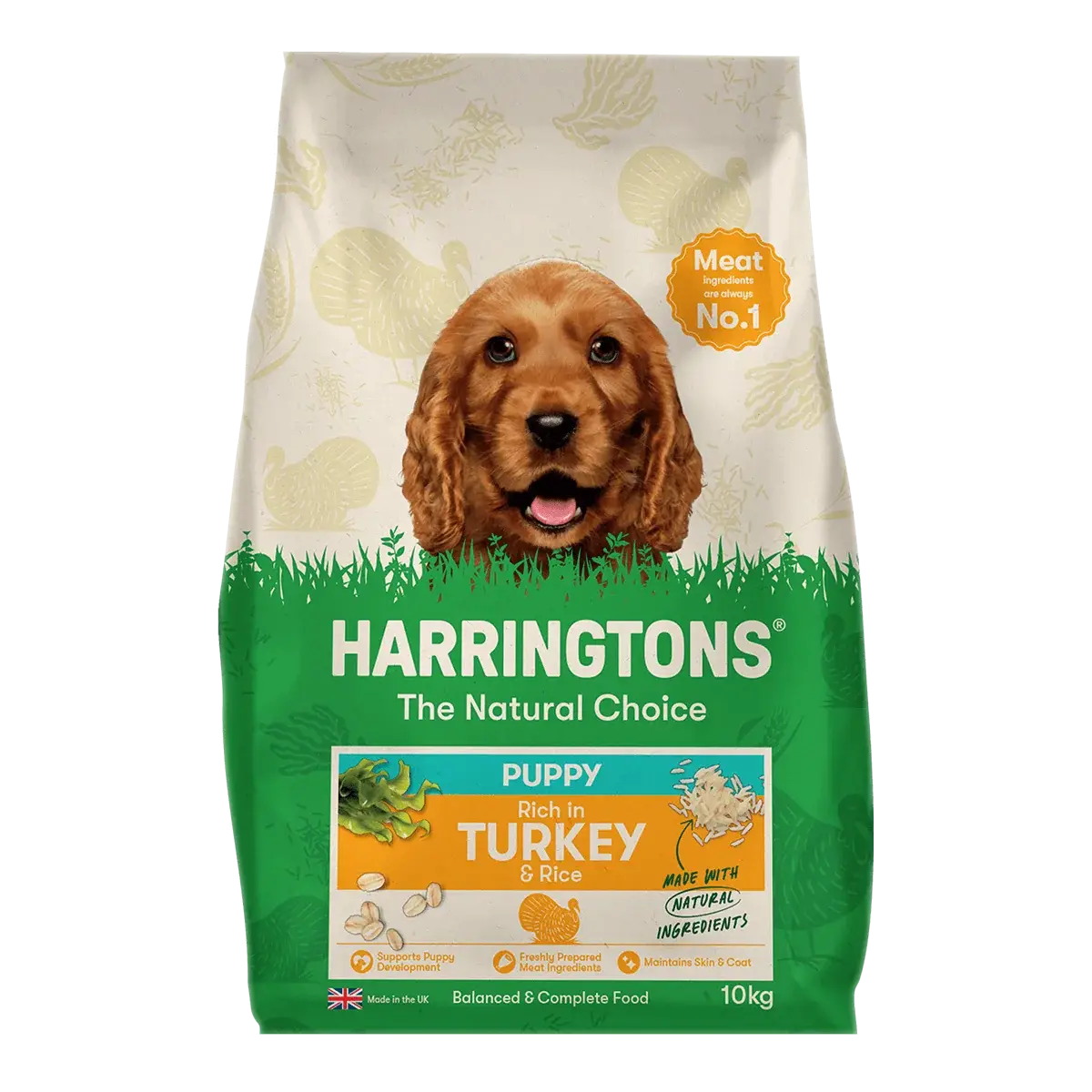
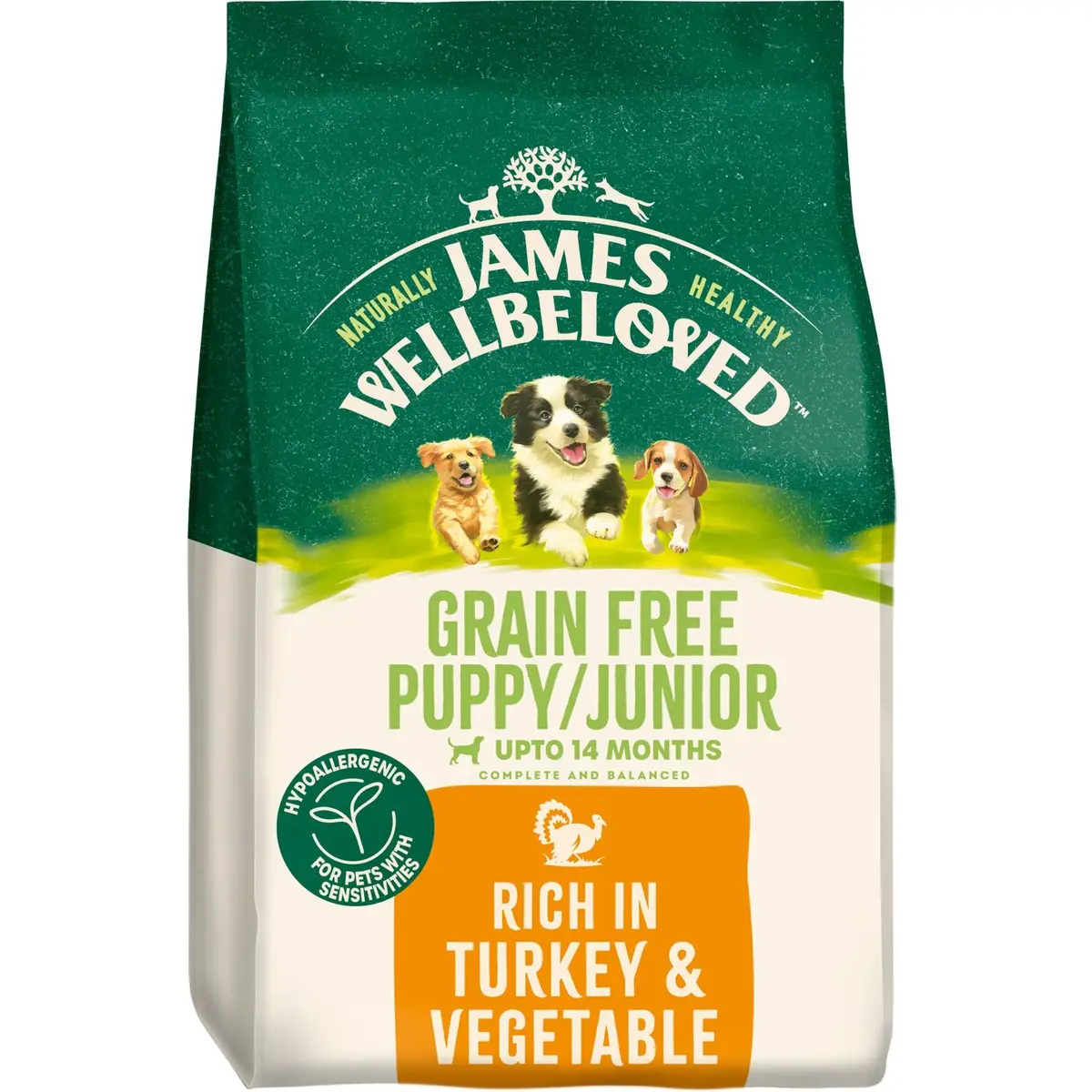
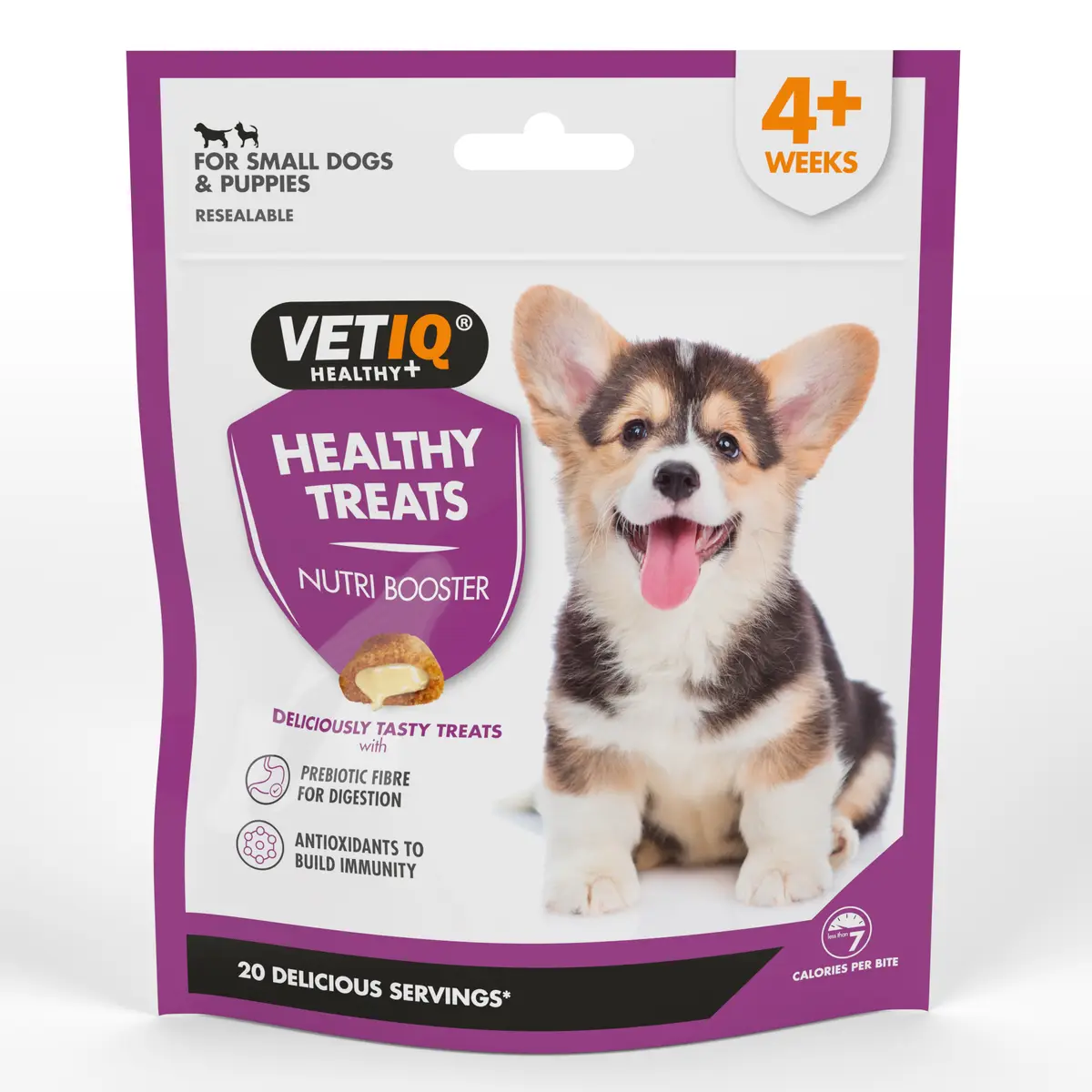
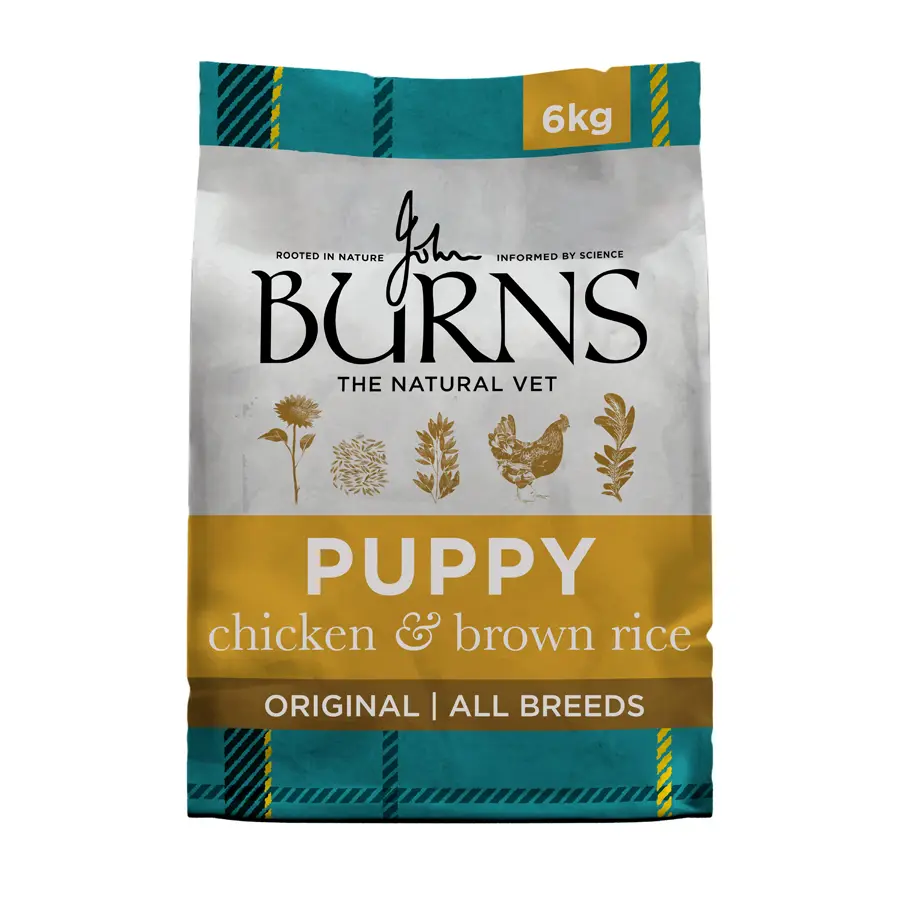
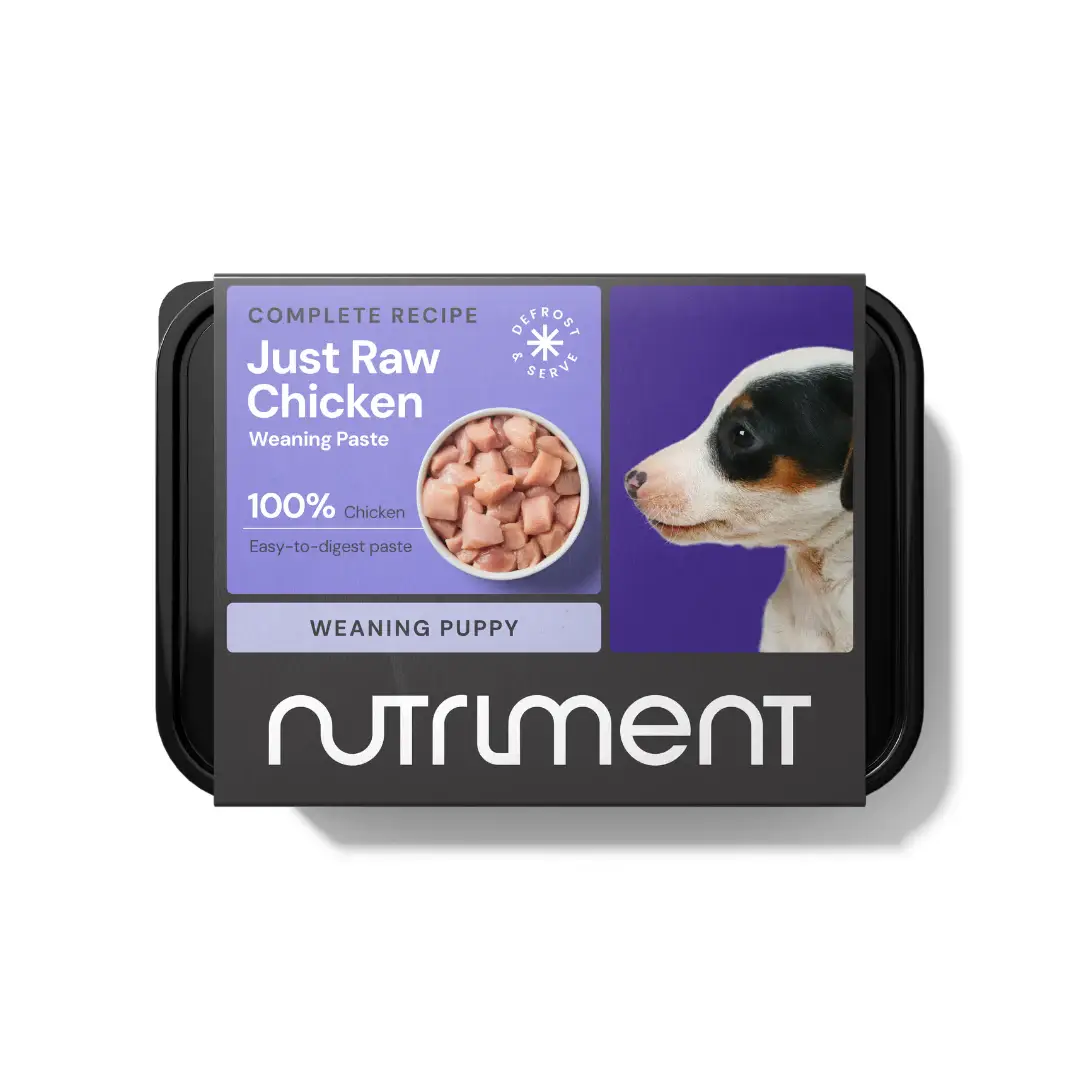
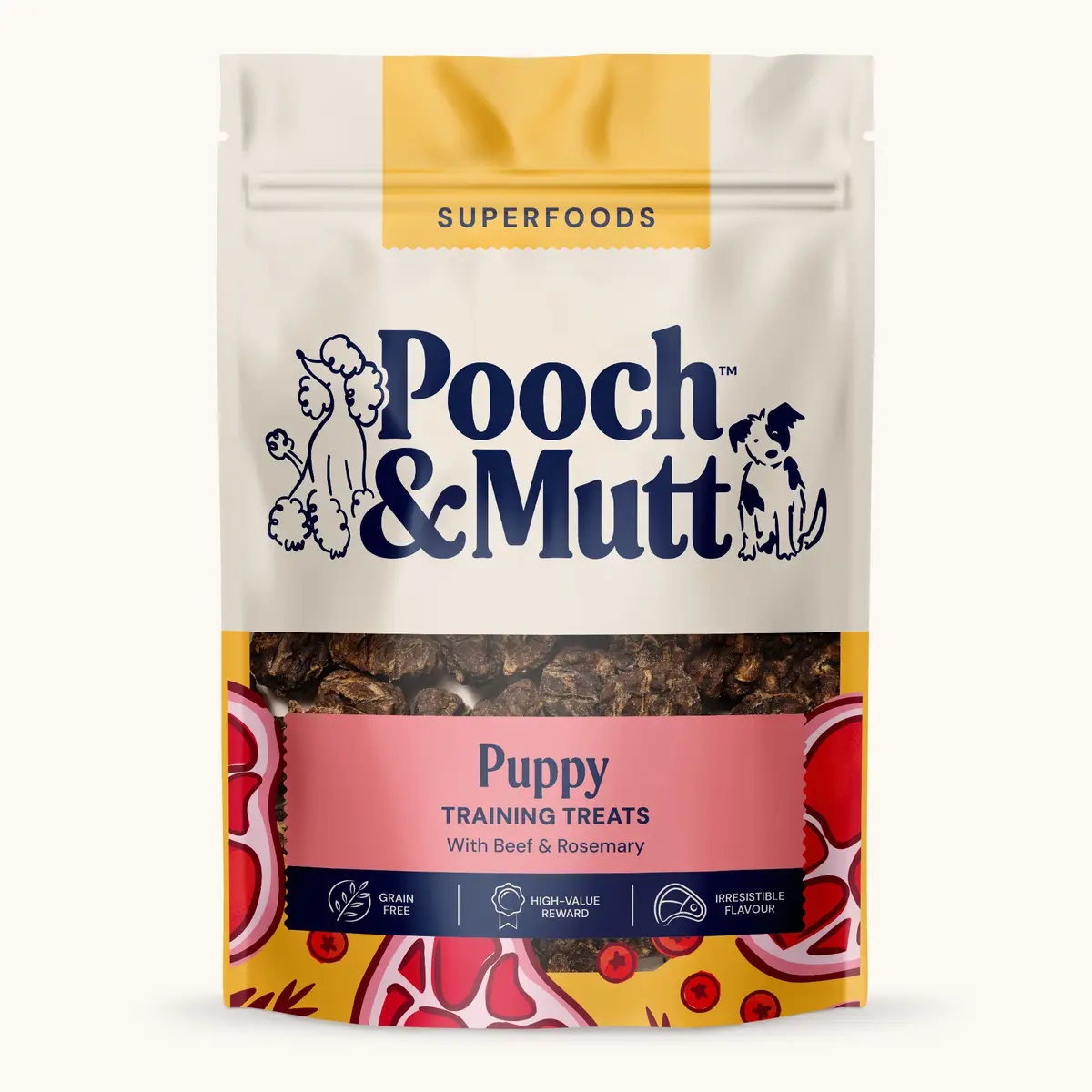
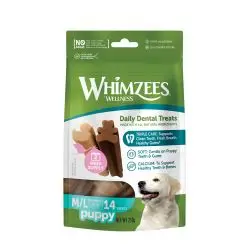
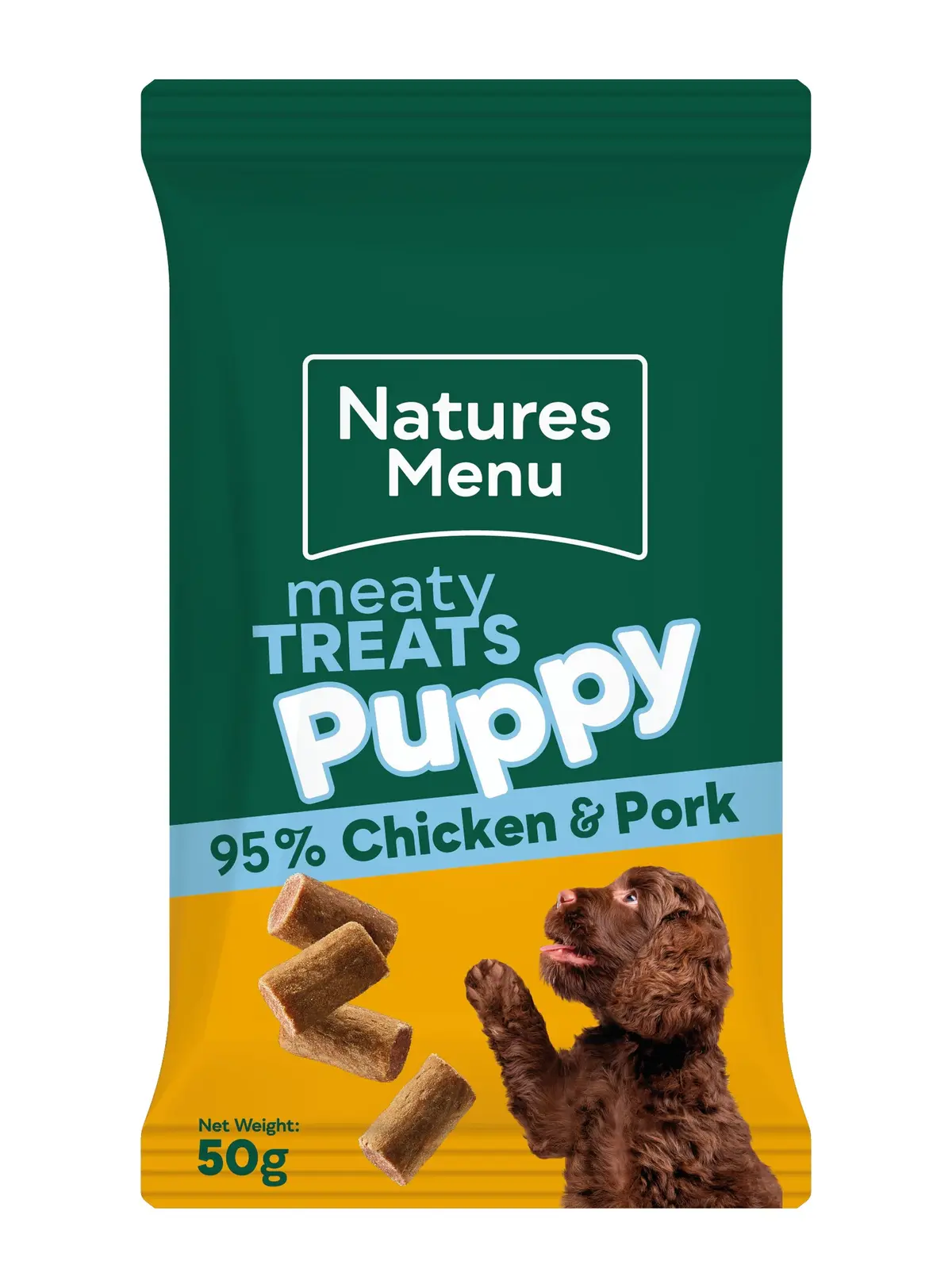
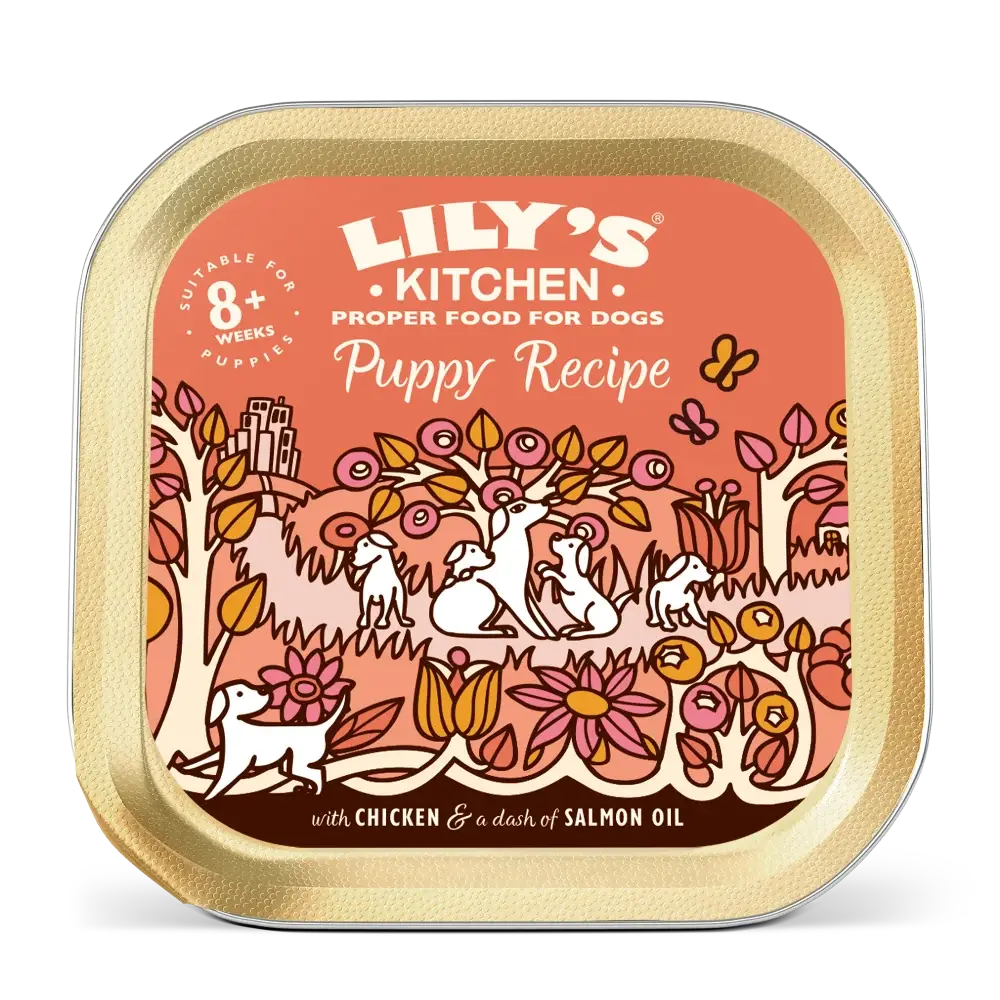
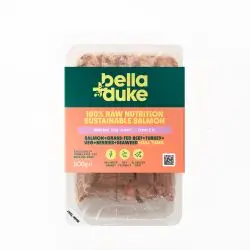
A complete raw meal for working-dog puppies, made with MSC salmon, grass-fed beef and turkey. Frozen 500g tub.
£3.50
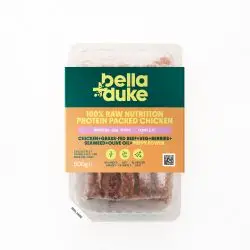
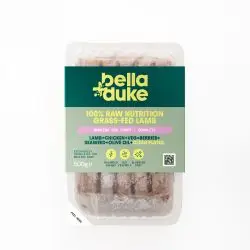
A complete raw meal for working-dog puppies, made with grass-fed lamb and chicken. Frozen 500g tub.
£3.50
A little guidance
| Stage | Feed | Watch for |
|---|---|---|
| Just home, 8 to 12 weeks | The breeder’s food, four meals a day | Do not change the food in week one. Moving house is enough upheaval; a new diet on top is how the first week becomes a stomach upset. |
| 3 to 6 months | A complete puppy food, three meals a day | Teething. A softened or wet food helps if they go off hard kibble while adult teeth come through. |
| 6 to 12 months | Puppy or junior food, two meals a day | Weight. This is when a puppy stops looking like a puppy and people keep feeding puppy quantities. |
| Small breeds, around 9 to 12 months | Move to adult food | Small dogs finish growing early. Staying on a rich puppy food past that point adds weight, not size. |
| Large and giant breeds, 12 to 24 months | Stay on a large-breed puppy food | Controlled growth. Growing a big dog too quickly is associated with joint problems later, which is the whole point of a large-breed recipe. |
A great dane goes from under a kilo to fifty in about eighteen months. Large-breed puppy recipes control calcium and energy density specifically to stop that happening too quickly, because rapid growth in a big-framed dog is associated with developmental joint problems. It is one of the few places where breed size genuinely should change what you buy.
The counterintuitive part is that you are not trying to grow the biggest puppy you can. A large-breed puppy kept lean and growing steadily will reach the same adult size as one pushed hard, and with better joints on the way.
The pack’s feeding guide is based on expected adult weight and an average puppy. Yours may need more or less. The test is what you can feel: a light covering over the ribs, ribs findable without pressing, and a visible waist from above. Check weekly, because a puppy changes shape fast enough that the picture in your head is always a fortnight out of date.
Treats count, and house training runs on treats. A puppy being trained properly is getting a lot of food outside the bowl, so take it off the meals. Using part of their daily kibble as training rewards solves this entirely and most puppies do not notice the difference.
Everything here is chosen to be genuinely useful in everyday life with your pet — quality-checked, fairly priced and shipped tracked across the UK. For any health concern, your vet is always the best first port of call.
A common pattern is four meals a day to about twelve weeks, three to around six months, then two. Splitting the daily amount across more meals suits a small stomach better than one or two large ones.
Roughly when growth finishes, which is around 9 to 12 months for small breeds and 12 to 24 months for large and giant ones. Move across over about a week.
Not as a diet. Puppy recipes carry more protein, fat and specific minerals for growth. An adult food will not meet that, and the shortfall matters most in the fastest-growing months.
Softening kibble with warm water, or moving temporarily to a wet food, usually helps. If they are off food for more than a day or seem unwell, speak to your vet rather than waiting it out.
Not in the first week. Let them settle first, then change gradually over about seven days if you want to.
Related collections from across the shop.
Free pet welcome kit
The new-pet checklist, a vaccination & worming tracker, a feeding-portion guide and a house-training chart — straight to your inbox, no spam, unsubscribe whenever.