






Health & grooming
Dog Supplements
Looking after them, inside and out.
Daily supplements for dogs, grouped by what they are actually for: joints and mobility, skin and coat, digestion, immunity and calming. Tablets, powders, oils and soft chews, so there is a format your dog will take.
 Everyday care for every age.
Find their favourites
Shop by type
Choose a section to narrow the range.
Shop dog supplements
Little essentials. Lots of love.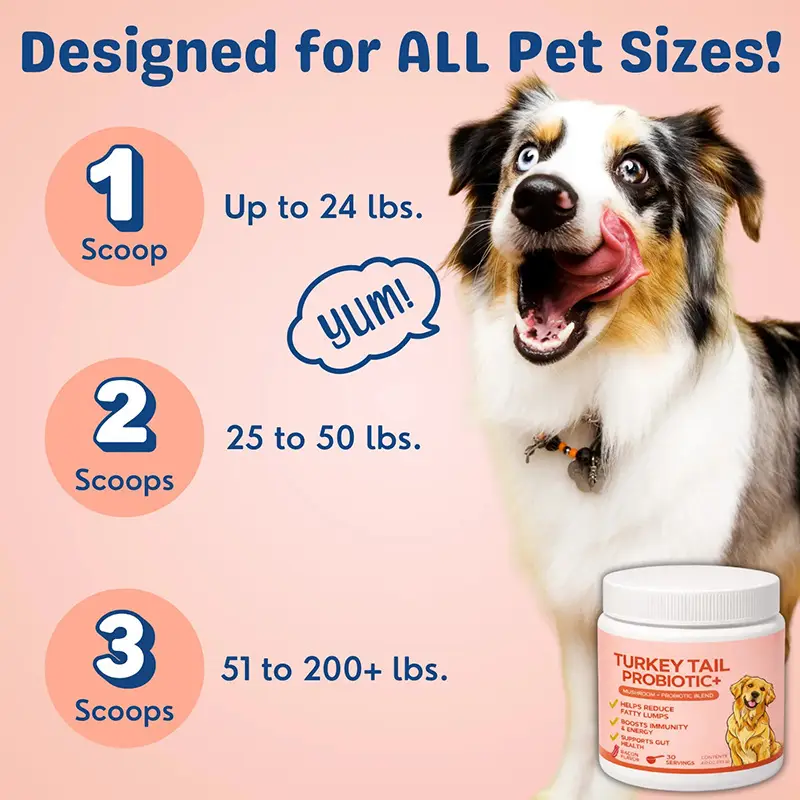
Supplement
Turkey Tail Mushroom & Probiotic Powder
A bacon-flavoured turkey tail mushroom and probiotic powder you sprinkle over food. Made to support immunity, energy and gut health, with scoop guidance for every weight from small to large pets.
£13.99
Supplement
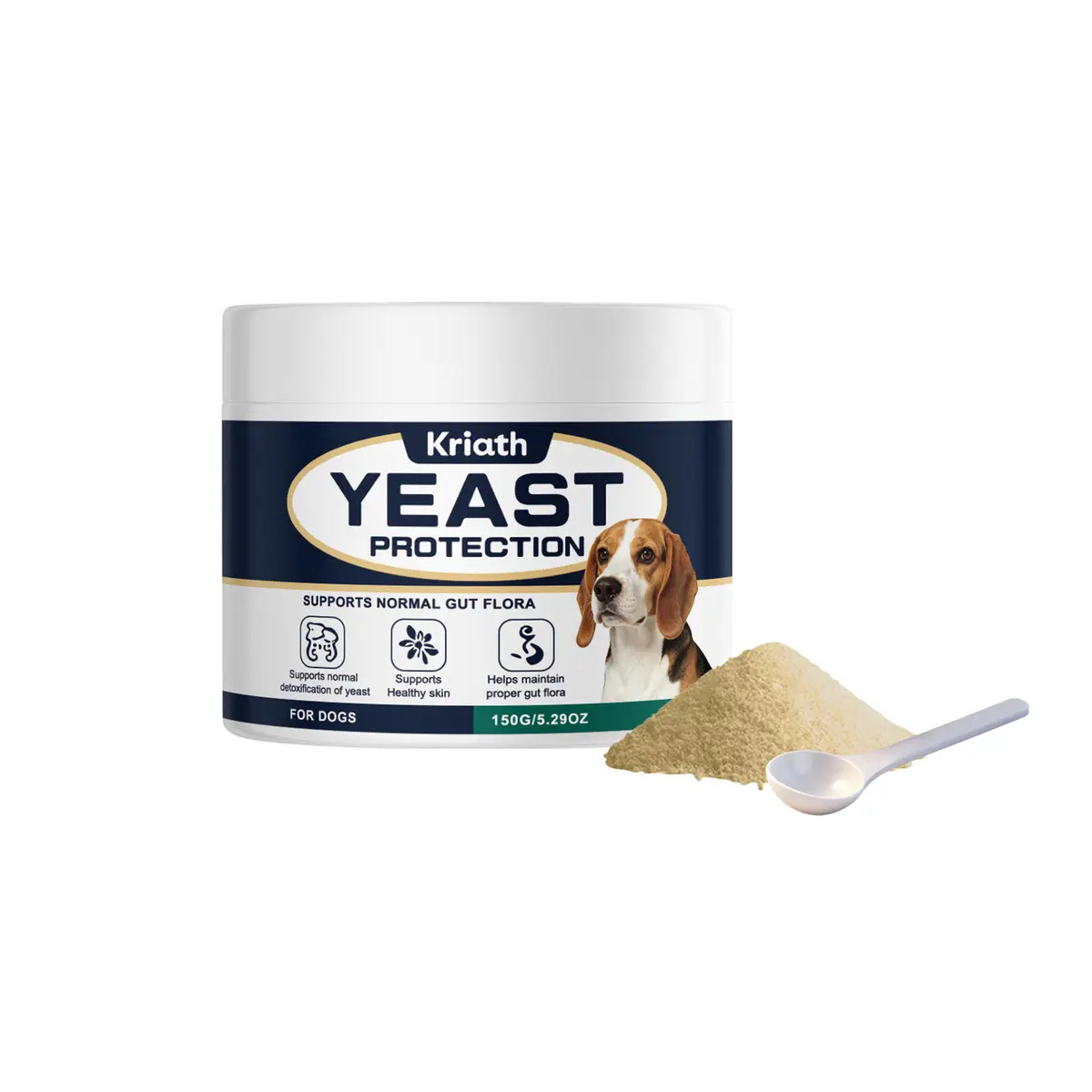
Yeast Protection Gut & Skin Supplement For Dogs
A powdered daily supplement for dogs to support normal gut flora and healthy skin, with a measuring scoop.
£14.99
 Fast UK delivery
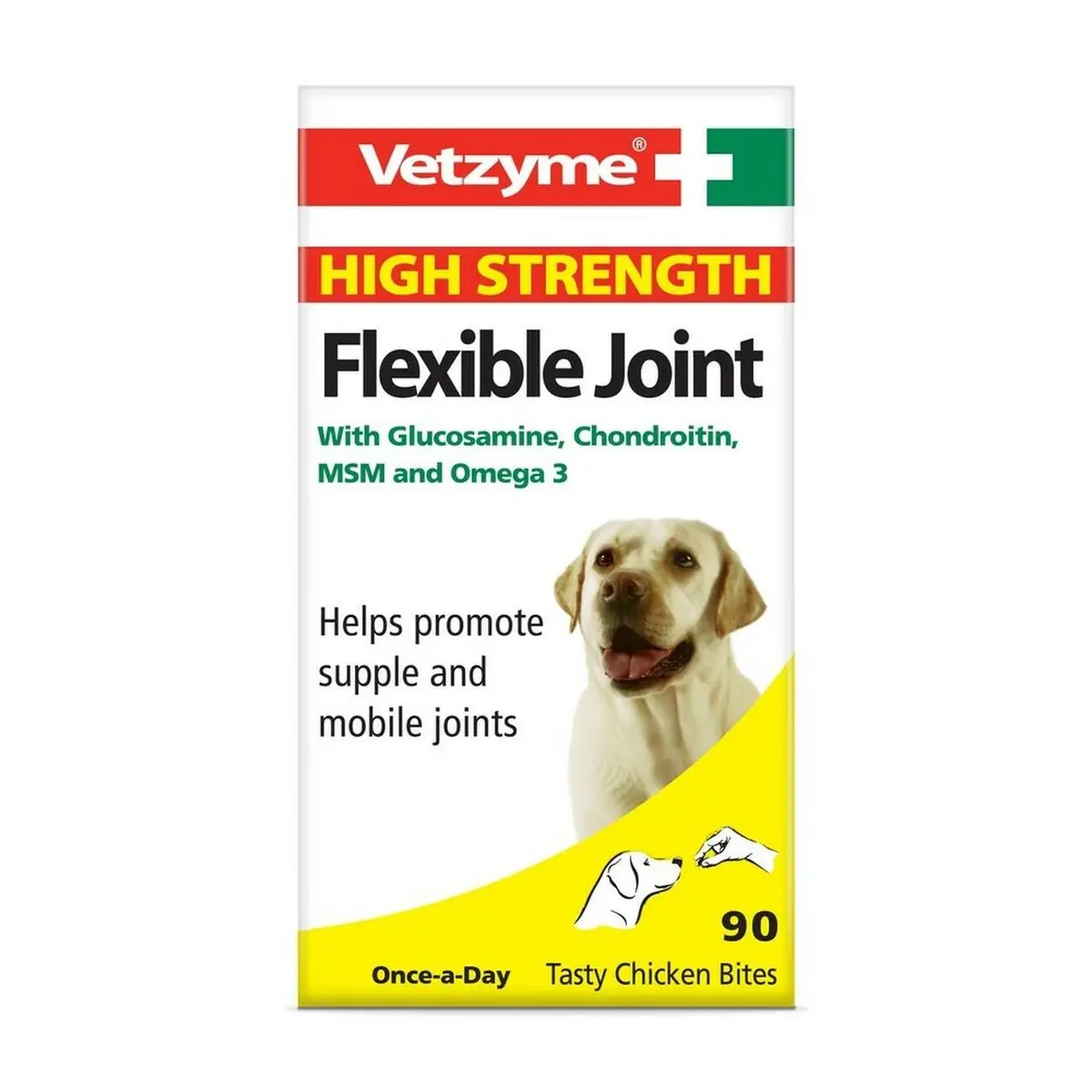
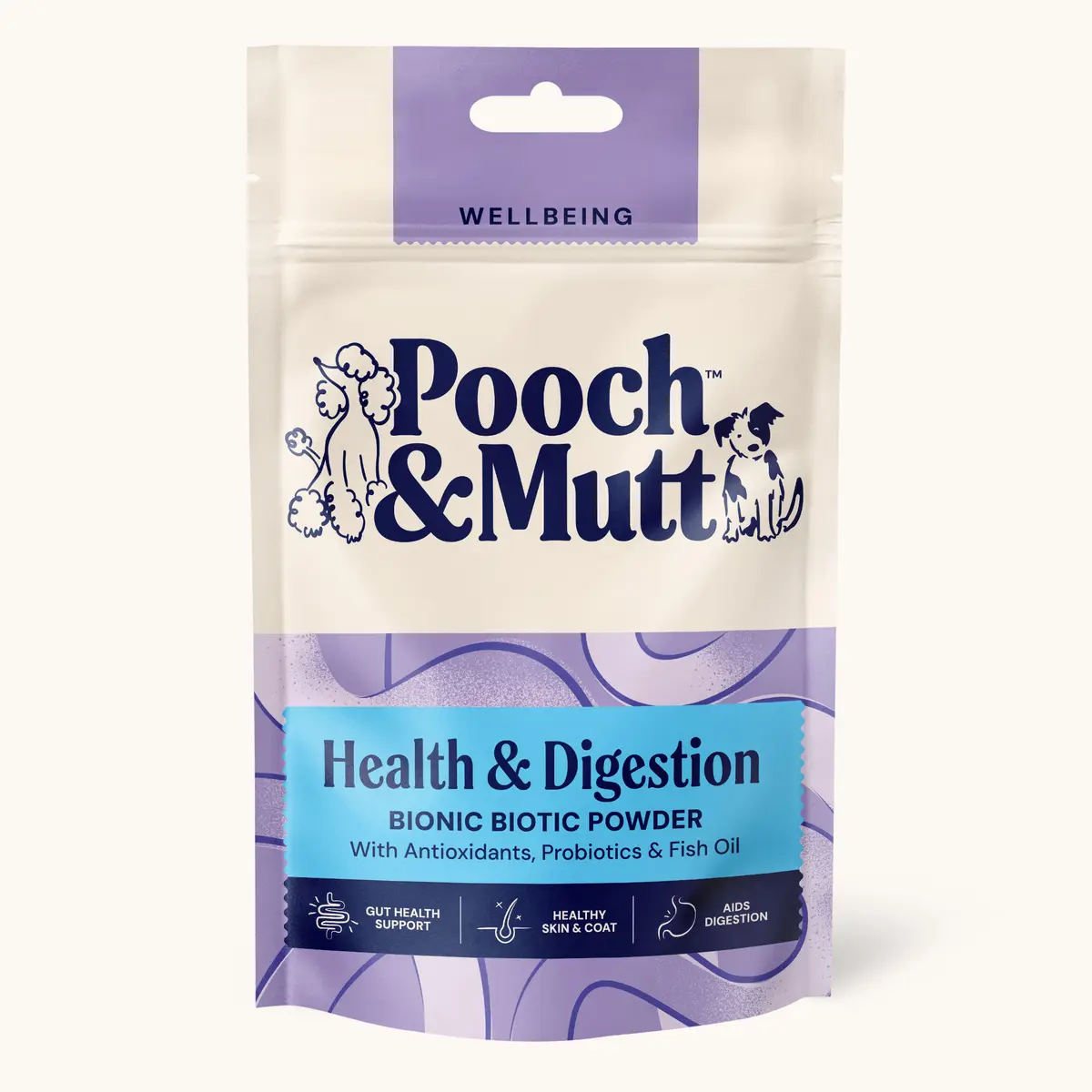
Pooch & Mutt Health & Digestion Bionic Biotic
A puppy-friendly, chicken-free supplement blend for gut, skin and coat health, 200g
£12.49
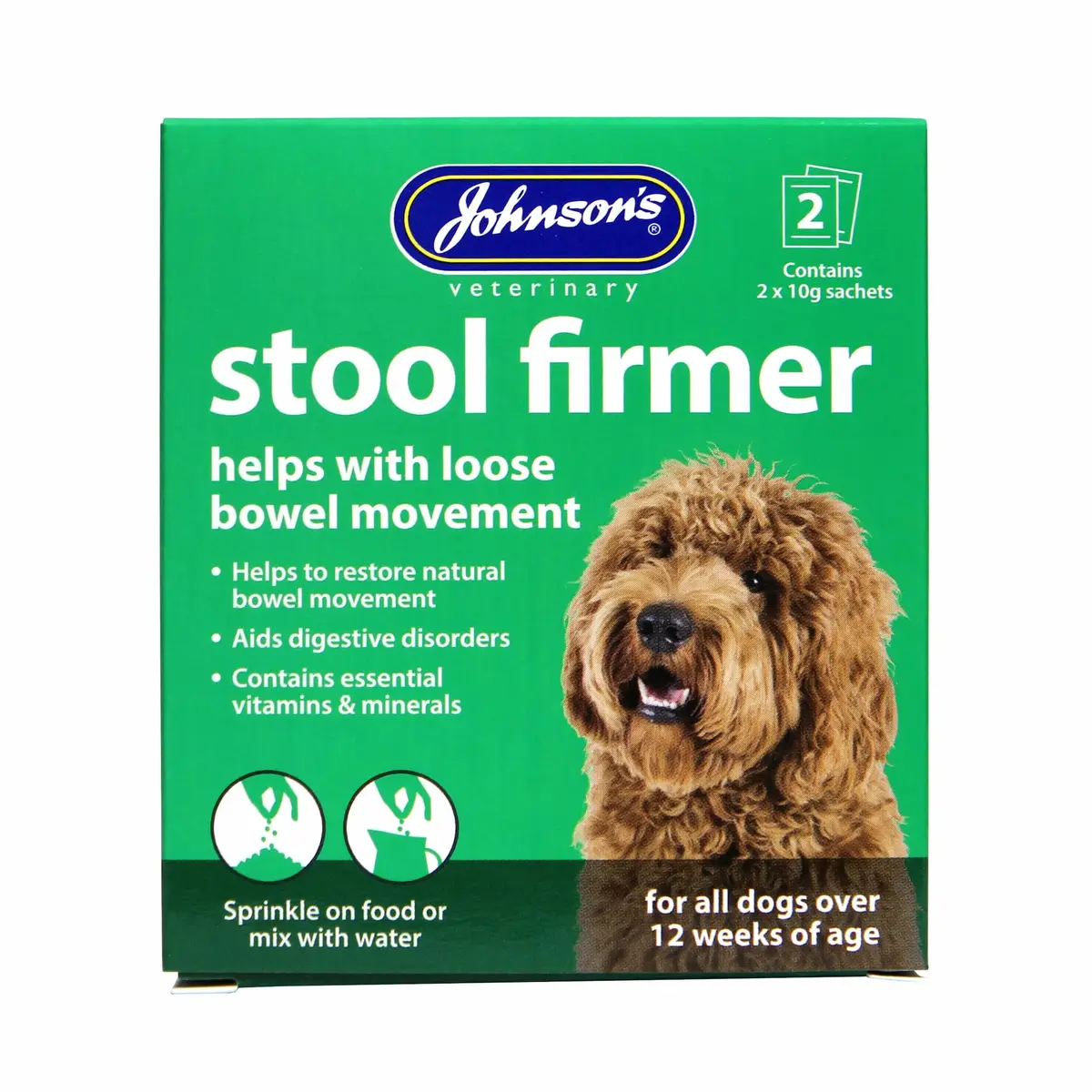
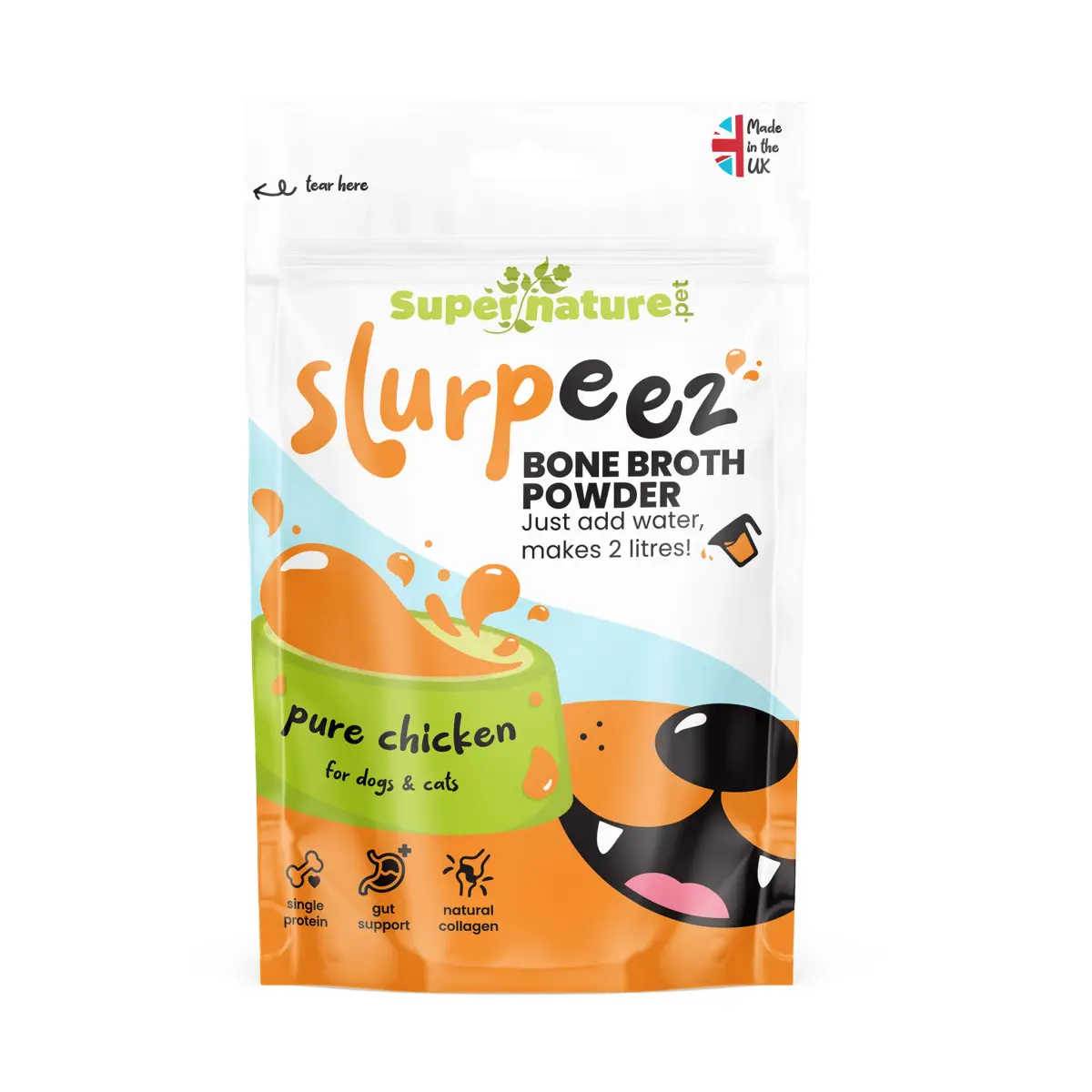
Vet's Best Daily Soft Chews Junior
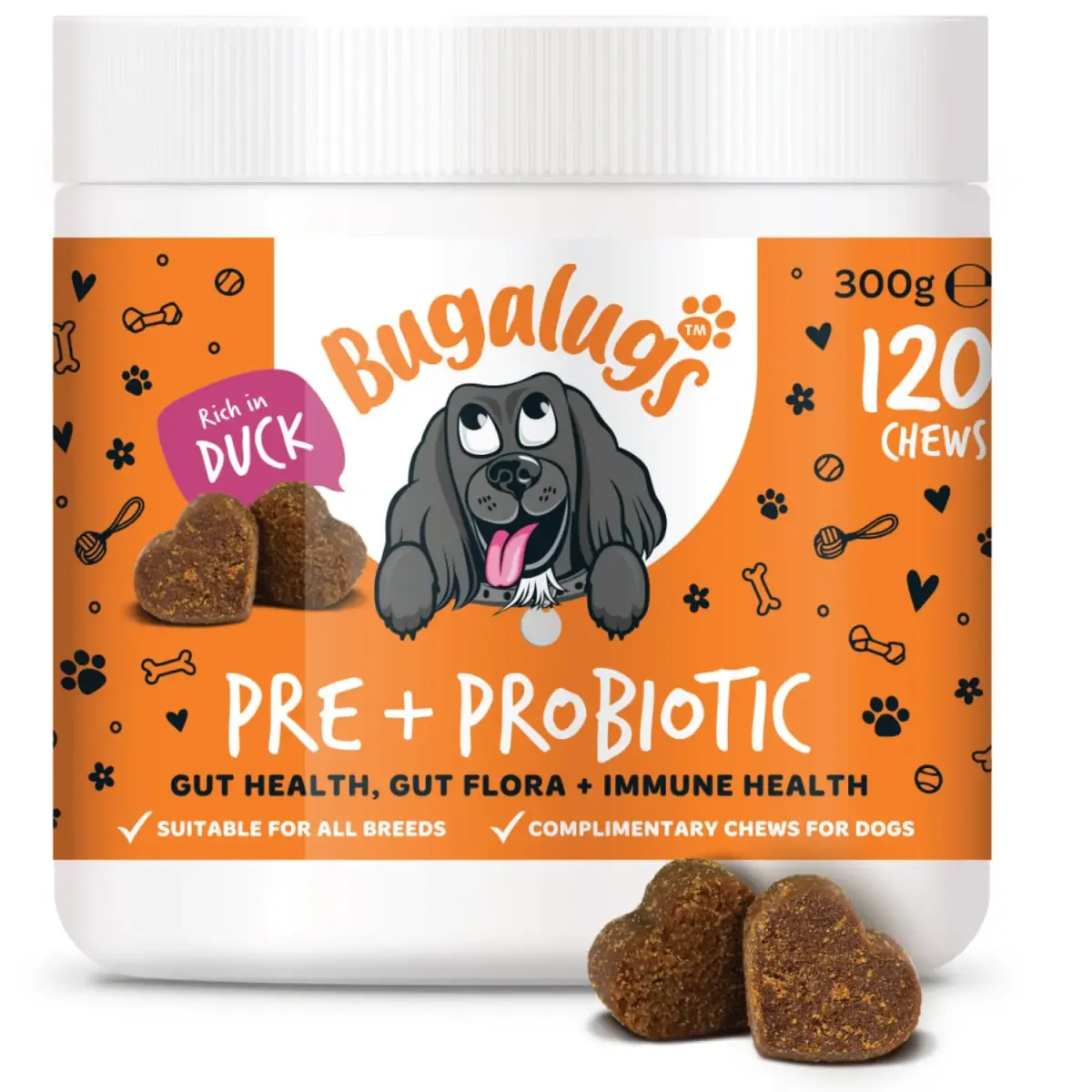
180 soft duck chews for dogs from 12 weeks to 2 years, with pre and probiotics
£26.99
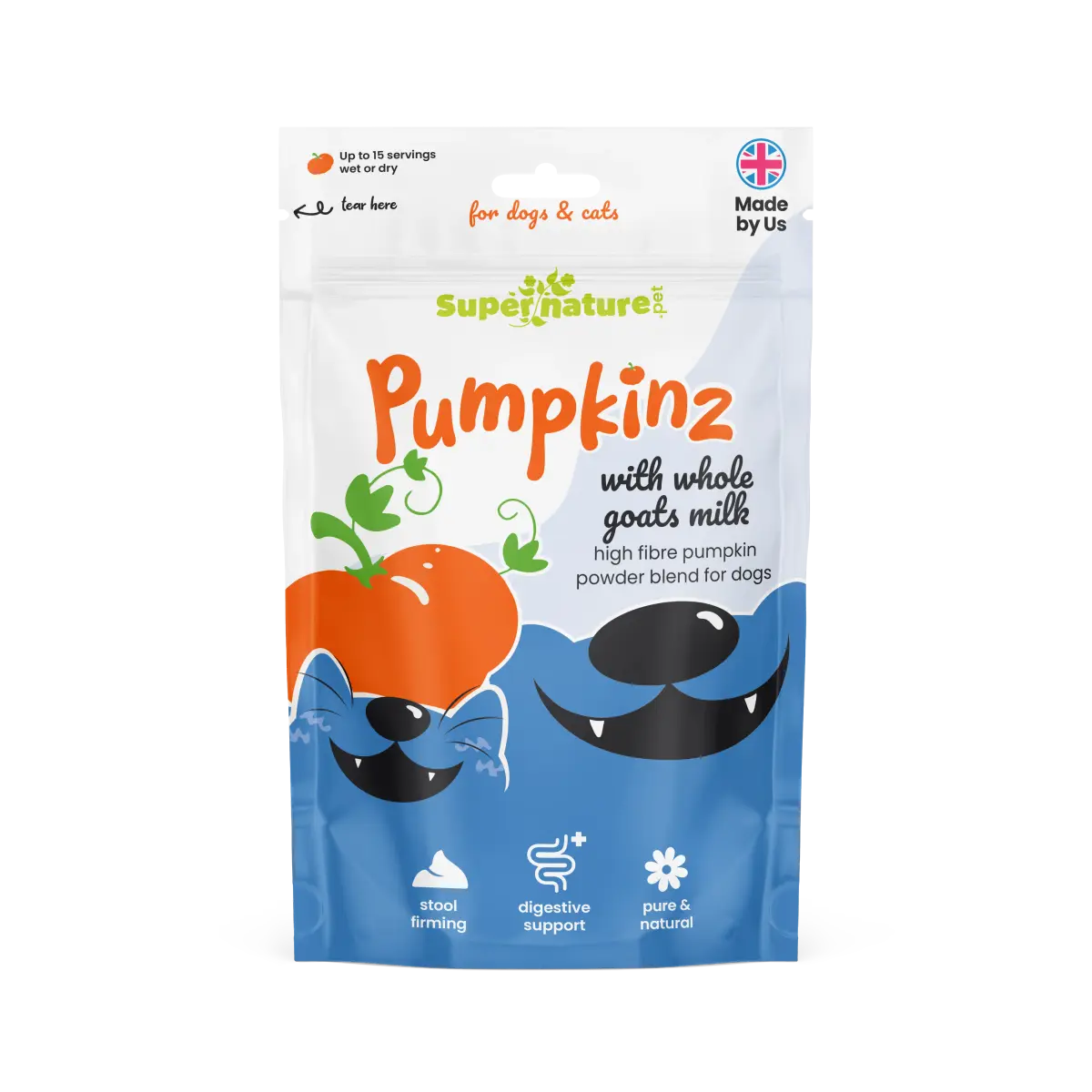
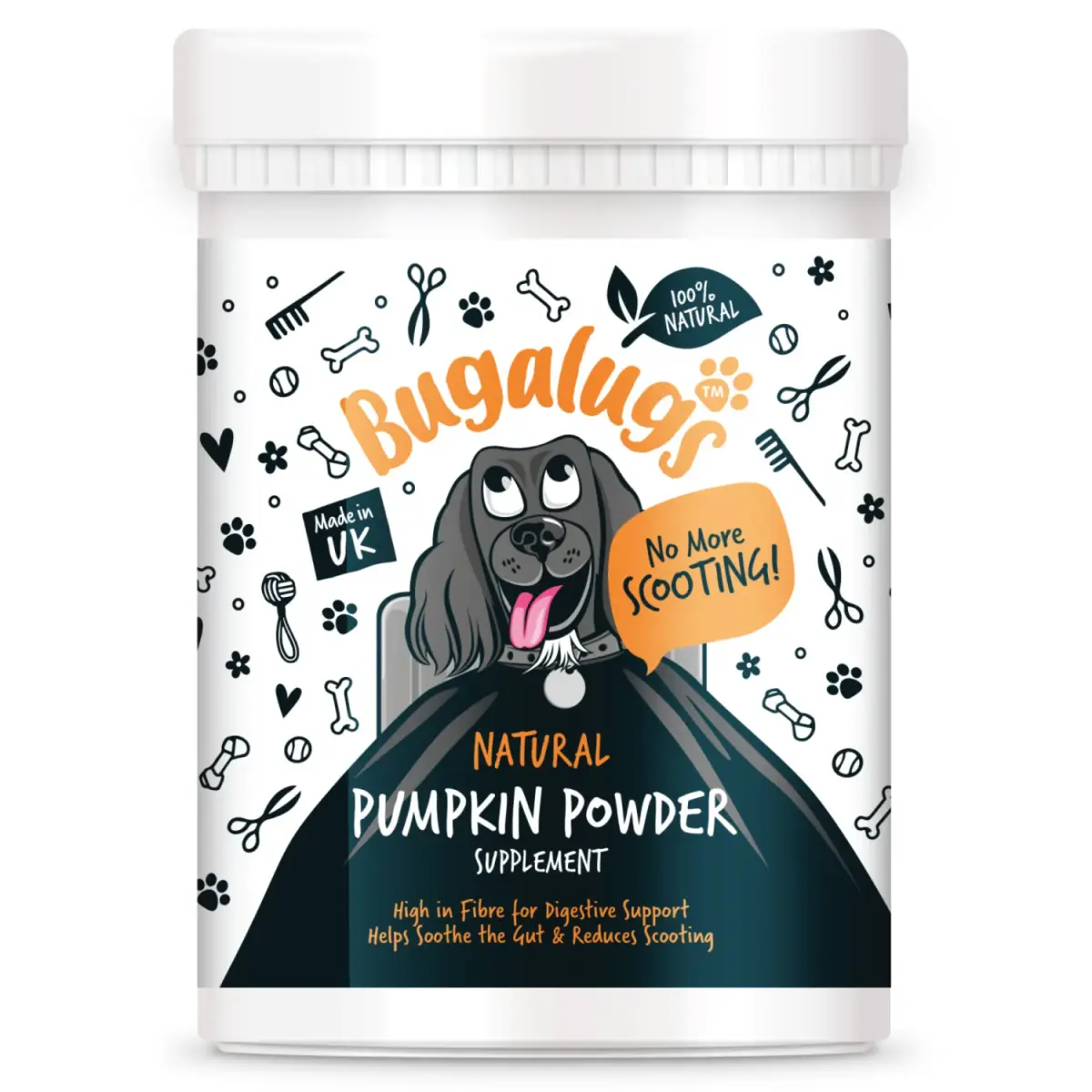
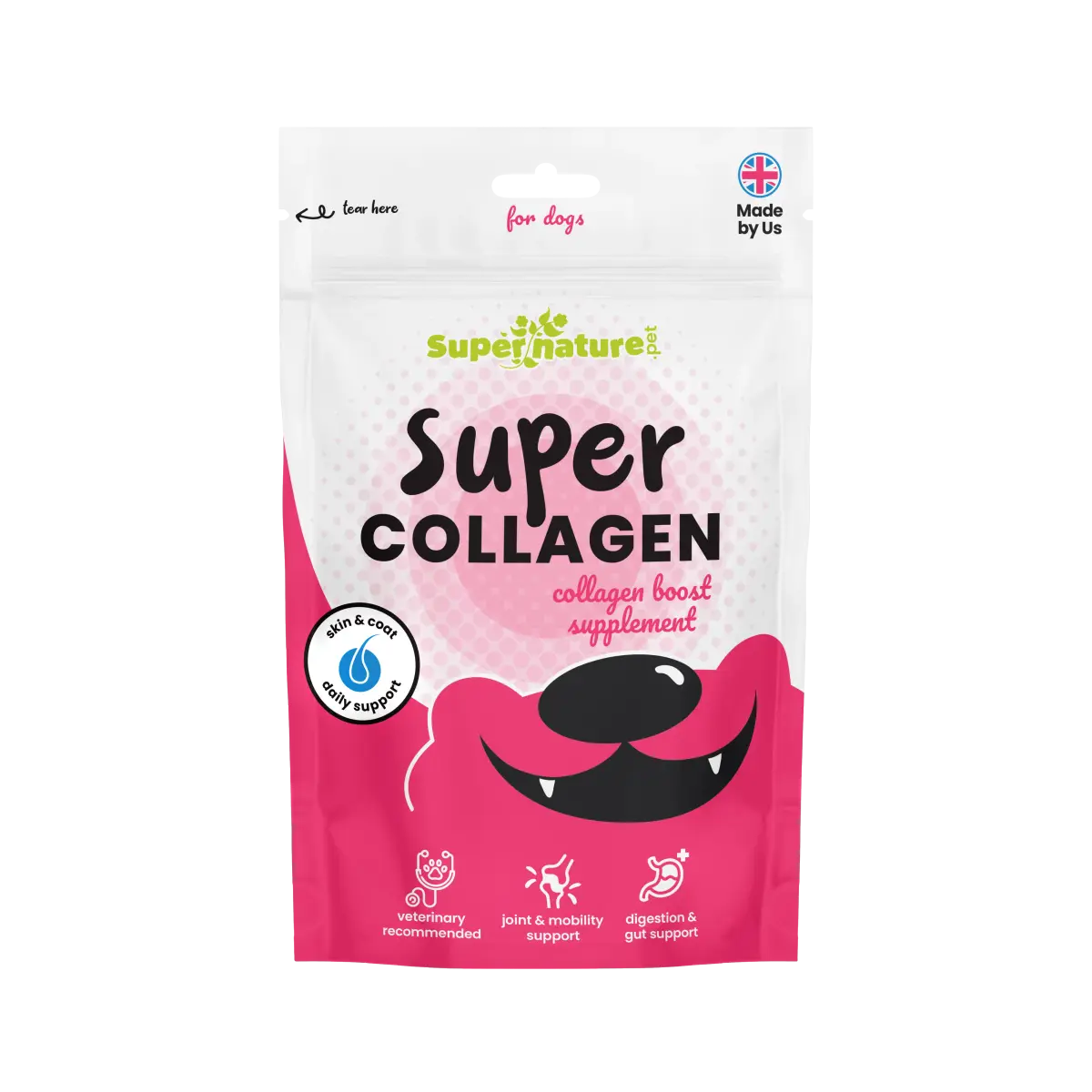
Supernature Pumpkinz Dried Pumpkin Powder with Goats Milk
- Material
- 100% natural, 100% pure
- Brand
- Supernature
£6.99
A little guidance
What is the supplement for?
| What you have noticed | Usual category | Also worth doing |
|---|---|---|
| Stiff, slow to get up | Joint and mobility | Check weight and bed comfort |
| Dull coat, flaky skin | Omega oils, skin and coat | Rule out fleas and allergy |
| Loose stools after changes | Probiotic or digestive | Change food gradually |
| Anxious at fireworks or travel | Calming | Start days ahead, not on the night |
| Older dog generally | Senior multivitamin | Ask the vet at the next check-up |
A supplement is a feed, not a medicine
Everything here is complementary feed. It is designed to sit alongside a complete diet and support a specific area over weeks and months, and it is regulated as food rather than medicine. That is the right frame for judging one: low risk, gradual, and worth giving a fair trial of several weeks.
It also sets the limits. A supplement does not diagnose, does not treat disease, and does not work in a day. A dog that is limping, losing weight, itching relentlessly or repeatedly unwell needs a vet, and reaching for a supplement instead is how a treatable problem gets a month older.
A good diet does most of this already
A dog on a complete, properly balanced food is already getting the vitamins and minerals it needs, by definition, because that is what complete means. Adding a general multivitamin on top of a good diet usually changes nothing, and with fat-soluble vitamins it is genuinely possible to overdo it.
Targeted supplements are a different proposition, because they are aimed at something the diet was never designed to do: extra omega-3 for a dull coat, a probiotic through a course of upset, joint support for an ageing large breed. The question worth asking before buying is what specifically you expect to change, because if you cannot answer it, a better food is usually the cheaper intervention.
Formats, and getting a dog to take it
Tablets are cheapest per dose and the easiest to measure, and hopeless with a dog who detects them in cheese. Soft chews solve that by being a treat, at a slightly higher price. Powders and oils go into wet food unnoticed, which is the reliable answer for a suspicious dog, though an oil needs storing properly because omega oils go rancid with heat and light.
Whichever you choose, dose by weight and keep to it daily, because these work by accumulation rather than by event. Many joint products run a higher loading dose for the first few weeks before dropping to maintenance, and people who skip that phase often conclude the product did nothing.
Telling your vet, and knowing when to stop
Mention supplements at check-ups, and particularly before surgery or if your dog is on medication. Some ingredients, fish oils among them, are relevant around procedures, and your vet cannot account for what they do not know about.
Give a supplement four to six weeks and judge it against something you wrote down at the start, because gradual change is very hard to assess from memory. Stop and ask if you see vomiting, loose stools, itching or any reaction. And do not stack several products aimed at the same thing: doubling up on the same active is the most common way owners end up overdosing an ingredient they thought was harmless.
Everything here is chosen to be genuinely useful in everyday life with your pet — quality-checked, fairly priced and shipped tracked across the UK. For any health concern, your vet is always the best first port of call.
Common questions
Does my dog need supplements?
A healthy dog on a complete, balanced food usually does not need a general multivitamin, because complete food already contains the required vitamins and minerals. Targeted supplements make more sense for a specific purpose — joints in an older or large dog, omega oils for a dull coat, a probiotic through a digestive upset.
Are dog supplements regulated like medicines?
No. They are complementary feed, regulated as food rather than medicine. That means they are low risk and available without prescription, and also that they are not tested or licensed to treat disease. Anything that needs treating needs a vet.
How long until a supplement works?
Typically four to six weeks, sometimes longer. They work by accumulating rather than acting on the day, so daily consistency matters more than the brand. Write down how your dog is before you start, because the change is gradual.
Can I give more than one supplement at once?
Often yes, but check the ingredients rather than the front of the pack. Several products aimed at the same problem usually contain the same actives, and stacking them is the most common way an ingredient gets overdosed. Ask your vet if your dog is on medication.
Tablets, powder or oil — which is best?
Whichever your dog will actually take every day. Tablets are cheapest and easiest to measure, soft chews suit fussy dogs, and powders and oils mix into wet food unnoticed. Store oils away from heat and light, as omega oils go rancid.
Can supplements replace a vet visit?
No. A limping, itching, repeatedly unwell or noticeably changed dog needs a diagnosis. Supplements support a healthy dog or sit alongside proper treatment; used instead of a vet they simply delay the thing that would have helped.
Keep browsing
Related collections from across the shop.
Free pet welcome kit
Four printable tools, zero cost
The new-pet checklist, a vaccination & worming tracker, a feeding-portion guide and a house-training chart — straight to your inbox, no spam, unsubscribe whenever.