


Christmas Presents for Dogs: What They Actually Use
Most dog presents are opened, sniffed and abandoned by Boxing Day. Here is what gets used in February, sorted by what your dog is actually like.
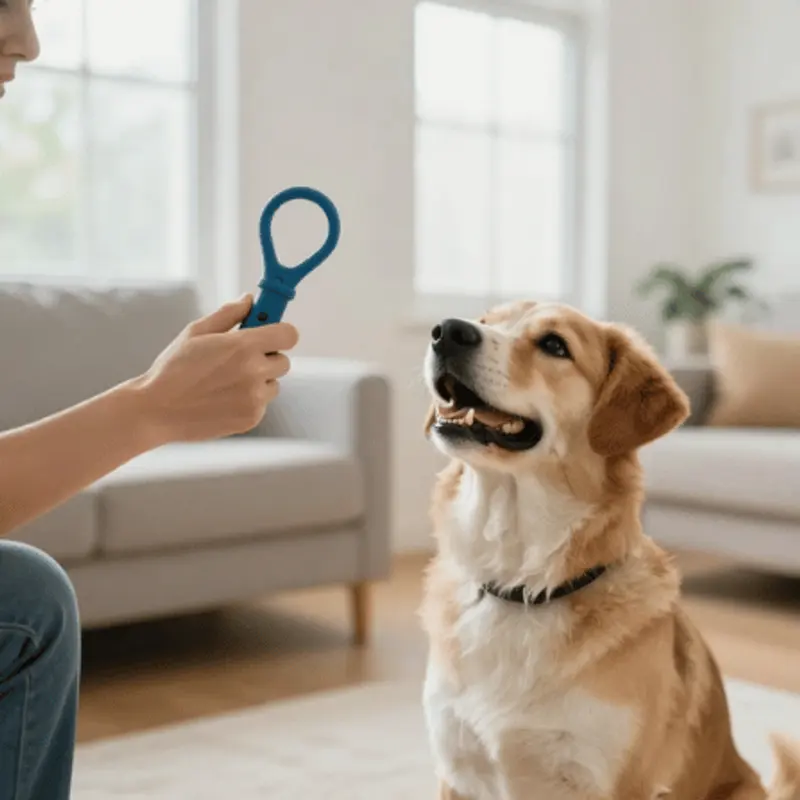
The quick answer
The dog presents that still get used in February are the ones matched to what the dog actually enjoys rather than to what looks good wrapped: a food-puzzle or lick mat for a greedy dog, a tough chew for a heavy chewer, a warm bed or coat for a thin-coated or older dog, and a snuffle mat for a dog that needs tiring out indoors. Squeaky plush is the most given and the fastest destroyed.
Dogs do not know it is Christmas. They know that something is happening, that the house smells different, and that there are more people than usual — which for some dogs is brilliant and for others is a lot.
So the useful way to choose a present is not "what is festive" but "what will this dog still be using in February". Here is what that looks like, by type of dog.
Everything below is in stock and sorted by what the dog will do with it on the Christmas presents for dogs page; the advent calendars and the stockings and festive treats have their own pages.
For the dog who is only interested in food
Most dogs. The best presents here make the food last rather than adding more of it.
- Lick mats — spread something soft on, freeze it, and it occupies a dog for far longer than the same food in a bowl. Genuinely useful on Christmas Day when you want twenty minutes to eat. - Snuffle mats — hide dry food in the fabric and let them work for it. Tiring in a way that does not need a walk, which matters when it is dark and wet. - Slow feeders and puzzle bowls — useful year-round for dogs that inhale dinner.
The trick with all three is that they use the dog's existing food allowance. December is the month most dogs gain weight.
For the heavy chewer
Buy for the chewer you have, not the one you would like. A rubber chew toy that survives a week is better value and considerably safer than a plush toy that is in pieces on Christmas afternoon — and swallowed squeakers and stuffing are a genuine emergency.
Check anything with a squeaker or bells, which is most Christmas plush.
For the older, thin-coated or small dog
Warmth is the most-used present in this category, by a distance. A properly fitted coat, a warmer bed, or a heated or radiator bed all get used every day from December to March rather than for one afternoon.
If you buy clothing, measure first — see the fit guide above. Most returned coats are the right product in the wrong size.
For the dog who hates being dressed up
Plenty do. A festive bandana gets you the same photograph with none of the negotiation, ties on in a second, and comes off in one pull. It is the honest answer for a dog who freezes the moment anything goes over their head.
For the anxious dog
The most valuable thing you can give a nervous dog at Christmas is not an object. It is a quiet room with their bed, water and somewhere to retreat to, and guests who have been told to leave them alone. If you want to buy something, a covered bed or a den-style cave bed gives them somewhere to take themselves.
What to skip
- Anything chocolate. Obvious, but the risk is a dog getting into a human present under the tree — they can smell it through wrapping paper. - Rawhide, which is a choking and blockage risk. - Toys with small detachable parts, including plastic eyes and bells. - A puppy. Rescues spend every January dealing with the consequences.
Wrapping, if you must
Dogs do enjoy the unwrapping — it is a decent enrichment activity. Use plain paper without tape where you can, supervise, and clear the paper away afterwards. Ribbon and string are best avoided entirely, particularly if you also have a cat: swallowed, they can cause a linear foreign body, which is surgery.
And for the owner
If you are buying for someone else's dog, a gift receipt is kinder than a guess at a size. Food and treats are also risky if you do not know about allergies or a prescription diet — a personalised, non-edible gift avoids both problems.
By budget
Under £10. This is where the genuinely useful things live. A lick mat, a snuffle mat, a decent rubber chew, or a festive bandana. None of them look like much wrapped, and all of them get used.
£10–£25. A better bed insert, a well-fitted coat for a thin-coated dog, a puzzle feeder, or a light-up collar for winter walks — that last one is genuinely useful from October to February rather than for a day.
The winter walk, as one present. If the dog is walked in the dark, a ready-made kit does the whole job in one box: the Dark Walks Kit pairs a flashing collar with a clip-on blinker and a flashing ball, the Light-Up Walk Set lights the lead as well as the dog, and the Muddy Paws Kit is the one the owner thanks you for in February. All of them are in the dog hampers and gift sets range, priced below the parts and posted together from stock.
£25 and up. Beds, cat trees, and the "considered purchase" end. Buy these because the dog needs one, not because it is December — a dog does not know the difference and a good bed bought in January is the same bed.
What about a dog Christmas stocking?
Popular, and mostly a presentation choice: a fabric stocking with a few small things in it. If you are buying one, the same rule applies as for advent calendars — it is a treat allowance, not an addition to one, and the contents matter more than the stocking.
Filling one yourself is usually better value and lets you skip anything your dog reacts to. A couple of small toys, one nicer chew, and something they already like beats a bag of unknown biscuits.
Presents for a dog who is anxious at Christmas
Worth repeating because it is the least-bought and most useful category: for a dog that finds December hard, the valuable gift is management rather than an object. A quiet room, a covered bed somewhere out of the way, and guests instructed to ignore them does more than anything wrapped.
If your dog struggles with the doorbell and the noise specifically, the fireworks guidance applies almost unchanged — it is the same problem with different triggers.
Buying for someone else's dog
Three rules that avoid nearly every problem:
1. Skip food and treats unless you know about allergies and any prescription diet. 2. Skip clothing unless you know the measurements — see the fit guide. 3. Include a gift receipt.
A toy sized for the dog's chewing strength, or a personalised, non-edible gift, avoids all three problems at once.
Sources
Common questions
What is the best Christmas present for a dog?
The one matched to what your dog actually enjoys. For food-motivated dogs, a lick mat or snuffle mat that makes their existing food last. For heavy chewers, a durable rubber chew. For older or thin-coated dogs, warmth — a well-fitted coat or a warmer bed. Squeaky plush is the most commonly given and the least likely to survive.
What should I buy for a dog that has everything?
Something consumable or experiential rather than another object: a food puzzle they have not tried, a different chew texture, or an upgrade to something they use daily like their bed or their walking kit. For a dog that genuinely lacks nothing, a donation to a rescue in their name is a reasonable answer.
Are Christmas toys safe for dogs?
Festive plush toys often include bells, plastic eyes and squeakers, which are choking and blockage risks for a determined chewer. Check for detachable parts, match the toy’s toughness to your dog, and supervise anything new.
Can I wrap my dog’s presents?
Yes, and most dogs enjoy the unwrapping. Use plain paper, minimise tape, supervise, and clear the paper away afterwards. Avoid ribbon and string entirely — swallowed, they can cause serious internal damage, particularly in cats.
What is a good Christmas present for a dog under £10?
A lick mat, a snuffle mat, a durable rubber chew or a festive bandana. None look impressive wrapped and all of them still get used in February, which is a better test than how they photograph on Christmas morning.
Are dog Christmas stockings worth buying?
They are mostly a presentation choice — a fabric stocking with small items inside. Filling one yourself is usually better value and lets you avoid anything your dog reacts to. Treat the contents as part of their treat allowance, not an addition to it.
What should I buy for someone else’s dog?
Avoid food and treats unless you know about allergies or a prescription diet, avoid clothing unless you know the measurements, and include a gift receipt. A toy matched to the dog’s chewing strength or a personalised non-edible gift avoids all three problems.
About the author
Matt Garnett — founder, Giddy Pets
Matt started Giddy Pets to make getting pets the good stuff simpler and fairer. Everything in these guides comes from real life with pets and a lot of trial and error — it's practical guidance, not veterinary advice. If a guide gets something wrong, tell him directly.
Advice & planning
Free tools & more guides
Practical calculators and trusted guides relevant to this product.
Read next

Dog Advent Calendars: What to Look For (and What to Skip)
A buyer’s guide to dog advent calendars — what is actually inside them, which are worth it, and how to work out whether 24 treats is too many for your dog.
Keeping Your Dog Safe at Christmas: Hazards Checklist
Can Dogs Eat Turkey? What’s Safe at Christmas and What Isn’t
Plain turkey meat is fine for most dogs. The bones, the skin, the stuffing and the gravy are the parts that cause the Christmas vet visits.

My Dog Ate Chocolate But Is Acting Fine — Should I Still Worry?
Looking fine proves nothing in the first few hours. Here is why symptoms lag, how the dose actually works, and when "wait and see" stops being reasonable.