
Health & grooming
Slicker Brushes
More care. More cuddles.
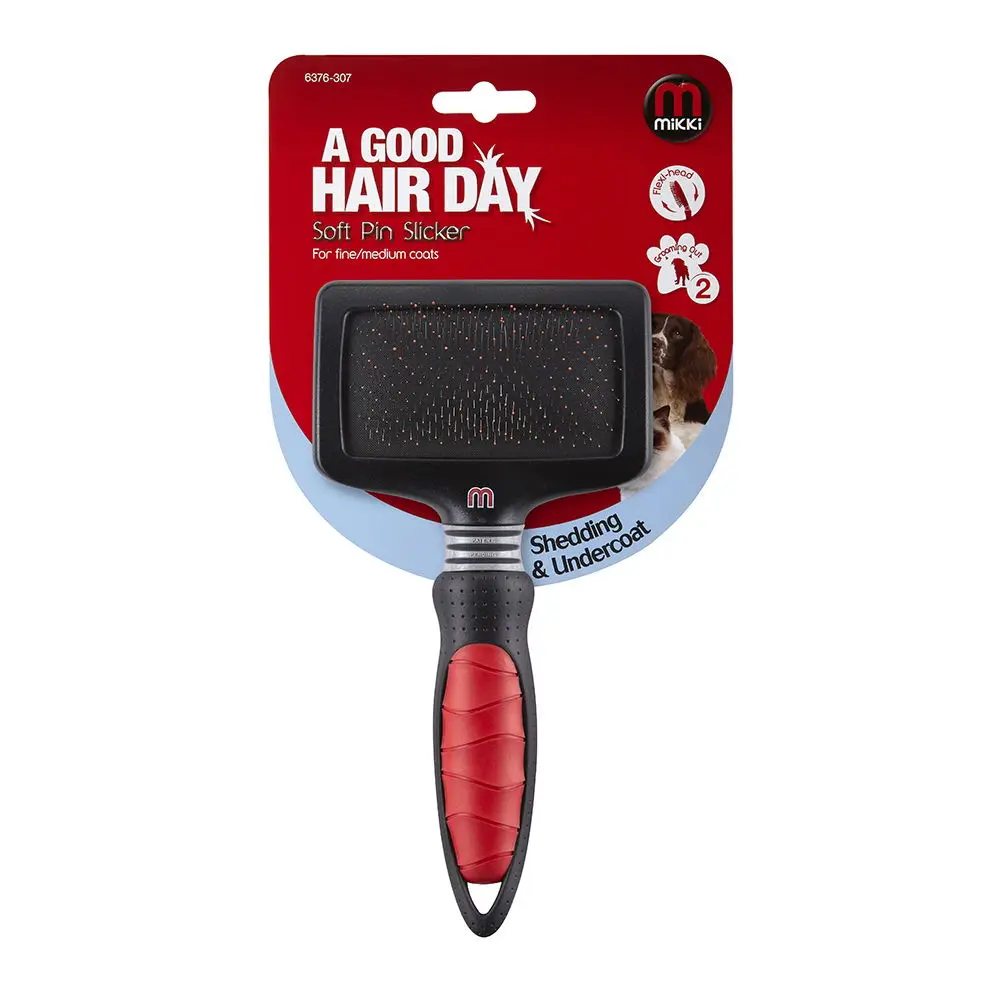
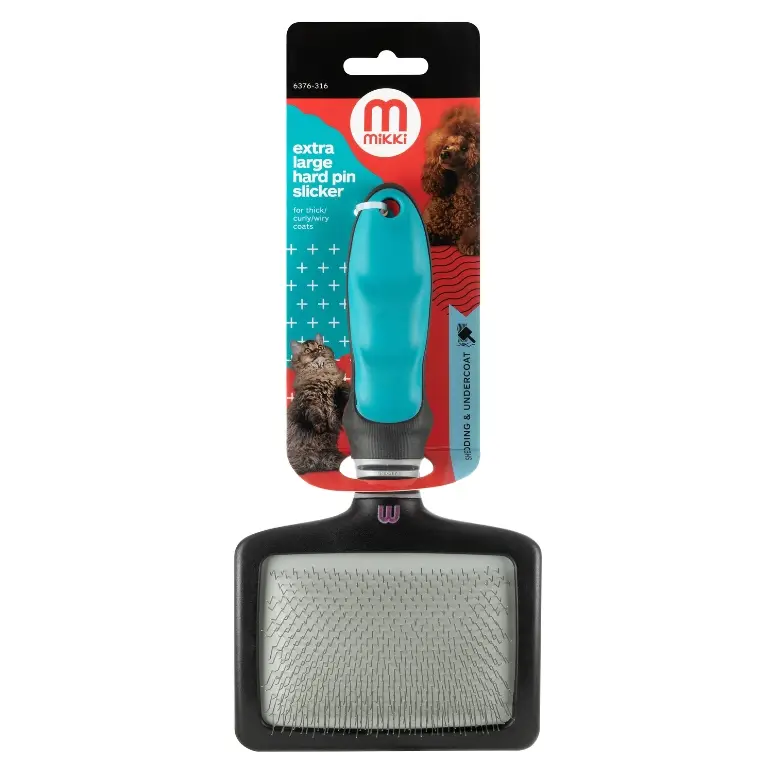
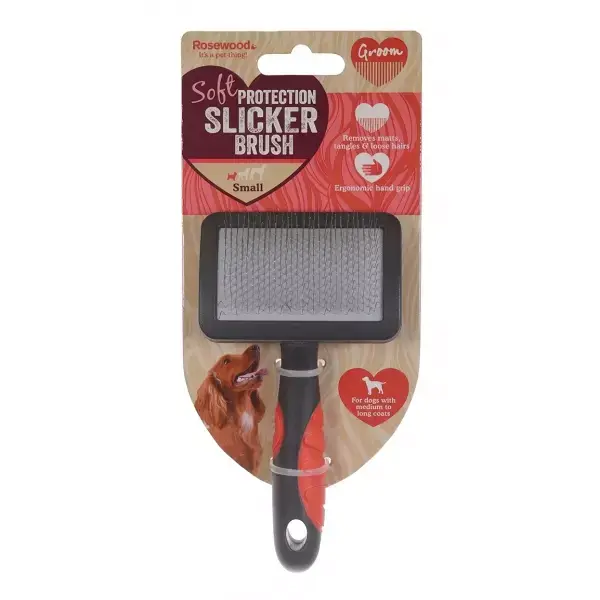
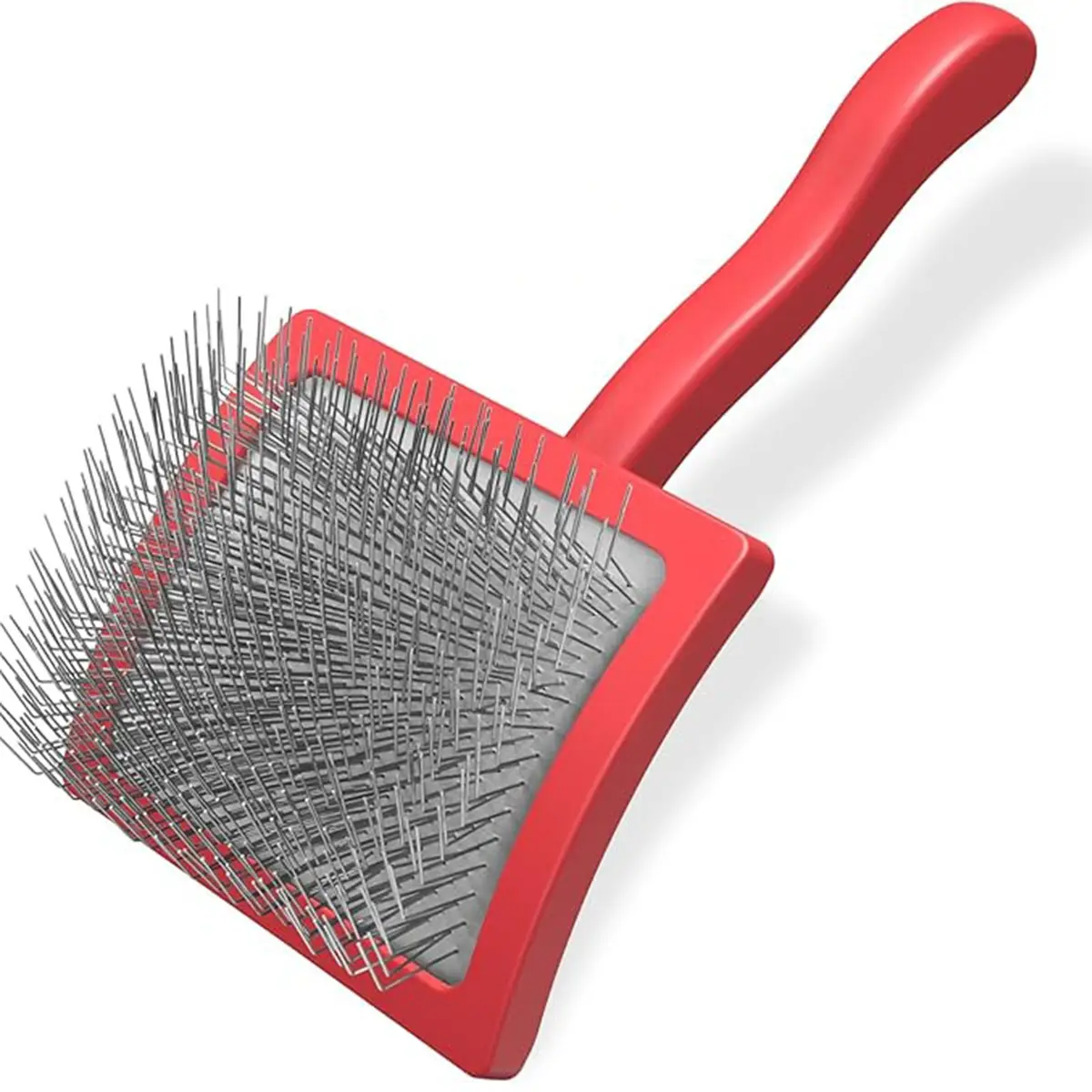
A slicker brush has rows of fine, slightly angled wire pins set in a flat head. That is what lets it work through tangles and lift loose hair from medium, long and curly coats — the everyday brush for a dog or cat whose coat knots rather than simply sheds.
 For the moments that bring you closer.
Shop slicker brushes
Little essentials. Lots of love.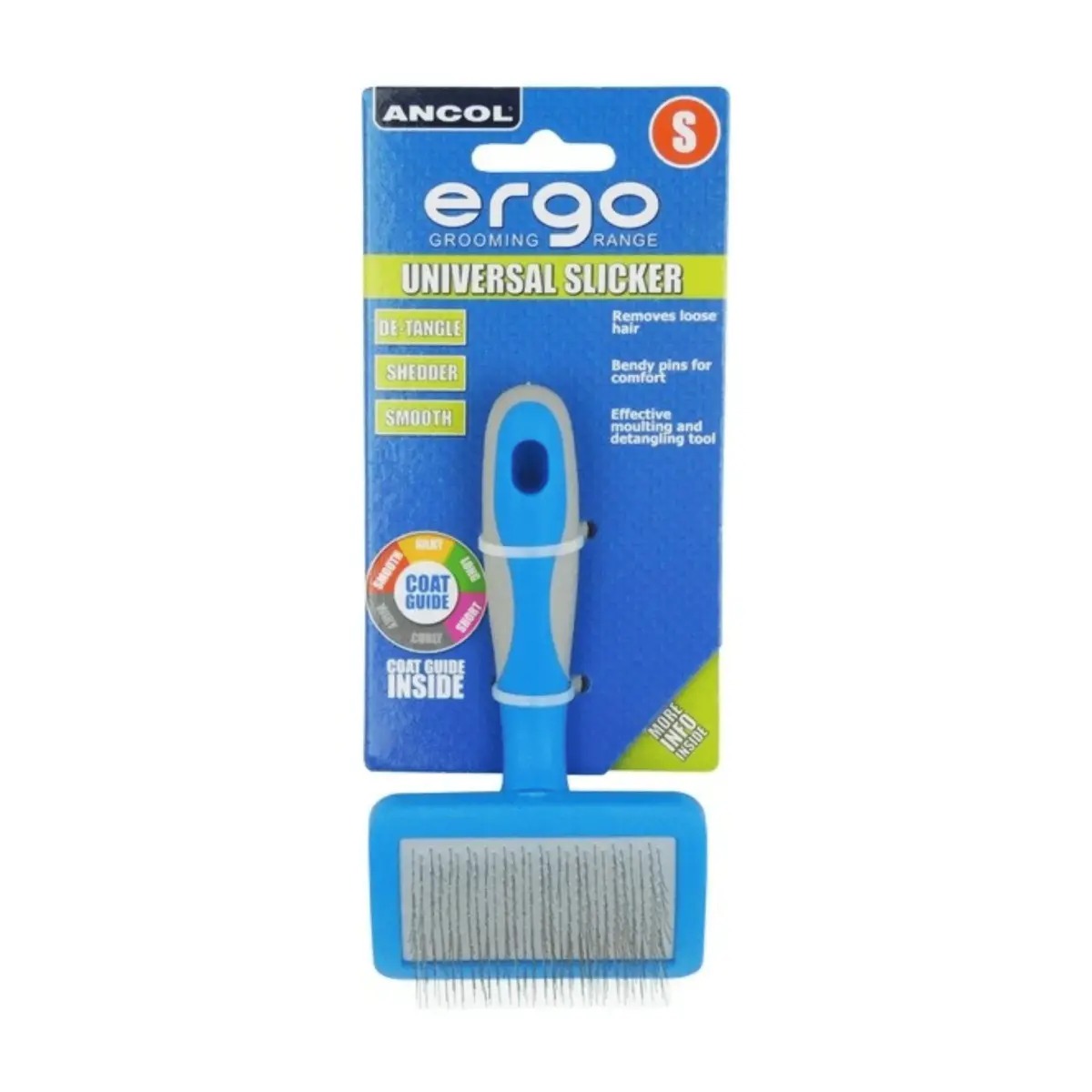
 Fast UK delivery
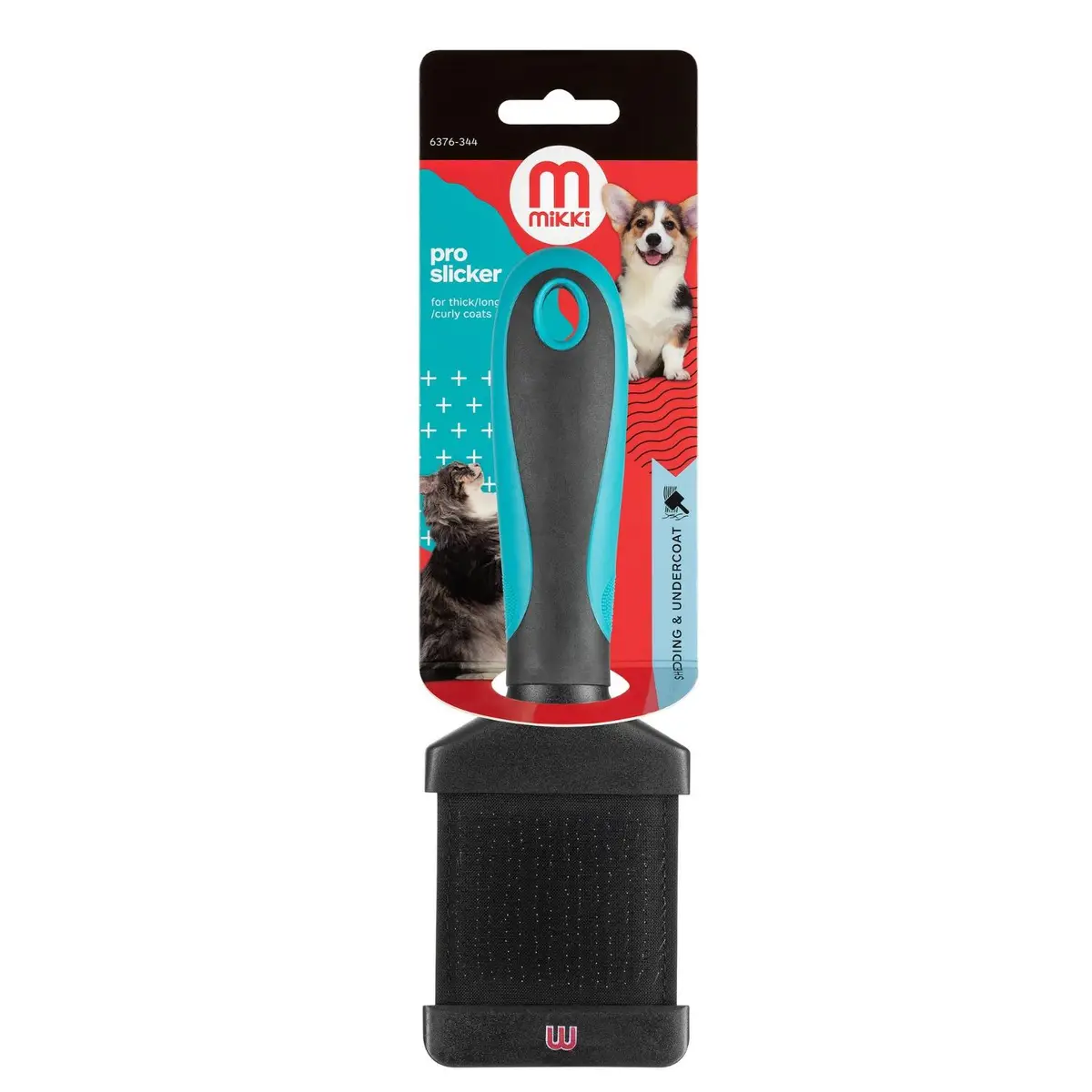
Slicker brush
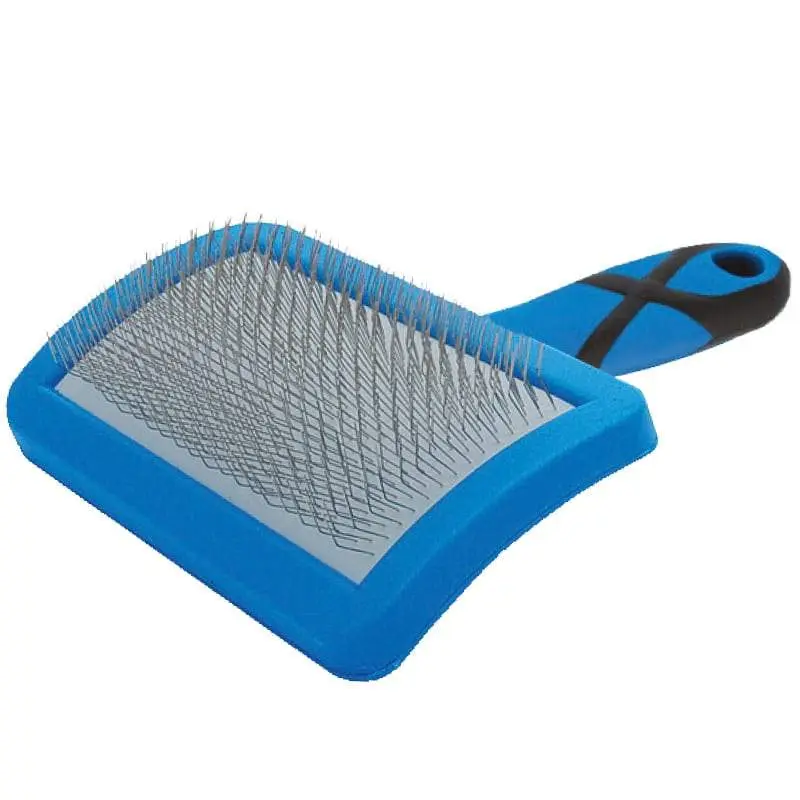
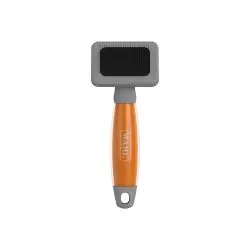
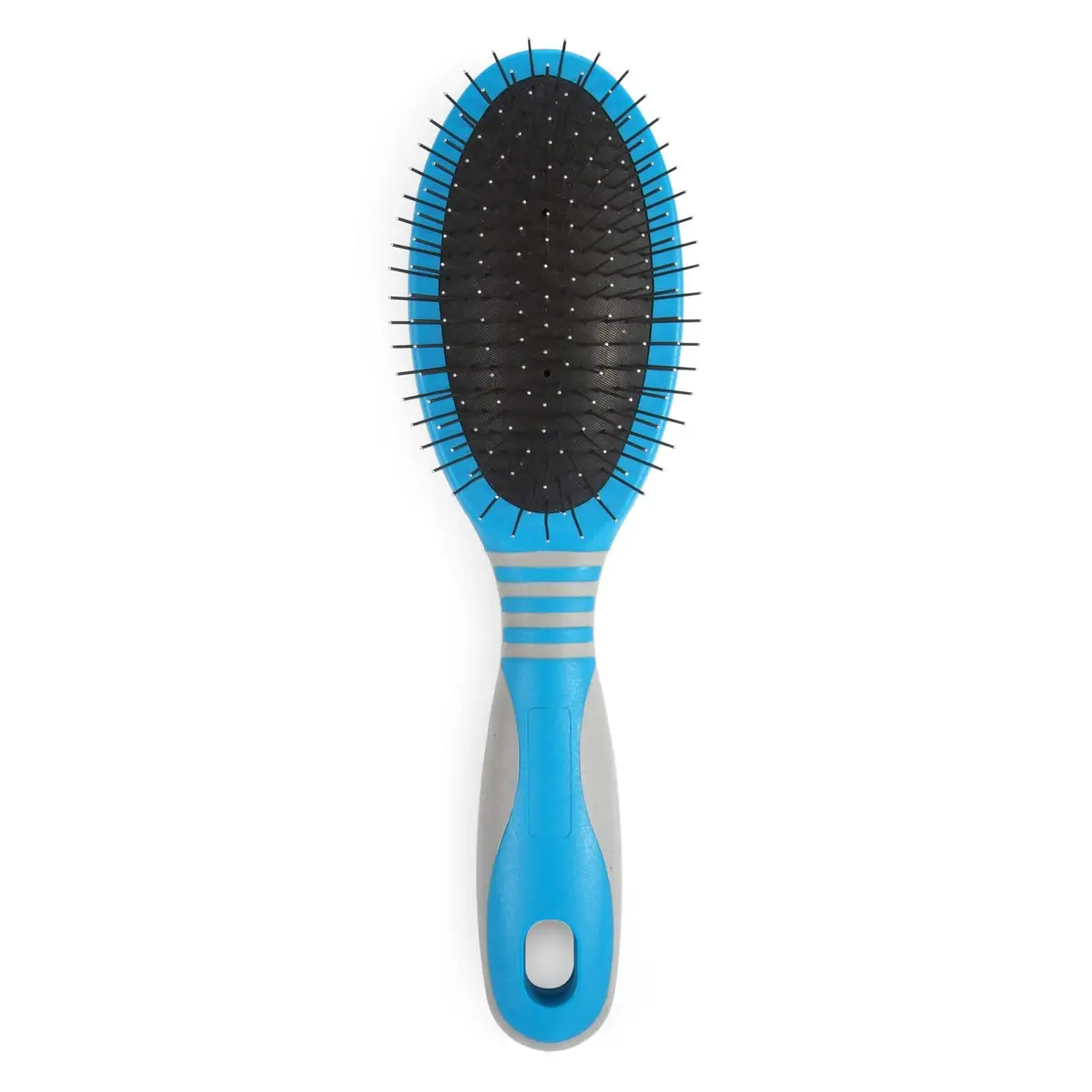
Groom Professional Curved Soft Slicker Brush
- Sizes
- S · M · L
- Brand
- Groom Professional
From £8.99
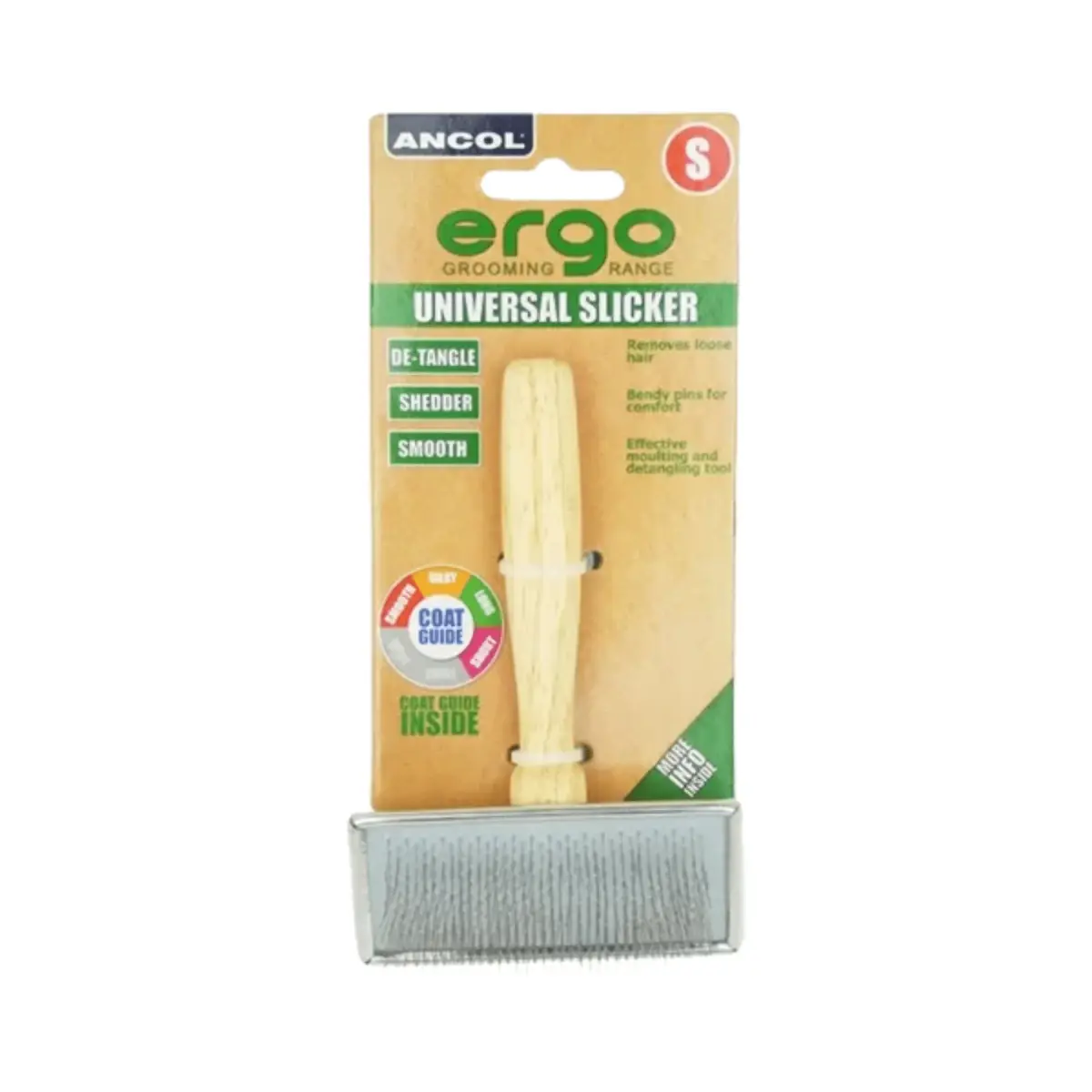
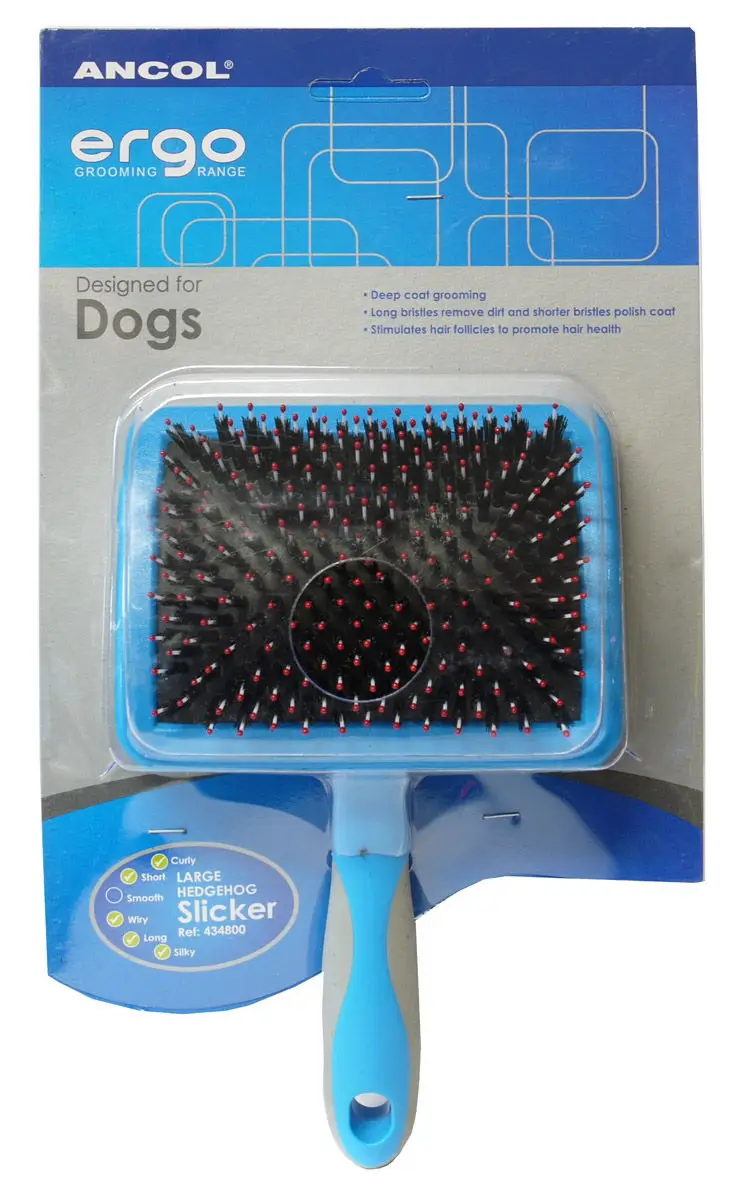
Ancol Ergo Hedgehog Slicker
- Sizes
- Small · Medium · Large
- Material
- Soft ball-ended pins combined with shorter bristles
From £8.49
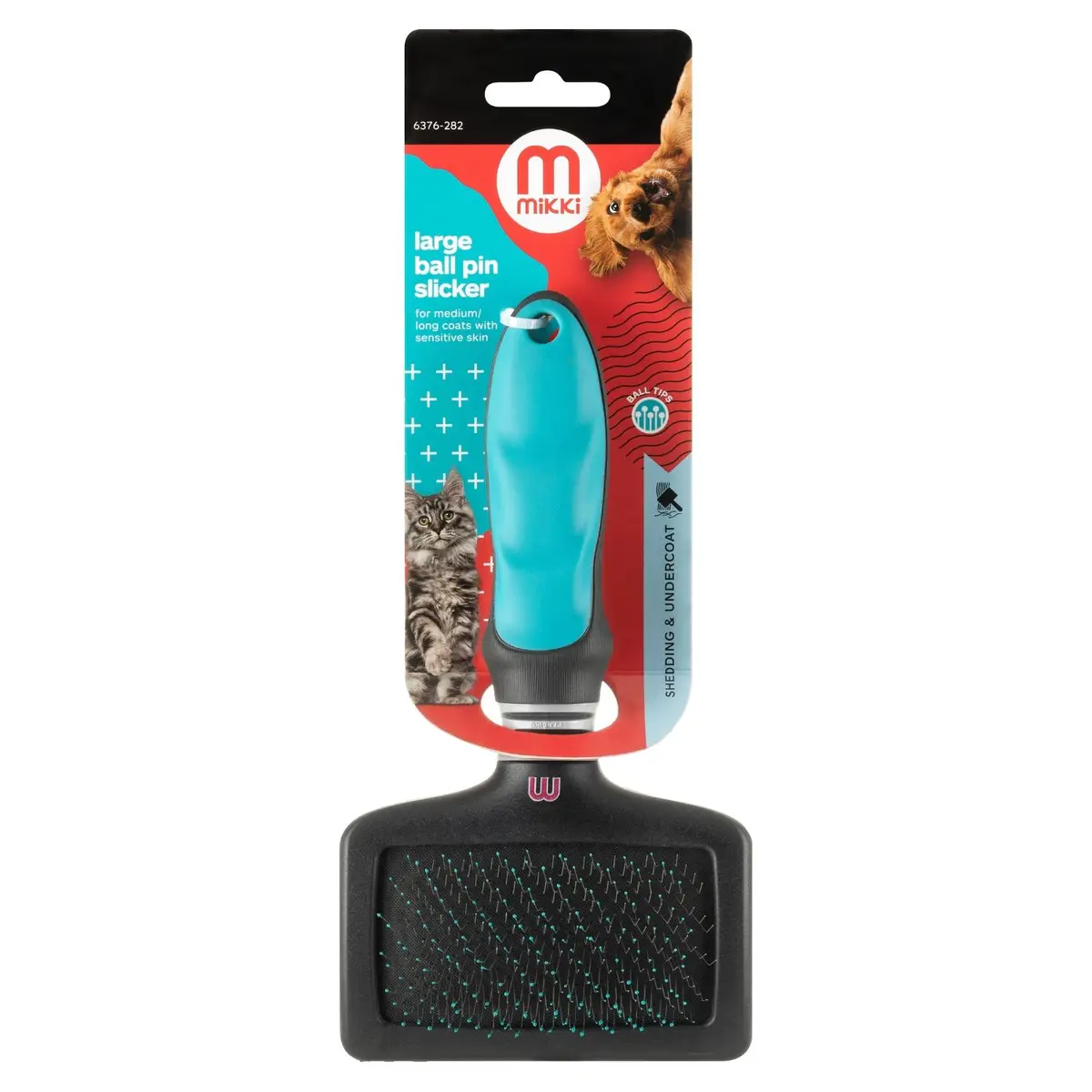
Slicker brush
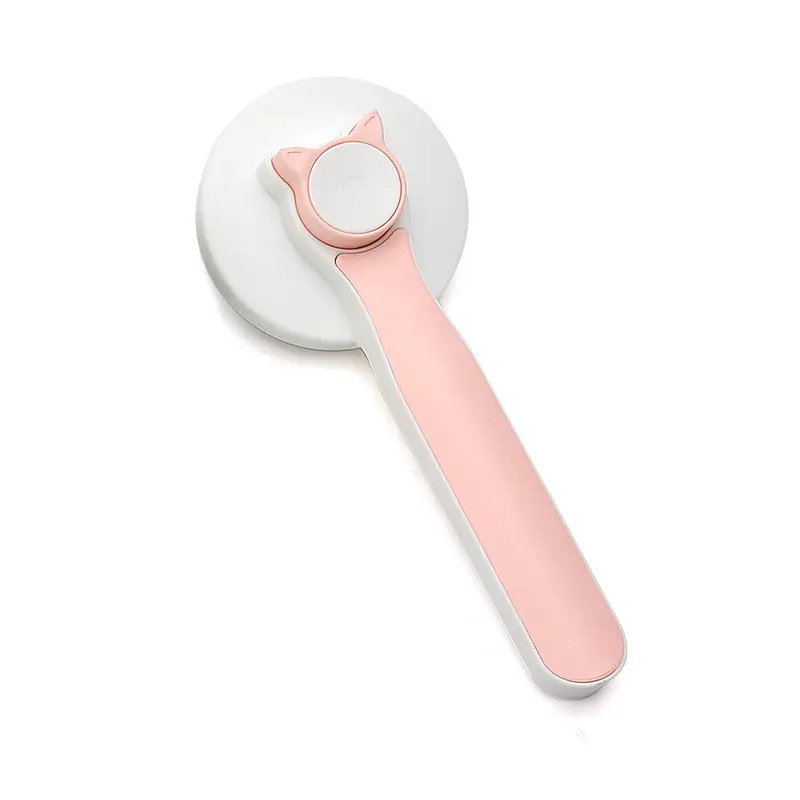
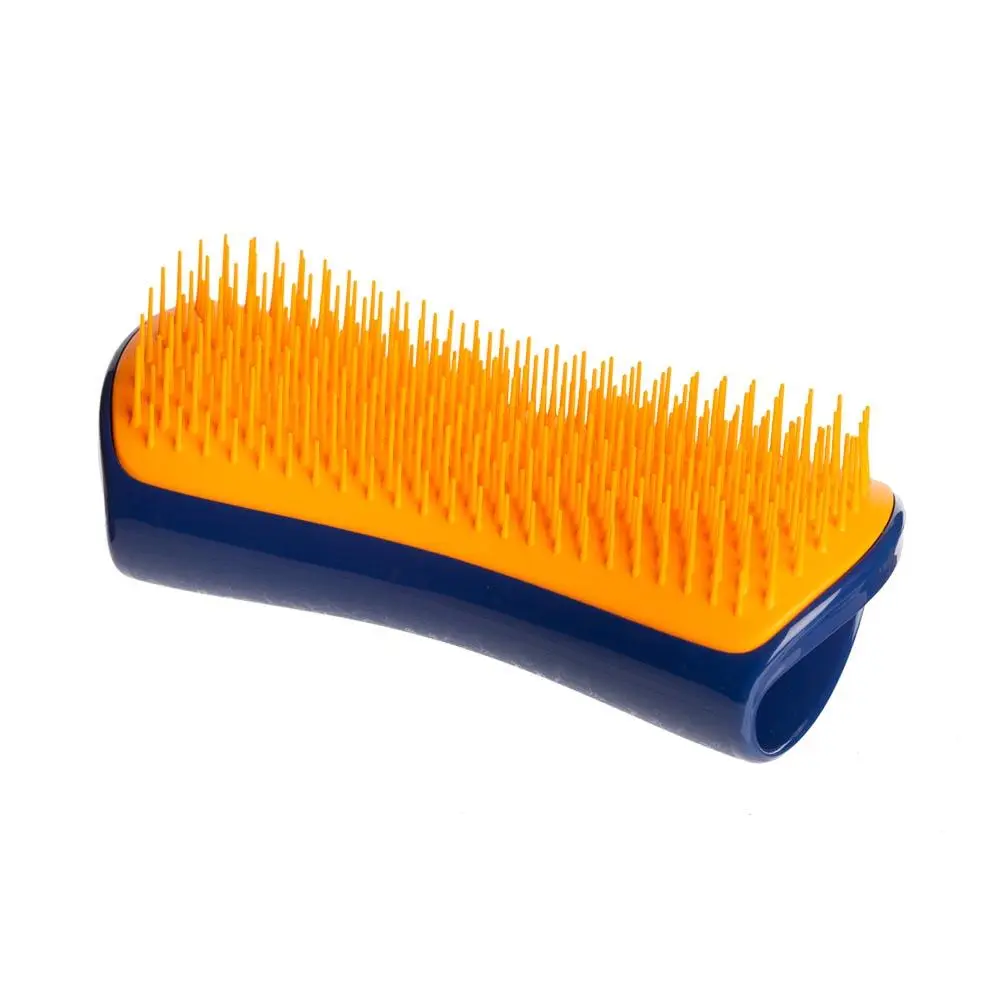
Large Self-Cleaning Slicker Brush for Mats and Tangles
- Material
- ABS plastic & stainless wire
£18.99
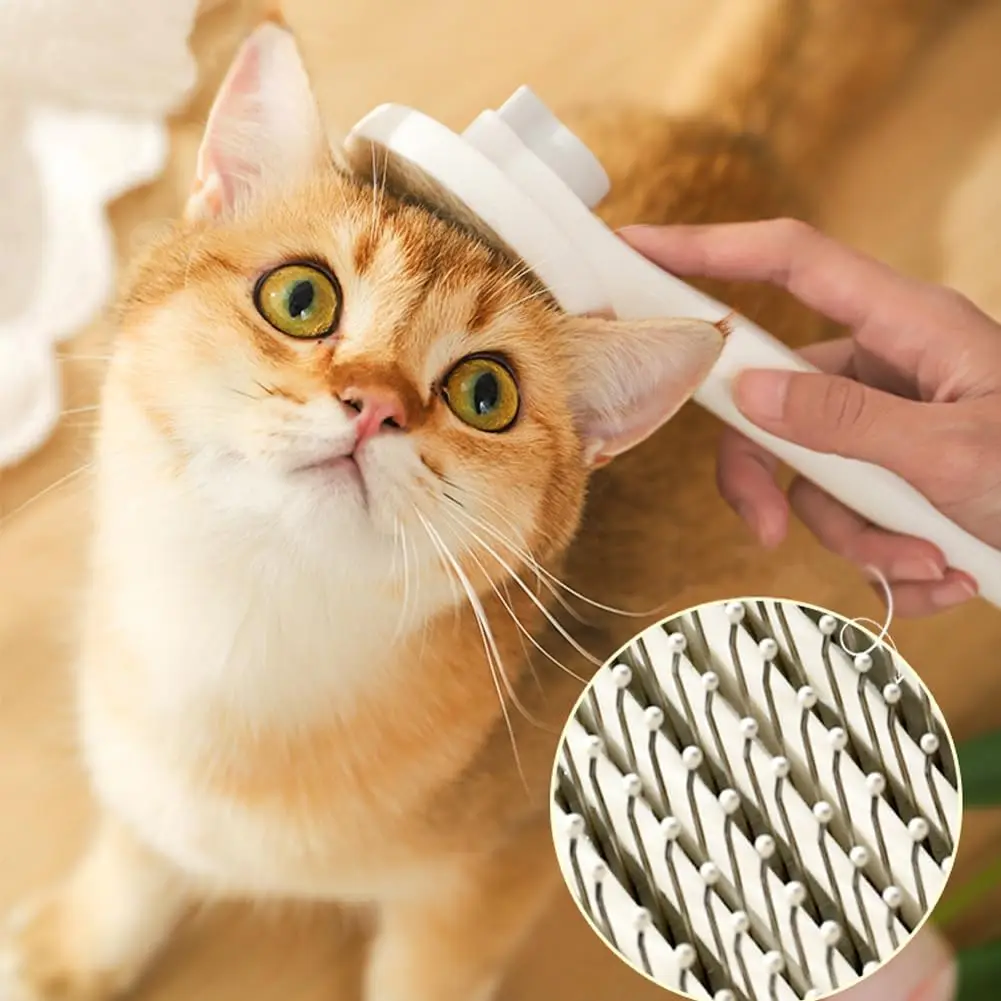
Grooming brush
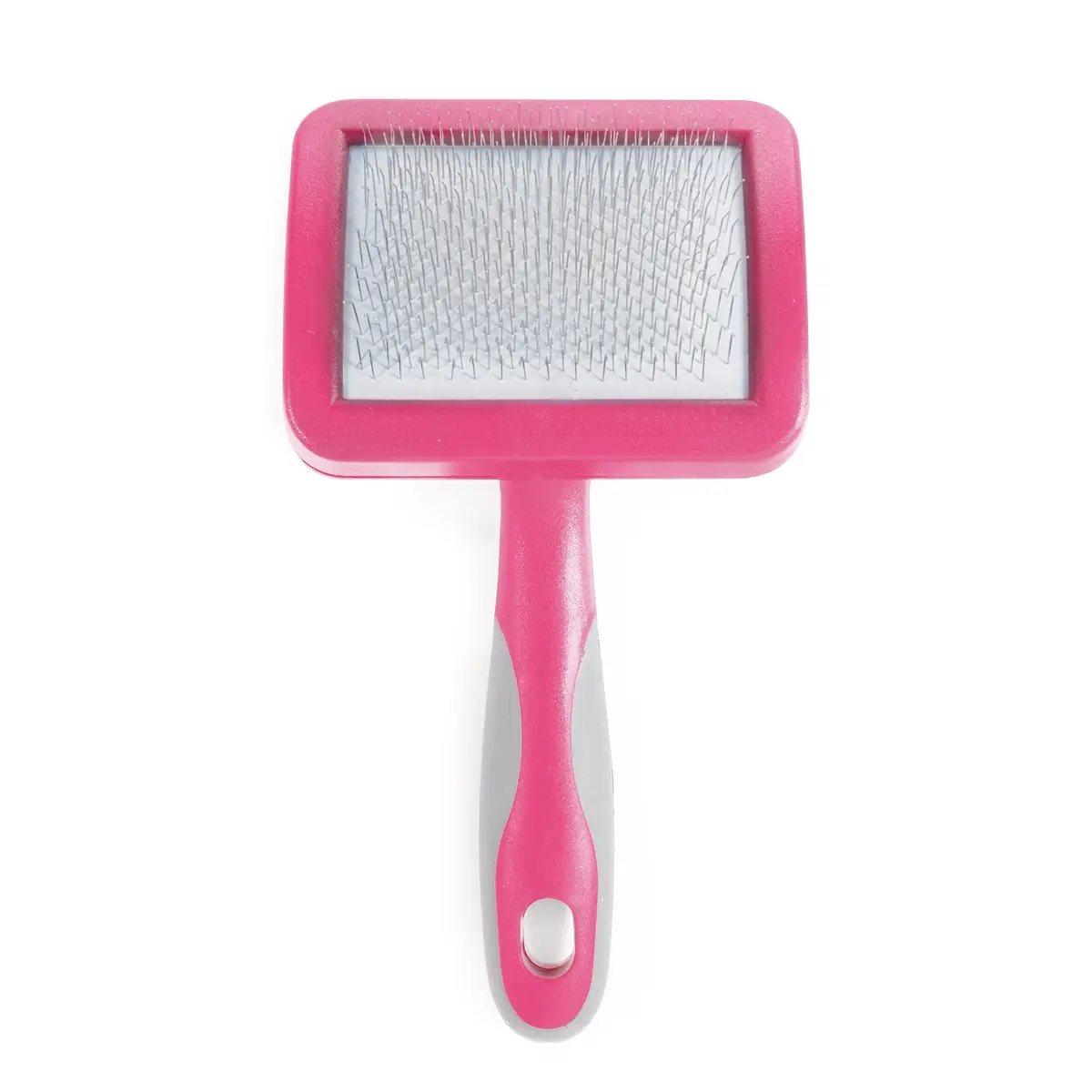
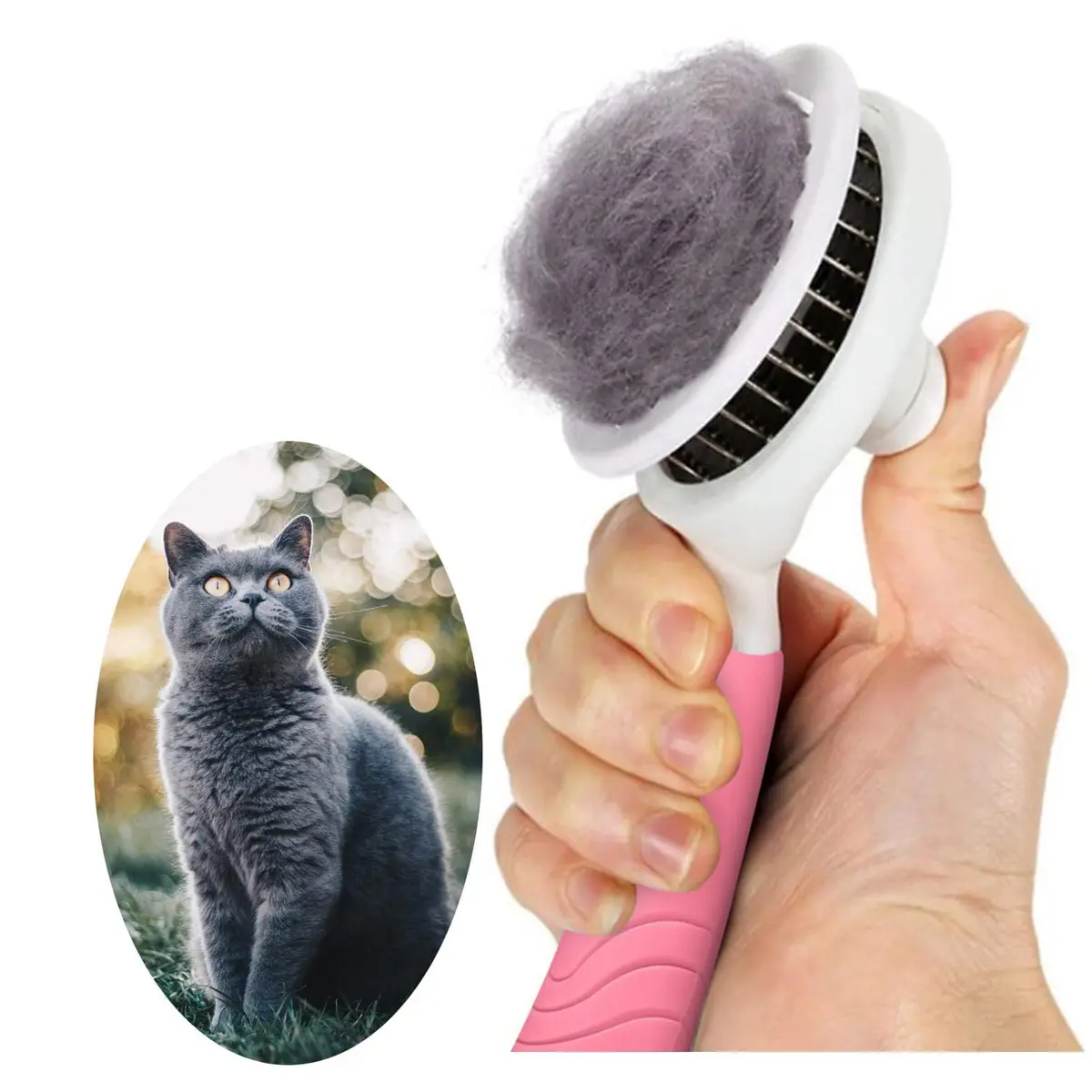
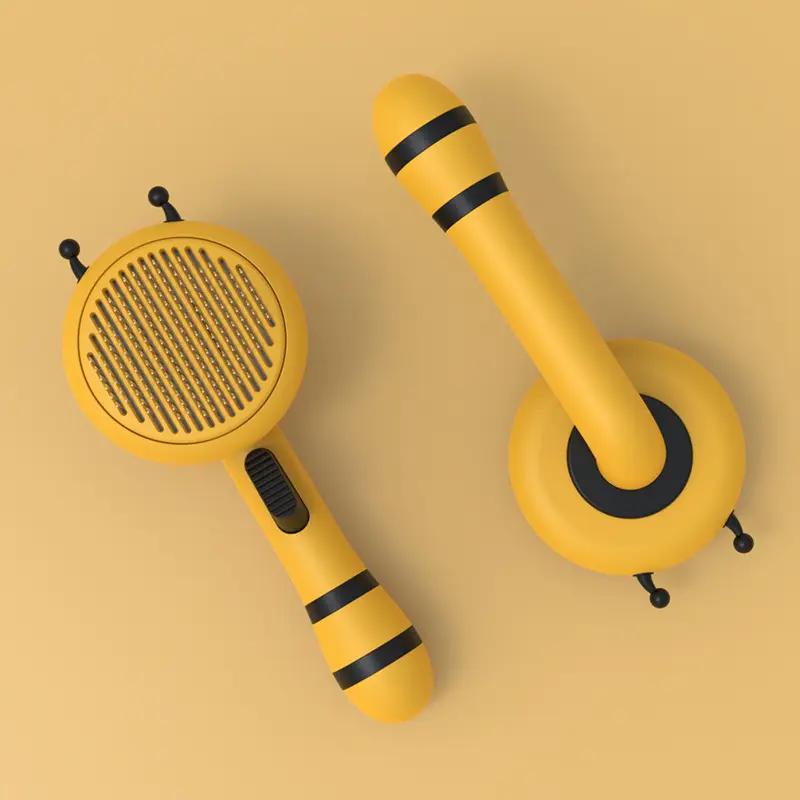
Self-Cleaning Slicker Brush for Cats and Dogs
- Material
- ABS plastic & stainless wire
£7.99
 Fast UK delivery
Goes well with
Also shop
Other ranges that go with this one.
A little guidance
Choosing slicker brushes
What a slicker brush is for
The fine pins sit close together and angle slightly forward, so they pass through the coat rather than skating over it. That makes a slicker the right tool for coats that tangle — Cockapoos, Doodles, Spaniels, long-haired cats — where the job is separating hair before it knots, not pulling out undercoat.
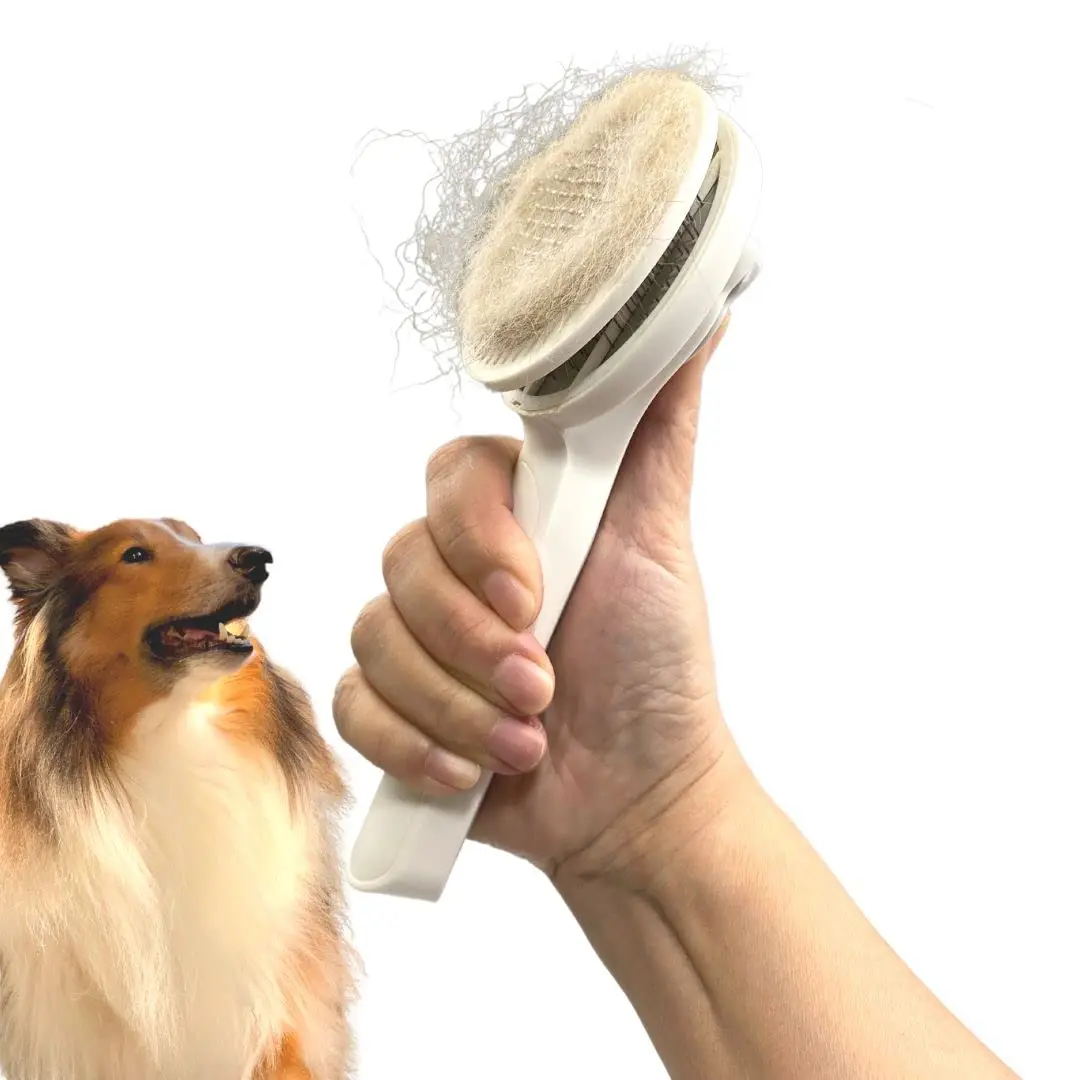
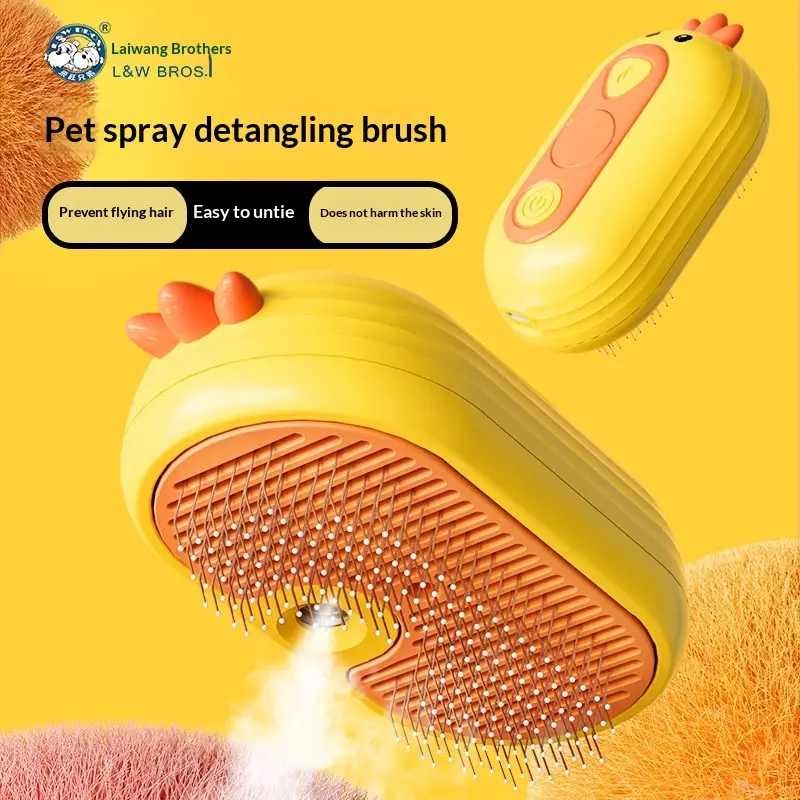
A self-cleaning slicker adds a button that retracts the pins so the collected hair lifts off in one go. It costs a little more and saves picking fur out of the pins by hand, which on a long-coated dog is most of the effort.
Slicker, deshedding tool or comb?
Use a slicker for tangles and general coat care on medium to long or curly coats. Use a deshedding tool or undercoat rake on double-coated breeds that drop clumps of underfur — a slicker will not reach that layer. Use a metal comb last, to find the knots a brush has missed.
On very short, smooth coats a slicker is more than the coat needs; a rubber mitt does the same job more comfortably. And on a coat that is already matted, work the mat apart with fingers or a dematting tool first — dragging a slicker through it hurts.
Brushing without brush burn
Keep the strokes short and light, and let the pin tips do the work rather than pressing the head flat against the skin. Too much pressure on a slicker is what causes the red, irritated patches groomers call brush burn, and it is easiest to do on thin-skinned areas like the belly and behind the ears.
A few minutes several times a week beats a long session once a fortnight, both for the coat and for a pet that has to learn to enjoy it. Finish by running a comb through: if it passes freely, you are done.
Everything here is chosen to be genuinely useful in everyday life with your pet — quality-checked, fairly priced and shipped tracked across the UK. For any health concern, your vet is always the best first port of call.
From the Knowledge Hub
Common questions
What is the difference between a slicker brush and a deshedding tool?
A slicker separates and lifts hair in the coat you can see, so it suits tangles and curls. A deshedding tool reaches the dense undercoat beneath and pulls out loose underfur, which only double-coated breeds have. They are different jobs, and most long-coated pets only need the slicker.
Are slicker brushes suitable for cats?
Yes, particularly long-haired cats, but look for a smaller head and softer pins. Cat skin is thinner than a dog’s, so use very light pressure and keep sessions short.
Is a self-cleaning slicker worth it?
If you brush a long or curly coat regularly, yes — a button retracts the pins so the hair lifts straight off, which is most of the faff removed. For occasional use on a shorter coat, a standard slicker is fine.
Can a slicker brush hurt my dog?
It can if pressed hard against the skin or dragged through a mat, which causes the irritation groomers call brush burn. Short light strokes with the pin tips, and tackling mats separately, avoids it.
Keep browsing
Related collections from across the shop.
Free pet welcome kit
Four printable tools, zero cost
The new-pet checklist, a vaccination & worming tracker, a feeding-portion guide and a house-training chart — straight to your inbox, no spam, unsubscribe whenever.