






Health & grooming
Dog Grooming Brushes
More care. More cuddles.
Keep your dog’s coat healthy and comfortable with brushes for shedding, tangles, loose undercoat and everyday care. Shop slicker brushes, deshedding tools, dematting rakes, combs and grooming mitts for short, long, curly and double coats.
 For the moments that bring you closer.
Our quick picks
In-stock options for different needs, with the practical reason we would choose each one.

Best everyday dog brush
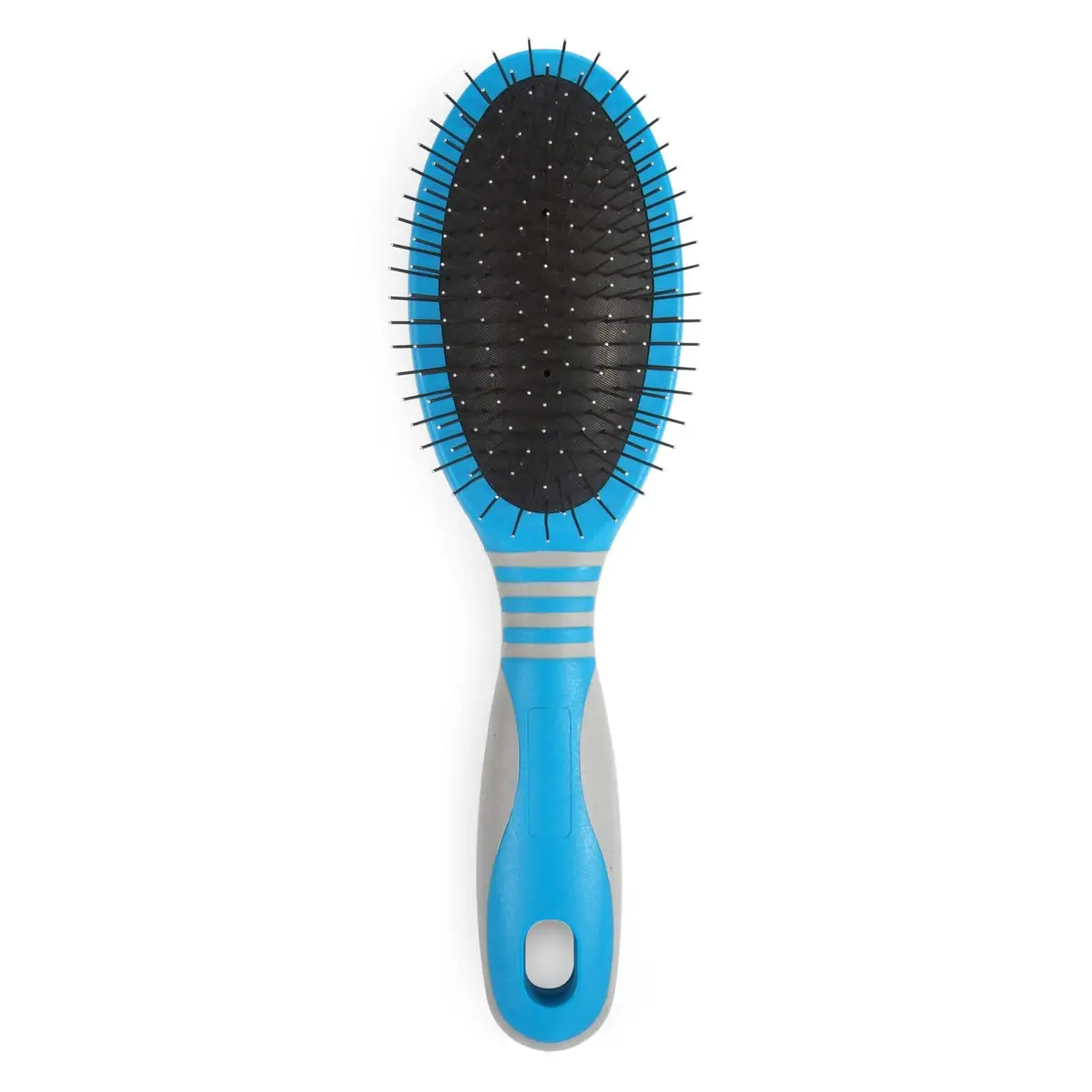
Slicker Brush for Dogs — Detangling & De-shedding
Why we picked it
Most of the hair on your sofa was already loose in the coat, waiting for something to lift it. Fine bent pins catch it before it drops. A few minutes several times a week beats one long battle at the weekend.
- In stock
- Tracked delivery: 1–2 working days

Best for heavy shedding
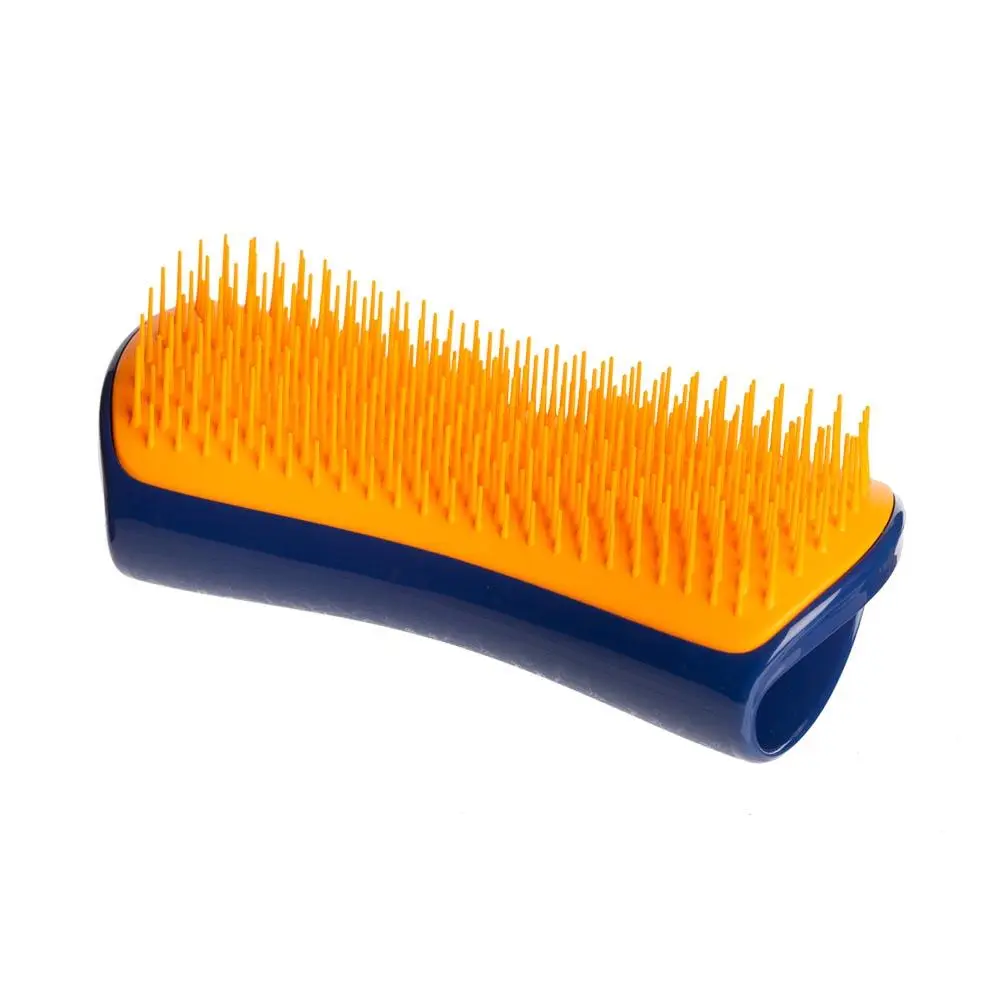
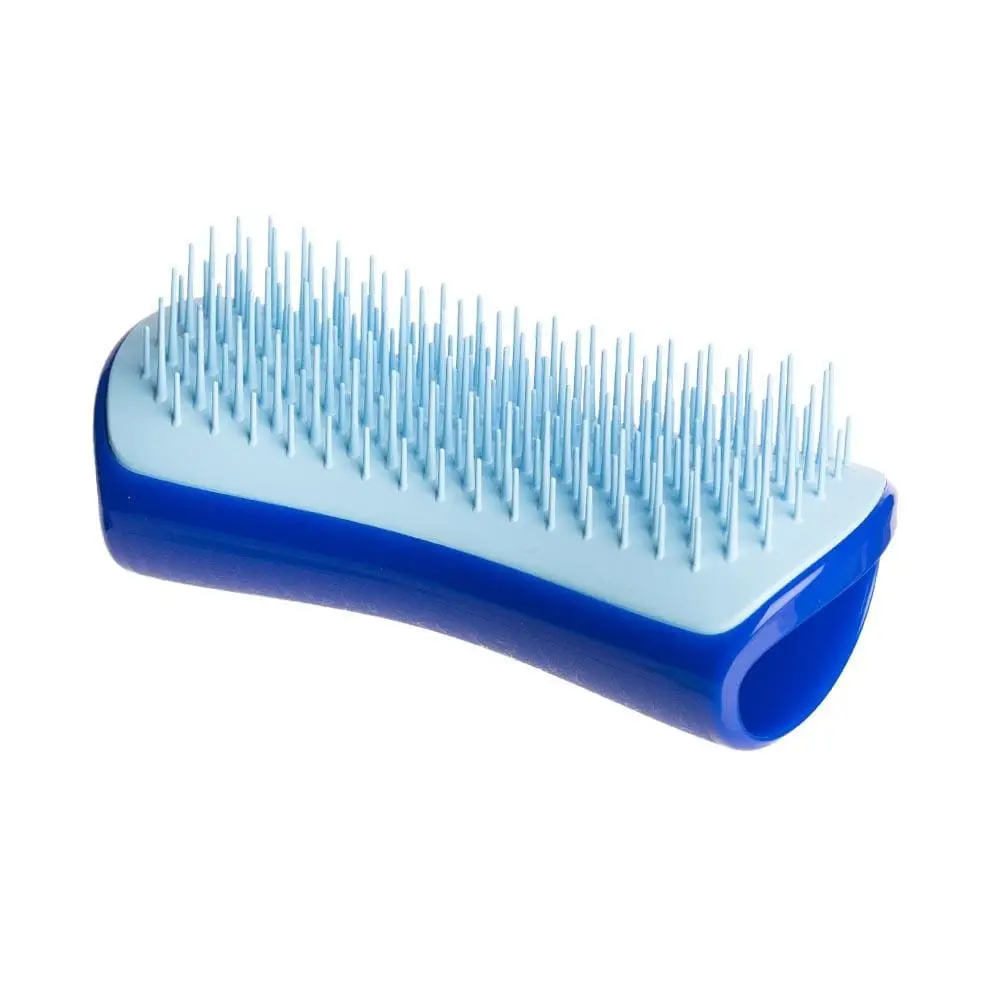
Pet Teezer De-Shedding Dog Grooming Brush
Why we picked it
Two-tier teeth: the long ones work down through the top coat to reach the undercoat, the short ones collect what comes loose at the surface. That is what an ordinary brush cannot do on a husky in April.
- In stock
- Tracked delivery: 1–2 working days

Best for puppies
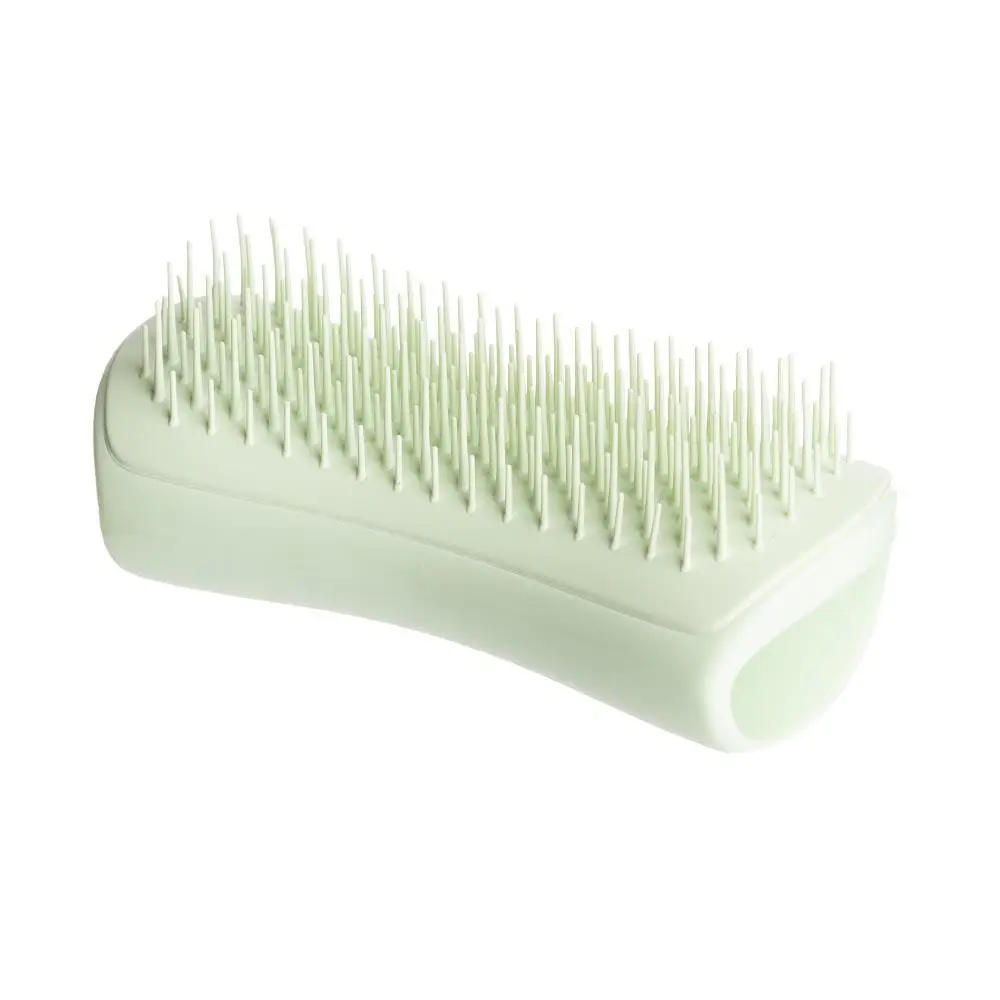
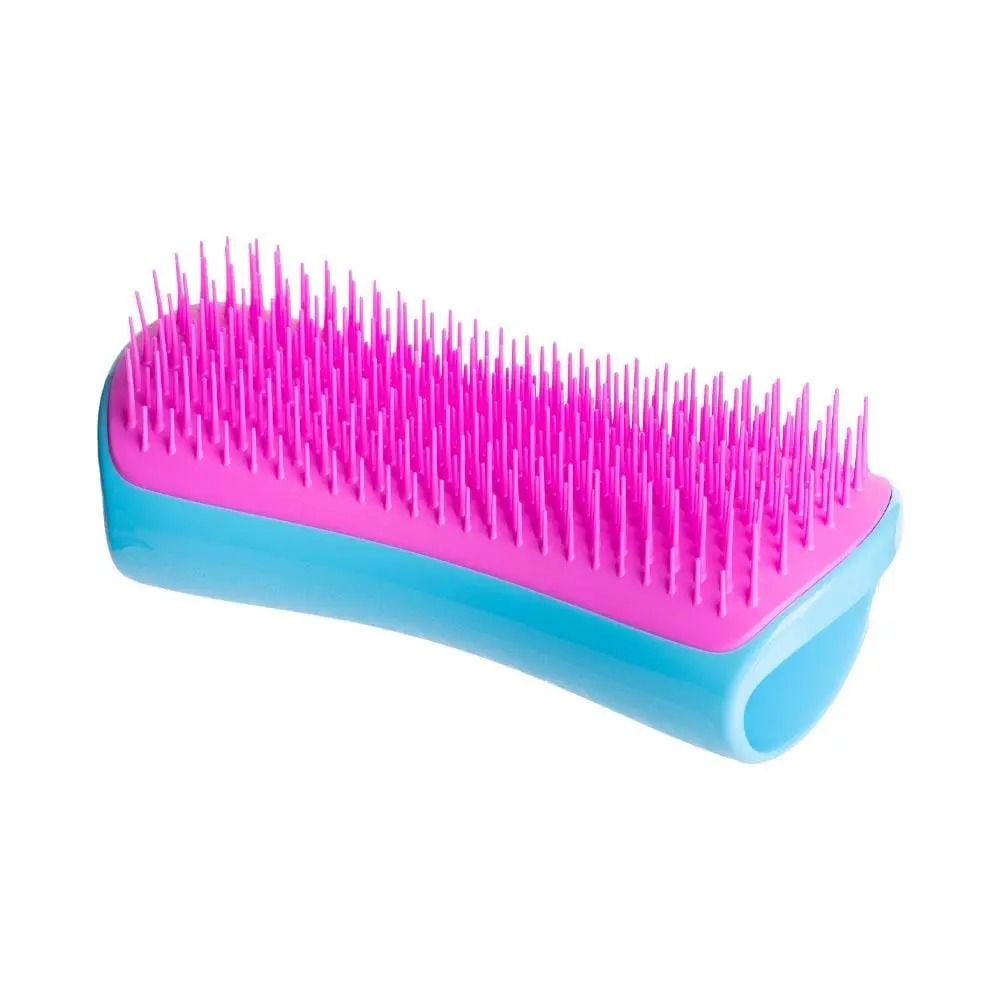
Pet Teezer Puppy Grooming Brush
Why we picked it
Worth having a brush made for puppies rather than a scaled-down adult one. The two-tier teeth flex over young skin instead of dragging, short teeth lifting loose hair while the long ones work through knots. Wet or dry.
- In stock
- Tracked delivery: 1–2 working days
Find their favourites
Shop by type
Choose a section to narrow the range.
Shop dog grooming brushes
Little essentials. Lots of love.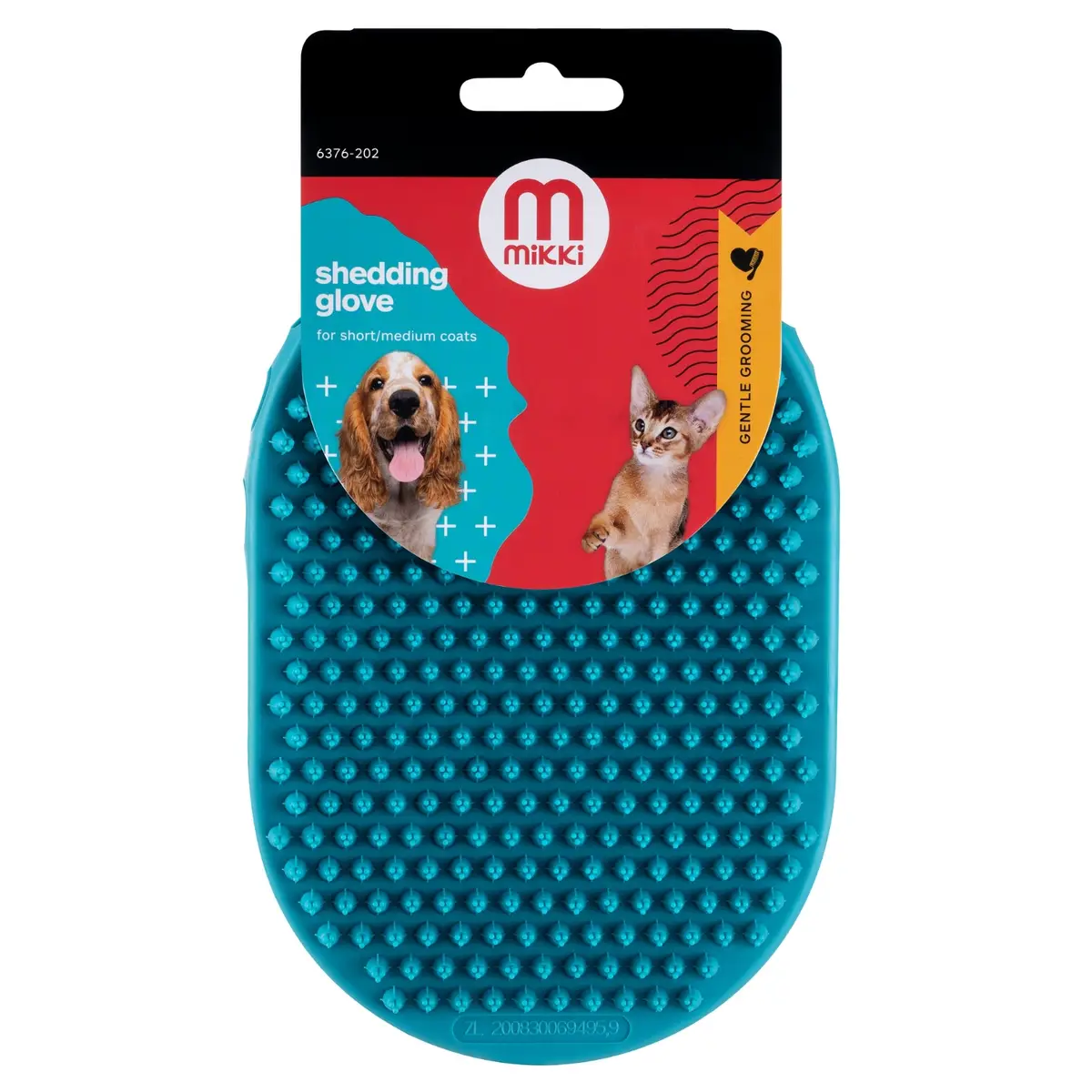
 Fast UK delivery
 Fast UK delivery
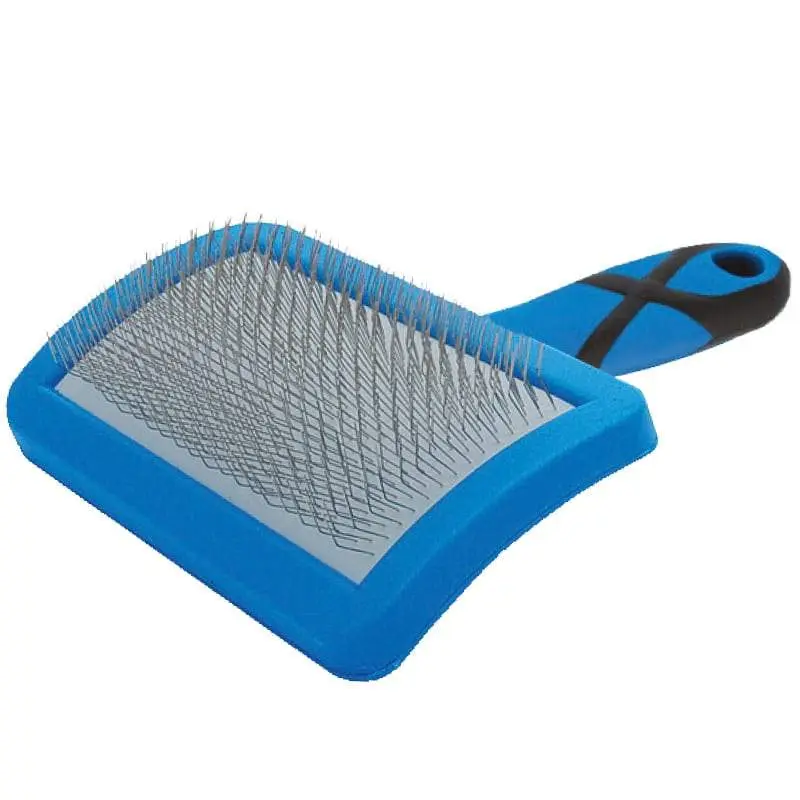
Slicker brush
Groom Professional Curved Soft Slicker Brush
- Sizes
- S · M · L
- Brand
- Groom Professional
From £8.99
 Fast UK delivery
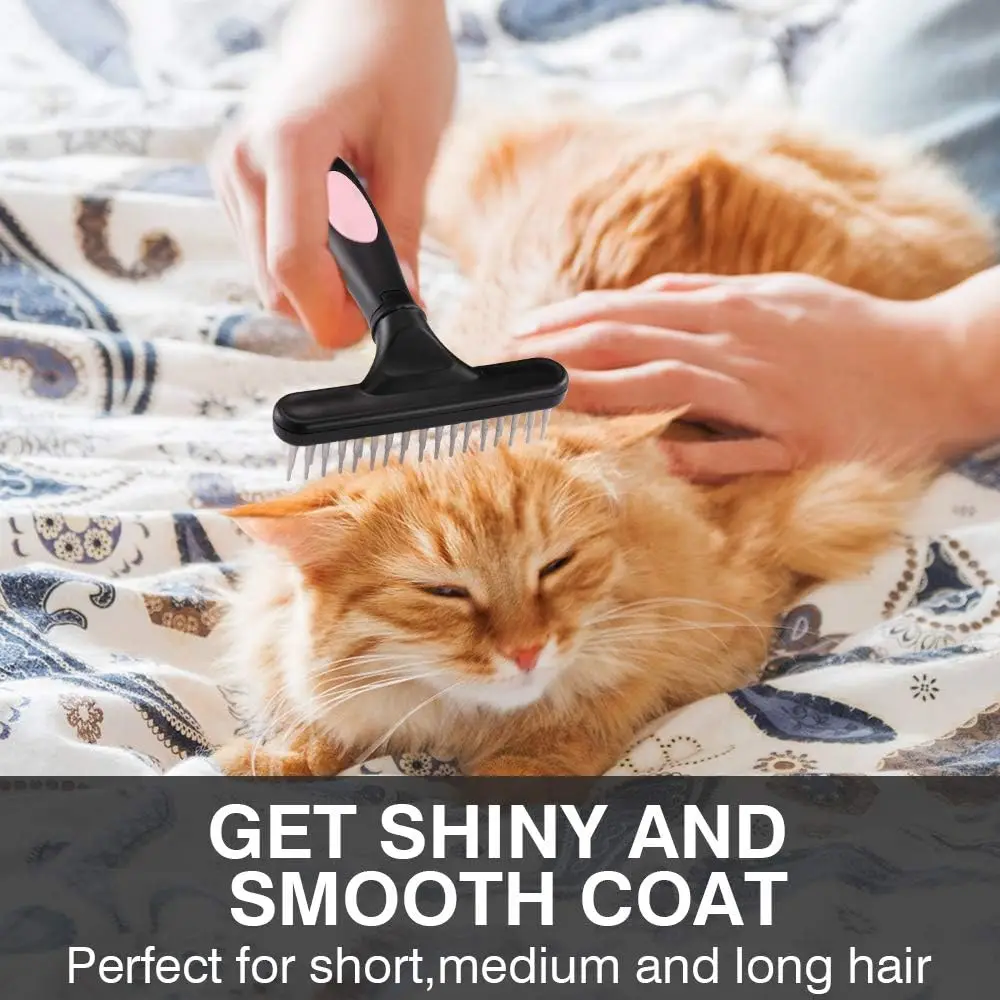
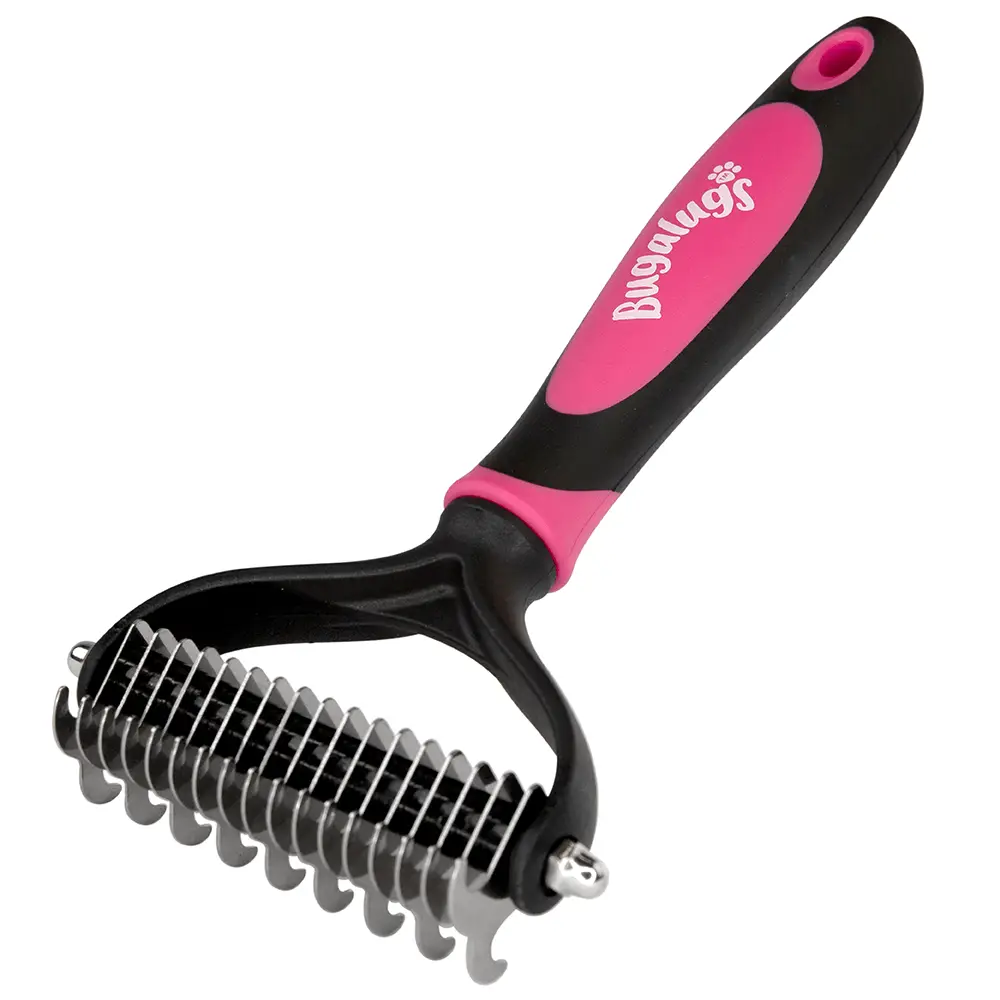
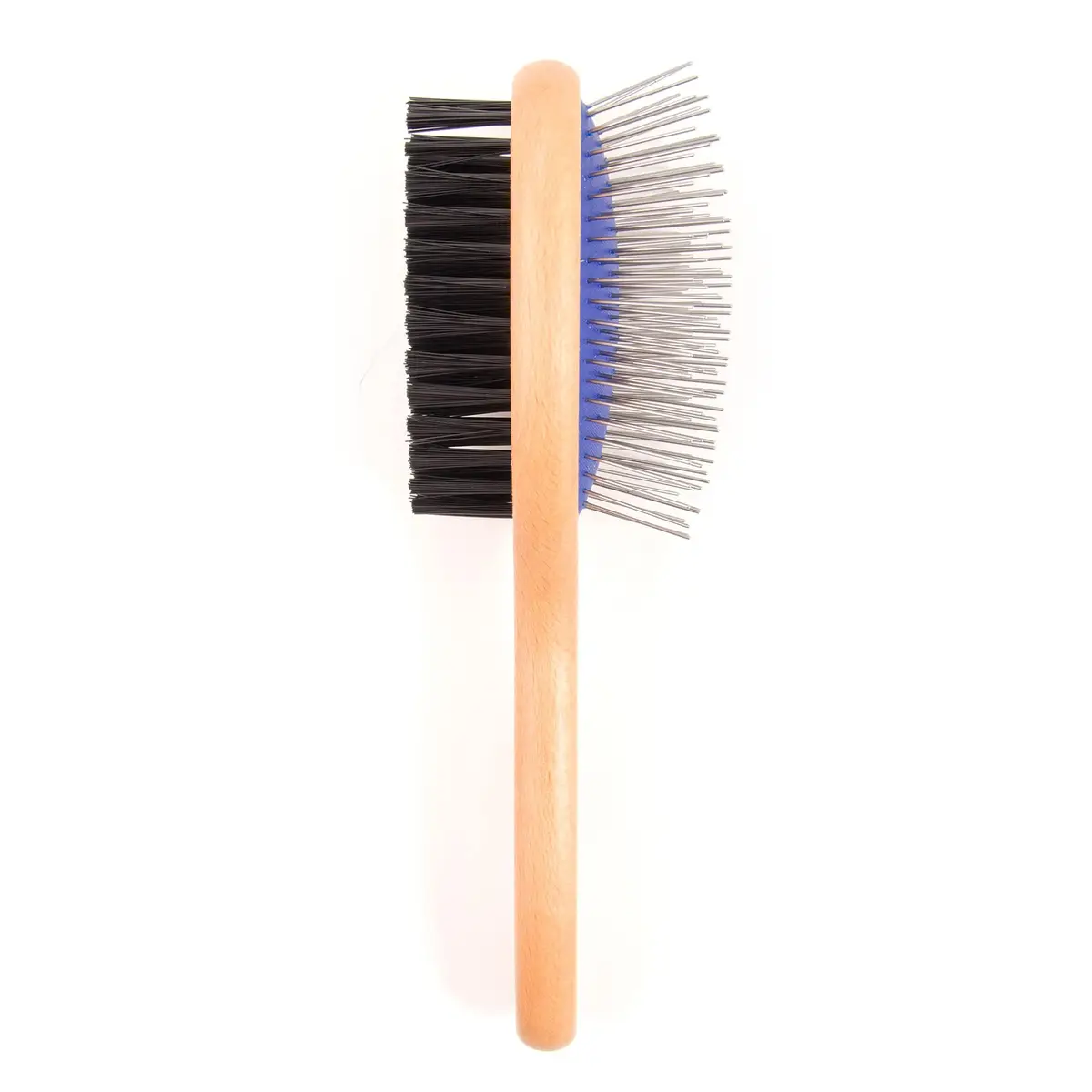
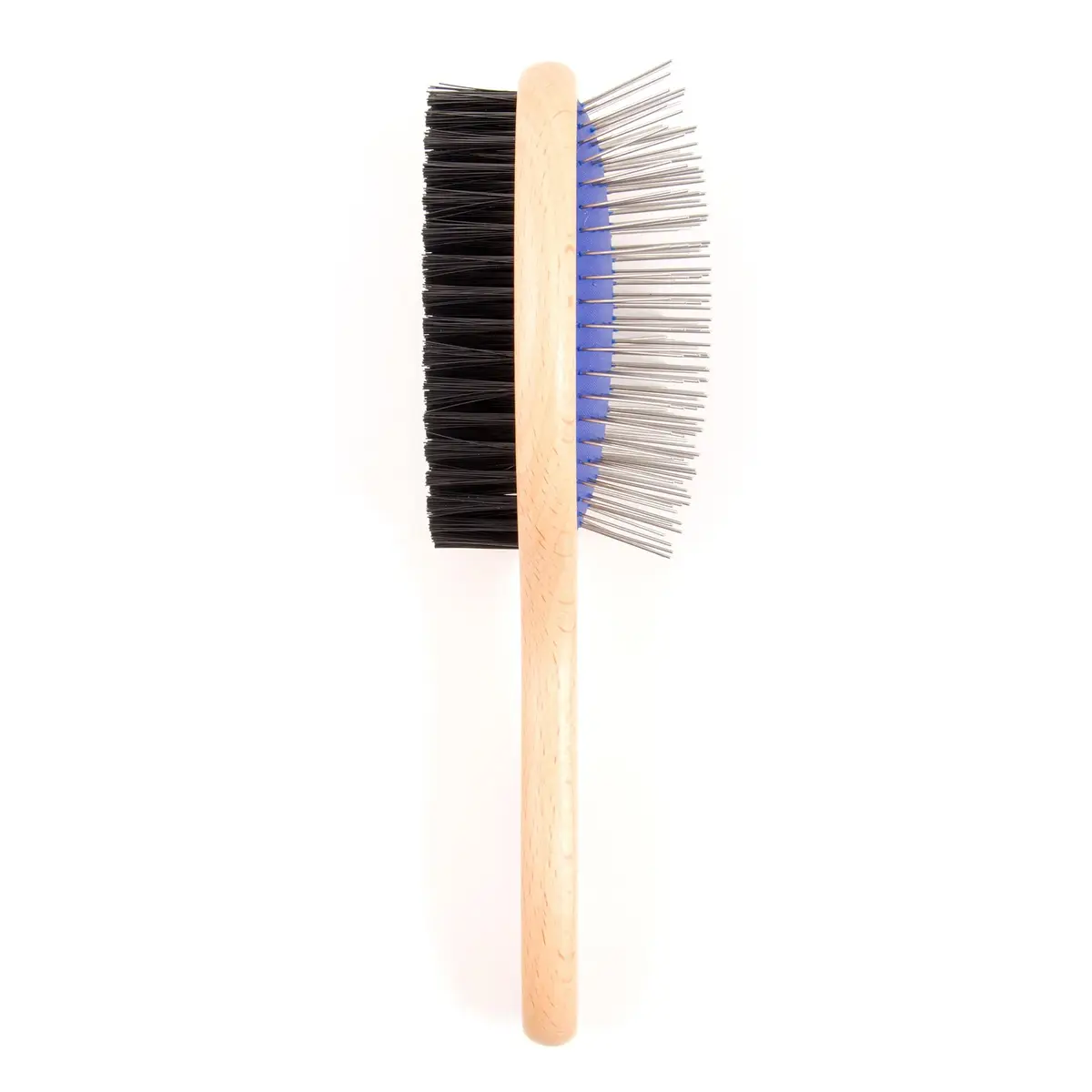
Bugalugs Double-Sided Dematting Rake for Dogs & Cats
Two tools in one: tackle stubborn mats with the 9-tooth side, then thin and de-shed with the 17-tooth side — ideal for long or double-coated pets.
£11.99
3 items together
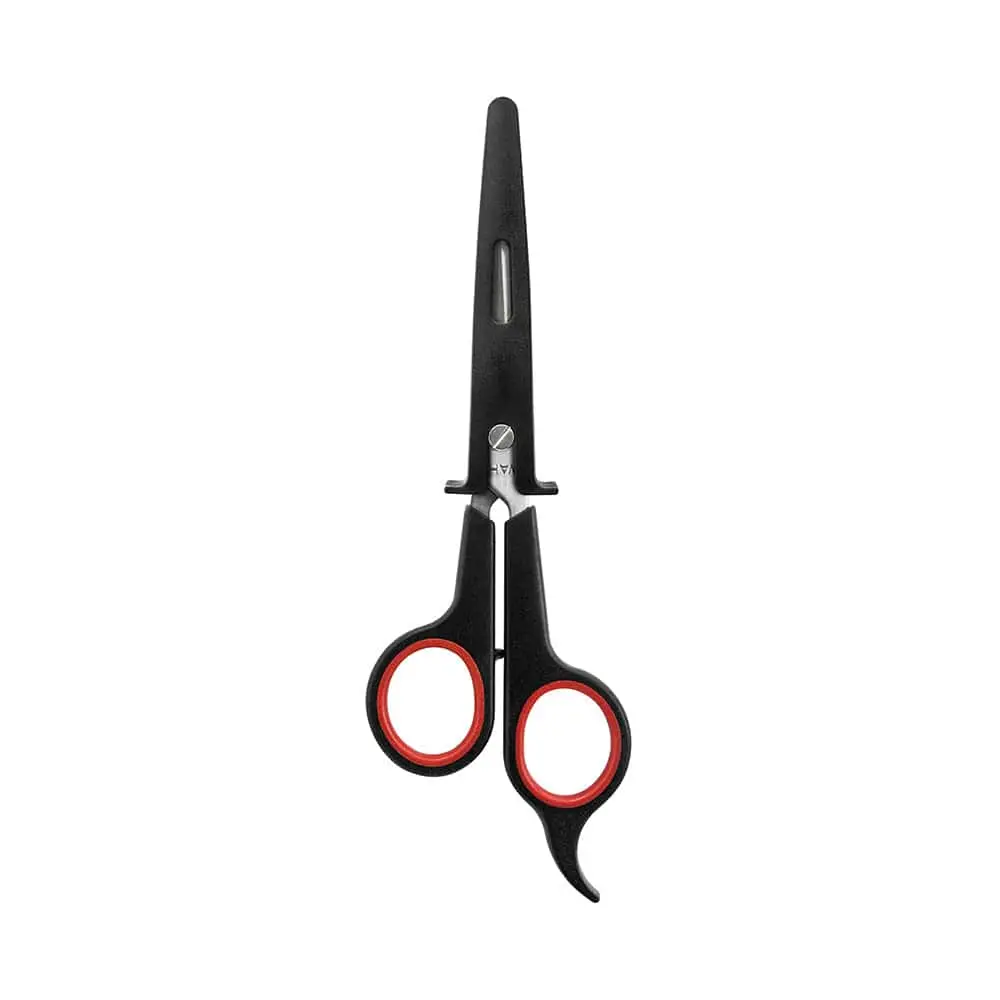
Home Grooming Tool Set
Included
- 1 × Slicker Brush for Dogs — Detangling & De-shedding
- 1 × Bugalugs Double-Sided Dematting Rake for Dogs & Cats
- 1 × Wahl Pet Grooming Scissors with Finger Rest
£24.49 for the set
Save £2.98 vs buying separately
 Fast UK delivery
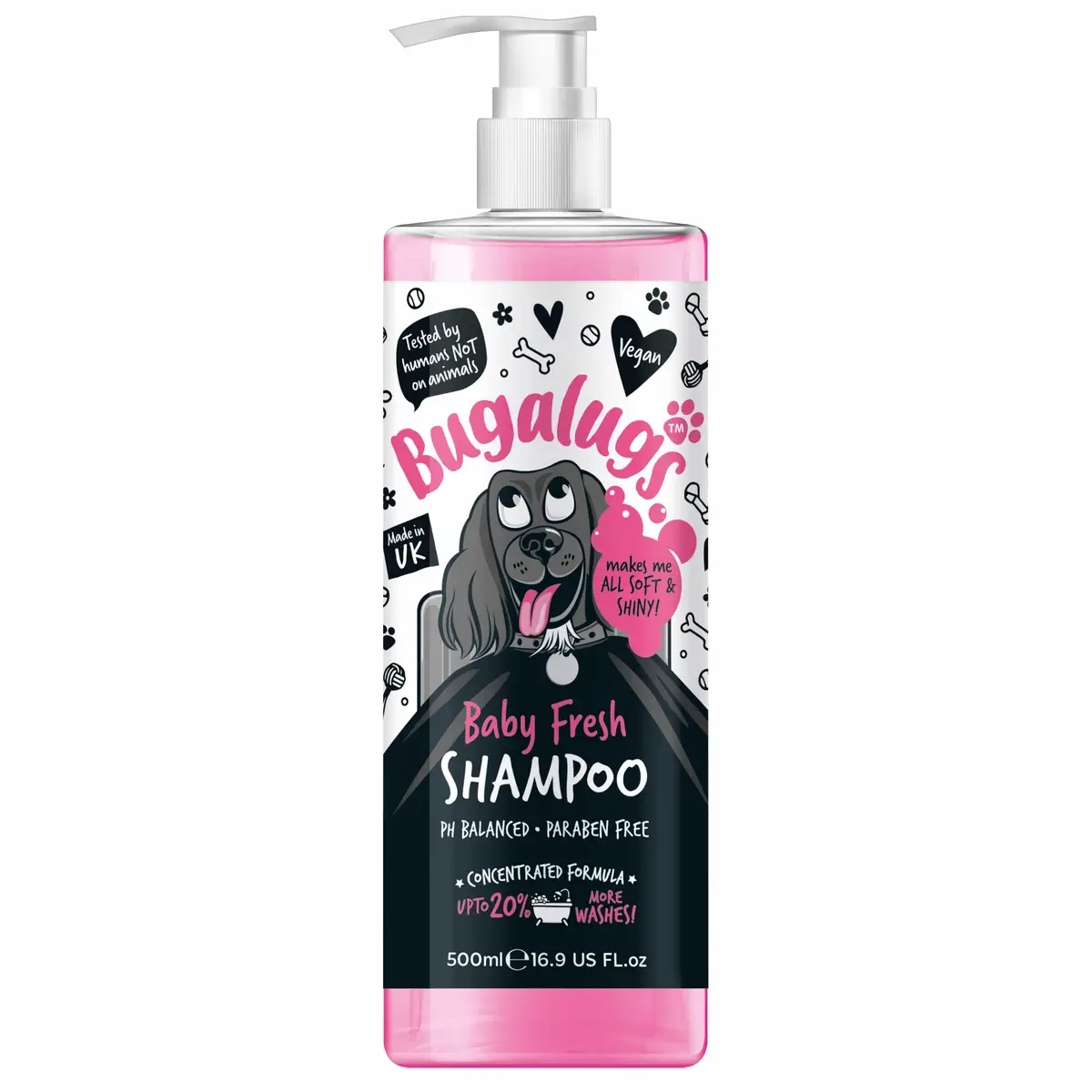
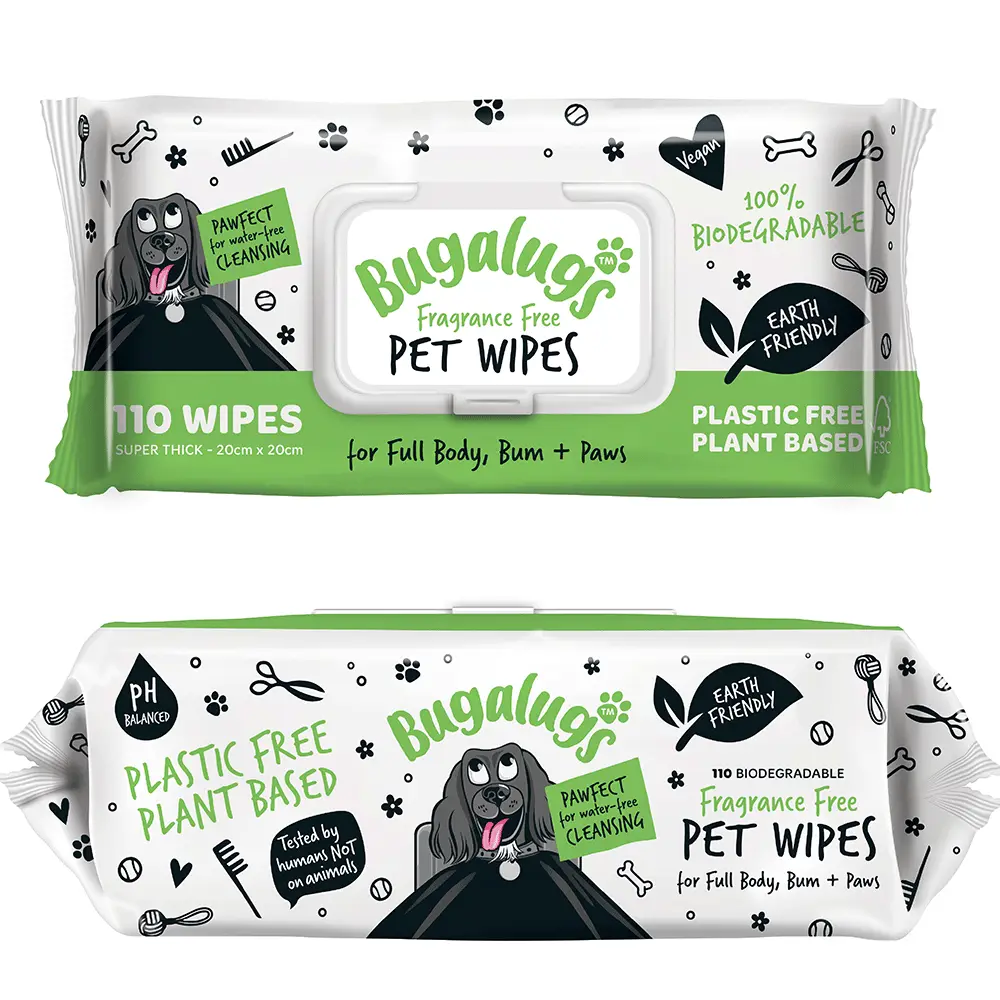
3 items together
Puppy's First Grooming Kit
Included
- 1 × Pet Teezer Puppy Grooming Brush
- 1 × Bugalugs Baby Fresh Dog Shampoo 500ml – UK Made Vegan
- 1 × Bugalugs Biodegradable Pet Wipes — Fragrance-Free, 110 Wipes
£44.49 for the set
Save £4.98 vs buying separately
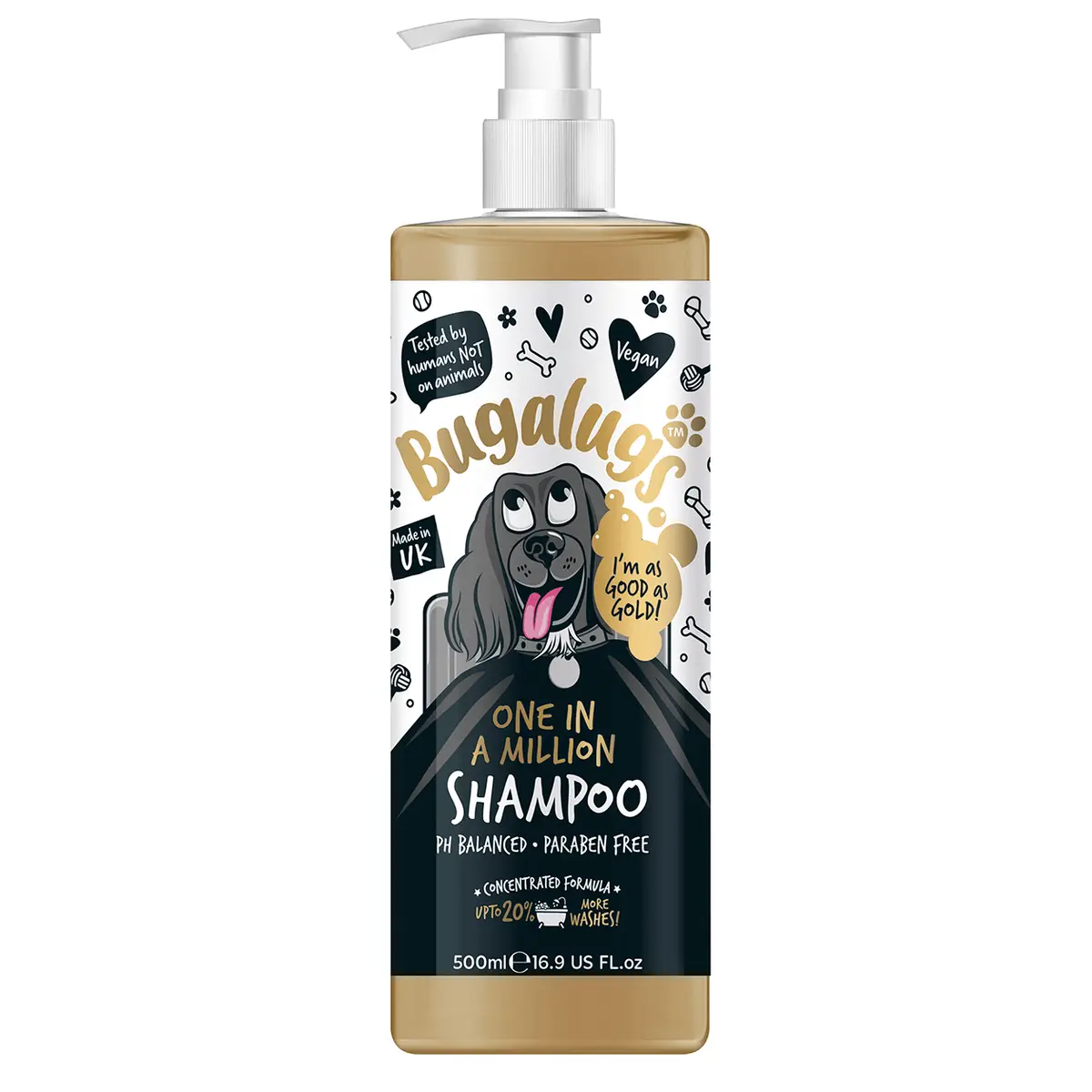
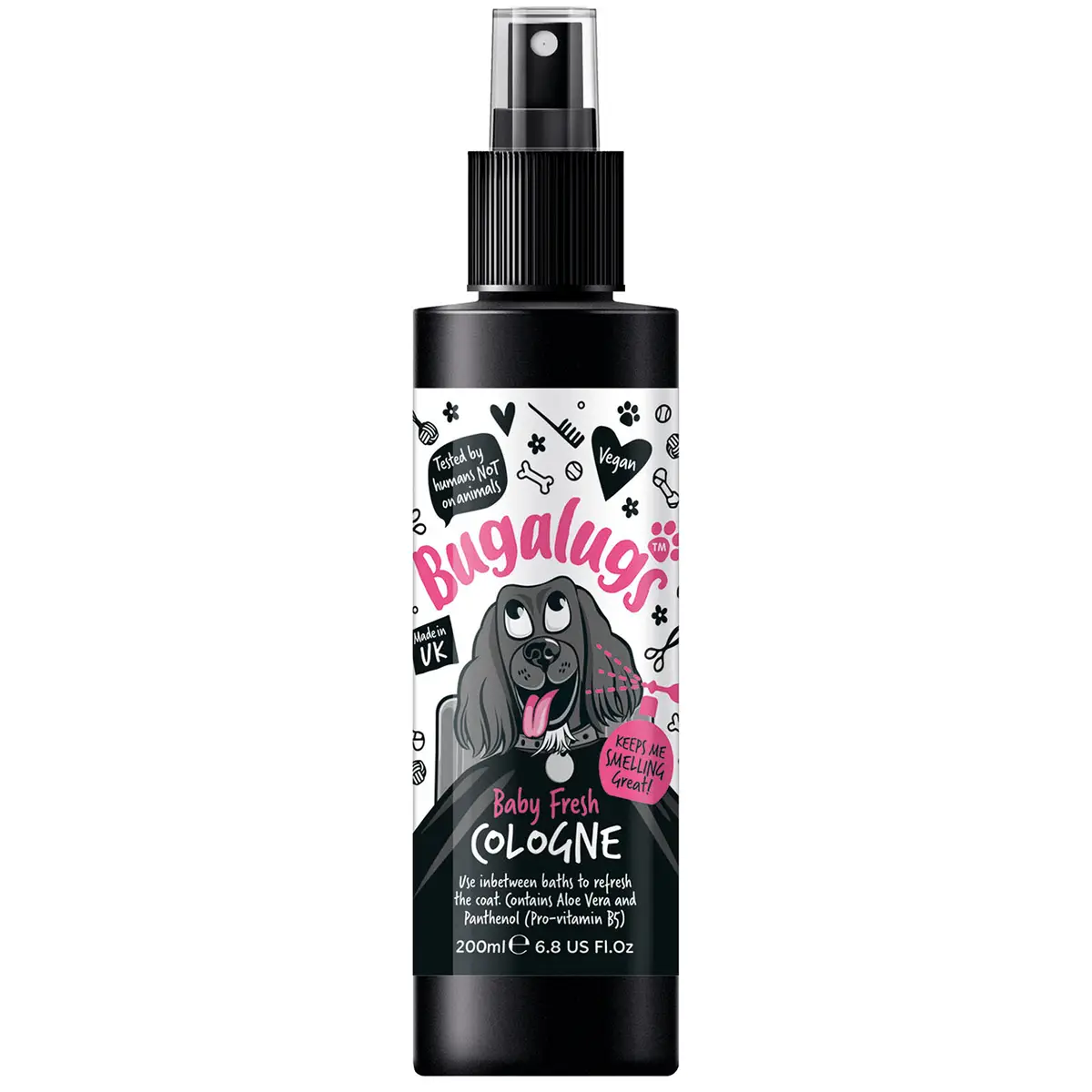
3 items together
Bath Day Set — One in a Million
Included
- 1 × Bugalugs One in a Million Dog Shampoo – 500ml
- 1 × Bugalugs Dog Cologne – 200ml (4 Fragrances)
- 1 × Pet Teezer Detangling Dog Brush
£39.49 for the set
Save £4.48 vs buying separately
 Fast UK delivery
 Fast UK deliveryFast UK delivery
A little guidance
Which dog grooming brush do I need?
Choose by coat, not by breed name on the packet. Short, smooth coats need little more than a rubber mitt or bristle brush once a week. Long, silky and curly coats need a slicker for the surface and a metal comb that reaches the skin, because that is where mats start. Thick double coats, such as a labrador, husky or German shepherd, need an undercoat rake or deshedding tool through the spring and autumn moult. Most dogs end up with two tools, one to lift loose coat and one to find knots. Puppies do best with a soft brush and short, happy sessions, which our puppy brush guide covers in detail.
| Your dog’s coat | Best starting tool | Why it works |
|---|---|---|
| Short & smooth | Rubber brush / grooming mitt | Lifts loose surface hair |
| Long & silky | Pin brush + slicker | Helps prevent tangles |
| Curly / woolly | Slicker + comb | Reaches through curls and finds knots |
| Double coat | Undercoat rake / deshedding tool | Removes the loose undercoat |
| Puppy coat | Soft / gentle puppy brush | Introduces grooming without pulling |
The right brush for the coat
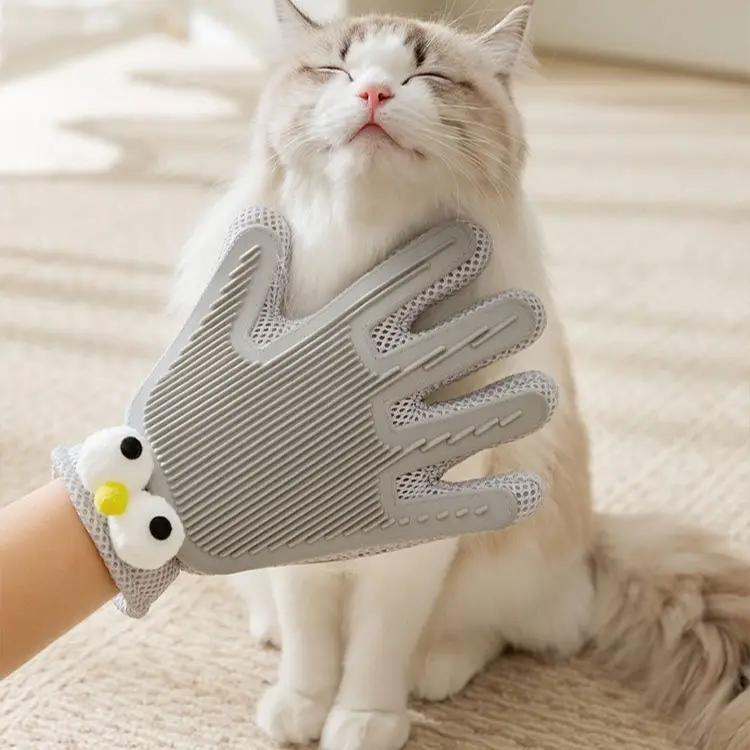
Slicker brushes and deshedding tools pull out the dead undercoat that causes most shedding and matting. For long or double coats, an undercoat rake or dematting comb works through knots gently; short-coated dogs often love a rubbery grooming mitt. Nearly every dog ends up needing two tools, one to remove loose coat and one to find knots, and the comb is the one people skip.
Regular brushing spreads natural oils, spots lumps, ticks and sore patches early, and means far less hair on your clothes and sofa. It is also how a dog learns that being handled is fine, which pays off at the vet and the groomer.
Slicker, rake, deshedder, comb or mitt
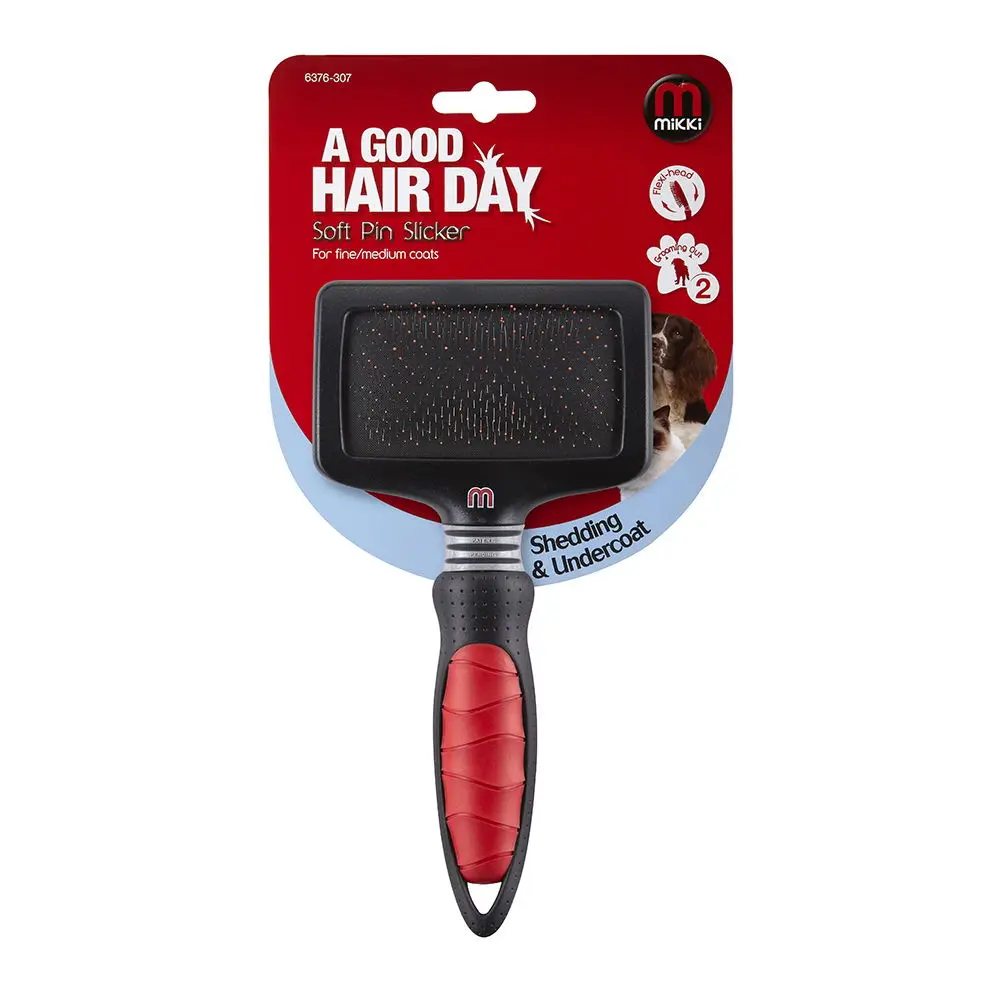
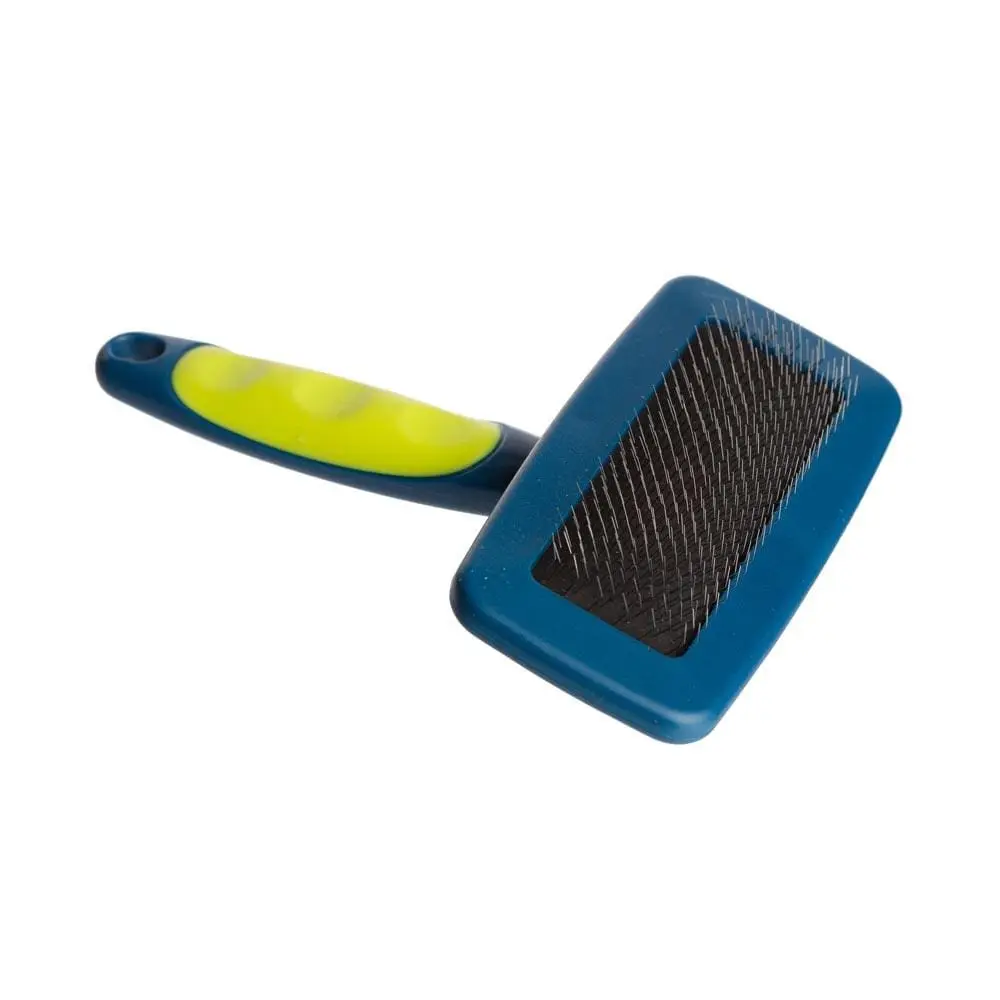
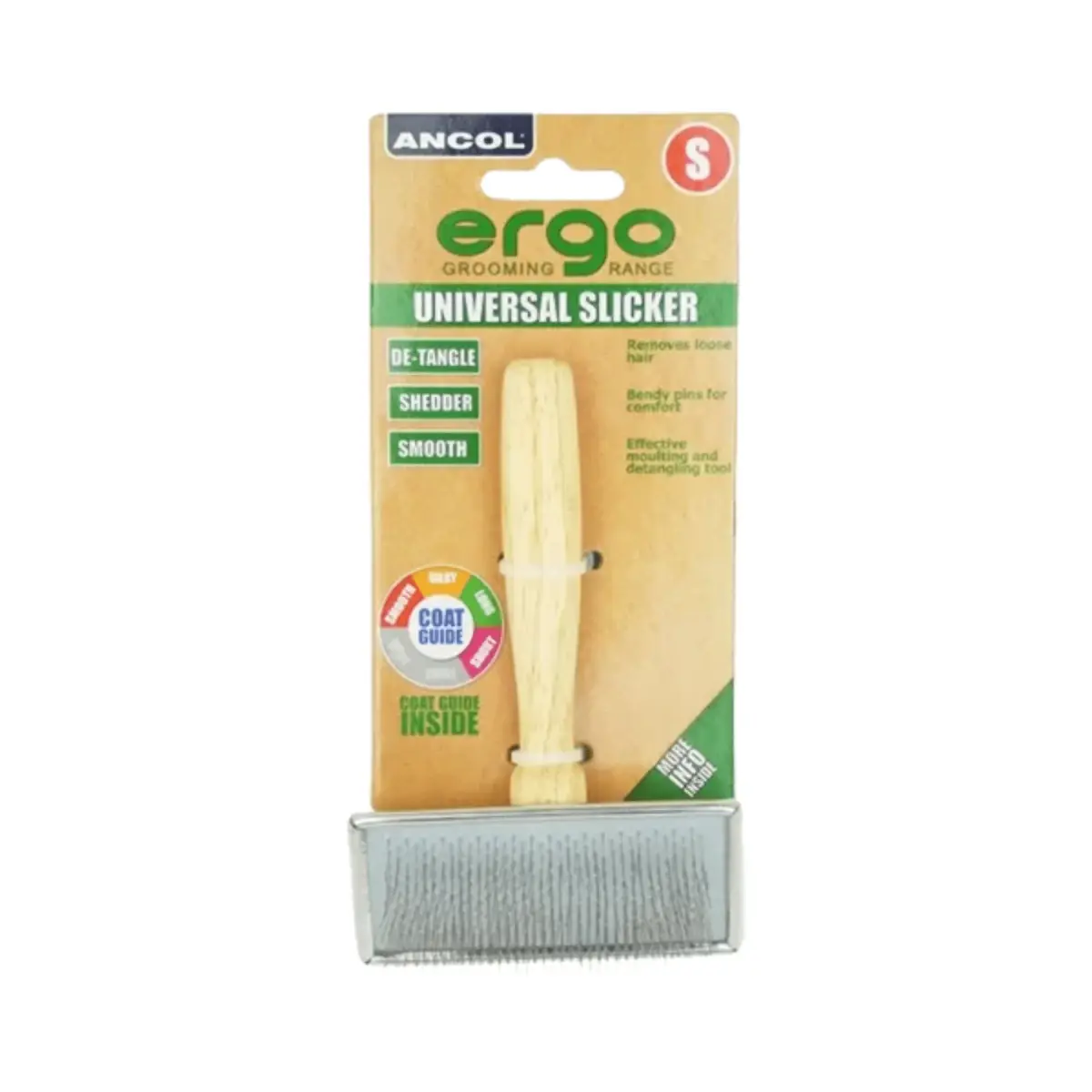
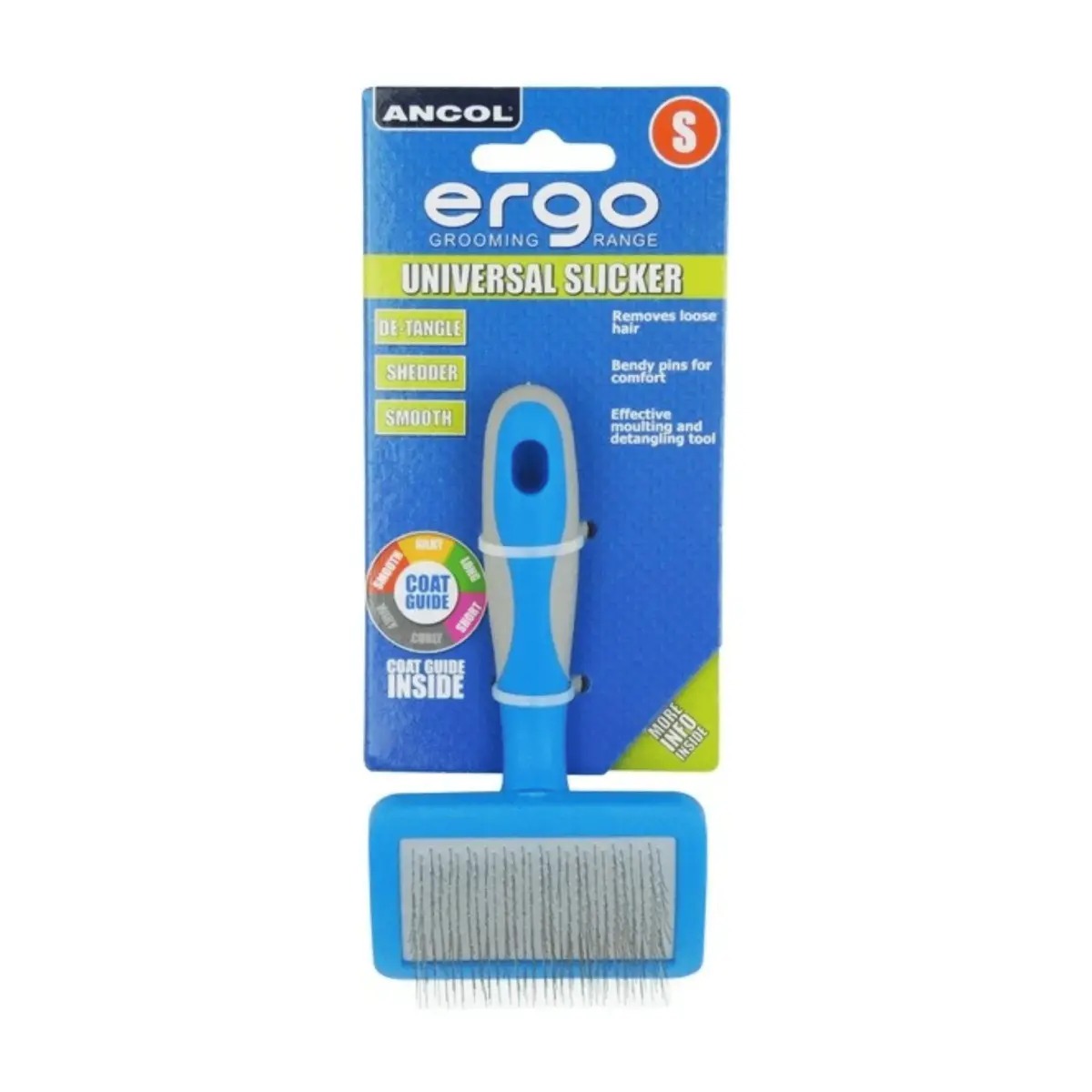
A slicker brush has fine bent wire pins that lift loose hair and tease out small tangles, and it suits most coats with any length to them: the Ancol Ergo Universal Slicker and the Mikki Soft Pin Slicker are the everyday versions, and a self-cleaning slicker with a button that retracts the pins saves picking hair out by hand. An undercoat rake, such as the Ancol Ergo Undercoat Rake or the Mikki Undercoat Rake, has longer, wider-spaced teeth that reach through a thick top coat to the dead undercoat beneath.
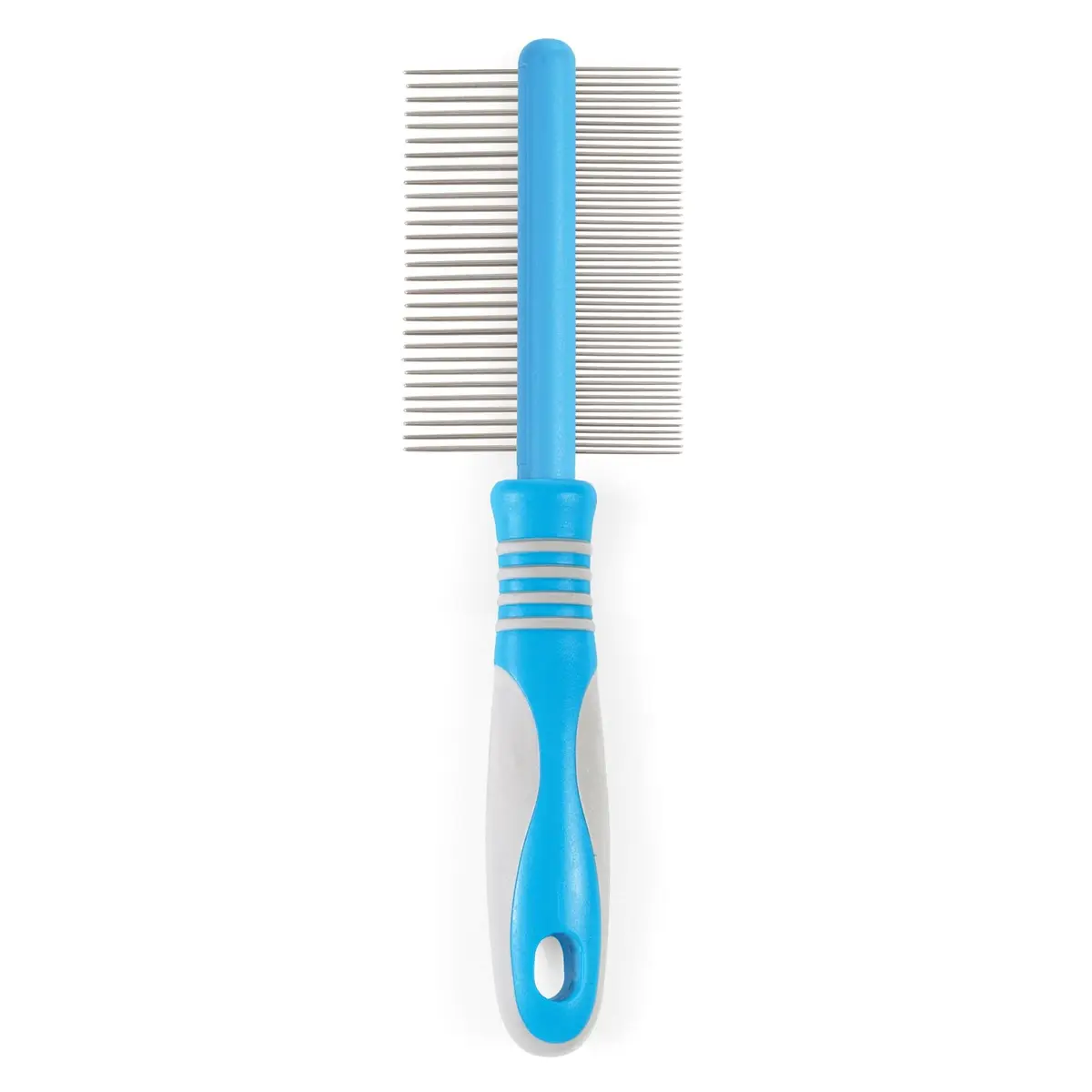
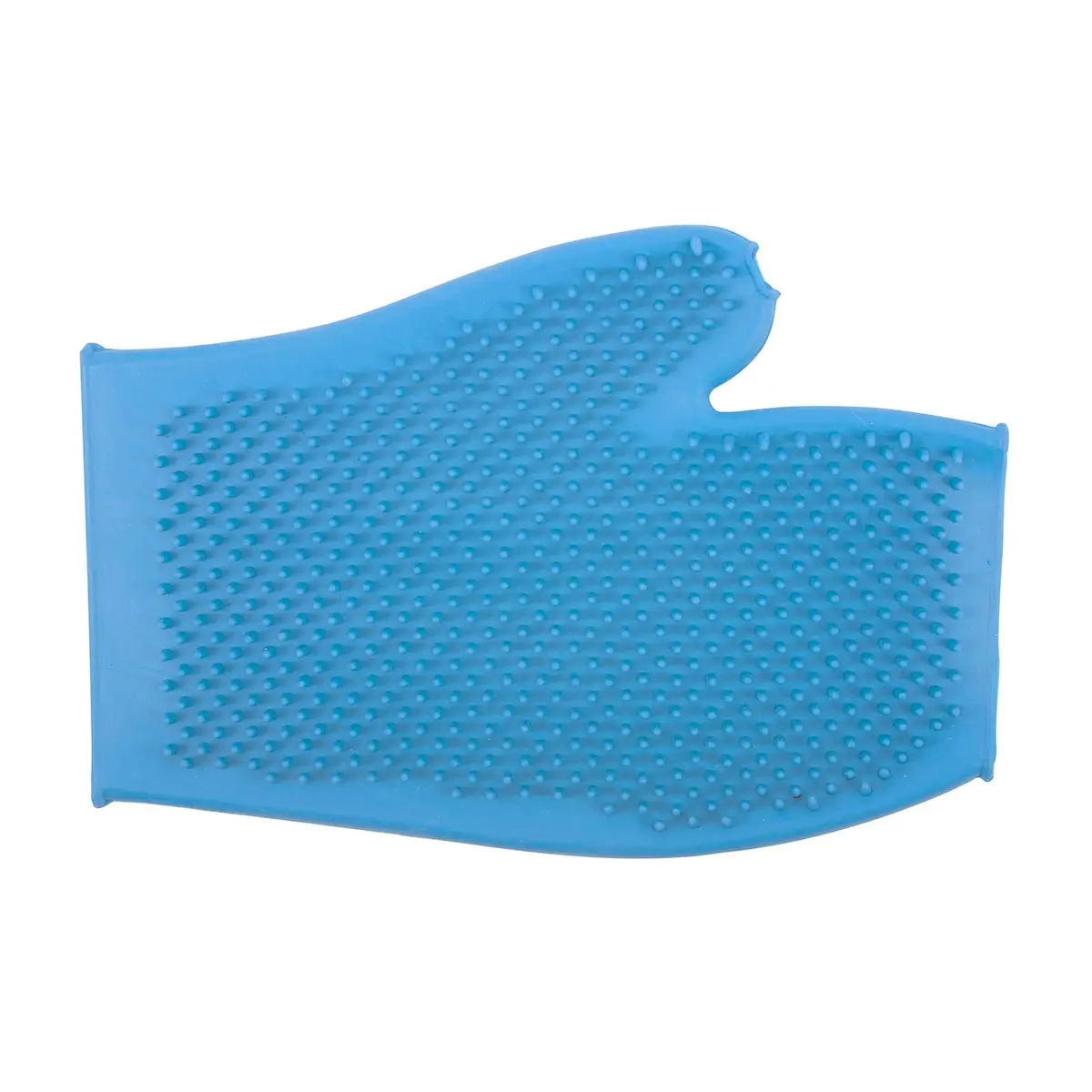
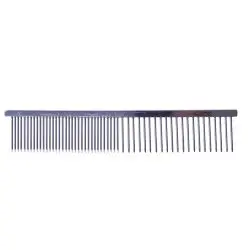
A deshedding tool like the Furminator Undercoat Deshedding Tool has a fine-toothed edge that pulls dead undercoat out in handfuls, which is transformative on a labrador or a German shepherd in moult and too much for a single-coated dog. A metal comb, such as the Wahl Steel Comb or the Ancol Ergo Medium Comb, is the tool that finds the knots a brush glides over. A rubber grooming mitt lifts loose surface hair from a short coat without scratching the skin and doubles as a bath brush.
Which brush for which breed
A cockapoo, cavapoo or poodle has a curly single coat that mats close to the skin, so it needs a slicker for the surface and a comb through to the skin every few days, with a dematting rake for anything that has already knotted behind the ears and under the collar. A spaniel or a retriever with feathering wants a pin brush along the length, a slicker for the feathering and a rake through the undercoat in spring and autumn.
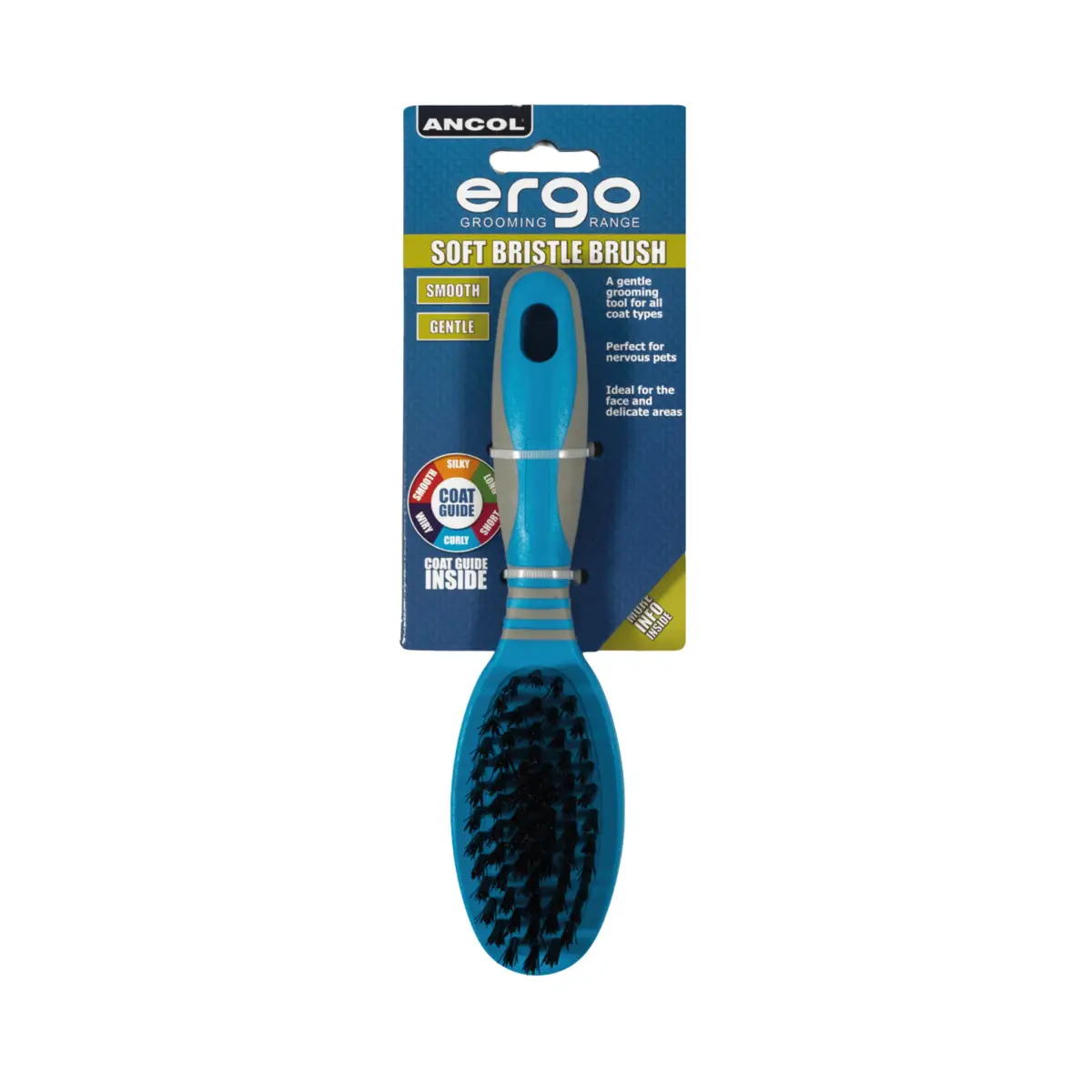
A labrador, husky, German shepherd or collie has a dense double coat that sheds in sheets twice a year, and a deshedding tool or undercoat rake is the only thing that keeps up; a slicker alone barely touches it. A staffie, whippet, boxer or beagle has a short smooth coat that needs no more than a rubber mitt or a bristle brush like the Ancol Ergo Soft Bristle Brush once a week, and a hound glove during the moult.
Working through a mat without hurting them
A mat that has tightened to the skin cannot be brushed out without pain, and pulling at it is how a dog learns to hate being groomed. Work from the ends of the hair inwards and hold the coat at its base so you are not tugging the skin with every stroke.
If a mat is solid, cut it out or let a groomer take it — but never with scissors held flat against the skin, which tents up underneath and gets caught. Short daily sessions during a moult remove more coat, and cause far less resentment, than half an hour at the weekend.
Everything here is chosen to be genuinely useful in everyday life with your pet — quality-checked, fairly priced and shipped tracked across the UK. For any health concern, your vet is always the best first port of call.
From the Knowledge Hub
Common questions
What type of brush is best for my dog?
It depends on the coat: a slicker suits curly and longer coats, a deshedding tool or undercoat rake suits thick double coats, and a rubber brush or grooming mitt suits short, smooth coats. The table above matches coat to tool.
What brush is best for a short-haired dog?
A rubber curry brush or a grooming mitt — they lift loose surface hair and spread natural oils without scratching a fine coat.
What brush is best for a long-haired dog?
A pin brush to work through the length plus a slicker for tangles, finishing with a comb to check for hidden knots.
What brush should I use for a double-coated dog?
An undercoat rake or a deshedding tool to reach and remove the loose undercoat — the main cause of heavy shedding. Never shave a double coat.
What is the difference between a slicker brush and a deshedding brush?
A slicker’s fine bent wires remove tangles and surface loose hair across most coats; a deshedding tool has a toothed edge designed to pull dead undercoat from thick or double coats. Many dogs benefit from both.
How often should I brush my dog?
Short coats are happy with a weekly once-over; long, curly or double coats benefit from a few times a week, and daily during a heavy moult. Curly coats such as a cockapoo need a comb through to the skin every couple of days, because the mats form underneath where a brush does not reach.
Can you brush a dog too much?
Over-brushing one spot or pressing too hard with a slicker or a deshedding tool can irritate the skin and thin a healthy coat. Use light pressure, keep sessions short, spread them across the week rather than one long weekend session, and stop if the skin looks pink or the dog starts to object.
What is the best brush for a cockapoo?
A slicker brush for the surface and a metal comb through to the skin, used together every few days, with a dematting rake for anything that has already knotted behind the ears, under the collar and in the armpits. A cockapoo coat mats from the skin outwards, so a brush that only skims the top gives a false sense that the dog is knot-free.
Keep browsing
Related collections from across the shop.
Free pet welcome kit
Four printable tools, zero cost
The new-pet checklist, a vaccination & worming tracker, a feeding-portion guide and a house-training chart — straight to your inbox, no spam, unsubscribe whenever.