






Wet cat food for shedding
Wet cat food can genuinely support coat and skin health, mainly through protein and moisture content, but it's worth being upfront that no food, wet or dry, will stop a cat's natural seasonal shedding altogether. Shedding is a normal coat cycle rather than a fault to be corrected, and diet's real role is supporting the healthiest possible coat through that cycle, alongside grooming that actually removes loose hair.
What diet can and can't do about shedding
A cat's coat is largely built from protein, so a diet with good-quality, easily digestible protein supports healthy coat growth and can reduce excessive shedding caused by a genuinely poor diet. What it won't do is stop the normal seasonal shed most cats go through as day length changes, which is a natural process rather than something to eliminate.
If your cat's shedding has changed noticeably and suddenly, much heavier than usual, with bald patches, or alongside changes to skin condition, that's worth a vet visit rather than a food change first, since sudden changes can point to something other than diet.
Regular brushing lifts loose hair out before your cat swallows it; see our cat grooming brushes for the right brush for the coat.
You'll find our wet cat food and dry cat food in the shop.
Why wet food specifically can help
Wet food's higher moisture content supports skin hydration from the inside, which plays a part in overall coat and skin condition alongside the actual nutrient content. It also tends to be higher in protein relative to its calorie content than many dry foods, which some owners find suits a cat prone to a duller or drier-looking coat.
This isn't a reason to switch entirely away from dry food if your cat does well on it, a mixed feeding approach, or simply choosing a wet food with a genuine named protein source as part of your cat's diet, is a reasonable way to support coat condition without an all-or-nothing change.
What actually removes loose hair
Regular brushing is the most direct way to manage shedding day to day, removing loose hair before it ends up on furniture or is swallowed during self-grooming, which can contribute to hairballs in a heavy-shedding cat. A brush suited to your cat's coat length and type makes this considerably easier and more comfortable for them.
Combining a nutritionally sound diet with regular brushing does more for managing visible shedding than diet alone ever will, since the two address different parts of the same picture, coat health from the inside, and hair removal from the outside.
Hairballs during a heavier shed
A cat swallows a fair amount of loose hair while grooming themselves, and during a heavier seasonal shed that can mean more frequent hairballs than usual. Regular brushing reduces how much hair your cat actually swallows in the first place, which does more to prevent hairballs than any single food change.
If hairballs become frequent, or your cat seems to be struggling to bring one up, that's worth mentioning to your vet rather than assuming it's simply a normal side effect of shedding season, since persistent vomiting can have other causes too.
What we stock
Everything below is in stock with us, priced with delivery worked out, and packed and posted by hand in the UK.
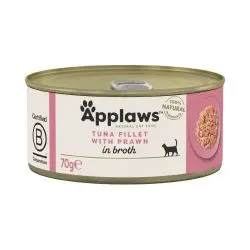
Applaws Natural Wet Cat Food Tuna Fillet with Prawn in Broth
Tuna fillet and prawn in broth, with two can sizes to choose from
From£16.69
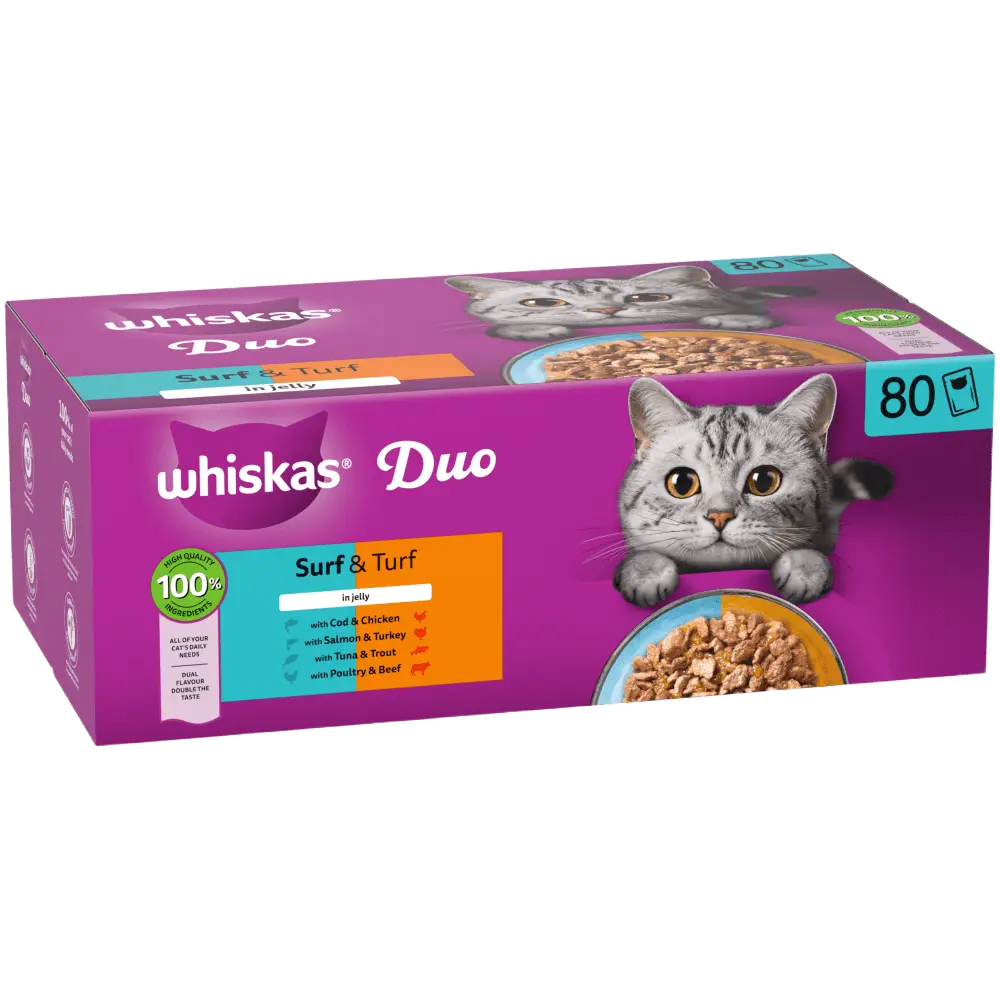
Whiskas 1 Duo Surf and Turf Adult Wet Cat Food Pouches in Jelly
Whiskas Duo Surf and Turf complete adult cat food in jelly pouches
From£5.35
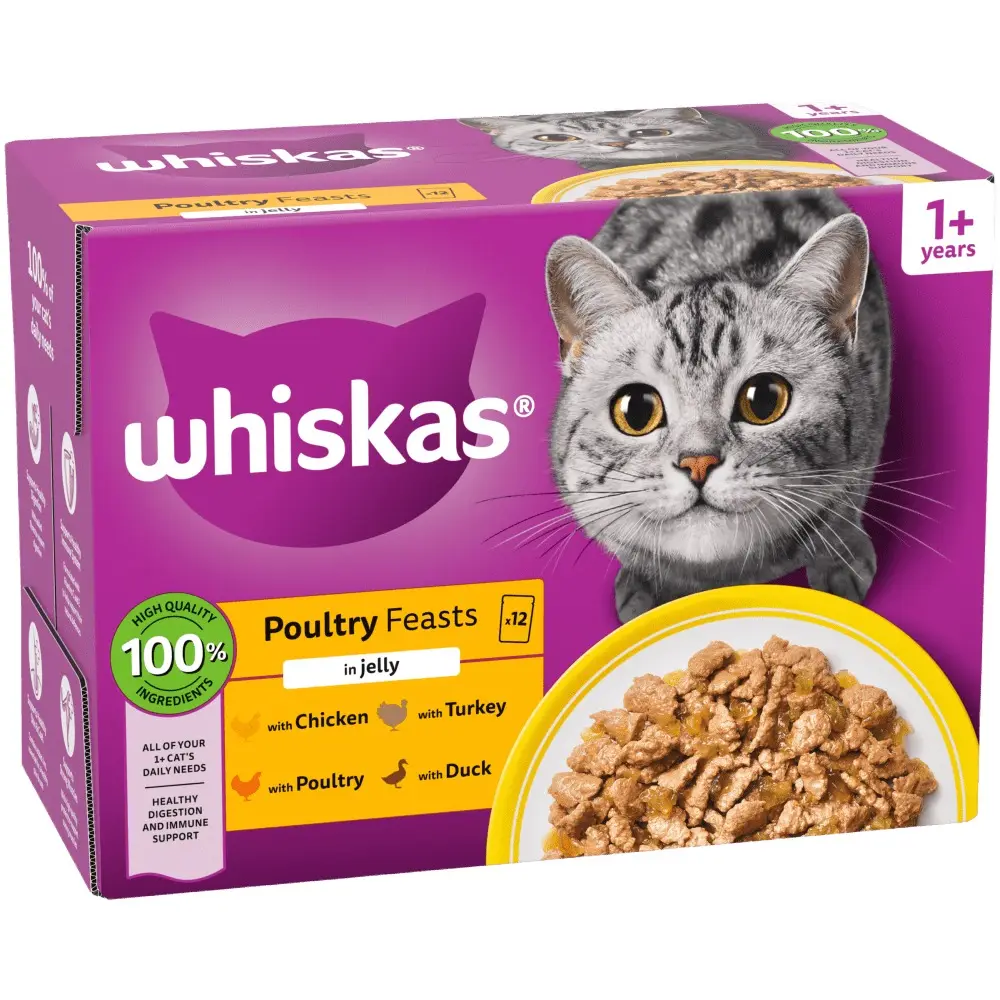
Whiskas 1 Poultry Feasts Adult Wet Cat Food Pouches in Jelly
Whiskas Poultry Feasts complete adult cat food in jelly pouches
From£5.35
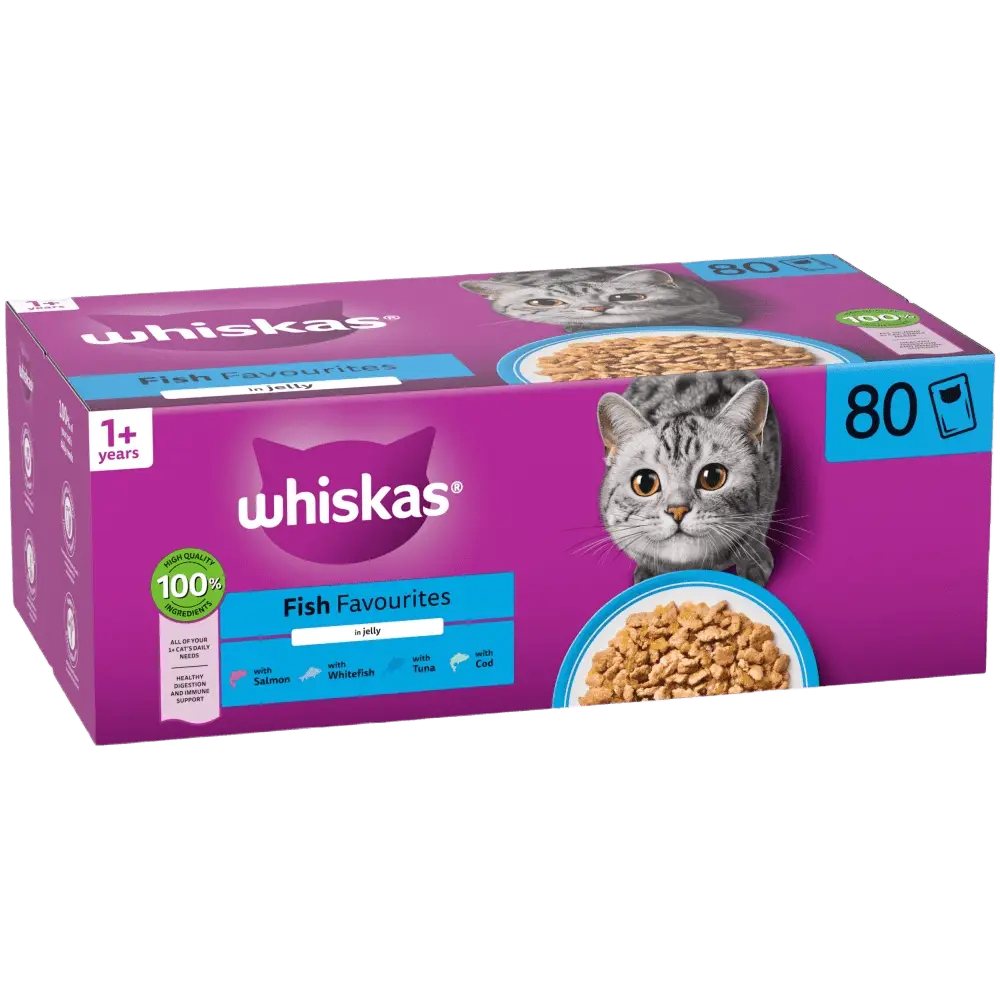
Whiskas 1 Fish Favourites Adult Wet Cat Food Pouches in Jelly
Whiskas complete adult wet cat food with Salmon, Whitefish, Tuna and Cod
From£5.35
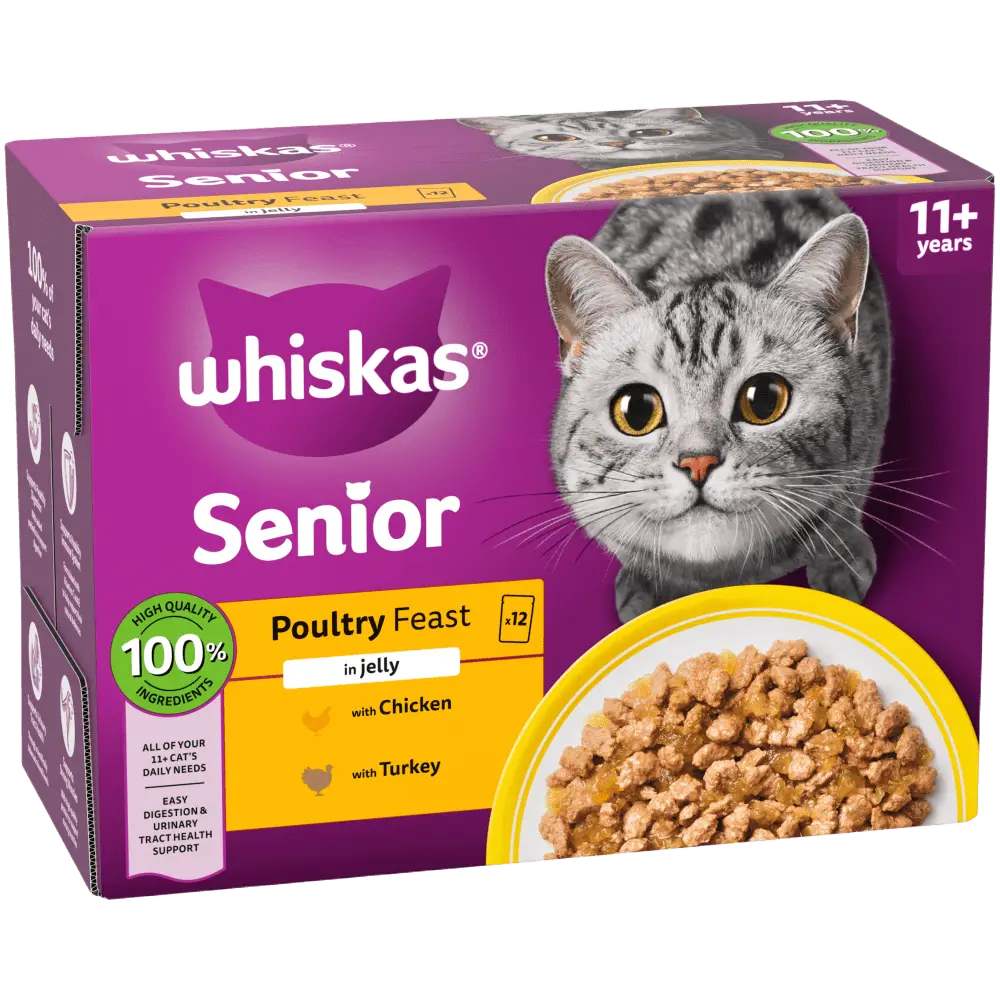
Whiskas 7 Poultry Feasts Senior Wet Cat Food Pouches in Jelly
Whiskas complete senior wet cat food with Chicken, Turkey, Poultry and Duck
From£5.35
Applaws Natural Wet Kitten Food, Tuna Fillet in Jelly — 24 x 70g Tins
Sold as a case: 24 x 70g tins. Tuna fillet wet food for kittens in jelly, fed as a complementary food up to 12 months
£33.39
Sheba Fresh & Fine Wet Cat Food Pouches Fish in Gravy 15 Pack
Fish-flavour wet pouches for adult and senior cats in gravy, sold as a 15-pack
£6.59
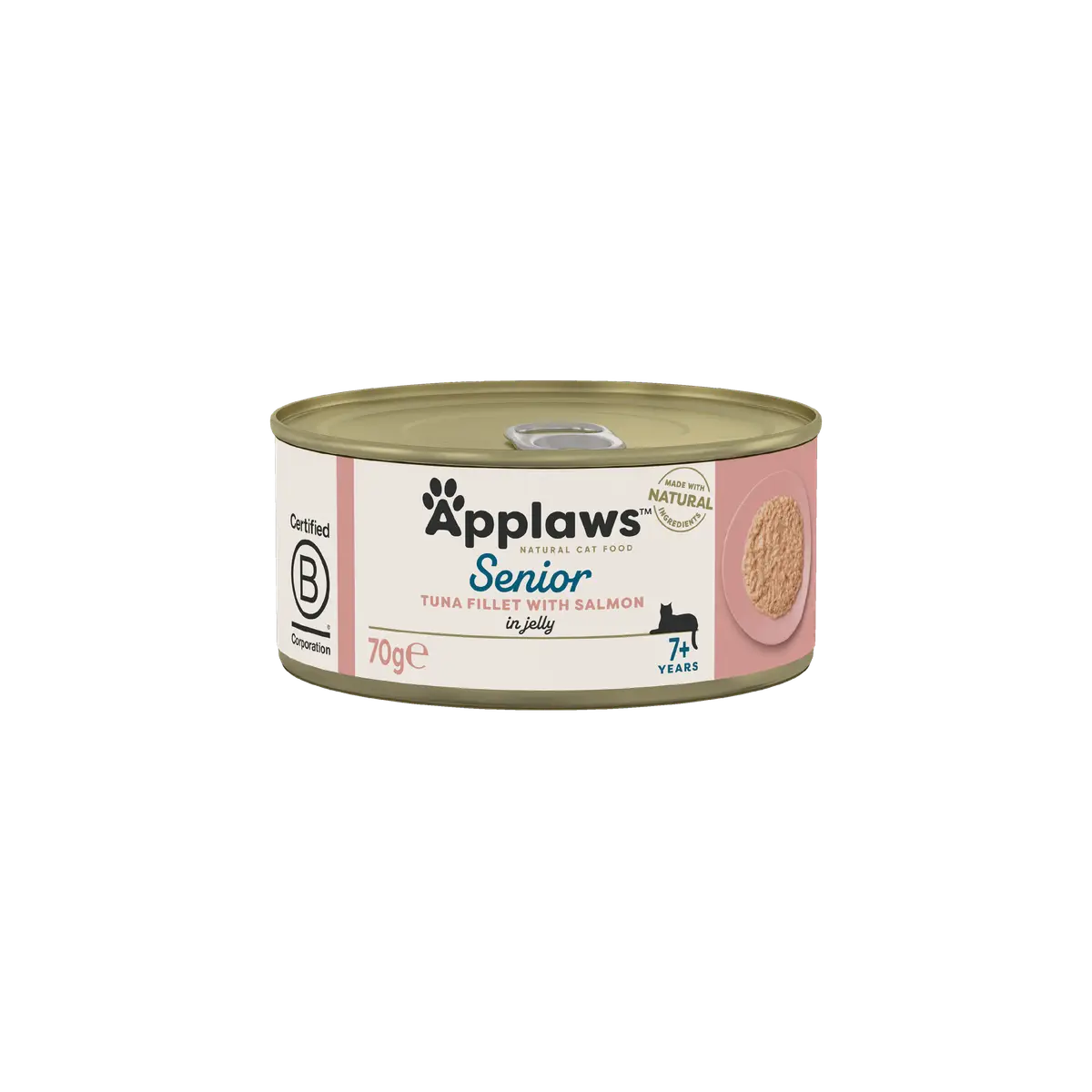
Applaws Natural Wet Cat Food, Senior Tuna Fillet with Salmon in Jelly — 24 x 70g Tins
Sold as a case: 24 x 70g tins. Tuna and salmon wet food for mature and senior cats aged 7 and over, in cans
£33.39
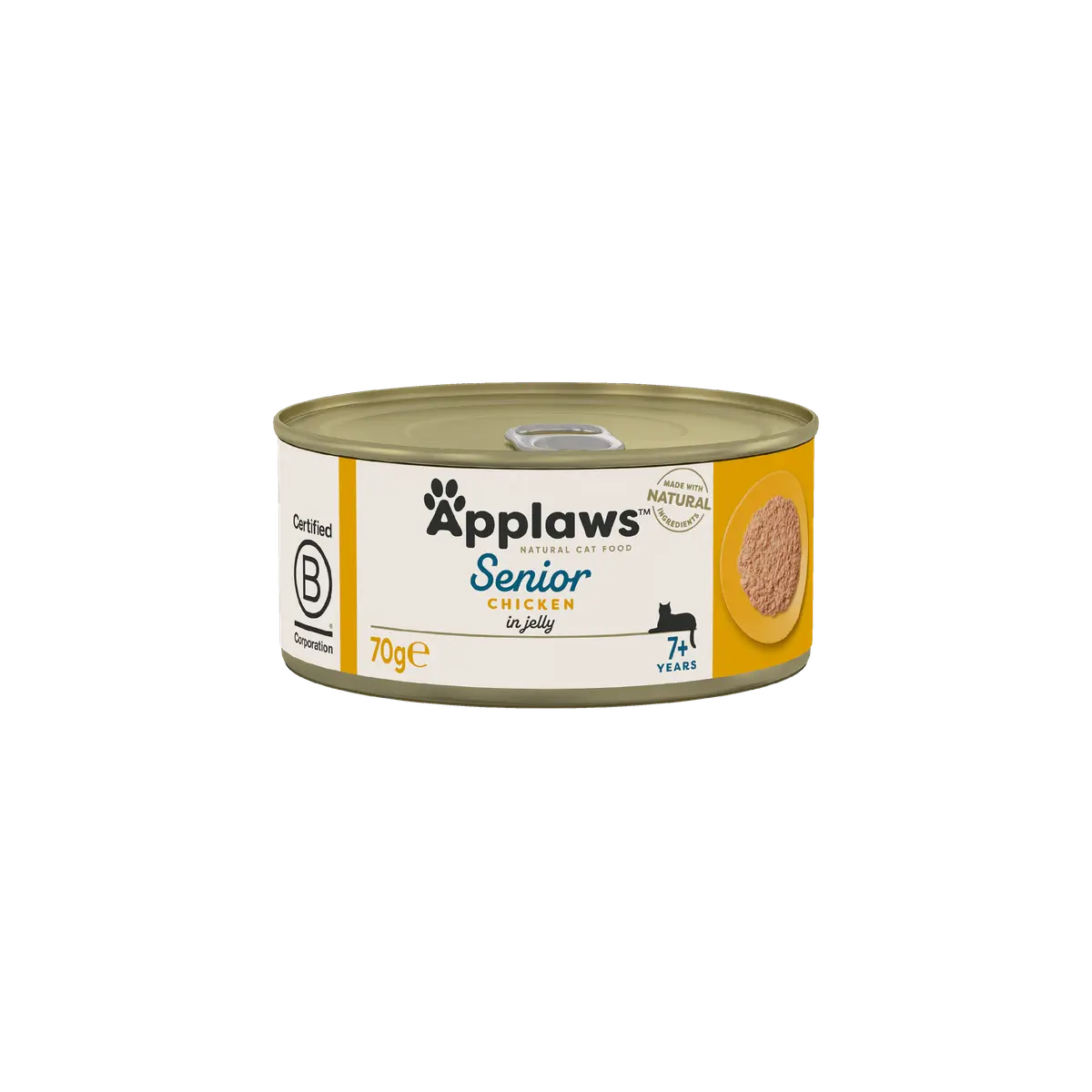
Applaws Natural Wet Cat Food, Senior Chicken Breast in Jelly — 24 x 70g Tins
Sold as a case: 24 x 70g tins. A chicken and liver recipe in jelly, formulated by Applaws for senior cats
£33.39
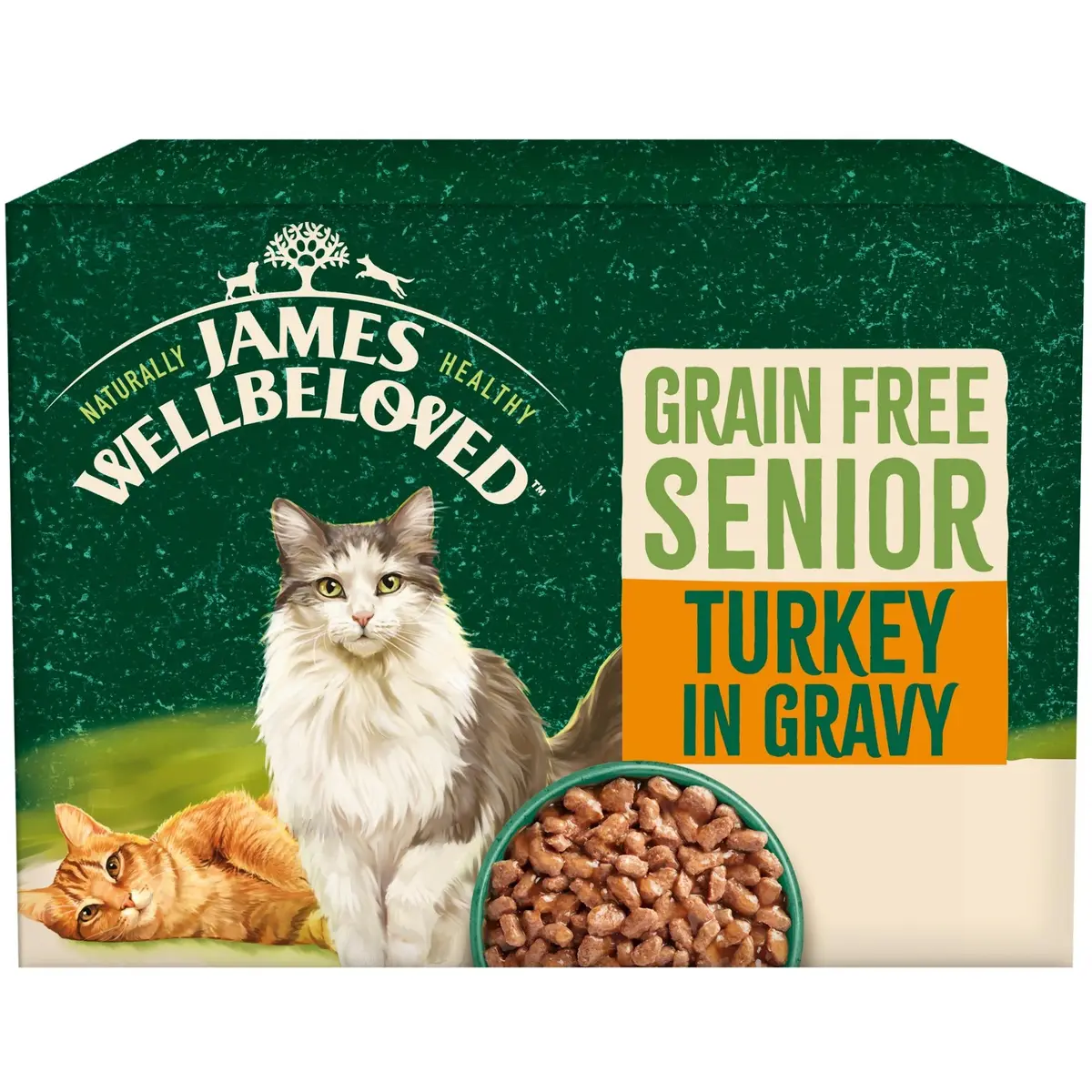
James Wellbeloved Grain Free Senior Wet Cat Food Turkey in Gravy Pouch 12 Pack
Grain-free turkey pouches in gravy for senior cats, though the printed analysis looks inconsistent
£14.55
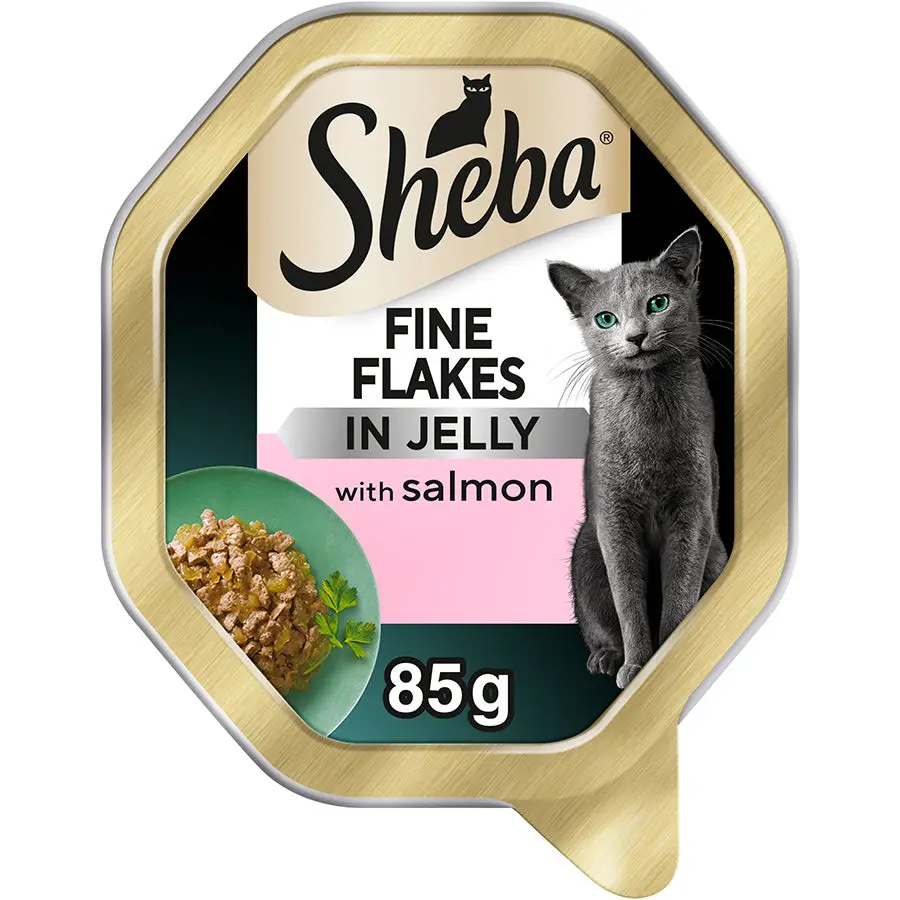
Sheba Fine Flakes Adult Wet Cat Food with Salmon Jelly — 22 x 85g Trays
Sold as a case: 22 x 85g trays. Complete SHEBA Fine Flakes salmon in jelly wet cat food for adult cats in an 85G tray
£19.59
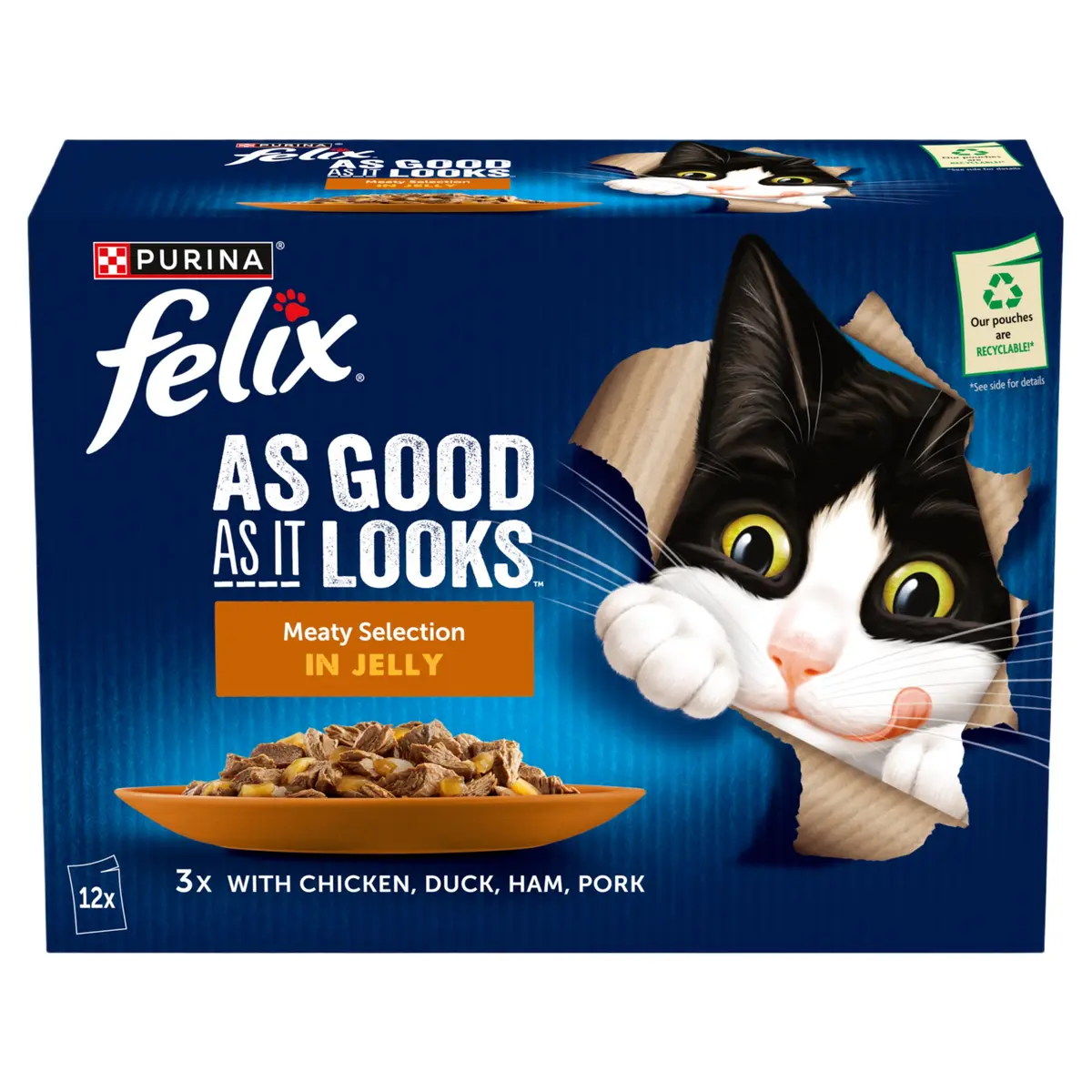
Felix as Good as It Looks Meaty Selection in Jelly
Twelve 85G pouches of chunks in jelly, in a selection built for a cat who changes its mind
£5.79
Common questions
- Can wet cat food stop shedding completely?
- No. Shedding is a natural coat cycle that diet can't stop entirely, though good nutrition supports overall coat and skin health. Regular brushing is the more direct way to manage the amount of loose hair around your home.
- Why is my cat shedding more than usual?
- Some increase is normal with the seasons, but a sudden, noticeable jump in shedding, especially alongside bald patches or skin changes, is worth mentioning to your vet rather than assuming it's just a diet issue.
- Is wet or dry food better for a cat's coat?
- Both can support good coat condition when they're nutritionally sound, but wet food's higher moisture and often higher protein-to-calorie ratio suits some cats particularly well. Many owners use a mix of both rather than choosing one exclusively.
- How often should I brush a heavily shedding cat?
- Several times a week is a reasonable starting point for most cats during a heavier shedding period, more often for long-haired breeds. Regular brushing also reduces how much loose hair your cat swallows while grooming themselves.
Related
Written by Matt Garnett, who runs Giddy Pets and is a lifelong pet owner — not a vet. This is general information, not veterinary advice, and it cannot replace an examination by the vet who knows your animal. How we write these guides.