






What size collar for a Shih Tzu?
Most adult Shih Tzus take a collar somewhere in the 25 to 35cm range, but that is a starting point rather than an answer — measuring your own dog's neck is the only reliable way to choose a size, since individual Shih Tzus vary in build even within a breed known for a fairly consistent small, sturdy frame.
How to measure your Shih Tzu for a collar
Wrap a soft tape measure around the middle of your dog's neck, where a collar would normally sit, and note the measurement snugly but without pulling tight. Adding roughly two finger-widths of slack to that number — enough to slide two fingers flat between the collar and the neck — gives a fitted size that is secure without being tight.
If you do not have a soft tape measure, a length of string or ribbon works just as well: wrap it the same way, mark where it meets, then measure that length against a ruler. Measure again after a few weeks if your dog is still a puppy, since growth can move a young Shih Tzu up a size before you expect it.
You'll find our dog collars in the shop.
Why fit matters more than the number on the label
A collar that is too loose is a genuine escape risk, since a Shih Tzu's head is not dramatically wider than its neck, and a startled dog can back out of a loose collar surprisingly easily. Too tight causes rubbing and discomfort, particularly for a breed already prone to skin irritation around a full coat and facial folds.
The two-finger rule is the standard check regardless of what size the label says: if you can comfortably slide two fingers flat under the collar with your dog standing normally, and not much more than that, the fit is right. Adjust the buckle or resize rather than trusting a size guide's average figure over your own dog's actual measurement.
The sizes we stock
Everything below is in stock with us, priced with delivery worked out, and packed and posted by hand in the UK.
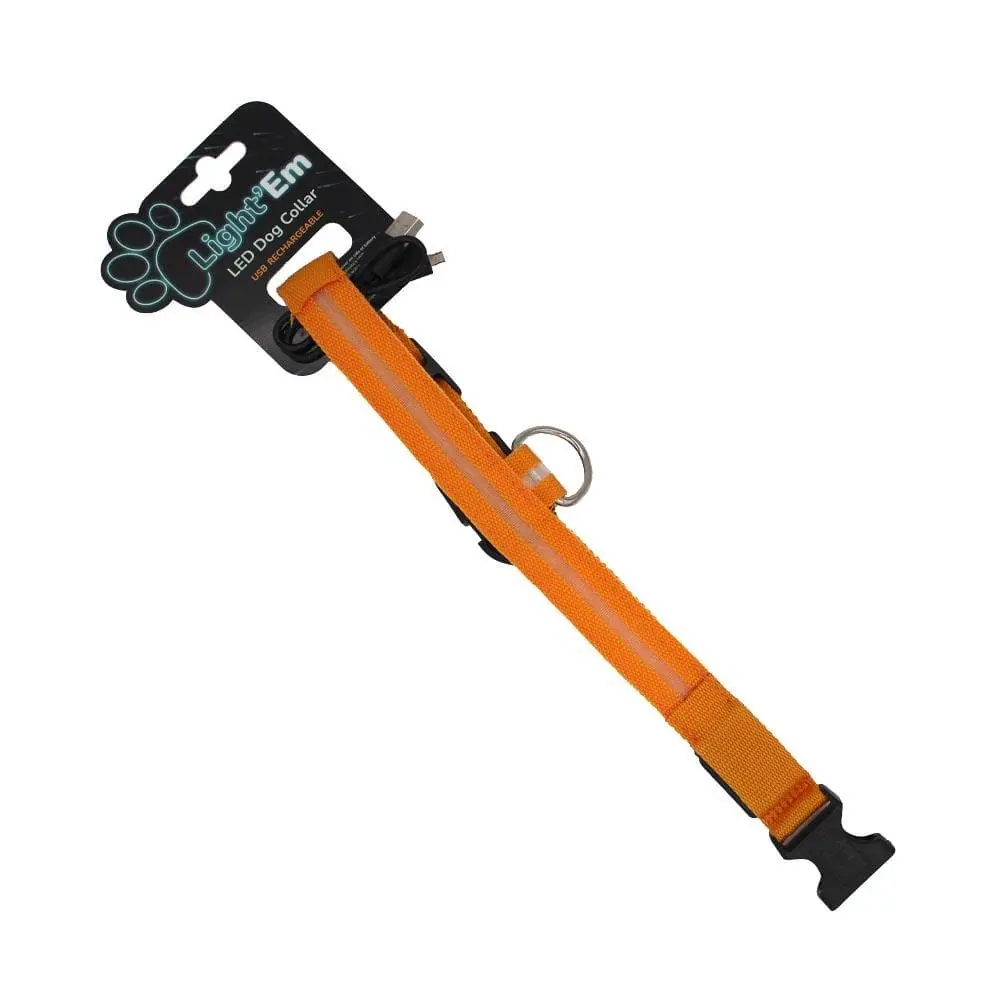
Rechargeable LED Safety Dog Collar
A tough nylon collar with a built-in rechargeable LED strip — up to 8 hours of bright visibility on a single 2-hour charge.
From£7.99
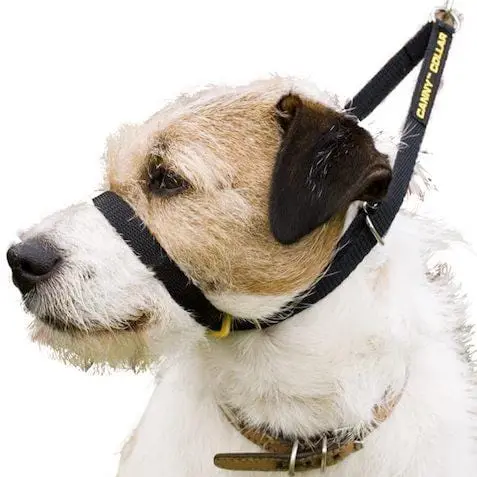
Canny Collar Training Collar for Dogs
A training collar with a clever behind-the-head design that gently discourages pulling without discomfort.
£22.99
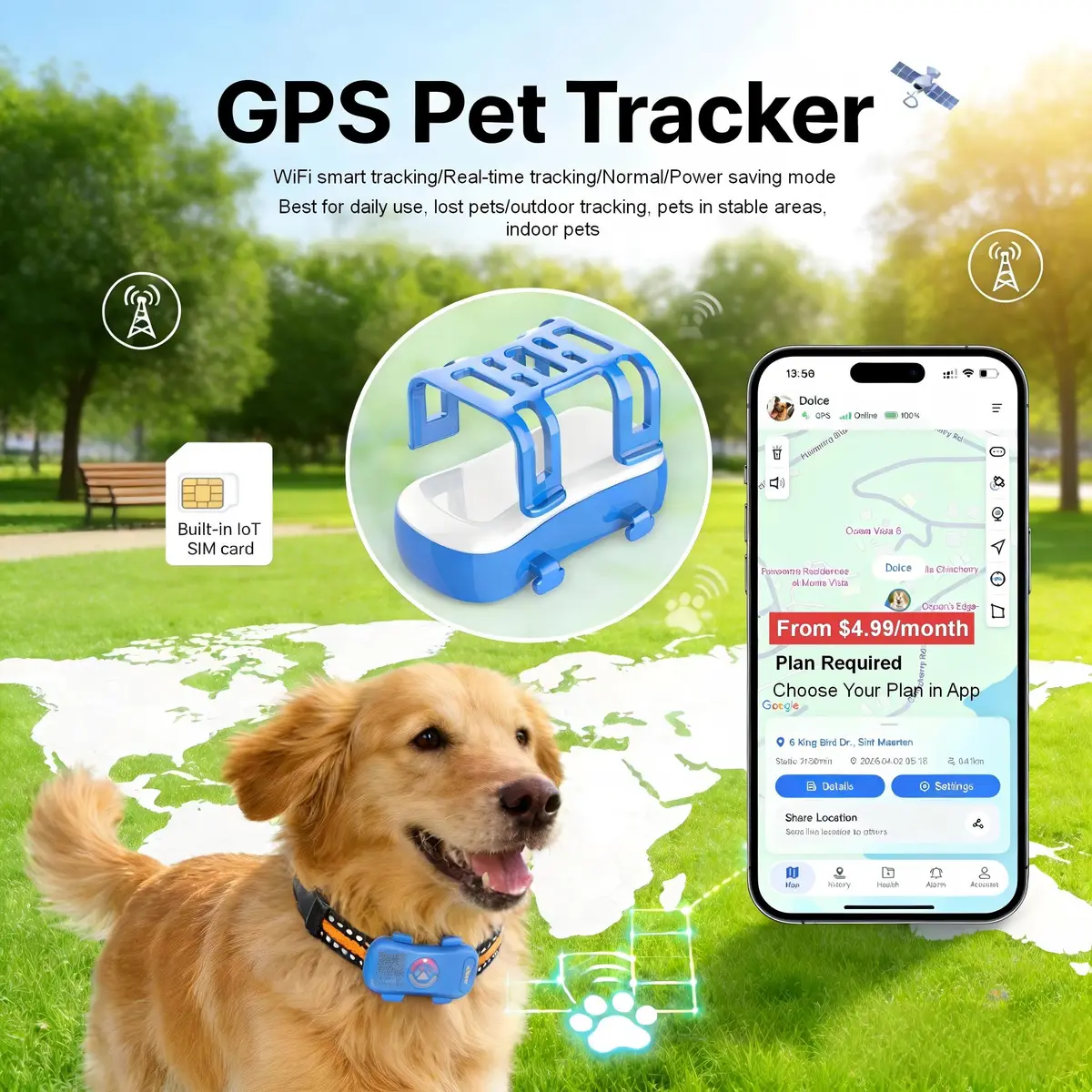
Real-Time GPS Pet Tracker
A compact GPS tracker that clips to most collars for real-time location, geofence alerts and find-me sound.
£29.99
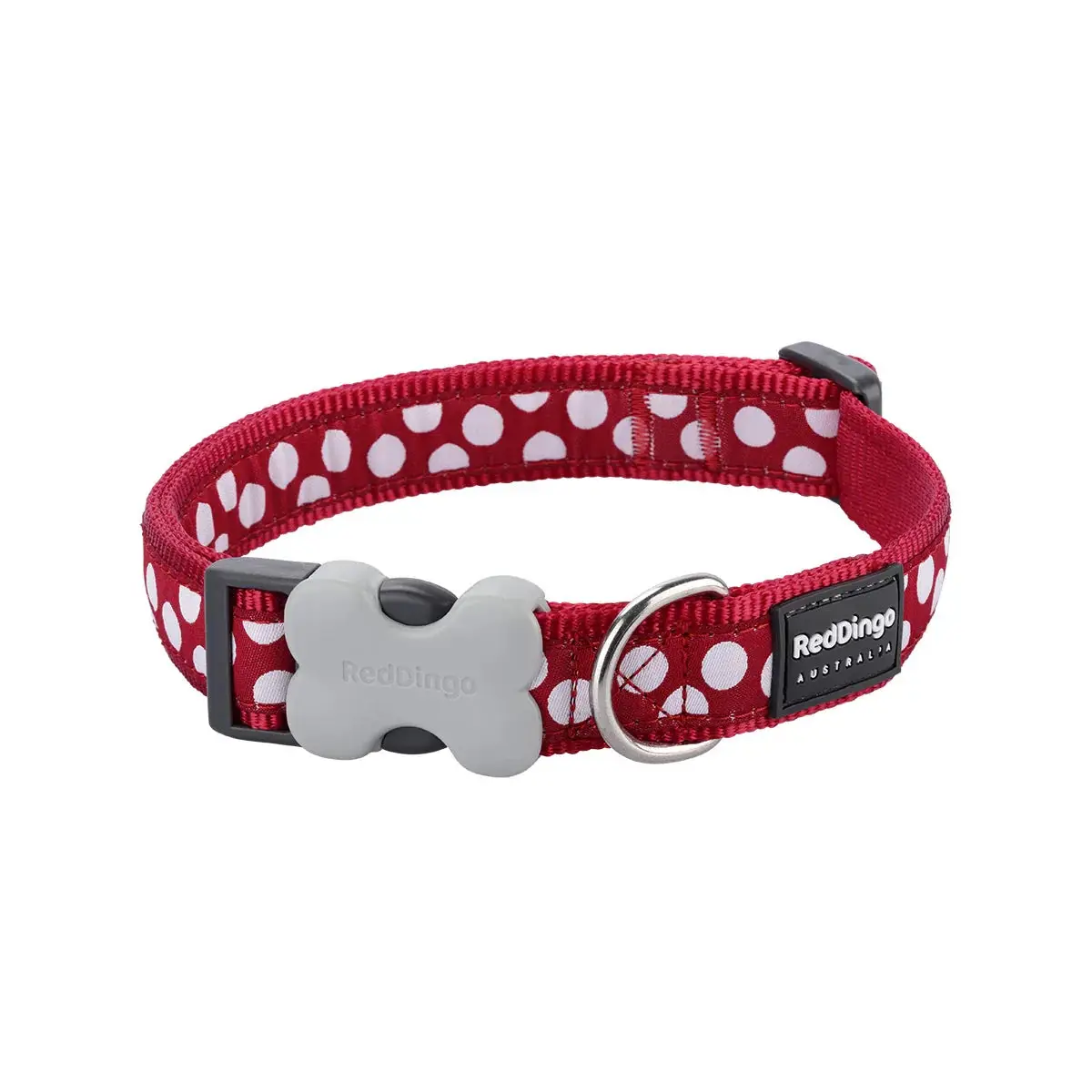
Red Dingo Design Dog Collar
Red Dingo Design Dog Collar in 28 designs, sizes XS to Large. Hard-wearing, comfortable and finished with solid hardware — and, like all Red Dingo gear, covered by their 5-year guarantee.
From£9.49
Common questions
- What width of collar suits a Shih Tzu?
- A narrower collar, typically around 10 to 15mm wide, tends to suit a small breed like a Shih Tzu better than a wide collar designed for a much larger dog, which can look and sit disproportionately on a small neck and coat.
- Should a Shih Tzu wear a harness instead of a collar?
- Many owners of small, short-muzzled breeds prefer a harness for walking, since it avoids pressure on the neck and throat, while still using a collar to carry an ID tag as required by law. Both can be used together rather than one replacing the other entirely.
- How often should I recheck my Shih Tzu's collar size?
- Recheck every few weeks while your dog is still a puppy, since growth can change neck size faster than expected, and recheck periodically as an adult too, particularly if their weight or coat thickness changes noticeably.
- Is a Shih Tzu's collar size affected by its coat?
- A full, thick coat can make a collar look and feel looser than it actually is against the skin, so it is worth checking the fit with a hand under the coat rather than judging by eye alone, especially for a dog with a longer, fuller coat style.
Related
Sources
Written against guidance published by UK veterinary and welfare organisations. Always confirm specifics with your own vet.
Written by Matt Garnett, who runs Giddy Pets and is a lifelong pet owner — not a vet. This is general information, not veterinary advice, and it cannot replace an examination by the vet who knows your animal. How we write these guides.