






What size crate for a Bichon Frise?
A fully grown Bichon Frise, typically 23 to 30cm at the shoulder and 3 to 6kg, generally fits a small crate in the 61 to 76cm length range. Breed averages are a starting point, not a substitute for measuring your own dog, because coat volume and individual size vary enough within the breed to matter.
How to measure your dog properly
Measure your dog standing naturally from the tip of the nose to the base of the tail, then add 4 to 6 inches to that figure for the crate's internal length. That extra allowance is what lets a dog stand up, turn around and lie flat with their legs stretched out, which is the actual test of whether a crate is the right size rather than looking roughly dog-sized.
Measure height from the floor to the top of the head while your dog is sitting up, and check that figure against the crate's internal height rather than its outer dimensions, since the frame and door hinges take up some of the box a manufacturer quotes.
You'll find our dog crates in the shop.
Why the Bichon's coat makes this trickier than the numbers suggest
The breed's dense, curly double coat adds visible bulk without adding much to the dog's actual body measurements underneath it, which can make a Bichon look like it needs a bigger crate than the tape measure says. Trust the measurement of the dog itself, not how large they look standing next to the crate in the shop.
A crate that is genuinely too large is not simply a waste of space, either: dogs are naturally reluctant to soil the area they sleep in, and an oversized crate gives them room to toilet at one end and stay clean at the other, which works against house-training a puppy.
Buying for a puppy versus an adult
A Bichon puppy will reach most of its adult size by around 8 to 10 months, so buying the small adult size from the start, with a divider panel to block off the extra space while they are still tiny, is usually more practical than buying a puppy-sized crate you will need to replace within the year.
If you do buy to adult size early, check the divider actually reaches the crate walls with no gap a puppy could squeeze around, since a partial divider defeats the point of using one.
The sizes we stock
Everything below is in stock with us, priced with delivery worked out, and packed and posted by hand in the UK.
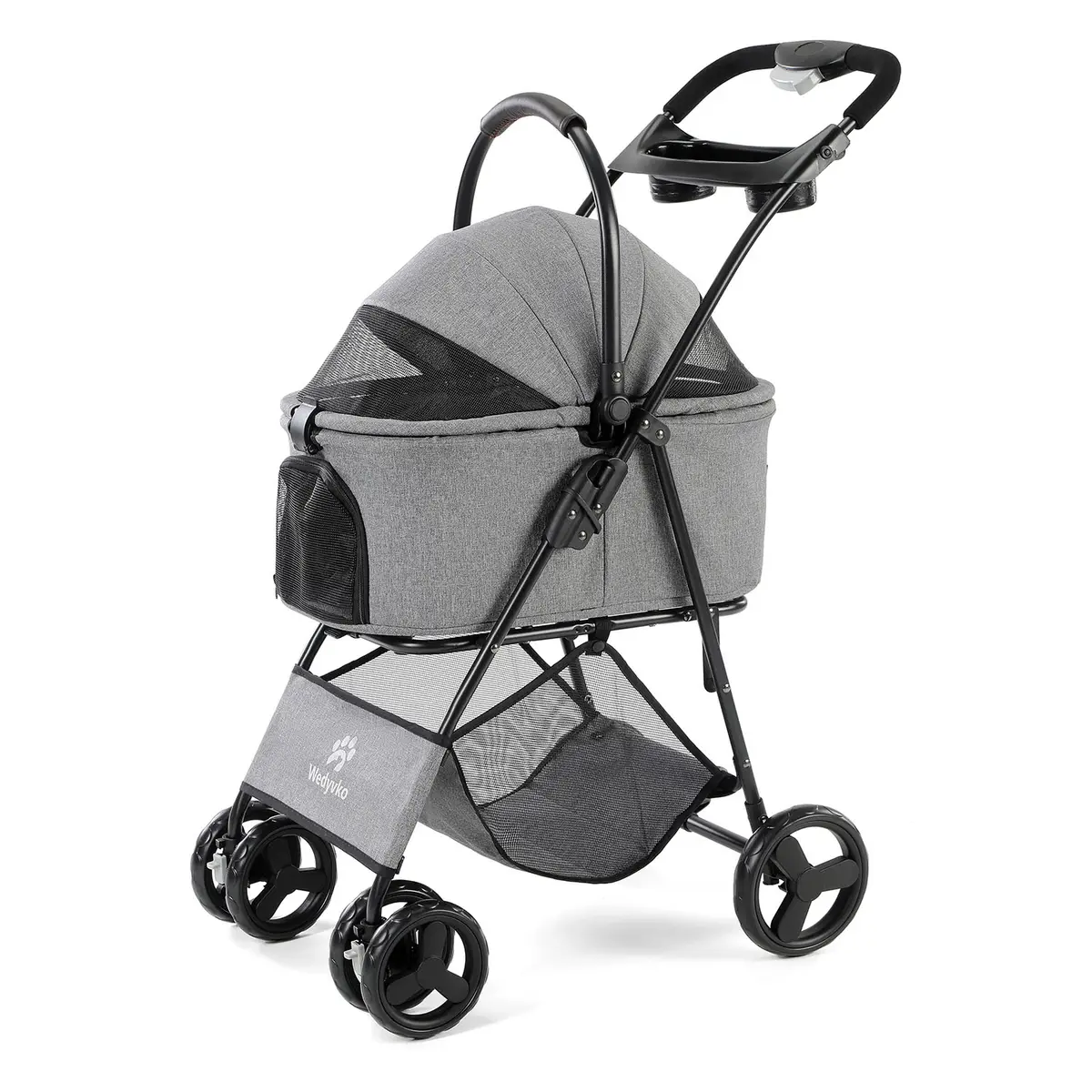
3-in-1 Folding Pet Stroller with Removable Carrier
A folding pet stroller whose carrier lifts out to use on its own, giving small, senior or recovering pets a wheeled ride to the vet and back home again.
£115.99
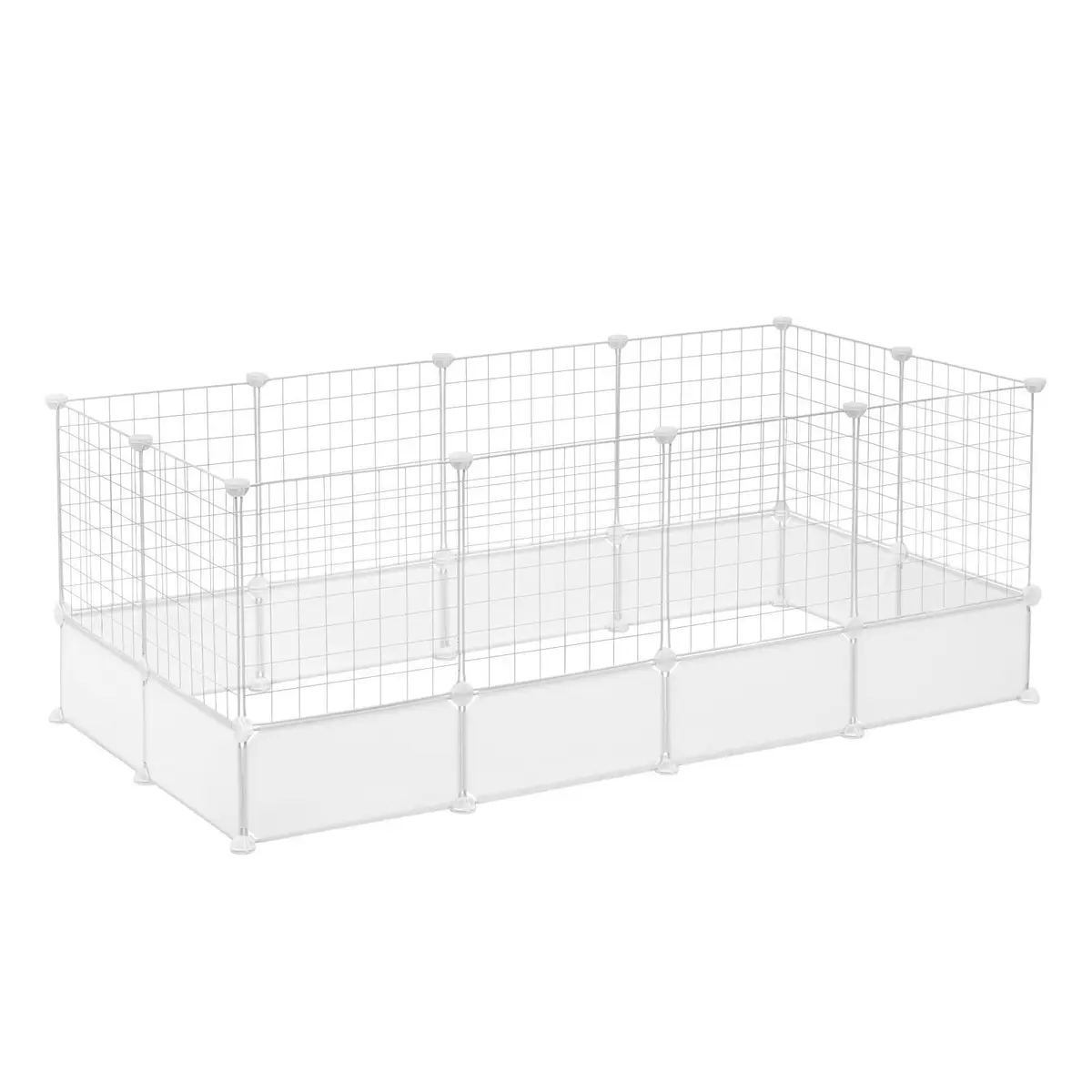
24-Panel Configurable Pet Playpen
Twenty-four interlocking panels that clip into whatever pen shape your room allows, then fold flat, suiting puppies, rabbits and guinea pigs indoors or in a supervised garden run.
£67.99
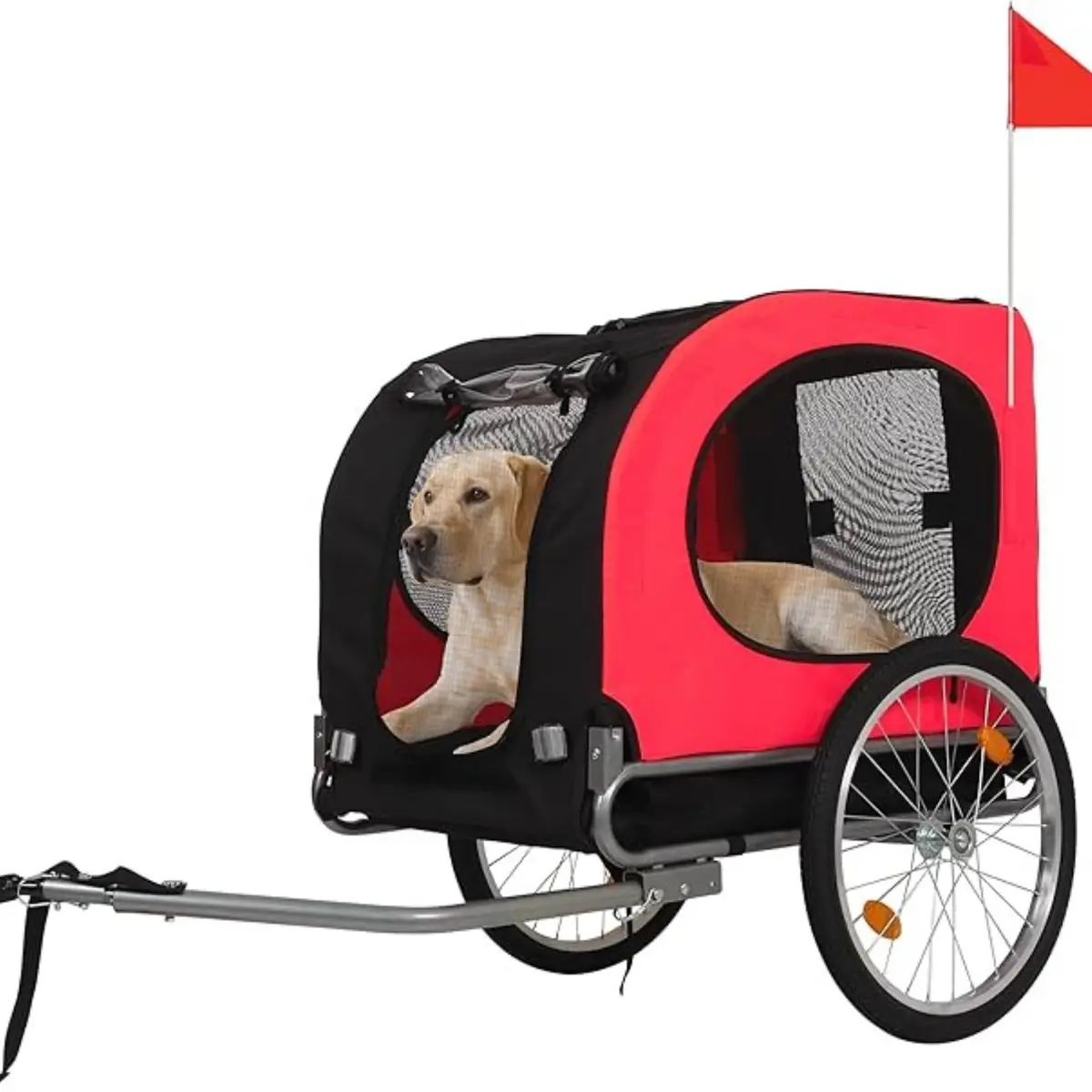
Dog Bike Trailer for Medium & Large Dogs
An enclosed bike trailer with a universal hitch that lets a medium or large dog travel out of the wind while you ride, or ride home when walking is too much.
£106.99
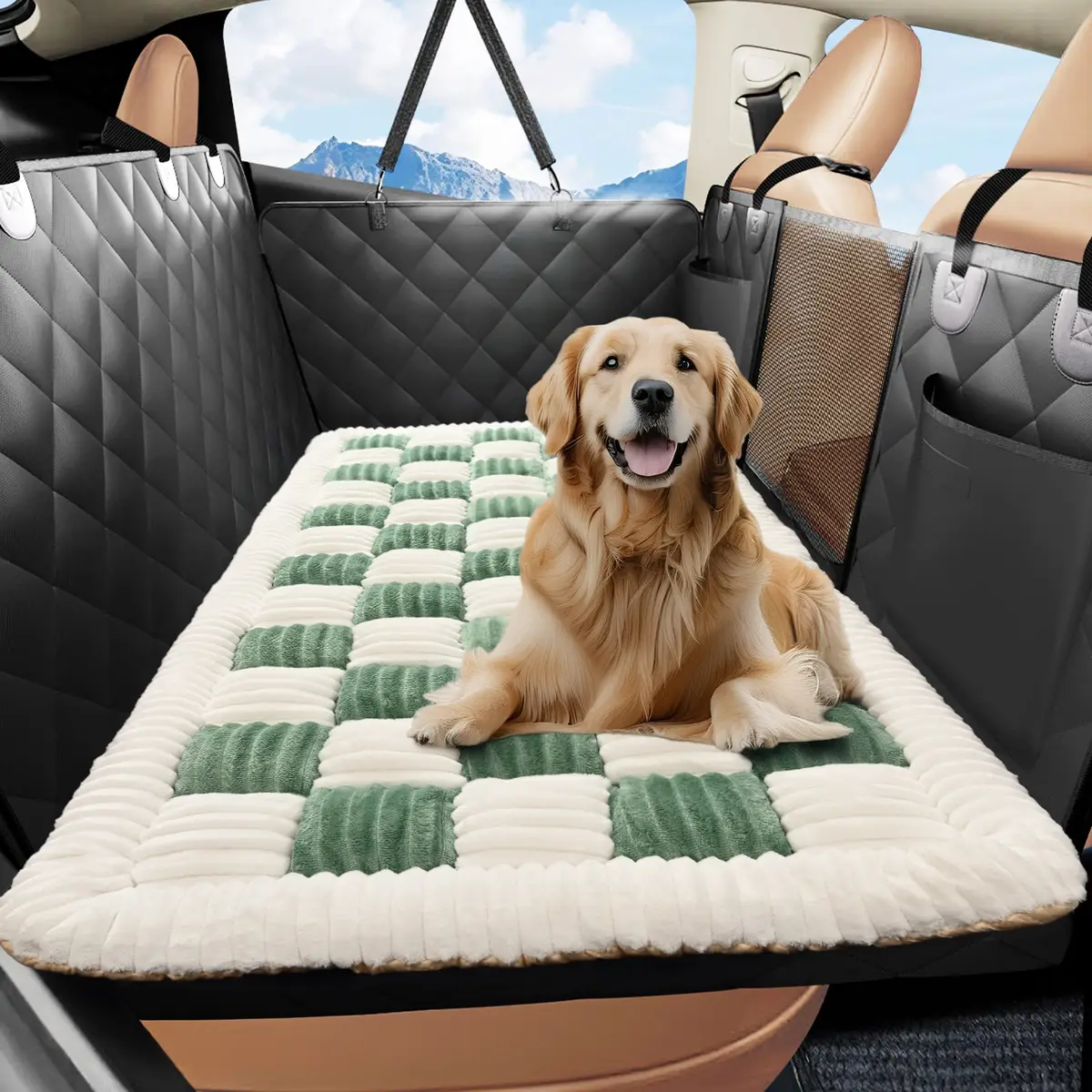
Plush Checkered Dog Car Back Seat Bed
A quilted checkered car bed that turns the back seat into one flat, cosy platform for your dog.
From£11.99
Common questions
- What crate size is recommended for a Bichon Frise puppy?
- The same small crate size an adult will need, roughly 61 to 76cm, fitted with a divider panel to reduce the usable space while your puppy is small. This avoids buying a separate puppy crate that gets outgrown within a matter of months.
- Can a Bichon Frise use a medium crate instead?
- It can, but a crate that is noticeably larger than needed removes the main benefit of den-style training, which relies on the space feeling snug and secure rather than roomy. A correctly measured small crate suits most adult Bichons better.
- How do I know if a crate is too small for my dog?
- Watch your dog inside it: they should be able to stand fully upright without their head or back touching the top, turn around completely, and lie stretched out on their side with room to spare. If any of those movements are cramped, size up.
- Should I measure my Bichon Frise before or after grooming?
- After a grooming trim is more accurate for everyday use, since a freshly clipped coat is closer to the dog's real body size than a fully grown-out one. If your dog is between grooms, measure gently through the coat rather than over the top of it.
Related
Sources
Written against guidance published by UK veterinary and welfare organisations. Always confirm specifics with your own vet.
Written by Matt Garnett, who runs Giddy Pets and is a lifelong pet owner — not a vet. This is general information, not veterinary advice, and it cannot replace an examination by the vet who knows your animal. How we write these guides.