






Plants Poisonous to Cats: UK House and Garden Guide
Lilies are the plant every cat owner needs to know about, but they are not the only risk. Here are the house plants, cut flowers, bulbs and garden plants UK cat charities warn about, the signs of poisoning and what to do.

The quick answer
Many common plants are poisonous to cats, and true lilies are the most dangerous: every part, including the pollen and the vase water, can cause fatal kidney damage. Dumb cane, sago palm, daffodil and tulip bulbs, azalea, foxglove, laburnum and yew are other frequent UK culprits. If your cat has eaten or licked any of them, phone your vet straight away without waiting for symptoms.
Shop the guide

Low-Shed Sisal Cat Scratching Post and Board with Replacement Pads
A low-shed sisal scratching post and a folding scratch board, sold alongside replacement pads so you can renew the worn surface rather than buying the whole thing again.
£31.99

Sisal Cat Scratching Post with Weighted Round Base, Two Sizes
A sisal-wrapped column on a round wooden chassis, 40cm tall on the small and 44cm on the large, with a base broad enough to stop the post walking across the floor.
From£21.99
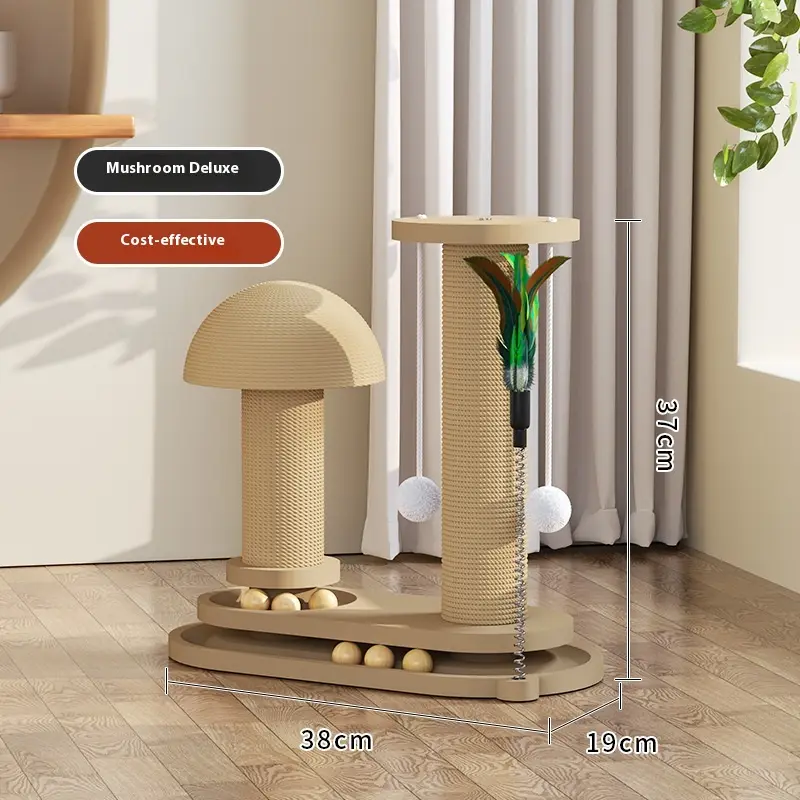
Solid Wood Cat Turntable Scratching Post, Nine Configurations
A turntable-based scratcher on a wooden plinth, offered in nine builds from a basic flower base to a raised oval with a mushroom top, for cats who get bored quickly.
From£19.99

Palm Tree Cat Tree With Sisal Post And Bowl Bed
A playful palm-tree cat tree with a sisal scratching trunk, dangling teaser pompoms and a clear space-capsule bowl bed below. Compact at around 44cm wide, it gives cats a spot to scratch, perch and snooze.
From£7.99
Many common plants are poisonous to cats, and lilies are the most dangerous of all: every part of a true lily, including the pollen and the water in the vase, can cause fatal kidney damage. Other frequent UK culprits include dumb cane, sago palm, daffodil and tulip bulbs, azalea, foxglove, laburnum and yew.
This guide groups the plants that UK cat charities and vets warn about, explains the signs to watch for, and sets out what to do. It is general information, not veterinary advice. If you think your cat has eaten or licked something harmful, phone your vet straight away.
Why lilies come first
If you remember only one plant from this page, make it the lily. International Cat Care and PDSA both describe true lilies (Lilium) as extremely dangerous to cats, and International Cat Care includes day lilies (Hemerocallis) in the same warning. That covers the kinds most often sold as cut flowers and garden plants: Asiatic, oriental and stargazer, tiger and Easter lilies.
What sets lilies apart from most poisonous plants:
- Every part is toxic. Petals, leaves, stem and pollen are all dangerous.
- Tiny amounts matter. International Cat Care says that less than a single leaf, part of a flower or some pollen can be enough to kill a cat. Drinking from a vase that holds cut lilies is a risk too.
- Your cat does not have to eat the plant. Cats Protection and PDSA both point out that a cat can brush past a bloom, pick up pollen on its coat and swallow it later while grooming.
- The damage is to the kidneys. Early signs such as drooling, vomiting, going off food and tiredness tend to show within a few hours. Kidney failure can follow over the next few days, and PDSA says that without prompt treatment it is often fatal.
- Pollen-free lilies are not a safe alternative. International Cat Care is clear that because the whole plant is toxic, a lily without pollen is still unsafe.
The advice from all three charities is the same: do not keep lilies in a home or garden shared with a cat, and check any bouquet before it comes indoors. PDSA says cats treated quickly generally do well, which is why a suspected lily exposure is always an emergency, even if your cat seems fine.
Plants that are lilies in name only
Peace lily, lily of the valley and calla (arum) lily are not true lilies. International Cat Care notes that they may have different toxic effects, and PDSA describes peace lilies as slightly less dangerous than true lilies but still toxic. PDSA also lists lily of the valley among its plants to avoid. Treat all three as unsafe, and tell your vet exactly which plant was involved.
House plants that are poisonous to cats
International Cat Care says the cats most likely to chew house plants are kittens, young inquisitive cats and bored cats. Indoor-only cats need a home with no hazardous plants at all, partly because a cat with no access to grass may turn to whatever is growing on the windowsill. Tender house plants are also more likely to be eaten than woody garden shrubs.
House plants named as harmful by PDSA, Cats Protection or International Cat Care include:
- Dumb cane (Dieffenbachia), singled out by International Cat Care alongside lilies as especially dangerous
- Sago palm and other cycads, which Cats Protection describes as lethal and advises against keeping indoors or out
- Peace lily
- Dracaena and cordyline
- Philodendron and cheese plant (Monstera)
- Aloe vera
- Ivy
- Yucca
- Ficus
- Amaryllis
- Poinsettia
Amaryllis, poinsettia and mistletoe tend to arrive in December. Our guide to Christmas plants that are poisonous to pets covers the festive ones in more detail.
Some plants do harm without being swallowed. International Cat Care notes that sap from damaged stems, and contact with certain leaves, can irritate the skin, mouth and eyes, causing itching, blistering or sneezing.
Cut flowers and bouquets
Lilies are common in bouquets and arrangements, and the person sending them may have no idea of the risk. Before you put flowers in water, check them for:
- Lilies of any kind. Take them out before the bouquet comes indoors, as PDSA advises.
- Daffodils. Cats Protection says the flower heads and leaves can make a cat ill, and the bulbs are extremely toxic.
- Tulips, which Cats Protection lists as harmful if eaten.
- Peonies, also on the Cats Protection list.
- Chrysanthemums, which PDSA includes among its autumn plants to avoid.
Vase water deserves a thought as well. Water that has held lilies is dangerous. Cats Protection adds that the sachets of flower food supplied with bouquets are not very toxic but may cause a mild stomach upset, so they are best left out if your cat can reach the vase. The RSPCA suggests picking up dropped leaves and petals from any house plant or arrangement.
If you are sending flowers to someone with a cat, Cats Protection names roses, freesias and snapdragons as cat-friendly choices.
Garden plants and bulbs
A cat that goes outdoors will pass through several gardens, so you cannot remove every risk. International Cat Care's view is that most harmful plants taste unpleasant, and that cats with free outdoor access usually have other things to occupy them. The realistic aims are to take the worst offenders out of your own garden, know what grows next door, and be careful with bulbs and clippings.
Bulbs
International Cat Care notes that bulbs, roots and rhizomes can be the most hazardous part of a plant. Keep these out of reach when planting or storing them:
- Daffodil
- Tulip
- Hyacinth
- Crocus and autumn crocus
- Snowdrop
- Amaryllis
Shrubs, trees and climbers
- Azalea and rhododendron
- Yew
- Laburnum
- Oleander
- Hydrangea
- Cherry laurel and other laurels
- Cotoneaster
- Heavenly bamboo
- Holly and mistletoe, especially the berries
- Ivy
Borders and the vegetable patch
- Foxglove
- Lily of the valley
- Larkspur
- Nightshade. International Cat Care says a small amount of deadly nightshade can be life-threatening.
- Ragwort
- Geranium
- Rhubarb leaves, raw or cooked
- Tomato leaves and unripe fruit
- Potato leaves, and green or sprouting potatoes
- Onions and garlic
PDSA lists all of these as plants to avoid around pets, and places autumn crocus, azalea, daffodil and yew among those that can cause more serious illness. Onions and garlic are a kitchen hazard too, which we cover in foods poisonous to cats.
Two habits help. Clear away hedge trimmings and uprooted plants promptly, because International Cat Care warns that garden waste left lying about can encourage chewing. And read plant labels: International Cat Care explains that garden centres following the Horticultural Trades Association code often label plants that are harmful or toxic if eaten.
If you share your home with a dog as well, many of the same plants apply. See plants and foods poisonous to dogs.
Signs of plant poisoning in cats
Signs vary with the plant and the amount, and they are easy to mistake for other illnesses. Drawing on the lists from Cats Protection, PDSA and International Cat Care, they can include:
- Drooling or dribbling
- Vomiting or diarrhoea
- Eating less, or refusing food
- Low energy, weakness or unusual quietness
- Drinking and weeing more than usual
- Redness, swelling or blistering around the mouth, or on the skin
- Twitching, tremors or fits
- Difficulty breathing
- Collapse
Not every cat shows signs straight away. With lilies in particular, kidney failure can take a few days to develop, so a lack of obvious symptoms is never a reason to wait.
What to do if your cat has eaten a poisonous plant
1. Move your cat away from the plant and stay calm. 2. Phone your vet immediately. Do not wait for symptoms. Cats Protection, PDSA and the RSPCA all give this advice. 3. Have the details ready: the name of the plant if you know it, roughly how much may have been eaten, when it happened and any signs you have seen. Keep the plant label, or take a piece of the plant with you. Cats Protection suggests taking a sample of any vomit too. 4. Do not try to make your cat sick. The RSPCA says only a vet should do this, and warns never to use salt water. Do not give any medicine or home remedy either. 5. Mention pollen or sap on the coat. Tell the vet if you can see any, so they can advise on getting it off safely.
If you cannot reach a vet quickly, Animal PoisonLine is a 24-hour UK telephone service for owners who are worried their pet has been exposed to something poisonous. It is run by the Veterinary Poisons Information Service. At the time of writing its website gives the number as 01202 509 000, with a charge of £35 per call between 8am and 8pm on weekdays and £45 at all other times. Check the site for current fees before you ring.
Our guide on what to do if your pet is poisoned goes through these steps in more detail.
Plants generally considered safe for cats
You do not have to give up greenery. Cats Protection publishes a list of cat-friendly plants, which includes:
- House plants: spider plant, parlour palm, prayer plants, orchids, peperomia, Christmas cactus, maidenhair fern, sword fern and string of hearts
- Cut flowers: roses, freesias and snapdragons
- Garden plants: sunflowers, nasturtium, hollyhock, buddleia, gerbera, petunias, zinnia and nemesia
- Herbs: basil, coriander and thyme
Cats Protection also recommends a pot of cat grass indoors, which gives a cat something acceptable to chew.
Safe does not mean a cat can eat unlimited amounts. International Cat Care points out that any plant material, even grass, can irritate the stomach and cause vomiting. Grass or plants treated with weedkiller or pesticide are a separate hazard, as Cats Protection notes.
For food rather than plants, our free Can my pet eat this? checker covers common human foods. It does not cover plants, so for those rely on the lists above and your vet.
Sources
- Cats Protection – Dangerous plants for cats
- International Cat Care – Poisonous plants
- International Cat Care – Lily poisoning in cats
- PDSA – Which plants are poisonous to pets?
- PDSA – Lily poisoning in cats
- RSPCA – Poisoning in cats
- Animal PoisonLine – 24-hour poisons advice for pet owners (Veterinary Poisons Information Service)
Common questions
My cat only got lily pollen on its fur. Is that really an emergency?
Yes. PDSA and Cats Protection both describe pollen on the coat as a common way cats are poisoned, because the cat swallows it while grooming. International Cat Care says even a small amount of pollen can cause kidney failure. Ring your vet at once, say that lily pollen is involved and follow their instructions. Do not wait to see whether your cat becomes unwell, because early treatment gives the best chance of recovery.
Are peace lilies poisonous to cats?
Peace lilies (Spathiphyllum) are not true lilies, so they are not in the group that International Cat Care links to kidney failure. They are still on PDSA's list of poisonous house plants, and PDSA describes them as slightly less dangerous than true lilies but toxic all the same. It is sensible to keep them out of a home with a cat, and to call your vet if yours chews one.
Which house plants are safe to have with a cat?
Cats Protection lists several house plants as cat-friendly, including spider plants, parlour palms, prayer plants such as calathea and maranta, orchids, peperomia, Christmas cactus, maidenhair and sword ferns, and string of hearts. Even these can cause a mild stomach upset if a cat eats a lot of leaf, so offer a pot of cat grass as well. If you are unsure about a particular plant, check it before buying.
How quickly do signs of plant poisoning show in cats?
It depends on the plant. For lilies, International Cat Care says signs such as drooling, vomiting, loss of appetite and lethargy usually appear within one to six hours, while PDSA notes that kidney failure can take a few days to develop. Because serious damage can lag behind the first signs, vets and charities advise contacting a vet as soon as you suspect your cat has eaten a harmful plant.
Should I make my cat sick if it has eaten a poisonous plant?
No. The RSPCA, Cats Protection and International Cat Care all advise against trying to make a cat vomit at home, and the RSPCA specifically warns never to use salt water. Do not give human medicines or home remedies either. Move your cat away from the plant, phone your vet straight away, and have the plant name or label ready along with the time it happened.
Are daffodils and tulips poisonous to cats?
Both are on the lists of harmful plants from Cats Protection and PDSA. Cats Protection says daffodil bulbs are extremely toxic if eaten, and that the flower heads and leaves can also make a cat ill, with stomach upset and vomiting among the effects. Tulips can be harmful if eaten too. Store bulbs where your cat cannot reach them, and keep spring bouquets out of the way.
About the author
Matt Garnett — founder, Giddy Pets
Matt started Giddy Pets to make getting pets the good stuff simpler and fairer. Everything in these guides comes from real life with pets and a lot of trial and error — it's practical guidance, not veterinary advice. If a guide gets something wrong, tell him directly.
Advice & planning
Free tools & more guides
Practical calculators and trusted guides relevant to this product.
Read next

What to Do If Your Pet Has Been Poisoned: UK Emergency Guide
Foods Poisonous to Cats (and the Safe Human Foods You Can Share)

Christmas Plants and Pets: Poinsettia, Holly, Mistletoe and Lilies
Poinsettia has a far worse reputation than it deserves. Lilies, which nobody warns you about, can kill a cat.

Plants and foods that are poisonous to dogs
A sourced, room-by-room guide to the foods, garden plants and houseplants that are dangerous for dogs, with symptoms and what to do