


Do Cats Get Cold? Winter Warmth for Indoor and Outdoor Cats
Cats hide discomfort well, so the signs are behavioural rather than obvious. What to watch for, and what actually helps.

The quick answer
Yes. Cats are comfortable down to roughly 10–15°C; below that most start seeking heat, and below about 7°C outdoor cats are at real risk. Kittens, elderly cats, thin or short-haired cats and those with arthritis or kidney disease feel it soonest. The signs are behavioural — curling tightly, seeking radiators, reluctance to go out — rather than obvious shivering.
Cats are better at hiding discomfort than dogs, and they do not complain. So the question is less "is my cat cold" and more "what is my cat doing differently".
The signs, which are mostly behavioural
- Curling up very tightly, nose tucked under the tail, rather than sprawling
- Seeking heat sources — radiators, laptops, the airing cupboard, on top of you
- Reluctance to go outside, or asking to come straight back in
- Sleeping more, and in different places from usual
- Cold ear tips, paws and tail tip to the touch
- Shivering, which in a cat is a late sign rather than an early one
Cats are generally comfortable between about 15 and 25°C. Below roughly 10°C most will start actively seeking warmth.
Which cats feel it most
Kittens — poor temperature regulation and a high surface-area-to-body-weight ratio. Elderly cats, especially with arthritis, which cold stiffens noticeably. Thin, short-haired or hairless breeds — Siamese, Devon Rex, Sphynx. Cats with kidney disease or hyperthyroidism, which are common in older cats and both affect condition and body fat. Cats recovering from illness or surgery.
A thick-coated Norwegian Forest cat in a centrally heated house is not the one to worry about.
Indoor cats: what actually helps
- A bed up off the floor. Cold air pools at floor level; a raised or windowsill bed is warmer than the same bed on tiles. - A covered or hooded bed. Cave and igloo beds trap body heat and suit cats' preference for enclosed spaces anyway. - A radiator bed. Genuinely effective, and cats find them without being shown. - Somewhere sunny. Cats will follow a sunbeam around a room all day; do not block it. - Check draughts at cat height, particularly by cat flaps.
Avoid microwaveable heat pads left unattended and never use a human electric blanket for a cat.
Outdoor and semi-feral cats
Below about 7°C, outdoor cats need somewhere genuinely sheltered — dry, out of the wind, raised off the ground and small enough that their body heat warms it. A big open shed does not work; a small insulated box does.
Two winter risks worth knowing:
Antifreeze. Ethylene glycol tastes sweet, cats will drink it, and even a very small amount causes fatal kidney failure. It is one of the most common serious cat poisonings of the winter. Clear spills immediately and store it sealed. If you suspect any exposure, this is an emergency — treatment within hours is what determines the outcome.
Cats sleeping in car engine bays. Bang the bonnet before starting the car in cold weather.
And the thing people ask about jumpers
Most cats will not tolerate clothing, and a cat that is stressed by a jumper is worse off than a cold cat with a warm bed. Warmth for cats is almost always better solved with environment than with garments — the opposite of the answer for a thin-coated dog.
Building an outdoor cat shelter that works
If you feed a stray, or your cat insists on being out, the principles are the same and the mistakes are consistent:
- Small is warm. A shelter should be just big enough for the cat to turn around in. A large box cannot be warmed by one cat's body heat. - Raise it off the ground on bricks or a pallet. Cold and damp come up from below. - Two openings, or one opening with a baffle, so a cat is never cornered. - Face the entrance away from prevailing wind, and make it small — cat-sized, not fox-sized. - Insulate with straw, not hay, blankets or towels. This is the one people get wrong. Straw repels moisture and traps air; hay absorbs damp and rots; blankets and towels absorb moisture and then freeze, which is worse than nothing. - Waterproof roof with an overhang.
Winter water
Outdoor water bowls freeze, and a cat that cannot drink is a bigger problem than a cat that is cold. Use a deep, dark plastic bowl rather than metal, place it in sun if there is any, and check it twice a day. Never add anything to stop it freezing.
Arthritis and the cold
Cold weather makes arthritic joints noticeably stiffer, and arthritis in cats is badly under-diagnosed — it is much more common than most owners realise in cats over about ten.
The signs are subtle: no longer jumping onto surfaces they used to, hesitating before jumping down, sleeping somewhere lower or more accessible, a scruffier coat because grooming has become uncomfortable, and reluctance to use a high-sided litter tray.
If that describes your cat this winter, it is worth a vet appointment rather than putting it down to age. There is a lot that can be done. Practically, a low-sided tray, steps up to a favourite perch and a warm bed at floor level all help.
Kittens and elderly cats in winter
Both lose heat much faster than a healthy adult. Kittens under about eight weeks cannot regulate their temperature well at all. For either, keep them indoors in genuinely cold weather rather than managing it with bedding.
*This guide is general information, not veterinary advice. Suspected antifreeze exposure is an emergency — ring your vet immediately.*
Sources
Common questions
What temperature is too cold for a cat?
Most cats are comfortable between about 15 and 25°C and start seeking heat below roughly 10°C. Below about 7°C outdoor cats are at real risk and need genuinely insulated shelter. Kittens, elderly, thin and unwell cats feel it sooner.
How can I tell if my cat is cold?
Look for behaviour rather than shivering, which is a late sign. Curling very tightly with the nose tucked in, seeking radiators or laptops, reluctance to go outside, sleeping more and in new places, and cold ear tips and paws.
Do indoor cats need extra warmth in winter?
Often yes, particularly older, thin or short-haired cats. A bed raised off the floor, a covered or igloo bed that traps body heat, and a radiator bed all help — cold air pools at floor level, so the same bed is warmer higher up.
Should I put a jumper on my cat in winter?
Usually not. Most cats will not tolerate clothing, and the stress outweighs the benefit. Warmth for cats is better solved through the environment — a warm covered bed, no draughts and access to sun — than through garments.
What is the best insulation for an outdoor cat shelter?
Straw. It repels moisture and traps warm air. Hay absorbs damp and rots, and blankets or towels absorb moisture and then freeze, which is worse than no bedding at all.
How big should an outdoor cat shelter be?
Just big enough for the cat to turn around in. A small shelter is warmed by the cat’s own body heat; a large one never warms up. Raise it off the ground and keep the entrance small and facing away from the wind.
Does cold weather make cat arthritis worse?
Yes, noticeably — and arthritis is badly under-diagnosed in cats. Watch for no longer jumping up, hesitating to jump down, a scruffier coat from reduced grooming, and avoiding a high-sided litter tray. It is worth a vet visit rather than assuming it is just age.
About the author
Matt Garnett — founder, Giddy Pets
Matt started Giddy Pets to make getting pets the good stuff simpler and fairer. Everything in these guides comes from real life with pets and a lot of trial and error — it's practical guidance, not veterinary advice. If a guide gets something wrong, tell him directly.
Advice & planning
Free tools & more guides
Practical calculators and trusted guides relevant to this product.
Read next

Cats and Christmas Trees: How to Keep Both Standing
Why cats cannot leave a Christmas tree alone, which decorations are genuinely dangerous, and what actually works to stop them climbing it.
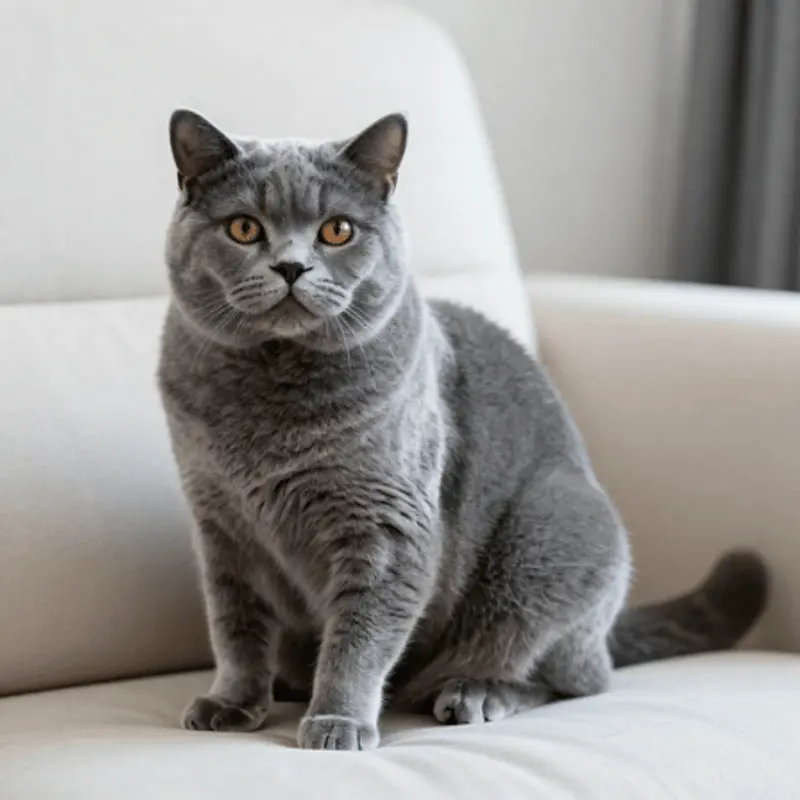
Outdoor Cat Shelter for Winter: What Actually Works
Small, raised, straw-filled and facing away from the wind. The common mistakes make a shelter colder than no shelter at all.

Muddy Paws After Winter Walks: The Five-Minute Routine
Washing and drying properly after a muddy walk prevents sore paws, saves the house, and is the one precaution recommended against Alabama rot.

Common myths about dogs and winter weather
Vet-backed myth-busting on dogs and cold weather, from fur coats and fleas to salt, exercise and hypothermia