
Are Bernese Mountain Dogs Good Family Dogs?
Bernese Mountain Dogs are gentle, calm, affectionate giants and one of the best big family breeds — if you have the space and budget for a huge dog.
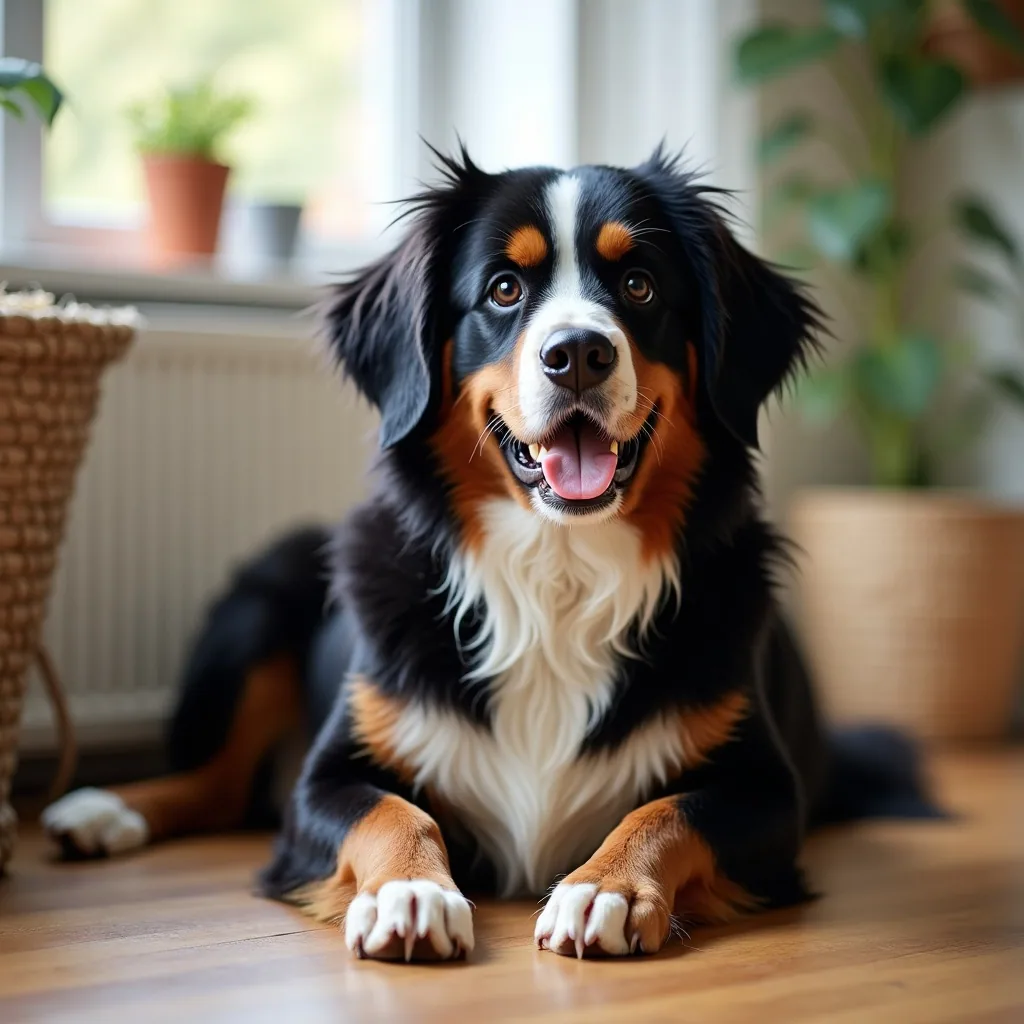
The quick answer
Yes — Bernese are gentle, calm, affectionate giants and one of the most family-friendly large breeds. They're typically patient and good with children and other pets.
Few breeds wear the 'gentle giant' label as comfortably as the Bernese Mountain Dog. Calm, affectionate and famously good-natured, the Berner is one of the most family-friendly large breeds you can choose. But 'good with families' doesn't mean 'easy for everyone' — a dog this size brings real practical considerations. Here's an honest look at what Bernese Mountain Dogs are like to live with, whether they suit children, and the things to weigh before bringing one home.
What Bernese Mountain Dogs are like
Bernese are gentle, steady, affectionate dogs that bond deeply with their families. They're typically calm and even-tempered indoors — happy to potter about and be near you rather than bounce off the walls — yet cheerful and playful when invited. They tend to be sociable and friendly rather than sharp or guarding, often greeting visitors as potential new friends. They're sensitive souls, too, thriving on company and affection and disliking being left alone for long stretches. A Berner wants to be with its people; this is not a dog to leave in the garden or shut away from family life.
Are Bernese good with children?
Generally, yes — Bernese are one of the better large breeds with children. They're typically patient, tolerant and gentle, and many are wonderfully sweet with the kids they grow up alongside. The main caveat is size and weight. An adult Berner is a large, heavy dog, and a happy one can knock a toddler flat with a swing of its body or an enthusiastic greeting without any ill intent. As with any dog, supervise interactions between dogs and young children, teach children to be calm and gentle, and give your dog a quiet space to retreat to. Their patience is a gift, not a licence to leave them unsupervised with small children.
Are Bernese good with other pets?
Bernese are generally sociable and tend to get on well with other dogs and, with sensible introductions, cats and other pets — especially when raised alongside them. Their easy-going temperament makes them one of the more multi-pet-friendly large breeds. As always, early socialisation and calm, gradual introductions set everyone up for success.
The size considerations
This is where prospective owners need to be realistic. A Bernese is a large-to-giant dog: males commonly reach 38–50kg. That has knock-on effects across your whole life:
- Space — they need room indoors and ideally a decent garden. A big dog in a small flat is hard on everyone.
- The car — you'll need a vehicle that comfortably and safely carries a giant dog.
- Strength — even a gentle Berner is strong, so lead training and recall matter; a dog this size pulling is no joke.
- Cost — everything scales up, from food and bedding to insurance and vet bills (see our UK cost guide).
- Shedding — that glorious double coat sheds heavily; regular grooming and a tolerance for dog hair are part of the deal.
Temperament and training
Bernese are intelligent and genuinely eager to please, which makes them rewarding to train — provided you use calm, kind, reward-based methods. They're sensitive and can be a little soft, so harsh corrections backfire; patience and consistency get the best from them. They can be slow to mature, staying puppyish in body and mind for a couple of years, so keep training gentle and fun. Early, positive socialisation — meeting people, dogs, places and everyday sights as a pup — helps them grow into the confident, easy-going adults the breed is known for. A few enrichment toys help keep that bright mind busy on quiet days.
Who suits a Bernese Mountain Dog?
Bernese suit families and individuals who have the space, budget and time for a giant dog and who want a gentle, affectionate companion to share daily life. They're a fine choice for fairly active families who enjoy moderate walks but don't need a tireless athlete. They're less suited to people out of the house all day, to very small homes, or to anyone not prepared for the shedding, the cost, and — most importantly — the breed's sadly short lifespan. If you can offer a Berner a loving, involved home, you'll be rewarded with one of the gentlest, most devoted companions in the dog world.
*This is general guidance, not a substitute for advice from your vet, who can assess your individual dog.*
Sources
- RVC VetCompass — UK dog health and longevity research (rvc.ac.uk/vetcompass).
- UK Kennel Club & BVA — breed standards and temperament guidance (thekennelclub.org.uk).
- PDSA — dog behaviour and breed care (pdsa.org.uk).
- Blue Cross — dogs and families (bluecross.org.uk).
Common questions
Are Bernese Mountain Dogs good family dogs?
Yes — Bernese are gentle, calm, affectionate giants and one of the most family-friendly large breeds. They're typically patient and good with children and other pets. The main considerations are their size and weight: a happy Berner can knock over a toddler without meaning to, so supervise young children, and you'll need plenty of space, a big car and the budget for a large dog.
Are Bernese Mountain Dogs good with children?
Generally yes — Bernese are one of the better large breeds with children, typically patient, tolerant and gentle. The key caveat is their size: a happy Berner can knock a toddler over by accident. Always supervise dogs around young children, teach children to be calm and gentle, and give your dog a quiet space to retreat to.
Do Bernese Mountain Dogs get on with other pets?
Generally yes. Bernese are easy-going and sociable, tending to get on well with other dogs and, with sensible introductions, cats and other pets — especially when raised alongside them. Their gentle temperament makes them one of the more multi-pet-friendly large breeds, helped by early socialisation and calm, gradual introductions.
About the author
Matt Garnett — founder, Giddy Pets
Matt started Giddy Pets to make getting pets the good stuff simpler and fairer. Everything in these guides comes from real life with pets and a lot of trial and error — it's practical guidance, not veterinary advice. If a guide gets something wrong, tell him directly.
Free tools & more guides
Read next
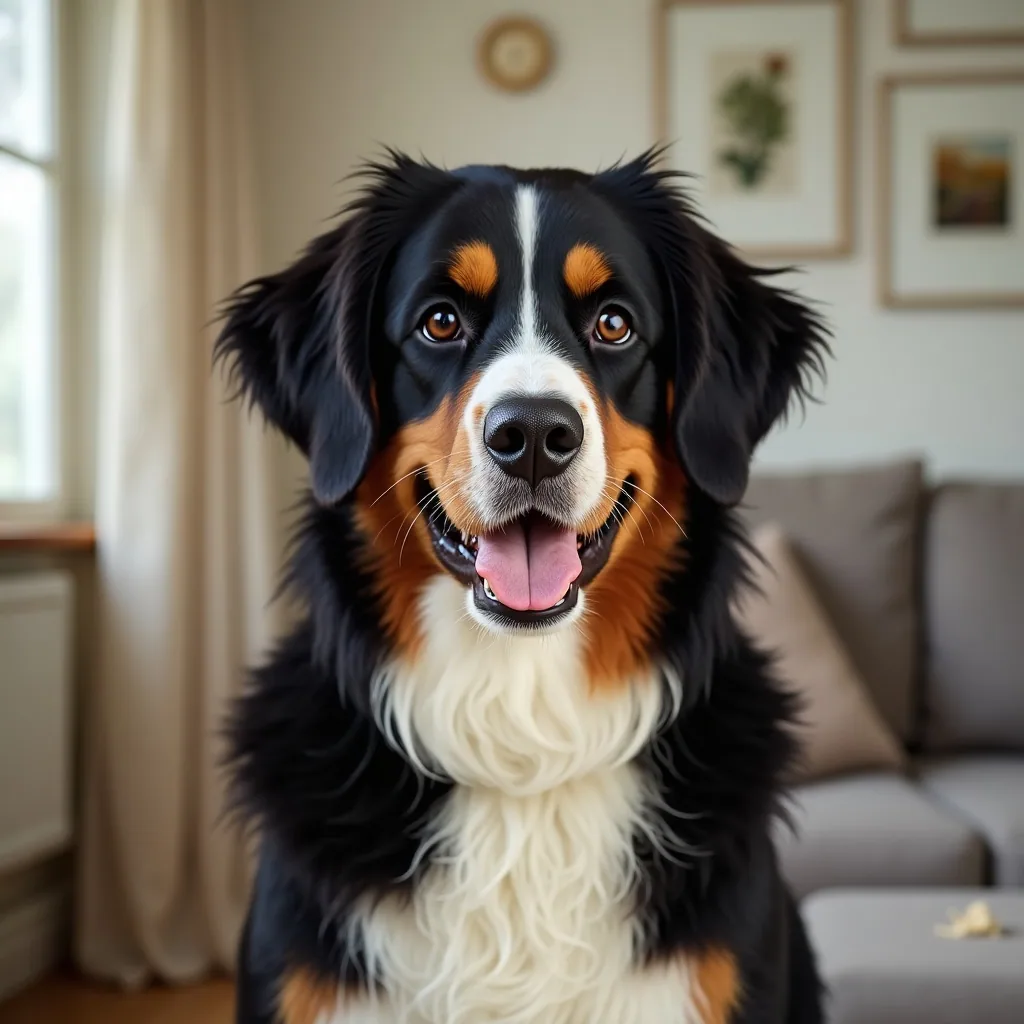
How Long Do Bernese Mountain Dogs Live? Lifespan & Health
Bernese Mountain Dogs sadly live only around 7–10 years. The cancer, joint and bloat risks behind that short lifespan — and how to help yours live well.
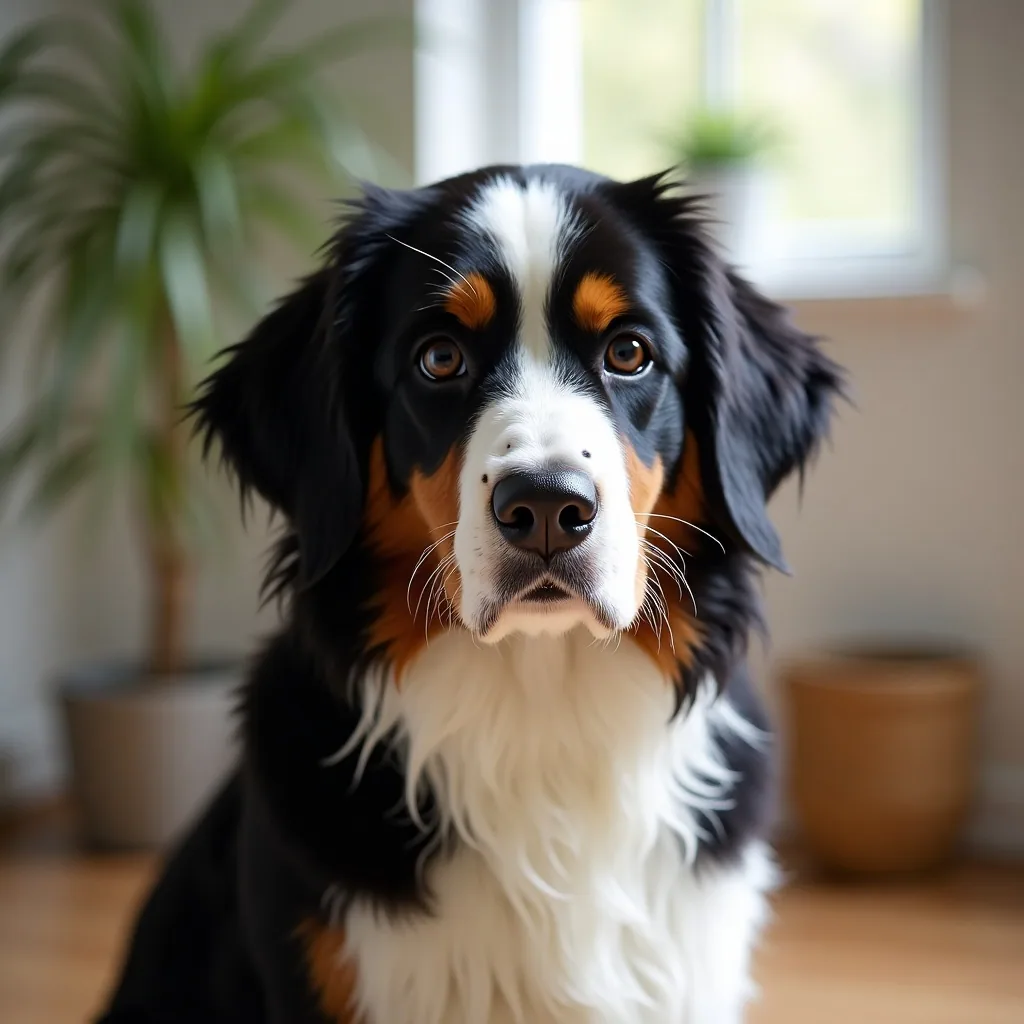
Bernese Mountain Dog Grooming & Shedding Guide
Bernese Mountain Dogs have a thick double coat that sheds heavily. How to brush, manage moulting, prevent matting, and protect them from summer heat.
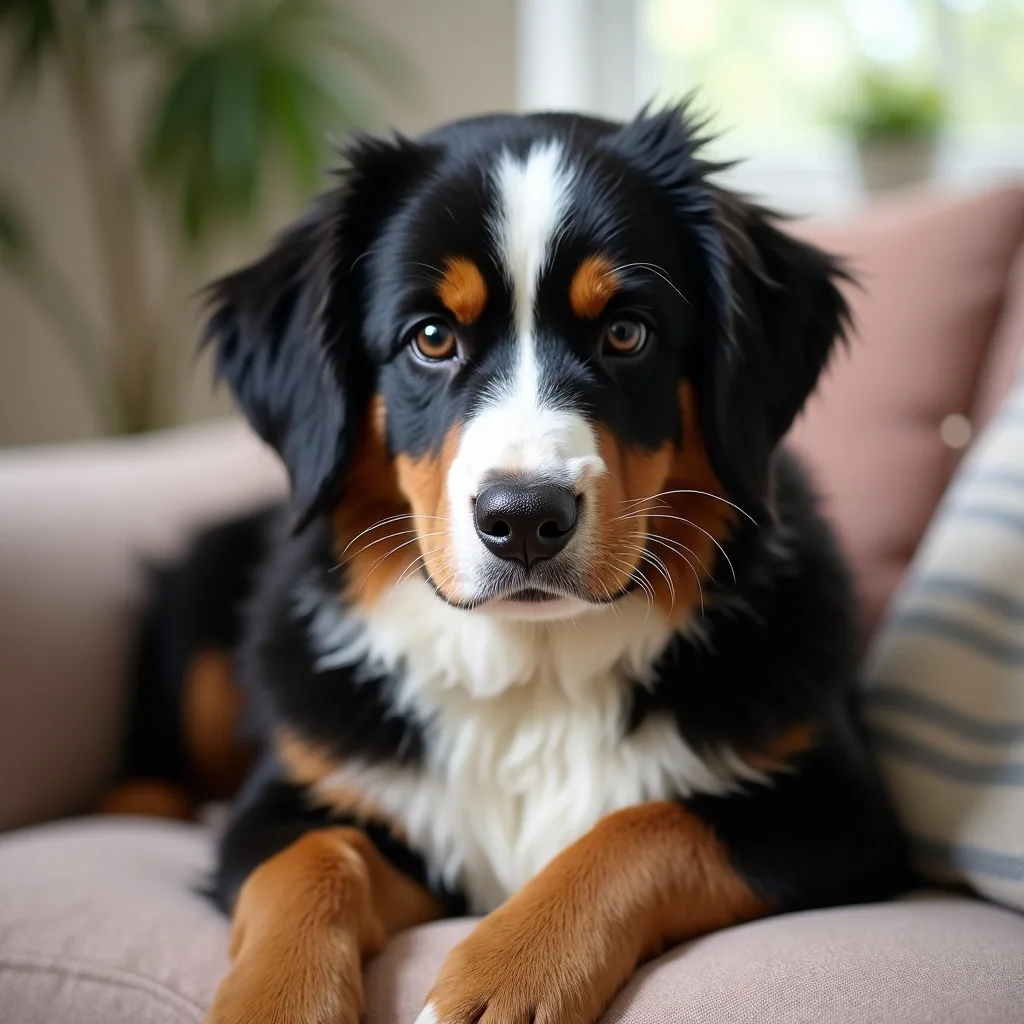
Cost of Owning a Bernese Mountain Dog in the UK
What a Bernese Mountain Dog really costs in the UK — purchase price, big-dog food bills, grooming, vet care and the high insurance premiums for the breed.

Best guard dog breeds for family protection
A balanced, UK-focused look at breeds known for protective instincts, and what training and socialisation they really need to be safe family dogs