
Bernese Mountain Dog Grooming & Shedding Guide
Bernese Mountain Dogs have a thick double coat that sheds heavily. How to brush, manage moulting, prevent matting, and protect them from summer heat.
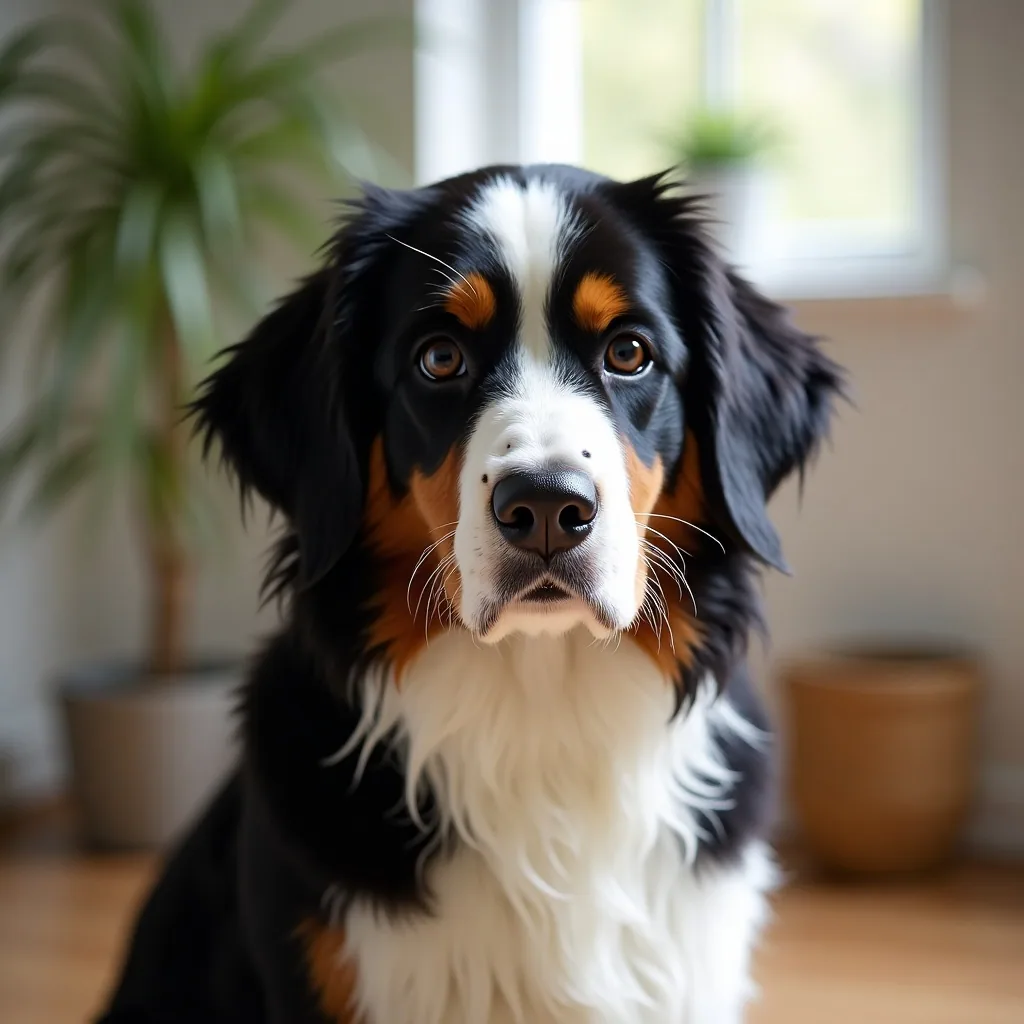
The quick answer
Yes — heavily. Bernese have a thick, long double coat that sheds year-round and 'blows' dramatically twice a year. Expect to brush several times a week, daily during a moult, to manage loose hair and prevent matting behind the ears and on the legs and tail.
That glorious tricolour coat is a big part of the Bernese Mountain Dog's appeal — but it comes with commitment. Bernese have a thick, long double coat that sheds generously all year and dramatically twice a year, and it needs regular care to stay healthy and mat-free. Get the routine right and grooming becomes a pleasure and a valuable health check; neglect it and you'll battle matts, loose hair and skin problems. Here's how to groom a Bernese Mountain Dog and keep that coat — and your dog — in great shape.
Understanding the Bernese coat
The Bernese has a double coat: a longer, slightly wavy or straight topcoat over a softer, dense undercoat. The undercoat is the insulating layer, and it's the one that sheds in volume. This coat evolved for cold Swiss farm life, which is why it's so good at trapping warmth — and why summer heat is a genuine concern (more below). Understanding the two layers helps you groom effectively: you're not just tidying the surface, you're working loose the dead undercoat underneath.
How often to brush
Plan to brush several times a week as a baseline, moving to daily during the big seasonal moults. Regular brushing removes loose hair before it ends up across your home, prevents matting, distributes natural skin oils and keeps the coat looking its best. A grooming brush suited to double coats — typically a slicker brush plus an undercoat rake or de-shedding tool — does the heavy lifting. Work methodically through the whole coat, paying attention to the areas that matt most: behind and under the ears, the 'trousers' on the back legs, the chest, the tail and under the legs (the armpits and groin).
Managing the moult
Like all double-coated breeds, Bernese 'blow' their coat — a heavy seasonal shed, usually in spring and autumn — when great quantities of undercoat come away. During these periods, daily grooming with an undercoat rake or de-shedding tool keeps on top of the volume and helps the new coat come through cleanly. It's a big job, but staying consistent for those few weeks is far easier than letting loose undercoat compact into matts. A good de-shedding session outdoors saves a lot of vacuuming indoors.
Bathing and the rest of the routine
Bernese don't need frequent bathing — every couple of months, or when genuinely dirty, is plenty, using a dog-specific shampoo and making sure to dry the dense coat thoroughly to avoid damp skin problems. Round out the routine with the basics every dog needs:
- Nails — trim every few weeks, or when you hear them clicking on hard floors.
- Ears — check weekly and clean as needed; their feathered ears can trap moisture and debris.
- Teeth — brush regularly with dog toothpaste to support dental health.
- Eyes and skin — wipe away any discharge and, while grooming, run your hands over the body to check for lumps, sore spots or parasites.
Grooming as a health check
Here's the bonus that matters most in this breed: regular hands-on grooming is one of the best ways to spot lumps, skin changes and sore spots early. Bernese have notably high cancer rates, so the habit of running your hands thoroughly over your dog every few days — and acting promptly on anything new — is genuinely protective. Make grooming a calm, enjoyable routine from puppyhood and your dog will happily let you check them over for life.
Never shave the coat — and mind the heat
It's tempting to think shaving a Bernese would keep them cooler in summer, but you should never shave a double coat. The coat insulates against heat as well as cold, protects the skin from sunburn, and often grows back unevenly or with a damaged texture. Instead, keep the coat well brushed so air can circulate, and manage the heat directly: that thick black coat means Bernese are heat-sensitive and prone to heatstroke. Walk them in the cool of early morning or evening on warm days, never leave them in cars or conservatories, provide constant shade and fresh water, and watch for heavy panting, drooling, or distress. A well-groomed coat plus sensible hot-weather care keeps your Berner comfortable through a British summer.
*This is general guidance, not a substitute for advice from your vet, who can assess your individual dog.*
Sources
- RVC VetCompass — UK dog health research (rvc.ac.uk/vetcompass).
- UK Kennel Club & BVA — breed coat and grooming guidance (thekennelclub.org.uk).
- PDSA — dog grooming and coat care (pdsa.org.uk).
- Blue Cross — grooming and hot-weather care (bluecross.org.uk).
Common questions
Do Bernese Mountain Dogs shed a lot?
Yes — heavily. Bernese have a thick, long double coat that sheds year-round and 'blows' dramatically twice a year. Expect to brush several times a week, daily during a moult, to manage loose hair and prevent matting behind the ears and on the legs and tail. Regular grooming also lets you spot lumps and skin changes early, which matters in a cancer-prone breed.
How often should I brush a Bernese Mountain Dog?
Brush several times a week as a baseline, moving to daily during the heavy spring and autumn moults. Use a brush suited to double coats — a slicker plus an undercoat rake or de-shedding tool. Pay extra attention to matt-prone areas: behind the ears, the back-leg 'trousers', chest, tail and under the legs.
Should I shave my Bernese Mountain Dog in summer?
No — never shave a Bernese's double coat. The coat insulates against heat as well as cold and protects the skin from sunburn, and it can grow back damaged. Instead, keep it well brushed so air circulates, and manage the heat directly: walk in the cool, provide shade and water, and never leave your dog in a hot car or conservatory.
About the author
Matt Garnett — founder, Giddy Pets
Matt started Giddy Pets to make getting pets the good stuff simpler and fairer. Everything in these guides comes from real life with pets and a lot of trial and error — it's practical guidance, not veterinary advice. If a guide gets something wrong, tell him directly.
Free tools & more guides
Read next
How Long Do Bernese Mountain Dogs Live? Lifespan & Health
Bernese Mountain Dogs sadly live only around 7–10 years. The cancer, joint and bloat risks behind that short lifespan — and how to help yours live well.
Are Bernese Mountain Dogs Good Family Dogs?
Bernese Mountain Dogs are gentle, calm, affectionate giants and one of the best big family breeds — if you have the space and budget for a huge dog.
Cost of Owning a Bernese Mountain Dog in the UK
What a Bernese Mountain Dog really costs in the UK — purchase price, big-dog food bills, grooming, vet care and the high insurance premiums for the breed.
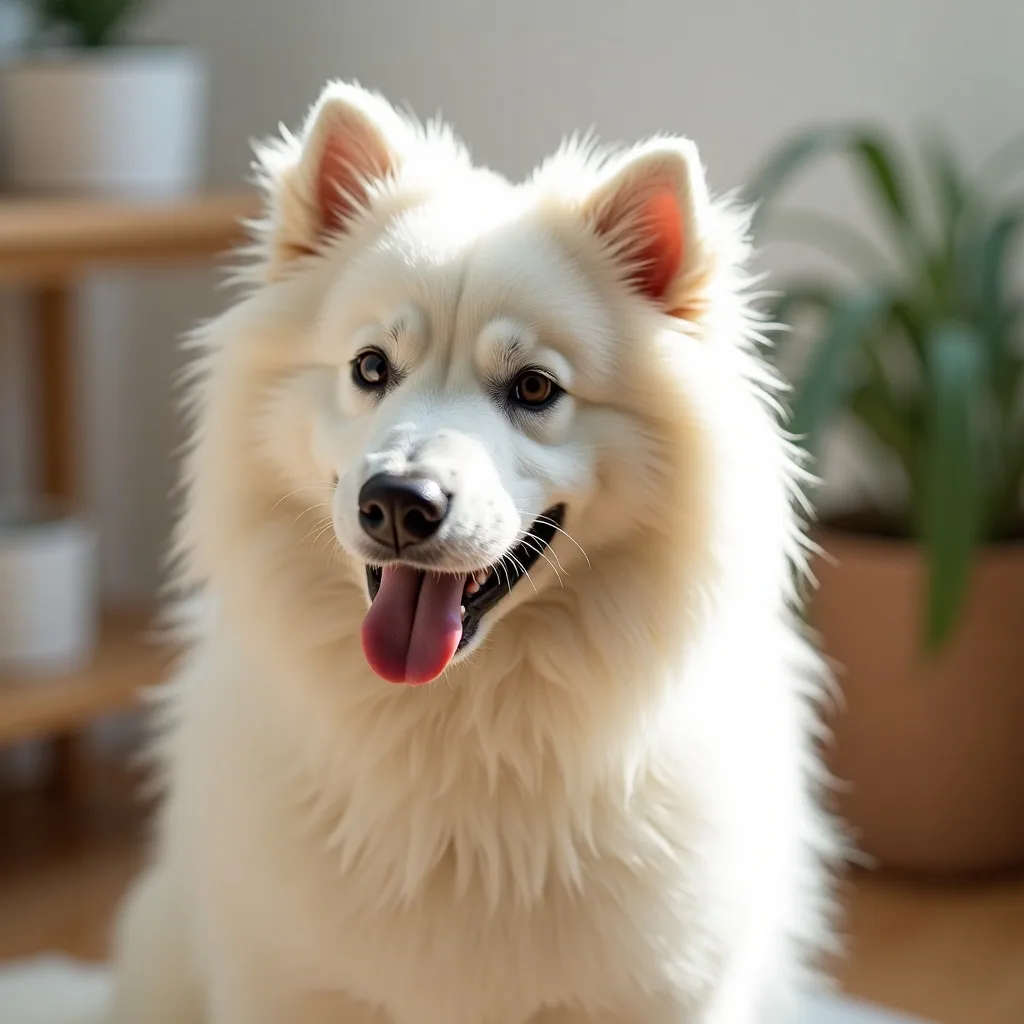
Samoyed Grooming: Coat, Shedding & Heat Care
Samoyeds have a thick white double coat that sheds heavily and needs frequent brushing. How to groom one, manage moulting, keep them cool and never to shave.