Cost of Owning a Bernese Mountain Dog in the UK
What a Bernese Mountain Dog really costs in the UK — purchase price, big-dog food bills, grooming, vet care and the high insurance premiums for the breed.
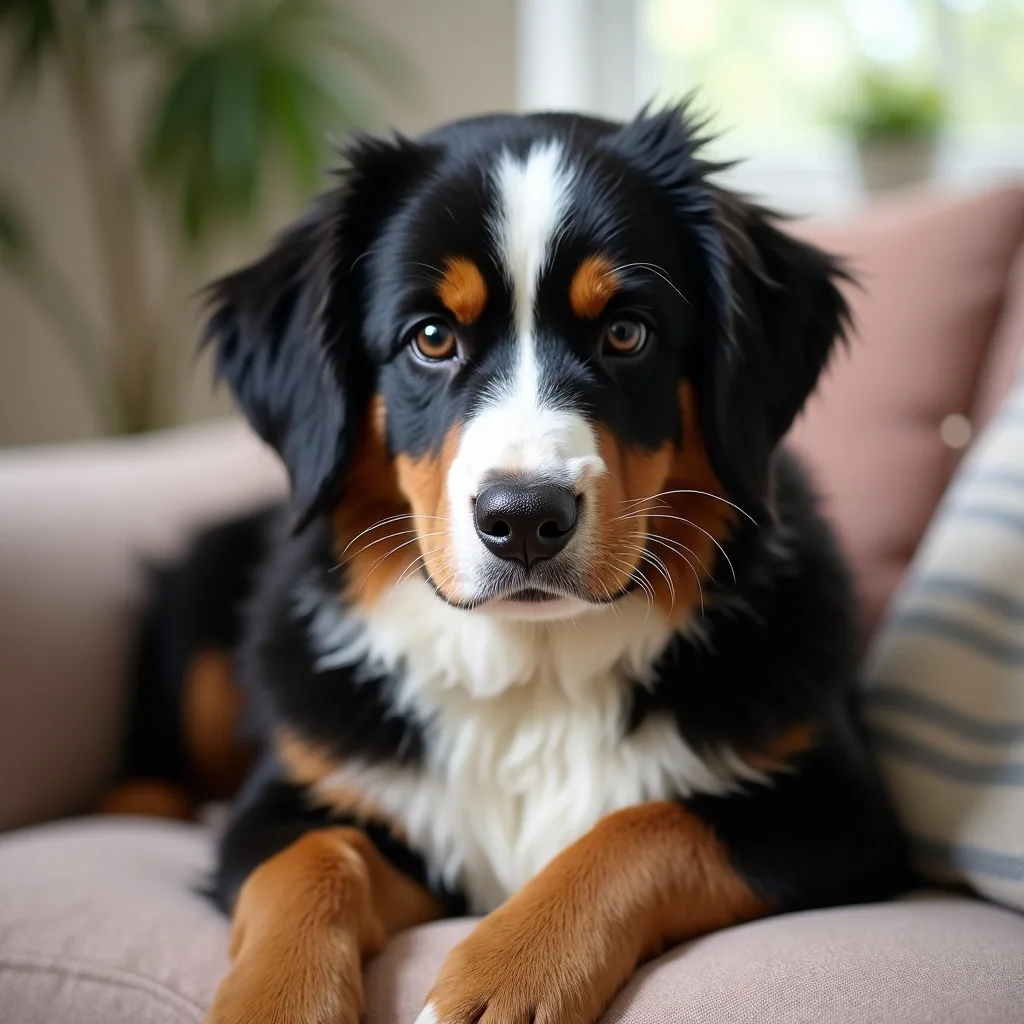
The quick answer
Yes. As a giant breed with a thick coat and serious health predispositions, a Bernese costs well above the average dog to keep. Big-dog food bills, higher-than-average insurance, weight-based medication and the real possibility of expensive cancer or joint treatment all add up — concentrated into a sadly short lifespan.
Bernese Mountain Dogs are a big commitment in every sense — including financially. As a giant breed with a thick coat and some serious health predispositions, a Berner costs considerably more to keep than the average dog, and the bills can rise sharply if cancer or joint problems strike. Going in with a clear budget protects both your finances and your dog's care. Here's a realistic look at the cost of owning a Bernese Mountain Dog in the UK. (Figures are general estimates — your costs will vary by region, lifestyle and your dog's health.)
Upfront cost
A well-bred Bernese Mountain Dog puppy from a responsible UK breeder — one who health-tests parents for hips, elbows and eyes and breeds for temperament and longevity — typically costs a significant sum, often well into four figures. It's tempting to save money on a cheaper pup, but cutting corners on health testing is a false economy in a breed this prone to expensive conditions. Rehoming an adult Bernese through a breed rescue is a lower-cost, rewarding alternative. On top of the purchase price, budget for initial setup: a large, supportive bed, a sturdy crate, lead, harness, bowls, grooming kit and the first courses of vaccinations, microchipping and neutering.
Food — and it adds up
This is where a giant breed really shows on your monthly budget. A 38–50kg Bernese eats a lot, so expect a meaningful monthly food bill for a good-quality complete diet appropriate to their life stage. Choosing food that supports joint and overall health is worth it in a breed prone to dysplasia. A slow feeder is a small, sensible extra: feeding measured meals and slowing fast eaters helps reduce the risk of bloat (GDV), to which deep-chested Bernese are prone. Don't forget treats and the cost of any supplements your vet recommends.
Routine vet care
Every dog needs ongoing preventive care, and for a Bernese you should budget for annual vaccinations, regular flea and worm treatment, and yearly check-ups (moving to twice-yearly as they age, which for this breed starts young — around five to six). Many owners spread these costs with a practice health plan. As a giant breed, some treatments and medications are dosed by weight, so they tend to cost more than they would for a small dog.
The big one — health costs and insurance
This is the cost that defines the breed. Bernese have notably high rates of cancer (histiocytic sarcoma is strongly associated with the breed), plus hip and elbow dysplasia, arthritis and bloat risk. Investigating and treating these conditions can run into thousands of pounds — cancer work-ups, surgery, scans and ongoing care are all expensive. Pet insurance is strongly advisable, and you should expect premiums for a Bernese to be higher than average precisely because insurers know the breed's risks. Look carefully at lifetime cover, which keeps paying out year after year for ongoing conditions, rather than cheaper policies that cap or exclude a condition after the first year — a crucial distinction for a breed likely to develop chronic or serious illness. Whatever you choose, never rely on insurance alone: keep an accessible emergency fund too.
Grooming and other costs
That heavy double coat means grooming costs, whether in time and equipment if you do it yourself (a good de-shedding brush and slicker are essentials) or in fees if you use a professional groomer for the seasonal moults. Beyond that, budget for the ongoing extras every dog brings: replacement bedding and toys, poo bags, the occasional boarding or day-care bill, and — for a giant breed — a suitable vehicle and possibly a ramp as they age to protect their joints.
The honest bottom line
A Bernese Mountain Dog is not a budget breed. Between big-dog food bills, higher-than-average insurance, weight-based medication costs and the very real possibility of expensive health treatment, the lifetime cost is substantial — and concentrated into a sadly short 7–10 years. None of this should put off the right owner; it should simply be planned for. A Bernese repays every penny in gentle, devoted companionship, and going in financially prepared means you can focus on enjoying your dog rather than worrying about the next bill.
*This is general guidance, not a substitute for advice from your vet, who can assess your individual dog.*
Sources
- RVC VetCompass — UK dog health and cost-of-illness research (rvc.ac.uk/vetcompass).
- UK Kennel Club & BVA — breed health screening and responsible buying (thekennelclub.org.uk).
- PDSA — cost of owning a dog (pdsa.org.uk).
- Blue Cross — costs of pet ownership and insurance (bluecross.org.uk).
Common questions
Are Bernese Mountain Dogs expensive to keep?
Yes. As a giant breed with a thick coat and serious health predispositions, a Bernese costs well above the average dog to keep. Big-dog food bills, higher-than-average insurance, weight-based medication and the real possibility of expensive cancer or joint treatment all add up — concentrated into a sadly short lifespan. Budget carefully and insure with lifetime cover.
Why is insurance for a Bernese Mountain Dog so expensive?
Insurers price by risk, and Bernese have notably high rates of cancer (especially histiocytic sarcoma), plus hip and elbow dysplasia, arthritis and bloat. Treating these can run into thousands of pounds, so premiums are higher than average. Lifetime cover, which keeps paying for ongoing conditions year after year, is strongly advisable despite the cost.
How much do Bernese Mountain Dogs cost to feed?
A 38–50kg Bernese eats a lot, so expect a meaningful monthly food bill for a good-quality complete diet — considerably more than a small or medium dog. Choosing food that supports joint and overall health is worth it, and a slow feeder for measured meals helps reduce bloat risk in this deep-chested breed.
About the author
Matt Garnett — founder, Giddy Pets
Matt started Giddy Pets to make getting pets the good stuff simpler and fairer. Everything in these guides comes from real life with pets and a lot of trial and error — it's practical guidance, not veterinary advice. If a guide gets something wrong, tell him directly.
Free tools & more guides
Read next
How Long Do Bernese Mountain Dogs Live? Lifespan & Health
Bernese Mountain Dogs sadly live only around 7–10 years. The cancer, joint and bloat risks behind that short lifespan — and how to help yours live well.
Are Bernese Mountain Dogs Good Family Dogs?
Bernese Mountain Dogs are gentle, calm, affectionate giants and one of the best big family breeds — if you have the space and budget for a huge dog.
Bernese Mountain Dog Grooming & Shedding Guide
Bernese Mountain Dogs have a thick double coat that sheds heavily. How to brush, manage moulting, prevent matting, and protect them from summer heat.