



 Fast UK delivery
Small pets
Guinea Pig Cages & Supplies
Small pets, big personalities.
Cages, C&C setups and runs for guinea pigs, chosen for the things that actually matter day to day — floor area, a tray deep enough to keep bedding off your carpet, and doors you can reach every corner through.
 Happy homes for little ones.
Shop guinea pig cages & supplies
Little essentials. Lots of love.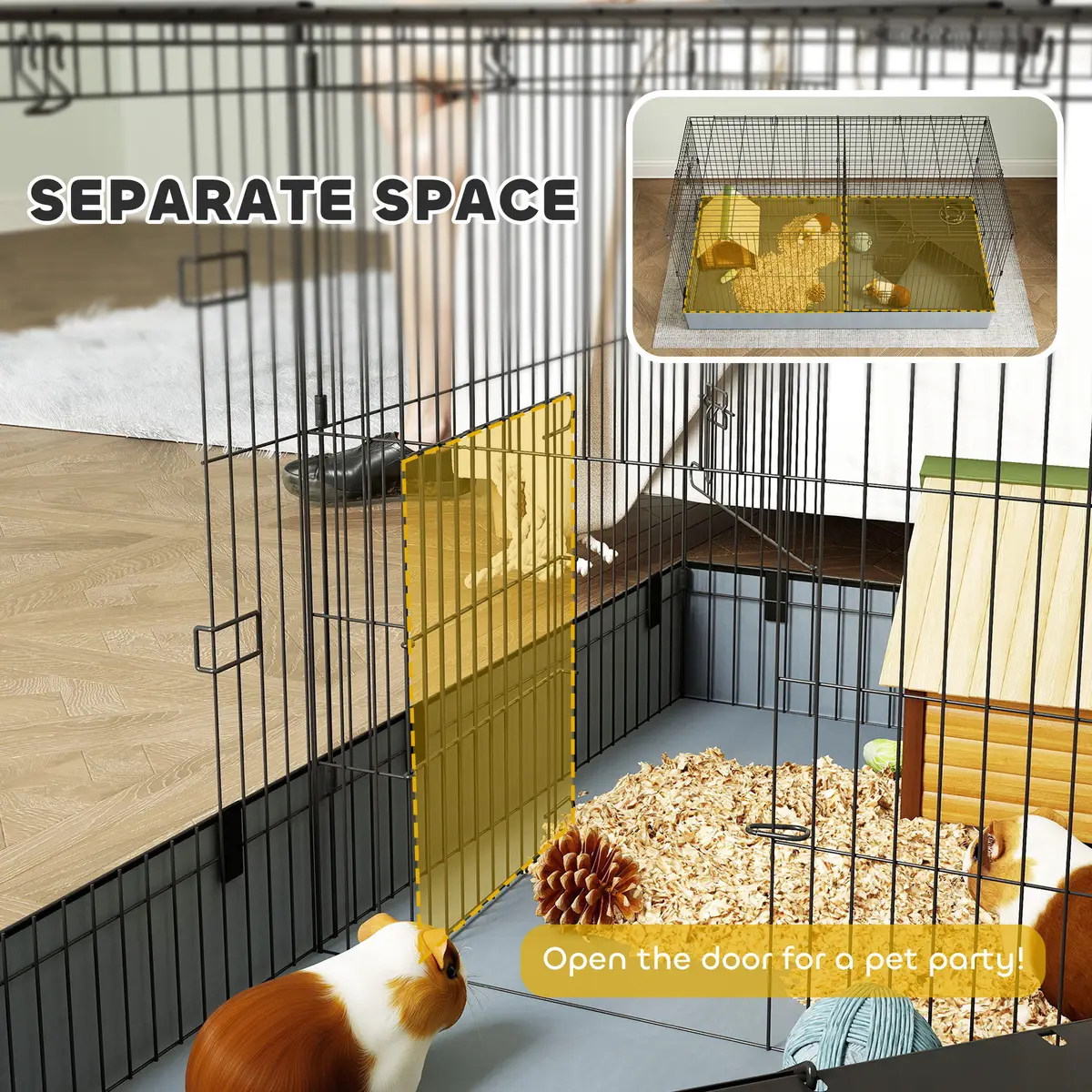
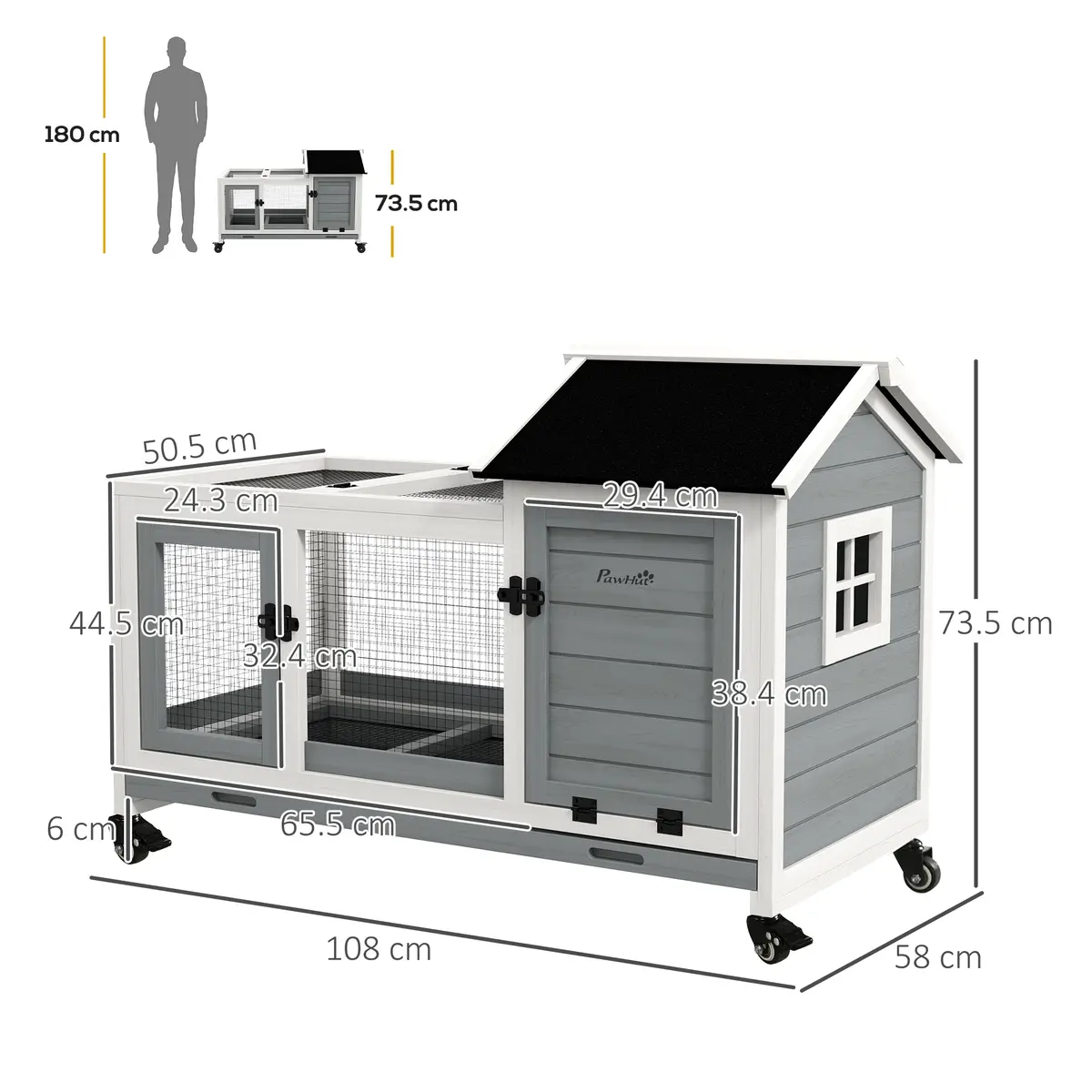
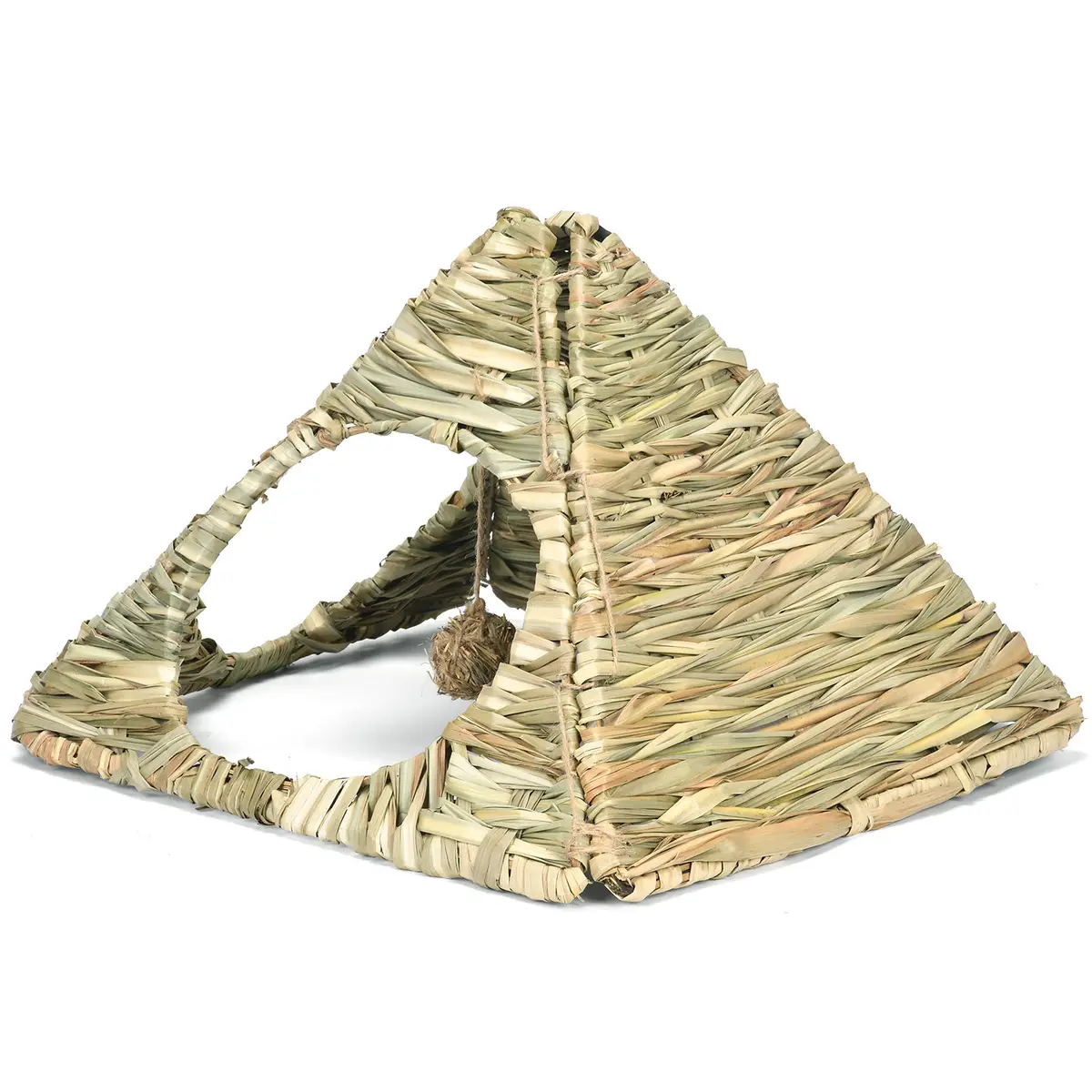
Goes well with
Also worth a look
Other ranges and guides that go with this one.

A little guidance
Which guinea pig cage should I choose?
| Your situation | What to look for | Why |
|---|---|---|
| A pair indoors | The largest floor area you can fit, 120cm-plus | Guinea pigs use floor, not height |
| Tired of sweeping | A base tray 14cm deep or more | A shallow lip means hay on the carpet daily |
| Introducing a new pig | Two areas joined by an inner door | Lets them live alongside before sharing |
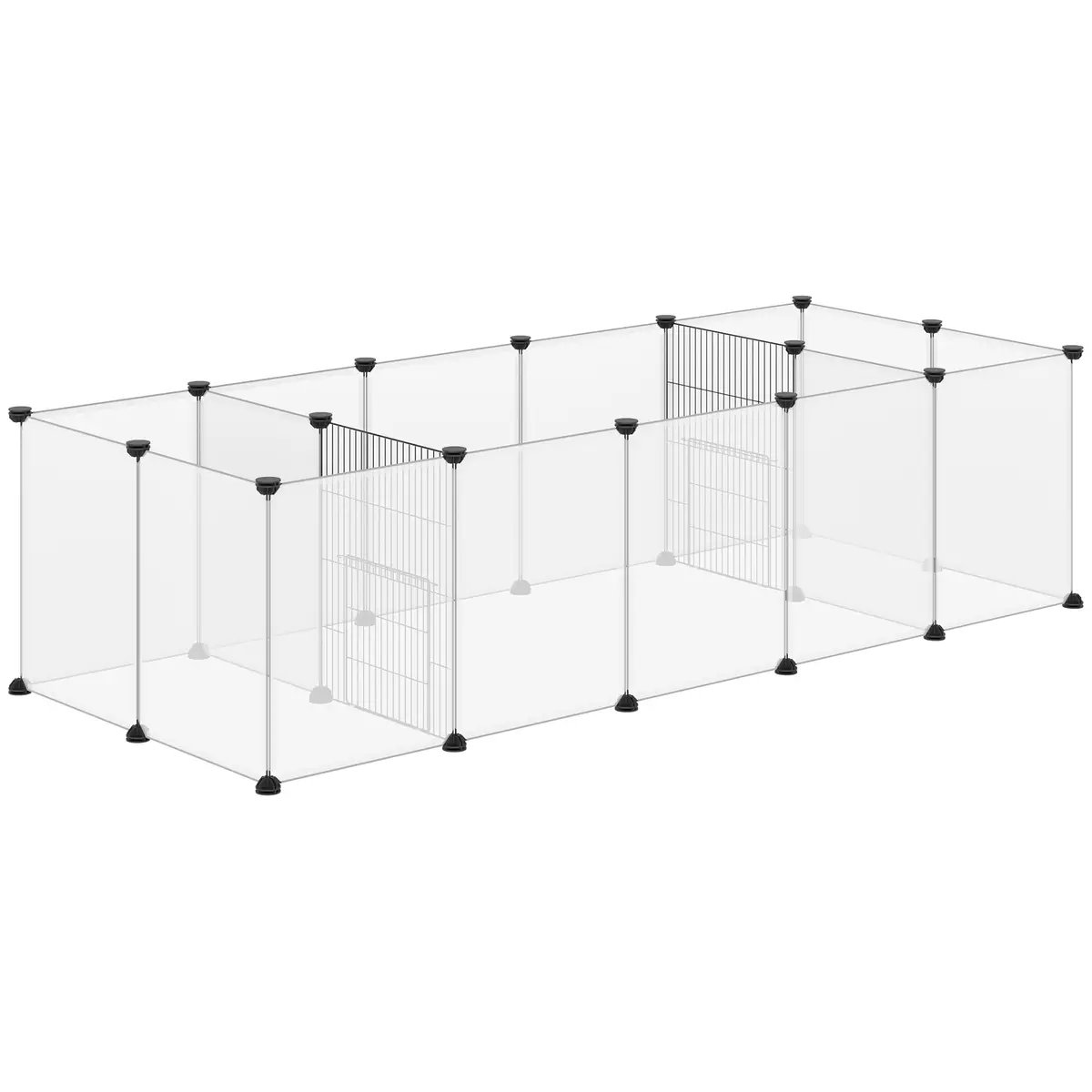
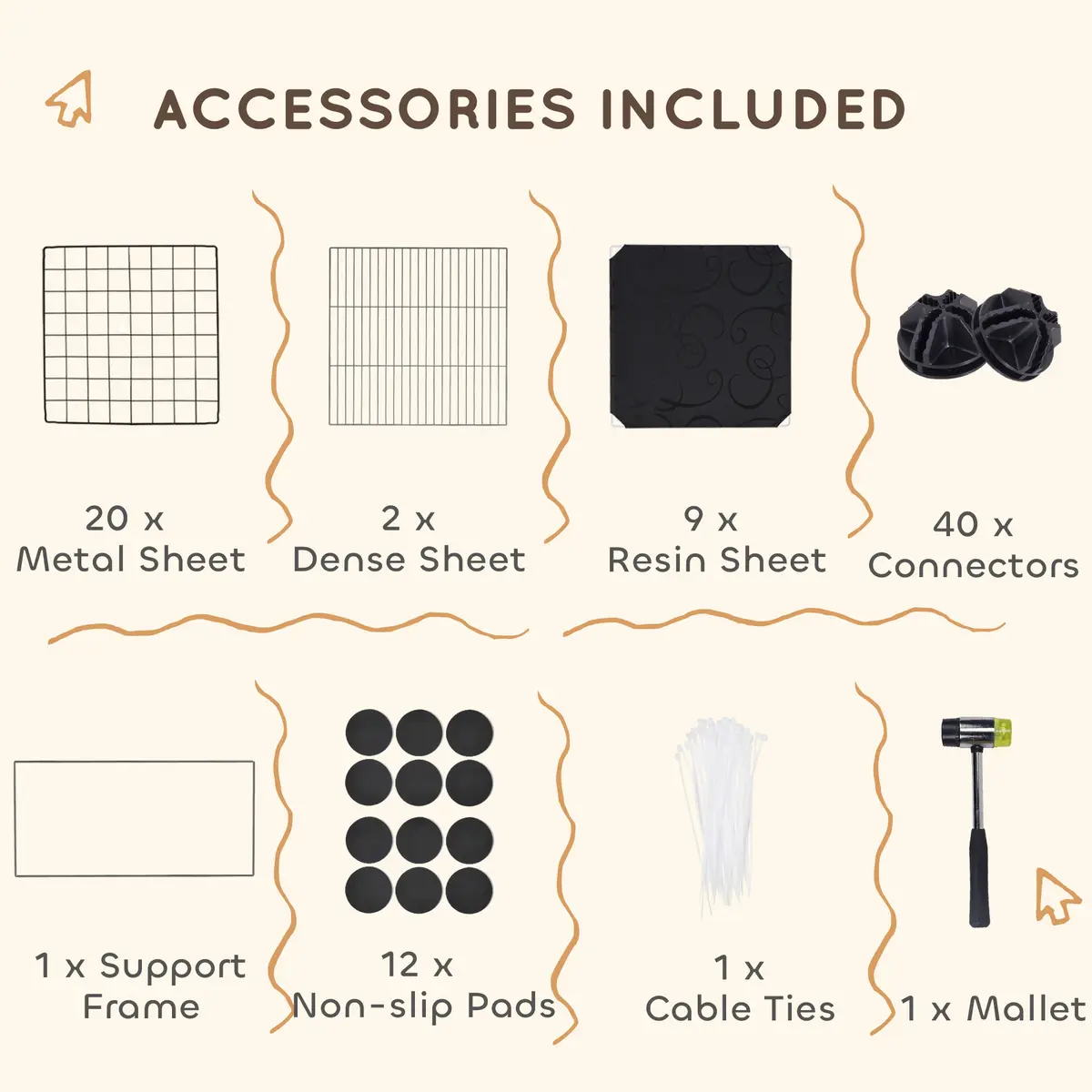
| Room is an awkward shape | A C&C grid system | Builds to whatever footprint you have |
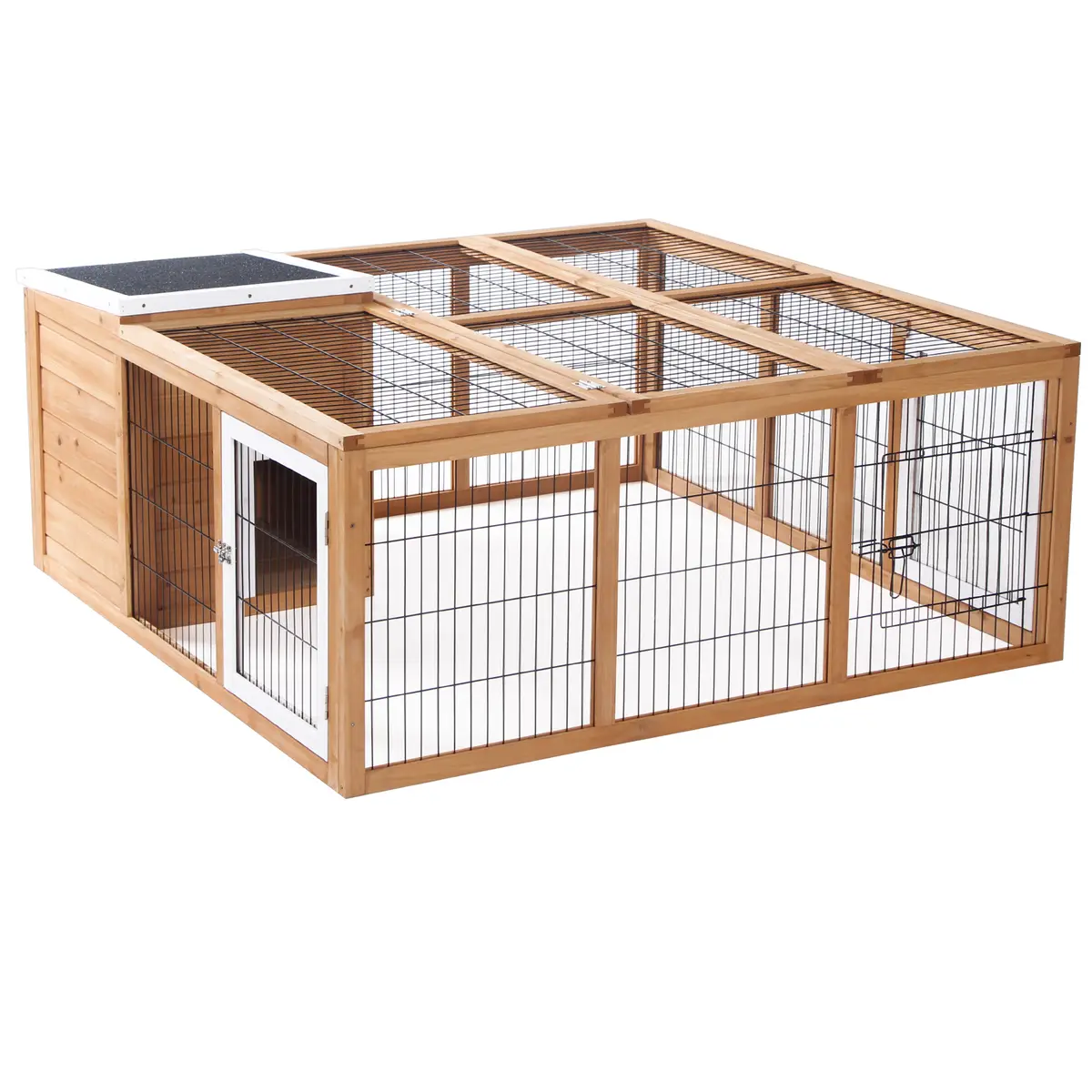
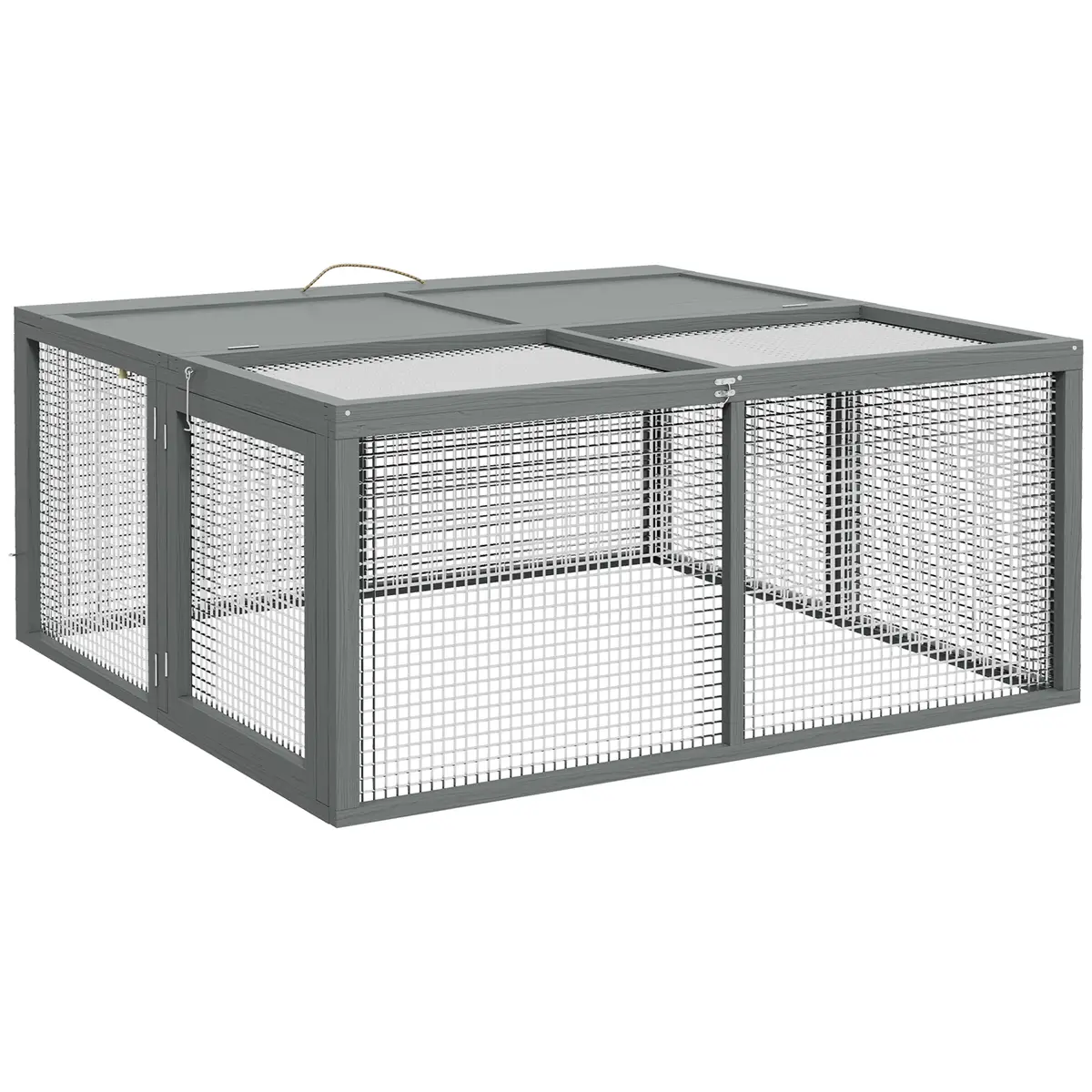
| Outdoor keeping | A hutch with a tilted weatherproof roof | Standing water is what rots a hutch |
Floor space is the only measurement that matters
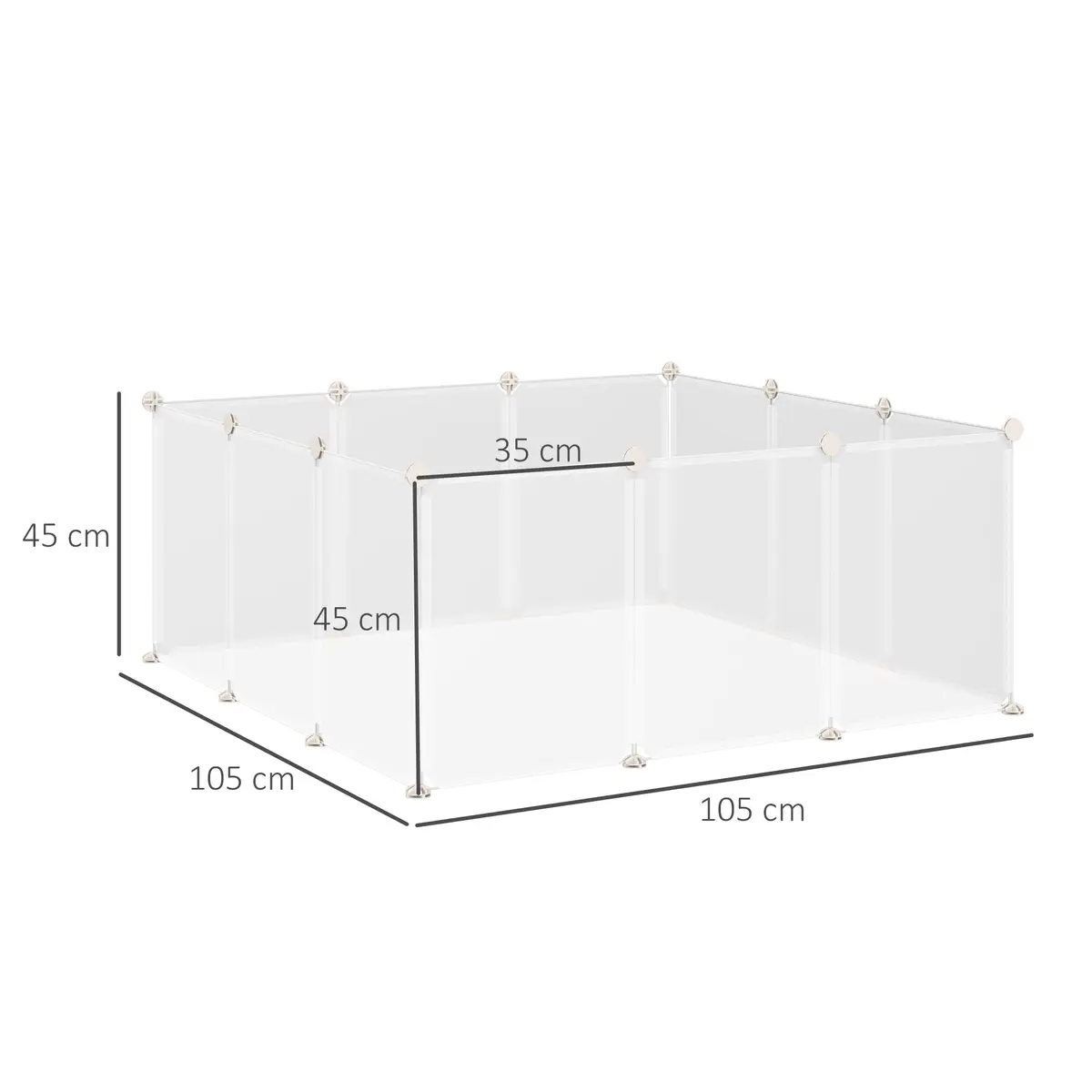
Guinea pigs live entirely at ground level. They do not climb, they rarely use height, and a tall cage with a small footprint gives them nothing they can use. When you compare two cages, compare length times width and largely ignore the rest.
This is also why the C&C grid systems on this page are popular with experienced keepers: you buy floor area rather than a moulded plastic shape, and you can add another set later instead of replacing the whole cage.
The details that decide how much work a cage is
Tray depth is the big one. Guinea pigs kick bedding with real commitment, and a shallow tray means a ring of hay on the floor every morning. Anything from about 14cm keeps most of it inside.
After that: a door big enough to lift a pig out without cornering it, a top that opens so you can reach the middle, and a hay feeder mounted rather than standing, which keeps floor space for the animals rather than their equipment.
Everything here is chosen to be genuinely useful in everyday life with your pet — quality-checked, fairly priced and shipped tracked across the UK. For any health concern, your vet is always the best first port of call.
From the Knowledge Hub
Common questions
How big should a guinea pig cage be?
Bigger than most shop-bought cages. UK guidance favours considerably more floor area than a typical starter cage offers, which is why grid-based C&C setups are so common among experienced keepers — you can extend them rather than replace them.
Can guinea pigs live alone?
They are highly social and are generally kept in pairs or small groups of the same species. If you are introducing a new companion, a cage divided into two connected areas makes the process much easier.
What can guinea pigs eat?
Unlimited hay, a daily portion of fresh greens, and vitamin C, which they cannot make themselves. We keep a food-by-food guide covering what is safe and what needs care.
Do guinea pigs need a cage with levels?
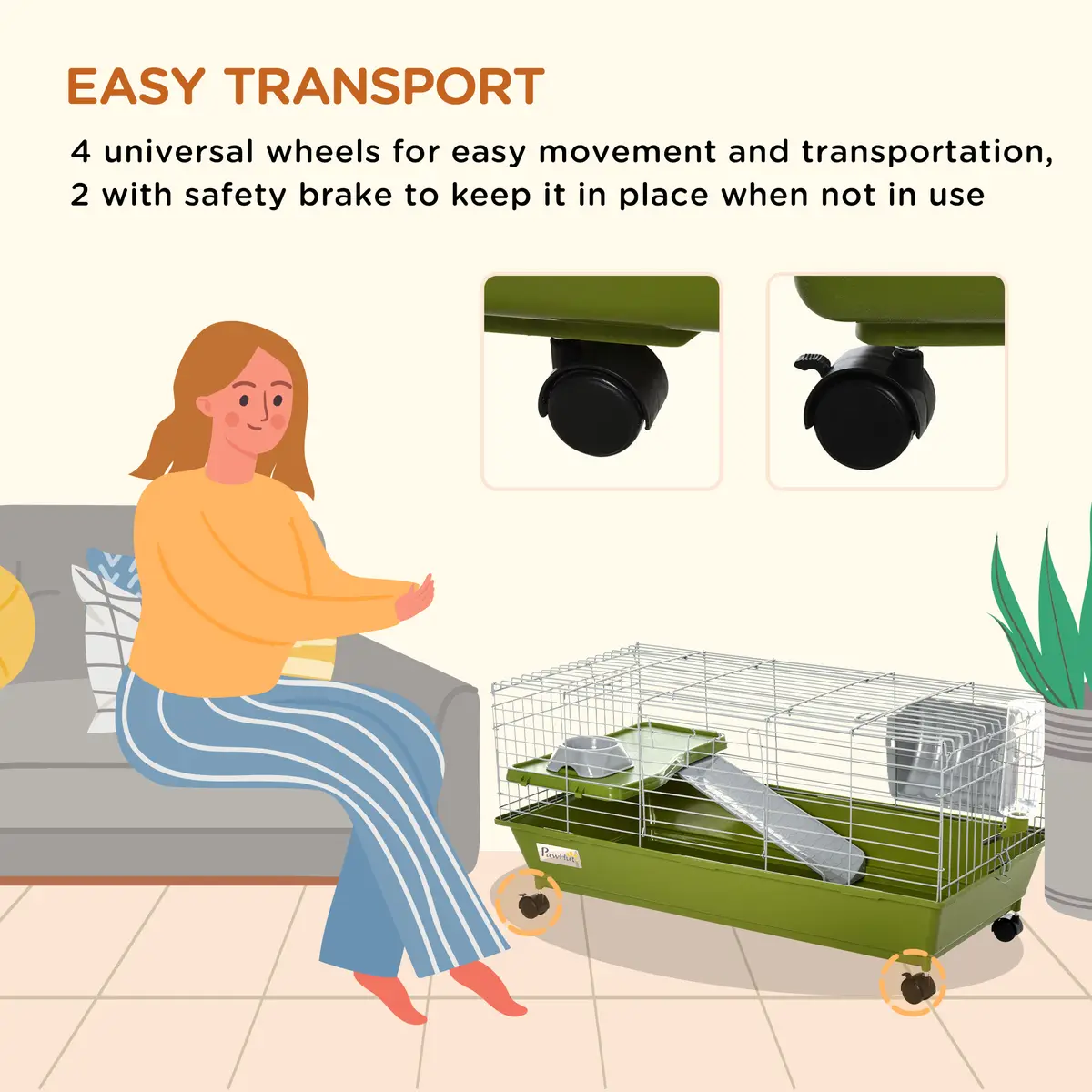
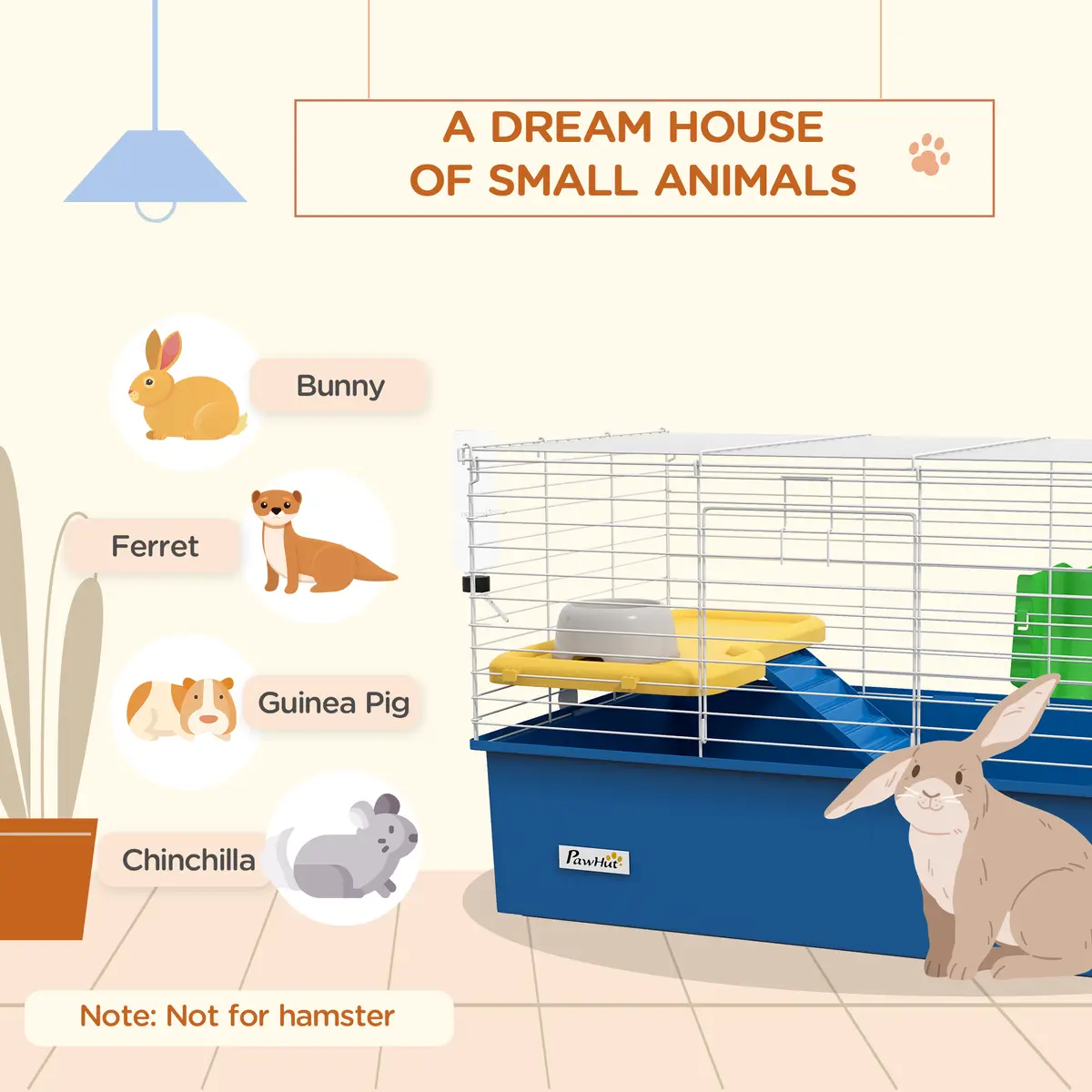
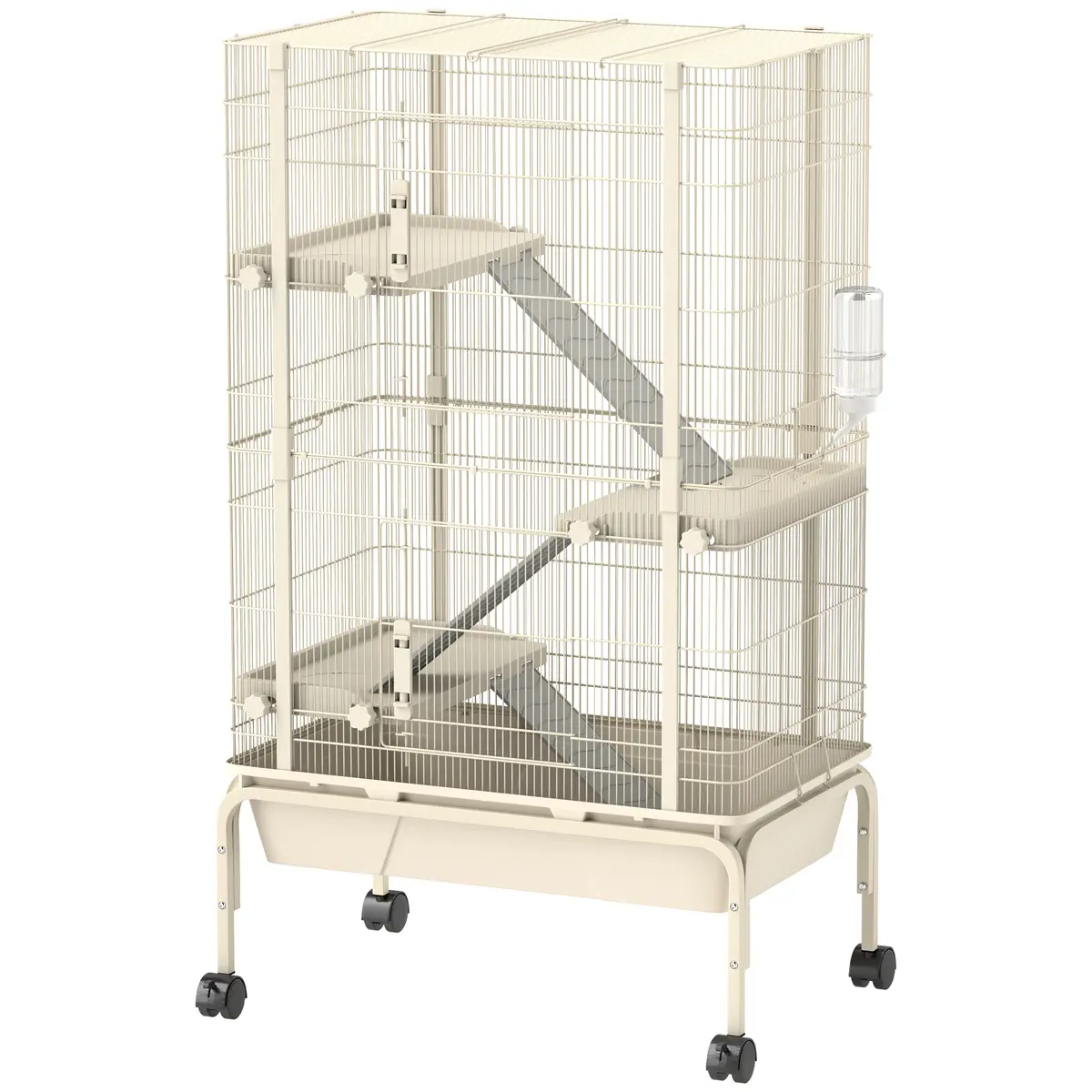
No. Unlike rats or chinchillas they do not climb, and ramps can be a fall risk. Spend the money on floor area instead.
Keep browsing
Related collections from across the shop.
- Rabbit Hutches & Supplies →
- Small Pet Starter Kits →
- Fish Food & Aquarium Supplies →
- Small Dog Harnesses →
- Snuffle Mats →
- Lick Mats →
- Slicker Brushes →
- Deshedding Brushes →
- Pet Hair Removers →
- Personalised Pet Gifts →
- Pet Memorials & Keepsakes →
- Flea & Tick Removers →
- Grooming Gloves →
- Pet Calming Sprays & Diffusers →
Free pet welcome kit
Four printable tools, zero cost
The new-pet checklist, a vaccination & worming tracker, a feeding-portion guide and a house-training chart — straight to your inbox, no spam, unsubscribe whenever.