








Save Your Trip: 6 Vet Approved Dog Travel Essentials for UK Owners
Save Your Trip: 6 Vet Approved Dog Travel Essentials for UK Owners
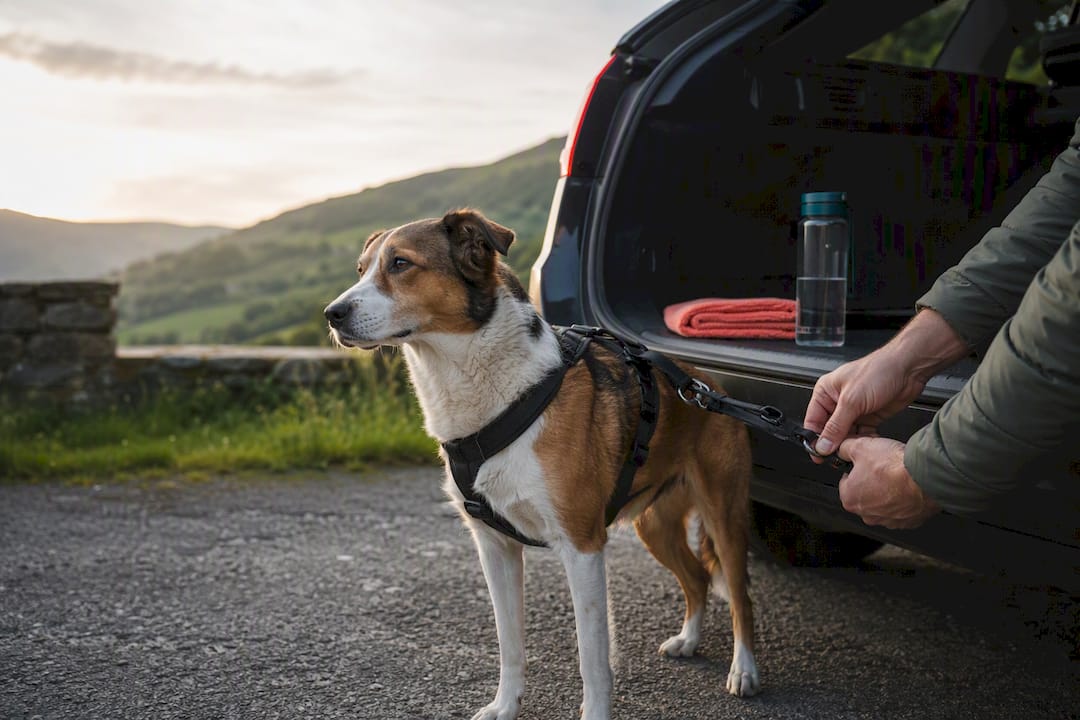
Every trip starts with the same six things: an ID tag and up-to-date microchip details, a car restraint that meets Highway Code standards, enough food and water for the whole journey plus a buffer, familiar bedding, a lead and poo bags, and a basic first-aid kit. These aren’t nice extras. Several are legal requirements, and the rest are what stops a lovely weekend away turning into a stressful one.
TL;DR:
- Always carry your dog’s microchip registration, vaccination records, insurance details, and a recent photo for legal compliance and identification.
- Use crash-tested restraints or secured crates for long drives, and test any new restraint at home well before travel to ensure proper fit and comfort.
- Pack enough food for the trip plus two extra days and stick to normal feeding routines to prevent stomach upsets, with a collapsible bowl for easy hydration.
- Bring a familiar blanket or bed to reduce anxiety in new environments, along with one high-value toy and a calming supplement if your dog is prone to travel stress.
- Plan rest stops every two to three hours at green spaces, and verify pet-friendly accommodations’ specifics, especially regarding outdoor space and unattended access.
Table of Contents
- Dog travel essentials: the full packing checklist
- Legal ID and travel documents: what you must carry
- Feeding and hydration on the road
- Comfort and settling: helping your dog relax in new places
- Car safety and restraint rules you need to know
- First aid, medication and emergency planning
- On-the-go cleaning: managing mess without the stress
- Getting your dog ready before travel day
- Vet-approved product pointers from Giddy Pets
- Planning rest stops and exercise on longer journeys
- Choosing dog-friendly accommodation
- Three packing shortcuts that actually save you time
- Shop dog travel essentials at Giddy Pets
- Sources
Dog travel essentials: the full packing checklist
Packing for a dog is less about volume and more about categories. Miss one and you’ll be hunting for a pet shop in an unfamiliar town on day one. Work through these six groups and you won’t need to.
- Documents and legal proof — carry your dog’s microchip registration confirmation and, for trips abroad, insurance details and vaccination records. Keep a photo of these on your phone as backup.
- Safety and restraint gear — a crash-tested harness, secured crate, or boot barrier, plus a spare lead (pack one, always, because leads snap or get left at the pub garden).
- Feeding kit — enough usual food for the trip plus two extra days as a buffer, a travel bowl, and any measuring scoop your dog is used to.
- Water and hydration — a collapsible bowl and a portable bottle designed for dogs, since public taps aren’t always accessible on walks.
- Comfort items — one familiar bed or blanket that smells of home, and one favourite toy rather than the whole basket.
- Health and cleaning supplies — a compact first-aid kit, two microfibre towels, and a generous stock of poo bags (pack more than you think you’ll need; you’ll use them).
A few quantity rules make packing quicker. Food should cover the full trip length plus two extra days as insurance against delayed returns or a spilt bag. Two towels is the practical minimum, one for muddy paws and one spare for the inevitable wet dog after rain or a swim. A single spare lead earns its space in every bag, no exceptions.
Buy the water bottle and collapsible bowl as a pair rather than separately. A travel water bottle with a built-in bowl attachment means one less item rattling around the boot, and it’s the sort of thing owners forget until they’re stood at a service station with a thirsty dog and no cup. For the restraint, buy before the trip, not on the morning of it. Dogs need a car seat or harness fitted and tested at home first, not introduced cold on a motorway.
Keep the checklist visible somewhere you’ll actually see it. A note on your phone works, but a printed list stuck to the inside of your boot door means you check it every single time you load the car, which is when forgotten items actually get remembered.
Legal ID and travel documents: what you must carry
UK law has required dogs to be microchipped since 2016, and that requirement doesn’t pause for holidays. Before you travel, confirm your microchip database record shows your current address and mobile number, not the one from three house moves ago. A microchip is only useful if whoever scans it can actually reach you.
Collar ID tags are a separate legal requirement, and they matter more when travelling because a lost dog in an unfamiliar area has no idea how to get home. Your tag should show:
- Your surname and mobile number (a landline is useless if you’re away from it)
- A second contact number, ideally someone back home who can coordinate
- The postcode of your destination, if you’re staying somewhere for more than a night or two
Beyond ID, carry a small documents folder with your dog’s insurance policy number, a printed or digital vaccination record, and any repeat prescription details. If you’re travelling abroad, you’ll need an Animal Health Certificate or, in some cases, a pet passport, arranged well in advance through your vet, since these carry their own timing rules that catch out last-minute planners.
An engraved ID tag that won’t fade or crack in salt water is worth the small spend if beach holidays are on the cards.
Feeding and hydration on the road
Stomach upsets ruin more dog holidays than anything else, and the fix is almost always the same: don’t change what your dog eats, and don’t let them go too long without water. Pack the usual food, not a “just for this trip” treat bag of something new, and stick to normal meal timing where possible.
- Feed a light meal two to three hours before setting off rather than right before, to reduce travel sickness risk
- Use a slow-feeder bowl in the car or at rest stops if your dog gulps food, since fast eating combined with movement is a common cause of vomiting
- Pack a collapsible bowl for every stop, it folds flat and takes up almost no room
- Bring bottled water for the first day or two if your dog has a sensitive stomach, since a sudden change in water mineral content can occasionally trigger the same upset as new food
A portable travel bottle with an attached bowl solves the “where’s the water going to come from” problem on walks away from the car, and it means one less thing to carry separately.
Comfort and settling: helping your dog relax in new places
A dog dropped into a strange caravan, cottage, or hotel room doesn’t know it’s supposed to be fun yet. What tells them it’s safe is scent, and specifically the scent of home. Bringing an unwashed blanket or bed is one of the most effective ways to cut travel-related anxiety, because it gives your dog something familiar to settle onto the moment you arrive.
- Pack one bed or blanket that already smells like home, resist the urge to wash it before the trip
- Bring one favourite toy rather than the full toy box; a small number of high-value items tends to settle anxious dogs better than a pile of options
- Add a long-lasting chew for the first evening, when boredom and unfamiliarity peak together
- Consider a calming vest for dogs with a known history of travel stress, and speak to your vet before using any calming medication or supplement for the first time
If your dog has struggled with car anxiety before, a gentle calming vest worn on a few short local trips beforehand often works better than introducing it cold on the day you actually need it.
Car safety and restraint rules you need to know
Rule 57 of the Highway Code requires dogs to be suitably restrained in vehicles, both to stop them distracting the driver and to reduce injury in a sudden stop. An unrestrained dog in a car doing 30mph becomes a projectile if you brake hard, and that’s not an exaggeration, it’s physics.
Not all restraints offer the same protection. A standard harness clipped to a seatbelt reduces distraction and stops your dog climbing into the front, but it hasn’t necessarily been tested for crash performance. Crash-tested restraints and secured crates are engineered specifically to absorb impact energy, which makes them the stronger choice for motorway journeys or longer drives.
- A crash-tested harness or a secured crate for anything beyond a short local drive
- A boot barrier if your dog travels loose in the boot area of an estate car
- A washable seat cover to protect upholstery and make cleanup faster
- A car ramp for older or small dogs who struggle jumping in and out
- A rough rest-stop schedule, roughly every two to three hours for water, a toilet break, and a stretch of the legs
Pro Tip: Fit and test any new car restraint at home for a week of short trips before your holiday. A harness that’s never been worn feels alien to a dog, and travel day is the worst possible time for a first fitting.
For dogs that need proper structural support, a dedicated dog car seat or booster restraint is worth the investment over a basic clip-on harness, particularly for smaller breeds who sit low in the seat well.
First aid, medication and emergency planning
Minor injuries happen more on holiday than at home, simply because your dog is exploring unfamiliar ground, whether that’s brambles, rocks, or an unexpected patch of nettles. A compact kit means you’re not driving around a strange town at 8pm looking for an open pharmacy.
- A tick remover, particularly important for woodland or countryside trips
- Antiseptic wipes and a roll of bandage for cuts and grazes
- Tweezers for splinters or thorns
- A pet thermometer if your dog has a history of heat sensitivity
- Any regular medication, packed in its original packaging with enough for the trip plus a few spare days
Speak to your vet before travelling if your dog is on regular medication, particularly anything requiring refrigeration or precise timing. Before you leave, look up the nearest emergency vet to your destination and save the number, along with your insurance policy details, somewhere you can access it offline.
On-the-go cleaning: managing mess without the stress
Mud, sand, sea water, and the odd unfortunate incident on new carpet all come with the territory. A small cleaning kit protects your relationship with whoever’s letting you stay, whether that’s a holiday cottage host or your own in-laws.
- Poo bags: pack more than feels necessary, a roll of 40 disappears faster than you’d expect over a week away
- Two microfibre towels minimum, one for immediate use and one drying while the other’s in action
- A small bottle of enzyme-based stain and odour remover, lightweight and far more effective than standard cleaning spray on pet accidents
- A dry bag or bin liner for storing wet or muddy towels until you can wash them
- Paw wipes and a compact brush for quick clean-ups after beach or field walks
Getting your dog ready before travel day
The week before matters more than the day itself. A dog who’s never sat in a crate or worn a new harness shouldn’t meet either for the first time on a three-hour motorway drive.
- Practise short car trips in the restraint you’ll actually use, building from ten minutes to an hour over a week or two.
- If using a crate or carrier, let your dog explore and nap in it at home first, with the door open, so it’s a familiar space rather than a box that appears from nowhere.
- On travel day, exercise your dog beforehand, feed lightly a few hours before setting off, and stick to the same two to three hour rest-stop rhythm you’d use on any long drive.
- Never introduce new equipment, new food, or a new harness on the morning you leave. Anything unfamiliar should have already been tested at home.
For dogs with a documented history of car anxiety, gradual acclimatisation paired with familiar scent items tends to work better than reaching for medication first, though a vet consultation is worthwhile if the anxiety is severe.
Vet-approved product pointers from Giddy Pets
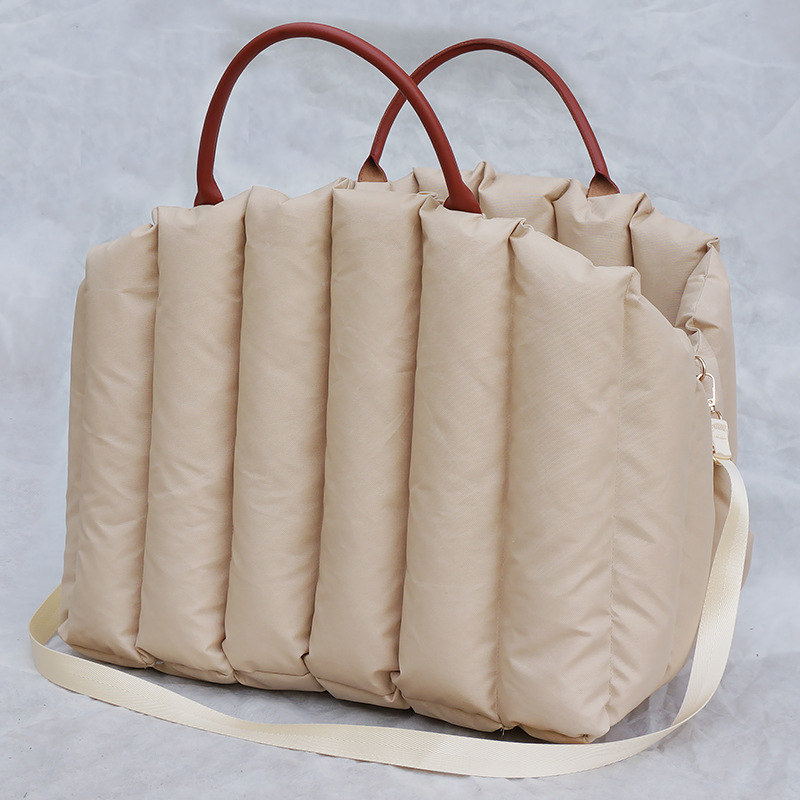
Giddy Pets’ travel categories are built around the checklist above, not around what’s trending. For hydration, look at portable water bottles with an attached bowl, which solve the “no tap nearby” problem on walks. For the car, restraints and booster seats range from crash-tested harnesses to structured seats for smaller breeds. ID tags can be engraved with your travel contact details, anxiety vests suit dogs with mild car stress, and backpack carriers work well for small breeds on foot-heavy holidays.
Planning rest stops and exercise on longer journeys
A dog that’s been sat still for four hours doesn’t arrive relaxed, it arrives wound up. Building movement into the journey itself, rather than treating it as something that happens only at the destination, changes the whole tone of the trip.
Plan rest stops roughly every two to three hours, matching the guidance most road trip checklists give for water, toilet breaks and a stretch of the legs. Pick stops with grass or a verge in advance where you can, rather than hunting for one when your dog’s already desperate. Motorway services rarely have decent green space, so a quick check of the route the night before, looking for a proper park or a services with a dog walk area, saves a stressful ten minutes at 60mph.
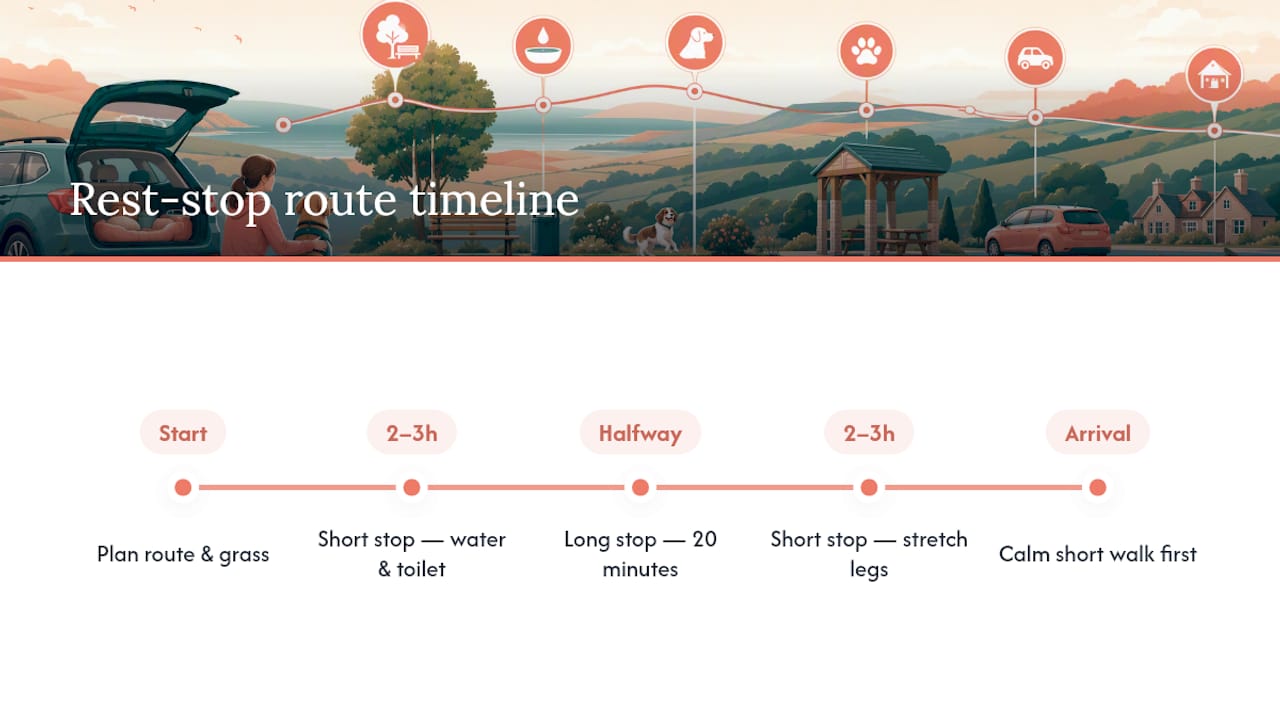
Build in one longer stop, twenty minutes rather than five, roughly halfway through any journey over three hours. This gives your dog a proper chance to toilet fully, drink, and burn a little energy rather than just topping up the tank and moving on. If you’re driving to a walking holiday, resist the urge to do a big hike the moment you arrive. A short, calm walk near your accommodation lets your dog get their bearings before anything more demanding.
Choosing dog-friendly accommodation
Not every place that claims to be “pet-friendly” means the same thing. Some allow dogs in bedrooms only, others charge a cleaning fee, and a few restrict breeds or size. Always confirm the specifics directly with the host or hotel rather than assuming from a general pet-friendly label, particularly around whether dogs can be left alone in the room and for how long.
When booking, ask about nearby walking routes, whether the garden or grounds are securely fenced, and if there’s a suitable spot to feed and settle your dog away from through-traffic in shared spaces. Cottages tend to offer more flexibility than hotels, with private outdoor space and fewer restrictions on leaving a dog unattended briefly. If you’re booking a hotel, ask specifically whether housekeeping needs access while your dog’s inside, since a surprised cleaner opening the door is a common source of holiday mishaps.
Pack a familiar bed regardless of what’s provided. Even the nicest dog-friendly cottage bed won’t smell like home, and that scent is what actually helps your dog settle on the first night, not the quality of the bedding itself.
Three packing shortcuts that actually save you time
Pre-portion food into daily bags before you leave, rather than lugging the whole sack. Rotate two toys instead of packing the full collection, dogs rarely notice the difference. Keep a small “welcome kit” permanently in the car boot, bowl, bag of poo bags, and a towel, so you’re never caught out on a spontaneous trip. Start with the essentials list above, then shop the specifics through Giddy Pets’ travel and walking range.
— Giddy
Shop dog travel essentials at Giddy Pets
Giddy Pets gets you sorted with one straightforward checkout instead of five different retailers and three delivery windows, particularly useful the week before a trip when you’d rather be packing than browsing. Every category in this checklist has a direct home on the site: portable water bottles for hydration on walks, engraved ID tags for legal compliance, car seats and restraints for safe driving, and backpack carriers for smaller breeds on foot.
One buying tip worth repeating: if you’re weighing up a standard harness against a crash-tested restraint for a long motorway trip, the crash-tested option is the safer call, since it’s built specifically to absorb impact rather than just reduce driver distraction. Don’t overlook feeding either. Pack the trip-plus-two-days rule into practice with the right travel-ready food and treats sorted before you go, so there’s no last-minute dash to a pet shop in an unfamiliar town. Browse the full range and get your travel kit sorted before your next trip.
Sources
- Ipswich Borough Council — dog microchipping law
- Gov
- Four Legged Guests — dog travel checklist
- Blue Cross — microchipping and pet care advice