





Best senior cat food: top picks for UK cats in 2026
Best senior cat food: top picks for UK cats in 2026
The best senior cat food for most UK cats in 2026 is Purina Pro Plan Senior 7+ Sterilised Wet Cat Food, backed by veterinary reviews and praised for its antioxidant profile, omega fatty acids, and prebiotic support. That said, the right choice genuinely depends on your cat’s age, health conditions, and whether they prefer wet or dry food. The products below cover the full range, from budget-friendly everyday options to specialist formulas for kidney disease, food sensitivities, and picky appetites.
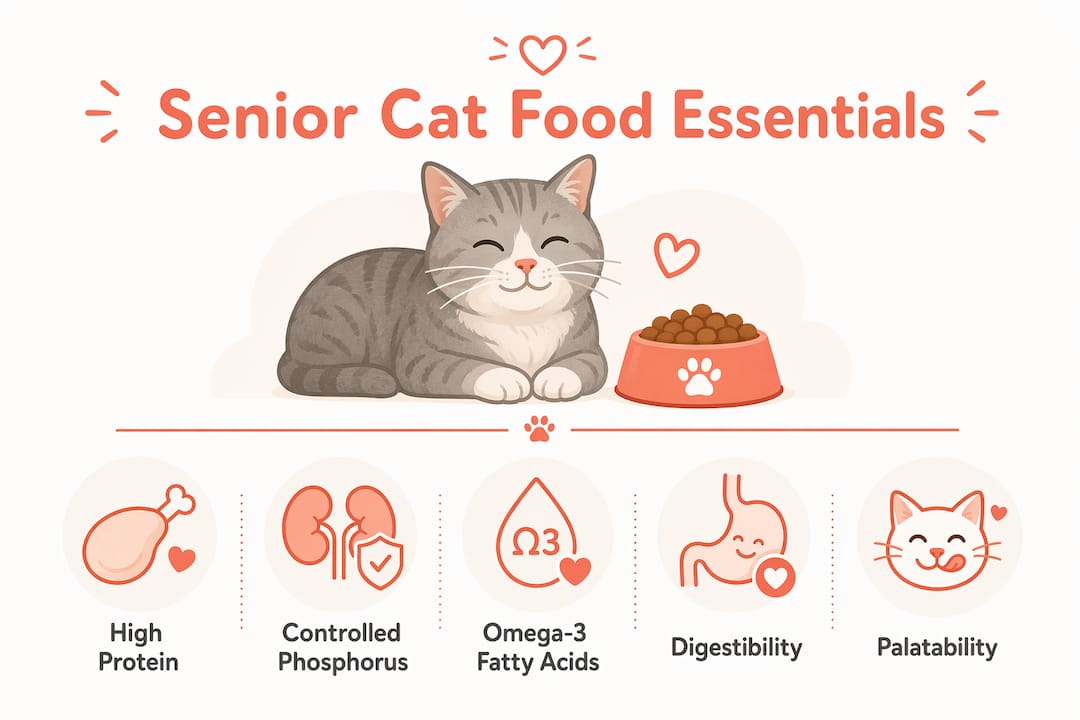
Senior cats have nutritional needs that differ meaningfully from younger adults as they age. Muscle loss, reduced kidney efficiency, joint stiffness, and appetite decline all become real concerns. The best foods for ageing cats focus on high-quality animal protein, controlled phosphorus, omega-3 fatty acids, and added antioxidants to address these changes directly.
| Product | Best for | Type | Nutritional highlights | Palatability |
|---|---|---|---|---|
| Giddy Pets recommended senior cat food | Digestive comfort and controlled eating | Accessory/food pairing | Supports slower eating, reduces sick-ups | High |
| Purina Pro Plan Senior 7+ Sterilised Wet Cat Food | Picky eaters and sterilised seniors | Wet | High protein, antioxidants, omega-3/6, chicory root prebiotic | Very high |
| Hill’s Science Plan Senior 11+ | Joint and kidney concerns | Wet and dry | Balanced minerals, antioxidant blend, heart support | High |
| KatKin Fresh Senior Cat Food | Fresh, varied texture | Wet (fresh) | UK-sourced ingredients, taurine, manganese | Very high |
| Little BigPaw Complete Dry Food for Senior Cats | Balanced dry diet | Dry | Fixed formula, high digestibility, fish and vegetables | High |
| Pro Plan Senior 7+ Sterilised Longevis | Muscle and vitality in sterilised seniors | Wet | Antioxidants, botanicals, muscle-maintenance protein | High |
| Lily’s Kitchen Tasty Cuts for Mature Cats | Natural wet food lovers | Wet | Wholesome ingredients, high ingredient integrity | High |
| Scrumbles Meat And Fish Selection in Jelly | Sensitive stomachs | Wet | Limited ingredients, easy digestion | High |
| James Wellbeloved Senior Cat Pouches | Food sensitivities and allergies | Wet | Hypoallergenic, omega-3/6, vitamins E and B1 | High |
| Whiskas Senior Chicken Cat Food 7+ | Budget-conscious owners | Wet | Balanced nutrients, familiar flavour | Moderate–high |
| Perfect Fit Senior 7+ Dry Cat Food | Dental support | Dry | Dental health formula, balanced energy | Moderate–high |
| Webbox Naturals Senior Wet Cat Food Variety Pack | Varied flavour and texture | Wet | Natural ingredients, flavour variety | High |
| Perfect Fit Senior 7+ Wet Cat Food Pouches | Hydration support | Wet | Moisture-rich, nutritionally balanced | Moderate–high |
| Gourmet Perle Cat Food Ocean Collection | Seafood-preferring cats | Wet | Ocean fish proteins, premium ingredients | High |
| WHISKAS Senior Wet Cat Food 7+ in Jelly | Easy-to-chew meals | Wet | Soft texture, balanced nutrients | High |
| HiLife Mature Wet Cat Food, Tuna & Chicken | Wholesome wet food | Wet | High protein, natural sourcing | High |
| WHISKAS Senior Wet Cat Food Pouches, Poultry in Jelly | Convenient daily feeding | Wet | Balanced nutrition, poultry protein | Moderate–high |
| IAMS Senior 7+ Dry Cat Food with Chicken | Active seniors | Dry | Chicken protein, omega-6, energy balance | High |
| James Wellbeloved Senior Turkey Dry Cat Food | Food-sensitive seniors needing dry food | Dry | Limited ingredients, hypoallergenic turkey | High |
| Applaws Grain Free Senior Cat Food, Chicken | Grain-free diets | Dry | High protein, grain-free formulation | High |
| FELIX Senior Mixed Menu in Jelly Cat Food | Varied textures and flavours | Wet | Multi-flavour variety, senior-appropriate nutrition | High |
| Whiskas Senior Cat Food, Fish Selection in Jelly | Fish-loving seniors | Wet | Fish proteins, easy digestion | High |
| Lifelong Grainfree Senior Dry Cat Food | Grain-free comprehensive nutrition | Dry | Grain-free, nutrient-rich | High |
Table of Contents
- The best senior cat foods reviewed and ranked
- What do senior cats actually need from their food?
- Recognising feeding problems in older cats
- How to choose the right senior cat food for your cat
- Practical feeding tips for senior cats
- Giddypets: feeding accessories that support your senior cat’s diet
- Key takeaways
The best senior cat foods reviewed and ranked
The products below are ordered by how well they address the most common concerns UK cat owners bring to vets: muscle loss, kidney strain, food sensitivity, and appetite decline. Treatment varies by product because not every option warrants the same depth.
Purina Pro Plan Senior 7+ Sterilised Wet Cat Food sits at the top of most vet-reviewed lists for good reason. It contains high levels of antioxidants, arginine, omega-3 and omega-6 fatty acids, and dried chicory root as a prebiotic. The formula is backed by research showing these ingredients can support brain function and help protect against cognitive decline in ageing cats. For sterilised cats specifically, the calorie balance is calibrated to prevent the weight gain that often follows neutering.
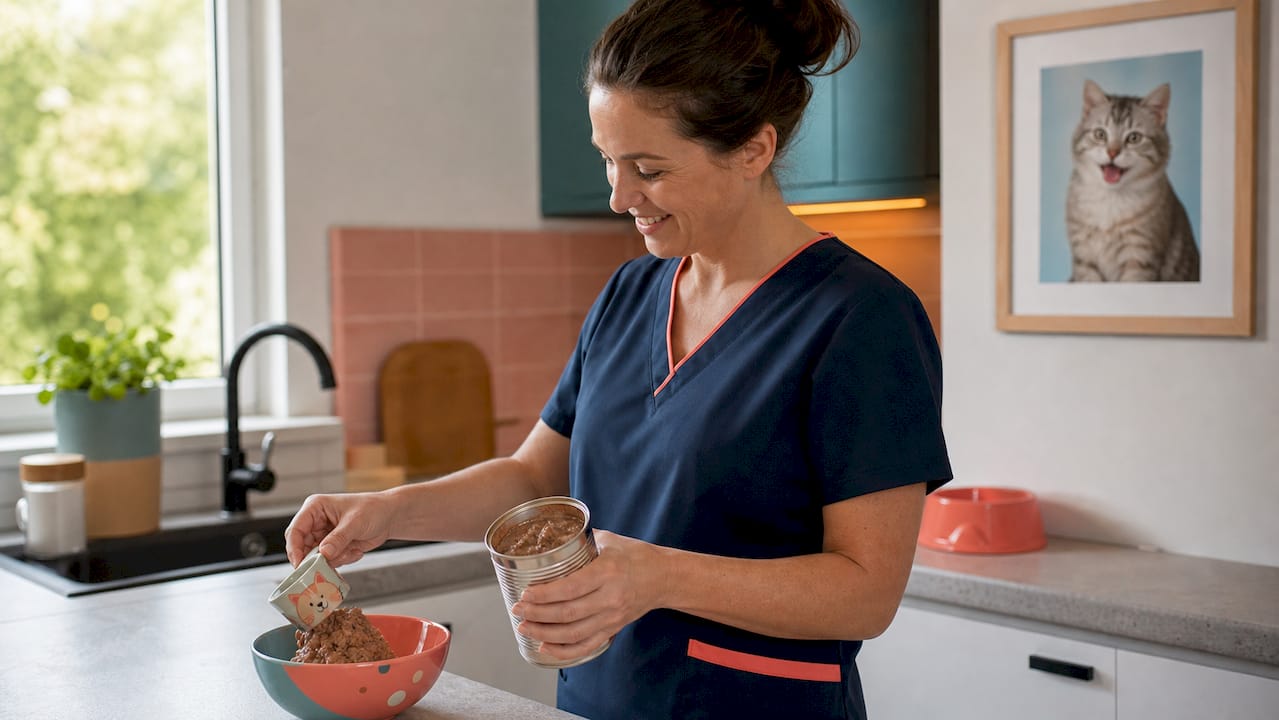
Hill’s Science Plan Senior 11+ is the go-to recommendation for cats entering their later senior years. Its clinically tested antioxidant blend and carefully balanced mineral profile make it particularly suited to cats with early kidney concerns or joint stiffness. Both wet and dry formats are available, which makes it easier to mix textures as your cat’s preferences shift with age.
KatKin Fresh Senior Cat Food takes a different approach entirely. Freshly prepared from UK-sourced ingredients, it delivers taurine and manganese alongside high-quality protein in a format that many older cats find more appealing than standard tinned food. It is not labelled exclusively for seniors, but its vet-approved recipe works well for multi-cat households where ages vary.
Little BigPaw Complete Dry Food for Senior Cats uses a fixed formula, meaning every batch contains exactly the same balance of ingredients. For cats with sensitive digestion or those on controlled diets, that consistency matters. The recipe combines high-quality fish and vegetables, and nutritionist reviews have noted its yucca extract content, which supports joint and gut health.
Pro Plan Senior 7+ Sterilised Longevis focuses specifically on longevity. Its inclusion of botanicals alongside antioxidants gives it a slightly different nutritional angle from the standard Pro Plan Senior line, making it worth considering if your cat is otherwise healthy but you want to support long-term vitality.
For cats that turn their nose up at most foods, Lily’s Kitchen Tasty Cuts for Mature Cats tends to win them over. The ingredient quality is high, the recipe is free from artificial additives, and the texture suits cats who prefer something closer to real meat rather than a smooth pâté.
Scrumbles Meat And Fish Selection in Jelly keeps the ingredient list short and digestible, which is exactly what sensitive stomachs need. The jelly format also adds a small but useful hydration boost at each meal.
James Wellbeloved Senior Cat Pouches are the strongest hypoallergenic option on this list. Free from beef, pork, soda, dairy, and wheat, they suit cats with confirmed food intolerances or those who have developed sensitivities with age. The omega-3 and omega-6 content, alongside vitamins E and B1, gives it genuine nutritional depth beyond just allergen avoidance.
For budget-conscious owners, Whiskas Senior Chicken Cat Food 7+, WHISKAS Senior Wet Cat Food 7+ in Jelly, WHISKAS Senior Wet Cat Food Pouches Poultry in Jelly, and Whiskas Senior Cat Food Fish Selection in Jelly all offer familiar flavours at accessible prices. They are widely available across UK supermarkets and provide a reliable baseline of senior-appropriate nutrition, though they lack the specialist additives found in premium lines.
Perfect Fit Senior 7+ Dry Cat Food and Perfect Fit Senior 7+ Wet Cat Food Pouches work well together as a combined feeding approach. The dry version offers mild dental benefits, while the wet pouches add hydration. Using both gives you a practical, affordable way to cover two common senior concerns at once.
Webbox Naturals Senior Wet Cat Food Variety Pack suits cats who grow bored with a single flavour. Variety packs can help maintain appetite in older cats who have become fussier, and the natural ingredient base keeps the nutritional profile clean.
Gourmet Perle Cat Food Ocean Collection is the premium seafood option for cats with refined tastes. The ocean fish proteins appeal strongly to cats who have always preferred fish over poultry, and the texture is soft enough for cats with dental sensitivity.
HiLife Mature Wet Cat Food, Tuna & Chicken combines two popular protein sources in a natural-ingredient recipe. It suits cats who need a straightforward, high-protein wet food without a long list of additives.
IAMS Senior 7+ Dry Cat Food with Chicken is a trusted dry option for cats that remain reasonably active into their senior years. The chicken-based formula supports muscle maintenance, and the omega-6 content helps keep the coat in good condition.
James Wellbeloved Senior Turkey Dry Cat Food mirrors the hypoallergenic credentials of the wet pouch version but in dry format. The limited ingredient profile reduces allergenic risk, making it the strongest dry choice for food-sensitive cats.
Applaws Grain Free Senior Cat Food, Chicken and Lifelong Grainfree Senior Dry Cat Food both serve cats whose owners prefer grain-free diets. Applaws uses a high-protein, minimal-filler approach, while Lifelong offers a more comprehensive nutritional profile across a broader range of vitamins and minerals.
FELIX Senior Mixed Menu in Jelly Cat Food is a practical everyday choice for cats who enjoy variety. The multi-flavour format keeps mealtimes interesting, and the senior-appropriate nutrition makes it a step up from standard adult FELIX.
Giddy Pets recommended senior cat food takes a different angle from the rest of this list. Rather than a single food product, Giddypets focuses on slow feeder options tailored to seniors who eat too quickly, causing digestive upset and sick-ups. For cats where the problem is not what they eat but how fast they eat it, this is the most targeted solution available.
What do senior cats actually need from their food?
The nutritional shift that happens as cats age is more significant than most owners realise. As cats grow older, metabolism slows, lean muscle mass declines, and kidney filtration becomes less efficient. At more advanced senior stages, nutritional priorities shift further towards cognitive support and hydration, making specialised diets or increased wet food ratios potentially beneficial.
Here is what to look for on the label:
- High-quality animal protein. Senior cats still need plenty of protein to prevent sarcopenia (muscle wasting). The common belief that older cats should eat less protein is a persistent myth. Low-protein diets are only appropriate for cats with diagnosed chronic kidney disease, and even then, only under veterinary supervision.
- Controlled phosphorus. Kidney disease is common in older cats. Diets with moderate phosphorus levels help protect kidney function over time. If kidney disease is already diagnosed, your vet may recommend a prescription renal diet with stricter phosphorus limits.
- Omega-3 and omega-6 fatty acids. These support joint health, reduce inflammation, maintain skin and coat condition, and contribute to brain function. Fish oil is the most common source in senior formulas.
- Antioxidants. Vitamins C and E, taurine, beta-carotene, and lutein all help support immune function and protect against cellular damage. Research published in the British Journal of Nutrition found that a nutrient blend containing fish oil, B vitamins, antioxidants, and arginine improved cognitive function in middle-aged and older cats.
- Adequate moisture. Many older cats do not drink enough water, increasing the risk of kidney and urinary tract problems. Wet food addresses this directly; dry food requires a reliable separate water source, ideally a cat water fountain to encourage drinking.
- Moderate, balanced calories. Some senior cats gain weight due to reduced activity; others lose weight despite eating well. The right calorie level depends on your individual cat’s weight and health status.
Recognising feeding problems in older cats
Weight loss despite a normal appetite is one of the most common warning signs in senior cats, and it often points to an underlying condition such as hyperthyroidism, kidney disease, or diabetes. If your cat is eating but still losing weight, veterinary evaluation is the right next step rather than simply switching foods.
Watch for these signs that diet or health may need attention:
- Reduced appetite or skipping meals. Appetite decline in older cats is often linked to dental pain, arthritis making it uncomfortable to reach the bowl, or a dulled sense of smell. Palatability, including aroma, texture, and temperature, becomes critical to keeping calorie intake adequate.
- Difficulty chewing. Hard kibble can become a problem for cats with dental disease. Switching to wet food or softening dry food with warm water often helps.
- Dehydration. Signs include sunken eyes, dry gums, and skin that does not spring back quickly when gently pinched. Senior cats are particularly prone to dehydration, especially if eating predominantly dry food.
- Dull coat or excessive shedding. Poor coat condition often reflects a deficiency in omega fatty acids or overall protein intake.
- Decreased activity or stiffness. While not purely a dietary sign, joint stiffness can be eased by foods containing glucosamine, chondroitin, and omega-3s. Gentle interactive play also helps maintain mobility alongside good nutrition.
- Digestive upset. Vomiting, loose stools, or constipation in older cats can signal that the current food is not agreeing with them, or that a health condition needs investigation.
Older cats with appetite changes respond well to improved palatability. Warming wet food slightly to release its aroma, offering smaller and more frequent meals, and rotating flavours can all make a meaningful difference.
How to choose the right senior cat food for your cat
There is no single best answer here. As the British Veterinary Association advises, the ideal diet depends on your cat’s individual medical history, weight, and lifestyle. Before switching to a senior formula or prescription diet, consult your vet to determine the most appropriate choice for your cat’s needs.
- Start with a vet consultation. Before switching to a senior formula, especially if your cat has any existing health conditions, get a professional opinion. Cats with kidney disease, diabetes, or hyperthyroidism often need prescription diets rather than over-the-counter senior food.
- Check the age range on the label. Most senior foods are formulated for cats aged 7+, but some, such as Hill’s Science Plan Senior 11+, are specifically designed for cats in their later senior years. Matching the formula to your cat’s actual age stage matters.
- Decide on wet, dry, or a combination. Wet food supports hydration and is easier to chew; dry food offers mild dental benefits and is more convenient to store. Many vets recommend combining both for senior cats, using wet food as the primary source and dry food as a supplement.
- Read the ingredient list carefully. The first ingredient should be a named animal protein (chicken, turkey, salmon). Avoid foods where cereals or unnamed meat derivatives dominate the first few ingredients.
- Look for key additives. For joint support, check for glucosamine, chondroitin, and omega-3s. For brain health, look for fish oil, B vitamins, and arginine. For gut health, prebiotics such as chicory root extract are a good sign.
- Consider your cat’s specific sensitivities. If your cat has a history of food reactions, hypoallergenic options like James Wellbeloved Senior Cat Pouches or James Wellbeloved Senior Turkey Dry Cat Food are worth prioritising.
- Factor in palatability. The most nutritionally complete food is useless if your cat refuses to eat it. If your cat is a picky eater, start with a small trial pack before committing to a larger quantity.
For cats with specific conditions, the dietary approach shifts:
- Kidney disease: lower phosphorus, increased moisture, controlled protein, added B vitamins. Prescription renal diets are usually required.
- Diabetes: high protein, low carbohydrate, consistent feeding schedule to manage blood glucose.
- Arthritis: foods with glucosamine, chondroitin, and omega-3s, combined with a raised feeding bowl to reduce neck and shoulder strain.
- Dental disease: wet food or softened dry food to ease chewing discomfort.
Practical feeding tips for senior cats
Getting the food right is only half the picture. How and when you feed your older cat shapes how well they absorb and benefit from that nutrition.
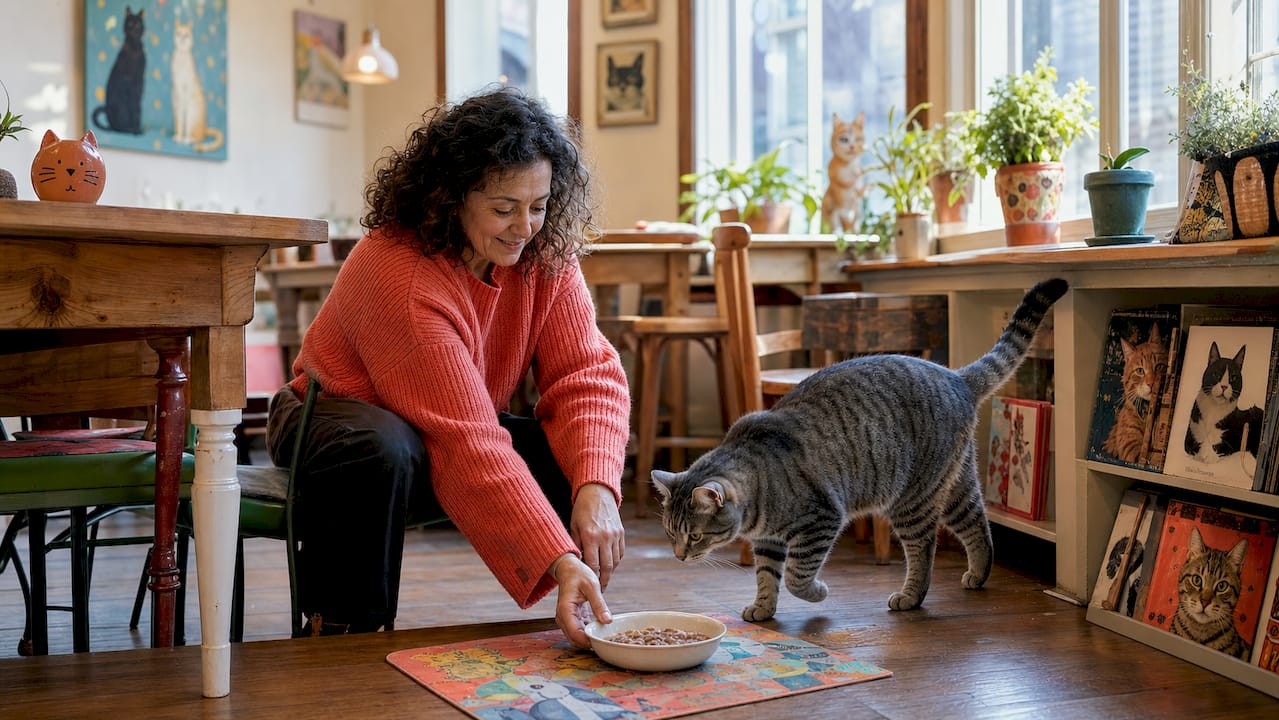
- Feed two measured meals per day rather than leaving food out all day. This helps you monitor how much your cat is actually eating, which is one of the earliest indicators of health changes.
- Warm wet food slightly before serving. Older cats often have a reduced sense of smell, and warming food to around body temperature releases aroma and makes it far more appealing.
- Transition to new foods gradually. Mix the new food with the current one over 7–10 days, starting with a small proportion and increasing it slowly. A gradual transition prevents digestive upset and gives your cat time to accept the new flavour and texture.
- Keep the water bowl separate from the food bowl. Cats instinctively prefer to drink away from their food source. A separate water station, or better still a cat water fountain, encourages higher daily intake.
- Use a slow feeder if your cat eats too quickly. Senior cats who bolt their food often vomit shortly after eating. Slow feeders spread the meal out, reduce the risk of sick-ups, and support better digestion.
Pro Tip: If your senior cat is losing interest in food, try switching from a bowl to a shallow plate or saucer. Many older cats find deep bowls uncomfortable due to whisker sensitivity, and a flat surface can make a surprising difference to how willingly they eat.
Combining wet and dry food is a practical strategy for managing two of the most common senior concerns at once. The wet food handles hydration; the dry food provides a mild dental benefit and something to graze on between meals. Adjust the ratio based on your cat’s kidney health and weight, and review it with your vet at least once a year.
Giddypets: feeding accessories that support your senior cat’s diet
Choosing the right food is the foundation, but the right feeding setup makes a real difference to how well your senior cat actually eats. Giddypets stocks a curated range of feeding accessories designed with older cats in mind, from cat slow feeders that reduce sick-ups and digestive discomfort to raised, whisker-friendly bowls that ease the strain on arthritic necks and shoulders.
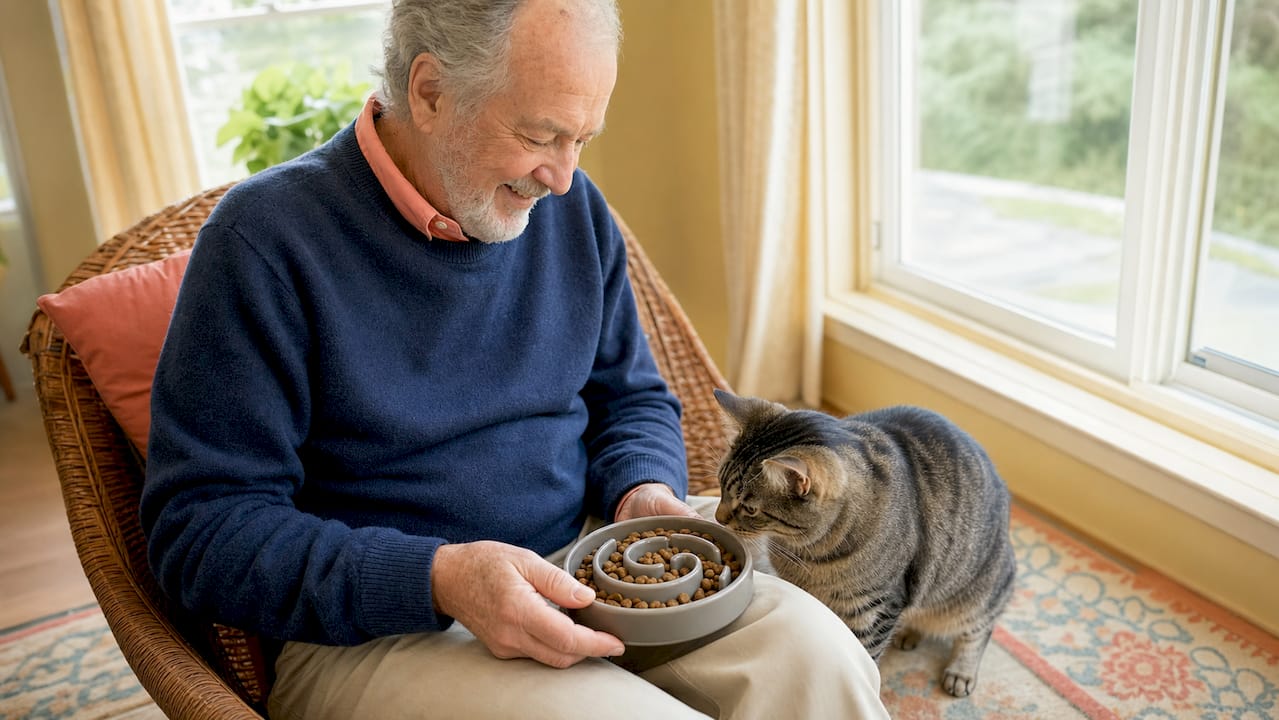
Senior cats who eat too quickly are a common concern, and it is one that food alone cannot fix. Giddypets’ slow feeder range is specifically selected to moderate eating speed without causing frustration, keeping mealtimes calm and digestion comfortable. Pair that with an automatic pet feeder for consistent portion control across two daily meals, and you have a feeding routine that supports the nutrition your cat is getting from their food. Browse the full range at Giddypets and find the right setup for your cat’s age and needs.
Key takeaways
The best senior cat food combines high-quality animal protein, controlled phosphorus, omega-3 fatty acids, and adequate moisture to support ageing cats’ muscle, kidney, joint, and cognitive health from age 7 onwards.
| Point | Details |
|---|---|
| Healthy senior cats need high-quality protein to prevent muscle loss; low-protein diets are only appropriate for cats with diagnosed kidney disease. | |
| Wet food aids hydration | Senior cats are prone to dehydration; wet food or a water fountain helps maintain kidney and urinary health. |
| Cats aged 11+ benefit from specialist formulas targeting cognitive support, joint health, and appetite, beyond standard 7+ options. | |
| Transition gradually | Switching foods over 7–10 days prevents digestive upset and improves acceptance of new textures and flavours. |
| Giddypets supports the feeding routine | Giddypets’ slow feeders and raised bowls complement senior cat nutrition by moderating eating speed and reducing physical discomfort at mealtimes. |