






What size bed does a German Shepherd need?
Most adult German Shepherds need a large or extra-large bed, roughly a hundred to a hundred and twenty centimetres long, but the breed name alone is not a reliable enough guide, since the difference between a smaller female and a large male is real. Measuring your own dog takes a couple of minutes and removes the guesswork.
How to measure your dog
Wait until your dog is lying down stretched out on their side, which is closer to how most dogs actually sleep than standing measurements are, and measure from the tip of the nose to the base of the tail. Add roughly fifteen to twenty centimetres onto that figure so your dog has room to stretch out fully and turn around without hanging off the edge.
Measure width the same way, across your dog at their widest point while lying down, and check that figure against the bed's stated internal dimensions rather than its outer size, since padded sides and raised edges eat into the usable sleeping area on some designs.
You'll find our dog beds in the shop.
Why the breed name alone isn't enough
German Shepherds vary noticeably in size between a smaller adult female and a large adult male, and coat length adds a bit of extra bulk to account for on a longer-coated dog. A bed bought purely off the breed name without measuring can end up too small for a big male or unnecessarily large for a smaller female, which matters more for a floor bed taking up space in a small room.
A growing puppy is a separate case again: buying to their expected adult size from the start means one bed rather than several, but it also means a lot of unused space while they are still small, which some puppies find less reassuring than a snugger fit early on.
The sizes we stock
Everything below is in stock with us, priced with delivery worked out, and packed and posted by hand in the UK.
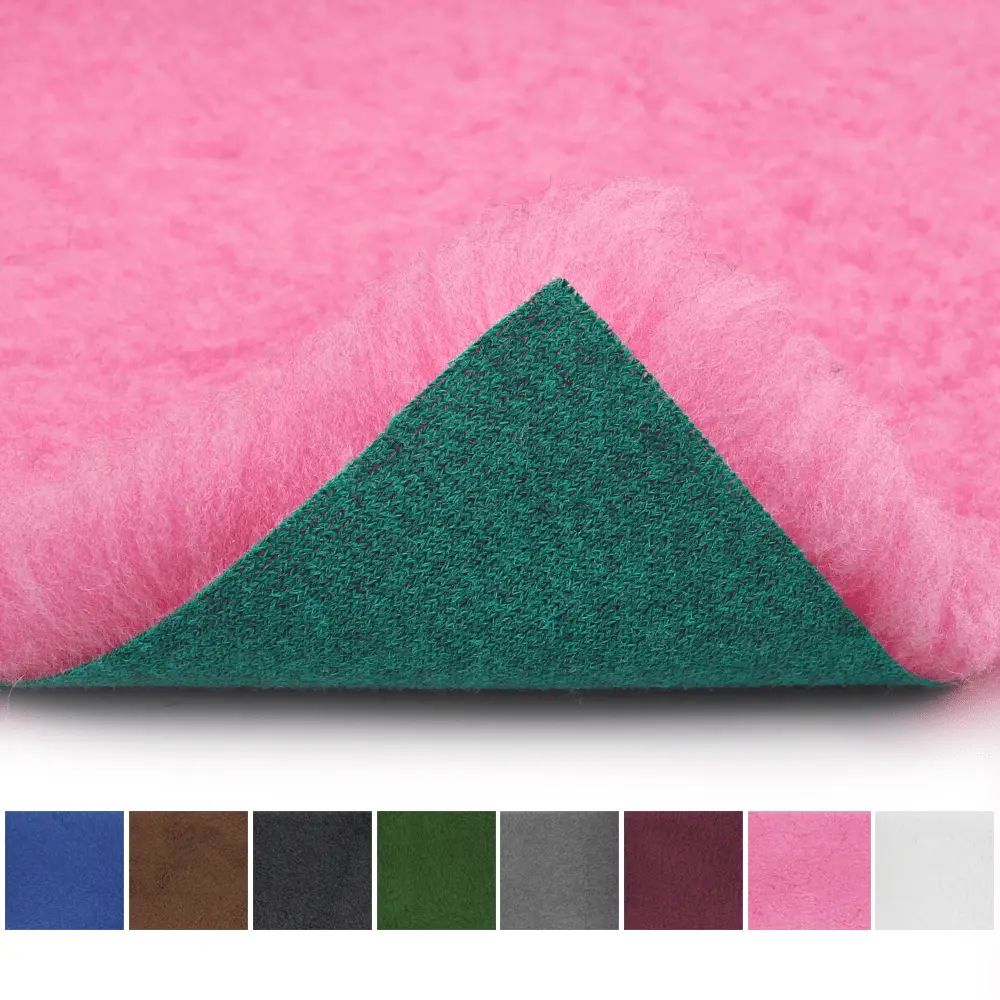
ProFleece Green Back Vet Bedding — Whelping Box Sizes
UK-made veterinary fleece in whelping box dimensions, with a fluid-draining green backing to keep mum and pups dry and comfortable.
From£28.99
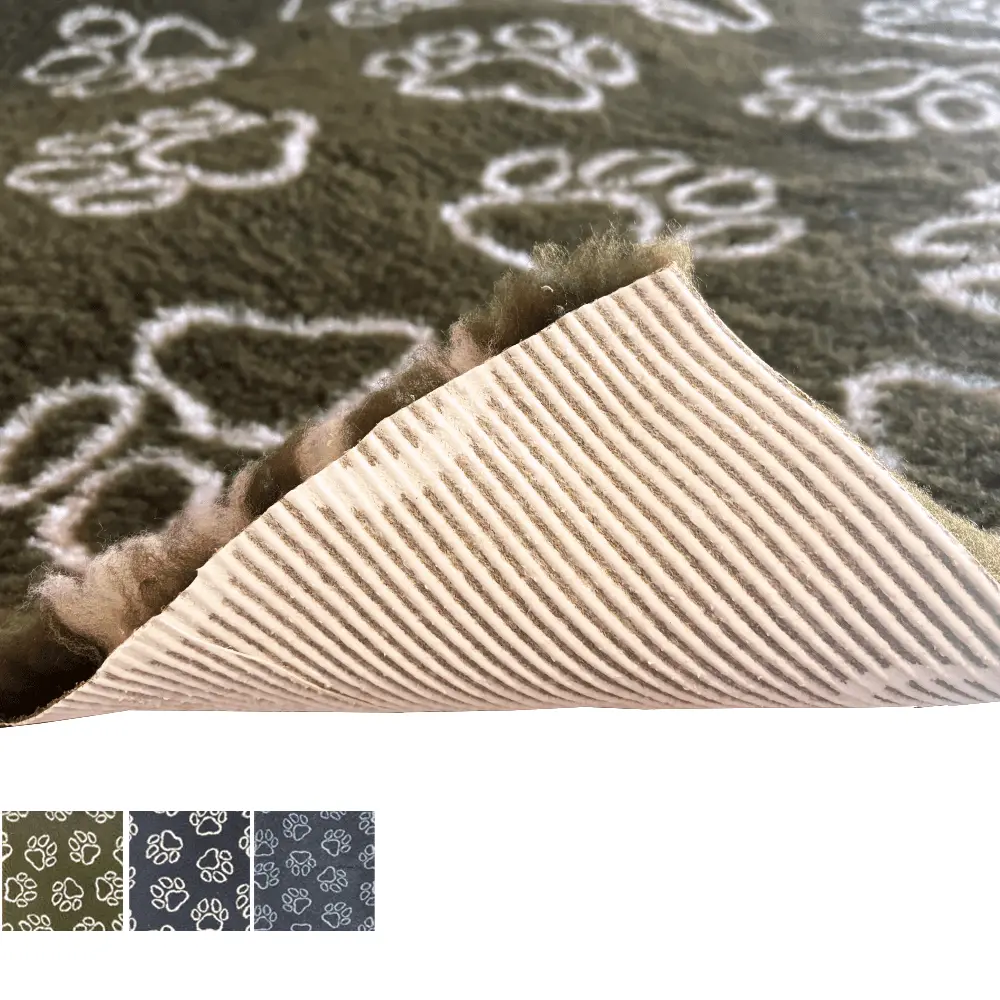
ProFleece Non-Slip Vet Bedding with Hollow Paw – Multiple Sizes
Super-soft, heavy-weight fleece bedding with a non-slip rubber backing — machine washable and ideal for crates, kennels, whelping, and recovery.
From£13.99
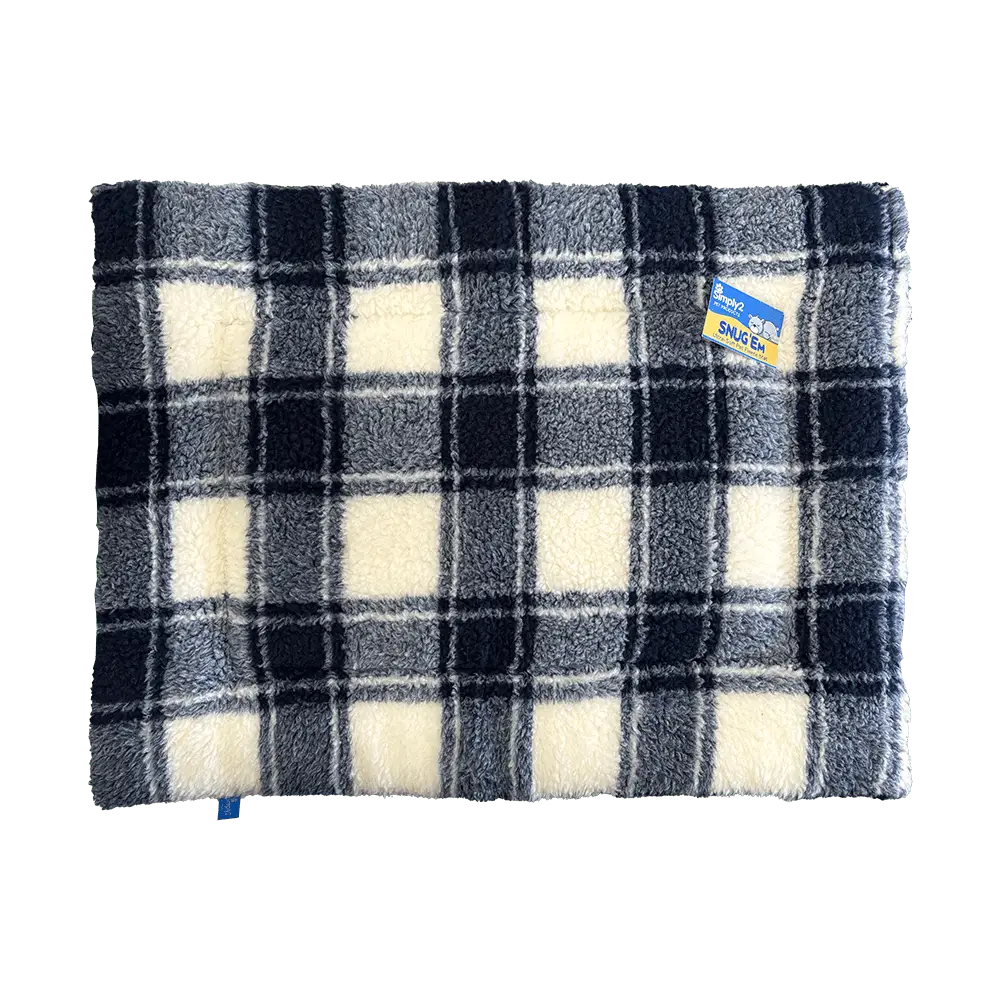
Tartan Sherpa Fleece Pet Mat
A reversible tartan sherpa fleece mat handmade in the UK — hypoallergenic, non-slip, machine washable, and sized to fit standard crates.
From£17.99
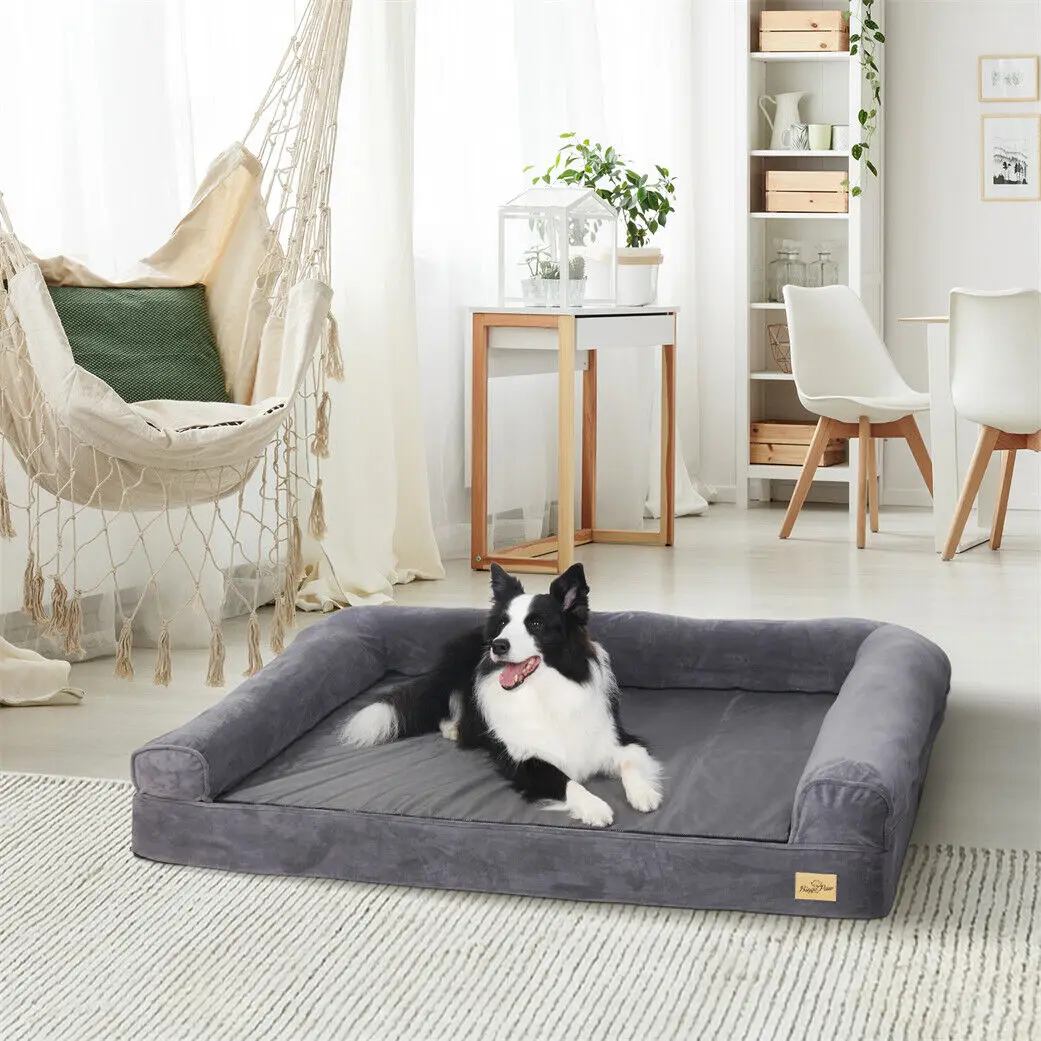
Extra Large Orthopaedic Dog Sofa Bed
An extra-large sofa-style dog bed with a cushioned mattress base and bolstered sides, sized for big breeds who want to stretch out rather than curl into a nest.
From£68.99
Common questions
- What size bed do most German Shepherds need?
- Most adults fit a large to extra-large bed, roughly a hundred to a hundred and twenty centimetres long, but measure your own dog lying stretched out rather than relying on the breed name alone, since the size range within the breed is fairly wide.
- Should I buy a bigger bed for a German Shepherd puppy?
- You can buy to their expected adult size to avoid buying twice, but a puppy bed that is much too large can feel less secure to a young dog than a snugger fit. Either approach works; it comes down to what suits your puppy and your budget.
- Do German Shepherds need an orthopaedic bed?
- A supportive, well-padded bed benefits any large breed as they get older, since joint problems are more common in bigger dogs. It is not essential for a young, healthy dog, but worth considering earlier rather than waiting until they are showing signs of stiffness.
- How do I know if a bed is too small for my dog?
- If your dog can't lie fully stretched out without a paw or their head hanging off the edge, or they consistently sleep curled into a much tighter shape than seems comfortable, the bed is probably undersized for them.
Related
Sources
Written against guidance published by UK veterinary and welfare organisations. Always confirm specifics with your own vet.
Written by Matt Garnett, who runs Giddy Pets and is a lifelong pet owner — not a vet. This is general information, not veterinary advice, and it cannot replace an examination by the vet who knows your animal. How we write these guides.