






What size coat for a Cocker Spaniel?
Most adult Cocker Spaniels take a coat somewhere between size 14 and 16 inches, but that's a starting point rather than an answer — Cockers vary noticeably in build between the show and working types, so the only reliable way to get a coat that actually fits is to measure your own dog rather than go by breed alone.
How to measure your Cocker Spaniel
Measure your dog standing on a level surface, ideally with them relaxed rather than hunched or stretching. The key measurement is back length: run a tape measure from the base of the neck, where the collar sits, to the base of the tail, following the curve of the spine rather than pulling it in a straight line above the dog.
It's worth also checking the chest girth — measured around the widest part of the ribcage, just behind the front legs — since a coat sized right for back length can still be too tight around the chest on a stockier dog. If your dog's chest girth is unusually large or small for their back length, go with the sizing that fits the chest and expect a slightly longer or shorter coat body as a trade-off.
Why one number isn't enough for this breed
Show-type Cockers tend to be slightly more compact and finer-boned, while working Cockers are often a touch leaner and longer through the body, so two dogs both labelled 'Cocker Spaniel' can genuinely need different coat sizes. Coat and undercoat thickness matters too — a Cocker's coat is already fairly weatherproof compared with some breeds, so a coat is more about extra warmth on a cold, wet walk or protection for an older or thin-coated dog than a year-round necessity.
Check the specific product's own size chart against your two measurements rather than relying on the breed name in the title, since sizing varies between manufacturers by a noticeable margin even at the same labelled size.
The sizes we stock
Everything below is in stock with us, priced with delivery worked out, and packed and posted by hand in the UK.
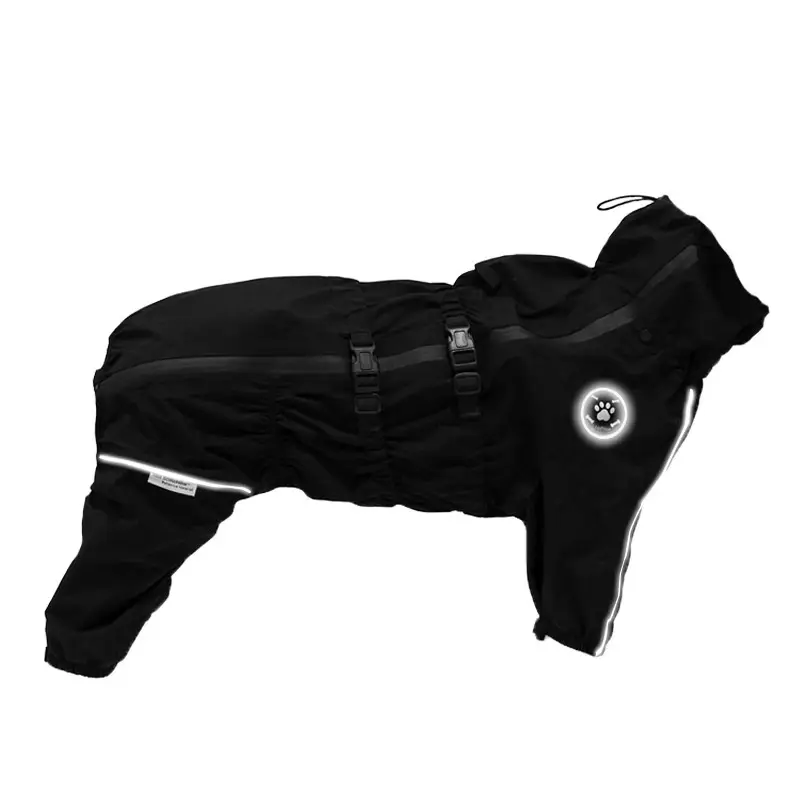
Full-Body Waterproof Dog Raincoat
A full-body waterproof raincoat covering all four legs to keep your dog dry and mud-free outdoors. Reflective strips improve visibility in low light and the secure buckle fastening gives an adjustable fit.
From£28.99
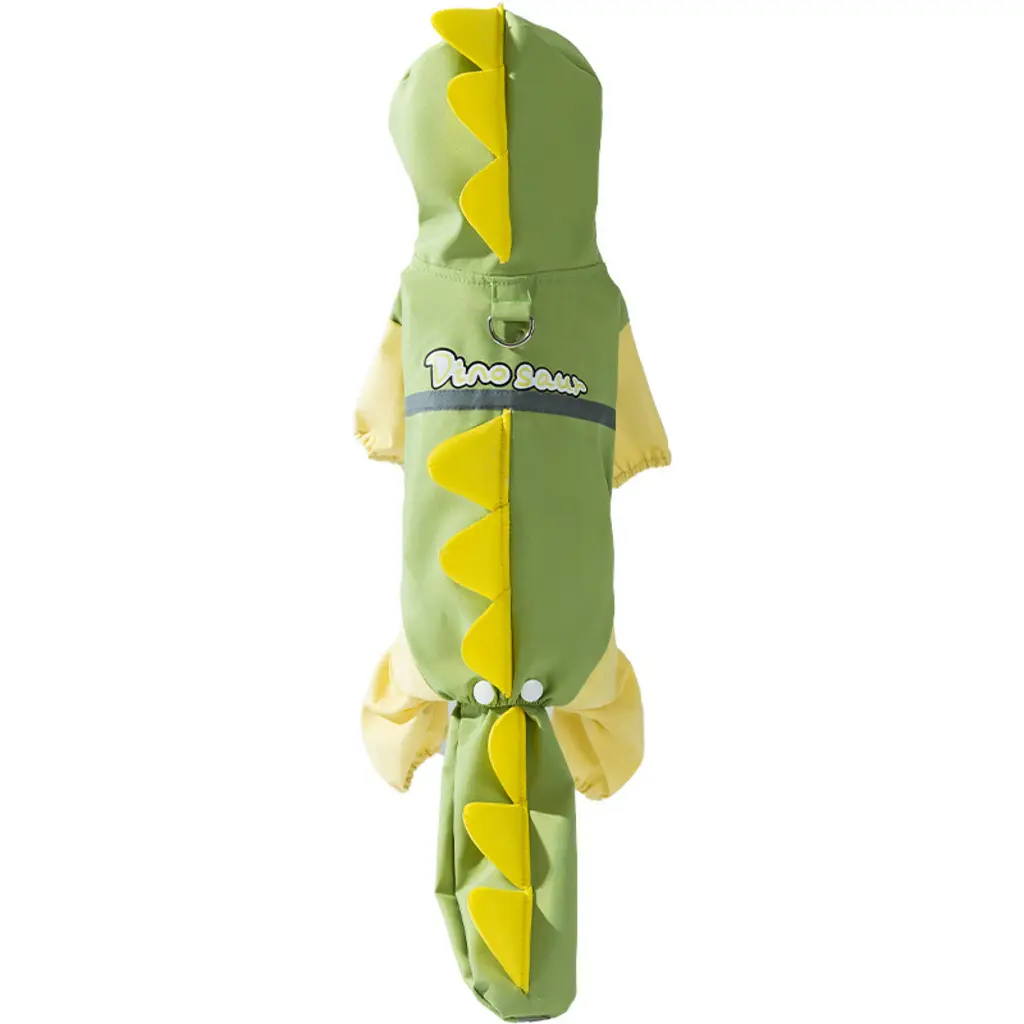
Hooded Dinosaur Dog Raincoat
A waterproof hooded dog raincoat with a fun dinosaur spine and yellow fins. It features full-coverage legs, a reflective strip and a built-in D-ring for a lead, keeping smaller dogs dry and visible on wet walks.
From£29.99
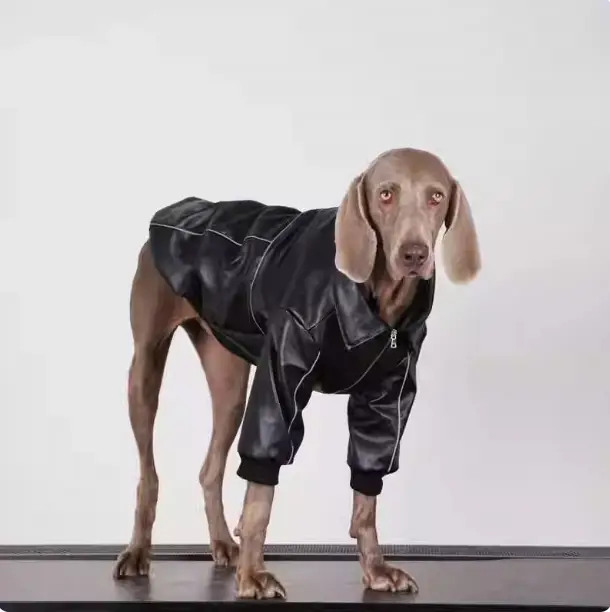
Dog Sports Jacket For Medium & Large Breeds, Warm Coat
A sleek zip-up sports jacket with full leg sleeves and reflective trim, designed to keep medium and large dogs warm and dry on cold-weather walks. Easy-fit and snug at the cuffs.
From£24.99
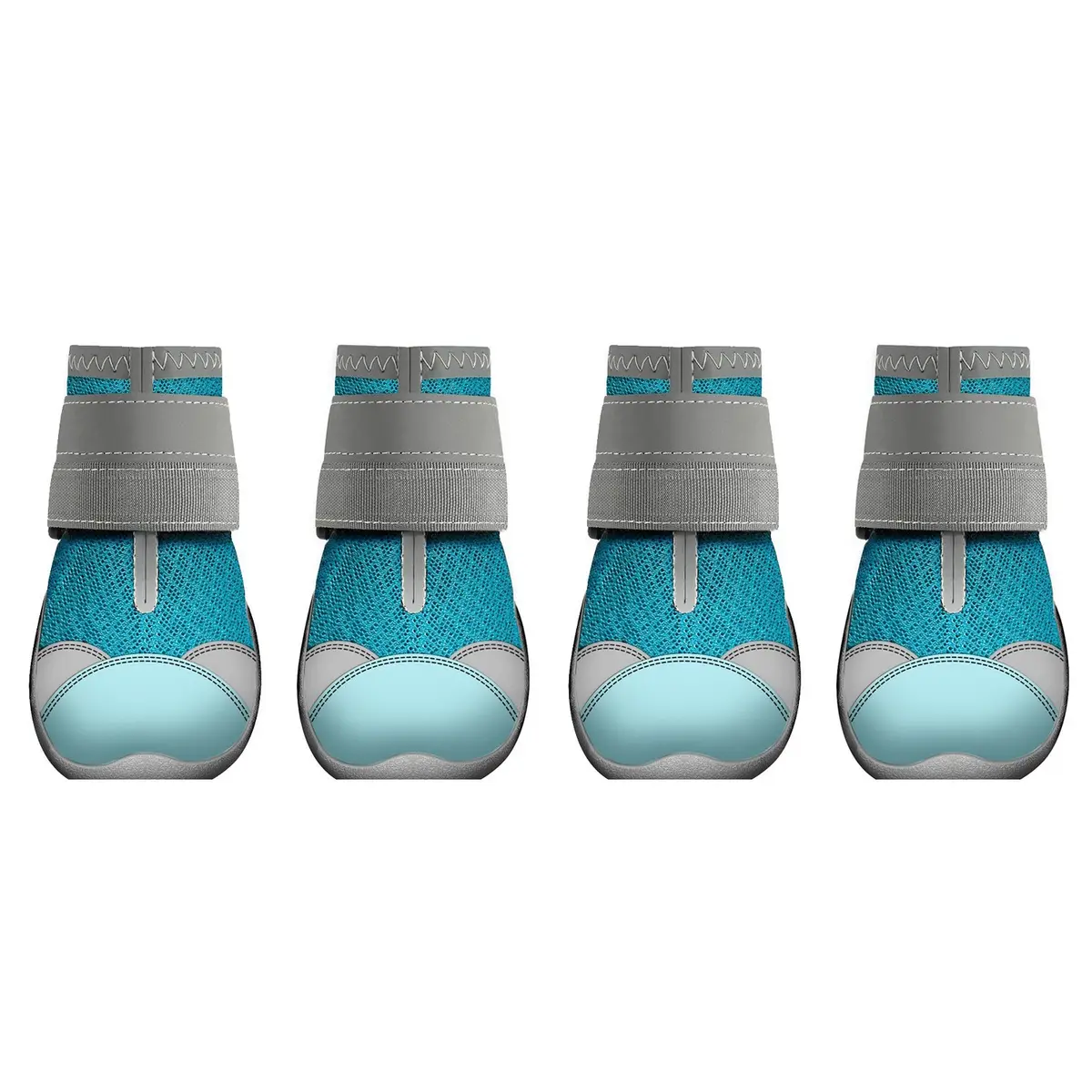
Breathable Mesh Dog Boots with Reflective Strap
Lightweight breathable mesh dog boots with a wear-resistant non-slip sole and a reflective hook-and-loop strap for grip and night-time visibility. Keep paws cool and protected on walks. Sold in pairs or sets of four.
From£11.99
Common questions
- What size coat does a Cocker Spaniel puppy need?
- It depends entirely on their current size rather than their eventual adult size — measure a puppy the same way as an adult and expect to size up more than once during their first year of growth.
- Should a Cocker Spaniel's coat cover the belly?
- A coat that extends to cover the underside gives more protection in wet or muddy conditions, which suits a breed that spends a lot of time nose-down in undergrowth, though a shorter belly-free design is easier to fit around harnesses and simpler to keep clean.
- How do I know if a coat is too small?
- Watch for rubbing around the neck and legs, a coat that rides up and exposes the back, or visible strain on any fastenings when your dog moves normally. Any of these means it's worth sizing up rather than persevering with a snug fit.
Related
Sources
Written against guidance published by UK veterinary and welfare organisations. Always confirm specifics with your own vet.
Written by Matt Garnett, who runs Giddy Pets and is a lifelong pet owner — not a vet. This is general information, not veterinary advice, and it cannot replace an examination by the vet who knows your animal. How we write these guides.