Mitral valve disease in dogs: signs, stages and daily life
A plain guide to mitral valve disease in dogs: what the valve does, which dogs are most affected, the stages vets use, the signs to watch for and what day-to-day life looks like after a murmur is found.
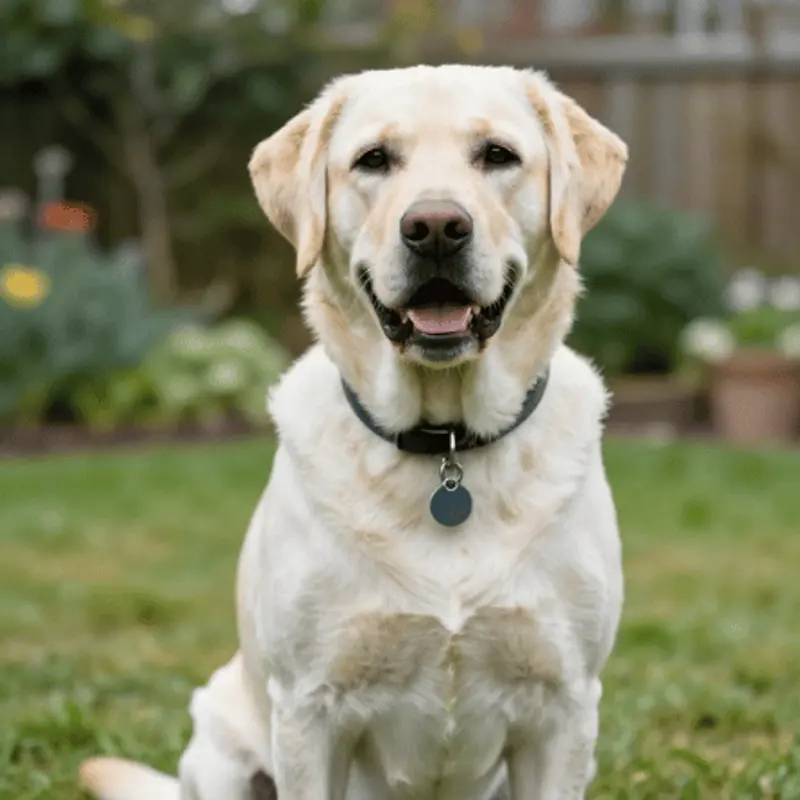
The quick answer
Mitral valve disease is a condition in which a valve on the left side of a dog's heart thickens and stops sealing, so blood leaks backwards. It is most common in older, small breeds and is usually first picked up as a heart murmur at a routine check. Many dogs have no symptoms for years, and vets monitor them and start medicines when tests show they are needed.
Shop the guide
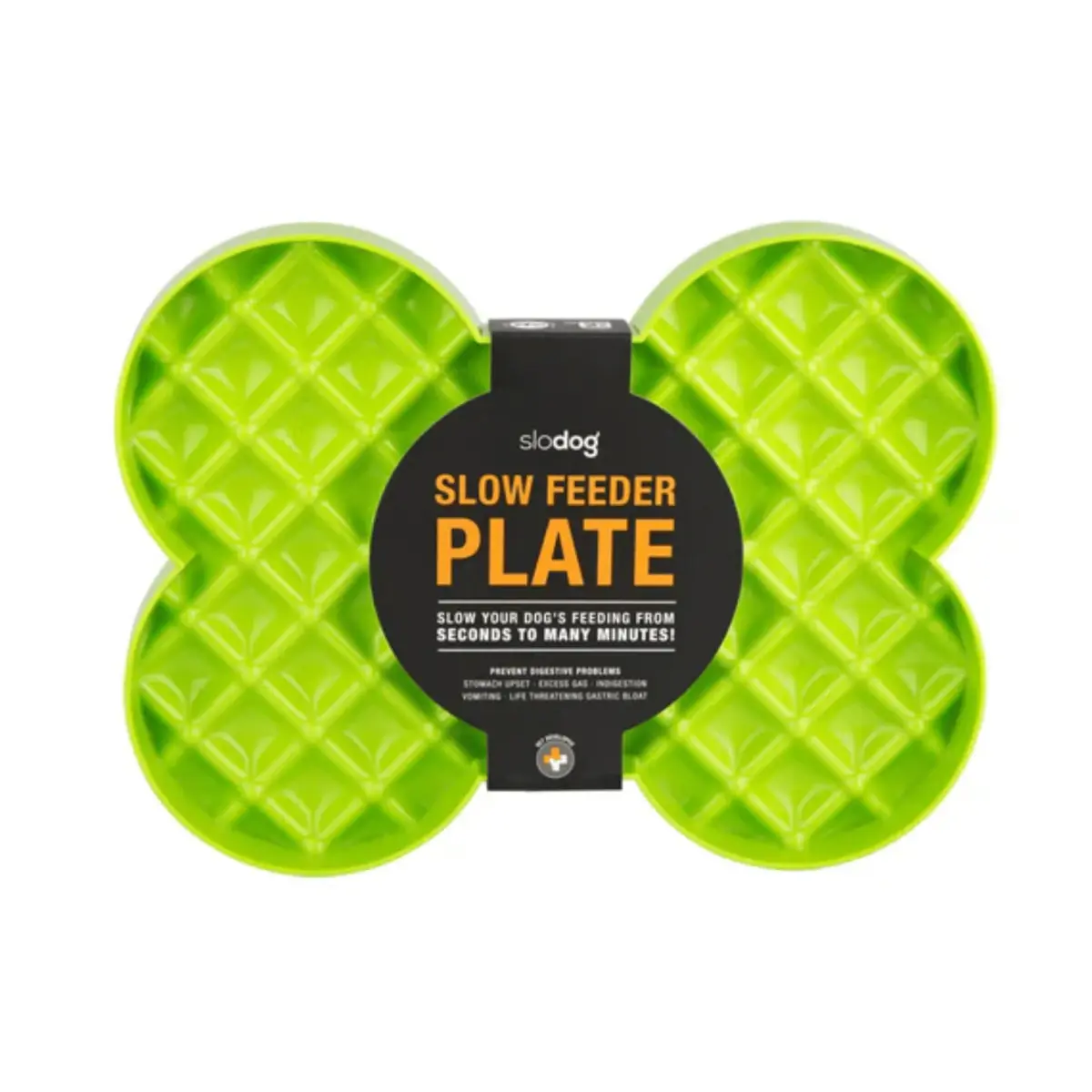
Slow Feeder Plate Green
A shallow-pocketed feeding plate that slows a dog down without making it hunt
£13.95

Ancol Ergo Wooden Handle Slicker Brush
A stainless steel slicker brush on a wooden handle, for short, long, wiry and curly coats
From£6.99
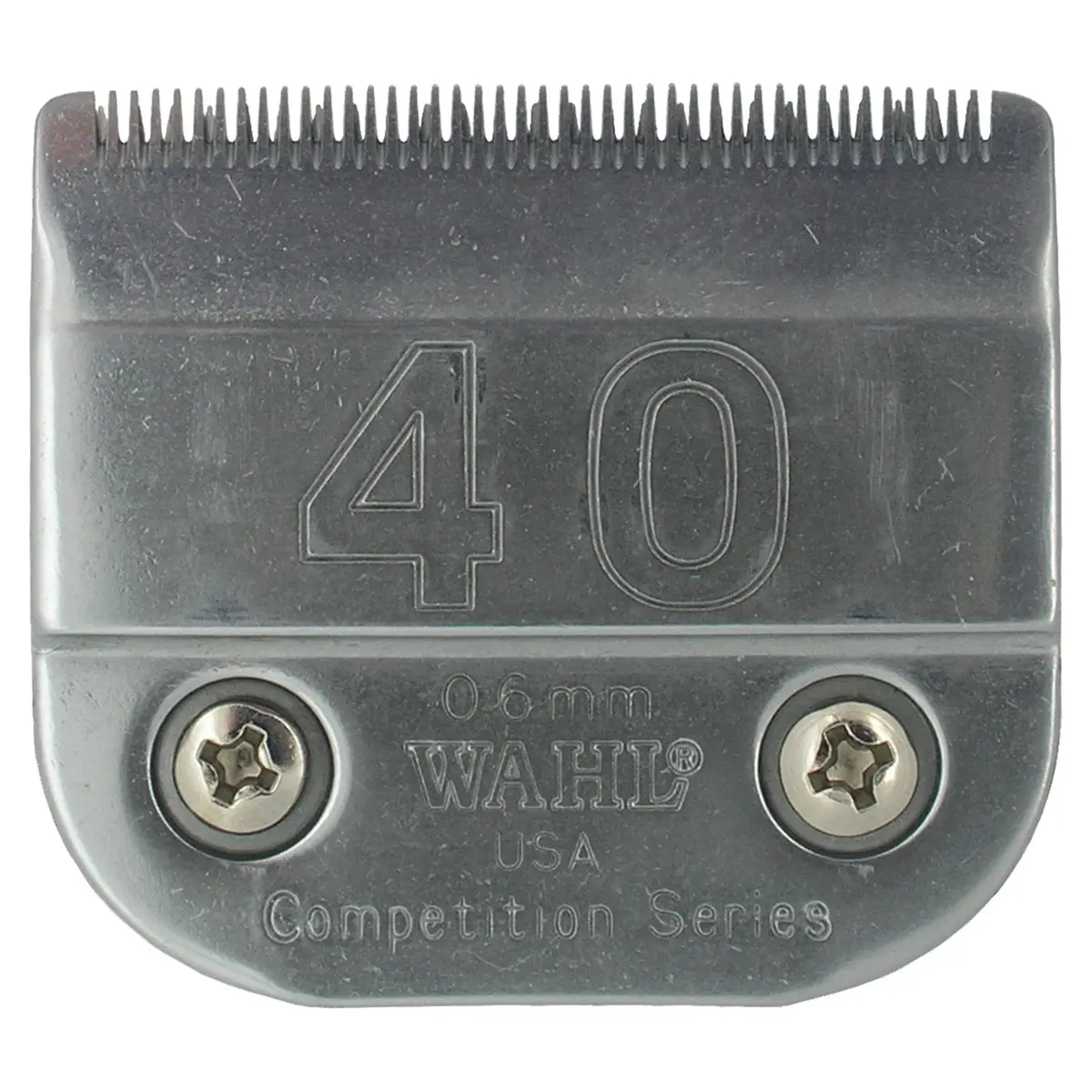
Wahl Competition Series Clipper Blades
High-precision, chrome-plated clipper blades with a rust-resistant finish, available in 17 sizes for every coat type and clipping style.
From£37.99
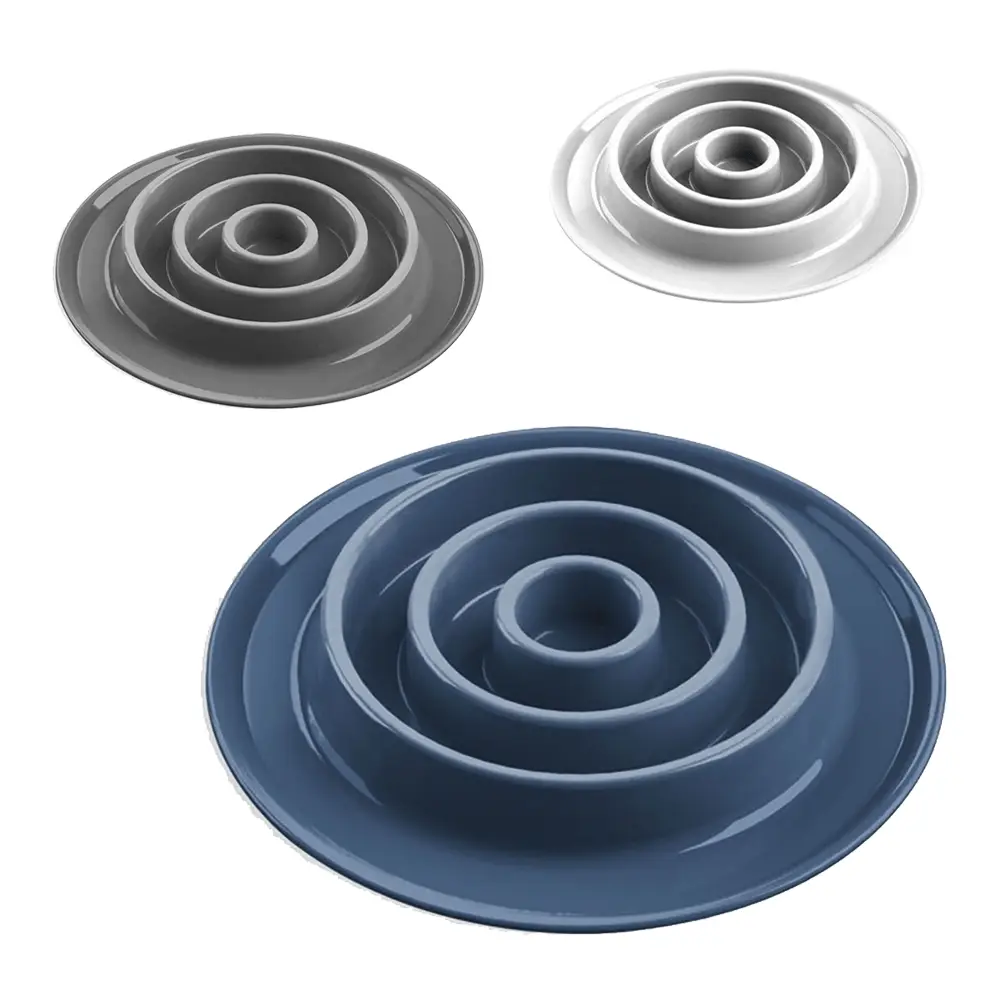
Tarhong Concentric Circle Slow Feeder Bowl for Dogs & Cats
A stylish slow-feeder bowl that encourages healthier, calmer mealtimes — available in blue, grey, or white.
£14.99
Mitral valve disease in dogs is a condition where a valve on the left side of the heart thickens and stops closing fully, so some blood leaks backwards with each beat. It is most often found in older, small breeds, usually starts as a heart murmur heard at a routine check, and many dogs live with it for years without symptoms.
If you have just been told your dog has a murmur, that last point is worth holding on to. This guide explains what the sources say in plain words. It is general information, not veterinary advice, and it cannot tell you what is happening in your own dog's heart. Your vet can.
What the mitral valve does and what goes wrong
A dog's heart has four valves. The mitral valve sits on the left side, between the upper chamber (the left atrium) and the main pumping chamber below it (the left ventricle). Its job is to act as a one-way door, so that blood moves forwards when the heart squeezes.
In mitral valve disease, often shortened to MVD, the valve changes with age. Davies Veterinary Specialists, a UK referral hospital, describes it becoming irregular and droopy, so it no longer seals well. PDSA describes the valve thickening and failing to close properly. Either way, the result is the same: a little blood slips back the wrong way. That turbulent leak is what a vet hears through a stethoscope as a heart murmur.
PDSA calls MVD "the most common type of heart disease in dogs". It usually gets worse slowly. As the leak grows, the heart works harder and can enlarge to cope. In advanced cases it can no longer keep up, fluid backs up into the lungs, and this is what vets call congestive heart failure.
Which dogs are most often affected
Any dog can develop MVD, but the sources agree on a pattern: it is mainly a disease of older, smaller dogs.
- PDSA says it is most common in small to medium breeds and names the Cavalier King Charles Spaniel, Dachshund, Poodle and Chihuahua.
- Davies Veterinary Specialists adds Terriers, Schnauzers and Bichons to the small-breed list, and notes that it is also seen in some medium and large dogs, including Spaniels, Lurchers and Labrador Retrievers.
Cavaliers have their own screening programme in the UK. The Royal Kennel Club runs a Heart Scheme for Cavalier King Charles Spaniels, in which approved cardiologists listen for a murmur and then scan the heart to look at the mitral valve. Dogs must be at least 18 months old, and each one receives two grades, one for any murmur and one for how much the valve bulges on the scan. The results are turned into a green, amber or red rating to guide breeding decisions, and the club recommends reassessing dogs every two years. It is open that the way MVD is inherited is not fully understood, so even two green-rated parents cannot guarantee puppies free of it.
If you are choosing a puppy from an at-risk breed, PDSA suggests researching the heart screening that applies to that breed before you commit.
How it is usually found, and the tests that may follow
Most owners hear about MVD for the first time at an ordinary appointment, often a booster, when the vet listens to the chest and picks up a murmur in a dog that seems perfectly well. PDSA points out that this is one good reason to keep up regular check-ups: early signs can be caught before anything shows at home.
A murmur is a finding, not a diagnosis. The Royal Kennel Club's scheme notes that some murmurs are innocent or have other causes, and a clinical review in Vet Times explains that a firm diagnosis of MVD comes from a heart scan. PDSA lists the tests a vet may suggest:
- An ultrasound scan of the heart (an echocardiogram), to look at the valve and the size of the chambers
- X-rays, to check the heart's size and look for fluid on the lungs
- Blood tests, including one that shows strain on the heart muscle
- Blood pressure checks
- An ECG, to assess the heart's rhythm
Not every dog needs every test at once. Your vet will explain which ones would change what happens next, and what each costs.
The stages, in outline
Vets describe MVD in stages lettered A to D. PDSA sets them out like this:
- Stage A: a dog from a breed at risk, with no murmur and no symptoms.
- Stage B1: a murmur is present, but there are no symptoms and no changes to the heart on a scan or X-ray.
- Stage B2: a murmur and still no outward symptoms, but the scan or X-ray shows the heart has changed shape.
- Stage C: signs of heart failure have appeared, such as breathing problems, slowing down on walks or collapse.
- Stage D: heart failure signs that are no longer responding to medication.
The stage matters because it guides what the vet does, not because it puts a date on anything. A dog can stay in an early stage for a long time. Davies Veterinary Specialists says that although many older dogs have MVD, only 25 to 50% go on to develop signs of heart failure, and that those signs often appear several years after a murmur is first heard.
Signs to watch for and when to call the vet
Some dogs never show symptoms. If the disease progresses, PDSA lists these changes for owners to look out for:
- Coughing, especially after lying down or sleeping, and often worse at night
- Low energy, or slowing down on walks
- Faster breathing, breathlessness or more panting than usual
- Weight loss
- Collapse or fainting
A cough on its own does not prove the heart is failing. The Vet Times review notes that coughing in these dogs is often linked to the airways. It still deserves a conversation with your vet, because only an examination can tell the difference.
PDSA's advice on timing is clear. Contact your vet if you notice any of these signs, if you are worried about your dog's heart, or if a dog already diagnosed with MVD seems to be getting worse. If your dog is struggling to breathe, ask for an emergency appointment straight away. You know your dog best, so ring whenever something feels wrong.
How vets manage it
There is no medicine that stops or reverses the changes to the valve, according to Davies Veterinary Specialists. Management is about watching closely and stepping in at the right time.
Early stages. A dog with mild disease usually needs no medication at first, PDSA says. What it does need is regular vet checks and some monitoring at home.
Once the heart has enlarged. Davies Veterinary Specialists explains that at this point a medicine called pimobendan has been shown to delay the onset of heart failure. Whether and when to start is a decision for your vet, based on your dog's scan.
If heart failure develops. Vets add further treatment. PDSA describes medicines that help the heart beat more effectively, help clear fluid from the lungs and make it easier for the heart to pump blood around the body. Davies Veterinary Specialists names diuretics as the group used for fluid, sometimes alongside other drugs.
Surgery. Repair of the valve is available at a small number of specialist UK centres. Both PDSA and Davies Veterinary Specialists say it is major, costly surgery that suits only some dogs, so it is something to ask your vet about, not to expect.
The main job owners are given is counting the sleeping breathing rate: the number of breaths your dog takes in a minute while sound asleep. PDSA describes it as the most useful measure to record at home and has a video showing how. Davies Veterinary Specialists says a normal sleeping rate is under 36 breaths a minute, while the Vet Times review mentions a target of under 30 for dogs being treated for heart failure. Because the figures differ, ask your vet what number to expect for your dog and what rise should prompt a call.
Treatment can become expensive over time. PDSA encourages owners to talk openly with their vet about costs, since there is often more than one option.
Living with it day to day
For many dogs, life after the word murmur looks much like life before it.
Exercise. Davies Veterinary Specialists says that before heart failure develops, most dogs can live normally with no restrictions. PDSA's advice is to keep your dog fit with regular short walks and to avoid outings much longer or more strenuous than they are used to, which put extra strain on the heart. Our free dog walking calculator estimates how much walking a dog typically needs, which is a useful starting point for a healthy dog. For a dog with a heart condition, your vet's advice comes first.
Weight. PDSA recommends keeping a dog with MVD slim, and also lists weight loss as one of the signs of the disease progressing. Both are reasons to weigh regularly and keep a record. The free pet weight tracker lets you log each weigh-in so that a trend is easy to show your vet.
Food. Davies Veterinary Specialists says special diets are not required, but advises avoiding very salty foods, such as human food and jerky treats. Check with your vet before changing what your dog eats.
Check-ups. Regular rechecks let the vet follow the heart over time and start medicines when they will help. Keep your breathing-rate notes and take them along.
The long view. PDSA is honest that vets cannot predict how long an individual dog will live with MVD, because every case is different. Our pet life expectancy tool shows the typical lifespan for a breed, which gives general context only. It cannot say anything about one dog's heart.
A murmur is the start of keeping a closer eye, not the end of ordinary days. Watch the breathing, keep the appointments, and call your vet early when something changes.
Sources
Common questions
Does a heart murmur always mean my dog has mitral valve disease?
No. A murmur is the sound of turbulent blood flow, and it has more than one possible cause. The Royal Kennel Club's heart scheme notes that some murmurs are innocent or come from other heart conditions. Mitral valve disease is a common reason for a new murmur in an older, small dog, but a heart scan is what confirms it. Your vet can advise whether a scan is worthwhile for your dog.
How long can a dog live with mitral valve disease?
PDSA says vets cannot predict this for an individual dog, because it depends on how the disease progresses and how the dog responds to treatment. Some dogs never develop symptoms. Davies Veterinary Specialists notes that only 25 to 50% of dogs with the disease go on to show signs of heart failure, and that those signs often appear several years after the murmur is first heard. Your vet can talk through your own dog's outlook.
Will my dog need medication as soon as a murmur is found?
Usually not. PDSA says dogs with mild disease generally need no medication at first, only regular checks and monitoring at home. Davies Veterinary Specialists explains that treatment is not needed before the heart enlarges, and that a medicine called pimobendan is used once it has, because it delays the onset of heart failure. Further medicines are added if heart failure develops. Your vet decides the timing from your dog's test results.
How do I check my dog's sleeping breathing rate?
It is the number of breaths your dog takes in one minute while properly asleep. PDSA calls it the most useful thing to record at home and has a video showing how to do it. Davies Veterinary Specialists gives under 36 breaths a minute as normal, and a Vet Times review mentions under 30 as a target for dogs on heart failure treatment. Ask your vet which figure applies to your dog and when to ring.
Can mitral valve disease be cured or prevented?
There is no medicine that stops or reverses the valve changes, according to Davies Veterinary Specialists, and PDSA says you cannot prevent the disease. Valve repair surgery exists at a few specialist UK centres, but it is major, expensive and only suitable for some dogs. What does help is catching it early through regular check-ups, and choosing puppies from parents screened under schemes such as the Royal Kennel Club's heart scheme for Cavaliers.
Should I stop walking a dog with mitral valve disease?
Not as a rule. Davies Veterinary Specialists says most dogs can live normally, with no restrictions, before heart failure develops. PDSA advises keeping your dog slim and fit with regular short walks, and avoiding walks that are much longer or harder than they are used to. If your dog starts slowing down, tiring quickly or breathing harder on walks, stop and speak to your vet, because those are signs the condition may be progressing.
About the author
Matt Garnett — founder, Giddy Pets
Matt started Giddy Pets to make getting pets the good stuff simpler and fairer. Everything in these guides comes from real life with pets and a lot of trial and error — it's practical guidance, not veterinary advice. If a guide gets something wrong, tell him directly.
Advice & planning
Free tools & more guides
Practical calculators and trusted guides relevant to this product.