




Signs Your Dog Is in Pain — Vet-Backed UK Guide

The quick answer
Dogs hide pain, so watch for changes from their normal: hiding or clinginess, restlessness, panting at rest, a hunched or 'prayer' posture, limping or stiffness, reluctance to jump or climb stairs, reduced appetite, and excessive licking of one spot. If signs are sudden or severe, contact your vet. Never give human painkillers like ibuprofen or paracetamol — they can be fatal to dogs.
Mentioned in this guide

Extra Large Orthopaedic Dog Sofa Bed
An extra-large sofa-style dog bed with a cushioned mattress base and bolstered sides, sized for big breeds who want to stretch out rather than curl into a nest.
From£68.99

Quilted Cotton Pet Floor Mat
A soft, washable quilted cotton mat that gives cats, dogs and small pets a cosy place to rest. Lightly padded with a pretty patterned finish, it lies flat over floors, crates or pen bases and machine washes easily.
From£10.99
Dogs are quietly stoical. As a species that evolved to mask weakness, they'll often carry on wagging and eating long after something has started to hurt — which is exactly why so much canine pain goes unnoticed until it's advanced. Knowing what to look for, and knowing which signs can't wait, is one of the most useful skills an owner can have. Here's how to read the subtle clues, and what to do next.
Why dogs hide pain
There's no evolutionary advantage to a wild dog broadcasting that it's injured, so most dogs downplay discomfort by instinct. That means the classic dramatic signs — yelping, crying, holding a leg up — are usually the *late* ones. The early signals are far quieter: a slightly grumpier greeting, sleeping a bit more, hesitating at the bottom of the stairs. The single most reliable red flag isn't any one behaviour; it's a change from what's normal for your dog. You know your dog's baseline better than anyone, and that's your biggest advantage.
Behavioural signs to watch for
Pain often shows up first as a shift in personality or habits rather than anything physical:
- Hiding or becoming withdrawn — retreating to another room, going quiet, wanting less fuss. Hiding is one of the most common signs of pain in dogs.
- Clinginess — the opposite also happens; some dogs become unusually needy and won't settle away from you.
- Grumpiness or aggression — a normally gentle dog growling, snapping or flinching when touched, especially near a sore area.
- Restlessness — pacing, repeatedly circling, or struggling to get comfortable and settle to sleep.
- Loss of interest — no longer keen on walks, play, toys or greeting you at the door.
- Excessive licking, chewing or scratching one spot — dogs lick to soothe. Fixating on a single paw, joint or patch of skin often marks the sore area.
- Changes in appetite or drinking — eating less, being slow with hard food (which can point to dental or mouth pain), or a noticeable change in water intake.
- Sleeping more, or sleeping badly — pain is tiring, but it can also make it hard to get comfortable.
Physical and postural signs
Alongside behaviour, the body gives things away:
- Panting at rest — heavy panting when it isn't hot and your dog hasn't just exercised is a well-recognised pain signal.
- A hunched or tense posture — a rigid, arched back or tucked-up tummy often means abdominal pain.
- The 'prayer position' — chest and front legs lowered to the floor with the bottom in the air. It looks like a play-bow, but held for no reason it's a classic sign of tummy or abdominal discomfort.
- Limping, stiffness or lameness — especially after rest or a walk, or favouring one leg.
- Reluctance to jump, climb stairs or get up — hesitating at the sofa, the car boot or the stairs is a very common sign of joint pain such as arthritis.
- Trembling or shaking when it isn't cold.
- Flattened ears, a low or tense body, lip-licking or a 'whale eye' (whites of the eyes showing).
- Reacting to touch — flinching, tensing, turning the head toward a spot, or moving away when you handle a particular area.
- Fast or shallow breathing, or a faster heart rate than usual.
A quick head-to-tail check
When something feels off, a calm, gentle once-over helps you locate the problem before you ring the vet — stop immediately if your dog reacts sharply, and never force it:
| Area | What to gently check | Possible pain clue |
|---|---|---|
| Mouth | Reluctance to eat hard food, drooling, bad breath | Dental disease, mouth injury |
| Paws & nails | Licking, limping, redness between pads | Grass seed, cut, broken nail |
| Joints & legs | Stiffness, heat, swelling, flinching | Arthritis, sprain, injury |
| Back & spine | Hunching, yelping when lifted, weak back legs | Spinal or disc pain |
| Tummy | Tense, bloated, prayer position, off food | Abdominal pain — can be urgent |
| Ears & eyes | Head-shaking, scratching, squinting, discharge | Ear infection, eye problem |
Pain looks different in different dogs
Age and breed change the picture. In senior dogs, gradual stiffness, slowing down and reluctance on stairs are often chalked up to "just getting old" — but arthritis is painful and very treatable, so it deserves a vet visit rather than acceptance. Signs of arthritis include stiffness after rest, limping, muscle loss in the back legs, doing less on walks, and licking around sore joints.
Flat-faced (brachycephalic) breeds like French Bulldogs and Pugs pant normally, which can mask pain-panting — so judge it against their own baseline. And a stoical working breed may hide a lot before showing anything, while a more sensitive dog reacts to less. There's no universal threshold; there's only your dog's normal.
What to do if you think your dog is in pain
First, the single most important rule:
Never give your dog human painkillers. Ibuprofen, naproxen, aspirin and paracetamol can be highly toxic to dogs, causing stomach ulcers, internal bleeding, and kidney or liver failure — and paracetamol is especially dangerous. The PDSA is unequivocal: never give your pet a human medicine unless your vet tells you to. Only ever use a pain-relief medication that your vet has prescribed for *your* dog, at the dose they've given.
Beyond that:
1. Keep them calm and comfortable. Limit movement, offer soft bedding somewhere quiet, and don't encourage jumping or stairs. 2. Note what you're seeing. When it started, what makes it worse (after walks? getting up? specific times?), and which area seems sore. A short phone video of the limp or odd posture is genuinely useful — pain can vanish in the excitement of a vet's waiting room. 3. Handle carefully. Even the gentlest dog may snap when hurt. Go slowly and stop if they react. 4. Contact your vet. For mild, gradual changes, book a routine appointment. For anything sudden or severe, don't wait.
When it's an emergency
Ring your vet or an out-of-hours emergency service straight away if your dog shows any of these:
- Crying out, screaming or clear severe pain
- A swollen, hard or painful tummy, or repeated unproductive retching (possible bloat — a life-threatening emergency)
- Sudden inability to stand, walk or use the back legs
- Difficulty breathing, collapse, or pale gums
- Trauma — a road accident, a fall or a fight — even if they seem "okay" afterwards
- Straining to toilet with nothing passing
- Signs of severe pain that come on suddenly
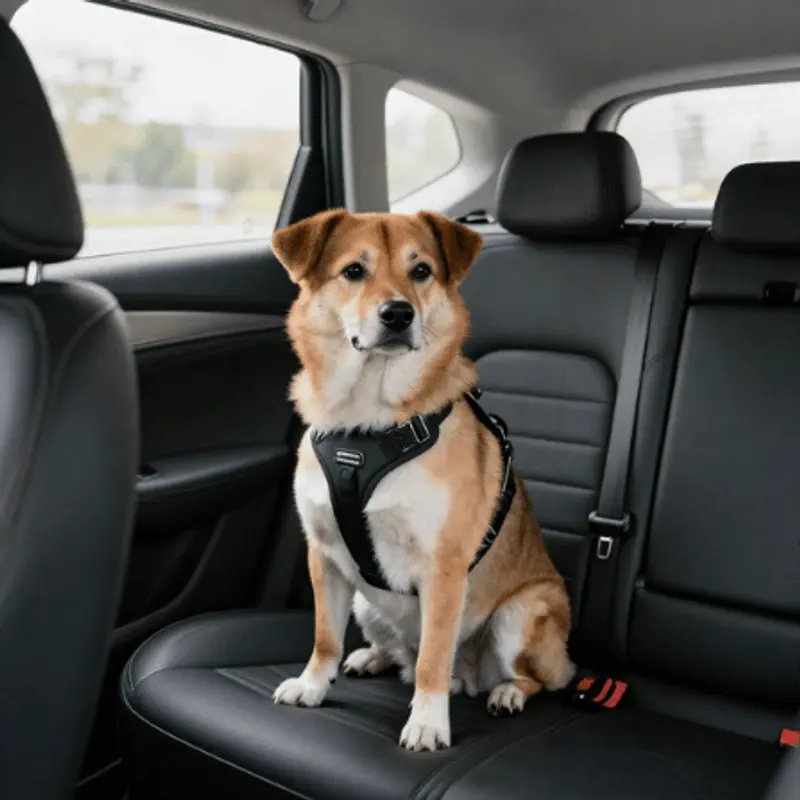
Getting a distressed or injured dog to the vet can itself be stressful. Our guide on getting your pet to the vet without a car covers your options if you're stuck.
What your vet will do — and how pain is treated
Knowing what happens next takes some of the worry out of the visit. A vet will usually start with a hands-on physical exam, watching your dog move and gently feeling for sore, hot or swollen areas — which is exactly why your notes and any videos help so much. Depending on what they find, they may suggest blood tests, X-rays or a urine test to pin down the cause. Pain is a symptom, not a diagnosis, so the aim is to treat what's driving it.
For treatment, vets have far safer and more effective options than anything in your cupboard. Prescription anti-inflammatories (NSAIDs) made specifically for dogs are the mainstay for many painful conditions, given at a carefully calculated dose and often with monitoring. For longer-term problems like arthritis, management usually combines medication with practical changes: keeping your dog at a lean weight to take load off the joints, short and regular gentle walks rather than occasional long ones, non-slip flooring, a supportive orthopaedic bed, and sometimes hydrotherapy or physiotherapy. Joint supplements may be suggested alongside — though they support rather than replace proper pain relief.
Acute versus chronic pain
It helps to think about pain in two broad types. Acute pain comes on suddenly — an injury, a cut paw, a sting, a swallowed object, sudden lameness — and tends to be obvious and urgent. Chronic pain builds slowly over weeks or months, as with arthritis or dental disease, and is far easier to miss precisely because there's no dramatic moment; the dog simply becomes a slightly quieter, stiffer, less playful version of itself. Owners often only realise how much a chronic problem was hurting once treatment starts and their dog visibly perks up. If you catch yourself thinking your dog has "calmed down with age," it's worth asking whether they might actually be sore.
Common mistakes owners make
- Assuming a quiet dog isn't in pain. Stoicism is not comfort. Many dogs in real pain still eat and wag.
- Waiting to "see how it goes" for days. Fine for a minor, improving niggle; risky for anything sudden, worsening or severe.
- Reaching for the human medicine cabinet. It's the most dangerous mistake of all — worth repeating.
- Over-exercising through stiffness. Pushing a stiff, sore dog on a long walk usually makes joint pain worse. Short and gentle beats long and hard.
- Ignoring dental pain. Bad breath, dropping food and chewing on one side are easy to miss but genuinely painful.
The bottom line
Dogs are experts at hiding pain, so the job of spotting it falls to us — and the trick is watching for change rather than waiting for drama. A dog that's a little withdrawn, stiff, off its food or panting for no reason is telling you something. Trust that instinct, keep human medicines well away, and let your vet make the diagnosis. Catching pain early almost always means a simpler, kinder fix.
Sources
Common questions
How can I tell if my dog is in pain?
Look for changes from their normal behaviour: hiding or unusual clinginess, restlessness, panting when it isn't hot, a hunched or 'prayer' posture, limping or stiffness, reluctance to jump or climb stairs, eating less, and licking or chewing one spot repeatedly. Any sudden or severe sign needs a vet, and you should never give human painkillers.
What can I give my dog for pain at home?
Nothing from your own medicine cabinet. Human painkillers such as ibuprofen, aspirin and paracetamol are toxic to dogs and can be fatal. Only give pain relief that your vet has prescribed specifically for your dog, at the dose stated. At home you can keep them calm, warm and comfortable while you arrange a vet appointment.
Do dogs cry or whimper when in pain?
Sometimes, but often not until pain is severe. Because dogs instinctively hide weakness, the quiet signs — withdrawal, stiffness, reduced appetite, restlessness — usually appear well before any vocalising. Waiting for crying before acting means missing pain in its earlier, easier-to-treat stages.
Why is my dog panting when it's not hot?
Panting at rest, in cool conditions and without recent exercise is a recognised sign of pain or distress in dogs. It can also indicate stress, a high temperature or a heart or breathing problem. If it's persistent, out of character or paired with other signs, contact your vet.
What is the 'prayer position' in dogs?
It's when a dog lowers its chest and front legs to the floor while keeping its bottom raised, like a stretch or play-bow but held for no clear reason. Adopted repeatedly, it's a classic sign of abdominal or tummy pain and warrants a prompt vet check.
Is my old dog in pain or just slowing down?
Stiffness, reluctance on stairs and doing less on walks are frequently signs of arthritis, which is painful and treatable — not something to write off as ageing. A vet can confirm it and offer pain relief, weight and exercise advice, and joint support that often makes a big difference to quality of life.
When is dog pain an emergency?
Seek immediate veterinary help if your dog cries out in severe pain, has a swollen or hard tummy or is retching unproductively (possible bloat), can't stand or use its back legs, has difficulty breathing or pale gums, has had any trauma, or is straining to toilet with nothing coming out. Don't wait for these to settle.
About the author
Matt Garnett — founder, Giddy Pets
Matt started Giddy Pets to make getting pets the good stuff simpler and fairer. Everything in these guides comes from real life with pets and a lot of trial and error — it's practical guidance, not veterinary advice. If a guide gets something wrong, tell him directly.
Advice & planning
Free tools & more guides
Practical calculators and trusted guides relevant to this product.
Read next
How to Get Your Pet to the Vet Without a Car
Practical, car-free ways to get your dog or cat to the vet, from pet taxis to home-visit vets — and what to do in an emergency.

What Does Pet Insurance Cover?
A plain-English look at what UK pet insurance typically pays for, the cover types, and the exclusions that catch owners out.

What Is the Rainbow Bridge?
The Rainbow Bridge is a gentle prose poem that has comforted grieving pet owners for decades — here's what it means and why it brings solace.