
How to Get Your Pet to the Vet Without a Car
Practical, car-free ways to get your dog or cat to the vet, from pet taxis to home-visit vets — and what to do in an emergency.
The quick answer
Options include a pet taxi or animal ambulance, a lift from friends or family, an ordinary taxi that accepts pets (phone ahead), public transport where the operator allows it, or a home-visit vet for some situations. Call your vet first for advice.
Not having a car shouldn't mean your pet misses a vet appointment. Whether you don't drive, your car is off the road, or you simply can't manage a nervous animal and the steering wheel at once, there are several practical options. Here's how to get your dog, cat or other pet to the vet without a car of your own.
Start with your vet
Before anything else, call the practice. Vets deal with car-free owners all the time and often know the most useful local options. Some questions worth asking:
- Do they have or recommend a particular pet transport service?
- For some situations, can a vet do a home visit instead, so your pet doesn't have to travel at all?
- If it's urgent, what do they advise right now? (More on emergencies below.)
This one phone call often saves a lot of stress.
Pet taxis and animal ambulances
The most reliable car-free option is a dedicated pet transport service. A pet taxi is a non-emergency service that takes pets to the vet, groomer or kennels in a secure, climate-controlled vehicle. An animal ambulance is similar but geared towards unwell, injured or post-surgery animals, often with staff trained in pet first aid.
Many of these operate as franchise networks with regional branches, so there may be one covering your area. See our directory of UK pet taxi and ambulance providers for established services and what to check before booking. Costs aren't fixed nationally — they vary with distance, timing and urgency — so ask for a quote for your specific journey.
Friends, family and neighbours
Don't overlook the obvious. A friend or relative with a car may be glad to help, especially for a routine appointment booked in advance. To make it easy on them and safe for your pet:
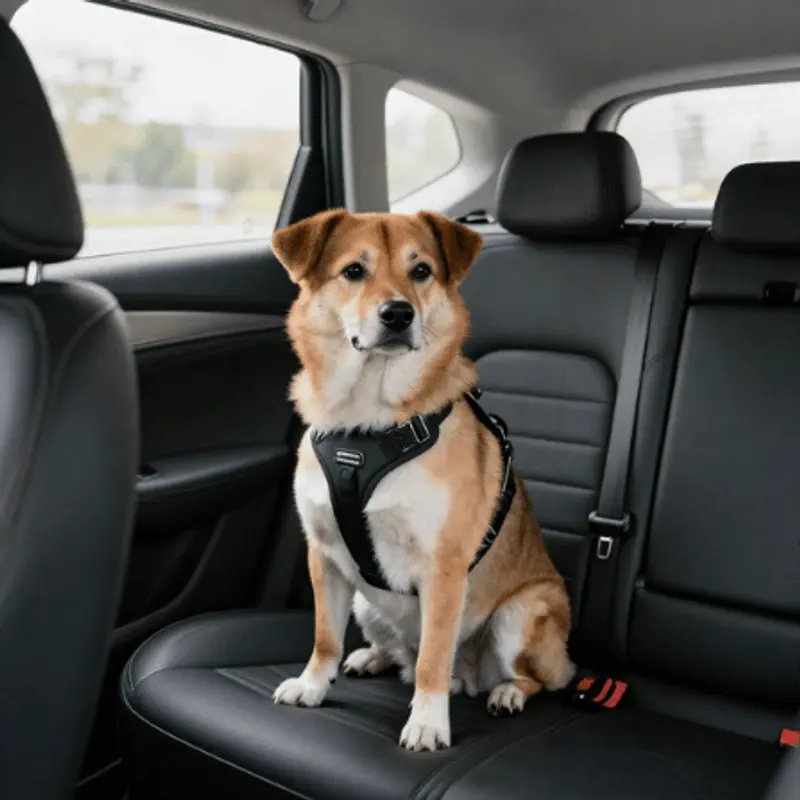
- Use a secure carrier for cats and small pets, or a seatbelt harness or crate for dogs.
- Bring something familiar — a blanket or towel that smells of home.
- Offer to cover fuel and pick a time that suits them.
Ordinary taxis and ride-hailing
Some regular taxi and private-hire firms will carry pets, but this is never guaranteed — it's at the driver's discretion, and assistance dogs are treated differently in law from pet animals. Always phone ahead and ask, rather than assuming, and be ready to:
- Use a carrier or keep a dog calm and clean on a towel.
- Mention if your pet is large, anxious or unwell.
- Accept that not every driver will say yes, so have a backup.
Public transport
Rules for pets on buses, trams and trains vary by operator, and there's no single national policy, so check the specific company's website before you set off. As a general pattern, many train operators allow a small number of dogs or pets in carriers per passenger, while local bus rules differ from place to place. For an unwell or anxious animal, public transport is rarely ideal, but it can work for a calm, carrier-trained cat or small pet on a short, planned trip.
Home-visit vets
For some situations — older pets, very anxious animals, certain check-ups, or end-of-life care — a home-visit vet removes the travel problem entirely. Not every issue can be handled at home (anything needing imaging, surgery or hospitalisation will mean a trip in), but it's worth asking your practice whether a visit is an option for your pet's particular need.
In an emergency
If your pet is seriously unwell or injured — collapsed, struggling to breathe, bleeding heavily, after a road accident, or in obvious distress — phone your vet or out-of-hours emergency vet first. They can tell you whether to come straight in, how to move your pet safely, and sometimes the quickest local transport.
Remember that an animal ambulance is specialist transport, not a 999-style emergency service with right of way. It can help you get there, but it is not a replacement for emergency veterinary advice. The order is always: call the vet, then arrange the journey.
A quick planning checklist
- Phone the vet first — ask about transport options and home visits.
- Line up a pet taxi or animal ambulance, and get a quote.
- Ask a friend or family member for routine trips.
- Phone ahead for any ordinary taxi, and confirm pets are accepted.
- Check the operator's rules before using public transport.
- Always secure your pet in a carrier, crate or harness.
With a little planning, being car-free is rarely a barrier to good veterinary care.
Sources
Common questions
How do I get my dog to the vet without a car?
Options include a pet taxi or animal ambulance, a lift from friends or family, an ordinary taxi that accepts pets (phone ahead), public transport where the operator allows it, or a home-visit vet for some situations. Call your vet first for advice.
Will a normal taxi take my pet?
Some private-hire and taxi firms will, but it is at the driver's discretion and never guaranteed. Always phone ahead to confirm, use a carrier where possible, and have a backup option ready.
Can I take my pet on public transport to the vet?
Rules vary by operator with no single national policy, so check the bus, tram or train company's website first. It can suit a calm, carrier-trained cat or small pet on a short planned trip, but is rarely ideal for an unwell animal.
What if it's an emergency and I have no car?
Phone your vet or out-of-hours emergency vet first for advice on whether to come in and how to move your pet safely. An animal ambulance can help with the journey but is not a blue-light emergency service.
About the author
Matt Garnett — founder, Giddy Pets
Matt started Giddy Pets to make getting pets the good stuff simpler and fairer. Everything in these guides comes from real life with pets and a lot of trial and error — it's practical guidance, not veterinary advice. If a guide gets something wrong, tell him directly.
Free tools & more guides
Read next

UK Pet Taxi & Ambulance Providers: A Directory
A directory of established UK pet taxi and animal ambulance services, plus what to check before you book one.
Pet Transport Rules in the UK: DEFRA Welfare Standards
A plain-English guide to UK pet transport rules — welfare law, the 65 km commercial threshold, and the DEFRA paperwork a professional should hold.
Pet Taxis & Ambulances
What pet taxis and animal ambulances are, when to use which, and the UK providers who offer them.

What Is a Pet Taxi? How They Work, Costs & Choosing One
A pet taxi is a door-to-door, non-emergency transport service that takes pets to the vet, groomer, kennels or a new home when you can't drive them yourself.