
Is It Cruel to Dress Up Your Pet at Christmas?
It depends entirely on the animal, and they will tell you. How to read whether your pet is tolerating it or enduring it.
The quick answer
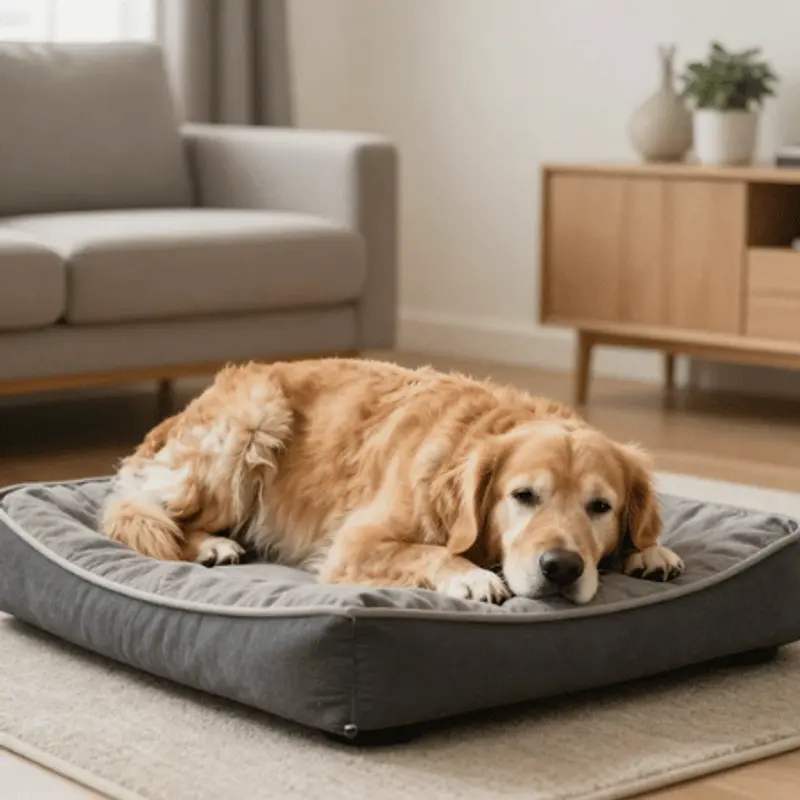
Not inherently — but it depends on the individual animal and on you reading them honestly. A dog that stays relaxed and moves normally in a well-fitted jumper is fine. An animal that freezes, flattens its ears, lowers its body, tries to reverse out or stops walking is not tolerating it, and continuing is where it becomes unkind. Cats object far more often than dogs.
We sell pet clothing, so treat this page with the appropriate scepticism. That is also why it is worth writing honestly: the fastest way to lose someone's trust is to pretend every dog enjoys a costume.
The short answer is that it depends on the animal, and the animal will tell you.
What "fine" looks like
A pet that is genuinely comfortable will:
- move normally — same gait, same willingness to walk
- carry a loose body, soft face, normal ear position
- ignore the garment after the first thirty seconds
- still do the things they would otherwise do: play, follow you, settle
Plenty of dogs are in this category, particularly thin-coated ones who are simply warmer in a jumper on a cold walk. Warmth they need is not a costume.
What "not fine" looks like
Stop if you see:
- freezing — standing rigid and refusing to move. This is the most misread signal, because people take stillness for acceptance. It is usually shutdown. - flattened ears, tucked tail, lowered body - whale eye — showing the whites of the eyes - excessive lip-licking, yawning, or shaking off repeatedly - trying to reverse out of it, or rolling and rubbing to remove it - refusing to walk, which in a jumper is often a fit problem rather than a psychological one
A cat that goes flat and still is not enjoying it. Cats mask stress by becoming motionless, which is exactly what looks like compliance in a photograph.
The practical rules
1. Nothing over the head for a first attempt. Something that fastens at the chest is far better tolerated than something that goes over the face. 2. Check the fit properly — measure them. Most refusals are a tight chest or rubbing behind the front legs, not an objection in principle. 3. Short sessions. A photograph, then off. Not a whole afternoon. 4. Never leave a dressed pet unattended, and never overnight. 5. Nothing that restricts breathing, sight, hearing, movement or the ability to toilet. 6. Watch for overheating indoors. A knitted jumper in a warm house is uncomfortable within minutes. 7. Take it off when they ask. They will only ask once or twice before deciding you do not listen.
The bandana compromise
For the many animals that will not wear a costume, a bandana gets the same photograph. It ties at the neck, does not go over the head, does not restrict the shoulders, and comes off in one pull. For cats especially, this is usually the right answer — if anything at all.
Is it different for cats?
Yes, considerably. Cats are less tolerant of anything restricting the shoulders and more likely to be genuinely distressed rather than merely unimpressed. They also groom compulsively when something is on them, which can escalate to stress-grooming.
The honest position for cats is: a hat or bandana for a moment, or nothing.
And the ethics of it, briefly
There is nothing wrong with dressing up an animal that does not mind. There is something wrong with ignoring an animal that does. The line is not the garment, it is whether you are reading them or overriding them.
Costume safety checklist
If you have decided your pet is comfortable, the physical checks are straightforward:
- Nothing around the neck that tightens. Elasticated neck holes can slip and constrict. - No small detachable parts — bells, plastic eyes, pom-poms, sequins. These are the swallowing risk, and Christmas outfits have far more of them than everyday clothing. - No trailing ribbon, tinsel trim or cord, especially with a cat in the house — see my cat ate tinsel. - They can toilet normally. Check this before you leave the house, not after. - They can pant. Panting is how dogs cool themselves, and a tight chest garment interferes. - The harness attachment is accessible, and you never clip a lead to the costume itself. - Check it fits over the coat they actually have — a double-coated dog measures bigger than they look.
Photographs without the ordeal
Most of what people want is one good picture. That is achievable in about thirty seconds:
1. Put the item on where they already are, rather than moving them somewhere staged. 2. Have the treat ready before the camera. 3. Take the photo immediately; do not adjust and re-adjust. 4. Take it off.
Anything that involves holding a hat on an unwilling cat with one hand while photographing with the other is going to look exactly like what it is.
Alternatives that are genuinely no-stress
- a bandana, which most dogs ignore entirely
- a festive collar or bow tie clipped to a collar they already wear
- a themed bed, blanket or bowl in the photo instead of on the animal
- the animal, as they are, next to the tree
The last one is underrated. Nobody has ever looked at a photograph of a happy dog and thought it needed a hat.
A note on very young, very old and unwell animals
Skip it. Puppies and kittens are still learning that handling is safe and a bad early experience is worth avoiding; elderly and arthritic animals find being manoeuvred into a garment genuinely uncomfortable; and anything recovering from surgery or illness should not be handled for a photo at all.
*This guide is general information, not veterinary advice. If your pet becomes distressed by handling generally, that is worth discussing with your vet or a qualified behaviourist.*
Sources
Common questions
Is it cruel to put a jumper on a dog?
Not if the dog is comfortable and the fit is right — and for thin-coated dogs a jumper is genuinely useful in cold weather. It becomes unkind when the dog is clearly objecting: freezing, refusing to walk, tucked tail, or trying to reverse out of it.
How can I tell if my dog hates their outfit?
Look for freezing and stillness — the most misread signal, because people take it for acceptance when it is usually shutdown. Also flattened ears, tucked tail, whale eye, repeated lip-licking or shaking off, and refusing to walk.
Is dressing up cats different to dogs?
Yes. Cats tolerate it far less well, object more to anything restricting the shoulders, and mask stress by going still — which looks like compliance in a photo. A bandana for a moment, or nothing, is the honest answer for most cats.
How long can a pet wear a Christmas outfit?
Treat it as a short, supervised session — long enough for a photograph, not a whole afternoon. Never leave a dressed animal unattended or overnight, and watch for overheating indoors, which happens within minutes in a warm room.
What should I check on a pet Christmas outfit before using it?
No small detachable parts such as bells, plastic eyes or sequins; nothing around the neck that can tighten; no trailing ribbon or tinsel trim; the pet can toilet and pant normally; and the harness attachment stays accessible — never clip a lead to a costume.
How do I photograph my pet in an outfit without stressing them?
Put it on where they already are rather than staging them, have the treat ready before the camera, take the photo immediately without adjusting repeatedly, and take it off. The whole thing should take about thirty seconds.
Should I dress up a puppy, a kitten or an elderly pet?
Better not to. Puppies and kittens are still learning that handling is safe, and a bad early experience is worth avoiding. Elderly or arthritic animals find being manoeuvred into a garment genuinely uncomfortable, and anything unwell or post-surgery should not be handled for a photograph.
About the author
Matt Garnett — founder, Giddy Pets
Matt started Giddy Pets to make getting pets the good stuff simpler and fairer. Everything in these guides comes from real life with pets and a lot of trial and error — it's practical guidance, not veterinary advice. If a guide gets something wrong, tell him directly.
Advice & planning
Free tools & more guides
Practical calculators and trusted guides relevant to this product.
Read next
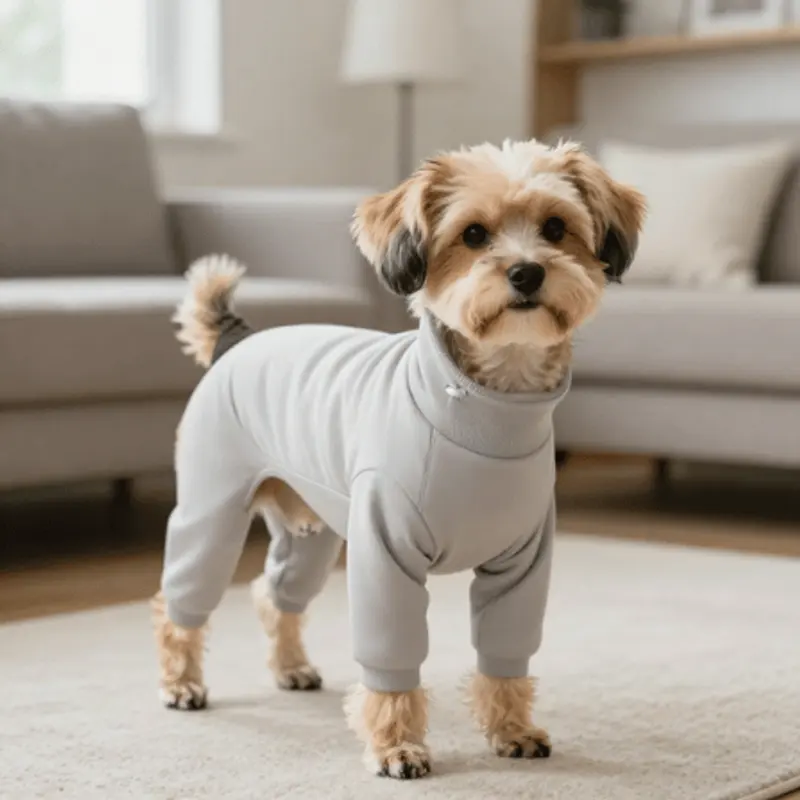
How to Measure a Dog for a Coat or Jumper
Three measurements, in the right order, and the one that actually decides the size. Plus what to do when your dog is between sizes.
Cats and Christmas Trees: How to Keep Both Standing
Why cats cannot leave a Christmas tree alone, which decorations are genuinely dangerous, and what actually works to stop them climbing it.
Keeping Your Dog Safe at Christmas: Hazards Checklist
Christmas Outfit Ideas for Dogs (That They Will Actually Wear)
Sorted by how much your dog tolerates being dressed, from a bandana they will not notice to a full outfit for the ones who genuinely do not mind.