






How to measure your dog for a kennel
Measuring a dog for a kennel comes down to three numbers, length, height, and width, plus a bit of extra room on top of each so your dog can turn around, lie fully stretched out, and stand comfortably without ducking. Getting this right before you buy matters more with a kennel than most products, since an outdoor structure is awkward to exchange once it's been assembled outside.
Taking the three key measurements
Length is measured from the tip of your dog's nose to the base of their tail, with your dog standing naturally rather than stretched out. Height is measured from the floor to the top of their head or ears when standing normally, whichever is taller for your dog's posture, and width is taken at the widest point of their body, usually across the shoulders or ribcage.
Measure your dog standing on a level floor if possible, and take each measurement more than once to check for consistency, since a dog that shifts position slightly can throw off a single reading by a noticeable amount on a small kennel.
Adding room on top of the raw numbers
A kennel sized exactly to your dog's measurements will feel cramped in practice, add a reasonable margin to each dimension so your dog can turn around fully, lie stretched out on their side rather than curled up out of necessity, and stand without their head brushing the roof.
If you have a growing puppy, measure for their expected adult size rather than their current one wherever you can estimate it, since a kennel is a bigger investment to replace than most other pet equipment as your dog grows.
Other practical factors
An outdoor kennel also needs enough clearance for a roof or insulated lining if you're adding one, and enough space around the entrance for your dog to get in and out comfortably without squeezing through a narrow gap, particularly for a broader-chested breed.
If you're choosing between a couple of sizes and unsure which to pick, sizing up slightly is generally the safer choice for comfort, provided the kennel is still suitably insulated and sheltered for the season.
The sizes we stock
Everything below is in stock with us, priced with delivery worked out, and packed and posted by hand in the UK.
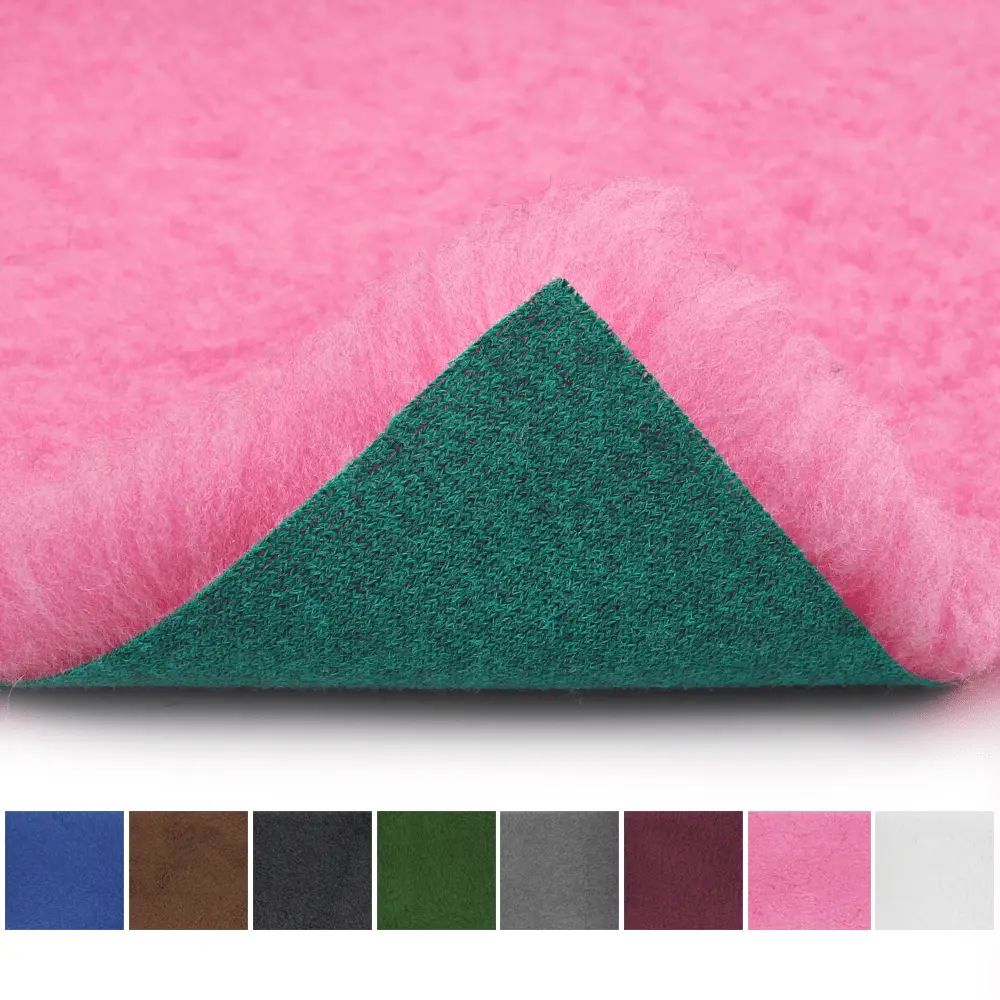
ProFleece Green Back Vet Bedding — Whelping Box Sizes
UK-made veterinary fleece in whelping box dimensions, with a fluid-draining green backing to keep mum and pups dry and comfortable.
From£28.99
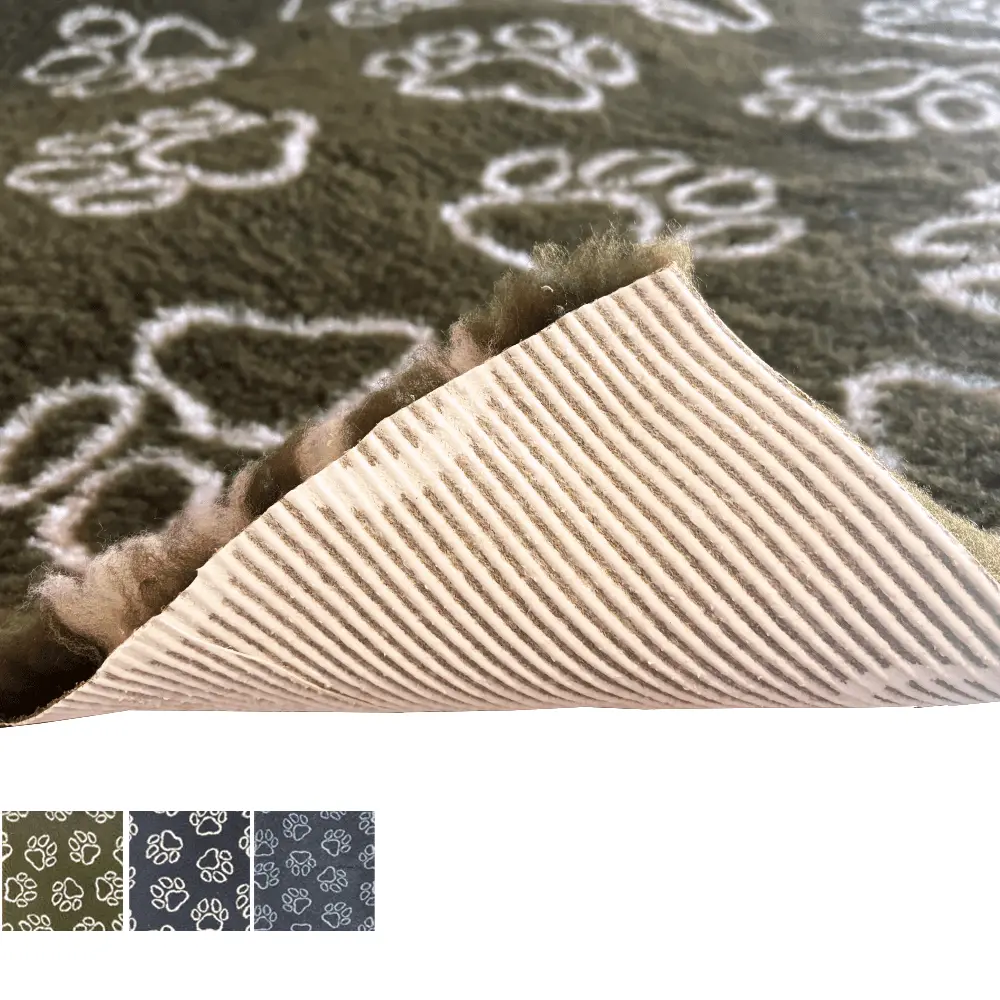
ProFleece Non-Slip Vet Bedding with Hollow Paw – Multiple Sizes
Super-soft, heavy-weight fleece bedding with a non-slip rubber backing — machine washable and ideal for crates, kennels, whelping, and recovery.
From£13.99
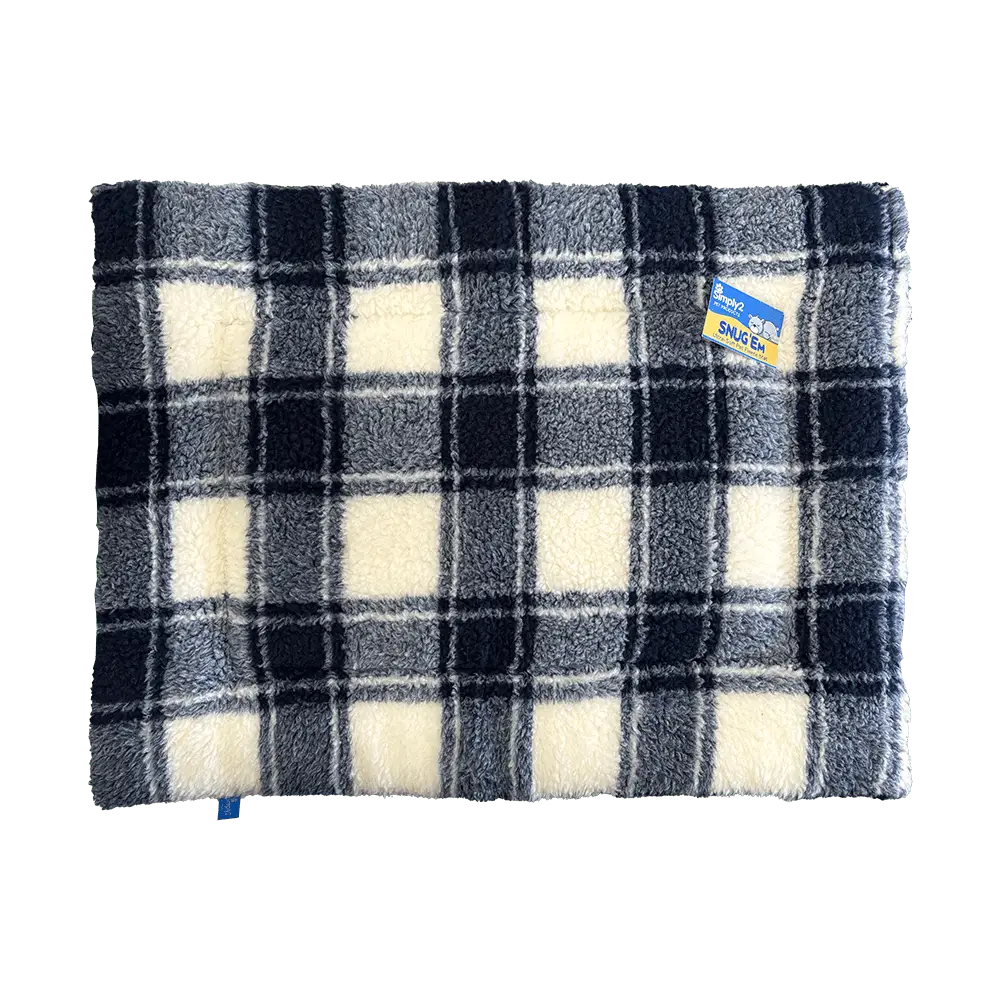
Tartan Sherpa Fleece Pet Mat
A reversible tartan sherpa fleece mat handmade in the UK — hypoallergenic, non-slip, machine washable, and sized to fit standard crates.
From£17.99
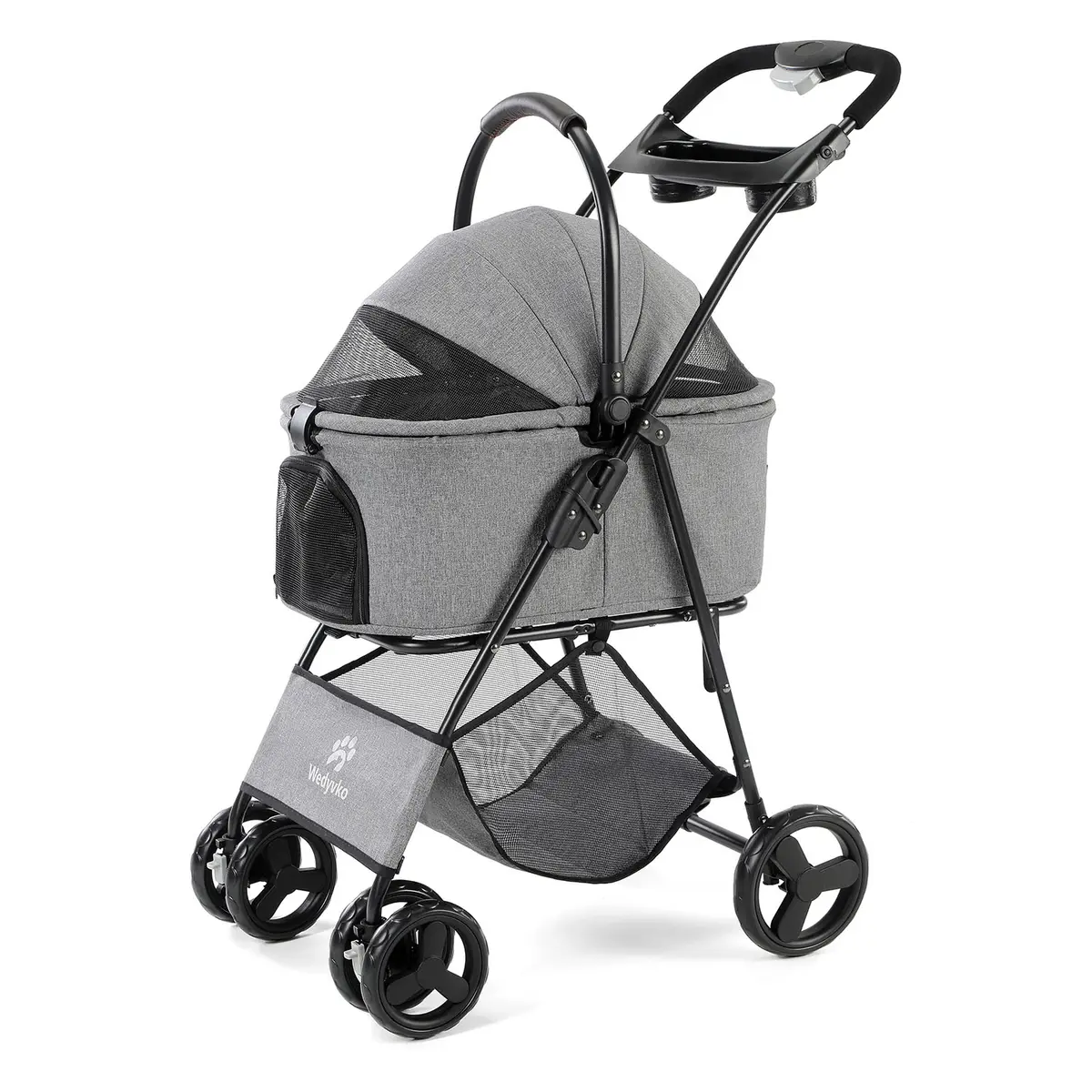
3-in-1 Folding Pet Stroller with Removable Carrier
A folding pet stroller whose carrier lifts out to use on its own, giving small, senior or recovering pets a wheeled ride to the vet and back home again.
£115.99
Common questions
- How much extra room should a kennel have beyond my dog's measurements?
- A reasonable margin on each dimension, enough that your dog can turn around fully and lie stretched out rather than curled up, works better than sizing exactly to their measurements, which tends to feel cramped in daily use.
- Should I measure my puppy now or wait until they're grown?
- If you can reasonably estimate their expected adult size, based on breed or their parents, measuring for that avoids needing to replace the kennel as they grow. If you're unsure, it's worth waiting or checking with your vet or breeder for a sensible estimate.
- Where on my dog do I measure for height?
- From the floor to the top of the head or ears while your dog is standing naturally, whichever point is higher for their posture. Measure on a level surface for the most accurate reading.
- Does kennel shape matter as well as size?
- Yes, a kennel that's technically large enough but awkwardly shaped, such as very low and long, can still feel restrictive. Aim for a shape that lets your dog comfortably stand, turn and lie down, not just one that meets the raw dimensions.
Related
Sources
Written against guidance published by UK veterinary and welfare organisations. Always confirm specifics with your own vet.
Written by Matt Garnett, who runs Giddy Pets and is a lifelong pet owner — not a vet. This is general information, not veterinary advice, and it cannot replace an examination by the vet who knows your animal. How we write these guides.