






Dog treats for allergies
The most useful thing you can do for a dog with a suspected food allergy is keep treats as simple as the main meals — a single named protein and a short ingredient list, rather than a treat that quietly reintroduces the very thing you are trying to rule out. Most reactions owners see come from a protein source, not a grain, whatever the packaging implies.
What the label terms actually mean
'Hypoallergenic', 'limited ingredient' and 'single protein' are marketing terms rather than regulated medical claims, but they usually point at the same thing in practice: a treat built around one named meat, with as few other ingredients as possible rather than a blend of several proteins that makes it harder to know what your dog is actually reacting to.
Grain-free is a separate claim and, on its own, does not make a treat allergy-friendly — the most common triggers in dogs are proteins like beef, dairy and chicken, not wheat, so a grain-free treat with three different meats in it can still contain exactly what a sensitive dog reacts to. Read past the front of the pack to the ingredient list itself.
You'll find our sensitive dog food and dog treats in the shop.
Natural, single-ingredient chews are often the simplest option
Some of the plainest treats on the shelf are single-ingredient natural chews — things like goat ears or fish sticks, which are exactly one animal-derived ingredient and nothing else. For a dog on an elimination trial, or an owner trying to work out what agrees with their dog, a treat with one ingredient on the label is far easier to reason about than one with a dozen.
That simplicity is also why they are a useful fallback during a food trial: if your vet has you narrowing down your dog's diet to rule allergens in or out, a treat that duplicates a novel protein already in the main food, rather than introducing a new one, keeps the trial honest rather than undermining it.
What a treat cannot do
No treat, however carefully formulated, can diagnose a food allergy. A genuine diagnosis comes from an elimination diet run properly with your vet — feeding a single novel protein and carbohydrate for a set period, then reintroducing suspect ingredients one at a time to see what triggers a reaction. Buying a 'hypoallergenic' treat off the shelf is not a substitute for that process if your dog's symptoms are ongoing.
If your dog is showing itchy skin, sore ears, or digestive upset that keeps recurring, that is worth raising with your vet before you start swapping treats and food on your own — food allergies, environmental allergies and flea allergies can all look similar from the outside, and treating the wrong one gets you nowhere.
What we stock
Everything below is in stock with us, priced with delivery worked out, and packed and posted by hand in the UK.
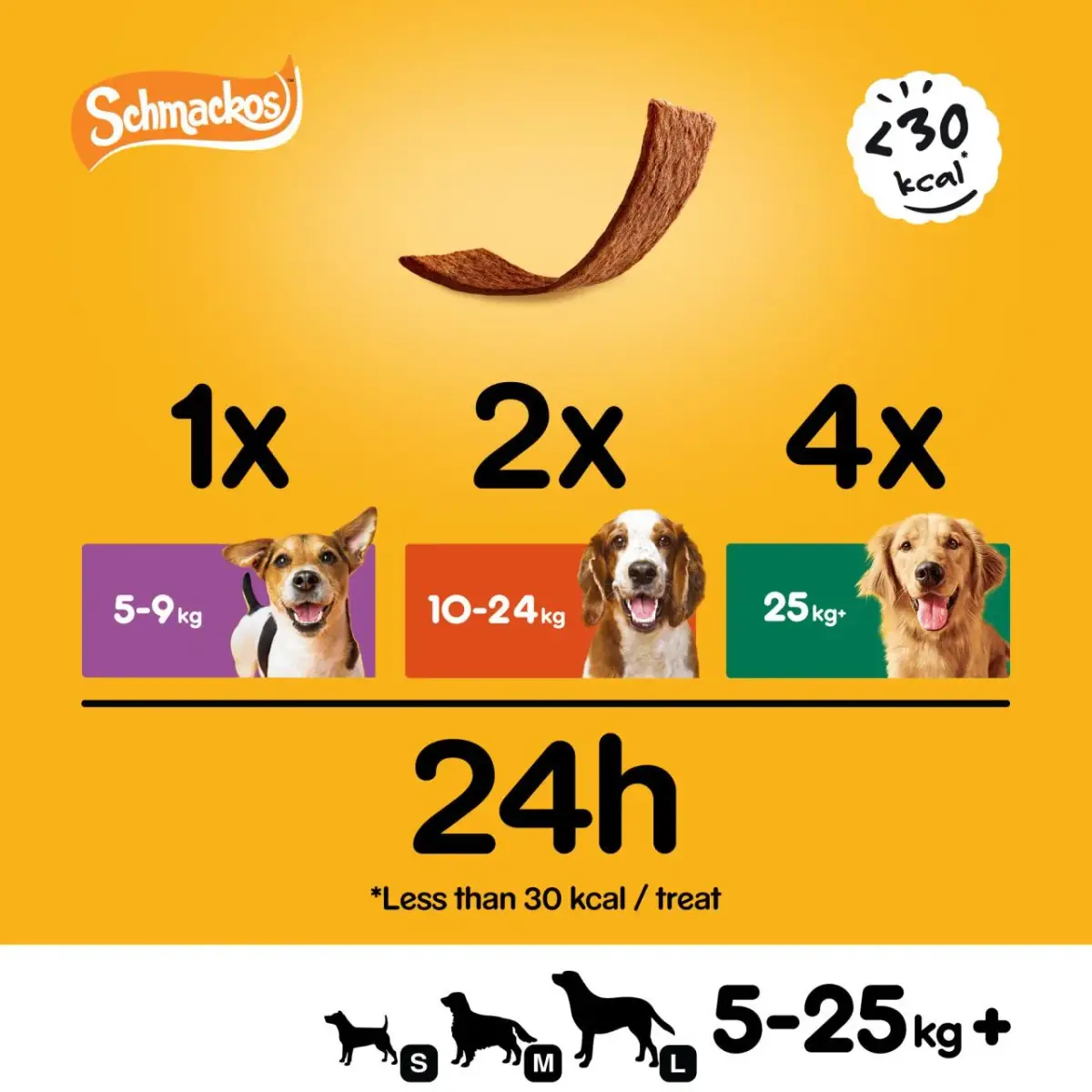
Pedigree Schmackos Dog Treats Meat Variety
Meat-variety dog treat sticks, 20 per pack, under 30 kcal each, banded by dog weight
£2.75
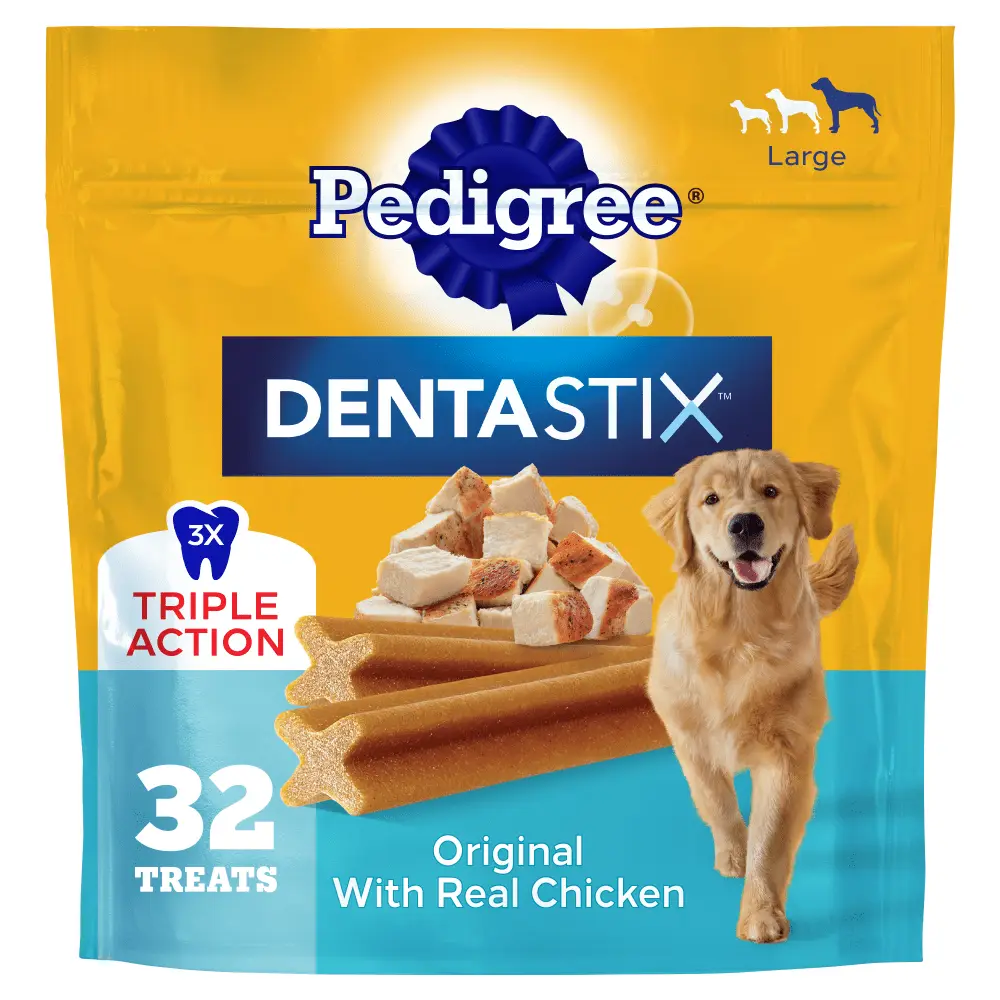
Pedigree DentaStix Daily Large Dog Dental Treats
Daily Pedigree DentaStix dental chews portioned for large dogs
£2.29
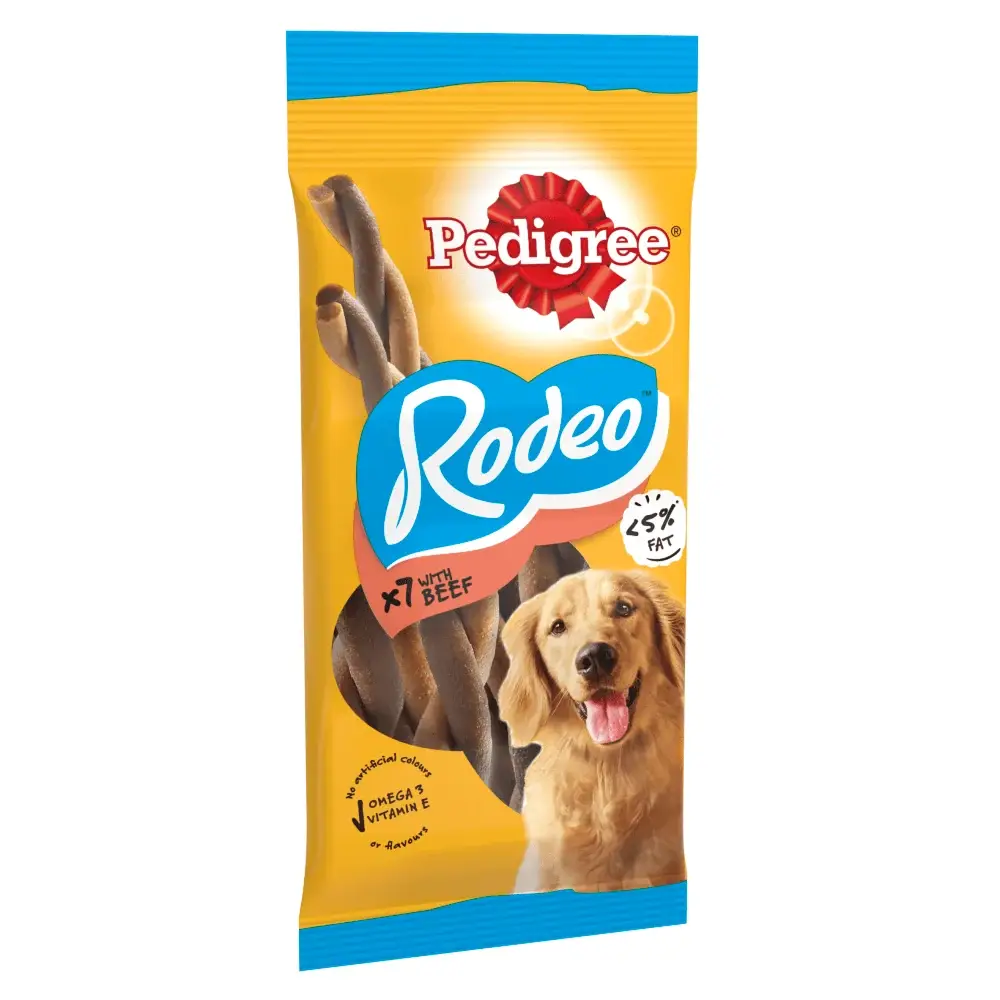
Pedigree Rodeo Dog Treats with Chicken
Pedigree Rodeo chicken twists with weekly limits for dogs over the stated weight
£2.75
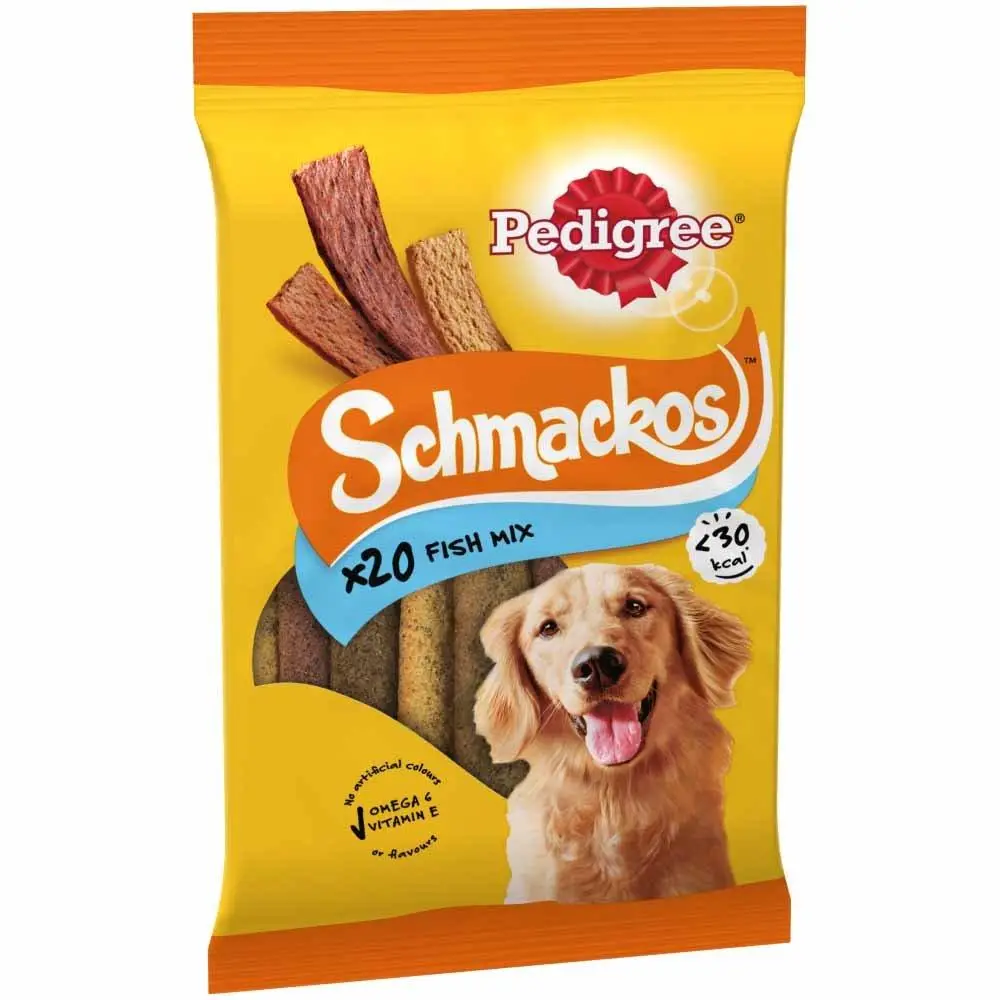
Pedigree Schmackos Dog Treats with Fish
Pedigree Schmackos fish-flavour strips with daily dog-size allowances
£2.75
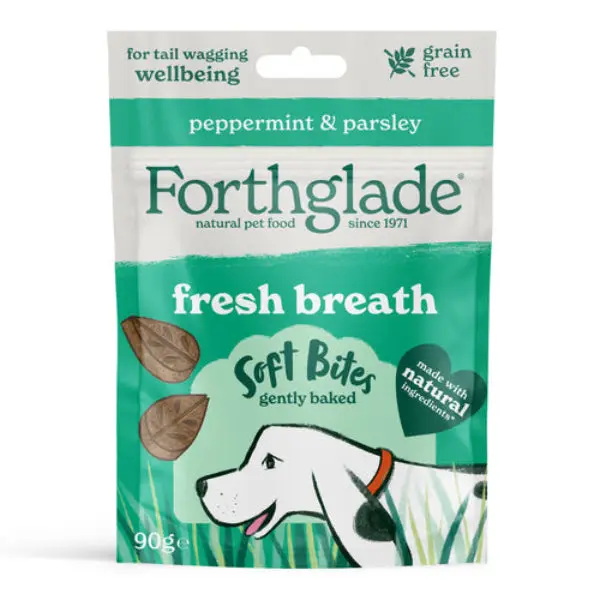
Forthglade Grain Free Soft Bites Fresh Breath Treats 90g
Chicken soft dog treats with parsley and peppermint oil for fresh breath
£2.45
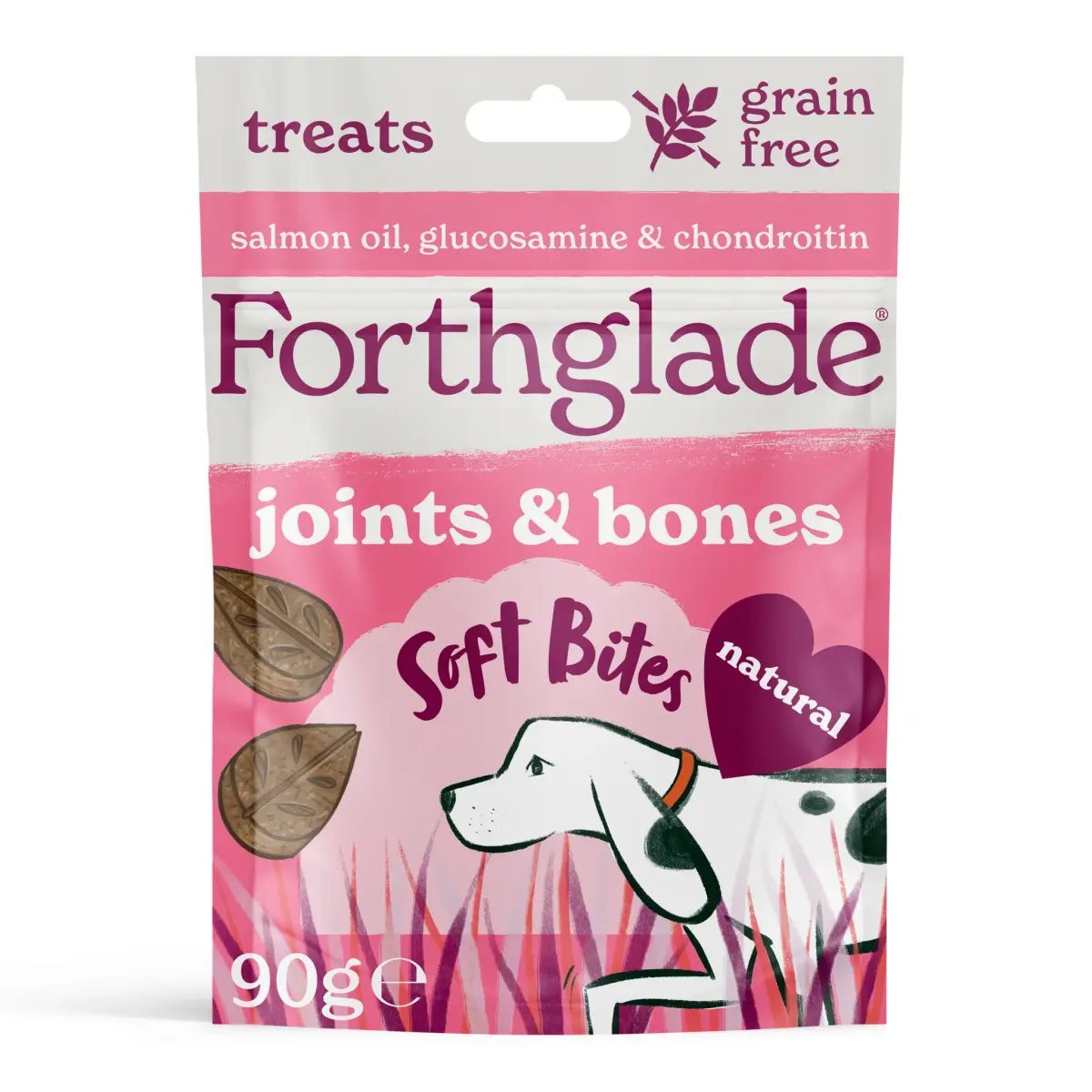
Forthglade Soft Bite Grain Free Joints & Bones Treats
Grain-free salmon dog treats with salmon oil, glucosamine and chondroitin
£2.45
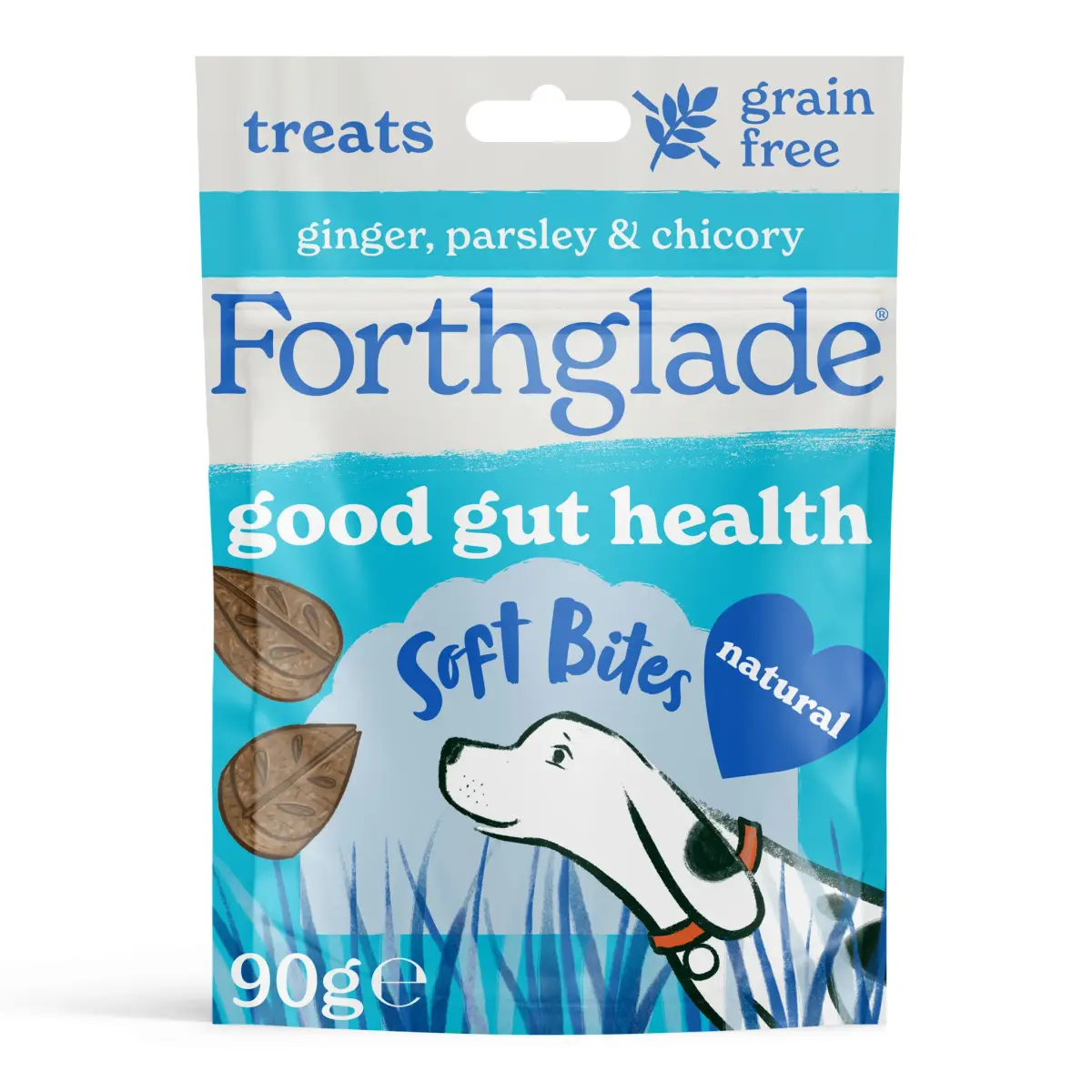
Forthglade Soft Bite Grain Free Good Gut Health Treats
Grain-free chicken dog treats with ginger, chicory root and MOS
£2.45
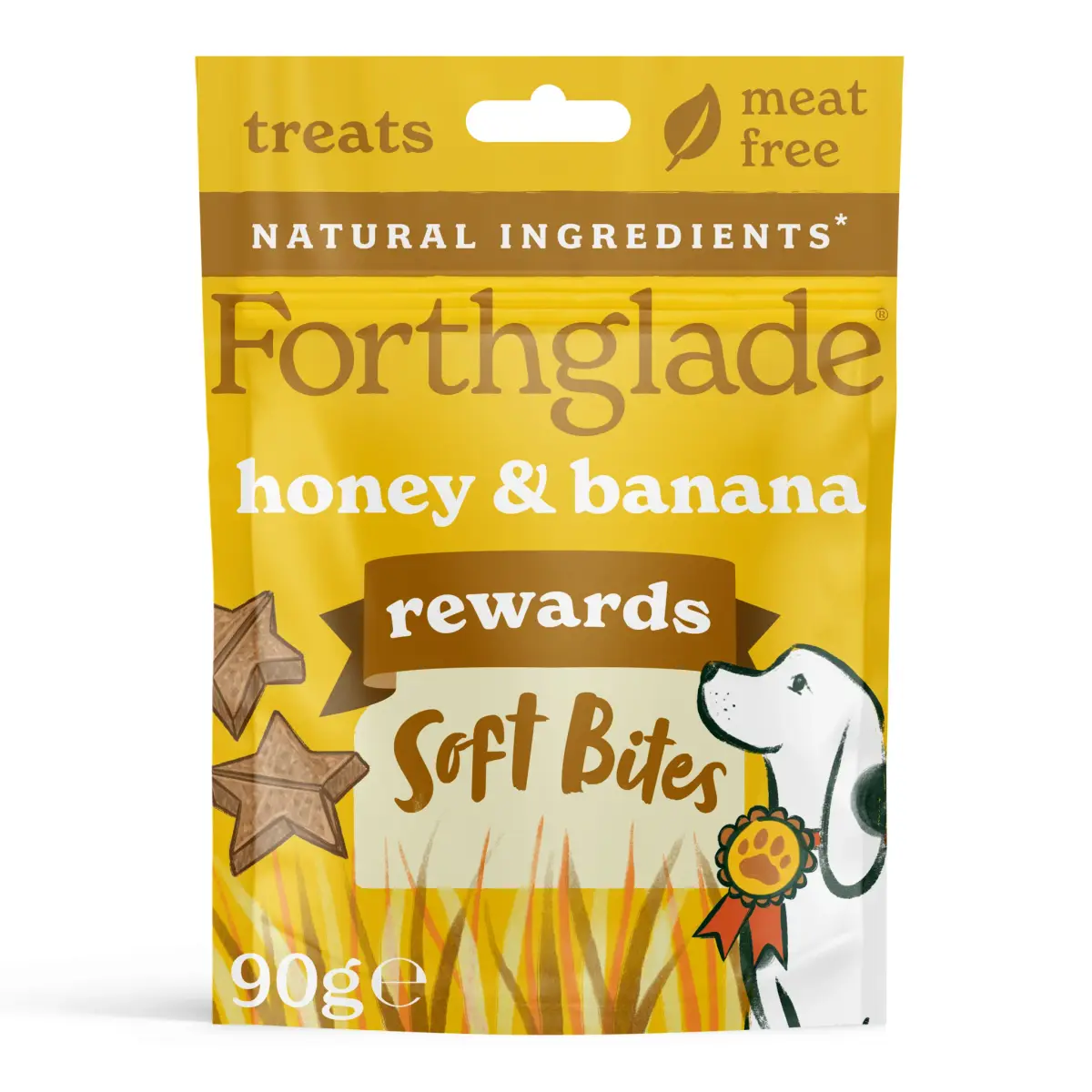
Forthglade Functional Soft Bite Treats - Plant Based Banana & Honey
Plant-based banana and honey soft dog treats for training rewards
£2.45
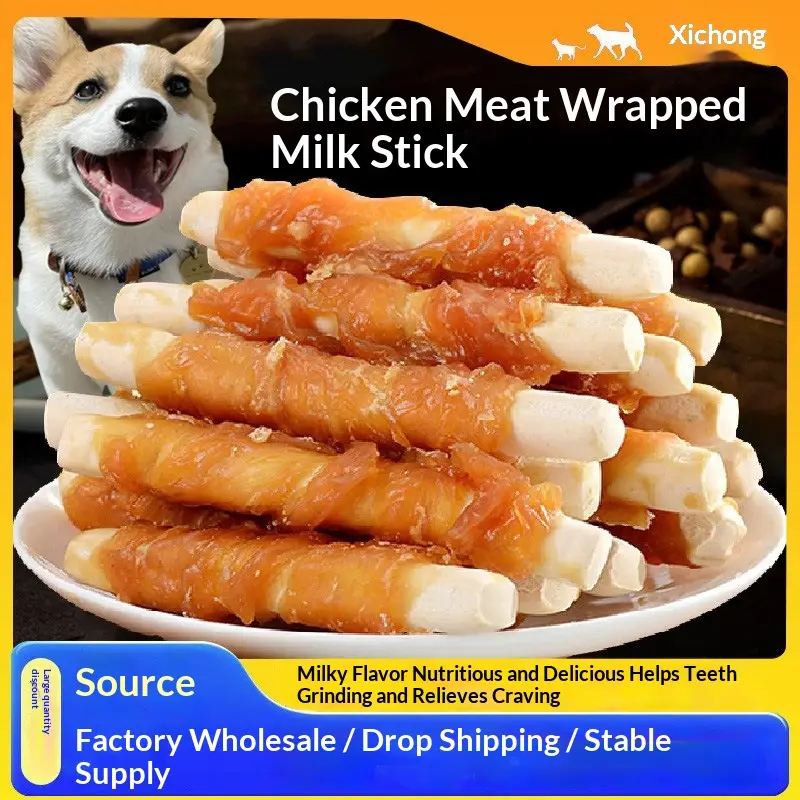
Chicken-Wrapped Milk Stick Dog Treats
Chewy dog treats of soft milk sticks wrapped in real chicken or duck for tasty, protein-rich rewarding.
From£12.99
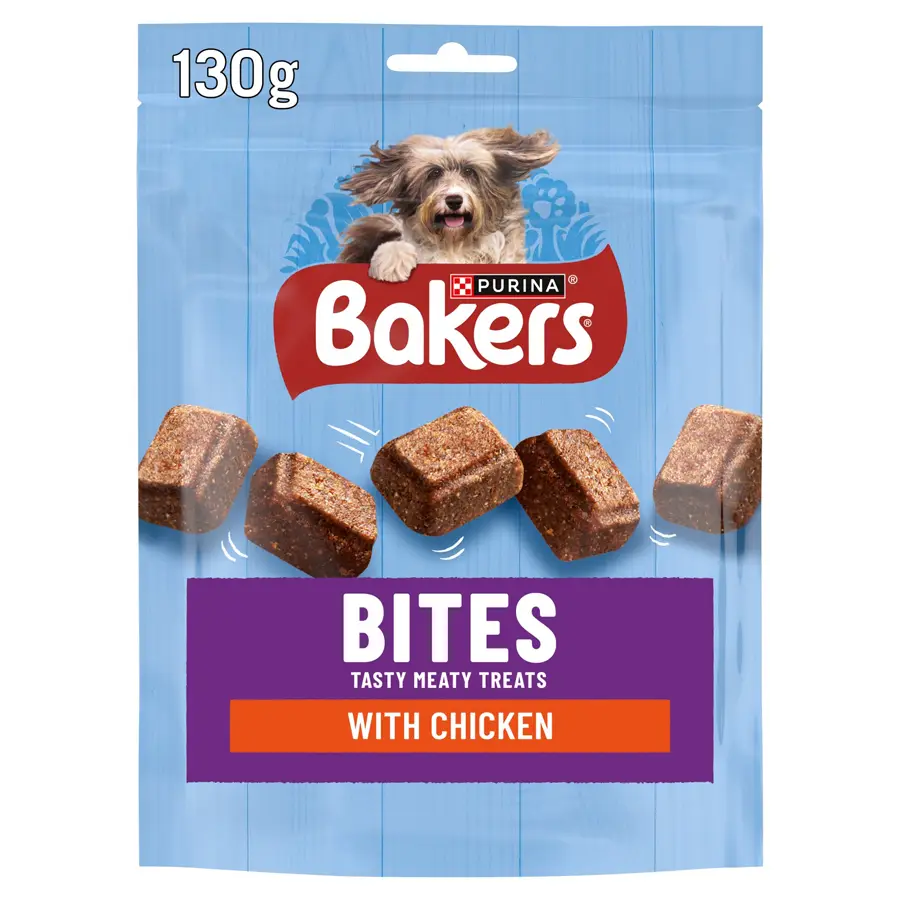
Bakers Bites Chicken Dog Treats
130G BAKERS Bites Chicken Dog Treats: complementary dog food or treat with composition and analysis made clear
£1.99
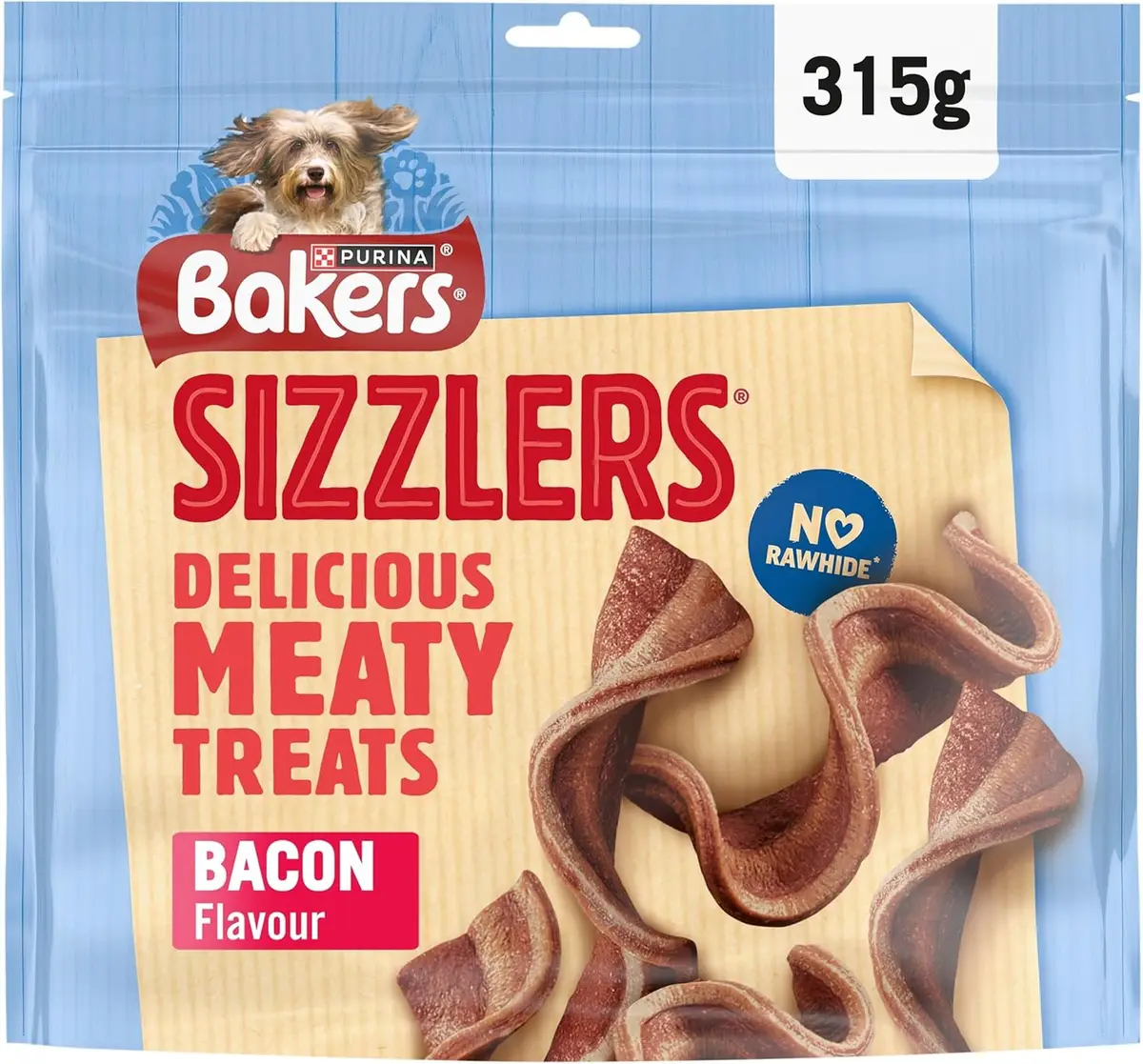
Bakers Sizzlers Bacon Dog Treats
315G BAKERS Sizzlers Bacon Dog Treats: complementary dog food or treat with composition and analysis made clear
£4.00
Advent & Treats Set
A dog advent calendar, Christmas chicken twisters and a highland cow plush to open on the day.
£14.49
Common questions
- What ingredients most commonly cause allergies in dogs?
- Beef, dairy and chicken are the most frequently reported triggers, followed by wheat, lamb, soy and egg. It is nearly always a protein source rather than a grain, which is why grain-free treats are not automatically allergy-friendly if they contain a mix of meats.
- Are grain-free treats better for dogs with allergies?
- Not necessarily. Genuine grain allergies are relatively uncommon in dogs compared with protein allergies, so a grain-free treat that still contains several different meats can still trigger a reaction. Look at the full ingredient list rather than the grain-free claim on the front.
- Can I diagnose a food allergy myself by trying different treats?
- Not reliably. A proper diagnosis needs a structured elimination diet supervised by your vet, controlling every ingredient your dog eats for a set period. Randomly swapping treats can mask or confuse the pattern rather than reveal it.
- How do I introduce a new treat to a dog with a sensitive stomach?
- Offer one small piece the first time rather than a handful, and wait a day or two before trying it again, watching for any change in their skin, ears or stools. If anything looks off, stop and mention it to your vet rather than guessing at the cause.
Related
Sources
Written against guidance published by UK veterinary and welfare organisations. Always confirm specifics with your own vet.
Written by Matt Garnett, who runs Giddy Pets and is a lifelong pet owner — not a vet. This is general information, not veterinary advice, and it cannot replace an examination by the vet who knows your animal. How we write these guides.