




Never Feed These 6 Foods: Vet Backed Safe Foods for Rabbits in the UK
Never Feed These 6 Foods: Vet Backed Safe Foods for Rabbits in the UK
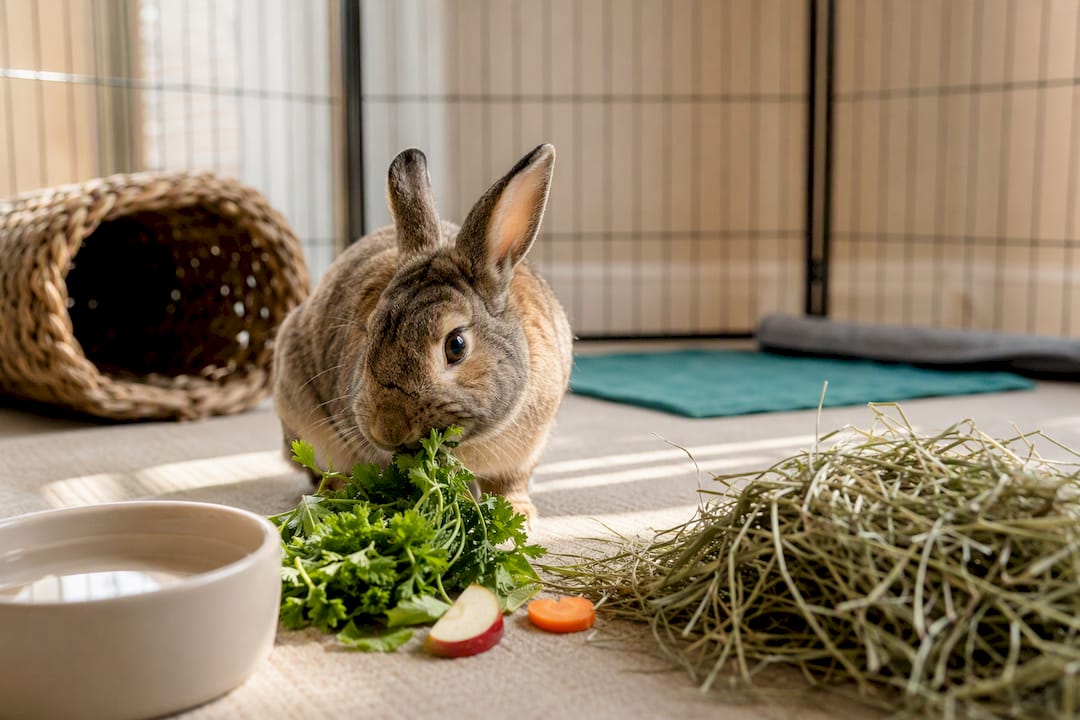
Hay comes first, always. Beyond that, safe daily foods for rabbits include leafy greens like romaine and dandelion, herbs, and small amounts of non-leafy vegetables, with fruit kept as an occasional treat. Onions, garlic, potato, rhubarb leaves, and chocolate must never be fed. Introduce anything new gradually and keep an eye on droppings for signs of trouble.
TL;DR:
- Rotate high-calcium greens like spinach and kale a few times a week to prevent bladder sludge, feeding two to three different greens daily.
- Limit fruit treats to small amounts, such as a slice of apple or berries, spread throughout the week to avoid upsetting the rabbit’s digestive balance.
- Never feed rabbits toxic foods like onions, garlic, potato, rhubarb leaves, or chocolate, and remove any accidental ingestion immediately.
- Properly wash fresh greens with a prolonged bowl soak to reduce contamination risks, especially from pathogens like the rabbit hemorrhagic fever virus.
- Introduce new foods gradually over several days, offering small portions and monitoring droppings for signs of digestive upset before increasing intake.
Table of Contents
- Which leafy greens and herbs are safe every day?
- What vegetables and fruits can rabbits have as treats?
- Which foods and plants are toxic to rabbits?
- How do you safely introduce new foods to a rabbit’s diet?
- How should you clean and source fresh food safely?
- Why trust this guide to safe rabbit feeding
- A note from Giddy
- Setting up a new rabbit? Start with the right basics
- Sources
Which leafy greens and herbs are safe every day?
Leafy greens should make up most of your rabbit’s fresh food ration, but “leafy greens” isn’t a free pass to grab whatever’s in the salad drawer. The House Rabbit Society’s diet guidance lists a wide range of safe daily options, and the good news is most of them are things you’re already buying for yourself.
Safe to offer most days:
- Rocket
- Romaine lettuce
- Lamb’s lettuce
- Watercress
- Dandelion leaves (and the flowers)
- Carrot tops
- Beet greens
- Radish tops
- Fresh basil, coriander, and mint
A handful of popular greens need more care. Spinach, parsley, Swiss chard, and kale are all fine, but they’re higher in oxalates and calcium than the rest of the list, and feeding the same one every day can raise the risk of bladder sludge over time. The fix is simple: rotate them in a couple of times a week rather than making any single one a daily staple. Experts who study rabbit nutrition consistently point to rotation as the safer long-term approach for exactly this reason.
For portions, aim for a mix of two or three different greens per day, roughly a packed handful per kilogram of your rabbit’s body weight, spread across two feeds. Hay still needs to be the biggest part of what your rabbit eats. Fresh greens sit alongside it, not instead of it.
Pro Tip: Wash greens the evening before, spin or pat them dry, and store loosely wrapped in a tea towel inside a container in the fridge. Wet leaves go slimy fast, and rabbits are surprisingly fussy about texture once that happens.
What vegetables and fruits can rabbits have as treats?
Not every safe vegetable belongs in the daily bowl. Courgette, cucumber, bell pepper flesh, broccoli stems and leaves, and peas or mangetout are all fine to offer a few times a week in small quantities, mixed in with the leafy greens rather than as a separate course.
Fruit is where owners most often overdo it. A rabbit’s gut isn’t built for sugar, so fruit should stay occasional. Good options in small amounts include:
- A thin slice of apple (no pips)
- A few berries
- A small cube of melon
- A teaspoon-sized piece of banana
Carrots deserve a specific mention because they’re so often treated as a rabbit staple, largely thanks to cartoons rather than nutrition science. Carrots are high in sugar for a root vegetable, and vets generally advise treating them as an occasional treat rather than a diet basic. The green tops are actually the more useful part, since they’re lower in sugar and can be fed more often than the root itself. The same treat only logic applies to parsnip and sweet potato.
A realistic weekly treat pattern might look like this: two small pieces of fruit spread across the week, a thin slice of carrot two or three times, and courgette or cucumber a few times as filler alongside the daily greens. That keeps sugar intake low while still giving your rabbit some variety to look forward to.
Which foods and plants are toxic to rabbits?
Some foods aren’t a “limit this” situation. They’re a straight no. Rabbits have a sensitive digestive system, and several everyday foods contain compounds their gut simply cannot process safely.
Never feed:
- Onions, garlic, and chives
- Potato tubers and any green or sprouted potato
- Rhubarb leaves
- Tomato leaves and stems (the fruit flesh in tiny amounts is generally tolerated, but it’s not worth the risk)
- Chocolate and anything containing caffeine
- Fruit pits and seeds, including apple pips
Veterinary sources are consistent on this list because the risk isn’t about upset stomachs. Onion family plants and certain plant leaves contain compounds that can cause serious toxicity, not just mild digestive discomfort.
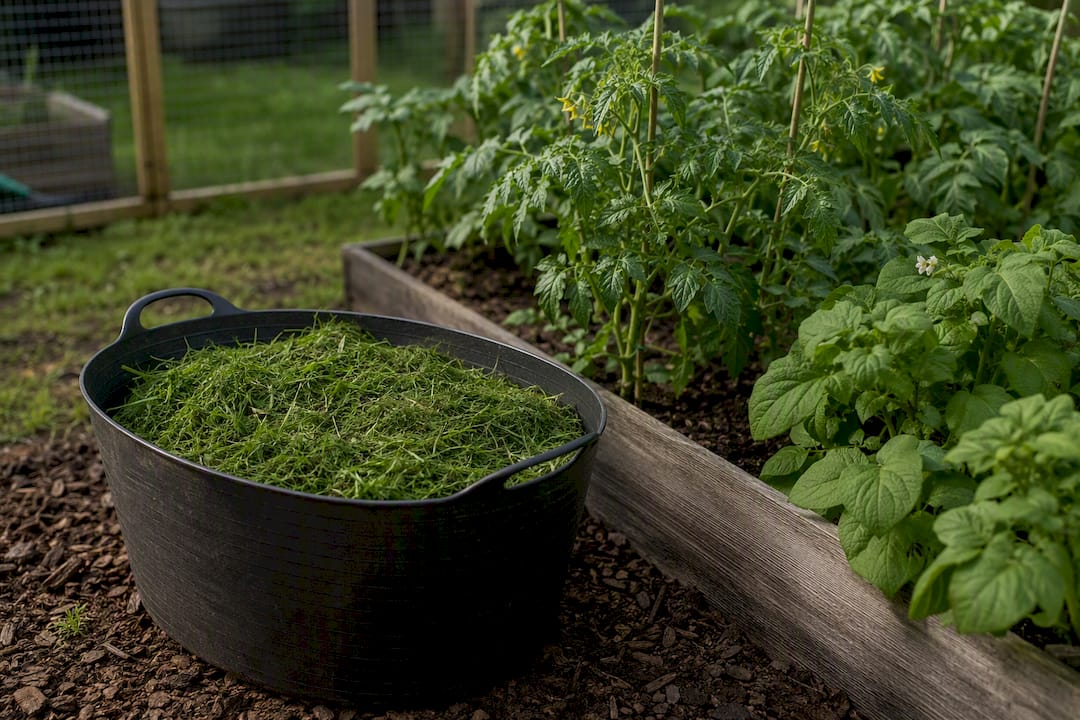
Garden and lawn hazards matter just as much as kitchen ones. Lawn clippings ferment quickly once cut and can cause severe digestive upset even when the grass itself would have been fine growing. Any plant sprayed with pesticide or weedkiller is off limits, and nightshade family foliage (think tomato and potato plants growing in the vegetable patch) should be kept well away from hutches and runs.
If your rabbit does eat something on the toxic list, don’t wait to see what happens. Remove any remaining food, contact your vet straight away, and mention exactly what was eaten and roughly how much. Watch for lethargy, a hunched posture, grinding teeth, or a rabbit that stops eating entirely. Any of those alongside a known toxic ingestion is an emergency, not a wait-and-see situation.
How do you safely introduce new foods to a rabbit’s diet?
Rabbit guts run on a stable population of gut bacteria, and sudden dietary change is one of the fastest ways to knock that balance off course. The safest approach is slow, deliberate, and easy to remember once you’ve done it a couple of times.
- Pick one new food and offer a small piece, no bigger than a thumbnail, alongside their usual greens.
- Wait 24 hours and check droppings before offering it again.
- If everything looks normal, offer a slightly larger portion the next day.
- Repeat for two to three days before calling that food a confirmed safe option.
- Only introduce one new item at a time, never several at once.
A useful way to think about variety without overcomplicating it is a “few foods, small amounts, steady pace” approach: a handful of different greens rotated through the week, a tablespoon or two of non-leafy veg per kilogram of body weight, and nothing new introduced faster than one item every few days.
Watch for soft or unusually smelly droppings, diarrhoea, excess wind, or a rabbit that goes quiet on food. Any of those signs mean stopping the new item immediately, going back to hay and their established greens, and calling your vet if things don’t settle within a day. RSPCA feeding guidance makes clear that dropping straight back to familiar food is the fastest way to settle a wobbly gut.
Pro Tip: Keep a simple note on your phone of every new food you’ve tried and the date. It sounds fussy, but it saves real guesswork later if a sensitivity shows up weeks after you’d forgotten what you’d introduced.
How should you clean and source fresh food safely?
Washing rabbit greens properly matters more than most owners realise, largely because of Rabbit Haemorrhagic Disease Virus (RHDV2), which can survive on unwashed forage and produce. A quick rinse under the tap doesn’t cut it. The safer method is a bowl soak of at least two minutes, changing the water once or twice, which House Rabbit Society guidance recommends specifically to reduce contamination risk.
If you forage for wild plants, three rules keep things simple:
- Only pick a plant you can identify with total confidence.
- Avoid anything near roads, verges, or areas dogs frequent.
- Skip sticky, seedy weeds that cling to fur, since they’re a grooming headache as much as a feeding risk.
Never feed lawn clippings, and never pick from a garden that’s had any recent pesticide or weedkiller treatment.
Why trust this guide to safe rabbit feeding
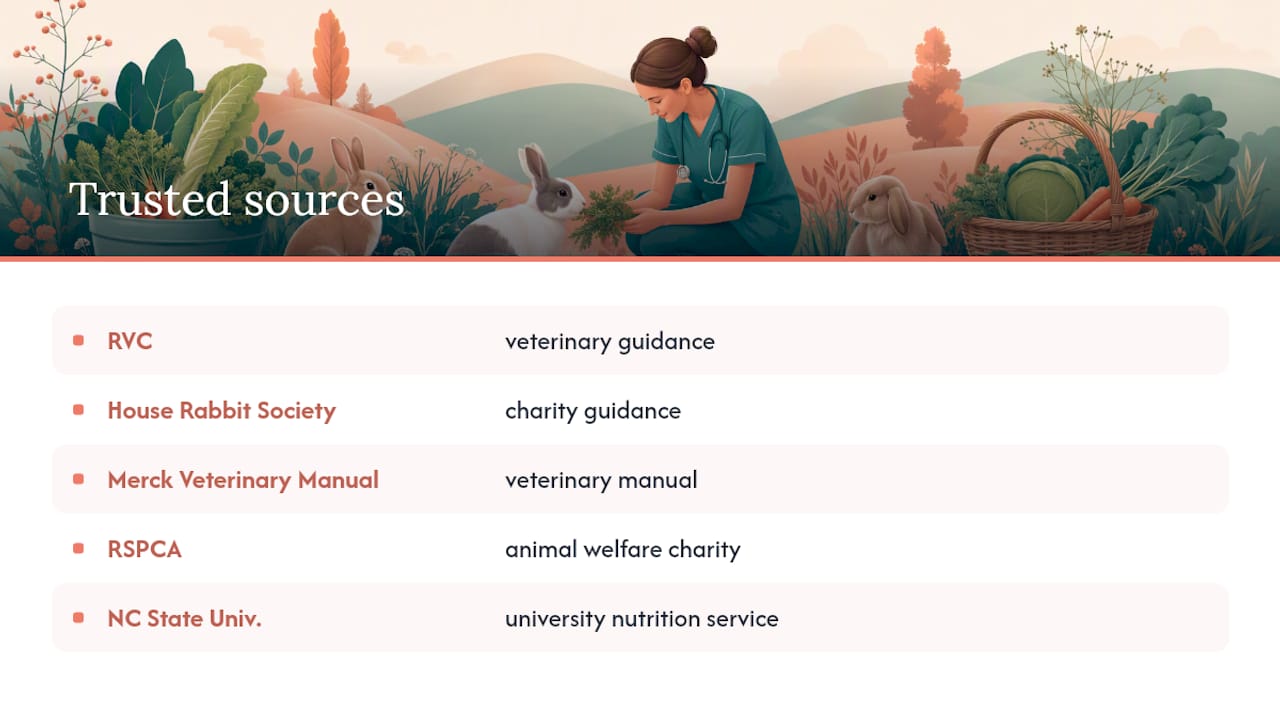
This guide builds its rabbit advice around veterinary and charity guidance rather than guesswork, drawing on sources including the RVC, House Rabbit Society, Merck Veterinary Manual, RSPCA, and NC State University’s nutrition service, cross-checked against each other where the lists overlap. For a fuller daily feeding plan, the rabbit diet guide on our site goes deeper into portioning and routine. Author credentials and reader case studies will be added here as they become available.
A note from Giddy
We rotate our own rabbits’ greens on a simple weekly pattern, washing a batch on Sunday and keeping it prepped in the fridge so feeding never becomes a chore. It’s a small habit that saves genuine stress later. If you want more structured help, our rabbit enrichment ideas pair nicely with feeding routines for a happier, busier rabbit.
— Giddy
Setting up a new rabbit? Start with the right basics
Getting the feeding side right matters, but so does having the right setup around it, from a hay rack that keeps grass off a dirty floor to bowls that don’t tip mid-meal. Giddy pets’ small pet starter kit bundles the housing and feeding essentials new or rehomed rabbit owners actually need, sized correctly and vet-informed rather than guessed at.
It’s built for exactly the stage where owners are still working out portions and routines, so you’re not piecing together separate purchases from five different places while you’re already stretched thin. If you’re setting up a hutch or run alongside your feeding routine, our rabbit hutches and supplies range covers that side too. Have a look at the small pet starter kit and get the basics sorted in one order rather than several.
Sources
- RVC rabbit feeding guidelines 2022
- House Rabbit Society — diet guidance
- North Carolina State University — rabbit nutrition (toxic food list)
- RSPCA — feeding guidance for rabbits