


A healthy guinea pig diet: what to feed and how much
A healthy guinea pig diet: what to feed and how much
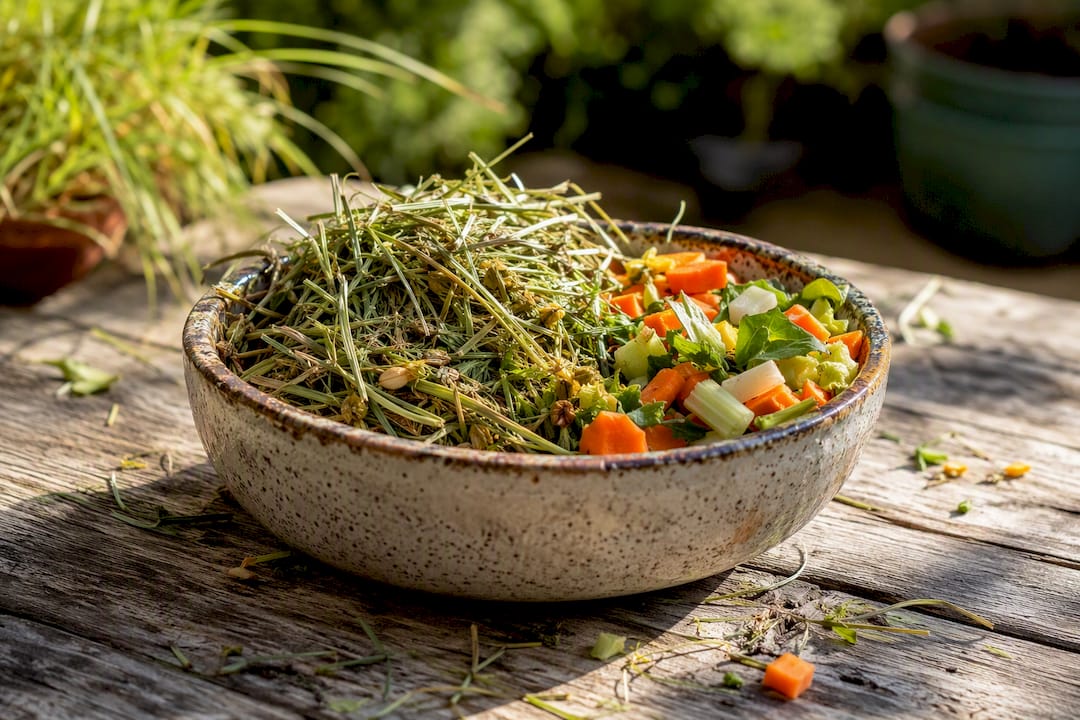
A healthy guinea pig diet is built on unlimited hay, a small measured portion of grass-based pellets, and roughly a cup of fresh vegetables daily to supply vitamin C. Guinea pigs cannot produce their own vitamin C, so it has to come from what’s in the bowl every single day. Fresh water and clean bedding round out the basics, and portions shift slightly depending on age, pregnancy, or health status. If you only take one thing from this article, take this checklist:
- Hay: unlimited, good quality, available at all times
- Pellets: a small measured daily portion of plain, grass-based guinea pig pellets
- Fresh veg: around 1 cup daily, rotated across the week for variety and vitamin C
- Water: fresh and changed daily, checked twice a day
- Watch: droppings, appetite and weight, adjusting portions for life stage
Key Takeaways
A healthy guinea pig diet succeeds when hay stays unlimited, pellets stay measured, and fresh vegetables rotate daily to deliver the vitamin C guinea pigs cannot produce themselves.
| Point | Details |
|---|---|
| Hay is the foundation | Keep good-quality timothy, orchard, or meadow hay available at all times for dental and gut health. |
| Measure pellets daily | Offer roughly one to two tablespoons of plain, grass-based pellets rather than free-feeding. |
| Rotate fresh vegetables | Aim for around 1 cup daily, cycling through multiple types weekly for variety and urinary health. |
| Prioritise vitamin C sources | Use fresh veg and stabilised pellets over water supplements, which degrade quickly. |
| Shop trusted supplies | Giddy Pets stocks vet-approved hay, grass-based pellets, and forage treats with fast UK delivery. |
Table of Contents
- Hay and grass: the foundation of guinea pig diet
- Pellets: choosing, measuring and storing them properly
- Fresh vegetables and fruit: variety, portions and treat rules
- Vitamin C: how much your guinea pig actually needs
- Foods to avoid and safer treat alternatives
- What does a typical feeding day look like?
- Recognising diet-related problems early
- How Giddy Pets supports your guinea pig’s nutrition
- What actually matters most in a guinea pig diet?
- Where to find vet-approved guinea pig supplies
- Sources
Hay and grass: the foundation of guinea pig diet
Hay isn’t a side dish here, it’s the main event. It should make up somewhere between 80 and 90% of what your guinea pig eats, and that’s not a rough guess, it’s what the Merck Veterinary Manual recommends for both dental and digestive health. Guinea pigs’ teeth grow continuously, and chewing tough grass stems wears them down naturally. Skip the hay, and you’re looking at overgrown teeth and a gut that slows to a crawl.
Timothy, orchard, or meadow hay mixes are the best everyday choice. Alfalfa hay is richer in calcium and protein, which suits young, growing pigs or pregnant sows, but it’s too rich for most healthy adults as a staple.
- Offer hay in a rack or scattered around the enclosure to encourage natural foraging behaviour.
- Top it up daily rather than letting the pile run low, since guinea pigs graze almost constantly.
- Store spare hay somewhere cool and dry, away from damp walls or direct sunlight, to stop mould taking hold.
Avoid lawn clippings entirely. They ferment quickly once cut and can cause serious digestive upset. Any hay that smells musty, feels damp, or looks discoloured should go straight in the bin, not the hutch.
Pro Tip: Buy hay in smaller, more frequent batches rather than one huge bale. Fresher hay smells sweeter, and guinea pigs are surprisingly picky about what they’ll actually eat.
Pellets: choosing, measuring and storing them properly
Skip the colourful muesli-style mixes and rabbit pellets sitting on the shelf next to the guinea pig food. Guinea pigs need pellets formulated specifically for them, plain and grass-based, because they’re fortified with stabilised vitamin C that rabbit food simply doesn’t contain.
- A typical healthy adult needs a small measured portion of pellets daily, not a bowl filled to the brim.
- Growing, pregnant, or underweight guinea pigs may need a slightly larger measured portion, best worked out with your vet.
- Vitamin C in pellets degrades over time, so buy smaller bags and use them within a few weeks of opening, storing them in an airtight container away from heat and light.
- Scatter-feed pellets occasionally instead of using the same bowl spot every day, which reduces selective eating and cuts the risk of obesity.
Fresh vegetables and fruit: variety, portions and treat rules
A modest amount of mixed fresh vegetables daily is the general target for an adult guinea pig, split across feeding times. Good everyday choices include bell pepper, romaine lettuce, cucumber, and coriander, each bringing a different nutrient profile to the table.
Variety matters more than most owners realise. A 2025 BSAVA study found that guinea pigs offered seven to ten or more types of produce were significantly less likely to develop uroliths, the painful bladder stones that send many pigs to the vet each year.
Why variety matters: Rotating vegetable types across the week doesn’t just prevent boredom, it’s linked directly to lower urinary stone risk, according to that same BSAVA research.
- Rotate types weekly rather than feeding the same three vegetables on repeat.
- Limit high-calcium greens like spinach or kale to occasional servings, since excess calcium contributes to bladder stones.
- Treat fruit (apple, strawberry, small amounts of melon) as an occasional extra, not a daily staple, given its sugar content.
- Remove any uneaten fresh food after a few hours, particularly in warm weather, to stop it spoiling in the enclosure.
Vitamin C: how much your guinea pig actually needs
Guinea pigs can’t manufacture vitamin C internally, unlike most other mammals, which is why deficiency is such a well-documented problem in the species. Adults typically need somewhere between 10 and 25 mg/kg of body weight daily, while growing, pregnant, lactating, or unwell guinea pigs often need 30 mg/kg or more, according to PetMD’s veterinary guidance. Left untreated, deficiency causes scurvy, which shows up as joint pain, poor coat condition, and lethargy.
Vitamin C added to drinking water breaks down quickly and can alter the water’s taste, which sometimes puts guinea pigs off drinking altogether. Fresh vegetables and stabilised vitamin C in properly stored pellets are the more reliable route.
- Prioritise vitamin C-rich veg such as bell pepper and parsley over relying on pellets alone.
- Store pellets in a cool, dark, airtight container to preserve their vitamin C content for longer.
- Speak to your vet about a dedicated vitamin C supplement if your guinea pig is recovering from illness, pregnant, or eating poorly.
Foods to avoid and safer treat alternatives
Some everyday human foods are genuinely dangerous for guinea pigs. Avocado, garlic, onion, rhubarb leaves, and iceberg lettuce should never make it into the bowl, and seeds, nuts, grapes, and raisins carry choking risks or excess sugar that guinea pigs are poorly equipped to handle.
High-calcium greens fed too often contribute to uroliths, while sugary treats pile on weight fast in an animal that’s naturally quite sedentary. Both problems are avoidable with a bit of planning.
- Offer hay-based chews and forage toys instead of sugary shop-bought treats.
- Try food puzzles or scatter-feeding to slow down fast eaters and add mental stimulation.
- Introduce any new vegetable in small amounts and watch stool and appetite over the following day or two.
Pro Tip: Guinea pigs can be genuinely stubborn about new foods. Pair an unfamiliar vegetable with a favourite one for the first few tries rather than swapping the whole bowl at once.
What does a typical feeding day look like?
A simple daily rhythm removes most of the guesswork:
- Refill hay first thing, checking it’s topped up again by evening.
- Measure out the pellet portion (roughly one to two tablespoons for an adult) rather than free-pouring.
- Offer around a cup of mixed fresh vegetables, split across morning and evening if that suits your routine.
- Check and refresh the water bottle or bowl.
- Remove any leftover fresh food before it wilts or spoils.
- Younger, pregnant, or underweight guinea pigs often need slightly larger vegetable and pellet portions, best confirmed with your vet.
- Scatter-feeding pellets and hay encourages natural grazing behaviour and reduces selective eating.
- If your guinea pig suddenly needs more or less food than usual, that’s worth a vet check rather than a guess.
Recognising diet-related problems early
Gut stasis is one of the most urgent conditions in guinea pigs, and it can develop within hours of a hay shortfall or sudden diet change, so daily monitoring genuinely matters.
- No droppings, or noticeably fewer than usual, for more than a few hours
- Sudden loss of appetite or refusal of favourite foods
- Swollen or painful-looking joints, which can signal vitamin C deficiency
- Difficulty moving, hunching, or straining to urinate
Any of these warrants an urgent vet call rather than a wait-and-see approach, since gut stasis and scurvy both progress quickly. One thing that isn’t cause for alarm: soft, moist droppings your guinea pig eats directly from itself. That’s caecotrophy, a normal process where they reabsorb B-vitamins, not diarrhoea.
How Giddy Pets supports your guinea pig’s nutrition
Giddy Pets curates grass-based pellets, quality hay, and forage-friendly treats with vet-approved guidance behind every listing, so you’re not left guessing between muesli mixes and proper formulations.
- Read our related rabbit diet guide for comparable small-mammal feeding principles
- Browse dental care essentials that support the tooth-wearing benefits of a hay-rich diet
- Get in touch with our customer care team for tailored feeding recommendations for your guinea pig’s age or condition
What actually matters most in a guinea pig diet?
Most feeding advice online obsesses over precise ratios, the so-called “333 rule” being a good example: three cups of hay, three vegetables, three times a week, or some variation of it. It sounds tidy, but the Merck Veterinary Manual is blunt about it: rigid mnemonics like this often mislead owners because needs vary so much by age, weight, and health status. A pregnant sow and a sedentary older boar have nothing like the same requirements.
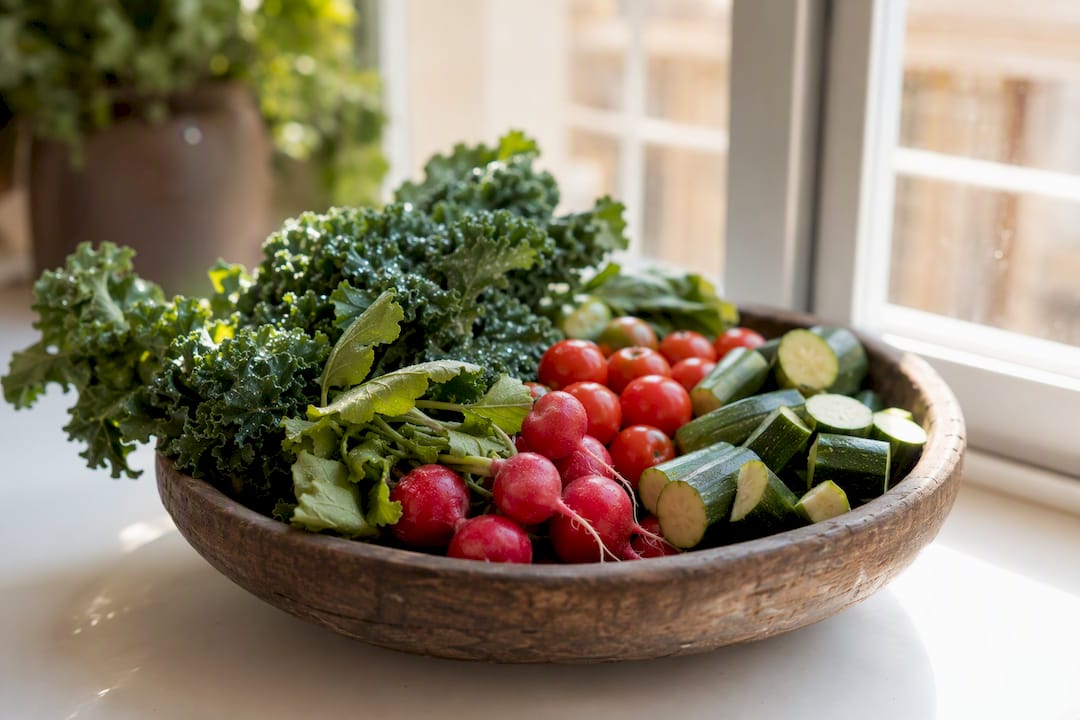
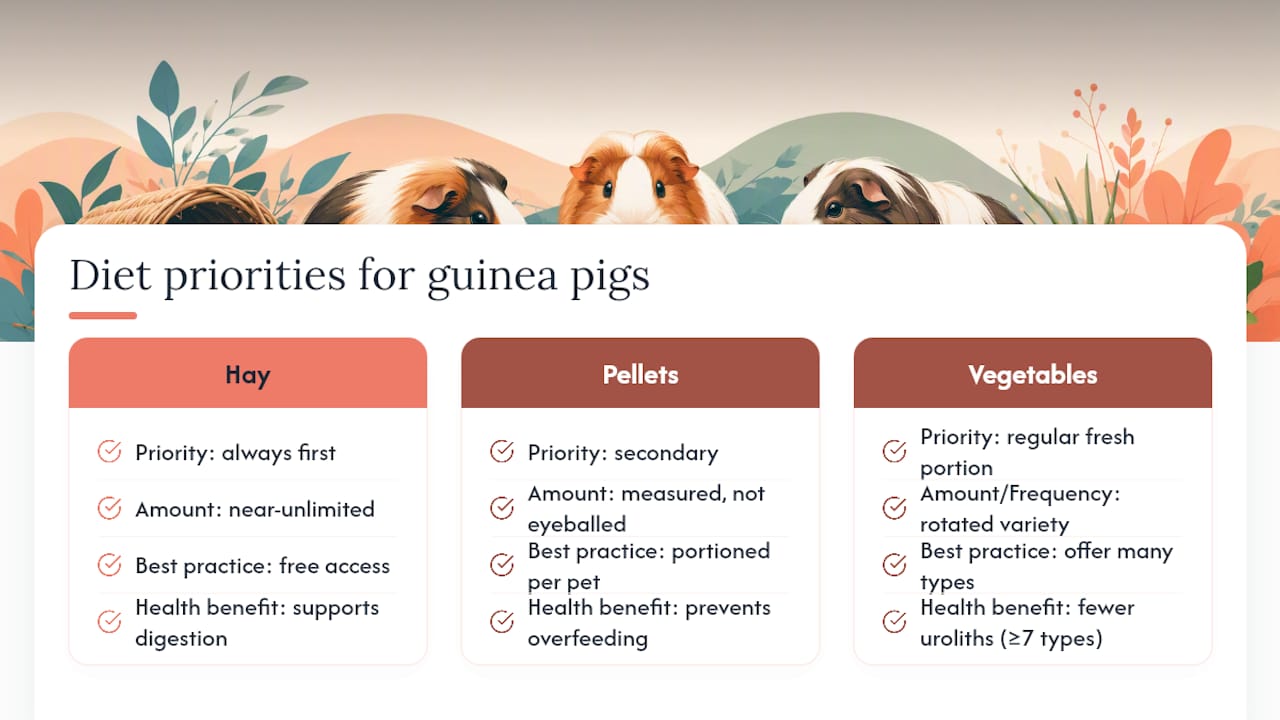
What the evidence actually supports is simpler and less quotable: hay first, always, in near-unlimited amounts. Pellets measured, not eyeballed. Vegetables rotated for variety, not repeated because they’re convenient. The BSAVA’s urolith research backs this up directly, showing that pigs fed seven or more vegetable types fared better than those stuck on the same two or three.
Where most owners go wrong isn’t malice, it’s habit. The same three vegetables, the same pellet bowl, week after week. Breaking that habit does more for your guinea pig’s long-term health than any strict formula ever will.
Where to find vet-approved guinea pig supplies
Getting the fundamentals right—unlimited hay, grass-based pellets, and rotating fresh veg—is straightforward once you know what to look for on a packet. Giddy Pets stocks fortified grass-based pellets, quality timothy and meadow hay, and forage-based treats, all selected against vet-approved standards rather than picked for shelf appeal.
Delivery across the UK is fast, so you’re not left scrambling when the hay bin runs low or vitamin C-rich pellets go stale before the bag’s finished. If you’re unsure which pellet formulation suits your guinea pig’s age or health status, our customer care team can point you towards the right product rather than leaving you to guess on a supermarket shelf.
Browse the pet food and treats range to build a proper feeding kit today, or explore our wider small pet care selection for hay racks, bowls, and enrichment items that make daily feeding easier to stick to.
Sources
- Diet for a guinea pig — Merck Veterinary Manual
- Vitamin C deficiency in guinea pigs — PetMD
- Risk and protective factors for urolithiasis in guinea pigs — BSAVA (2025)
- What do guinea pigs eat? — Scottish SPCA