







30 Second Ear Check: How UK Dog Owners Spot Infections by Smell
30 Second Ear Check: How UK Dog Owners Spot Infections by Smell
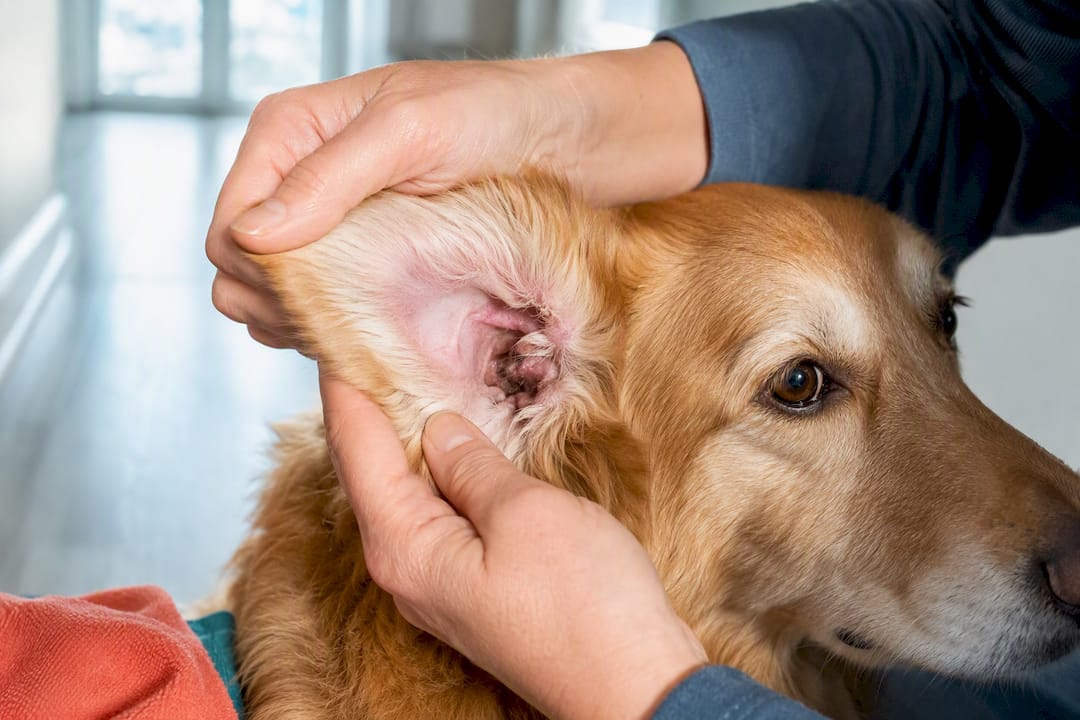
Head shaking, scratching, a foul or yeasty smell, redness, swelling, or dark discharge are the clearest signs of a dog ear infection. If you spot any of these, book a vet appointment. If your dog also has a head tilt, sudden balance problems, or seems suddenly deaf, treat it as urgent and get same-day veterinary care.
TL;DR:
- Head tilting, sudden balance issues, or deafness require immediate veterinary care, as they indicate deeper middle or inner ear infections.
- Recurrent ear infections often stem from underlying causes like allergies or breed-related anatomy that traps moisture and debris.
- Diagnosis relies on cytological analysis and may involve imaging if the infection is chronic or severe, guiding targeted treatment.
- Home treatment should be limited to vet-approved ear cleaning solutions, avoiding irritants like vinegar or hydrogen peroxide, and never using cotton swabs.
- Routine weekly checks of ears for odour, debris, and redness are essential for early detection, especially in breeds with narrow canals or excess ear hair.
Table of Contents
- Dog ear infection symptoms: what to watch for at home
- When ear infection symptoms mean an emergency
- What actually causes ear infections in dogs
- How vets diagnose an ear infection
- Treating an ear infection safely, and what never to do at home
- Preventing ear infections with routine checks
- Why owner familiarity matters more than any product
- Sources
Dog ear infection symptoms: what to watch for at home
Most infections announce themselves through behaviour long before you see anything alarming inside the ear. Your dog can’t tell you it’s uncomfortable, but their head and paws will.
Watch for these patterns:
- Head shaking or tilting repeatedly, especially after being still for a while
- Scratching, rubbing, or pawing at one or both ears
- A foul or yeasty smell coming from the ear canal (a sharp, sour odour often points to yeast, while a stronger, more offensive smell can suggest bacterial involvement)
- Discharge that’s dark brown, tan, yellow, or has a chunky texture, sometimes with scabbing or crusting around the ear flap or opening
- Redness, swelling, or heat in the ear canal or on the ear flap itself, which can sometimes balloon into a painful blood-filled swelling called an aural haematoma
- Sensitivity to touch, where your dog flinches, growls, or pulls away when you go near the affected ear
The PDSA notes that symptoms can build gradually or appear seemingly overnight, and that anything beyond mild redness, such as a head tilt or wobbliness, points to deeper infection affecting the middle or inner ear. That distinction between “surface” symptoms and “deeper” symptoms matters enormously for how quickly you need to act, which the next section breaks down.
Pro Tip: Get to know the normal smell of your dog’s ears when they’re healthy. Once you know that baseline, a change in odour is often the very first thing you’ll notice, well before any visible discharge shows up.
When ear infection symptoms mean an emergency
Not every itchy ear needs a same-day vet visit, but some signs cannot wait until Monday morning. Here’s how to triage what you’re seeing:
- Book a routine appointment (within a few days) if your dog is shaking their head, scratching, or has mild redness and odour but is otherwise eating, playing, and behaving normally.
- Call for an urgent same-day slot if you see a head tilt, stumbling or loss of balance, vomiting, sudden deafness, a hot and visibly swollen ear flap, or signs of severe pain such as yelping when the ear is touched.
- Treat bleeding or intense distress as an emergency, particularly if it follows a known injury, a grass seed, or a foreign body getting lodged in the canal.
Delaying care on inner or middle ear signs carries real risk. Left untreated, infections can cause chronic inflammation, permanent changes to the ear canal, and in some cases lasting hearing loss.
What actually causes ear infections in dogs
Ear infections rarely appear out of nowhere. They’re usually the visible result of something else going on, which is why the same dog often gets them again and again if that root cause isn’t found.
- Allergies (environmental or food-related) that inflame the skin lining the ear canal, creating conditions bacteria and yeast thrive in
- Yeast or bacterial overgrowth, commonly involving organisms like Malassezia yeast, Staphylococcus, and Pseudomonas
- Ear mites, foreign bodies such as grass seeds, or excess moisture trapped after swimming or bathing
- Breed and anatomy, with floppy-eared or narrow-canalled dogs such as Cocker Spaniels, Basset Hounds, and Beagles at higher risk because their ear shape limits airflow and traps moisture
Chronic inflammation can also allow bacteria to form a protective biofilm layer, and a peer-reviewed review of canine otitis externa notes this can make infections harder to clear and more likely to return. Recurrent infections are rarely bad luck. They usually mean the underlying trigger, often allergies, was never properly addressed.
How vets diagnose an ear infection
A vet visit for suspected otitis follows a fairly predictable sequence, and knowing what to expect can make the appointment feel far less daunting.
- History and physical exam. Your vet will ask when symptoms started, whether they’ve happened before, and will examine both ears even if only one looks affected.
- Otoscopic examination. Using an otoscope, the vet looks down the canal to check for swelling, discharge, foreign material, and, where possible, the state of the eardrum itself.
- Cytological swab. A sample of discharge is examined under a microscope. This step is what the Merck Veterinary Manual identifies as central to diagnosis, since it distinguishes bacteria from yeast or a mixed infection, and that result decides which medication actually works.
- Imaging or referral. For chronic, recurrent, or severe cases, especially where middle ear disease is suspected, your vet may recommend imaging or referral to a specialist.
Treating an ear infection safely, and what never to do at home
Treatment depends entirely on what the cytology finds, which is why guessing at a remedy before a proper diagnosis rarely helps and can sometimes make things worse.
Vets typically prescribe:
- Topical medicated drops or ointment matched to whether the infection is bacterial, yeast-based, or mixed
- A course lasting roughly one to four weeks, with follow-up cytology to confirm the infection has actually cleared rather than just quietened down
- Anti-inflammatory or pain relief medication, often used early on to reduce swelling enough that cleaning and drop application are tolerable for your dog
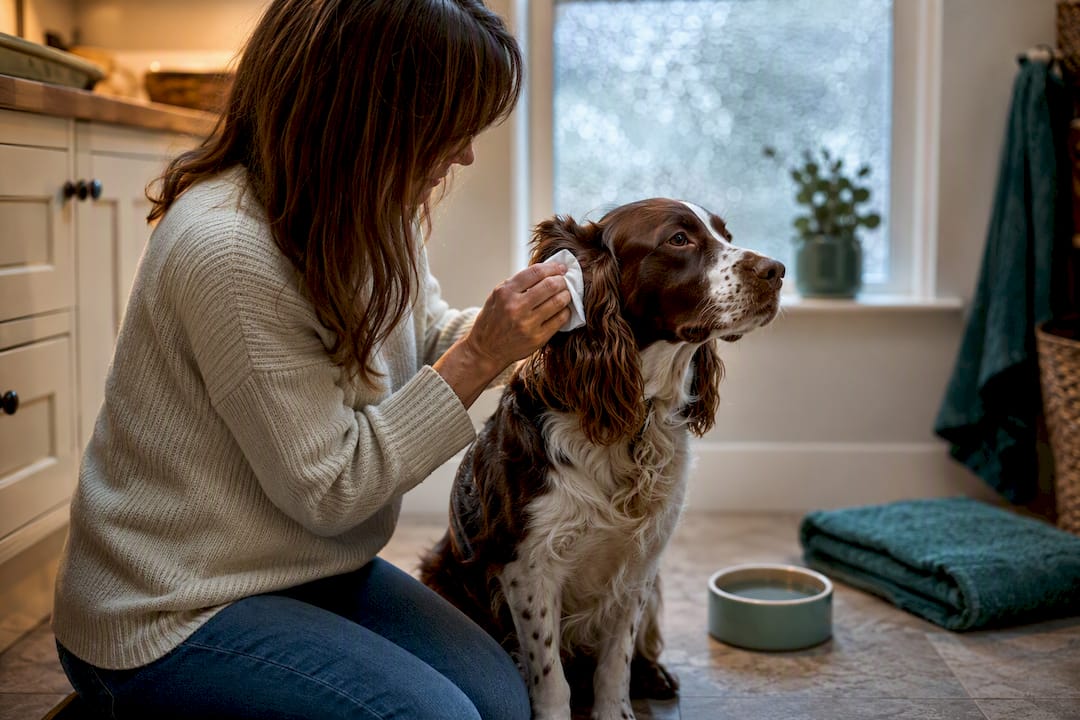
At home, stick to vet-recommended ear cleaning solutions and follow the exact instructions you’re given on how much to use and how often.
What to avoid, without exception: vinegar, hydrogen peroxide, and any homemade or internet-sourced remedy, all of which can irritate already-inflamed tissue. Never use cotton buds. The PDSA specifically warns that they push debris further down the L-shaped canal towards the eardrum instead of removing it.
Pro Tip: If your dog won’t sit still for cleaning, do it in short sessions rather than forcing one long attempt. A calmer dog tolerates the process better and you’re less likely to cause pain that makes the next clean even harder.
Preventing ear infections with routine checks
A quick weekly look is usually enough to catch trouble before it becomes a full infection. Healthy ears should be pale pink inside, free of strong odour, and free of visible debris or discharge.
- Check ears once a week, lifting the flap gently and looking for colour changes, smell, or wax build-up
- Use a simple vet-approved cleaning routine rather than improvising. A 30-second ear check walks through the exact steps a vet would recommend
- Dry ears thoroughly after swimming or bathing, since trapped moisture is one of the easiest triggers to prevent
- Trim excess ear hair if your dog’s breed tends to grow it, and keep grooming routine to reduce debris build-up
- Address allergies or skin disease early, since these are the most common underlying drivers of recurrence rather than the infection itself
Why owner familiarity matters more than any product
The single most useful skill in preventing serious ear infections isn’t a product at all. It’s knowing what your own dog’s ears normally look and smell like, so you notice the moment something’s off.
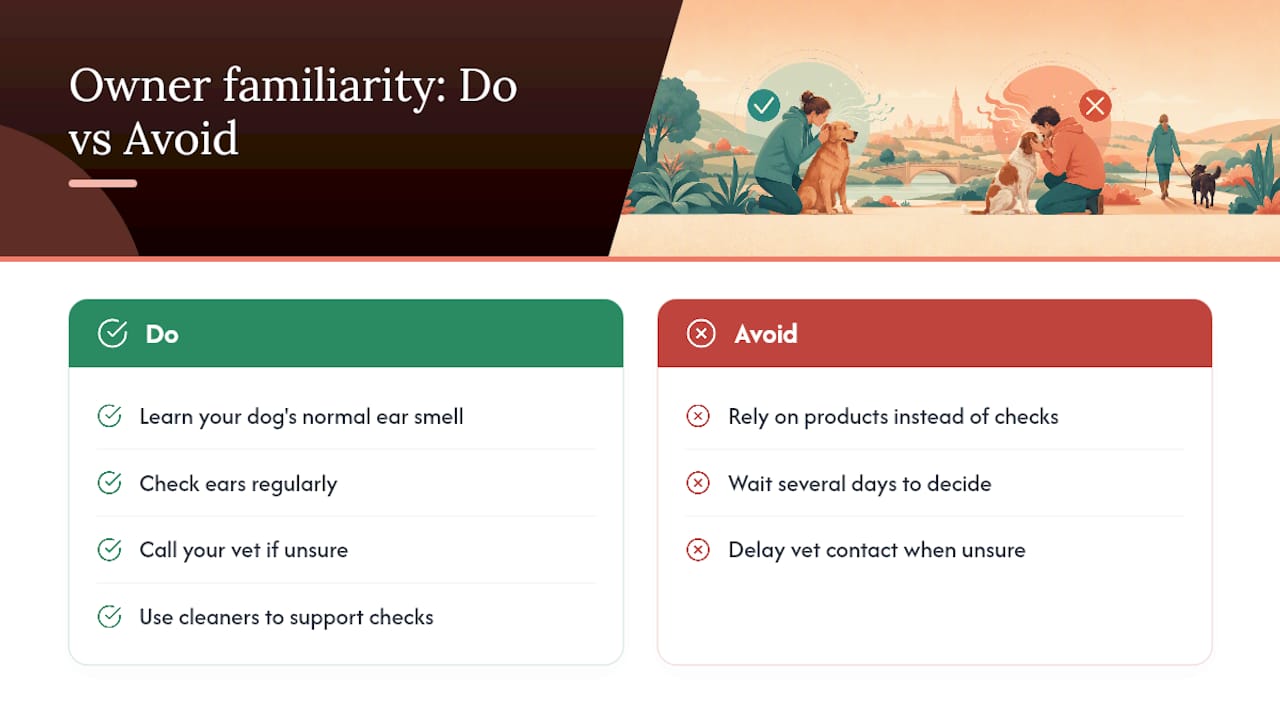
We built our vet-approved guides and gentle ear-care ranges around that idea, because catching a problem on day one instead of day ten changes everything about how easily it clears up. If you’re ever unsure whether what you’re seeing warrants a trip to the vet, don’t wait it out. A quick call to your practice costs nothing and saves a lot of guesswork.
For routine care between vet visits, our dog ear cleaner range and grooming tools are designed to support the checks your vet will recommend, not replace their diagnosis.
— Giddy
This article is general information, not a substitute for advice from a qualified doctor. Consult a qualified healthcare professional about your own circumstances before acting on anything here.
Sources
- Ear infections in dogs | PDSA
- Merck Veterinary Manual — Ear infections and otitis externa in dogs
- Review of canine otitis externa (PMC, peer‑reviewed)
- AKC — Dog ear infections (overview)